Author: FijiDream Admin

  • What Are the Top 10 Fiji Attractions? Start Exploring From Nadi.

    What Are the Top 10 Fiji Attractions? Start Exploring From Nadi.

    Let’s set the scene: You’re finally standing outside the Nadi terminal. A string of frangipani rests on your shoulders. That classic airport chaos fades into a blur of “Bula!” smiles and taxi drivers. The relief is instant. And so is the next thought: “Right. What’s first?” But then… You check into your hotel. You drop your bags. And you have that moment. You know the one. You look at your travel partner (or just yourself in the mirror) and say: “So… what do we actually do?” If you’re a first-time visitor, you might think Nadi is just the place you sleep before catching a boat to the “real” Fiji tomorrow. I’m here to tell you—with the fervor of a convert—that you are so wrong. Nadi isn’t in the lobby.  It’s the first damn chapter of the book, and it’s a good one, packed with what could easily be called the top 10 Fiji attractions. It’s the first damn chapter of the book, and it’s a good one. Forget those generic “Top 10” lists. The learning curve has been handled for you. What remains is this curated list: the essential attractions near Nadi that deserve a prime spot in your itinerary, ensuring every moment of your trip counts.

    Nadi: Your Surprisingly Brilliant Basecamp

    Here’s the tactical advantage no one talks about loud enough: Nadi is central. I mean, obviously, it’s near the airport. For anyone short on time, that proximity is your greatest advantage. Every single recommendation here sits within a 30-to-60-minute journey. That means more exploring, less time trapped on a bus. You can have a cultural moment, a nature hit, and a beach beer all before sunset without feeling rushed. Every tour in the country seems to pick up from here. The main port to the islands? Twenty minutes away. It’s the ultimate hub. “It turns ‘I wish I could see that’ into ‘Let’s go after breakfast,’ putting the best tourist attractions in Fiji Nadi within effortless reach.

    The Real List: 10 Things That Don’t Suck

    Let’s look at the 10 best things to do in Nadi and its immediate surroundings. No fluff.

    1. The Temple That’ll Stop Your Heart (Sri Siva Subramaniya)

    You can’t miss it. It looks like a rainbow exploded into architecture. Go inside. Shoes come off at the steps. Those towering carved pillars? They hold stories in their grooves. You don’t need a translation to feel their weight. Budget twenty minutes and a few dollars. The memory, though, is free and lasts forever. And a note: covering your knees and shoulders isn’t a suggestion. It’s a firm, respectful request from the community welcoming you in.

    2. The Orchid Heist Garden (Garden of the Sleeping Giant)

    So, story: This was actor Raymond Burr’s private obsession. This whole place exists because one man was utterly devoted to orchids. The result? You’re not just walking through a garden. You’re exploring a collection that feels alive with singular passion—wild at the edges, thick with magic. Dappled sun highlights blossoms so pristine they seem fictional. The ponds are flawless, liquid mirrors. Bring that water bottle; the warmth is deceptive, settling in around you. This spot was made for mornings with empty pockets of time and a full heart for wandering.

    3. The Grown-Up Mud Pie Kitchen (Sabeto Mud Pools)

    This is the most fun you’ll have while looking completely absurd. You smear warm, silky mud all over yourself. You let it bake in the sun until you crack when you smile. Then you soak it off in natural, thermal pools that smell faintly of sulfur. You emerge weirdly relaxed and your skin has never been softer. Go with friends. The shared laughter is half the experience.

    4. Denarau: The Practical Pitstop

    Look, Denarau Island itself is a gated community of nice resorts. It’s polished, not the place for raw, local authenticity. BUT. Port Denarau is the launchpad for every island adventure. And the marina has a killer gelato place, a decent bottle shop for wine, and a supermarket where you can buy Australian chocolate (a weird luxury abroad). It’s not a destination. It’s a useful, pretty transit point.

    5. The “Instant Fiji” Day Trip (South Sea Island)

    Only got one day? Do this. You are blasted out to a little sandbar surrounded by palm trees by a swift catamaran. This is a call for the serious snorkelers wanting to see the key top 10 Fiji attractions sites.” Just off the shore, you go snorkeling. You have a meal of barbecue. You just got the whole Fiji-island thing done in a day. It’san efficient paradise.

    6. The Sunset Drinking Hole (Wailoaloa Beach)

    This is Nadi’s local beach. The sand is decent. But forget all that—you showed up for the sunset. Stake out a seat at any of the beach shacks (Ed’s Place, with its fading blue chairs, is a solid pick). Get a Gold. Then just watch. The whole horizon will bleed into mango, then lavender, then deep violet. Costs almost nothing, feels like everything. Non-negotiable, really.

    7. The Yacht-Spotter’s Haven (Vuda Marina)

    A quieter, more polished alternative to Denarau. Come here to watch serious sailors and dream about running away to sea. The restaurants are pricier, but the quality is top-notch. It’s a lovely spot for a “treat yourself” dinner where you can watch the mast lights twinkle on the water. Feels fancy without trying too hard.

    8. The Beautiful, Chaotic Market (Nadi Municipal Market)

    This is NOT a sanitized tourist market. This is the real deal. Go with your senses open. Taste the sweet, tiny bananas. See the pyramids of ginger. Smile and say “Bula.” Don’t take photos of people without asking. Just be a respectful observer in the wonderful, daily chaos.

    9. The Big-Ticket Island Hopping (Mamanucas)

    South Sea Island is the appetizer. The Mamanuca chain is the main course. This is a call for serious snorkelers and divers. Secure a spot on a dedicated marine tour. You’re investing in a front-row seat to another universe: psychedelic coral architectures, fish that are pure swimming color. The iconic Modriki Island is often on the itinerary. It’s a splurge, no doubt. But for those who live for the reef, there’s simply no substitute.

    10. The Heart-and-Soul Combo (Sabeto Valley Tour)

    This is the top recommendation for anyone asking, “But what’s Fiji really like?” A good tour takes you to a village. First, you’re a guest in the village: sitting on the ground, accepting the groggy kava drink, hearing tales passed down. Then, you become an explorer, following a hidden path to a thunderous waterfall where a deep, cool pool waits. It’s the perfect dual offering—deep cultural insight followed by pure, natural exhilaration. You leave feeling like you’ve connected, not just observed. It’s arguably the most meaningful entry in the top 10 Fiji attractions

    How to Build Your Day (No Stress)

    • The “Highlights Reel” Day: Temple (AM) -> Garden (Late AM) -> Mud Pools (PM). Classic.
    • The “Total Chill” Day: Lounge -> Wailoaloa Sunset. Maybe a massage. Perfect.
    • The “Go Big” Day: Full-day Mamanucas snorkel tour. You’ll be exhausted in the best way.
    • The “Deep Cut” Day: Market (AM) -> Sabeto Village & Waterfall Tour (PM). For the curious.

    Stuff You Actually Need to Know

    • The local buses are cheap, slow, and an adventure. Taxis are plentiful. NEVER get in without agreeing on the price first.“How much to the Garden?” Say it. Every time.
    • Fiji Time is Real: Your tour might start 10 minutes late. The bus might be slow. Your lunch might take an hour. This isn’t bad service. It’s a different rhythm. Lean into it. You’re not in a rush anymore.
    • Pack This:  It’s a beach towel, a temple skirt, a sun shield, a scarf. Reef-safe sunscreen. The regular stuff kills coral. A sense of humor.

    The Final Word

    Nadi isn’t a placeholder. It’s a portal. You don’t have to trek to the remote highlands to connect with Fiji. The real heart of the place—the chaotic markets, the dense greenery, the social mud pools, the beachside beers—is sitting right in Nadi’s backyard. It’s all surprisingly within reach. This is the beauty of chasing the top 10 Fiji attractions from here Your job isn’t to check everything off a list. It’s to pick two things that make your heart say “yes,” and go do them. The rest is just letting the slow, sweet pace of the islands wash over you. Now get out of your hotel room. Your adventure is literally right outside the door. Vinaka and bula.
  • Honeymooners: Find the Best Vacation Spots in Fiji

    Honeymooners: Find the Best Vacation Spots in Fiji

    You’re not the first couple to get stuck trying to find the best vacation spots in Fiji for a honeymoon. You open a website, see that impossible blue water, and think: “Yes, that’s it.” Then you click. Suddenly, you’re drowning in resorts. Overwater bungalows. Private islands. Eco-retreats. “All-inclusive luxury.” It’s enough to make you close the laptop and just go back to staring at your wedding photos. The issue is not too little information. It’s too much of it, all saying the same perfect thing. So let’s try something different. Let’s forget about finding the “#1 Best Honeymoon in Fiji.” That place doesn’t exist. What does exist is your specific version of a perfect start. Maybe that’s a cold drink and a pool that disappears into the ocean. Maybe it’s a kayak, a map, and a beach with no one else on it. Fiji has both. Your job is to figure out which one you are. Below, let’s break down each island area —who it’s for and what it’s really like. But first, answer this: Are you looking for total relaxation or a trip with more activities? Most couples lean one way. That feeling is your biggest clue for where to go. This is the only question that matters. The islands are just the backdrop. If you want EASY: You want to get off the plane and feel like you’ve arrived. Short transfer. A stunning resort where everything is handled. Amazing food, an incredible pool, and a spa. Your biggest decision is whether to snorkel before lunch or after. You want the picture-perfect, no-surprises Fiji on the magazine cover. That’s a real and wonderful thing to want. That’s a real and wonderful way to plan a vacation in Fiji. If you check the adventure box, you’re okay with some hassle along the way. A long, uncomfortable ride doesn’t bother you if you end up on a beach all by yourselves. You’d trade a floating bar for a hidden waterfall pool. Your perfect day might involve a hike, a village visit, or getting a little lost. You want the feeling of Fiji, not just the postcard. Most couples are a mix. But one side usually wins. Be honest about which one it is.

    The Fiji Breakdown: No Fluff, Just Facts

    Here’s what the different parts of Fiji are actually good for.

    The Mamanuca Islands: For “Easy”

    This is the Fiji you see in TV ads. It’s close to the main airport (a quick boat ride). The water is ridiculously blue, the sand is white, and the resorts are pros. They’ve been doing honeymoons for decades. The catch is that it can feel a bit like “Fiji World.” You’ll see other honeymooners. It’s not the place for raw, untouched solitude, but it remains one of the best vacation spots in Fiji for first-timers who want iconic luxury.

    The Yasawa Islands: For “Adventure”

    Getting here means a longer boat ride. The view changes: tall green cliffs and long, empty beaches. The resorts are smaller and quieter, built right into the landscape. There are fewer people. The vibe is “rustic luxury”—think amazing views but maybe an open-air bathroom. The stars at night will ruin you for anywhere else.
    • Good for: Privacy seekers, couples who love nature, people who don’t need a chocolate on their pillow but do need to feel like they’re the only people on Earth.
    • The catch: It’s remote. Choices for food and activities are what your resort offers. Getting there takes time and effort.

    The Coral Coast: For “A Bit of Both”

    On the main island’s big stretch of coastline, you get great resorts with a major bonus: you can actually see Fiji. You can easily see local culture here. Visit a market, watch a firewalking ceremony, or tour a village. It is convenient to do. You still have a large resort with big pools and restaurants, but real Fiji is right outside. This area is good for couples who are curious. It is good for people who like food. It is good for anyone who wants to relax but also see something real.
    • The catch: The beaches are nice, but they’re not the tiny, perfect coves of the outer islands. The ocean view might have a fishing boat in it. It’s more “real life” alongside your resort bubble.

    Taveuni (“The Garden Island”): For “Serious Nature People”

    This is for a specific couple. This area is for active couples. You will want both hiking shoes and snorkel gear. Taveuni is very green and wet. It is famous for its diving, waterfalls, and birds. The hotels here are built for nature.
    • The catch: It’s wetter. It’s remote. It’s not a “lie on a white-sand beach all day” kind of place (though it has those too). This is a destination for doing things.

    Making It Real: Tips From People Who’ve Done It

    • The “Must-Do” That’s Actually Worth It: Book a private sunset sail. Just do it. Splurge. A small catamaran, just you two, a captain, and some snacks. Swimming in the quiet late-afternoon sea and then watching the sky catch fire is the single best memory you can buy. Group cruises are fine; private is magic.
    • The Dinner You’ll Remember: Tell your resort you want a private dinner.
    • Do One Activity Together: It breaks up the sunbathing and gives you a shared story, and adds a unique layer to your Fiji vacation. A cooking class (you’ll learn to make kokoda, a local ceviche). A guided snorkel trip. A visit to a village.

    Important Stuff

    1. Island-Hopping: Sounds romantic. Island-hopping is complicated. With less than ten days, stay in one place. Moving between islands wastes a whole day.
    2. Money: Fiji is not cheap, especially on remote islands. A bag of chips costs $12 because it came on a boat. Strongly consider a meal plan at your resort. The upfront cost hurts, but it stops the constant bill shock and lets you actually relax and enjoy one of the best vacation spots in Fiji.
    3. What to Pack: Pack light and smart. You need:
    • Reef-safe sunscreen(normal sunscreen kills the coral).
    • A good hat.
    • Swimsuits(you’ll live in them).
    • A rash guardfor sun protection while snorkeling.
    • That’s it for shoes.
    • A light sweaterfor breezy evenings.
    • A waterproof bagfor your phone on boats. Leave the fancy clothes and high heels at home. The dress code is “barefoot classy.”

    Your Next Step

    Stop scrolling. Have one conversation. Over coffee, ask each other: “What does our best day there look like, from morning to night?” Listen to the answer. Then, match it to the places above. That’s it. That’s your honeymoon. Book it. Go. Be done with the planning and start the celebrating. Your own perfect version of the best vacation spots in Fiji is waiting—not in a brochure, but in that simple, honest conversation you just had.
  • Which Fiji Made Products Give You Truly Glowing Skin?

    Which Fiji Made Products Give You Truly Glowing Skin?

    We’re talking about that glow. You know that glow. It’s the one people have after a real holiday—not just a tan, but skin that looks truly healthy and awake, like it’s been reset. Forget the usual prestige suspects for a minute. The latest chatter for this kind of radiance isn’t pointing to a fancy lab. It’s pointing to Fiji. This isn’t just a vacation fantasy. There’s a real, quiet shift happening. People are getting tired of fifty-ingredient cocktails and turning toward skincare that feels more like food for your face. The real leaders in this shift? Authentic Fiji made products. These are more than just nicely scented creams. They come from some of the purest soil on the planet, made the way families there have made them for ages. So which products actually deliver? Let’s talk about what really works.

    The Source: It’s in the Ground

    The key to understanding these products is simple: start with the dirt. Fiji’s secret isn’t one “it” ingredient. It’s the whole package. The islands rise from ancient, mineral-packed volcanic rock and are soaked by some of the world’s cleanest rain. This creates a powerhouse of an environment where plants don’t merely survive—they surge. Coconut palms, dilo trees, and aloe vera don’t just grow here; they draw from a soil so rich and vibrant that its potency can’t be manufactured. Modern Fiji made products are worth your money. Don’t invent this wheel. They simply refine it, bottling that deep-seated, practical wisdom for a global bathroom shelf. When you choose well, you’re not buying a product. You’re accessing a legacy.

    The Island’s All-Star Lineup: Meet the Ingredients

    Forget the chemical hard-to-pronounce lists. The ingredient decks on the best Fijian products read like a short, potent poem to nature. You’ll recognize the main ingredients right away. Coconut oil is in almost everything—they press it fresh there, and it just soaks right into dry skin. Then there’s dilo oil, which comes from a local nut. It’s thicker, and people really rely on it to calm things down if their skin is irritated or red. Aloe vera gel is also used, but it’s the good kind—clear and thin, not that thick green goo. It cools your skin off fast after too much sun. And since they’re making this stuff right where the plants grow, they also toss in whatever else they have around, like ginger or papaya. They’re not there for the name—they’re just what grows nearby, and each one does a specific job, like gently scrubbing or brightening.

    Building Your Ritual: The Product Categories That Shine

    • The Heart of It: Facial Oils & Elixirs. This is where the magic is most concentrated. A bottle blending dilo and coconut oils isn’t just another slick of grease. It’s a nutrient-dense treatment. A few drops massaged into damp skin at night doesn’t clog—it dissolves, working to balance, nourish, and yes, create that famous glow by morning.
    • The Indulgence: Body Butters That Actually Sink In. Many body creams promise. Fijian butters, dense with cocoa and coconut, deliver. They have a weight that melts the moment skin warmth touches them, offering a level of long-term hydration that cheaper lotions, full of water and air, simply can’t match.
    • The Clean Start: Soaps With a Story. There’s something grounding about using a bar of soap made the old, slow way. Cold-processed with a base of coconut oil, these soaps clean deeply without that terrible, squeaky stripped feeling. Often, they’re flecked with ground coconut shell or turmeric, offering a gentle, physical polish that wakes up the skin.
    • The Details: Don’t Forget Lips & Hair. This sense of care applies to everything. A basic lip balm made with their coconut oil can smooth away flakes in minutes. Put hair oil made from local nuts on dry ends before you shampoo. It repairs sun damage and adds shine.
    • Finding Your Match: The Fijian way is flexible. The key is to choose based on what your skin actually needs.
    Pure coconut oil or pure aloe gel are safe bets. Always patch test a new product on your inner arm first.

    The Feel-Good Factor: Beauty That Does Good

    Here’s a compelling reason to make the switch that goes beyond your mirror. Many of the authentic brands behind these Fiji made products are built on a foundation of “good.” Look, here’s the thing about these brands. They don’t just buy ingredients from a big anonymous supplier. They go to the village. They buy directly from groups of women who work together. That means the money from your lotion or oil goes right into their hands, into their community. They also pick the dilo nuts and coconuts in a way that doesn’t kill the tree. They take some, they leave some, so it’ll keep growing. It’s common sense. And obviously, they don’t test on animals. Why would you? It’s just plants from the island. So yeah, when you use this stuff, you’re buying a product. But you’re also supporting that whole process. It feels better that way.

    Finding the Real Deal (No Plane Ticket Required)

    You don’t need to book a flight to experience this. The digital world has brought the islands’ best to your doorstep. Search for specialty online retailers focused on Pacific goods or look for Fijian brands that sell directly. A true brand will proudly showcase its origins, its ingredient sources, and its community partnerships right on its website. Read the “About Us” page—if the story isn’t there, the authenticity might not be either.

    The Bottom Line on the Fiji Glow

    In the end, the secret to the Fiji glow is beautifully simple. The best products don’t add complexity—they remove it. They offer a return to simplicity, to ingredients so potent and pure that they need little else. The glow from Fiji made products come down to this: use fewer, better ingredients. Choose real coconut, dilo, and aloe over complex formulas. Your skin knows the difference. That postcard-perfect radiance? It turns out it can be bottled. And its address is Fiji.
  • Why is seafood so central to the Typical Fijian Food Diet?

    Why is seafood so central to the Typical Fijian Food Diet?

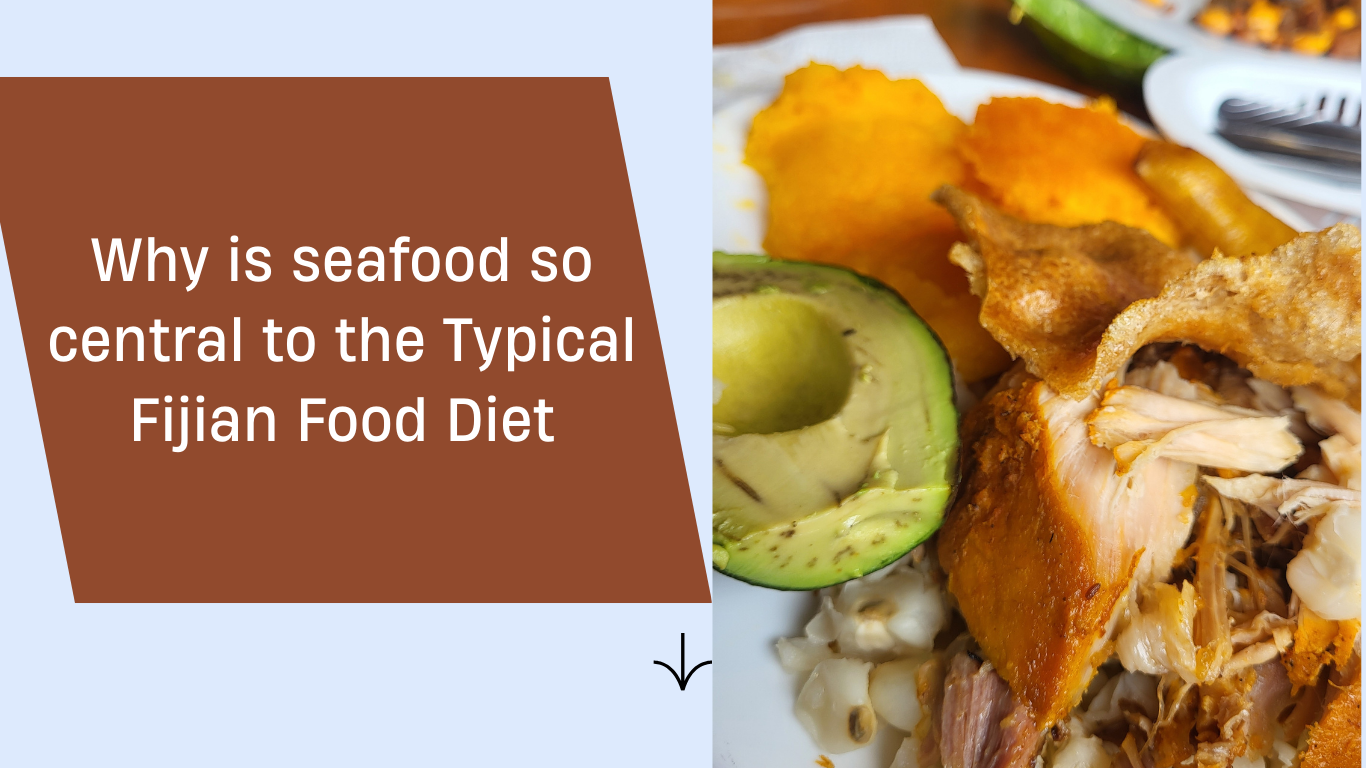
    Fijian people don’t just eat seafood. They have a conversation with the ocean. Every meal is its reply. You won’t fully grasp that until you spend a morning there in the village of Navala. As the first pink streaks of dawn lit the sky, people pushed their wooden bote into the still water. They don’t check a weather app; they watch the birds skimming the surface. “The matamawai are busy,” they say, pointing. “The small fish are up, so the big ones will be feeding.” An hour later, you would haul in two gleaming walu. In the afternoon, those fish, simply grilled over coconut husks, can feed three generations of a family under the mango tree. These days, you can feel the ocean speak. It’s a dialogue that defines Fiji. So, why is seafood the absolute beating heart of the typical Fijian food? Let me tell you, it’s a story written in saltwater and shared with bare hands.

    The Old Ways: Fishing as a Language

    The way Fijian fish is intimate, almost quiet. You won’t see many giant trawlers in the village waters. You’ll see young boys learning to throw a cast net, their faces a mask of concentration until the perfect circular splash blossoms on the water. This knowledge is their inheritance. It’s knowing that the sici (clams) are fattest after a full moon, or that a certain ripple means trevally are hunting below. It is tied to a law of respect: the qoliqoli. These are their fishing grounds, passed down. But it’s not just a law. It is a deep promise. They take only what they need. They leave the rest for tomorrow. For their children. So when a man brings fish home, he brings more than a meal. He brings that promise, kept. He’s bringing a story of skill, patience, and a pact with the deep blue. This is the soul of Typical Fijian food culture—it begins with reverence.

    What’s Swimming onto Your Plate?

    Walk through any local market, and the chorus hits you first: “Fresh ikaKaikoso today!” The variety is a vibrant, wet, and wonderful mess.
    • The Go-To: Fish. For a quick, perfect lunch, nothing beats ika vakalolo—fish simmered in a gravy of lush coconut milk until it’s fall-apart tender, mopped up with a chunk of dalo. Or, my personal favourite, fish straight off the bbq, its skin crispy and salty, served with a fiery horohoro (chilli) relish.
    • The Treasure Hunt: Shellfish. You’d shuffle through the cool sand until you felt it: the hard, rounded secret of a kaikoso. That pot of clams, steamed until they sighed open in a simple coconut broth, tasted like the whole ocean had given you a gift. It tasted like being eight years old.
    And the octopus—the kuita. That’s a different game. It’s a labour of love, that dish. You taste every minute of the effort. So their menu? It’s never set. It depends entirely on what the ocean offered up that morning. One day, it’s sweet clams from the sand, the next it’s a clever octopus from the reef. Eating here means eating with the tides. Seafood in Fiji isn’t just a category of food. It’s the day’s news, served on a plate.

    The Magic in the Making

    Here’s the thing about Fijian cooking: they keep it simple. Why get in the way of something perfect? Their best dishes are just a spotlight on what’s fresh. Take Kokoda, for example. That’s their masterpiece. You cut up the freshest fish you have—right from the morning’s catch. You let the lime juice do its work, turning the flesh firm and white. Then you drown it in the good stuff: rich, heavy coconut cream straight from the nut. You chill it. On a blazing hot day, you eat it straight from the bowl in the fridge. That first bite? It’s cold, it’s tangy, it’s rich. But the real recipe? It’s not written down. It’s sharing. It’s one big bowl in the middle of the mat, and everyone is reaching in. It’s using your hands. It’s messy fingers, loud jokes and arguing over the last prawn. The food is just the reason they all sat down. The meal happens in the talking, the laughing, the passing of the story with the bowl. That’s how you cook a Fijian meal. You cook it together.

    Food as Their Welcome Mat

    This is where food becomes culture. In Fiji, you cannot truly welcome someone without offering them the best of the sea. When a guest arrives, a spread of the day’s finest catch is the purest form of “welcome home,” even if they’ve never been here before. At a wedding, the size of the lovo and the variety of fish and lobster speak volumes about the family’s joy and respect. In these moments, Fijian Food stops being just food. It becomes a language of love, respect, and profound connection.

    New Waves, Old Anchors

    Yes, things are changing. In the cities, you can buy frozen chicken or imported sausages. Global pressures exist. But here’s what you will see: the pull of tradition is a strong current. The qoliqoli system is defended with fierce pride. And in the villages? The old rhythms hold. Kids still learn to fish. Grandmothers still know when the clams are done. And you can’t have a real feast without food from the sea. Things change, but what they eat at their core doesn’t. The typical Fijian food is anchored in the ocean. That anchor isn’t moving.

    The Eternal Conversation

    So you don’t ask why. You just know. Fish isn’t just food here. It’s breakfast. It’s lunch. It fills their conversations and fills their days. It’s the sound of a knife scraping fish outside. They welcome people with this Fijian food. They give thanks with it. It’s simply their life. No one plans the typical Fijian food diet. You live surrounded by the ocean, and the ocean provides. So you eat what it gives. Every single day. The logic is straightforward. It’s the coming together that matters most. It’s sharing from the same bowl. In those moments, they are most themselves. Every single bite of fish is part of that feeling. That’s the truth of it.
  • South Sea Island vs. Other Fiji Snorkelling Tours: What Makes It Special?

    South Sea Island vs. Other Fiji Snorkelling Tours: What Makes It Special?

    It might be challenging to plan your snorkelling day in Fiji. How can you choose just one of the numerous fantastic trips that are offered? Brochures and websites overflow with promises of neon coral and fish that look like living rainbows. Right there in the mix, you’ll always see South Sea Island Fiji snorkelling offered. Although it is well-liked, what is the true narrative? Is it only the most practical option, or is it the correct one for you? Let’s go past the shiny pictures and cliched sales pitch. This is a straightforward, practical look at how a day at South Sea Island actually compares to other Fiji snorkelling tours. The objective is to assist you in determining which experience will bring you the day you’ve been secretly wishing for, not to proclaim a winner. To choose well, it helps to first understand what kinds of snorkelling trips Fiji offers. First, you’ve got the Island Day Trip. This is the classic model. These trips take you to a single island for the entire day. You get the full island experience. Many islands offer kayaks or beach games. It’s a proper day out, not just a quick snorkel stop. Then there’s the Reef Safari. These trips are all about the water. The boat is your base. It takes you to one or two renowned snorkel spots—places with names like “The Supermarket” or “Coral Gardens”—where you jump in and explore. The focus is intense, maximizing time floating above the reef. There’s little to no “beach time.” For resort guests, there’s often the House Reef option. Many resorts have coral right off their own beach. You grab gear from the dive shack and walk in. It’s the ultimate in convenience, but the quality of the snorkelling is a roll of the dice, entirely dependent on that resort’s specific coastline. Finally, for the daring, there are Remote Expeditions. Consider full-day or multi-day treks to remote Yasawa Islands or exclusive, seldom-seen reefs. The travel is lengthy, the views are beautiful, and the thrill of discovery is included.

    The Heart of the South Sea Island Fiji Snorkelling Experience

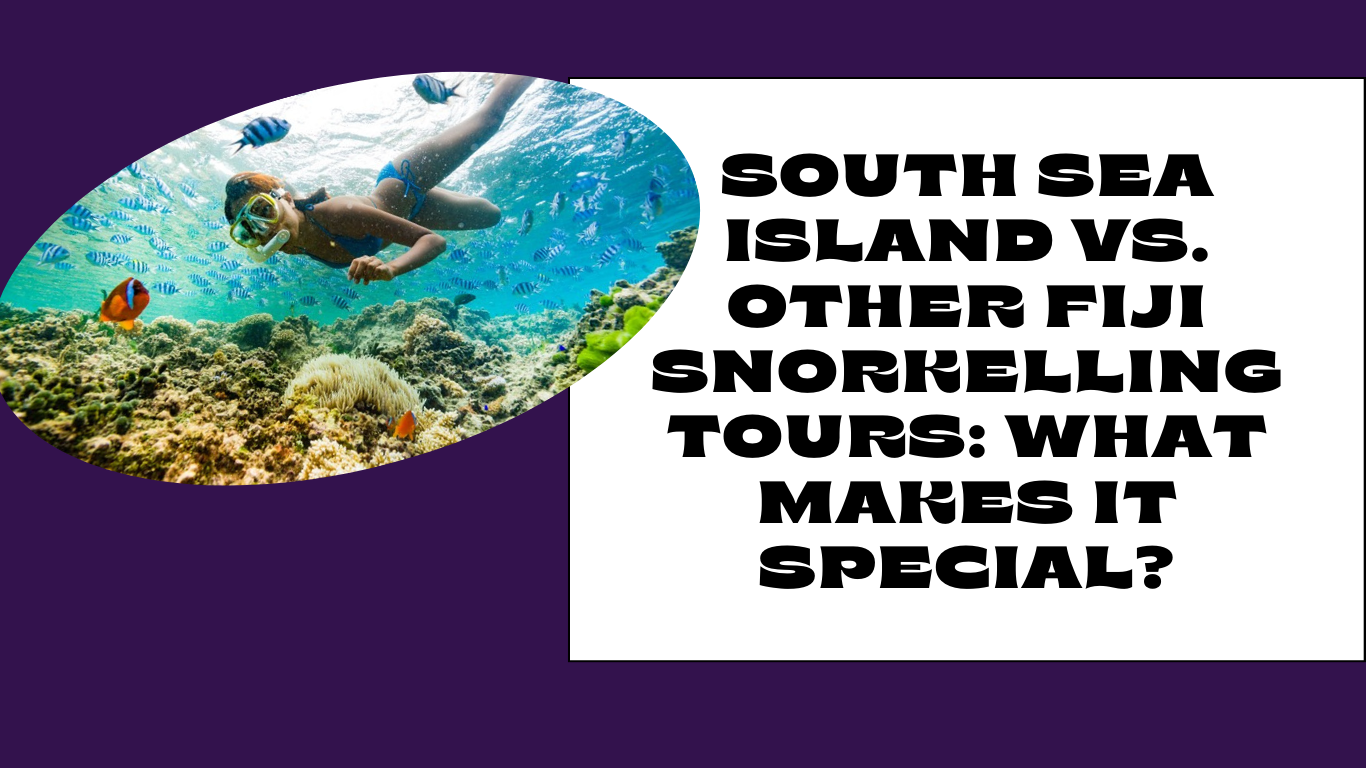
    So, where does the South Sea Island snorkelling experience fit in? South Sea Island is a top pick because it’s so convenient. The trip is simple. The boat from Denarau only takes about an hour. You are not signing up for a long journey. This makes it an excellent choice for families with active children or anybody who would prefer spend their vacation in the water rather than on the journey there. Once you arrive, that theme of ease continues. The snorkelling here isn’t done in deep, open channels. It happens in calm, shallow lagoons hugged by the island. Currents are minimal.

    The Journey vs. The Destination

    With South Sea Island, the journey is pleasant but brief. The island itself is a key part of the destination. On a Reef Safari, the boat ride can be longer and sometimes choppier, as you travel to specific offshore sites. The boat is a taxi, not a destination.

    Calm Lagoons vs. Open Ocean

    This is the biggest practical difference. The South Sea Island Fiji, snorkelling experience is defined by sheltered, calm water. It’s peaceful and secure.

    Marine Life: Reliable vs. Possible

    Around South Sea Island, you are guaranteed a fantastic show. Some outer reef sites visited by safari boats have a chance for bigger sightings—maybe a turtle gliding by, a graceful ray, or a small reef shark in the distance. It’s less guaranteed, but the potential is there.

    The Pace of the Day

    South Sea Island offers a blend. It’s snorkelling, beach time, and island leisure.

    Who Should Book This Trip? (And Who Should Keep Looking)

    This comparison paints a clear picture of who will have their best day ever on a South Sea Island Fiji Snorkelling tour.

    Say “yes” to South Sea Island if you:

    • Are new to snorkelling or feel uneasy in deep, open water.
    • Are you traveling with children of any age? The calm lagoon is a parent’s peace of mind.
    • Have just a single day for an excursion and want a complete, no-hassle package.
    • Want a taste of both worlds: fantastic snorkelling andthe classic “deserted island” fantasy of white sand and palm trees.
    • Enjoy a friendly, social atmosphere rather than seeking solitary silence.

    Look at other Fiji snorkelling tours if you:

    • Are a confident, experienced snorkeler who finds calm water a bit tame and seeks more dramatic seascapes.
    • Prioritize absolute tranquility and feel that crowds, however mild, detract from nature.
    • Are staying at a resort with phenomenal house reef access, and want something completely different.
    • Have a specific marine life “bucket list” item that requires a specialized trip to a specific location.

    What to Really Expect

    You’ll be provided with standard snorkel gear. It’s functional. If you’re particular about fit, consider bringing your own mask. A safety briefing is standard procedure—listen to it. Guides are present and helpful, especially during the group snorkel. The greatest safety feature, however, is the lagoon itself. Its calm nature is your best ally. When you weigh up the cost, think of it as an inclusive package. Your ticket buys the boat ride, the gear, a solid lunch, and access to all the island’s facilities. You won’t be pulling out your wallet every five minutes. Other trips might have a lower upfront cost, but add on meals or extra transport fees. You’re paying for smooth, simple enjoyment.

    The Final Word

    So, what’s the bottom line on South Sea Island Fiji snorkelling? It excels as the ultimate accessible, all-in-one Fijian day trip. South Sea Island is not a rugged adventure trip. It’s just a fun, simple way to see Fiji’s reefs on a lovely island day. It’s ideal if you want to unwind. Select a different trip if you prefer deeper water and stronger currents. That’s alright, various vacations are appropriate for different people. Choose what you enjoy. Do you want to float calmly or swim hard? For a calm, easy day, choose South Sea Island. It’s close, peaceful, and does exactly that.
  • Seeking Grace Underwater? Why is Swimming with Manta Rays Fiji So Special?

    Seeking Grace Underwater? Why is Swimming with Manta Rays Fiji So Special?

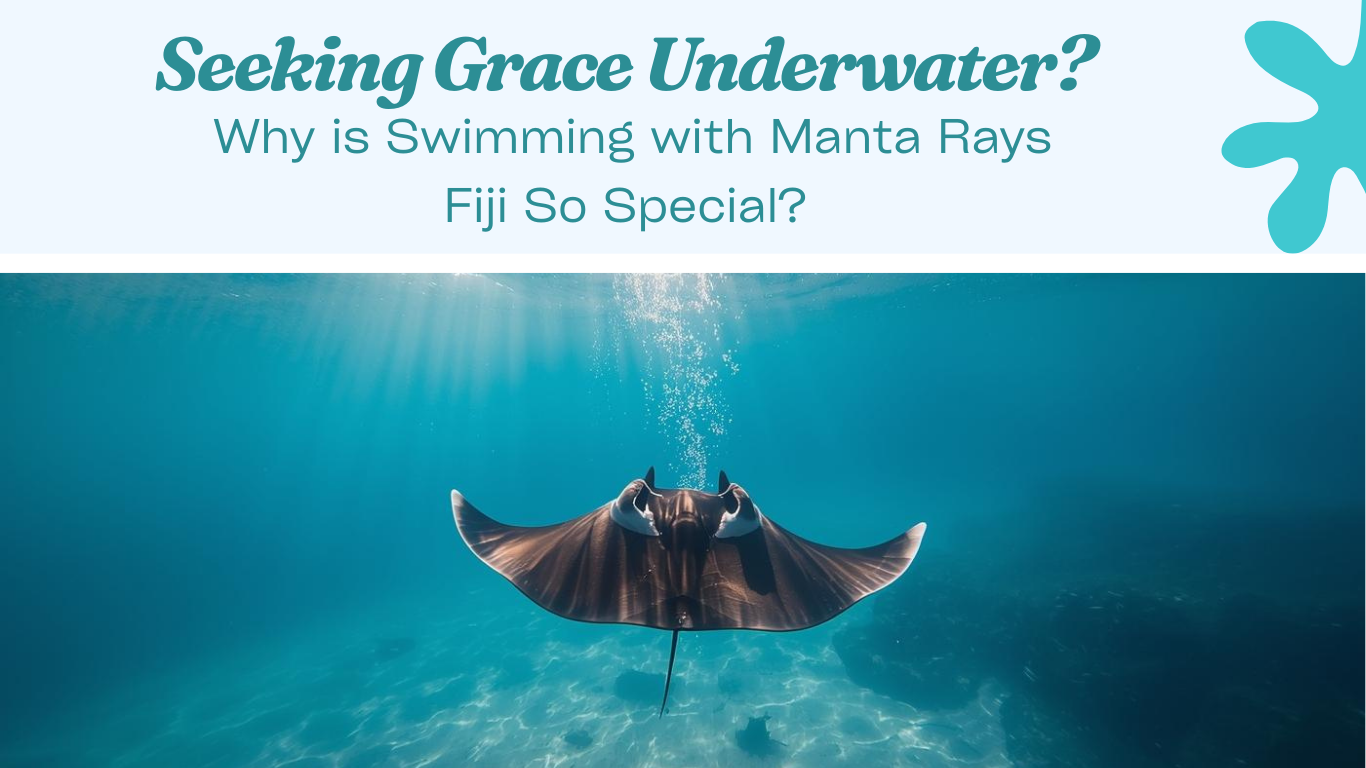
    We need to talk about the mantas themselves. You can look at pictures of manta rays all day. But until you’re in the water with one, you don’t get it. It’s not their size. It’s their grace. They don’t swim. They glide. No rush, no splash. Just a quiet, powerful kind of peace moving through the water. That’s the core of any swimming with manta rays Fiji adventure—it’s calm, not chaotic. They’re gentle by design, these giants. Their entire existence revolves around sifting microscopic plankton from the water with specialized gill plates. You are neither food nor threat. You are simply… there. And sometimes, they seem mildly interested in that fact. That’s the best part. Their calm makes this possible for almost anyone. This isn’t a chase. It’s not some predator-prey drama. It’s a shared moment of quiet, and all you have to do is float there. It’s a quiet coexistence.

    Why Fiji? It’s All About the Current Kitchen

    So, why Fiji? Simple: geography and respect. The Yasawa Islands funnel ocean currents into narrow channels. This concentrates plankton into a thick, all-you-can-eat soup. For manta rays, it’s a reliable buffet. They show up like clockwork, especially from May to October. This isn’t a show—it’s their daily commute, creating the perfect setting for swimming with manta rays Fiji. But the real secret is Fijian stewardship. Local villages enforce tabu, or protected zones, where fishing is forbidden. The tabu zones aren’t for show. They’re a promise to protect the vanua—a pledge made generations ago. When you swim here, you’re a guest in their home. Your guide isn’t just a guide. They’re a keeper of that promise. Their knowledge runs deep, and their respect for the rays runs deeper. You’re not just seeing nature here. You’re seeing a pact—one that’s been honored for generations.

    What a Morning with the Mantas Really Feels Like

    Forget the brochure. Let me tell you how a morning of swimming with manta rays Fiji actually unfolds. It starts early, with a boat ride across water so blue it looks edited. The Fijian crew is chatting, pointing out islands. The vibe is excited but calm. Then, the engine drops to a purr. The spotter up front is pointing. “There, by the reef edge. Two of them.” Your heart does a little flip. The guide gathers everyone for a briefing that’s less about rules and more about philosophy. “Move slowly. Let them come to you. No touching—it hurts their skin. Just float and enjoy.” It’s about being a good guest. Then you’re in the water. The warmth is immediate. You’ll fumble with your mask—everyone does. You slowly get your breathing under control. Then you look down. For a heartbeat, it’s just blue. Endless, empty blue. Then, movement. A shadow peels away from the deep blue. It becomes a shape. And my god—it’s bigger than you ever pictured. It’s coming up from the depths, wings rippling. It passes within a few meters, completely ignoring you, focused on the invisible plankton trail. You can see the unique pattern of spots on its white belly—its fingerprint. You might see it open its giant, cavernous mouth to feed, or perform a graceful barrel roll. The weirdest part? The quiet. Aside from your own Darth Vader breathing through the snorkel, it’s silent. People don’t yell or splash. They watch. You might exchange wide-eyed glances with a stranger, sharing a wordless “Can you believe this?!” It’s a shared, almost reverent moment. Time does something strange. It stretches out, then snaps back. You’ll get chilled and not even notice. Your mask is foggy and you barely notice. All that exists is the ray and the blue.

    Tackling the Nervous Questions Head-On

    The big one: are they dangerous?

    Honestly? No. They’re gentle giants—literally built to eat the tiniest food in the sea. They have no stingers, no teeth for biting. The only thing you might hurt is the snorkeler next to you if you kick out in excitement.

    Do I need to be Michael Phelps?

    Not even close. You need to be comfortable floating in deep water. That’s really all it takes. They’ll pass you a pool noodle or a life jacket. You’re just lying there on the surface, peering down.

    What if I panic?

    Tell your guide. They’ve seen it all. They’ll help you back to the boat or the trailing line. There’s zero shame in it. This is about enjoyment, not endurance. The mantas here are used to polite company. They don’t panic. No drama. Just quiet coexistence.

    The One Rule That Matters Most

    This isn’t a petting zoo. The single most important thing you can do is practice passive observation. We have this innate desire to connect by touch, but for mantas, our touch damages the protective mucus coating on their skin, leaving them vulnerable to infection. The ethical experience of swimming with manta rays Fiji is built on “look, don’t touch.” Don’t chase them. Don’t dive down on them. Let them control the proximity. Here’s the raw truth: that’s the only way it keeps working. If we spook them, they leave. By doing nothing—by just watching—you’re not just following a rule. You’re keeping the magic alive for you, and for whoever floats here next. Choose an operator that vocalizes these principles. The best ones are often smaller, connected to conservation projects, and fiercely protective “of their” rays.

    So, should you go?

    Listen—if you need jet-skis and constant excitement, book a different tour. This one has quiet stretches. You might float for twenty minutes before you see a thing. That’s the real draw of swimming with manta rays Fiji. That second—when a ray banks and passes beneath you, close enough to see the water move over its skin, but still completely free—that’s the whole point. It doesn’t feel like something you booked. It feels like a gift. But if your idea of a perfect morning is calm water, a slow heartbeat, and the chance to swim with manta rays fiji as they move through their world without noticing you… Then yeah. You should go.

    The Afterglow

    You’ll climb back on the boat buzzing. Someone will finally break the quiet with a “Wow!” and then everyone is talking at once, comparing what they saw, pointing out unique markings. You’ll sit in the sun, salt tightening on your skin, with a quiet, settled kind of gladness you can’t force. You’ll remember the specific pattern of spots on the belly of the ray that circled you three times. You’ll remember the silence. That’s what you’re actually signing up for. You’re not buying a guaranteed photo op. You’re buying a chance to float in blue silence and have a wild, winged ghost choose to share its space with you. It’s a gift. And it’s worth every penny.
  • What Does It Really Cost to Have a Happy New Year in Fiji

    What Does It Really Cost to Have a Happy New Year in Fiji

    When the calendar turns to December, images of a New Year celebration in Fiji become commonplace. There is the expected depiction: fireworks over a calm sea, smiles and toasts on a sandy beach. For many, it represents an ideal vision of renewal and escape from colder climates. Yet for a traveler planning such a trip, practical questions naturally follow the initial appeal. What defines the actual atmosphere of this celebration? How does the widely promoted experience align with the daily reality on the islands during this season? Moving beyond the promotional imagery, the following explores the characteristics of a Happy New Year in Fiji. This is an overview of the environment, pace, and varied experiences available to visitors during this notable time of year.

    The Soundtrack Isn’t Always a Dance Track

    Forget the single image of a massive beach rave. A Happy New Year in Fiji has more than one rhythm. In places like Denarau or Port Denarau, sure, you’ll find the big parties. In some locations, the evening involves large buffet dinners, music from DJs, and professional fireworks displays. These events attract a diverse international group of travelers. The celebration differs in other settings. On smaller islands or at family-run places, the evening is often quieter. Instead of a DJ, live local music can be featured. A lovo, or meal prepared in a subterranean oven, is frequently the main course. Instead of large explosions at midnight, there may be sparklers. You can usually hear the ocean and people saying “Bula.” That’s the secret. The real Fiji New Year celebrations aren’t a monologue; they’re a conversation. The celebration offers both lively events and quiet moments. Visitors can choose their own pace, finding enjoyment in different ways, from social gatherings to peaceful time by the sea.

    Your Room Key Opens More Than a Door

    Where you stay doesn’t just give you a bed. It decides the flavor of your whole celebration. It’s the difference between being a guest at a spectacular show and being a new friend at a family reunion. The large, famous resorts are masters of the event. For New Year’s Eve, they transform. They build the stage, set the schedule, and create a seamless, exciting world. You don’t have to think. Then there are the smaller places—the ones with twenty bures instead of two hundred rooms. Here, you’re not a room number. The owner might greet you at breakfast. The person serving your dinner might be the one who took you on a snorkel trip that afternoon. When the new year comes, it feels personal. The staff might join the guests for a toast. The celebration is less of a production and more of a shared, happy moment. This choice—big energy or intimate connection—is the first step in sketching your own Happy New Year in Fiji.

    Dining During the Celebration

    Champagne toasts are common at midnight. But the taste of a Fijian New Year starts long before that. In the days leading up, you’ll taste it in the simplest things. The startling sweetness of a pineapple bought from a roadside stall. The creamy, tangy kick of kokoda—fresh fish “cooked” in lime juice and coconut milk—that’s so good you’ll order it twice. The earthy, smoky flavor of that lovo-cooked taro root. On the night itself, the dining becomes an event. Many resorts host special gala dinners. Dinner settings vary. Some are elaborate beachside meals with long tables, torchlight, and the aroma of grilled food and flowers. Others are simpler, like eating curry in a local restaurant where families are gathered. The “cost of traveling to Fiji” isn’t just a number; it’s measured in these experiences, from the grand to the wonderfully simple. Fiji New Year celebrations

    The Days Between: More Than Just Waiting for Midnight

    The brilliant thing about spending this holiday here is that New Year’s Eve isn’t the only highlight. It’s the glorious peak of a whole week of feeling different. The “Fiji time” mentality seeps into you. There is no haste.  Daily activities include boat journeys to beautiful reefs and visits to villages for kava celebrations. Simpler hobbies, such as kayaking or resting, also take up time.

    Getting There is Part of the Story

    Your journey to the celebration is the first chapter. You arrive by air in warm, humid weather and vibrant tropical flowers. Fiji consists of many islands. Your resort isn’t usually just outside the airport. That next leg is magical. It might be a bumpy, joyful bus ride along the coast, watching local life go by. More often, it’s a boat trip. There’s a point where the continent fades behind you, leaving only blue water and green islands in front. You lean over the rail, spray your face, and then exhale. You’ve arrived. The seaplane option is pure magic—seeing those perfect rings of coral from above is a sight you’ll never forget. Once you’re there, you settle in. On a small island, you walk everywhere. On the main island, a local bus ride into town provides a straightforward way to observe daily life. The overall pace of travel is generally unhurried. The experience is often defined by simplicity—following a sand path from a bure to a dining area, for instance, rather than navigating complex transit systems.

    Considering the Experience

    Whether a New Year in Fiji fits with their expectations for a year-end vacation is a crucial factor for tourists. Most budgets take the related expenses into account. Instead of overt luxury, many tourists find value in the general ambiance and particular encounters. Many tourists appreciate meeting other travelers and comment on how friendly the local personnel are. The setting, with its warm weather, ocean access, and quiet evenings, defines much of the stay. A New Year here suits travelers looking for calm and natural surroundings to welcome the new year, rather than a large, event-focused celebration.

    Your First Sunrise of the Year

    Ultimately, a Happy New Year in Fiji is often remembered for the morning after. On January 1st, the quiet settles in. The ocean is calm at that time. The sunrise colors the sky. It is a quiet start to the year. That feeling of a quiet beginning is what stays with people. Whether the celebration was big or small, that morning tends to be the memory that lasts. Here’s to finding your perfect sunrise.
  • Is It True Christmas Celebrations in Fiji Last All Month?

    Is It True Christmas Celebrations in Fiji Last All Month?

    In Fiji, Christmas starts far in advance of December 25. There are indications of the season everywhere by early December. Community choirs start practicing evening hymns. Families plan their journeys back to their home villages. A sense of quiet preparation fills the air. This early and obvious start raises a popular query among visitors: Do Christmas celebrations in Fiji extend all month? The way the vacation is incorporated into everyday life holds the key to the solution. Christmas Day is a significant occasion in and of itself. But there are many smaller, more significant customs in the weeks preceding it. There are food gatherings, church music, and community clean-ups. Each activity builds the festive spirit slowly. This makes the entire month feel connected to the holiday. For the Fijian community, Christmas is a season, not a single day. It is an extended time for family, faith, and community. The celebrations are not constant parties. Instead, they are a series of shared moments that create a lasting, warm atmosphere throughout December.

    Why Christmas Owns the Fijian Heart

    In a nation where church bells might compete with waves for the morning soundtrack, Christmas occupies sacred space—both spiritual and social. To understand the extended nature of the season, one must look at its cultural anchor. The celebration of Christmas in Fiji connects directly to a core cultural principle known as vanua. This principle describes the essential bond shared by a community, its ancestors, and the land they call home. Christmas is the time when this bond is most actively honored. A clear sign of this is the annual movement of people. In the weeks before Christmas, a significant migration occurs. Individuals who work in urban centers like Suva, or even in other countries, all journey back to their ancestral villages, known as koro. Buses and ferries become crowded not with tourists, but with families and their belongings returning home. This is far more than ordinary holiday travel. It is a collective homecoming. This movement of an entire population back to its roots is what begins to stretch the festive feeling across the month. The celebration starts not with a party, but with this fundamental return to community and place.

    The Slow Burn: How December Unfolds Differently Here

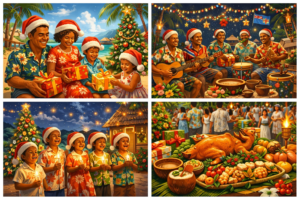
    In Fiji, the Christmas season has no set start date. The change happens through daily observations. A key early sign is the sound of evening choir practice. From early December, groups gather after dusk to rehearse. The sound of traditional hymns and harmonies becomes a regular feature in villages and towns. This music is one of the first clear signals that the festive period has begun. Then come the visual clues. Not the overwhelming commercial displays of Western countries, but subtle touches: bright fabric bundles carried home from markets for making kalavata (matching family outfits), homes receiving their annual scrub-down during solesolevaki (spring cleaning), and the slow accumulation of food gifts—baskets of mangoes, bunches of coconuts, root vegetables—piling up on verandas. Christmas food in Fiji!

    The Real Work (and Joy) Behind the Feast

    Here’s where the “month-long” feeling becomes tangible – The Christmas food in Fiji! The famous Christmas love (earth oven) feast doesn’t magically appear. Its preparation is a social calendar in itself. In the final week before Christmas Celebrations in Fiji, practical preparations for the feast begin. Communities start the work for the lovo, the traditional earth oven. Men gather to dig the cooking pit and collect the necessary stones and firewood. On Christmas Eve, household activity focuses on food preparation. Family members collaborate to marinade pork and poultry, wrap taro leaves into bundles known as palusami, and shred fresh coconut for cream (lolo). Generations frequently share this work. During this same period, scheduled community events also take place. Church groups practice their veisiko—visiting homes to sing carols, receiving small treats in return. Village youth might organize a fundraising concert. Schools hold their break-up parties. Together, these various Christmas in Fiji traditions establish a steady rhythm. This collective pace makes the holiday feel like a shared communal journey, rather than a single destination to be reached.

    Christmas Morning Without Frost

    The frantic gift-opening frenzy? Not here. The morning unfolds slowly, peacefully. What I remember most vividly is the walk to church. Entire families, dressed in their brilliantly coordinated kalavata, move through the streets and paths like flowing rivers of color. The Christmas Day church service is a central event focused on gratitude and community. The service features powerful group singing. Following the service, the main feast begins. This is a long, substantial supper that frequently lasts for many hours. The event is inclusive, usually welcoming unforeseen visitors, and food is plentiful and readily shared. The afternoon brings a contented quiet. Children play calmly with new toys, elderly relatives sleep, and people relax in the shade. It is similar to the pleasant, natural tiredness that follows a long-awaited climax.

    So, Back to Our Question…

    After all this, do Christmas celebrations in Fiji technically happen every single day of December? Not in the way a tourist might expect—there aren’t parades daily or non-stop parties. Therefore, the spirit, preparation, and community focus do indeed build and sustain throughout December. The festive feeling is integrated into daily life. This integration is visible in changed social greetings, the regular sound of choir practice, communal work projects, and the exchange of food gifts. These ongoing activities make the entire month carry a Christmastime atmosphere.

    What Travelers See in December

    Visitors to Fiji in December will notice a clear change. The Christmas season is long. It builds slowly over weeks. People are busy with preparations. They may talk about their plans. They occasionally ask visitors to participate. Take a small gift. Kava root is a good choice. Be ready to eat well. On December 25th, most local shops close. Families stay home. Resorts have parties, but the real feeling is in the villages. You can go to a church service. The singing is very powerful. Do not expect one big party. Instead, watch the small things. See the choir’s practice. Notice the food being made. Watch families work together. These small things fill the whole month with a Christmas feeling.

    The Final Answer

    Yes, is it true? The feeling of Christmas starts early and stays late. The whole month has a holiday spirit. This is what makes Christmas celebrations in Fiji last so long.
  • Our Top 10 Places to Stay in Suva: A Friendly Guide

    Our Top 10 Places to Stay in Suva: A Friendly Guide

    Here’s the issue with the classic Fiji postcard—it’s all coastline. It completely misses the heart, and Suva is exactly that. Think of the islands like a body; the resorts are the relaxed, suntanned limbs, but Suva? That’s the busy, beating heart. Fiji has beautiful beaches. But Suva is where Fiji really lives. This is the capital. It is busy, real, and full of life. Here, old colonial buildings stand beside busy markets. You can smell fish, fruit, and spices. In the morning, you might see government workers in suits. At lunch, you could eat the best roti of your life from a small shop. This is not a resort. This is Fiji’s everyday world. Your choice of hotels in Suva, Fiji, matters. Pick well, and you are in the middle of everything. Where you stay is the most important choice you will make here. Choose well, and you are right in the middle of everything. Your hotel becomes your anchor in the wonderful chaos. Get it wrong, and you’re just a spectator on the outskirts, probably wondering why you didn’t book that beach villa after all.

    Why You Might Actually Love Staying in Suva

    Honestly? You come to Suva for the real Fiji. Working in Fiji. Every everyday Fiji. This is it. This is where Fijians live. This is everyday life. Your day starts at the Fiji Museum. By lunch, you’re in the crowded market. For dinner, you choose from local curry houses or seafood grills. There’s no show for tourists here. This is simply how life is lived, and it’s the most genuine way to see the country.

    What Really Matters When You’re Picking a Hotel Here

    Let me share what I’ve learned from spending time in Suva – there are a few things that really make or break your stay: First, think about location in a practical way. The city center is wonderfully walkable, but it can get noisy. The harbor area feels more relaxed, but you’ll probably want to grab taxis more often. I once stayed near Thurston Gardens and loved having that green space nearby when the city buzz became too much. Who you’re traveling with really matters too. Don’t just look at the room rate. Consider what you’ll actually use. That fancy gym might look great online, but in Suva’s humidity, a reliable air conditioner and good Wi-Fi (if you need to work) are what you’ll really appreciate. And here’s my practical tip – look at transportation realistically. Some hotels look close on the map but involve walking up steep hills in tropical rain. Not fun with groceries or after a long day. Here is our honest take on the top hotels in Suva, Fiji, for different kinds of travelers.

    Top 10 Picks for Suva Stays

    These aren’t just names from a booking site – these are places I’ve either stayed at myself or have had recommended by people I trust who know Suva well.

    1. Grand Pacific Hotel

    Start with the famous one. The “GPH” feels like a step into history. It is the most expensive option. But for a special trip or if you appreciate history, it is worth it. You pay for the atmosphere and the story, not just the room.

    2. Novotel Suva Lami Bay

    This hotel is on Lami Bay, a short drive from downtown. Good for families because there is more space.

    3. Holiday Inn Suva

    This hotel is about reliability and location. The rooms are standard for a Holiday Inn. It is a practical choice for business or for travellers who do not want surprises.

    4. Quest Suva Serviced Apartments

    Quest Suva offers serviced apartments. They have a kitchen and a separate living area. This is useful for longer stays or for families. It provides more space and the option to cook meals.

    5. Tanoa Plaza Hotel

    A long-standing hotel popular with locals. The staff are friendly. It is good value for the price.

    6. Southern Cross Hotel

    It’s smaller than the chains and has this personal feel I really appreciate. A good choice for solo travelers or couples. It has more character than a standard corporate hotel.

    7. Peninsula International Hotel

    If you are in Suva for a conference or meetings, this hotel hosts many of them. The rooms are functional and comfortable. They are not luxurious, but sometimes practical is what you need. Good location for business purposes.

    8. Suva Motor Inn

    Looking for a budget room? The rooms are plain but clean. For the price, the location is very convenient. If you just need a proper bed and a shower while you are out exploring all day, this place does the job.

    9. Colo-i-Suva Rainforest Eco Lodge

    The rooms are like treehouses—simple but nice. Forget luxury. And seriously—bring bug spray.

    10. Raintree Lodge

    This lodge is a good eco-option near Nausori airport. You stay in a Fijian bure—a basic wooden hut that shows local life. It’s comfortable enough. The family who runs it is friendly, and the gardens are quiet and green. Good choice if you’re flying in late or out early from Nausori airport. This range shows the variety you can find when searching for hotels in Suva, Fiji.

    Matching Hotels to Real Travelers

    Let me make this practical for you: If you are here for work, stay downtown. Pick the Holiday Inn, Tanoa Plaza, or Peninsula Hotel. The traffic in Suva is bad. A hotel outside the city centre means long, slow drives to your meetings. Traveling with family: Space is king. Look at Quest Suva or Novotel. That extra room for kids to play or a kitchen to prepare snacks makes family travel so much easier. On a romantic trip: Splurge for the Grand Pacific if you can, or try the Southern Cross for its cozy charm. Both create that special atmosphere that makes a trip memorable. Watching your budget: The Suva Motor Inn is your best bet in the city. For a different kind of stay further from the centre, Raintree Lodge is excellent value.

    A Few Things Learned the Hard Way

    Let me save you some hassle with what I’ve figured out over multiple visits: Popular hotels in Suva, Fiji, can get booked up during government conferences. Book further ahead than you think you need to. Suva gets busy with government conferences and events that you won’t necessarily know about. Ask specifically about noise. Some hotels on busy streets have rooms at the back that are much quieter. It’s worth requesting. Don’t assume all taxis use meters. Agree on the fare before you get in. Better yet, ask your hotel what the going rate is to various places so you know you’re not being overcharged. If you’re sensitive to heat, the air conditioner is non-negotiable. Some budget places might offer “fan-cooled” rooms – these can be uncomfortable in Suva’s humidity.

    Wrapping It Up

    Here’s what I really want you to take away: Suva might surprise you in the best way. That’s not the Fiji from the holiday ads. It’s Fiji where real life happens. Your hotel isn’t just for sleeping. It’s your starting point for seeing the part of the islands that most tourists never find. Your hotel in Suva decides your trip. Tea at the Grand Pacific, breakfast at Quest, or the rainforest at Colo-i-Suva—it’s not just a bed. It’s your way to see the city. The right hotel here isn’t about the price. It’s the one that matches how you travel. Doing that bit of research to find your perfect match among the many hotels in Suva, Fiji is what lets you see the city—and the real Fiji—your own way.
  • Flight Companies in Fiji for Every Type of Traveler

    Flight Companies in Fiji for Every Type of Traveler

    Planning a Fiji trip means choosing from many airlines. The biggest secret about a Fiji trip? Logistics. You’ll find endless photos of perfect beaches. What’s harder to find is a clear answer on how to actually move between 300 islands. That’s the real first puzzle to solve. Here’s the good news: Fiji has it figured out. Over the years, we have hopped between islands enough times to get a real feel for the different flight companies in Fiji. Fiji’s aviation sector caters to all passengers. Passengers vary from luxury seekers to backpackers. Everyone gets a seat. This guide isn’t here to bore you with airline corporate talk. It’s based on trips taken, mistakes made, and a genuine desire to help you skip the headache. The goal is simple: get you matched with the right flight so you can stop staring at confusing booking websites and go back to staring at pictures of those perfect beaches.

    Okay, Real Talk: Why You Can’t Just Take a Boat Everywhere

    Fiji’s terrain determines its travel possibilities. International flights arrive primarily on Viti Levu. Reaching the many other islands requires specific planning. Yeah, ferries exist. But here’s the honest truth from someone who’s been on them: that “scenic” boat ride to the Yasawas can be a multi-hour, sometimes queasy-making voyage. And if you’re thinking of getting to somewhere truly off the path by sea? Forget it; that’s a full-day expedition. For pretty much anyone who wants to see more than one spot and isn’t on a six-month sailing trip, flying isn’t a luxury—it’s the only thing that makes sense. Stop thinking of it as just a transfer. It’s your access pass. It’s what turns a single-resort holiday into a proper Fijian adventure. Landing in Nadi introduces travelers to Fiji’s domestic flight network. This system connects the main island to outer destinations.

    The Main Players: From Big Birds to Island Hoppers

    Fiji’s air network is like a well-organized relay team. One set of airlines brings you to the country, and another, very different set takes over from there.

    Your Gateway to Paradise: Fiji Airways & Friends

    For most people, the journey starts with Fiji Airways. Fiji Airways serves as the national carrier, offering the first cultural welcome to visitors. The airline operates modern aircraft on routes from key international hubs. Its service is distinguished by an authentic Fijian atmosphere. This authenticity is present in the crew’s welcoming service, the selection of local music, and regionally inspired food and drink options. Consequently, the Fijian holiday experience effectively starts onboard the aircraft.

    Domestic Flights in Fiji

    Following an international arrival at Nadi (NAN), passengers proceed to a separate domestic terminal for onward island connections. This terminal serves as the base for Fiji’s network of smaller aircraft. The main operator is Fiji Link. They fly smaller ATR planes. Destinations include Taveuni, Savusavu, and Labasa. They also serve many smaller outer islands. The booking process is direct. A significant advantage is that passengers on a through-ticket from an international Fiji Airways flight can typically have their luggage checked directly to their final domestic destination. Then you have the smaller, specialist Fiji Airlines. Flight Companies in Fiji, like Northern Air and Pacific Island Air, operate even smaller planes and helicopters. These aren’t always about scheduled routes; they’re for custom jobs.

    Matching an Airline to Your Travel Personality

    We’ve found the best Fiji trip happens when your flight choice aligns with why you’re traveling. Here’s my take, based on many chats with fellow travelers over kava bowls.
    • The Budget-Conscious Explorer: Your focus is on stretching every dollar. For the international leg, be a date-flexible ninja and compare all options—Fiji Airways, Virgin Australia, etc. Domestically, lock in Fiji Link tickets the moment your big flight is booked; prices only go up. Embrace the no-frills, functional nature of the turboprop.
    • The Luxury Seeker or Honeymooner: You’re here for a seamless, special experience. Start by treating yourselves to Fiji Airways’ Tabua Class. For the ultimate “wow” transfer, splurge on a private charter from Nadi straight to your resort’s dock. Yes, it’s expensive, but as one couple told me, “Flying over 50 islands in a private plane with champagne was our honeymoon’s highlight.” For less remote resorts, Fiji Link’s scheduled service is perfectly comfortable and efficient.
    • The Adventure Traveler: You’re heading for the hikes, dives, and remote villages. Fiji Link is your essential tool to reach adventure hubs. Pack light and respect the strict baggage weights—these small planes are finely balanced.
    • Families with Kids: You need simplicity and reduced stress. The Fiji Airways/Fiji Link combo is a winner for coordinated connections and baggage handling. Book those middle seats between parents and kids early. For short transfers from Denarau to island resorts, the larger ATR planes offer more space and stability than the tiniest charters, which can feel bumpy for little ones.
    • The Business Traveler: Efficiency and reliability are everything. Fiji Airways’ business class and lounge access in Nadi make working on the go easy. Within Fiji, Fiji Link’s published schedule is your most professional and dependable bet for inter-island meetings.

    Hard-Earned, Practical Tips for Flying with Flight Companies in Fiji

    1. Domestic Flights Sell Out. We are serious. If you know your dates, book your domestic flights in Fiji immediately after your international ticket. In peak season, popular routes to places like Taveuni are full weeks in advance.
    2. The 15-Kg Rule is Gospel. On small planes, weight limits aren’t suggestions—they’re physics. Weigh your bag at home. If you’re over, you’ll pay a steep fee at the tiny check-in counter, and there’s no arguing. I now pack a soft, collapsible duffel inside my suitcase for souvenir overflow on the way home.
    3. Always, Always Buffer Your Time. The day after you land abroad, schedule your first domestic flight. Long immigration waits, jet lag, and delays are real.
    4. Morning Flights are Gold. Weather in the tropics often builds in the afternoon. Morning flights are far less likely to be delayed by rain or wind. An early start also means you get to your final destination with a whole afternoon of holiday left.
    5. Embrace “Fiji Time.”Schedules can be… fluid. Don’t plan too much, bring a nice book, and simply go with the flow.

    Wrapping It Up

    Looking at all the flight companies in Fiji might seem overwhelming at first, but it’s actually a sign of a great travel infrastructure. You have choices. Want the full cultural immersion from the get-go? Fiji Airways has you covered. Need to efficiently hop between three islands in a week? Fiji Link’s schedule is your bible. Going for a blow-the-budget, unforgettable entrance? A private charter flight will provide lifelong experiences. That flight over the patchwork of islands and reefs is ultimately more than simply a commute. It’s the beginning of your Fijian narrative, and with a little preparation, it can be very amazing. Go on, you’re ready to reach your paradise, which is waiting for you.