Author: FijiDream Admin

  • Can Fijian Comedy Teach Us Something About Happiness We’ve Forgotten?

    Can Fijian Comedy Teach Us Something About Happiness We’ve Forgotten?

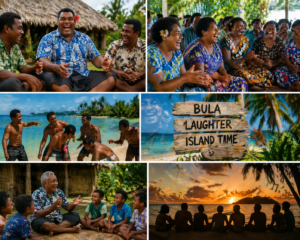
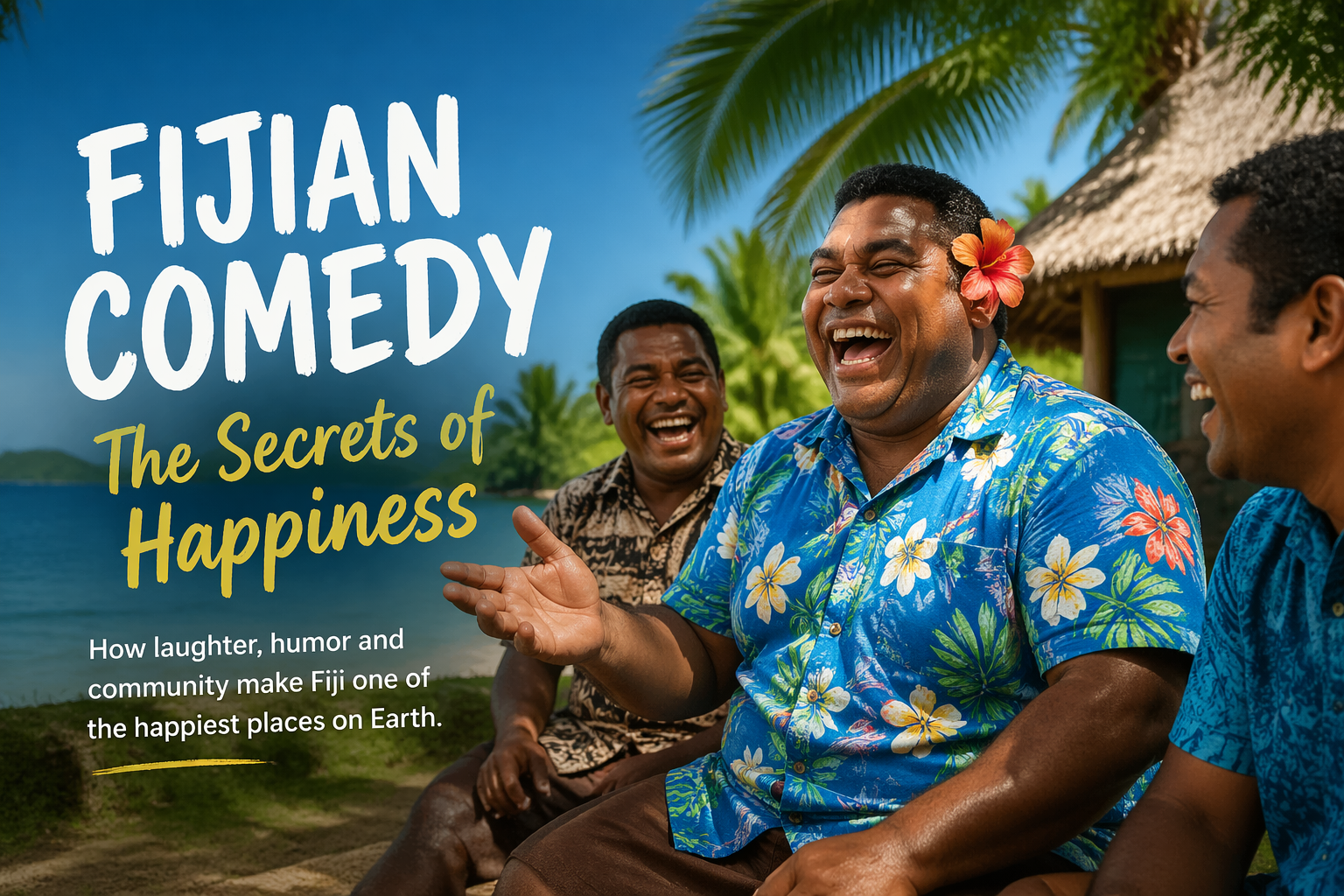
    Ever notice how the way people joke around says a lot about a place? Not the big stuff. Not comedians or Netflix specials. Just little things. A throwaway line while someone’s fixing a boat. Friends giving each other a hard time about nothing. Laughter that just happens without anyone being especially funny. Fiji is different that way. The humor there feels relaxed. Like it’s not performing for anyone. So I kept coming back to this. Most folks picture Fiji as pretty water and palm trees. And yeah, that’s real. But after hanging around and just listening to people talk, I started thinking maybe there’s more to notice. Something small. Easy to miss. Like this. Could Fijian comedy actually show us something about being happy that we forgot about? Not the big, dramatic, happy. Just the quiet kind. The kind that’s already there if you stop rushing.

    What Makes Fijian Humor Feel Different

    You don’t hear a lot of setup-punchline jokes in Fiji. No one is doing stand-up routines at the local market. The humor just sits inside regular conversation. You hear it in the pauses. A raised eyebrow here. A long story that starts going one way, then another, then somehow finds its way back to the point. Or doesn’t. No big deal either way. People tease each other a lot, too. Light stuff. Someone walks in late, and a friend goes, “Ah, island time again, huh?” Everyone laughs. Even the late person. No one is actually annoyed. The joke isn’t meant to cut. It’s meant to include. That’s the first thing worth noticing. Fijian comedy isn’t performative. It doesn’t require a microphone or an audience. It just requires other people. People laugh together over a bowl of kava. Or while someone’s shelling peas. Just being there together is. This? This just feels like resting. Like a different frequency entirely.

    Humor Without Rush

    There’s something about the pace of life in Fiji that changes how humor lands. Not because people are lazy or careless. A funny observation doesn’t need to be delivered instantly. It can sit there. Most of us are used to humor that gets to the point. Quick. Efficient. The laugh comes, then you move on. But Fijian comedy often unfolds like a wave—building slowly, curling around a few details, then finally breaking. And the laugh that follows feels earned. Deeper. It makes you wonder what we’ve traded for speed. Not just in humor, but in everything. We’ve optimized the fun out of our pauses. We’ve turned conversation into a series of exchanges to be processed and filed away. In Fiji, a joke isn’t a transaction. It’s an invitation to stay a little longer.

    The Connection Between Humor and Community

    Here’s what I noticed. In a lot of places, humor turns into a competition. Who’s funnier? Who’s faster with a comeback? Laughter feels like a prize. Fiji isn’t really like that. The joking there just holds things together. That’s it. Nothing fancy. People laugh. Not because it was clever. It wasn’t. But suddenly everyone relaxes. Strangers don’t feel like strangers anymore. That’s most of it, honestly. And because people there actually know their neighbors, share meals, and show up for each other, the humor fits right in. A joke fixes an awkward pause. It forgives a little mistake. It says “this isn’t a big deal” without anyone having to actually say that. We treat laughter like a reaction to something. In Fiji, it felt more like a habit. Something you just do because it keeps things easy between people.

    What We Might Have Forgotten

    It’s not that modern life is bad. It’s just full. Too much on the calendar. Too much noise. Always being pulled toward whatever’s next. Somewhere along the way, sitting in a moment without reaching for a phone or running through the rest of the day in your head just… stopped happening. Humor becomes another thing to consume. A quick scroll through memes. A funny video. Laugh, like, move on. Fijian comedy But the island lifestyle in places like Fiji offers a different rhythm. Not because the internet doesn’t exist or because people are somehow purer. That’s not it. It’s because the culture still values the pause. The slow unraveling of a story. The laughter that isn’t rushed. What we might have forgotten is that happiness doesn’t always need a reason. Doesn’t need to be earned. Doesn’t need something big to happen first. Just shows up in a joke that’s barely even funny, shared with people you hardly know. That’s allowed.

    Is It Something That Can Be “Learned”?

    Honestly? You can’t just borrow a culture’s humor. That’d be fake. Kind of disrespectful, too. Can’t just wake up one day and start telling jokes like someone from Fiji. Won’t land the same way. Just doesn’t work like that. But you can pay attention differently. Notice when you’re rushing a conversation. Hang around a little longer when someone makes you laugh. Let a joke just sit there instead of jumping to the next thing. That’s not about copying anyone. It’s more like remembering. This stuff was probably there all along. Before everything got so efficient. Before we squeezed the joy right out of our pauses. So no. You can’t learn Fijian comedy like a skill. Forget the point. Just leave more space for the kind of funny that doesn’t try so hard. And honestly? That might be plenty.

    So can it teach us anything?

    Maybe. Not by handing us answers, though. Just by showing a different way to be. One where laughter doesn’t need a reason. Where jokes are more about being together than being funny. Where happiness isn’t this thing you chase. It just happens. While you’re sitting around. Telling stories. Not rushing. None of this is new. It’s probably pretty old, actually. We just haven’t looked at it for a while. Maybe the real question isn’t whether Fijian comedy can teach anything. Maybe it’s whether people can slow down long enough to hear it.
  • Why Do Travelers Say South Sea Sailing Fiji Feels Like a Dream Come True?

    Why Do Travelers Say South Sea Sailing Fiji Feels Like a Dream Come True?

    Some travel memories get described in ways that sound almost too polished. You see it in reviews all the time. “It felt unreal.” Makes you wonder—is the place actually that special? Or do people just get excited after a nice break from work? Maybe it’s just marketing. Hard to tell. Or maybe travelers get home, struggle to explain what happened, and grab whatever words are closest. South Sea sailing Fiji gets that kind of language a lot. Read a few reviews or just talk to someone who’s been. The word “dream” shows up constantly. But not in a loud way. More quiet. Like it caught them off guard, how much it stayed with them. So what’s really happening out on the water? Is it really dreamlike? Or is that description pointing to something else—something harder to put into words?

    What Changes Before the Boat Even Leaves

    The shift happens earlier than most people expect. Not out on open water. Not at the first island stop. You notice it back at the marina. First twenty minutes, maybe. Hard to say exactly when it hits you. There’s no rush, that’s the thing. No lines. Nobody’s announcing anything over a speaker. Just boats tied up at the dock, sitting there quietly. Water moves around the hulls, up between the wooden planks. Little sloshing sounds. None of that frantic energy you get at airports. That atmosphere catches people off guard. You’ve just come from days of taxis, check-in counters, and rushing. Then suddenly, none of that exists here. It feels strange at first. Then it just feels nice. Hard to say why. The engine kicks on. The boat eases out. You’ve already relaxed a bit by then. Shoulders down. Breathing slower. Phones get ignored because nothing on them seems urgent anymore. That’s how a Fiji island south sea sailing experience really starts. Not when you see the first island. Earlier than that. When you stop feeling like you have to be somewhere else.

    The Sensation of Being on Open Water

    Once the coastline fades behind the boat, the world becomes unusually simple. There is the sky. There is the water. There is the wind. Nothing else demands attention. The boat doesn’t rush. Just rises and falls slowly with the swells. Hull meets a wave, makes this low thump. Steady. After maybe an hour, your body stops fighting the motion. Starts going with it. That’s when your mind shuts up, too. People on these trips lose track of time. Not because it’s dull. Because nothing’s telling them what time it is. No meeting. No appointment. No reason to look at a watch. The sun moves. Wind shifts. That’s it. Some read. Some sleep. Some just sit at the bow watching water change color under passing clouds. Nobody feels forced to talk. That kind of quiet — the sort that isn’t awkward — you don’t get much of that in regular life. Most people don’t notice until they’re on the water.

    So what makes the islands feel different?

    Showing up on a sailboat isn’t like pulling into a resort. For starters, there’s no dock. No staff waiting around. No welcome drinks. The boat anchors offshore a bit. Then you hop into the water. It’s warm. So clear you can see the sand below before you even step down. That small act changes the relationship to the place. You arrive the same way anyone would have arrived a hundred years ago. Not as a guest of a hotel. Just as someone who came by sea. Something is humbling about that. The islands themselves are not manicured. Beaches might have driftwood or a few scattered rocks. The trail from the shore to the shade is not paved. But that’s exactly why people remember them. Island hopping in Fiji doesn’t feel like some polished tourist attraction. More like someone let you into their backyard. A really nice backyard, sure. But not one that was built for tourists. South Sea Sailing What stays with people is not the perfection. It is the small, unplanned details. Like a hermit crab moving sideways across the sand. Or how the shallow water gets warm in the afternoon — walk through it, and it feels like bathwater. Maybe a reef fish swimming right up close, close enough to see the patterns on it. None of these things is on any itinerary. But they become the memories that come back years later, completely unbidden.

    The Unexpected Moments That Linger

    Most travelers expect beauty when they book sailing tours in Fiji. They expect blue water, green hills, and white sand. What they do not expect is how their sense of time changes. Days start because the light gets brighter, not because an alarm goes off. Meals happen when hunger appears. A swim happens because the afternoon heat becomes too much to ignore. Naps happen because the boat is rocking and the body finally feels safe enough to rest completely. The night sky catches people off guard. No town lights. No resort glow. Just stars everywhere. Not just bright — present. People end up lying on the deck for a long time. Not saying much. There is nothing to say. The sky says enough. Another unexpected part is the quality of conversations on board. Without the distraction of phones, televisions, or outside noise, people talk differently. Less about work. Less about plans. More about small observations. A couple might sit there for an hour, not saying a word. Then one of them laughs softly. Neither can really say why. Strangers end up having actual conversations. Not small talk. About why they came to Fiji. What they were hoping to find. That kind of connection does not happen often in regular life.

    Does the whole “dream” thing hold up?

    Let’s be real. Not every moment is magic. Some days are gray. Some swells are rougher than others. And for travelers who need constant activity, a slow day on the water can feel too slow. But “dreamlike” does not mean perfect. It means disconnected from the normal rules of time and pressure. Consider what an actual dream feels like. Not the exciting ones. The quiet ones where nothing happens, but you wake up feeling unusually rested. That is closer to the South Sea sailing Fiji experience. There are no dramatic peaks every hour. Just a long, steady calm that lets the nervous system reset. People call it a dream come true, not because every second was thrilling. They call it that because, weeks or months later, they find themselves missing a very specific feeling. The feeling of watching the water while the boat moved beneath them. The feeling of not needing to be anywhere else. That absence is hard to describe without reaching for strong words.

    Who This Experience Works Best For

    Couples eat this up. Honeymooners too. Small space on the water. Nowhere to hide. That’ll bring you closer. No separate activities. No distractions. Just the two of them, moving through beautiful places at a slow pace. That intimacy is rare in modern travel. It also works well for travelers who enjoy flexible plans. If someone needs every hour scheduled in advance, a resort might be a better fit. But for those who like waking up and deciding the day based on weather and mood, South Sea Sailing in Fiji offers something special. But let’s be honest. It’s not for everybody. Seasick? Come prepared. Or don’t go. Need nice things? Towels laid out for you? Then book a higher-end boat. Simple as that. And if the idea of eating breakfast with the same three couples for four days makes you twitchy? This might not be your thing. But for anyone comfortable with open water and curious about a slower way to see the islands, the experience tends to leave a mark. Not a loud one. A quiet one. The kind that shows up later, in small flashes, when life back home gets too fast.

    A Few Final Observations

    South sea sailing Fiji probably will not feel like a dream while it is happening. Dreams are blurry and strange. This is real. The sun is hot. The salt leaves a film on sunglasses. By evening, everyone is tired in a good way. But here is what happens afterward. People go home. They unpack. They return to the usual rhythm of work, notifications, and obligations. And every so often, a small image surfaces. The strange, deep rest that came from three days without a single deadline. For a moment, that does feel like remembering a dream. Not because the experience was unreal. But because normal life rarely grants that much peace. That is what travelers are trying to say when they reach for words like “dream.” They are not exaggerating. They are just not sure how else to describe something that felt more restful than anything they had known in years. Anyone who goes will probably understand.
  • Fiji Zipline Tour vs. Beach Day? Why Not Do Both (With Our Help)

    Fiji Zipline Tour vs. Beach Day? Why Not Do Both (With Our Help)

    So here’s a situation. You’re lying there the night before. Resort near Denarau, or maybe one of those smaller places outside Nadi. Doesn’t matter. What matters is tomorrow’s wide open, and suddenly you can’t decide. Adventure or beach? Seriously. Part of you wants to zip through the jungle like an idiot (in a fun way). The other part wants to hear waves and literally not move from a towel for hours. That’s the whole Fiji zipline tour vs beach day thing. You know. The one everyone talks about. Both sound awesome. But choosing feels like losing. So don’t.

    The Case for the Fiji Zipline Tour

    Let’s be real. A Fiji zipline experience isn’t something you get to do every day. You’re not just zipping between trees. You’re up above a real rainforest, and the views just kind of open up as you go. Mountains. Little creeks you’d never see from the ground. Sometimes the ocean shows up in the distance, which catches you off guard. Then you step off that first platform. Your stomach does that little flip thing. And suddenly you’re moving — wind hitting your face, green everywhere below, and this weird feeling that’s half scared and half amazing. Only heights do that to you. It’s not extreme, not scary in a bad way. It’s just… alive. This one’s for the person who wants to do something. Who wants a story to tell back home? Who doesn’t want to leave Fiji wondering “what if?”

    The Case for the Beach Day

    But then again. A Fiji beach day is its own kind of magic. Not the rushed kind. The slow kind. You wake up whenever. You throw on your swimsuit. Walk five minutes, maybe ten. And then it’s just there. Warm sand. Clear water. Nobody is telling you what to do next. Maybe you swim out to where the water turns that deep blue color. Maybe you read three pages of a book, then stare at clouds for twenty minutes. Or you float on your back, and it kind of feels like the whole ocean is yours. Silly, but yeah. Honestly? Some of the best moments in Fiji happen when you do nothing at all. Like hearing kids laughing somewhere down the beach. That’s it. That’s the moment. A coconut is falling somewhere behind you. That perfect temperature where the water feels like a bath. A beach day doesn’t need an itinerary. It doesn’t need a time slot. It just needs you to show up and let go. This one’s for the tired person. Who travels to recharge, not to race. Who knows that sometimes the best memory is the one where you didn’t try at all.

    Why Choosing One Can Feel So Limiting

    Here’s what happens. Every day starts feeling kinda precious. You know? Say you do the zipline. Cool. But then you’re sitting there on the ride back, and it hits you — wait, would the beach have been better? Maybe. You don’t know. And that bugs you. Or flip it. You pick the beach. Nice and slow. But by 2 pm you’re staring at the water thinking… I could’ve been flying through a rainforest right now. Huh. And if you’re with someone? Oh man. One of you wants to zip. The other one wants to nap on a towel. Now there’s this tiny weird tension. Nothing big. Just… there. On your dream vacation.

    Why Doing Both Actually Works

    Seriously. Fiji’s small. Days are long enough. You can do a Fiji zipline tour in the morning and still hit the beach for a good chunk of the afternoon. Or flip it. Beach first, then zipline. Whatever. Depends how tired you are. Think about it. Most Nadi Zipline tour? Two, maybe three hours. That’s including the safety stuff and all the actual zipping. Then add drive time from your hotel. You’re looking at four hours total. Tops. That leaves you a solid block of afternoon for the beach. And here’s the beautiful part: doing both actually makes each one better. The zipline feels more earned when you know you’ll be relaxing afterward. You can push yourself a little, try that longer line, laugh at your own nervous screams—because you know the ocean is waiting to calm you down. And the beach? It feels more rewarding when you’ve already done something active. You don’t feel guilty lying there. You’ve earned that stillness. The sand feels softer. The water feels sweeter. Your body thanks you. Seriously. It’s not about cramming stuff in. It’s just… two different kinds of good in one day. That’s all.

    How It Can Be Done Smoothly (With Our Help)

    Okay, truth? Doing both on your own? Gets messy. You gotta figure out which zipline company isn’t sketchy. Book it. Arrange transport from your resort to the zipline place. Then from the zipline to an actual beach. Not some crowded one. A good one. Then time everything so you’re not rushing or just sitting around waiting. Annoying, right? That’s where having someone handle the little stuff actually helps. We help travelers do exactly this: combine a morning of adventure with an afternoon of pure relaxation, without the headache of piecing it together yourself. We know which zipline tours run efficiently. We know which beaches don’t suck. And we handle the transport so you’re not stuck in some hot van going “wait, did we miss the turn?” You just wake up. Enjoy your day. Let someone else stress about the clock.

    Who This Option Is Best For

    This isn’t for everyone. Some people really do want a full lazy beach vacation, and that’s fine. Some people want nonstop adventure. Couples. One loves adrenaline. Other just wants to lounge. You each get your ideal half-day. Morning or afternoon doesn’t matter. Then you just… meet up. Both happy. Done. Families with kids or teens who have different energy levels. The active ones burn off steam on the zipline. The less active ones enjoy the slower beach pace later. Travelers with limited time who want to feel like they really experienced Fiji, not just saw it from one angle. Anyone who hates deciding. Or if you’re the type who stands in front of the hotel mini-fridge for ten minutes. Just staring. Trying to pick a drink. Yeah. Let this be the one decision you don’t have to make.

    Wrap Up

    Look, you came to Fiji for a reason. Maybe it was the adventure. Maybe it was the peace. But for most people, it’s a little bit of both. The Fiji zipline tour vs beach day question only exists because we’ve been trained to think we have to specialize. Adventure day. Rest day. Pick one. But real travel isn’t like that. Real travel’s messy. Flexible. Full of stuff you didn’t plan. And sometimes? The best day is the one where you fly through trees in the morning. Then float in the ocean by afternoon. That’s it. If you want both without the logistics headache? Having the right help? Makes all the difference. Not a hard sell. Just a smoother way to do what you already wanted to do. So go ahead. Don’t choose. Do both. You’ve earned it.
  • Can You Still Enjoy Fiji During the Rainy Season? Yes – Here’s How (Travel Tips Inside)

    Can You Still Enjoy Fiji During the Rainy Season? Yes – Here’s How (Travel Tips Inside)

    You’ve been looking at photos of Fiji for weeks. Crystal clear lagoons. Palm trees leaning over empty beaches. And then you check the weather forecast for your potential travel dates. Rain. Lots of it. Suddenly, that dream trip feels like a bad idea. We get it. The words “rainy season” have a way of making anyone second-guess their plans. You’ve been looking at photos of Fiji for weeks. Clear water, lazy palms, the whole thing. Then you pull up the weather forecast for your dates, and it’s just rain icon after rain icon. Suddenly, that trip you were excited about feels kinda dumb. Can’t blame you. “Rainy season” basically sounds like a nice way of saying “yeah, don’t go.” But here’s the thing, though — a few simple Fiji rainy season travel tips can completely change how you see it. Does rain ruin the whole trip? No. Unless you go in thinking every day will look like a postcard. What you’ll usually get is this: warm, humid mornings. Maybe some sunshine. Then, around midday or afternoon, the sky darkens quickly. A short, heavy burst of rain comes down — sometimes twenty minutes, sometimes an hour. Then just as fast as it started, the sun comes back out. The ground steams a little. Everything looks greener. And you go back to whatever you were doing. Some days are completely dry. Some days have two or three of these short showers. That’s just how the Fiji rainy season works — it’s rarely what people expect. Once you pick up a few Fiji rainy season travel tips, none of this feels like a big deal. The humidity is real, though. You’ll feel it. Clothes dry more slowly. You might shower twice a day. That’s just part of being in the South Pacific during the wet season. The other thing people don’t expect? The sky is dramatic. Dark clouds roll in fast, then break apart just as fast. Sunsets can be incredible because of the cloud cover. It’s not the flat, predictable blue sky you get in the dry season. It’s more alive, in a way. So no, the rainy season isn’t a washout. But it does require a different mindset than traveling during the dry months.

    The Upside of Traveling During This Time

    Here’s where things get interesting. With the right Fiji rainy season travel tips, you stop worrying about the rain and start noticing the advantages. Fewer crowds is the obvious one. Resorts that are fully booked in July and August have plenty of open rooms from January to March. That means more space at the pool. More quiet at dinner. More chances to talk to locals without feeling rushed. Prices drop significantly. Flights get cheaper. Accommodation rates go down. You can sometimes stay at a nicer resort than your budget would allow during peak season. For budget travelers or couples looking for a deal, this alone makes the rainy season worth considering. That’s why smart Fiji rainy season travel tips always start with checking shoulder season rates. Then there’s the landscape. Everything is lush. The dry season in Fiji is beautiful, but by September or October, things start looking a bit tired. Grass gets brown in spots. The jungle feels dusty. The rainy season makes everything ridiculously green. And those waterfalls that barely move in the dry season? They turn into the real deal. There’s also a different atmosphere. When fewer tourists are around, things move more slowly. Staff have more time for you. You’re not competing for beachfront loungers. It feels less like a production and more like an actual escape.

    The Downsides

    Okay, so here’s the thing nobody wants to hear. The weather? You can’t rely on it. That’s really what it comes down to. You might wake up early. Got a boat booked to the Yasawas. Full day thing. Then the morning rain just sits there. Doesn’t clear. Or the crossing gets too rough, and they say sorry, not today. So yeah. You have to be okay with plans changing. Like, last-minute changing. Some activities? Just don’t work well. Snorkeling trips get canceled. Not always, but if visibility drops? Or lightning? They’re not taking you out. Hiking trails turn into mud. Like, actually dangerous mud. I slipped once. Not fun. Also, the ocean gets choppy. December through March, especially. Boat rides between islands? If you get seasick easily… yeah. Bring medicine, or just don’t do long transfers. Some of the small ferries won’t even run if the weather looks bad. One more thing. Not all resorts handle rain well. Cheaper places, especially. Outdoor bathrooms. Long, uncovered walkways between your room and the restaurant. You get soaked just going to eat. That gets old after one day. Something to think about when you book. Just means you plan differently.

    How to Actually Enjoy Fiji in the Rainy Season

    Here’s the part that matters most. Because knowing the pros and cons is one thing.  But actual Fiji rainy season travel tips? That’s what turns a maybe into a yes. Plan flexible days. Here’s a thought. Stop booking non-refundable trips for every single morning. Keep it flexible. Tuesday looks ugly? No problem. Cool. Do something indoors that day. Push the boat trip to Wednesday. Sounds obvious, right? But so many people book everything ahead of time and then get stuck. Mix it up. Indoor stuff, outdoor stuff. That’s where Fiji actually works well in the wet season. Morning’s sunny? Go snorkeling. Then the afternoon rain hits. So what? Go do a village tour. Or a cooking class. Or, honestly, just grab a drink, find a covered balcony, and watch the rain fall over the ocean. That’s not a backup plan. That’s just… nice. Oh, and pick where you stay carefully. Viti Levu — the main island — has different weather on different sides. The Coral Coast and the Mamanucas? Less rain on the east side. So here’s a thought. Worried about getting soaked? Pick a place with decent indoor common areas. Covered walkways. On-site stuff. Some resorts have movie rooms. Or game lounges. Spas too. A rainy afternoon becomes a break, not a disappointment. Embrace slower travel. This is the biggest mindset shift. The rainy season punishes rigid itineraries. It rewards people who are fine with reading a book on a covered porch for an hour while a tropical shower passes by. Look, if you’re the kind of person who needs every single day packed solid from 8 am to 8 pm? The wet season’s gonna annoy you. I’ll just say that now. But if you’re cool with a slower pace? You might actually like it. Oh, and bring the right stuff. Light rain jacket that folds up small. Check the forecast, sure. Tropical weather changes fast. A forecast that says rain doesn’t mean rain all day. That’s one of those Fiji rainy season travel tips you only learn by going. Look at the sky. Ask locals what they think. Don’t cancel plans just because your weather app shows a little cloud.

    So anyway

    Can you still enjoy Fiji when it’s raining? Yeah. Honestly yeah. It’s just not the same trip you’d get in July or August. You won’t get flawless sun every single day. You might push that snorkeling trip from morning to afternoon. And yeah — you’ll probably sit through one downpour where you’re just like “why did I do this” for like twenty minutes. But here’s what you do get. Cheaper flights. Beaches with nobody on them. Greenery that looks almost fake. A version of Fiji that doesn’t feel like a postcard. Feels like a real place. Sometimes traveling isn’t about chasing perfect weather. It’s about going anyway. Figuring it out as you go. And realizing later that the best moments weren’t always the sunny ones. So if you don’t mind a little rain and some sticky humidity? The rainy season might surprise you in a good way.
  • Have You Visited These 5 Underrated Islands in Fiji Yet?

    Have You Visited These 5 Underrated Islands in Fiji Yet?

    Here’s what happens. Someone says Fiji. Your brain goes straight to the usual spots. Mamanucas. Yasawas. And look, those islands are gorgeous. Accessible. Built for visitors. No mystery there. But after a while, one coral coast starts to look a bit like another. And the crowds? They tend to follow the same flight paths. I started wondering what lies beyond those familiar names. Not because the popular islands aren’t worth it, but because Fiji has over three hundred islands. A lot of them barely get mentioned. Some don’t even show up on standard travel itineraries unless you go looking. So I went looking. What follows isn’t a list of secret spots that no human has ever seen. That doesn’t really exist anymore. But these five places feel different. Slower. Quieter. Less polished in a way that ends up being exactly the appeal. If you’ve already done the main loop, or if you just prefer travel that doesn’t come with a soundtrack of jet skis, these underrated islands in Fiji are worth your time.

    What Actually Makes an Island “Underrated”?

    Underrated, doesn’t mean unknown. Plenty of people know these islands exist. That’s not why they’re underrated. Locals know about them. Some have small resorts or villages. But they don’t get marketed heavily to international tourists. That lack of attention comes with trade-offs, but it’s also what makes an underrated island in Fiji worth seeking out. Fewer crowds, obviously. But also less infrastructure. Sometimes the boat ride alone takes half a day. And look, you’re not going to find nightlife here. Or those all-you-can-eat buffet places you see everywhere else. That’s just not what these islands do. Instead, what shows up is space. Actually quiet. A rhythm that hasn’t been squeezed into a seven-day holiday schedule.

    Kadavu – The Great Astrolabe Reef Without the Crowds

    Kadavu is down south. Not far from the main island, Viti Levu, but honestly? Feels different there. Most people never see it because getting to Kadavu means either a quick flight or a boat ride that’ll leave you queasy if you’re not used to it. That hassle? It keeps the place quiet. And then there’s the reef. The Great Astrolabe. Runs the whole length of the coastline. One of the biggest barrier reefs anywhere. But unlike famous dive spots where boats are constantly fighting for position, here you might be out there with just a few people. Or none at all. The island itself feels rugged. Dense rainforest. A few small villages. No sealed roads to speak of. You walk, take a boat, or stay put. That simplicity is the point. A traveler who enjoys Kadavu is someone who wants diving or snorkeling without a production number. Someone who doesn’t mind that dinner is whatever came off the boat that morning. It’s not fancy. But it might be one of the most genuinely rewarding, underrated islands in Fiji for anyone who loves the ocean.

    Ovalau – Colonial History and Everyday Fijian Life

    Ovalau is different. The other islands on this list? You visit the beaches. Not this one. Here it’s Levuka. The old capital. UNESCO heritage now. Just rows of wooden colonial buildings sitting along the water. Streets feel stuck in another century. And yet, very few tourists make the trip from Viti Levu. What makes Ovalau special isn’t luxury. It’s the feeling of walking through a town that hasn’t been rebuilt for visitors. Kids playing cricket after school. Fishermen fixing nets in the afternoon heat. You could sit on the seawall for an hour and watch basically nothing happen. And somehow that feels perfectly okay. This is one of the hidden islands in Fiji in the truest sense—not because it’s hard to find, but because most guidebooks don’t bother including it.

    Vanua Balavu – Remote Beauty in the Lau Group

    The Lau Group is about as far off the beaten path as Fiji gets. Vanua Balavu is one of its larger islands, but “larger” here is relative. We’re talking small villages, infrequent boat services, and a complete absence of chain hotels. Getting there takes planning. Realistically? You can’t just arrive at a ferry dock and jump on. It doesn’t run that way. Private charter is the usual route. Or finding a small group tour heading that way. That alone filters out casual travelers. What remains are people who truly want to see a part of Fiji that feels disconnected from the modern tourist trail. The landscape is stunning in a quiet way. Limestone caves. Protected bays. Water clear enough to see the bottom at twenty meters. But that’s not what you really remember about Vanua Balavu. It’s never just one view. It’s the slowness. Nowhere to be. Nothing to buy. Time just stretches.

    Things to Know Before You Go

    A few honest realities. There may be inconsistent transportation to these islands. Ferries depart when they are full or when the weather permits, since they operate on “Fiji time.” There are weight restrictions for small aircraft. You might need to be flexible by a day or two. Accommodation is usually basic. Think solar power, shared bathrooms, and fans instead of air conditioning. Food is simple and repetitive. If you need variety or luxury, stick to the main resorts. Connectivity is weak. Wi-Fi, where it exists, is slow. Mobile signals drop in and out. For some people, that’s a blessing. For others, it’s a dealbreaker. Know yourself before you go. Bring cash. Cards won’t work. Enough Fijian dollars for everything—room, food, boat rides. No ATMs. Not saying don’t go. Just don’t expect a resort. These islands reward the patient. They punish the polished.

    Final Thoughts

    So are these underrated islands in Fiji worth it? Yeah. But not for everyone. If you need convenience. Predictability. Western comforts you can count on. Stick to the main spots. But if you’ve traveled enough? You already know. The best moments don’t come from the main attractions. They happen in between. These islands aren’t paradise. Not the exaggerated kind. Just quieter days. Clearer water. A Fiji that moves at its own speed. The popular spots aren’t going anywhere. They’ll wait. But the underrated islands in Fiji? They’re not waiting. They’re just sitting there, quiet, hoping the right traveler shows up.
  • Who Should Try the Shark Diving Fiji Experience?

    Who Should Try the Shark Diving Fiji Experience?

    So here’s how it usually goes. You book it, just like that. Maybe you’re up late looking at Fiji photos. Or a friend says, “Let’s go,” and you don’t want to be the one who says no. And for a minute, it feels cool. You feel brave. Then the night before hits. And you’re like… wait. What did I just sign up for? That excitement? Yeah. That wasn’t excitement. That was something else pretending to be excitement. Anyway. That feeling is normal. Let us tell you what actually happens. Not the pretty version. Just the real one. From the moment you get there to the moment you’re back on the boat, going “huh.” So what is the shark diving in Fiji experience actually like for someone who’s never done it?

    The Build-Up: Before You Even Get in the Water

    The morning of the dive starts earlier than you want it to. There’s coffee, some nervous small talk with other people at the dive shop, and a lot of checking your gear even though you already checked it twice. The boat ride is where it gets real. The water changes color as you leave the shore. Someone points at a bird. Someone else laughs too loudly. You can tell who’s done this before. The ones who haven’t are quiet. Just staring at the water. You reach the site. The instructors gather everyone. They don’t try to hype you up. No music. No big speech. That would make it worse. They talk calmly. They tell you where the sharks come from. How close they get. What to do. Mostly, they just say stay low, don’t move, and breathe. That last part sounds simple. It’s not. But hearing someone say it out loud helps a little. That’s the start of the shark diving in Fiji.

    First Glimpse: Entering the Water

    Getting in the water is the hardest bit. Nothing’s happening yet, but your body doesn’t know that. Your heart just starts going. The spot is usually near a reef or a channel. Nothing too deep. Maybe thirty or forty feet down. Not enough to hurt your ears, but enough that the surface feels far away. Then something changes. The water is more transparent than you anticipated. There’s a gentle blue shine around everything. Fish swim past you like you’re just another rock. And the noise in your head starts going away. All you hear is your own breathing through the regulator. In and out. In and out. It’s kind of calming, actually. You find a spot on the bottom. Sandy patch or behind some rocks. The guides put everyone in a loose circle. And for a minute or two, nothing happens. Just water and bubbles and some small fish looking at you. You came for the sharks diving experience and have heard of shark attacks in Fiji. So where are they? Which is dumb because that’s why you’re here. But waiting just messes with your head. Then someone points.

    The Sharks: What It Really Feels Like

    This is what the shark diving Fiji experience really looks like. They don’t show up like a movie. No music. No big moment. One second, the water is empty. Then there’s a shape. Just a shadow. Then a fin. Then the whole shark just glides past like it doesn’t care you’re there. Here’s the thing that got me. They don’t care about you. Not in a mean way. They just have other stuff going on. They swim along the reef. They circle back toward the guides who have a little bit of fish. Nothing bloody or gross. Just enough to keep the sharks around. And the sharks just do their thing. The first time one gets close, your stomach feels weird. Not scared exactly. More like your brain is trying to catch up, that’s a shark. A real one. And you’re right there. But then you watch for a few more seconds. And something happens. You calm down. You might see a bunch of them. On a good day, there could be several bull sharks circling around. Plus some smaller reef sharks that are more curious. They don’t crowd you. They don’t bump into you. It’s actually kind of organized. Even peaceful. You don’t really feel panic. Not after the first minute anyway. The waiting is worse than the actual thing. That’s the honest truth. Once you’re down there and you see the guides know what they’re doing, your body figures out pretty quickly that nothing bad is going to happen. It’s just a weird Tuesday. That’s the shark diving Fiji experience. Not what you expected, right?

    Safety, Without Making It Sound Like a Lecture

    The guides think about that, so you don’t have to. Every site used for a Fiji shark dive has been visited thousands of times. The operators know the shark behavior in that specific location. They know which individuals are more confident and which hang back. They’ve done this long enough to read the water in ways you can’t learn from a manual. You’re never alone down there. There are always instructors positioned between you and the main activity zone. They carry no weapons or anything dramatic—just experience and calm authority. If a shark gets too close for comfort (which rarely happens), they gently redirect it. No yelling. No stabbing. Just a soft push with a metal pole if needed. Most people come up from the dive surprised by how undramatic the safety side felt. No heroics. No close calls. Just professionals doing a job they’ve done a thousand times. That’s what makes the experience of shark or bull shark diving Fiji feel safer than you’d think.

    After the Dive: The Part No One Talks About

    Something odd occurs back on the boat. People sit for a minute just staring at the water. Someone laughs nervously. Someone else asks, “Did that really just happen?” And then the stories start. Did you see the big one? It came right toward me. No, toward me. Everyone saw something slightly different. But there’s more going on behind all that chatter. Your brain told you not to do what you just did for years. Nothing bad happened. You watched wild sharks. They let you stay in their world for a while. That’s part of the shark diving Fiji experience? No one warns you about it. That feeling doesn’t go away fast. Hours later, you’re back on land. You catch yourself smiling. No reason. You want to tell someone. But the words don’t come out correctly. It was just discovering you were afraid of something that wasn’t there.

    Who This Experience Is Actually For

    This isn’t just for expert divers. Or adrenaline junkies. Honestly, it works really well for curious beginners. People who want to push their comfort zone a little. Don’t jump off a cliff. This is doable if you are comfortable with open water and can follow easy directions. You don’t need perfect control or advanced certifications. The guides put you in a spot that makes everything easier. But I’ll be honest. If deep water truly terrifies you. Not just make you nervous. Actually terrifies you. Then this might not be the right fit.

    So what can you actually expect from the shark diving Fiji experience?

    You can expect to feel nervous on the boat. You can expect your heart to pound when you first see a fin in the water. You can expect to grip something too tightly and question your life choices for about ninety seconds. And then you can expect all of that to fade. Replaced by something quieter. A sense that maybe you misunderstood these animals your whole life. A sense that maybe you’re braver than you gave yourself credit for. That’s the part nobody puts on the brochure. But it’s the part that stays with you.
  • Are There Still Secret Waterfalls in Fiji Waiting to Be Found?

    Are There Still Secret Waterfalls in Fiji Waiting to Be Found?

    Secret waterfalls in Fiji. You hear that phrase a lot. Hidden cascades. Places only locals know about. Travel blogs love saying that stuff. Look. Let’s just be real. Someone finds a spot. Posts about it. Maybe drop a pin on Google Maps. Maybe add a geotag on Instagram. Maybe write a whole blog post naming it. After years of that cycle repeating, does anything stay secret anymore? There’s a short answer to that. And then there’s a longer one.

    What “Secret” Actually Means These Days

    Let’s just be real. If a waterfall has a car park. A ticket booth. A signposted walking track. That’s not a secret. Beautiful or not. Hidden? No. But there’s ground between “listed in every guidebook” and “genuinely unknown.” A lot of ground, actually. Most of the people call the secret waterfalls in Fiji? Sits right in that middle space. Not all over Instagram. Not on the standard tour routes. But locals know them. People from nearby villages have been going there forever. It’s not that nobody knows. It’s that most visitors don’t bother. So, that question about secret waterfalls still exists? It’s not really about that. It’s about whether that feeling is still there. You know the one. Standing there without waiting for someone to step out of your shot. Without tour groups showing up. Without the whole thing feeling like a production. Just water. Just quiet. Just being there. Sitting by the water and actually hearing the falls. Not someone’s music. Not tour guides shouting. Just water. Those experiences absolutely still exist. They just require looking in the right places—and looking in the right way.

    Where to Look for Quieter Waterfalls

    Geography matters here. Viti Levu. Vanua Levu. The big two. Waterfalls all through the interior. But visitor numbers? Not even close to equal. The ones near Nadi. Denarau. The Coral Coast. Those get all the attention. Makes sense. They’re convenient. Tour operators run trips every day. Signs on the main roads point you straight there. Go inland, though. Toward the highlands. Or the eastern side of Viti Levu. Everything changes. Roads narrow. Villages get smaller. And the waterfalls become harder to reach without local knowledge. Taveuni’s different. Garden Island. Ridiculously lush. Waterfalls everywhere. Some get all the visitors. Famous spots. Makes sense. But others? On private land. Or down trails with no markers. No listings. No signs. A guide can take you to those—the waterfalls most visitors never see. Just because nobody’s put them on a map. Same thing across Fiji, really. Waterfalls that take effort? A walk. Some asking around. A little uncertainty. Those stay quiet. Not because they’re secret. Because not everyone wants to work for it.

    What It Actually Feels Like

    Arriving at a waterfall that hasn’t been commercialized. There’s a certain feel to it. The walk-in is never easy. Roots across the path. Rocks to step over. Maybe a creek crossing where you’re not sure of your footing. Air thick with humidity. You hear the falls before you see them. Gets louder. Closer. Then you’re there. No concrete. No railings. No signs. Just rocks. Water. Trees. Sometimes the pool is clear. Sometimes muddy from rain. Sometimes deep. Sometimes not. But what stays with you? Rarely the waterfall itself. It’s the absence of everything else. No crowd noise. No queuing. No pressure to take the perfect photo before someone else steps into the frame. Just water falling. That’s it. And for a lot of people? That’s all they want.

    Finding these places. Without ruining them.

    This part gets delicate. Finding waterfalls in Fiji that actually feel off-the-beaten-path? Takes doing things differently from most travelers. One way is staying in smaller places. Locally run guesthouses and homestays. Not big resorts. People who run those spots usually know the area. Really know it. They can point you toward places that won’t show up in a Google search. Sometimes they’ll even arrange for someone to take you. Guides are another good move. Local guides. They know which waterfalls are accessible. Which are on private land. Which are actually worth the walk. Plus, they handle the practical stuff. Getting permission. Boundaries. Trails that don’t exist on any map. Asking around helps too. Not online forums. Actual conversations. People who live there. Village elders. Shopkeepers. Drivers who grew up in the area. Most are happy to share recommendations when they see you’re approaching with respect. One thing worth thinking about, though. If you do find a waterfall that feels special, maybe think twice before dropping a pin on public maps. Or naming it in a public post.

    Honest Expectations

    Being honest here. These experiences aren’t for everyone. Waterfalls can be seasonal. Dry weather? That big cascade might barely be flowing. Heavy rain? Water’s muddy. Or the current’s too strong. Not safe. Trails don’t always get maintained. Mud. Overgrown bushes. Facilities? Don’t count on them. No toilets. No changing rooms. No café selling cold drinks at the end of the walk. The weather can change plans fast. A trail that’s manageable in dry conditions becomes slippery and slow after rain. Some waterfalls you just can’t reach if the creek crossings rise too high. Simple as that. None of this is a problem if you go prepared. But if you’re someone who likes certainty. Established infrastructure. Knowing exactly what you’re walking into. The quieter spots? Probably not your thing.

    Why People Keep Looking

    People keep asking this question. Over and over. Why does anyone even care if secret waterfalls in Fiji still exist? It’s not really about secrecy, though. It’s about space. Fifty people at a waterfall? That’s a social thing. Lively. Fun. Great photos. But slowing down in that environment? Hard to do. Hard to just sit and watch water fall without feeling like you should be doing something else. A waterfall with nobody around. Or just a few people. That’s different. The pace shifts. You hear the forest. The water sounds louder somehow. Nothing is competing with it. That slower, quieter thing. That’s what most travelers are actually after when they ask about secret spots. Not bragging rights. Not the thrill of discovery. Just a chance to be somewhere beautiful without it feeling like a production.

    So, Are There Still Secret Waterfalls in Fiji Waiting to Be Found?

    Honest answer? Yes. Waterfalls in Fiji that feel hidden still exist. Places not in travel blogs. Swimming holes locals don’t mention. Cascades that take enough effort that most visitors never bother. But the word secret? Does a lot of heavy lifting. A waterfall doesn’t need to be unknown to feel special. Show up early. Before the tours. Different experience entirely. Take a side trail. Might lead somewhere that doesn’t have a name. Finding something special? Not about the place being unknown. It’s about showing up curious. Willingness to wander. Willingness to talk to people. Willingness to not know what’s ahead. So if you’re asking whether you can still find secret waterfalls in Fiji that feel quiet. Feel personal. Feel like something you found rather than something you ticked off. Yes. They’re still there. Just waiting for people willing to look.
  • Best Luxury Resorts in Fiji for Couples wanting a romantic trip

    Best Luxury Resorts in Fiji for Couples wanting a romantic trip

    Empty beaches. Sunsets that feel like they were designed for romance. But finding where to stay? That gets complicated fast. Dozens of resorts. Hundreds of islands. Some properties sit just minutes from the airport. Others take a seaplane, a boat transfer, and another boat before you finally arrive. Some cater almost exclusively to honeymooners. Others welcome families with kids splashing in the pool. So finding the best luxury resorts in Fiji takes a little work. This guide makes it easier. Six resorts. Six different vibes. Here’s what each one offers. Read through. See which one sounds like you.

    What to Look For

    So what actually makes a resort great for couples? A few things. Privacy. Not just a quiet room. Real privacy. Villas spaced far apart. Adults-only sections. Resorts where you can go a whole day without hearing another guest. Service that notices. Like someone remembering how you take your coffee. That’s what separates a nice stay from a truly great one. Do they handle the small things before you even ask? Food that fits the moment. Sometimes you want a multi-course dinner with wine pairings. Sometimes you want a grilled fish on your deck with your feet in the sand. A good resort does both. Things to do together. Or nothing at all. The right property lets you choose.

    Six Best Luxury Resorts in Fiji to Know

    Likuliku? Over in the Mamanucas.

    The only place in Fiji with real overwater bungalows. Not the fake kind. Built from local wood. Thatch roofs. Floor panels are glass. So yeah. You lie in bed and watch fish swim under you. No snorkel needed. Adults-only too. Means no kids. Just quiet. Maybe some waves. Food comes from a restaurant by the water. Or they’ll set up a table on the beach. Your call. Good for: Anyone who wants those overwater bungalows without other guests making noise.

    Turtle Island

    Turtle Island is different from any other resort in Fiji. Only fourteen villas exist on the island. Each sits on its own private beach. You cannot see another villa from yours. You might not see another guest for days. Getting there takes a seaplane from Nadi. Once you arrive, a personal host handles everything. Meals happen at different beaches each night. Want to snorkel? Sail? Hike? Just say when. The Blue Lagoon—the one from the film—is part of the island. Best for: Total seclusion. Just the two of you. No crowds. No schedules. Just the two of you.

    Six Senses Fiji

    Six Senses takes a modern approach to the best luxury resorts in Fiji. The villas are sleek and open. Large windows let the outside in. The design feels fresh without feeling cold. Wellness runs through everything. They’ve got a spa in a treehouse. Overlooks the ocean. Treatments are set up for couples. And a good chunk of what you eat comes from their organic garden. Private dining is their thing. No menus. No decisions.

    InterContinental Fiji Golf Resort & Spa

    Main island. Viti Levu. Fly into Nadi, and you’re at the resort in roughly an hour. No hopping on another plane. No waiting for a boat. Natadola Bay is the beach here. One of the best in Fiji. Wide. White sand. You could walk for miles. An adults-only pool area gives couples a quiet space away from families. The Beachfront Collection rooms put you steps from the sand. Multiple restaurants offer a variety without leaving the property. Plenty to fill the days if that’s your thing. Golf. Excursions. Time on the water. Best Luxury Resorts in Fiji for Couples

    Kokomo Private Island Resort

    Kokomo takes up its own private island in Kadavu. The Great Astrolabe Reef is right there. You want good snorkeling? Diving? This is the spot. Your villa opens to the water. Swim out, and you’re surrounded by coral and fish almost immediately. Villas are enormous. Each has a private pool and direct beach access. A dedicated team—sometimes including a private chef—handles everything. Access is by seaplane or helicopter out of Nadi. After that? And once you’re in? You’ll probably want to stay. Perfect for: Luxury that doesn’t hold back. Space that actually feels spacious. Privacy that’s the real deal.

    Vomo Island Resort

    Vomo sits on its own island in the Mamanuca group. Twenty-eight villas are spread across the property. Certain sections are adults-only. The romance package here is popular. It’s a package deal. Private barbecue on the sand. A cruise at sunset. And a massage for two at the spa with a view. What makes Vomo work is the balance. You can be social at the main bar and restaurant. Or you can retreat to your villa and see no one. Your call.

    Experiences to Book

    A beautiful room matters. But the moments you share matter more. Private beach dinner. Most resorts offer this. A table set in the sand. Torches lit. A chef cooking just for you. No other guests. Just the ocean and the sky. Sunset cruise. A boat. Some wine. You and them on the water while the light changes—gold first, then pink, finally that deep purple. Couples massage. Look for open-air bures. The combination of skilled hands and ocean breeze resets everything. Snorkeling together. The reefs are spectacular. You float side by side, spot fish together, and hold hands in the water. That stays with you long after you’re home. Village visit. This surprises people. A few hours visiting a traditional Fijian village, sharing kava, and meeting people. It grounds the trip. Makes it feel real.

    Narrowing It Down

    Still stuck? Run through this.

    Your trip length. Short trip? Pick something close to Nadi. A week or more? Go further out. The remote islands are worth the travel if you have time. What will you do all day? Some couples want activities—diving, hiking, exploring. Others want to read books and barely move. Six Senses and Vomo offer a good mix. Turtle Island and Kokomo lean toward the “do nothing” end. Does an adults-only policy matter? If quiet matters, Likuliku is fully adults-only. Vomo and InterContinental have adults-only areas.

    Practical Details

    Book early. The best rooms go fast. The best time to go is from May through October, as it is the dry season. Cooler. Pack light. Light clothes. Swimsuits. One nice outfit if you want it. Most resorts provide snorkel gear and other equipment. Plan for transfers. Getting to remote islands takes time. Seaplane and boat schedules do not always align perfectly with international flights. Build in some buffer.

    A Final Word

    Fiji offers something that few places can match. The water is clear. The beaches are quiet. You’ll notice it right away. Life moves more slowly here. And each resort delivers that feeling differently. Likuliku does it with overwater bungalows and an adults-only setting. Turtle Island? They give you a private island. No neighbors. Just you. Six Senses gives you wellness and modern design. InterContinental gives you convenience without sacrificing quality. Kokomo gives you the best luxury resorts in Fiji for Couples on the reef. Vomo gives you flexibility and balance. No single right answer here. Just what fits. Trust your gut. Book it. Go. The islands will take care of the rest.
  • Where to Go: Comparing Picnic Spots in Fiji

    Where to Go: Comparing Picnic Spots in Fiji

    Fiji has no shortage of beautiful places to sit outside and eat. But when looking at picnic spots in Fiji, not every beach works well for a picnic. Some have no shade. Some are hard to reach. Others get crowded at certain times of day. This guide compares a few popular options.

    What Actually Works

    Before we get into specific places, here’s what matters when you’re hauling a bag of food around: Getting there – Can you reach it without a tour? Without a 4WD? Without a boat? Sitting comfortably – Sounds basic, but I’ve watched people abandon beautiful beaches because there was zero shade at noon. Swimming – Calm water makes the day. Strong currents or rocky entries? Less fun. Crowds – Some people want energy. Others want to hear nothing but waves. Facilities – Bathrooms matter more than anyone admits until they’re needed. Keep these in mind as we look at four very different picnic spots in Fiji.

    Natadola Beach

    Wide white sand. Clear water. Hills in the distance. It’s the classic. The vibe: Spacious. Lots of space to walk. Water is usually calm. Stays roomy even when tours come. It’s 45 minutes from Nadi by road. Drive or take the Natadola Picnic Tour. The tour includes a village stop with a kava ceremony and a chance to meet locals. The reality check: Facilities exist, but aren’t fancy. There are resorts within walking distance if you decide you’d rather have someone else cook lunch. On weekends, local families come out in force (which is lovely, just worth knowing). Who likes it here: Families with kids who need running room. Couples want that postcard background. Anyone curious about Fijian village life.

    Coral Coast Beaches

    The main island’s southern border is known as the Coral Coast. Drive Queens Road, and beaches line the way. The vibe: Flexible. Some stretches have rocky coves. You can stop anywhere that looks good. Getting there: This is road-trip territory. Rental car or hired driver. No single “entrance” because it’s not one beach—it’s dozens. The reality check: Facilities are hit or miss. One beach might have a little shop across the road. The next might have absolutely nothing for miles. Bring everything you need. Also worth knowing: some stretches have stronger currents than others, so look for where locals swim. Who likes it here: Spontaneous travelers. Budget travelers. People who’d rather explore than commit to one spot.

    Denarau Island Beaches

    Denarau is a single island. Its connection to the mainland is via a bridge. There are resorts and golf courses around. The vibe: Polished. The beaches here are man-made but well-maintained. The water is calm. Everything feels safe and controlled. The reality check: This is the least “natural” option. You won’t get that wild Fiji coastline feeling. You’ll be near other resort guests. But—you’ll also be near bathrooms, cafes, and shade. Sometimes convenience wins. Who likes it here: Resort guests who want it easy. Parents with toddlers who might need to dash back to the room. Anyone who values amenities over adventure.

    Mamanuca Islands (Day Trip)

    The Mamanucas are the chain of small islands you see from the plane. Some have resorts. Some have nothing. The vibe: Island escape. The water clarity is ridiculous—snorkeling here is genuinely good. Some day trips drop you on a beach with nothing but sand and trees. Getting there: Boat. From Denarau or Port Denarau. This means booking something in advance—you can’t just wander down and hop on. The reality check: This costs more and takes more time. You’re committing to a full day. But the trade-off is experiencing that “deserted island” feeling that mainland beaches can’t quite match. Who likes it here: Couples. Snorkelers. Anyone willing to trade convenience for magic.

    So… Which One Fits You?

    Let’s be direct about which picnic spots in Fiji suit different travelers. Families – Natadola gives you space and usually calm water. Denarau gives you safety and backup plans. Couples – Mamanucas for romance. Natadola if you want beautiful scenery without the boat ride. Budget travelers – Coral Coast, hands down. Pack your own food, drive yourself, and spend nearly nothing. Adventure seekers – Mix it up. Coral Coast one day. Island trip another. Fiji rewards people who move around. Tips for a Good Picnic Day Bring water. A lot of it. Heat and salt water dry you out fast. Sunscreen helps. A hat helps. Something to sit on helps. Some Coral Coast beaches have no shops nearby. Bring what you need. Village visits: cover up away from the beach. Check the forecast before heading out. Even sunny days can get a quick shower. Sometimes it passes in minutes. Sometimes people just wait it out under a tree. Parking depends on where you go. Natadola has parking areas. Coral Coast spots often mean pulling off the road. Denarau visitors can usually walk from their resort. Getting there early makes things easier.

    One Last Thought

    A picnic in Fiji doesn’t need to be perfect to be good. Pick a spot. Bring some food. Sit down. That’s most of what matters. The water is warm, the views are nice, and the day moves slowly.

    Making the Most of It

    Get there before the heat sets in. Bring enough water. Check the tide. Some beaches shrink when the water comes in. When the day ends, rinse off if there are showers. Natadola has them. Some Coral Coast spots do not. Keep a towel in the car.

    Final Thoughts

    Each beach is different. Some feel like resorts. Some feel like a find. That is what makes picnic spots in Fiji worth exploring. Pick one. If it is not right, try another tomorrow. There is always another beach.
  • Everything You Need to Ask About a Historical Coral Coast Tour Fiji

    Here is the thing about Fiji. You would be surprised how many people come all the way to Fiji and barely see any of it. They land at Nadi airport. Transfer to the hotel. Unpack. And then that is basically it for the next seven days. Pool in the morning. Beach in the afternoon. Sunsets get photographed. Everything is lovely and comfortable and exactly what the brochure promised. Nothing wrong with any of that. But here is the thing. The Fiji in those brochures? It is real. Sunsets over the water. It is nice. Really nice. We get it. But drive an hour out of Nadi. Just one hour. Follow the road east along the Coral Coast. The hotels start disappearing. The crowds thin out. And suddenly you are in a different Fiji. Not the one from the brochures. The hills look wilder out there. Villages pop up between the coconut trees. Old guys sit on porches drinking tea. Kids kick soccer balls in bare feet. The ocean is still blue. The sand is still soft. But something feels different. This part of the coast has stories. Not the kind you hear from a tour guide reading off a script. The kind that live in the ground and the trees, and the way old people talk when they remember their grandparents. People lived here long before any hotel showed up. Grew food here. Fought wars here. So if that sounds interesting. If you want to see the Fiji that existed before tourism found it. A historical Coral Coast tour might be your thing. Just ask a few questions first. Make sure you are getting the real thing.

    What Actually Happens on a Historical Coral Coast Tour Fiji?

    So what actually happens on one of these tours? Good question. First thing to know. The pace is different. Slower. Like the island itself sets the schedule instead of a clock. Morning comes. Someone picks you up from your hotel. You drive. That part is simple enough. The road runs right along the water for miles. The ocean on one side. Green hills, on the other hand. Pretty much the whole drive looks like a screensaver. You will catch yourself just staring out the window. But here is where it shifts. The driver does not pull over at the first public beach access. Does not stop at the lookouts where all the tour vans park. Keeps going instead. Past the gates of big resorts. Past the signs pointing toward water sports rentals. Further down the coast, where things quiet down. Eventually, you arrive at places that do not have ticket booths or gift shops. Places where Fijian history just sits there in the open air, waiting for someone to notice. You might stop at a national park known for archaeological discoveries. Or visit a hilltop fortress where families once took shelter during tribal wars. What makes these tours different from standard excursions is the mix. You get the scenery everyone comes to Fiji for, plus a look at the cultural layers underneath. That combination is why so many travelers now search out Fiji cultural tours rather than just beach transfers.

    Which Historical Sites in Fiji Will I Actually See?

    Not all tours cover the same ground. This is worth checking ahead of time. The best historical sites in Fiji along this coastline include a few standouts. Most tours stop at the Sigatoka Sand Dunes. You will probably see it on the itinerary. The first time you lay eyes on it, the place just looks like a postcard. Big hills of sand rolling down to meet the ocean. Pretty. Peaceful. The kind of view you take a photo of and forget about five minutes later. But here is what the postcard does not tell you. Archaeologists have been digging around out there. They turned up bones. Human bones. Also, old pottery, the kind people made thousands of years ago, before anyone in Europe even knew these islands existed. Scientists say some of it dates back something like two and a half thousand years. So yeah. When you walk those dunes, you are not just hiking a pretty sand hill. You are walking on ground that people walked on a very long time ago. Before resorts. Before roads. Before anyone wrote anything down. Just people living their lives right there where you are standing. Kind of changes how you look at the place. Further inland, Tavuni Hill Fort sits above the Sigatoka River. This was a fortified village built for protection during wartime. The views alone justify the stop, but the stories about how people lived and defended themselves up there make it stick with you. Many historical Coral Coast tour Fiji packages also include village visits. These are not scripted performances. You get invited into a community, shown around, and introduced to daily life. Some tours stop at Veisabasaba Village near Natadola Beach, where visitors can join a kava ceremony and meet local families. Cultural centers sometimes make the list, too. Places where women demonstrate weaving or pottery techniques passed down through generations. These stops tend to be quieter but leave a strong impression.

    Does This Tour Work for Families?

    Short answer. Yes. Kids usually have a better time than the adults do. Parents book these tours thinking, well, it is educational. Good for them. Broaden those young minds. Then they get there and the kids take off running across the sand dunes like someone just unleashed them from school. All that open space. Hills to climb. Soft sand to jump into. Turns out a national park just looks like the best playground ever to a seven-year-old. Walking trails at most historical sites in Fiji stay manageable for young legs. Nothing too steep or dangerous. Guides understand that families move at different speeds and adjust accordingly. Teenagers sometimes surprise themselves by getting interested in war stories or archaeological discoveries. There is something about standing where actual historical events happened that reaches even reluctant travelers.

    A Few Final Thoughts

    The Coral Coast of Fiji delivers exactly what postcards promise. Clear water. Palm trees. Soft sand. But the real depth of this coastline hides just inland, in places where Fijian history settled into the landscape over centuries. Taking a historical Coral Coast tour in Fiji means choosing curiosity over convenience. Look at it this way. You can spend another day by the pool. That is always an option. Float around. Order a drink. Let the hours slide past. Nothing wrong with that. The pool will be there tomorrow too. Or you can trade that day for something that does not wash off at the end of the week. The villages you walk through. The families who invite you to sit with them. All of that stuff adds up differently than a day in the sun. Not saying the beach is bad. It is great. But the beach is the same everywhere. Driftwood and waves and sand between your toes. This other stuff? You do not find it anywhere else.