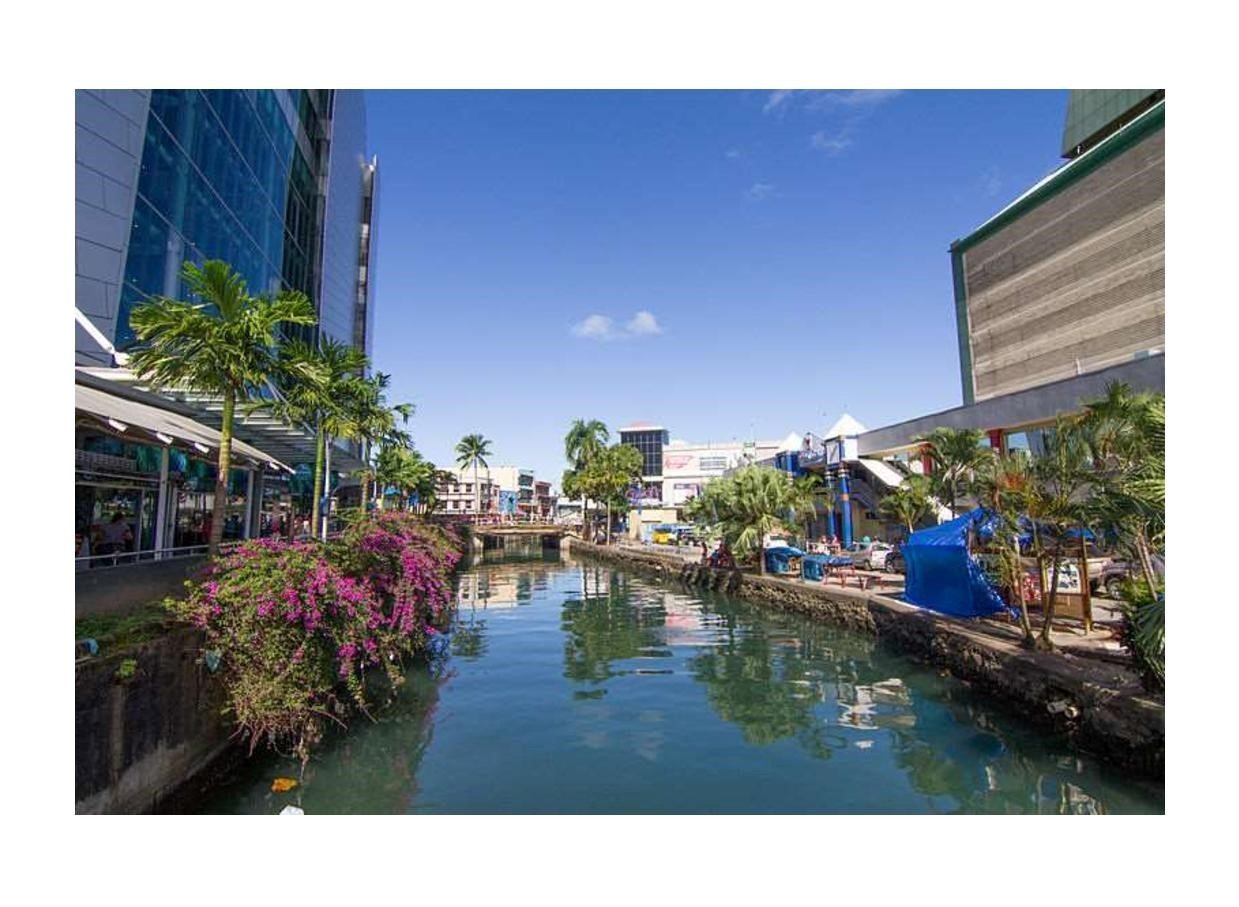
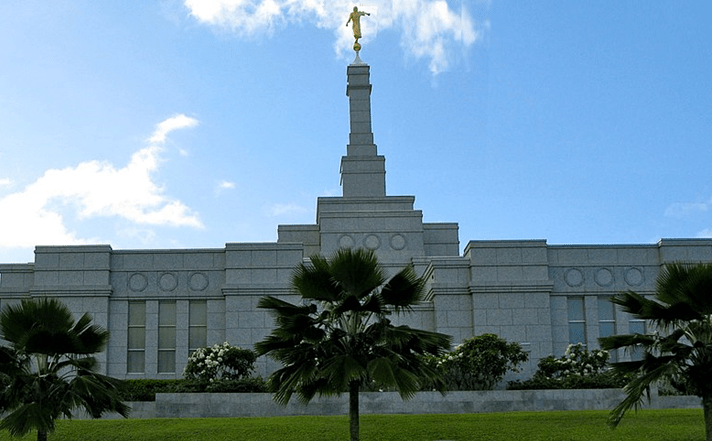
Suva. Beautiful, historical, multicultural and lively. There are plenty of fantastic things to do in Suva. Whether it’s just unwinding or seeking adventure – Suva has it all.
Firstly, it’s the capital of Fiji and the biggest city. It’s always a great way to get the feel for a country by visiting the biggest city.
What you need to know:
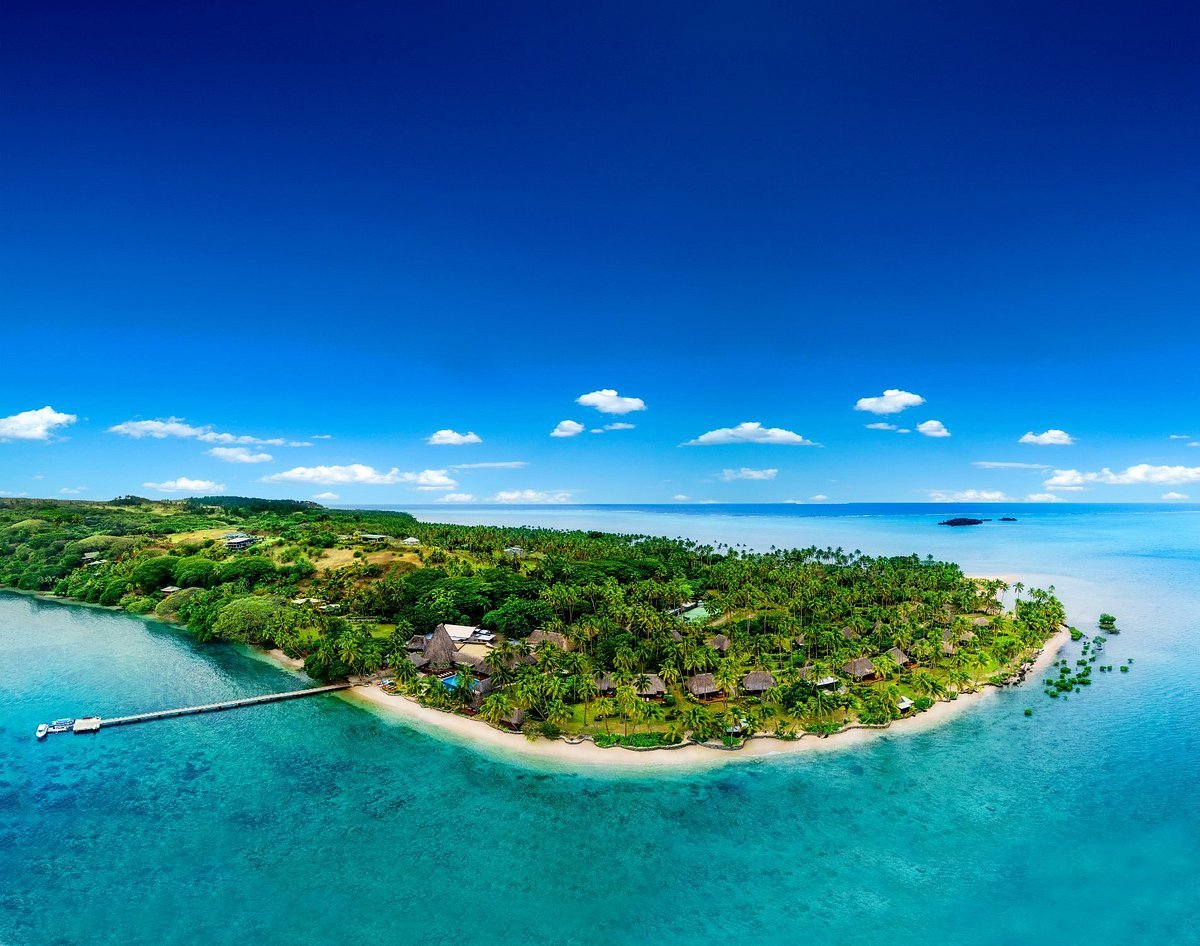
Suva is on southeast coast of Fiji’s main island, Viti Levu. It’s a harbour city in the picturesque Port of Suva.
The population of Greater Suva is around 200,000 people.
Suva is Fiji’s economic and administrative centre. All major banks and international corporations in Fiji are based in here.
Fiji’s first capital was Levuka, on Ovalau Island. It moved to Suva in 1882 because Suva was more accessible and had more space for growth. And grow it did! Levuka is now a UNESCO World Heritage site.
How to get there
You can fly directly to Suva from Australia and New Zealand. Nausori Airport is just 25 km from Suva. However, most international flights to Fiji arrive at Nadi Airport. Nadi is in the northern part of Viti Levu and about 190 km from the capital.
From Nadi you have a few options.
Jumping on a plane is the fastest option, but you might want to take your time.
This way you can stop off wherever and whenever you like.
It’s up to you!
Places to see
Suva City
Kick things off by looking around the city itself. There are plenty of colonial-era buildings such as the Sacred Heart Cathedral and Fiji Museum. The museum has some amazing artefacts dating back 3,500 years.
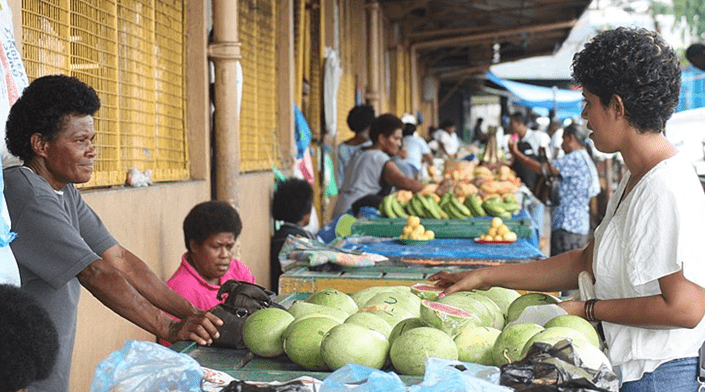
Next has to be Suva’s lively markets. There are markets everywhere in Suva, selling everything from fresh fruit and vegetables to seafood and handicrafts. The Municipal Markets are great fun and you can mix with the locals.
Huge tropical paw paws and mangoes, fresh juice and kava stands, handmade baskets -the markets have it all. Share a joke with the farmers and stall owners. Glug down a freshly squeezed pineapple juice. Simply enjoy being in the beating heart of the city.
Day trips & tours
If you’re active then you have a fantastic choice of fun activities.
There’s plenty of fun to be had here, no matter what you’re into.
Navua River waterfall tour
Pack your swimsuit and get ready to get wet. Take a tour up the Navua River and stop off to swim in some amazing waterfalls.
You can take a traditional bamboo raft up the river or up the ante on a dune buggy.
If you really want to release some adrenalin, then try your hand at white water rafting or tubing. Sounds fun? It is!
https://www.youtube.com/watch?v=7nybc6oSoPE
Kila Eco Adventure Park
Hit the adventure park for some thrills on the ziplines and try your hand at abseiling. Never done it before? No problem! For a more leisurely visit you can simply enjoy one of the park’s eco walks. You’ll trek along jungle paths and pass by some breathtaking waterfalls.
https://www.youtube.com/watch?v=GLK-tI-dD5A
Beqa Island
If you’re into scuba diving and snorkeling then you’ll probably want to stay here for a few nights.
Beqa Island is surrounded by coral reef, white beaches and aqua blue water. You can dive, snorkel or just splash around in the many secluded bays and beaches.
Again – there’s an adrenalin-charged option. You can go to the island on a guided jet ski tour. You’ll definitely get wet and you’ll definitely have a blast.
Back in Suva you might want to chill out. Treat yourself to a luxurious spa and massage. Body health is an important part of Fijian culture, so just close your eyes and drift away to the Best Things to do in Fiji.
By now you’ll have definitely worked up an appetite. And thirst!
There’s no shortage of fine dining in Suva. Try some of the fresh seafood or local delicacies. Suva is a flourishing multicultural city with a great selection of Chinese, Indian, Japanese and Australian restaurants.
No matter what you’re into, Suva can provide it. Fiji’s capital will give you a great insight into the Fijian way of enjoying life.
It’s another beautiful sunny day. You’ve just enjoyed a few hours of water fun. Maybe you’ve just been lazing on the beach and doing very little. Either way – you’ve earned yourself a drink. Or more.
What a place to be thirsty! Fijian drinks hit the spot. Unique. Delicious. Refreshing.
Here are some of Fiji’s best thirst quenchers.
Fiji Water
Let’s kick things off with the simplest and purest of Fijian drinks – water. It’s not just any water. Brands such as Fiji Water is artesian water. This means rainfall flows into underground chambers which are surrounded by volcanic rock. This allows natural goodness such as minerals and electrolytes to mix in with the water.
Result? You’ll rehydrate quicker, feel more energetic and your skin will look better.
Bang for your buck!
Kava
Kava is a traditional drink made from the roots of the kava or yagona plant. It’s non-alcoholic but will give you a nice and relaxed buzz.
You make kava by grinding the plant roots into powder and then mixing it with water. Fijian people have been enjoying kava for thousands of years.
Drinking Fijian kava
A kava-making ceremony is an important ritual in Fiji. People do it to welcome visitors and to maintain close bonds and friendships.
Mark this down as a “must-see” and “must-drink” when you visit Fiji.
Rum
Rum is fast becoming one of the most popular Fijian drinks. Fiji has a strong history of sugar cane production, so it makes sense to make rum too.
In 2021 the Rum Co. of Fiji swooped up several international awards for spirits. North American experts declared Fiji to be “the new home of rum”.
Fiji produces excellent white and dark rum. The warm climate and volcanic soil are perfect for harvesting and preserving rum crops.
Fiji + rum = good times
How to drink it? It’s up to you. On crushed ice, with fruit juice or cola.
Better yet, order a cocktail. A Fijian Passion is a good start. Fresh passionfruit with pineapple juice, crushed ice and dark rum.
Sip…ahh…delicious.
Coconut Vodka
Savor the taste of paradise with this specialty. It’s made from all natural ingredients. Hand-picked coconuts mixed in with Fijian vodka.
Each bottle comes with authentic fresh coconuts. Just give it a shake and start pouring.
Coconut vodka is great over ice or mixed with your choice of fruit juices.
Definitely one of the more unique Fijian drinks.
Cocktails and Mocktails
Fiji is the perfect place to sample a fantastic range of fruit juices. With or without alcohol!
Mango, guava, pineapple, passionfruit, coconut and watermelon juices are all ready for gulping down.
How about a Mango Smoothie? Fresh mango and lemon juice with honey, yoghurt and ice. Drink it as a mocktail or cocktail. Add some rum or coconut vodka for some extra zing.
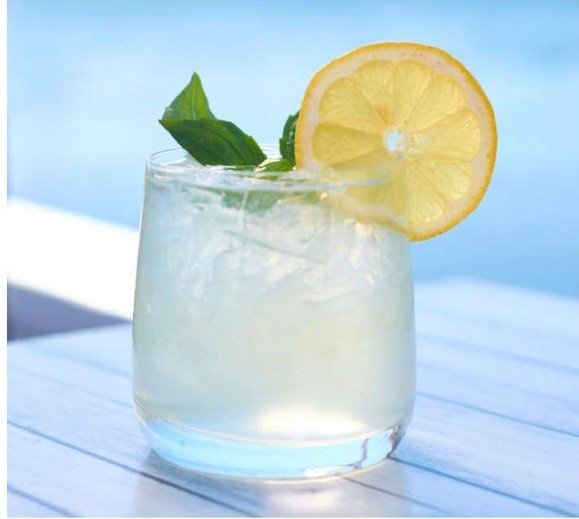
Spice up the traditional gin and tonic by adding some watermelon juice and mint.
These tick all the boxes – healthy, thirst-quenching and plenty of fun.
Tea and Coffee
Masala chai is a soothing Indian-style spicy tea. You can enjoy the rich goodness at any time of day. With breakfast, mid-morning or after dinner.
Masala tea is made with ginger, cloves and cream milk, so it’s full of nutritious detoxicants. It’s especially good after a night of cocktail indulgence!
Bula Coffee is another of the many Fijian drinks making a huge impression. The beans are organically grown in the Fijian highlands. The Bula team pick the beans by hand and then roast them in the basking sun.
https://www.youtube.com/watch?v=OwKzsY2Jfys
Treat yourself to a local delight – traditional dry-roasted style or chocolate coffee flavor.
Beer and Wine
Fiji is on the doorstep of some of the world’s most outstanding red and white wines. You can easily find delicious New Zealand and Australian wines anywhere you go.
White wines go great with seafood. Perhaps some of the NZ’s finest Sauvignon Blancs.
Red wines are excellent with meat dishes so some Aussie Shiraz or Cabernet Merlot are your go-to’s here.
Affordable and very, very drinkable.
Fiji also has a great selection of its very own chilled beers. There are your standard beers for any occasion, like Fiji Bitter. Fiji also has a thriving craft beer industry with brands such as the Mokusiga range of lagers and bitters. “Mokusiga” is Fijian slang for killing time. There aren’t many better ways to kill time by lounging around and sipping on a few cold ones.
These are just a taste of the excellent variety of Fijian drinks. They’ll keep you fully hydrated and fully fueled when you visit. Enjoy them with some fantastic Fijian food or on their own.
Fiji is a delightful tropical paradise, where the wondrous mixture of vegetation and spices speak through your tongue and make the traditional and other foods Fiji’s Popular Food. So, Fiji is not only a beautiful country with the best beaches and a beautiful underwater world, but it is also a mixture of cultures in the food scene.
Discovering Delicious Diversity
Picture yourself enjoying prepared seafood dishes such as Kokoda, whereby mixing crushed chillies and lime juice, you have a fish dish. Likewise, the sweet and salty taste of kai moa, slowly cooked in a traditional oven or taste the earthy flavor of Lovo for another amazing experience.
A Fusion of Flavors
Taste the different flavored Indian curries, the well-known Chinese vegetable mix or the international food from Korean, Japanese or Australian cuisines. Apart from the mainstream or non-vegetarian diets, there is a bounty of vegan and vegetarian options that will also be an ideal choice for vegan or vegetarian travellers.
Food for Every Mood
Regardless of whether you are in search of a traditional Fijian curry, light and diet Rourou soup, or fast-food chains from across the world, you will surely be curious about Fiji’s amazing culinary offerings. Otherwise, street food is always on the menu as it’s one of Fiji’s popular food option. Not to mention, for saving the best taste of cuisine, the local markets are there, and this finds its way straight into the kitchen as well.
In Fiji, food isn’t just a way of sustaining one’s life; it’s like a cultural and communal celebration.
Influence of Indian Cuisine on Fiji’s Popular Food
Fiji’s cuisine which is highly accepted has a strong cultural syntax, and the most significant influence has come from Indians’ cooking. Let’s dip into the dynamic of how Indian flavours have evolved making Fiji’s food culture the overall character.
Among a host of Indian settler’s valuables such as flora and fauna, cooking techniques and methods, Fijians didn’t only acquire these but also emerged as a sensation spices trade. The incorporation of spices such as cumin, coriander, turmeric and garam masala in the traditional Fijian cuisine was a gateway to new dimensions and enhanced it in richness and complexity.
Curries – A Flavorful Affair
Along the way, on the island of Fiji, curries became very typical meals. Recipes like chicken curry, vegetable curry and fish curry were quite loved. Such dishes integrate Indian spices and locally grown vegetables, and thus you have a combination that will tantalize the taste buds of the locals and tourists.
Tandoori Delights
The marinated meats and the vivacious colours of the food became part of Fiji’s cuisine. The preparation of tandoori chicken, which is prepared in a clay oven, became the ideal dish that gave a new taste since it offered a smoky flavour that had never been experienced before and it was an enticing food experience for people.
Roti and Dhal – Comforting Food
Roti (a kind of flatbread) and dhal (lentil curry) became familiar foods, connotations left from the time of the settlers to the present day. Such meals are straightforward but still tasty and this makes the person eating feel filled and happy.
Sweet Treats – Indian Desserts
The widely known Indian sweets including gulab jamun (fried dumplings in syrup) and jalebi (fried sweet spirals) are considered in Fiji’s popular food. These sweets are often eaten and shared during religious days and other similar occasions.
Fusion Dishes – Blending Cultures
The era of fusion dishes took center stage creating examples of how Indian and Fijian elements can harmonise harmoniously. Instances include Indo-Fijian curries being made with local goods and also fusing the best of two worlds in kitchens.
A Cultural Exchange
Indian food’s resonance with the main Fijian food is not only about taste but it is the cultural exchange that people from different origins appreciate. They still receive these insignificant changes thus constituting not only the rich past but also a unique cuisine in Fiji.
Chinese Culinary Influence on Fiji’s Popular Food
Find out how Chinese kitchen techniques shaped the Fijian food scenario and how the delightful oriental spices and ingredients have meshed with those of Fiji to create a fusion that is loved by both the locals and tourists.
They were Chinese settlers who introduced quite a diverse range of cooking styles, and also taught how to use techniques like stir fry and steaming. Local ingredients such as tomaso, taro and coconut added variety in texture and taste to the main plain stands which were popular in traditional Fiji food.
Stir-Fries – Vibrant and Flavorful
Stir-fried became one of the most preferred methods for dishes since various veggies, chicken and other ingredients were cooked using high heat. Fijian stir-fries are prepared with mixes of native plants with Chinese sauces and spices flavours.
Noodle Delights
Fiji hasn’t only spent a large amount of money on Chinese rice but also on Chinese noodles which may be found in many dishes such as chicken noodle soup. So they no doubt played their important roles. Providing contrast with some dishes, egg noodles and rice noodles contribute due to their unique flavour and texture, and wheat noodles, with their unique flavour and texture, help to round out the strictures.
Dim Sum – Bite-Sized Pleasures
Dim sum, small packets of steamed or fried variety like wrappings, buns, and rolls became a hot cake in Fiji. These are often also served as snacks in bars, at parties, or as people gather around a dinner table with their friends and relatives.
Customized meals created a new fashion way to mix Chinese characteristics and Fiji style. There are examples of these like the Chinese-fried rice with local seafood or vegetables that reflects the population in Fiji as well as their eating culture.
Local Adaptations
Chinese culinary culture also sparked the creation of some new Fiji dishes containing elements of Chinese cooking traditions plus local spices and flavours. Such adjustments indicate how Fijian food culture easily adapts its elements to the constantly changing patterns.
Cultural Exchange Through Food
The imprint of Chinese cuisine on Fiji’s popular food extends traditionally beyond the simple enjoyment of the region’s best cuisine, rather, it represents a cultural exchange that enriches both traditions. In a world of wok-tossed dishes and dim sum, the Chinese zest has been magnificently ingrained into Fijian gastronomy.
International Cuisine in Fiji’s Popular Food Scene
Asian Delights
Fiji becomes your next basis to experience the culinary tastes of Asia. In Fiji, you can indulge in a variety of restaurants that are famous for their Korean BBQ, and Japanese sushi, as well as other delicacies from different parts of Asia that will satisfy your preferences.
Western Comfort Foods
Indulge in a similar Western food like pizza, hamburgers or fried chicken, available at many Western fast-food restaurants in Fiji as a substitute for home-made food.
Vegetarian and Vegan Options
Fiji has several vegetarian and vegan cuisines and national food dishes, and among them, Indian cuisines, fresh fruits and vegetables are healthy and vegetarian/vegan options to eat.
Halal Dining Experiences
Visit the island of Fiji also while enjoying halal food offers with some restaurants, supermarkets, and take-outs that have secured the halal certification to ensure a halal dish that suits both dietary and cultural needs.
Fresh and Flavorful Salads
Savour the freshness of your salads, prepared with locally sourced ingredients, which makes it a healthy choice and adds to the flavour.
Global Fast Food Chains
Bon appétit comes with global fast food chains from Fiji. It’s all about saving time and enjoying different flavours brought by fast food chains for travellers as well as local people who are constantly driven by the spirit of being quick.
Food Festivals and Events
Get involved in food festivals and events designed to highlight interesting dishes of Fiji. International chefs display their culinary skills and share a lot about their different cuisines with a group of enthusiasts.
Food is the representation of the cultural exchange of Fiji, which tries to make communities more connected and adds knowledge to the world about the many aspects of food.
After having this stroll through some amazing samples of food in Fiji it becomes very obvious the lovely varieties of ingredients, influences, and local cuisines that make up this island’s gastronomic culture. Fijian cuisine is a culmination of history and intercultural relationships that traces the roots back to native dishes and now includes global flavours that represent Fiji’s multicultural way of life. It is a food lover’s heaven where ‘ minority’ tastes are celebrated and brought to the table as everyone shares a piece of each other.
Exploring Fijian delicacies isn’t just a matter of having a filling meal; on the contrary, it’s an exciting journey that passes through multiple senses. May it be devouring the indigenous seafood treats or discovering the freshness of Indian spices or gobbling up some quick bites from one of the global fast-food franchises, every new culinary theme in Fiji bashes a story of continuity, creativity, and togetherness.
Surfing in Fiji is an unforgettable experience. Fiji is one of the world’s best surfing destinations and has waves for all levels.
There is a multitude of fantastic spots for all levels, all year round. Beginners can take advantage of some beautiful beach breaks while more experienced surfers will relish Fiji’s reef breaks.
When to go?
Well, anytime.
April to November is the Southern Hemisphere winter, which means bigger swells and less rain. By “winter”, we mean maximum temperatures of around 28°C.
When surfing in Fiji, pretty much all year round is good. Late November to March is summer in Fiji. This can sometimes bring flatter breaks which is perfect for beginners, but no matter when you go, great waves are waiting.
Where to go?
Whether you’re keen to take on the world famous Cloudbreak and Frigates or just want to get started, Fiji caters to all.
Best of all they’re super easy to get to. You can stay on the mainland or jump on a boat and quickly get to an island. It’s up to you!
Here are some of the best spots for surfing in Fiji.
Tavarua Island
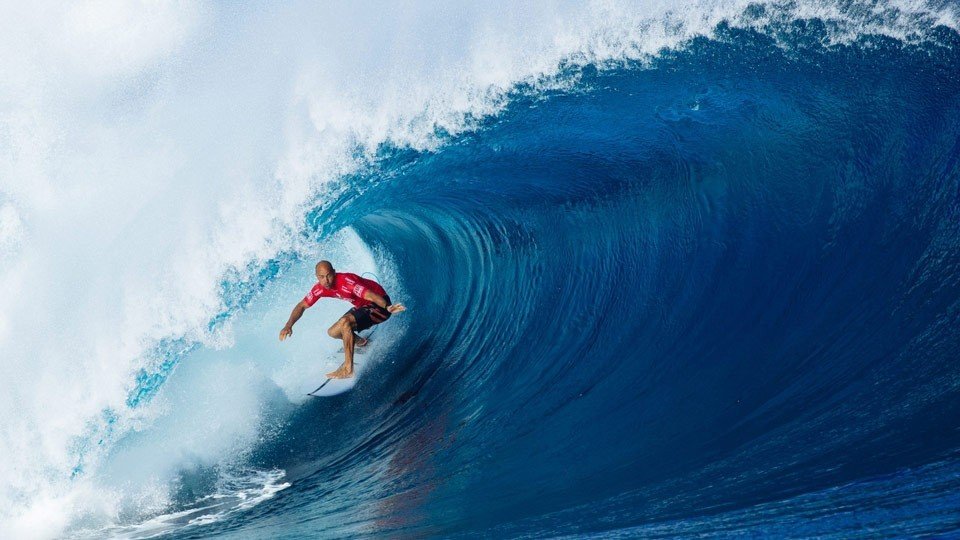
Tavarua has it all. The world famous Cloudbreak and Restaurants breaks are here. Cloudbreak is a left break on the reef and is recommended for advanced surfers. On a big day Cloudbreak has been known to serve up 4 – 5 meter monster waves.
Restaurants is another left break spot with smaller waves on average but it’s still fast and best suited to at least intermediate surfers.
If you’re surfing in Fiji and are just starting out, no problem! Just inside Restaurants is a smaller break, nicknamed “Kiddieland”. You’ll find plenty of kids and adults learning their craft around here.
How to get there?
Tavarua is just off the coast near Nadi. From Nadi airport you simply jump on a bus to the boat launch. A boat will take you to the island. Simple!
Namotu Island
Namotu Island is located a little further out than Tavarua and has a wide range of choices.
The closest are Namotu Lefts and a right break Swimming Pool, so called because its pristine water resembles an aquatic pool.
Swimming Pool is a fun break, suitable for all levels. Namotu Lefts offers a slightly more challenging ride.
When you’ve conquered these you can just get a boat to the nearby breaks at Tavarua, such as Cloudbreak and Restaurants.
Desperations is also accessible from Namotu and offers both left and right breaks. Best of all, Desperations has great consistent waves, making it a go-to if other spots are too crowded or not happening.
How to get there?
Just like Tavarua, you get a bus from Nadi or Nadi Airport to the boat launch. From Namotu Island you can get a boat to any spot you like.
Coral Coast
If you feel like sticking to the mainland, the Coral Coast has plenty of beach break surfing. They’re mainly beach breaks, so they’re ideal for those just getting started.
You can make surfing tour out of it. Start off at Natadola and work your way down the coast, stopping off at Sigatoka and Mango Bay. You’ll find a wide variety of places to stay as well as some excellent surf schools.
Further down the Coral Coast at Waidroka Bay you can enjoy the best of both worlds. Kids and beginners can throw themselves into the beach breaks. More advanced surfers will quickly head out to the famous Frigates. Frigates is a left reef break with fast moving barrels and one of Fiji’s most popular big wave locations.
How to get there?
Why not drive? The Coral Coast links the two major cities Nadi and Suva so there are plenty of rental options.
If you feel like getting away from it all and want to try something a bit different then – hello Taveuni Island! Not only is it a majestic location but it has some phenomenal reef breaks at nearby Qamea Island.
You’ll find less crowds and more locals at Taveuni. If you really want to spoil yourself, book into the resort on Qamea for some luxury surfing.
How to get there?
Taveuni is located in North Fiji so you can fly from Nadi to Taveuni Airport in just over 2 hours. If you want to check out Qamea, it’s a short boat ride from Taveuni.
These are just some of the incredible spots we recommend when surfing in Fiji. Wherever you go, you’ll meet friendly locals, ride world-class waves and have a truly unique experience.
Fiji is a place where you will be delighted to see cultural diversity can be noticed everywhere! In this wonderland, people from different traditions, backgrounds and even languages come together to give birth to a harmonic and spectacular rich tapestry of traditions, languages and customs.
The elements of diversity in culture have made Fiji one of the world’s most attractive countries. Here you will see Fijians, Indian Fijians, Chinese, Europeans, and many more of a variety of people from different origins. The ethnic groups passed across to Fiji as a one-of-a-kind destination heritage and added up the vivid mosaic that defines the Fijian identity.
There is no denying the fact that despite the different festivals they celebrate, and their unique rituals, it is evident that Fiji is not only characterized by the spirit of unity in diversity but also oneness.
The experience here will make you see how Fijians learn to differentiate and still treasure their majestic humanity that is expressed through kindness, hospitality, and respect. It’s not merely about living together. It is the art of healthy living, and we all need to practice it.
Indigenous Fijian Population (iTaukei) – Guardians of Cultural Diversity
The indigenous Fijian community, also referred to as iTaukei, is a significant factor in the formulation of a uniquely diverse Fiji Culture. They are the trusted preserve of traditions shared through the generations, enjoining the preservation of cultures, languages and beliefs which help characterise Fiji’s identity.
The most interesting aspect about the iTaukei culture is that it has various groups or clans, but at the same time these groups all have a common factor or that they all share one thing which is their distinct culture.
They convey the diversity of Fiji through activities such as their customs, their art, and their storytelling, and redefine the scenery for everyone who visits them.
As you give in to the iTaukei culture, you’ll come across many traditions that vividly emulate the beautiful mosaic of Fiji’s cultural bazaar. From clan meals to merry dances, the rituals in iTaukei life vividly demonstrate how every bit of their multicultural nature is full of appreciation for the diversity and things that make us the same.
Indian Fijian Community
The Indian Fijians form the backbone of cultural diversity in Fiji as they bring in special herbs and spices which are the defining part of the culture that the Island country represents. Their presence in Fiji resides in the fact that many Indians had arrived during British rule, in the late 19th century.
It’s very important to point out that the Indian Fijian community is very diverse, with each group having different origins and heritages. In these groups, you will find a pattern of Hindus, Muslims, and Christians who adhere to their traditions and beliefs and give celebration to their cultures as well. Through the life of festivals, such as Holi and Eid, customary ceremonies and rituals experienced by Indians in Fiji, the country is surely enriched with the unique feel of Fiji’s culture.
Similarly, language is also an incredibly essential part of the Indian Fijian identity communicated. In addition to the home language of Fiji, most of the Indian community collectively speak Hindi propagating community membership and cultural heritage.
Beyond their multi-ethnic roots, the Indian Fijians remain a unified group that recognizes and appreciates cultural harmony and cultural heterogeneity. They are indicators of Fiji’s multicultural ethos by appreciating that much with respect for each culture and also among the various groups.
Other Ethnic Groups in Fiji
In addition to the two indigenous Fijian iTaukei and Indian communities, Fiji has other ethnic groups with each one of them adding to the multiculturism of the country. These units comprise the Chinese, European, Filipino, Polynesian and Australian backgrounds. With these all they present varieties of Fiji’s cultural diversity.
The Chinese community by bringing with them the front of their traditions and customs is the way we often look into different culinary specialties and cultural events. Their presence can be seen in different parts of Fijian life, such as in the intermingling of the cultures of the country. It is evidence of the fusion of these cultures within the island nation.
Somehow, the influence on Fiji’s culture is also contributed by Europeans, especially in art, music and architecture. They have united with each other as the best features of each have been added to the cultural heritage of Fiji, paving the way for a co-existence of diverse cultural characteristics.
The Filipino and Polynesian groups too are vital components of the multicultural tapestry in Fiji. They inject their customs, languages and practices into the existing practices. Such intermixing leads to the culture of social exchange and inter-learning, in which people from different backgrounds meet each other to celebrate and make known their culture.
Also, the existence of Australians in Fiji is another factor in cultural diversity in the country where Fijian and Australian cultures and flavours are mixed up, thus providing chances for cross-cultural experience.
Languages – A Reflection of Cultural Diversity
Fiji is a place where lots of languages gather to contribute to its cultural richness. Even though English is the official language, people representing different groups and communities can communicate in Fijian, Hindi, and Urdu, along with other languages.
Most of Indian Fijians are bilingual. It makes Fiji’s cultural landscape literally and figuratively more colourful as it adds the vibrant flavour of Indian culture to the country’s linguistic landscape. The Chinese community in Fiji means you are going to bring some Mandarin or other Chinese local dialects to the country which leads to a multicultural linguistic environment.
Apart from Fijian other languages you will find include the Filipino or languages of the Philippines, Polynesian languages, and some European languages like English, French, and German, by expatriates and visitors.
Contrary to the many differences that surface among the multitude of languages spoken in Fiji, Fijians overcome a common challenge, which ironically, is the linguistic barrier. This could involve mastering a few words in another language or just using gestures or just smiling and being kind to everybody no matter if they speak another language or not which is itself a universal language.
Cultural Heritage Preservation
Preserving the Fijian cultural heritage is no different from nurturing a priceless treasure chest that holds all the past tales, traditions and memories. It is a quest to protect the distinct identities of the different communities that all together enrich the nation’s rich cultural tapestry.
Cultural heritage is preserved and encouraged by numerous measures. Museums and cultural centres not only provide the artefacts, paintings and historical items that portray the stories of different ethnic communities such as iTaukei, Indian Fijians, Chinese and Europeans whose cultural diversities have shaped Fiji’s identity but also demonstrate their influences.
Oral tradition, provided through songs, dances and passing stories within a community from one generation to the next, allows the preservation of the true core of the tribe and the customs, as well as beliefs, have the opportunity to be handed down from one member of the community to another and remain alive and vibrant. The elders are like the pillars of culture, they provide the social memory with the exposition of the wealth of knowledge, the rituals and the traditions.
Cultural Festivals and Events
Fiji is the land where people from different cultures and nationalities dance and sing together and look blissfully at the celebration. These festivities connect people who are of different origins and allow the sharing of traditions, songs, dances and dishes, giving space for cultural diversity that is a vibrant mix.
Final Words
So, it can be stated that Fiji represents one of the most spectacular pieces of art ever created because the cultural mosaic is embroidered with pillars of history, tradition and unity. The people of Fiji, the iTaukei, Indian Fijians, Chinese, Europeans, and all the others give a variety of colours and fine patterns to decorate this amazing fabric.
Cultural diversity forms the basis of Fiji’s power. It is as if each part is just another unique ingredient to the dish. Every cultural group has its own “secret recipe” for this melting pot- a uniqueness that makes Fiji also a place for people to learn from each other and tell their stories.
In Fiji, culture is not just a subject of interest; it is more than that, it is a colourful mosaic of a diversity of people coming together in complete harmony.
Experience breath of the spectacular beauty of Fiji. To make your dream of unique sandy beaches beach reefs and endless adventure come true then of course the process of driving in Fiji is your way to achieve this dream. Envision yourself coasting along the bay with the refreshing sun on your skin and the coast offsetting the West Pacific’s perfect backdrop.
Fiji can be discovered through driving which brings us to a whole new spectacular scenic view but also cultural experiences. Set against the backdrop of a tropical island, what lies ahead is one indelible rainforest and cascades of water making travelling an adventure like no other.
Benefits of Driving in Fiji
Driving in Fiji promises a newfound feeling of independence and conquest, as you unfold this tropical playground on your terms and in your timeframe.
Flexibility: As such, when you are driving from one place to another in Fiji, you are free to choose from different streets, intersections, or places of interest to head to. It is saying goodbye to the race of tour buses or being stuck waiting for scheduled pickups – it is all about flexible choices now.
Scenic Routes: The roadside of the Fijian coast provides some of the most breathtaking routes for driving that you will never forget. Whether it is an ideal white beach, landscapes to percolate your essence or eyes corners that stir something deep inside; it all will be within arm’s reach.
Comfort and Convenience: No need to worry about the crowds, strangers, or the lack of comfort. You can enjoy the advantages of being alone in your vehicle with all the necessary amenities. Sit back, put on your sunhat, and relax while you cruise around Fiji’s roads with everything you need.
Time Efficiency: Having a car provides you with time, which can be beneficial considering the volume of areas to be covered and the extent of your travel plans. Enjoy the flexibility you’ll get from the car when you ride, there are no more delays in waiting for transportation schedules – you have your timeframe.
Overall, the trip of driving in Fiji completes your tour with the adventure and uniqueness of the experience of being in paradise.
Choosing a Car Rental Service
Here are some key factors to consider when selecting a car rental service:
Vehicle Options
Try to rent from a service which provides you with a choice of vehicles to fit your requirements. Be it a compact car for city driving or an SUV for off-road, having many vehicles at your disposal gives you a sense of assurance that whatever you want, there is something for you, isn’t there?
Quality and Condition
Make sure the cars are of good quality and condition; hire and inspect them. Select a particular firm that offers good-conditioned and trustworthy vehicles as it is an assurance that you travel at for safety and convenience.
Affordability
Choosing the service which will be the cheapest cause budget is also an important aspect. Make sure you look out for every other kind of fee or charge aside from the ticket cost that might pop up and drive your costs up.
Pickup and Drop-off Locations
Take advantage of designing pickup and drop-off places on your hires’ daily routes to make their job more comfortable. Preferably, the rental agency should have offices located near airports, hotels, and other main pick-up locations to save your travel time.
Customer Reviews
By reading reviews left by other customers and referrals, one can evaluate the well-being and dependability of the rental service provider. The positive personal log from the customers shows a good example of quality service.
Insurance and Coverage
Find out about the kind of insurance suppliers and the variety they can give you through the rental company. Confirm that you have read and understood the conditions of insurance, insurance refunds, and liability insurance.
24/7 Support
Aim to hire a rental service which gives all clients a chance to be assisted and remains available throughout their rental. Besides the qualitative advantage of an uninterrupted run, reliability can evoke calmness while you are driving in unknown surroundings.
Additional Services
Some car rental services provide extras such as GPS navigation or child seats, which may positively affect the ease and safety of your trip. These extras are worth your consideration only if they fit your needs and wants into the budget.
By thinking through these things, you will consequently be able to make a knowledgeable choice of rental service for the driving adventure that brings you driving in Fiji.
Attractions Along the Route
Here are some must-visit attractions you can discover while driving in Fiji:
Coral Coast: As you are cruising on the Coral Coast, you will be presented with amazing views of a white-sand beach, radiant waters, and lush tropical scenery. Take a break in the beachside resorts among the snorkelling spots and quaint fishing villages while on this gorgeous byway.
Sigatoka Sand Dunes: Besides taking the standard tour, deviate from the usual path and drop by Sigatoka Sand Dunes National Park, which is famous for its high dunes that you can hike to and learn about Fiji’s rich archaeological and historical heritage.
Kula Eco Park: With Sigatoka as its site, Kula Eco Park is one that nature lovers should visit. Explore the amazing flora and faucal population of the conservation sanctuary, which consists of many birds, reptiles, and tropical plants.
Tavuni Hill Fort: Both the traditional culture and the archaeological researchers could be interested in the Tavuni Hill Fort, which is just near Sigatoka. Visit the ruins of the settlement that was last occupied hundreds of years ago and find out more about Fiji’s tribal culture and local customs.
Natadola Beach: Natadola Beach, located near the area, is an option where one can relax and participate in aqua activities. This beach is a very beautiful and famous resort destination due to its 1.5 KM long good quality sand and clear waters. It is suitable for surfing and swimming.
Koroyanitu National Heritage Park: A journey to Koroyanitu National Heritage Park you really shouldn’t miss is a place for nature lovers and adventure seekers captured in a single phrase. Hike through thick forests and even in some of them you will discover waterfalls and discover all the beauty of Fiji’s nature by yourself.
Suva City: Upon your arrival in Suva, Fiji’s capital city, indulge in the bustling markets, culturally rich sites, and British colonial-era buildings before moving on to the next destination. Go to museums, art galleries, and parks just to experience city life which has many people in it.
You have just had a little bit of the indescribable fun that Fiji has to offer you when driving in Fiji.
Driving Tips for Fiji
Driving in Fiji could be perceived as a thrilling trek; however, it is necessary to remember a few pointers to have a secure and exciting one.
Here are some driving tips for navigating the roads in Fiji:
Stay Left: In Fiji, the vehicle drivers are on the left side of the road, just like in Australia and the UK. Please, always give way to other cyclists and drive on the left side of the road. Don’t forget to look out for the traffic coming towards you.
Road Conditions:Ensure that you have a prepared mind for changing road conditions. Conversely, major highways are usually well-maintained, but local roads in some rural areas may be rough or lined with gravel. Approach the terrain with caution and take proactive measures to prevent accidents such as potholes or uneven surfaces. These will require attentiveness, awareness, and appropriate driving skills.
Use of Roundabouts: This is the case with Fiji because instead of traffic lights, most of the intersections have roundabouts. Cautiousness should be used while entering roundabouts, traffic that already goes there should be yielded, and the traffic flow should be clockwise.
Avoid Night Driving: Although main roads are properly illuminated, travelling at night, especially in a sparsely populated area, is one of the situations you would want to avoid.
Emergency Contacts: Program emergency numbers around, such as local authorities and your rental car company in the phone contact list. For such situations as emergencies or breakdowns, you’ll have a contact list where you know exactly who to call to get help.
Plan Your Routes: Before your journey, mark out diversional paths and acquaint yourself with major landmarks or checkpoints just in case. They can also be good navigation aids just like maps in such cases when we don’t have internet on.
Local Cuisine and Dining Stops
The best thing about driving in Fiji is getting the chance to appreciate the local meals, dishes, and eateries within this journey.
Here are some delicious foods to try and places to dine while exploring Fiji by road.
Fresh Seafood: Fiji being an island surrounded by the ocean will guarantee you the freshest seafood on planet Earth. Many fish, prawns, and lobster restaurants are at the seaside. These are perfect for a seafood lover; going to such places will make you enjoy the taste of the sea.
Local Markets: Spare time to visit local supermarkets as your journey continues and find out which varieties of fruits like pineapples, papayas and bananas are fresh. You won’t have to miss your old snacks; find substitutes like cassava chips or coconut chips.
Roadside Eateries: Do you have a long drive and are looking for a quick bite? Then look for snack bars on the wayside where you can have snacks like roti parcels stuffed with curries or grilled meats.
Dining with a View: Make sure you find restaurants with amazing vistas of the nearby ocean or recreational facilities.
The car-cruised Fiji is not just a trip to the tour points; it’s indulging in the excitement of travel and bonding with the core centre of this captivating island nation. Then, fasten your seatbelt, begin the journey and see the true tourism as you stroll along the Fijian’s road full of splendours.
Want some Fiji facts? It’s always great to know as much as you can about where you’re travelling to.
Here’s all you need to know, from population, weather, language, money and what to do.
Where is Fiji?
If you’re looking for lush rainforests and stunning waterfalls surrounded by beautiful white beaches, then Fiji is for you.
Fiji is a country in the South Pacific Ocean made up of over 330 islands.
Yes, 330 – you have plenty to choose from!
Here are some interesting Fiji facts: The islands were initially formed by volcanic matter around 150 million years ago.
About 100 of the 330 islands are inhabited, with most people living on the main islands of Viti Levu and Vanua Levu.
The capital Suva is located in the southern part of Viti Levu.
Fiji’s location is approximately 4,600 km to the east of Australia and 2,500 km north of New Zealand.
What can I do?
In a word – plenty. You probably already have some idea of what you want to do, but here’s a (short) list of the many great phrasebook activities that await you.
Surfing
Snorkeling/Diving
Fishing
Kayaking
Sky Diving
Water Park
Island cruises
Relax!
How do I get there?
Fiji Airways fly directly from Japan to Fiji (Nadi Airport). Another option will be Qantas Air New Zealand. Nice!
Fiji’s time is just 3 hours ahead of Japan, which makes for hassle-free travelling between the two countries. No jet lag, so you always arrive fresh and ready to go.
Who lives in Fiji?
Fiji has a population of 905,000 people. About 57% are indigenous Fijians, with another 38% being Indian Fijians. Fiji is becoming more and more multicultural, with Chinese, Korean, Filipino, and Australians settling in Fiji and setting up businesses.
Fiji is an amiable and open country with people free to pursue their religion of choice, whether Christian, Hindu or Muslim.
Most people live in one of the three main cities – Suva, the capital, Nadi and Lautoka.
How’s the weather?
In a word – perfect. If you don’t like winter, you’ll LOVE Fiji.
The weather is consistently mild and sunny, with average temperatures between 25°c and 30°c all year round. The warmer months are from November to April, bringing the occasional storm. Checking the weather before booking can also help you to avoid rainy periods.
Fiji’s “Winter” is generally around July to August, but with the lowest temperatures being around 20°c, we’re sure you’ll be okay.
What language to speak?
Fijian, English and Hindi are all spoken in Fiji; however, English is the most widely spoken.
English is taught in Fijian schools and is the official business language.
Whether you’re on a shopping blitz, learning to surf or ordering another Kava – English is the ticket!
How much for how much?
Fiji’s currency is the Fijian dollar. 1 Fijian dollar is equal to about 54 Japanese yen.
Fijian dollars can be purchased before departure or at Nadi airport on arrival. Of course, credit cards are widely accepted in hotels, restaurants, shops and all prominent places of interest.
Fiji is also developing contactless payments with central banks like Australia’s ANZ. Visitors can use their bank cards to “tap and go”, saving the need for cash.
How much can you expect to pay? A delicious meal in a local seaside restaurant typically costs between $20 to $30 Fijian dollars – more than reasonable!
This makes Fiji a very affordable travel destination.
These are the most useful Fiji facts, and if you have any queries, please get in touch with us at Fiji Dream.