Author: FijiDream Admin
-

Women’s Rights and Empowerment through NGOs in Fiji
Let’s discuss actual change. The kind that is quiet, uncompromising, and transformative—not the kind that is trumpeted with loudspeakers and flowery speeches. The kind that happens in small training centers, in neighborhood community centers, and in private conversations while sipping kava. This is the change being woven into the fabric of Fiji, stitch by careful stitch, by a collection of organizations utterly devoted to a single idea: unlocking the potential of women. For a very long time, some of Fiji’s toughest problems lived in the shadows. Things like domestic violence and the struggle for economic independence were often treated as private family business. They were whispered about but rarely confronted out in the open. This silence created isolation and left generations of women without a clear path to safety or self-sufficiency. The weight of that silence was heavy. But something shifted. From the bottom up, rather than the top down, a movement started to take shape. Local NGOs in Fiji are driving this movement and are radically altering the discourse. -
The Influence of History on Evolving Traditions of Fiji
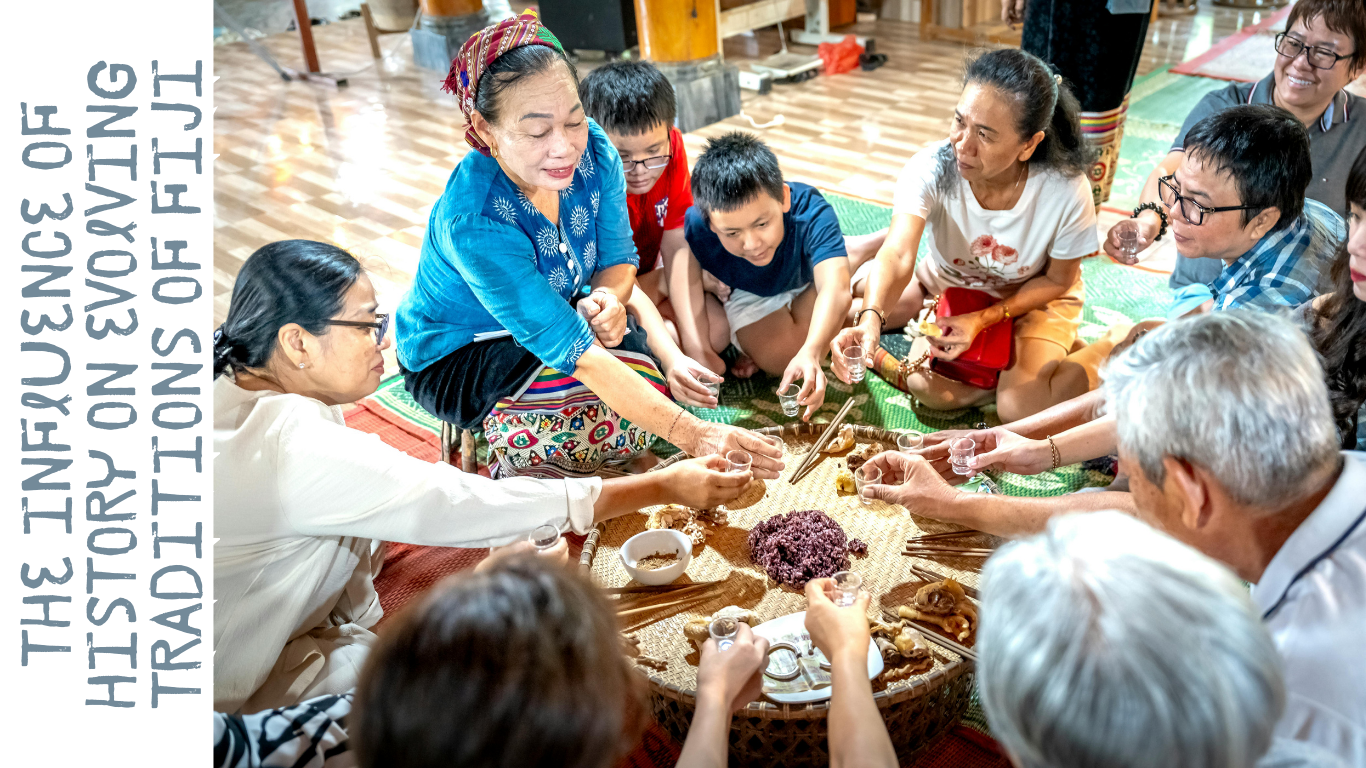
Vacation resorts, palm palms, and blue ocean may be the first images that come to mind when you hear the name Fiji. The postcard version is that. The true Fiji is far more profound. Every ritual, shared meal, and dance has a lengthy backstory that has been influenced by history. Fijian customs did not emerge spontaneously. History has had a profound impact on the traditions of Fiji for a long time—migration, outside influence, and colonization, all leaving their lasting marks. That’s why the meke isn’t just a performance. It’s like opening a window into the past, where every movement tells part of an old story. Let’s take a historical tour to observe how each period contributed to the customs that Fijians still follow now to comprehend that.How it all began
Long before outsiders arrived, the Lapita people came. They crossed huge stretches of ocean in canoes and ended up here in Fiji. They brought pottery, farming, and fishing practices that shaped everyday life. But even more importantly, they brought a way of seeing the world. For those early groups, the land and the ocean weren’t just resources; they were life itself. Growing yams or taro wasn’t only about filling your stomach—it was part of how their whole culture worked. The sea gave fish, but also spiritual meaning. Everything connected back to what they called the vanua, a word that still carries weight in Fiji today. Vanua is not just “land.” It’s not just about people and land—it stretches to their ancestors too, and even the spirits they believed kept an eye on things. And since nobody back then was writing books, everything had to be passed along the old way. They carried the rules—how to respect chiefs, how to live together, even how to survive when times got tough. Even today, when a meke is performed, it’s not random. The dance movements are retelling events and lessons from those early times.First Encounters: Europeans and Missionaries
Back in the 1700s and 1800s, Europeans started showing up. First, it was sailors and traders, and then later on, the missionaries came too. This was a turning point. Iron tools made farming and construction easier. Guns, unfortunately, made conflicts between tribes more deadly. And then came Christianity. Missionaries introduced a new religion that often clashed with old beliefs. But here’s the thing: instead of wiping out traditions of Fiji, Christianity in Fiji got woven into them. Villages built churches, yes, but many ceremonies still carried echoes of older practices. For example, hymns became part of Sunday gatherings, but the communal singing carried the same energy as ancient chants. You can still hear it today—deep voices rising in harmony, filling a village with sound.Colonial Rule: New Layers, New People
In 1874, Fiji was brought under British rule. This period left marks everywhere. Colonial administrators changed governance, while schools run by missions introduced Western education. However, the entrance of Indian indentured laborers brought about the most significant impact. Thousands arrived to labor on sugarcane plantations between 1879 and 1916. They brought more than just work, but their lives were difficult. They introduced their own festivals, dishes, music, and faith. Even now, you’ll often find kokoda on the same table as curry and roti, a mix that tells Fiji’s story. This mix tells you everything about history.Holding On and Letting Go
Colonial powers often tried to “freeze” Fijian culture. They wanted to preserve village structures and chiefly systems in rigid ways. Some traditions of Fiji, like ritual warfare, were pushed aside or slowly faded with time. But Fijians didn’t let go of everything. Some traditions, especially the yaqona (kava) ceremony, stayed strong. In fact, even colonial officials began to use kava ceremonies when meeting chiefs.Independence and the Search for Identity
Creating one national identity in Fiji was never simple. Traditions became part of the answer. On one side, indigenous arts and rituals were brought back as symbols of identity. On the other hand, Diwali and Eid became national occasions, reflecting the contributions of Indo-Fijians. You see the blending most clearly in celebrations. A school might host both a meke performance and a Diwali program in the same year. A village feast might include both lovo (earth oven cooking) and Indian sweets. History had created a shared rhythm that people continued to play out together.Modern Fiji: Global but Traditional
In today’s Fiji, you’ll notice something interesting. On the one hand, globalization is pervasive; young people in Nadi and Suva are eating fast food and listening to international music on TikTok. However, customs continue to exist and are evident. You’ll notice that even kids who grow up in the busy towns don’t really lose the pull of tradition. It sneaks back in. Maybe they show up at a wedding wearing the old style of dress. Maybe they decide to join in a festival, or ask their grandparents to teach them an old chant. It doesn’t vanish just because they’re in the city. If anything, the more the modern world pushes in, the more some people feel like hanging on to what’s theirs.The Living Legacy
What makes Fiji special is that its traditions are not museum pieces. They are living practices shaped by history at every turn.- The Lapita settlers laid the first foundation.
- European explorers and missionaries reshaped beliefs.
- British colonial rule and Indian migration added new layers.
- Independence brought a sense of unity through diversity.
-
The Rich History behind Popular Fiji Food and Drink
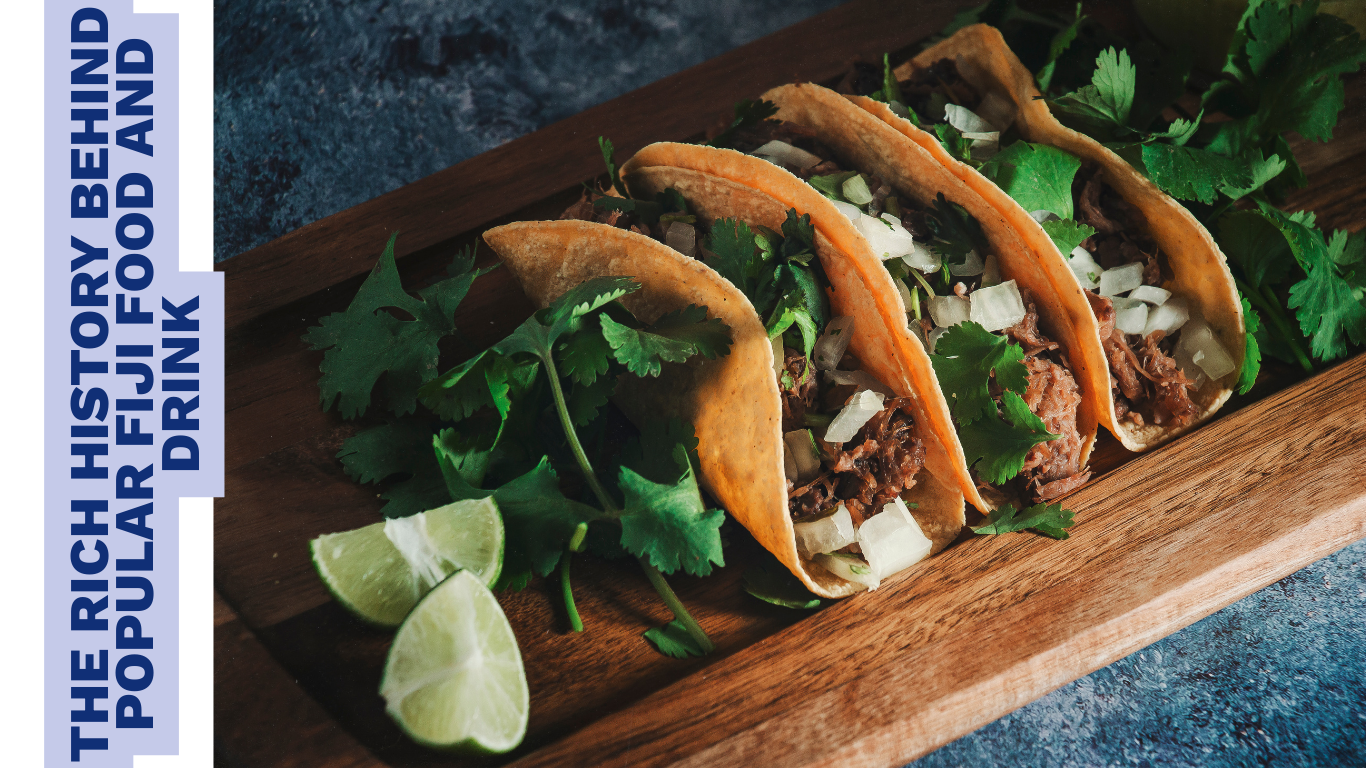
What comes to mind when you think about food in Fiji? Fresh fish, coconut, and perhaps the well-known root beverage kava. But what if we looked more closely? What if every dish on the table represents a tale from a history book that is just waiting to be told? A resort buffet does not tell the real tale of Fijian cuisine and beverages. It simmers in pots that have been passed down through the centuries, is engraved into the landscape, and is murmured in time with the waves. The land, the ocean, and the travels of people from far and wide have all influenced this culinary legacy. To taste it is to understand Fiji itself. This isn’t just about what’s for dinner. It’s about how a meal can tell a story of survival, community, and fusion. Let’s pull up a chair and uncover the rich history behind popular Fiji food and drink.The Earth Oven: How the Lovo Built Community
Imagine you are living centuries ago on these islands. There are no electric stoves, no supermarkets. Your community’s survival depends on shared resources and collective effort. This is where the lovo was born. Calling the lovo an “underground oven” doesn’t really do it justice. It was so much more than that—it was the original social network. This is where people truly connected. There’s something almost ceremonial about the whole process. First, you need to dig a pit. Then, you heat stones in a fire until they’re practically glowing. That alone can take hours. Once they’re ready, the real work starts. Everyone contributes to the creation of these tiny, steam-packed packages full of potential by wrapping meat, fish, taro, and cassava in banana leaves. To allow nature to do its slow, smoky job, those bundles are carefully put upon the hot stones, covered with additional leaves, and then buried with dirt. What comes out hours later is nothing short of incredible. The food takes on this deep, earthy flavor that you just can’t get from a gas stove or a grill. But here’s the secret—the best part wasn’t ever the food itself. It was what happened while everyone waited. The love forced people to slow down, to work together, and to talk. This was how communities celebrated big wins, comforted each other after a loss, and welcomed new family members or made peace with neighbors. The custom of gathering together has persisted. You will still experience the same thrill of anticipation as everyone assembles in anticipation of the moment they reveal the feast if you attend a lovo gathering in a hamlet today. It’s not just the meal; it’s the shared experience.From the Ocean: The Simple Genius of Kokoda
Kokoda is a love letter to the sea, whereas the lovo honors the soil. This well-known treat, often called Fijian ceviche, demonstrates the creativity of early islanders. Without refrigeration, how can you preserve and enjoy the catch of the day? The answer was found in nature’s pantry. Fresh raw fish is “cooked” not by heat, but by the acidic punch of citrus juice, usually from local limes or lemons. This denatures the proteins, firming up the flesh and giving it a cured texture. Kokoda speaks of a deep understanding of the local environment. It’s a testament to making something extraordinary from a few simple, perfect ingredients. Every spoonful is a taste of the Pacific itself. It’s a perfect example of the ingenuity that defines the story of Fiji Food and Drink.The Roots of Survival: Taro and Cassava
Walk through any Fijian market and you’ll see piles of strange, dusty, knobby roots. These are taro and cassava. A dependable supply of carbohydrates during hard times, these resilient crops flourished in the tropical environment and could be preserved for extended periods of time. Taro, in particular, holds a sacred place. It wasn’t just food; it was a cultural touchstone. The ability to cultivate a successful taro patch was a sign of responsibility and skill. Cassava, though a later introduction, was eagerly adopted for its similar versatility. These roots are the quiet, sturdy foundation upon which Fijian food is built. You can’t understand the history of Fiji’s Food and Drink without acknowledging these humble beginnings.A New Chapter: The Indian Influence on Fiji Food and Drink
You know, if you really want to get how Fiji’s food got so good, you gotta rewind the clock. Picture this: it’s the late 1800s, and ships are pulling up with folks from India coming to work. Now, imagine leaving your home. You can’t pack much, right? But you can pack your flavors. You bring your spices. Your family recipes. That’s what they did. Like, someone’s grandma’s curry recipe met this gorgeous, sweet coconut milk that grows everywhere here. Seriously, walk through Suva or Nadi today. That smell that hits you? That’s not just any cooking smell. That’s the smell of history. It’s turmeric and mustard seeds sizzling in a pan—a sound that became the new normal. And my favorite part? The snacks. All of a sudden, you’ve got these crispy, spiced veggie fritters—bhajias—and flaky samosas being sold on street corners like they’d always been here. It stopped being “Indian food” a long time ago. Now? It’s just… Fiji food. The taste of two cultures deciding to share a kitchen and accidentally creating something entirely their own. It’s alive, you know? It’s still changing, still evolving, just like the people.The Drink of Connection: The Sacred Ritual of Kava
If you really want to get Fiji, you have to understand kava. And the first thing to know is that thinking of it as just a drink is like calling a volcano just a hill. It doesn’t even come close. Kava or yaqona, as it’s known locally, is something else entirely. It’s how you show someone you honor them, and how communities have been coming together for who knows how long. And making it? That’s half the point. It’s not something you just pour from a bottle. The dried root has to be ground down into a fine powder, then added to that beautiful carved wooden bowl called the tanoa. Water is added, and the mixture is kneaded and strained through cloth until you get this cloudy, earthy-looking liquid. Then comes the serving. It’s all done with a specific rhythm. You get the coconut shell cup, the bilo. There’s a way to accept it. You’re supposed to give a single, sharp clap before you take it. Then you drink the whole thing in one go—no sipping. Every step means something. The taste is earthy, slightly numbing, and an acquired one for many. But the effect is a sense of calm relaxation and open conversation. Every significant community conversation, welcoming ritual, and reconciliation has revolved around kava for decades. It serves as the binding agent between communities. By sharing kava, you are accepted into the circle as a participant and are no longer considered a guest.A Sweet Ending: Tropical Abundance in Desserts
The lush surroundings of the islands are reflected directly in Fijian sweets. Usually straightforward, they rely on the deep creaminess of coconut and the inherent sweetness of fruit. Ripe bananas cooked in sugar and coconut milk is known as vudu vakasoso, and it’s a traditional comfort dish. Cassava cake is a dense, satisfying treat that makes brilliant use of the versatile root. These aren’t complicated pastries. They are honest, heartfelt sweets that speak to a history of making the most of nature’s gifts. They are the perfect, simple ending to a story that began with an earth oven and was shaped by ocean currents and cross-cultural journeys. This progression from earthy staples to sweet treats illustrates the beautiful evolution of Fiji Food and Drink. The ongoing tale of food in Fiji is still being written. Family get-togethers, busy city eateries, and hamlet kitchens continue to tell this tale. It tells the tale of how a culture may be understood by its appreciation of communal meals, reverence for the abundance of nature, and amazing capacity to meld ancient customs with contemporary influences. You have to taste Fiji to get to know it well. -
Top 10 Cultural and Natural Tourist Attractions in Fiji Nadi
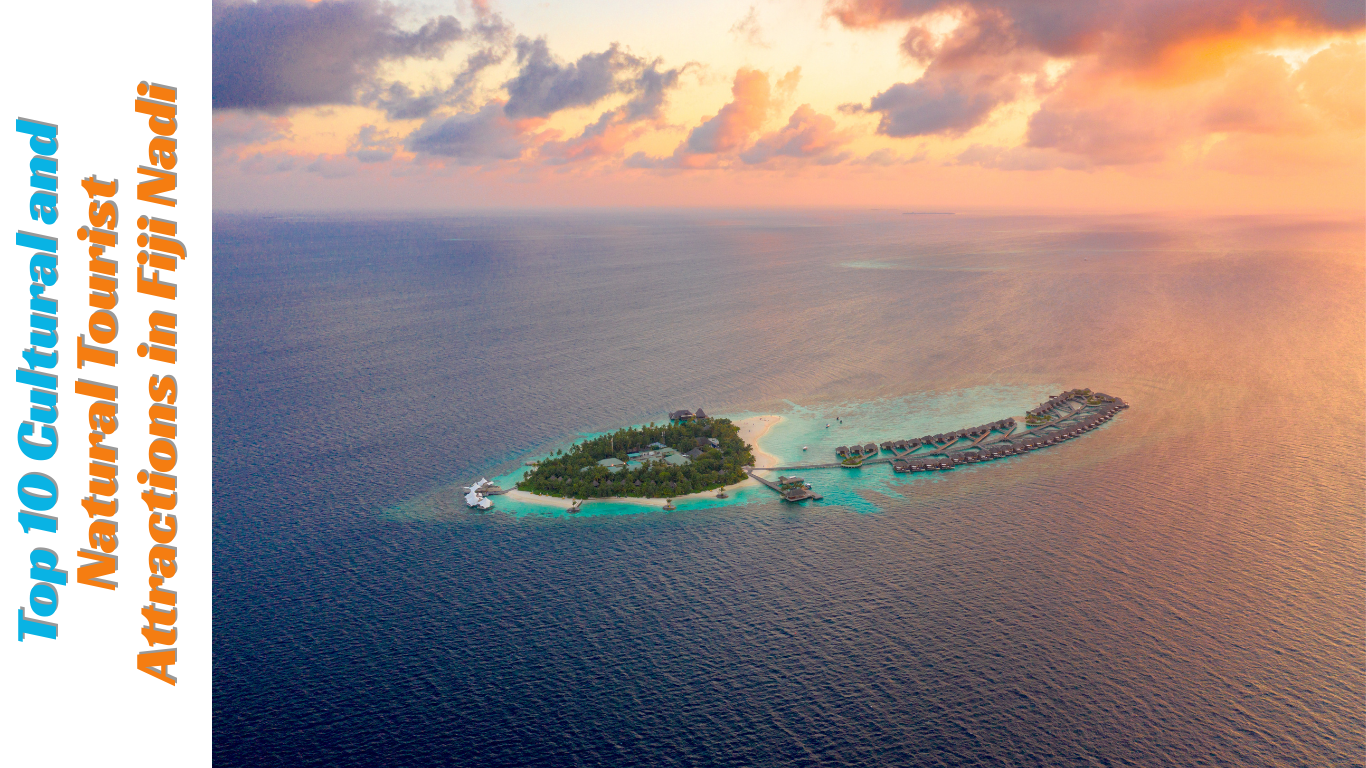
If you’re like most people, your mental image is probably an airport, a hot road, and a bunch of taxis. A place you endure, not a place you explore. Right? Well, it’s time for a serious reset. Thinking of Nadi as just Fiji’s waiting room is the biggest travel mistake you can make. While many seek out the famous Fiji islands attractions, the heart of the country beats loudly right here. This town is the real Fiji. Here, culture is not kept behind glass. And nature is not something you see. This is where Fiji’s soul lives. It is raw, authentic, and absolutely alive. Do not believe the glossy brochures. This is the real list. The one that digs into what actually makes this place tick. Here’s the true lowdown on the top cultural and natural tourist attractions in Fiji Nadi.1. Sri Siva Subramaniya Swami Temple: Where Color Meets Devotion
You haven’t really seen Nadi until you’ve laid eyes on this place. It’s all intertwined into tall buildings that are adorned with elaborate sculptures. It is essential to be the largest Hindu temple in the entire Southern Hemisphere. There is a subdued respect in the air.2. The Sabeto Mud Pots: Get Dirty, Feel Amazing
Throw any idea of a pristine, white-walled spa right out the window. This is the opposite. This is about slathering yourself in warm, smooth, grey mud from head to toe and not caring one bit. You’ll bake in the sun until you’re a cracked, earthen statue, then rinse off first in a hot thermal spring and finally in a cool pool. The whole thing is hilariously social. You’ll be laughing with strangers, all equally ridiculous-looking. And the payoff? Skin so soft you won’t stop touching your own arms for days. It’s a rite of passage.3. Garden of the Sleeping Giant: A Whispering Jungle Walk
The Garden of the Sleeping Giant, adjacent, is the ideal place to cool off after the mud. This place feels hidden, a secret garden tucked against the massive mountain that gives it its name. It started as actor Raymond Burr’s private orchid collection, and that curated, loved feeling remains. While the orchids are stunning, the real magic is the jungle walk. A wooden board winds through dense, cool rainforest, past a silent lily pond that looks like a painting.4. Viseisei Village: Walking on History
Tours can sometimes feel staged, but a visit to Viseisei Village feels anything but. This is believed to be the very first settlement in all of Fiji. A sevusevu ceremony, in which kava root is offered to the village chief to ask for permission to enter, often kicks off the visit. It is a polite and humble process. You’ll be shown traditional crafts, invited inside houses, and given an authentic look at the vanua, or Fijian way of life. The fact that you are walking on live history serves as a potent reminder.5. Nadi Market: The Town’s Beating Heart
Want to see the real, unfiltered Nadi? Visit the marketplace. This is where residents shop, not visitors. You can see how it’s a beautiful harmony of fragrance and vibrant colors. This isn’t a curated stop; it’s a living, breathing scene and a perfect example of the authentic Tourist Attractions in Fiji Nadi that many visitors miss. Go early, bring a camera, and try some new fruits.6. Wailoaloa Beach: Sunset with a Cold Drink
Wailoaloa is a pleasant exception to the rule that world-class beaches are rarely found close to Nadi. This lengthy sandy length offers a lovely vista of the Mamanuca Islands silhouetted against the horizon. Let’s face it, though: you came here to see the sunset. As the day ends, the sky puts on a show that’s honestly ridiculous. The whole place glows orange and pink. Grab a cold Fiji Bitter from one of the casual beach bars, stick your feet in the sand, and watch. It’s the best free ticket in town.7. The Sleeping Giant Himself: More Than a View
That mountain range isn’t just a backdrop. It’s an invitation. While serious hikes require a guide, even exploring the foothills of the Sabeto Range reveals a different side of Fiji. The landscape is rugged, green, and dramatic. You will get a feeling of the size and splendor of the main island as you pass little farms and listen to roosters crowing from obscure communities. It serves as a brief reminder that paradise is more than simply beaches.8. Port Denarau: Where Everyone is Going Somewhere
Yeah, it’s a port. But it’s also a fascinating cultural snapshot. Port Denarau is where the dream of a tropical island vacation really begins for thousands. You can feel the exhilaration, the farewells, and the hellos. It’s entertaining enough to watch the enormous catamarans load up and sail away while drinking an expensive cup of coffee. It’s interesting to observe this contemporary, business-oriented aspect of Fijian travel.9. The Lovo Feast: A Taste of the Earth
You have to try a lovo. It’s not a place, it’s an experience. It’s the Fijian version of a barbecue, but way cooler. In a hole in the ground, pork, fish, and chicken are wrapped in banana leaves, set on blazing hot rocks, and then buried for hours. The result? The most tender, smoky, flavorful meat you can imagine. Many hotels offer a lovo night, complete with traditional dancing. It’s a feast for the stomach and the soul.10. The Kava Ceremony: The Drink of Friendship
Last, but certainly not least, is kava. This isn’t optional. That muddy-looking drink in a coconut shell is your key to everything. Made from the ground root of the pepper plant, it’s slightly numbing and incredibly earthy. But the taste isn’t the point. The ritual is. Fijians connect, unwind, and greet you with clapping, sharing of the bilo, and the conversational circle it generates. Declaring “yes” to kava is equivalent to embracing the whole Fijian experience. From earthy mud pools to sacred temples and heartfelt ceremonies, these are the experiences that form the core of the unique Tourist Attractions in Fiji Nadi. So, book that extra night. Give Nadi a real chance. The tourist attractions in Fiji, particularly in Nadi, are the story you’ll want to tell before you even reach the beach, offering a cultural depth that makes the beauty of all other Fiji island attractions even more meaningful. -
Life in the Lau Islands Fiji
Do you know the Lau Islands Fiji? Don’t worry if you don’t, as the vast majority of people who visit Fiji never go that far. These islands are sedately located right at the edge of the map, far away from the hectic resorts, and that is what makes them so captivating. Imagine women stitching mats in the shadow of breadfruit trees, and evenings where the entire village gathers at the meeting just to chat and laugh. Here, life operates on their schedule, no haste, no traffic, no constant notifications. If you have ever wanted to know what it is like to enter a dimension where time never really seems to pass and each day is like being in a tale of fiction, then the Lau Islands, Fiji, may be the perfect example of what you are looking for.Where Are the Lau Islands Fiji, and Why So Few Go There?
Suppose if Fiji were a large party, the Lau Islands would be the secretive bunch sitting on the balcony — still in the scene, but not in the crowds. They are perched on the extreme eastern tip of Fiji, scattered across the Pacific like someone threw in some green jewels into the ocean. The majority of tourists arriving in Fiji land at Nadi and visit the resorts, possibly making a stop in the Yasawas or Mamanucas, and consider it a journey. The Lau Islands, Fiji? They are another case. One normally has to use a small aeroplane or a long boat ride to reach them. The reason relatively few tourists ever visit the place is that there are no large cruise liners, no garish hotels, no rows of souvenir shops. Unaffected villages, lagoons, and a Fijian lifestyle that has not been commercialised for holidaymakers await instead.Everyday Life in the Lau Islands, Fiji
The Lau Islands Fiji, do not operate on schedules of alarm clocks or traffic lights; instead, they follow the ocean and the sun. By the time the sun is out, fishermen are already in their boats, pulling in that day’s catch. People in the city check their phones even before brushing their teeth, but in the Lau Islands, this is not the case. It is not all about completing a to-do list; it is about doing whatever the day allows. If it’s a nice day to fish, they fish. If rain clouds roll in, perhaps it is time to make mats, repair the boat, or gather with neighbours for stories. The best times are in the evenings, of course. People in Lau don’t just sit still in their rooms doomscrolling. Rather, they go out, sit in circles telling tales, and giggles can be heard drifting across the lagoon. It is the kind of rhythm that makes you think, “Ah, this is what community is like.”Kava and Everyday Traditions
One more tradition that brings everyone together is Kava. It is not a strong drink but more like a calming tea made from a root, but how it is shared is what matters. Men and women can talk, laugh, pass a coconut shell around, sit in a circle, or occasionally sit silently. Life there is rich and satisfying because of some everyday customs, such as making mats out of pandanus leaves, singing together at church, or donning tapa cloth for special occasions.Culture Blended Between Fiji and Tonga
One of the most interesting things about the Lau Islands Fiji, is that they sit between two worlds — Fiji and Tonga — and you can feel both influences in everyday life. You will notice it in their language, where Fijian words are mixed with Tongan terms. You will see it in ceremonies, where people may wear Tongan-style mats around their waist, or in homes that have slightly different shapes compared to the other parts of Fiji. Even the food carries hints of Tonga, naturally woven into island cooking. What’s cool is that this blend isn’t forced. It isn’t “half this, half that.” It’s simply the way life has naturally combined both influences over time.Nature Is Part of Everyday Life in the Lau Islands Fiji
In the Lau Islands, Fiji, nature isn’t something you go out to see — it’s the stage where daily life happens. The reef isn’t just pretty scenery for snorkeling trips; it’s the supermarket. Think about the city, where we check Google Maps for traffic before leaving home. In Lau, people check the tide. When the sea is calm, it’s a green light to fish, travel, or visit another island. If the waves are rough, plans can wait. It’s a rhythm that makes sense — almost like letting the world guide the day instead of your calendar app. This closeness to nature also shapes how people live together. Children learn to swim before they can properly run, families gather under breadfruit trees for meals, and sunsets become a natural time to pause and watch the sky shift from gold to pink. Life feels simple, yet rich, when nature is part of everyday. And then there’s the sense of community. In cities, neighbors might live side by side for years without speaking. At Lau, when you are a first-timer, you are likely to be given a plate of food even before you have unpacked. It’s hard to explain, but once you experience it, you get it: the Lau Islands, Fiji, remind you that life can be lived slower, warmer, and far more connected. Visiting — or even just learning about — the Lau Islands, Fiji, shows that life doesn’t always need to run on fast mode. Out there, the sea determines the days, food is shared, and the community is a part of everything. A down-to-earth beat. You do not have to jump on the next plane to get a taste of that spirit. Perhaps, it is a few minutes to go out without the phone or a meal to share with someone, or simply going with the flow of the day without excessive planning. The Lau Islands, Fiji, show us that life can be full without being busy — and honestly, that’s a lesson worth carrying with us anywhere. -

Why Lautoka Island Fiji feels different from the rest of the country
Ever been somewhere and thought, “This doesn’t feel like anywhere else”? That’s Lautoka Island, Fiji. It’s not a quiet, hidden tropical spot. It’s vibrant, busy, but full of small details if you take the time to notice. You may hear music coming from store doors, feel the fresh smell of mangoes in the markets, and might catch a glimpse of cargo ships entering the harbor as if it were nothing unusual. If you’ve only seen the calm, postcard side of Fiji, Lautoka will feel different — and that’s why you’ll remember it.Lautoka Island Fiji: More than the ‘Sugar City’
People call Lautoka the “Sugar City” because of sugar cane everywhere! Everywhere. You’ll see tall green stalks in the fields on the outskirts of this city. Sometimes you’ll spot an old sugar train carrying cane, just like it has for years. But Lautoka Fiji, is not only about sugar. The industry may have shaped the city, but its life comes from the people, the port, and daily routines. Walk through the streets and you’ll see more than just sugar. You might pass a mechanic fixing a boat, hear Bollywood songs from an alley, or watch kids racing their bikes down the market road. The air is a mix of sea salt, market spices, and greetings of “Bula” from strangers.A busy port with its rhythm
The first time you see Lautoka’s harbor, you might think, “This place is busy.” And it is, but in a good way. Cargo ships move in quietly with a usual feel, fishing boats float nearby casually, and people are loading, unloading, talking, laughing, and enjoying themselves. It’s like sitting at a café near a train station, seeing everything moving fast, even when you’re just sitting looking outside the window. The port is Lautoka’s open window to the world — fresh fish, imported goods, ocean air mixed with spice from the market. Here, you’re not just watching. You might be buying Pawpaws while a cargo ship passes behind you. It’s close-up and real, and it gives Lautoka that alive feeling you don’t find in quieter parts of Fiji.Markets, music, and mangoes
To learn more about Lautoka Island, visit the vibrant, colorful, and bustling market. Mangoes and papayas are huge, and there are lots of fresh herbs. People gather to converse, laugh, and exchange tales in addition to purchasing food. A vendor could serve you a piece of pineapple and then tell you about a hurricane that once wrecked his booth. Not because of the story, but because you feel like you belong there, you smile. Music is always in the air — sometimes from a live band outside, sometimes from a radio playing Bollywood songs. There are many people, yet no one is in a hurry. People shop there, hang out with pals, and catch up.The West Coast Climate and Why It Feels Different
One of the first things you’ll notice in Lautoka Island Fiji is the sunshine. Not just “nice day” sunshine — this is the kind that feels like it’s giving you a warm hug the moment you step outside. On the west coast, Lautoka gets more sunny, dry days like golden days than the lush, rainy east, and it changes a lot with the air feeling lighter, the colours seeming brighter, and the sunsets lasting a little longer, it is the kind of weather that lifts your mood and makes you want to stay outside and shapes the life there in a mood uplifting way. Street food stalls stay open late, kids play cricket in open fields until it gets dark, and most outdoor events go on without worrying about rain. It is the kind of weather that makes you slow down, have a cool drink, and watch the world go by, maybe with a view of a west coast sunset.Hidden Spots in Lautoka Island Fiji Tourists Often Miss
Most visitors breeze through Lautoka Island Fiji, on their way to somewhere else, but that’s like leaving a buffet after only tasting the bread rolls. There are little pockets here that don’t make it onto glossy brochures, yet they’re the ones that stay in your memory. Take Queen’s Park, for example. It’s nothing fancy, but you can sit under a huge rain tree, hear kids laughing somewhere in the distance, and watch a cricket game that’s in no rush to end. Just outside the city, there’s a small stretch of beach with no resort chairs in sight — just sand, sea, and waves keeping their slow rhythm. Wander a bit further and you might stumble on tiny backstreet cafés, where the coffee is strong and the owner will probably ask where you’re from before remembering your name the next time you drop by. These aren’t “hidden” in the secret-agent sense — they’re hiding in plain sight, waiting for anyone willing to slow down and look past the main road. And honestly, that’s where Lautoka shines. Lautoka Island Fiji, is more than a place you pass through. It has a pace of its own, colours of its own, and a lively feel you won’t even find in quieter parts of the country. You can walk from the sugar cane fields to the port, visit markets, and might end up in a small café. It shows you a different but pretty and calm side of Fiji. So if you’re heading this way, don’t just pass through. Give Lautoka Fiji, a couple of days. Wander around, chat with whoever crosses your path, grab whatever looks good at the market. You’ll probably come for the warm weather — but it’s the random little moments, like a stranger handing you a slice of pineapple, that you’ll think about later. If you have time, stay for a sunset by the water. The sky may still be gradually becoming yellow, children may still be throwing a ball about, and fishermen may still be hauling in their nets. Nothing is staged or planned. It’s just life going on here, simple and real, and that’s what makes it stick in your memory. -

Fiji Health Care for Tourists: Costs, Clinics & What to Expect
Traveling to an island paradise like Fiji is a dream come true for many, but while you’re packing your sunscreen and swimsuit, one important aspect that often gets overlooked is health care for tourists. If you’re wondering about Fiji health care for tourists, including the costs, available clinics, and what kind of medical care you can expect — this detailed guide covers it all. Plus, if you’re on a special health regimen like keto, we’ll even touch on how products like the best keto diet pills and keto weight loss pills fit into the Fijian health landscape.1. Introduction: Why You Need to Understand Health Care in Fiji
Fiji is renowned for its crystal-clear waters, lush tropical scenery, and warm hospitality. But like any travel destination, being prepared for health-related issues can save you stress, time, and money. From minor injuries to unexpected illnesses, knowing where to go and how much it may cost is crucial for a smooth, safe trip. Understanding Fiji health care for tourists can help you:- Plan for emergencies
- Choose the right travel insurance
- Know where to find reliable clinics and hospitals
- Continue any special diets or supplement plans while traveling
2. Fiji’s Health Care System Overview
Fiji’s health care system is divided into public and private sectors:Public Health Care
- Funded by the government
- Free for local residents
- Tourists can access it, but may experience long waiting times and limited resources
- Public hospitals are more prevalent in cities like Suva and Nadi
Private Health Care
- Preferred option for most tourists
- Faster service, modern facilities, English-speaking staff
- Requires out-of-pocket payment or valid travel insurance
3. Is Health Care in Fiji Safe for Tourists?
Yes, Fiji health care for tourists is generally safe and reliable, especially when accessing private clinics and hospitals. Most doctors in urban centers are trained overseas, primarily in Australia or New Zealand, and speak fluent English. However, standards may vary in remote or outer islands.Pros of Fiji Health Care for Tourists
- Affordable compared to Western countries
- Many doctors are internationally trained
- English is widely spoken
Cons
- Limited advanced treatment options
- Rural areas may lack adequate facilities
- Emergency evacuations may be required for serious cases
4. Costs of Health Care Services in Fiji for Tourists
Here’s a breakdown of typical costs tourists might incur in Fiji:
Tip: Carry travel insurance that covers both medical expenses and emergency evacuations.Service Estimated Cost (FJD) Approx. USD General consultation FJ$30 – FJ$70 $13 – $30 Specialist consultation FJ$100 – FJ$200 $45 – $90 Blood tests FJ$50 – FJ$150 $22 – $67 X-ray FJ$80 – FJ$200 $35 – $90 Emergency care FJ$200+ $90+ Hospital admission FJ$500+ per day $225+ per day 5. Where to Go: Best Clinics and Hospitals for Tourists in Fiji
Top Private Hospitals & Clinics in Fiji- MIOT Pacific Hospitals – Suva
- Offers advanced care and diagnostics
- Great for serious conditions
- Nadi Hospital – Nadi
- Government-run but serves a large number of tourists
- Suitable for emergencies and general treatments
- Nadi Bay Medical Centre – Nadi
- Private facility with excellent service
- Offers everything from minor injuries to travel vaccinations
- World Citi Medical Centre – Suva
- Full range of outpatient services
- English-speaking staff and quick service
- Oceania Hospitals – Suva
- Multispecialty private hospital
- Modern diagnostics and surgery options
6. Emergency Medical Care: What to Do
If you experience a medical emergency while in Fiji, follow these steps:- Call 911 or 910 (Fiji emergency line)
- Inform your hotel or resort — many have partnerships with local clinics
- Seek care at a private hospital — especially for serious conditions
- Have travel insurance documents ready
- Evacuation Plan — For life-threatening conditions, medical evacuation to Australia or New Zealand may be necessary
7. Common Health Concerns for Tourists in Fiji
When considering Fiji health care for tourists, it helps to be aware of the most common health issues visitors face:- Dehydration & Heat Stroke – Fiji is tropical and humid. Stay hydrated!
- Traveler’s Diarrhea – Be cautious with street food and unfiltered water.
- Insect-borne Diseases – Dengue fever is present. Use repellent and wear long clothing.
- Sunburns – Apply sunscreen generously.
- Coral Cuts & Marine Injuries – Wear water shoes when snorkeling.
8. Medications and Pharmacies in Fiji
Fiji has several pharmacies, known as “Chemists”, that are well-stocked in cities and tourist hubs. Common medications are readily available, including antibiotics, antihistamines, and over-the-counter pain relievers.Important Tips for Tourists:
- Bring a sufficient supply of any prescription medication, along with the prescription note.
- Refrigeration for medicines may not always be reliable in rural areas.
- If you’re following a keto regimen, check customs regulations before bringing supplements like the best keto diet pills or keto weight loss pills into the country.
9. Staying Healthy During Your Trip
Here’s how you can stay on top of your health while enjoying Fiji:Hydration & Nutrition
- Drink bottled or boiled water
- Eat freshly cooked meals
- Incorporate local fruits and coconut water for electrolytes
Fitness & Weight Loss Goals
If you’re traveling while on a keto diet and using best keto diet pills or keto weight loss pills, Fiji offers a variety of healthy, low-carb food options such as:- Fresh seafood (tuna, mahi-mahi)
- Grilled meats
- Local greens like taro leaves
- Coconut-based dishes
Workout Options
- Many resorts offer gyms, yoga sessions, or beachfront running
- Water sports like kayaking and paddleboarding are great for calorie burning
10. Health Insurance: Don’t Travel Without It
Tourists in Fiji are not covered by local health insurance, so having international travel insurance is vital. Choose a policy that covers:- Emergency medical care
- Hospital admission
- Prescriptions
- Medical evacuation
- Trip cancellations due to health emergencies
11. What to Pack in Your Travel Health Kit
Prepare a small medical kit with:- Painkillers (paracetamol, ibuprofen)
- Antidiarrheal medication (loperamide)
- Motion sickness tablets
- Antihistamines
- Band-aids, antiseptic
- Insect repellent
- Sunscreen
- Best keto diet pills or keto weight loss pills (if part of your daily routine)
- Any essential prescriptions (with copies)
12. Final Thoughts: What to Expect From Fiji Health Care as a Tourist
When it comes to Fiji health care for tourists, the experience can be both reassuring and efficient — especially if you stick to reputable clinics and hospitals. While Fiji is not a medical tourism destination per se, the services available in urban areas are quite adequate for most minor and moderate health concerns. And if you’re a traveler focused on health, fitness, or weight management, Fiji offers surprising compatibility with diets like keto. With the right planning, you can continue taking your best keto diet pills and keto weight loss pills safely and stay on track.13. Quick FAQs
Q1: Is Fiji health care expensive for tourists? Not compared to Western countries. Private care is affordable, but insurance is highly recommended. Q2: Can I bring keto supplements to Fiji? Yes, but check customs rules. Keep them in original containers and bring a prescription or doctor’s note if possible. Q3: What if I need urgent surgery? Minor surgeries can be performed in private hospitals in Suva. Serious cases may require evacuation to Australia or New Zealand. Q4: Are doctors in Fiji qualified? Yes. Many are trained abroad and speak fluent English, especially in private facilities. Q5: Do I need vaccinations to travel to Fiji? Recommended vaccines include Hepatitis A and B, Typhoid, and routine vaccines. COVID-19 vaccination may be required as per current guidelines.Conclusion
Planning a trip to paradise doesn’t mean ignoring the potential for health issues. Being prepared for Fiji health care for tourists ensures peace of mind while you enjoy every tropical sunset, swim, and sip of coconut water. Whether it’s understanding clinic options, knowing how much treatment might cost, or continuing your wellness journey with supplements like the best keto diet pills and keto weight loss pills, this guide has you covered. -

Levuka Island Fiji vs. Other Fijian Islands – What Makes it Unique?
Ever felt like all tropical islands mix together after a while? Same palm palms, drinks, and infinity pools? Well, there’s one island in Fiji that quietly breaks the mold — and chances are, you haven’t even heard of it. Levuka Island Fiji isn’t your typical resort scene. It’s calm and dripping in history. While most travelers head to Nadi or the Yasawas, Levuka stays under the radar — and that might be exactly what makes it so special. Let’s find out what makes this hidden island stand out in a sea of Fijian favorites.Where is Levuka Island Fiji and Why haven’t you heard of it?
Imagine if Fiji had a “main character” energy — most people would instantly picture places like Nadi or the Mamanuca Islands. But Levuka, on the other hand is more like that quiet friend who doesn’t say much — but when they do, you realize they’ve lived a life. Levuka Island is on Ovalau – a small island just off the eastern coast of Fiji’s main island, Viti Levu. It’s not remote in a “need a helicopter” way, but it’s far enough from the tourist trail that you won’t stumble across it by accident. Getting there usually involves a scenic ferry ride or a small domestic flight — which already makes the journey feel like part of the story. So why haven’t you heard of it? Because Levuka isn’t trying to impress you with flashy resorts or jet-ski safaris. Instead, it’s quietly holding onto its charm — narrow colonial streets, iron-roofed buildings, and the kind of old-school Pacific vibe that feels almost cinematic. It’s like entering into a Fijian time capsule that was never mentioned in the brochures. And honestly? That’s part of the magic.History of Island Levuka vs. Modern Island Vibes
If most Fijian islands are all about that “island life 2.0” — infinity pools, beach bars, and Bluetooth speakers by the pool — Levuka Island Fiji is still rocking version 1.0. (Fiji’s first capital in the 1800s.) It’s currently full of aged buildings with genuine character (iron roofs and creaking wooden flooring), as well as old churches, coconut palms, and local youngsters riding bikes past historical sites as if nothing happened. Meanwhile, over on the more modern Fijian islands, things are a little more polished — resorts with international menus, curated excursions, and plenty of Wi-Fi. In a world that’s racing ahead, Levuka’s charm is that it hasn’t. And that might be exactly what makes it feel so rare.What to Do on Levuka That You Won’t Find Elsewhere
If you’re expecting the usual “snorkel here, sunbathe there” list — you might want to reset your island expectations. Levuka Island Fiji doesn’t do copy-paste tourism. It’s got its own rhythm, and honestly, that’s what makes it such a gem. Start with a walk down Beach Street — the town’s main strip. It’s more “charming village stroll” than “tourist boardwalk,” lined with colonial-era buildings that look like they were borrowed from an old movie set. You’ll pass local shops, tiny bakeries, and maybe even catch someone sweeping their storefront while humming to a radio that’s older than your playlist. It’s the kind of place where you don’t plan an activity — you just show up and let the day unfold. Want a little adventure? Climb up to Mission Hill. It’s a bit of a hike (read: a solid leg workout), but the view at the top? Pure postcard. And unlike the mega-islands where activities are packaged and polished, here you can just chat with locals, explore a historic church, or find a quiet beach with no name and absolutely no one else around. That’s the magic of Levuka Island — it offers experiences that feel less like a schedule and more like a secret.Levuka Island Fiji vs Other Popular Islands
Levuka is nothing like the busy hubs of Nadi, the polished Yasawa Islands, or the wild jungles of Taveuni. Nadi is great for quick stops and big resorts. Yasawa is classic with honeymoon vibe and Taveuni is for nature lovers. But Levuka Island moves to its own rhythm. It’s quiet, historic, and refreshingly real. No big crowds or flashy tours — just locals, charm, and calm. If the others are for escape, Levuka is for connection — to culture, to stories, and to slower living.Is Levuka Worth Visiting? Pros and Cons
So… is Levuka Island Fiji actually worth the detour? Short answer: absolutely — if you know what you’re signing up for. This isn’t the island with floating breakfasts or beach butlers. But that’s kind of the point.Pros of this historic Island
- Calm and quiet—no noise, no people, simply tranquility Excellent for those who want leisurely travel, culture, and history.
- Old buildings with real charm and stories behind them.
- Locals are warm and welcoming.
- Beautiful views that don’t need editing.
- Feels hidden and untouched — not crowded with tourists.
Cons of this historic Island
- There is essentially no nightlife (except from stargazing), making it unsuitable for anyone seeking opulent hotels or a large resort atmosphere.
- Wi-Fi and phone signal can be hit or miss.
- Some parts of town look a little worn down — but that’s part of its charm.
- Limited dining options — don’t expect endless food menus.
Is It for You?
- If you love slow, simple travel and places that feel real — yes, absolutely.
- If you’re more into cocktails by the pool, packed itineraries, and spa days — maybe not.
- It’s a great choice for travelers who care more about connection than perfection.
-
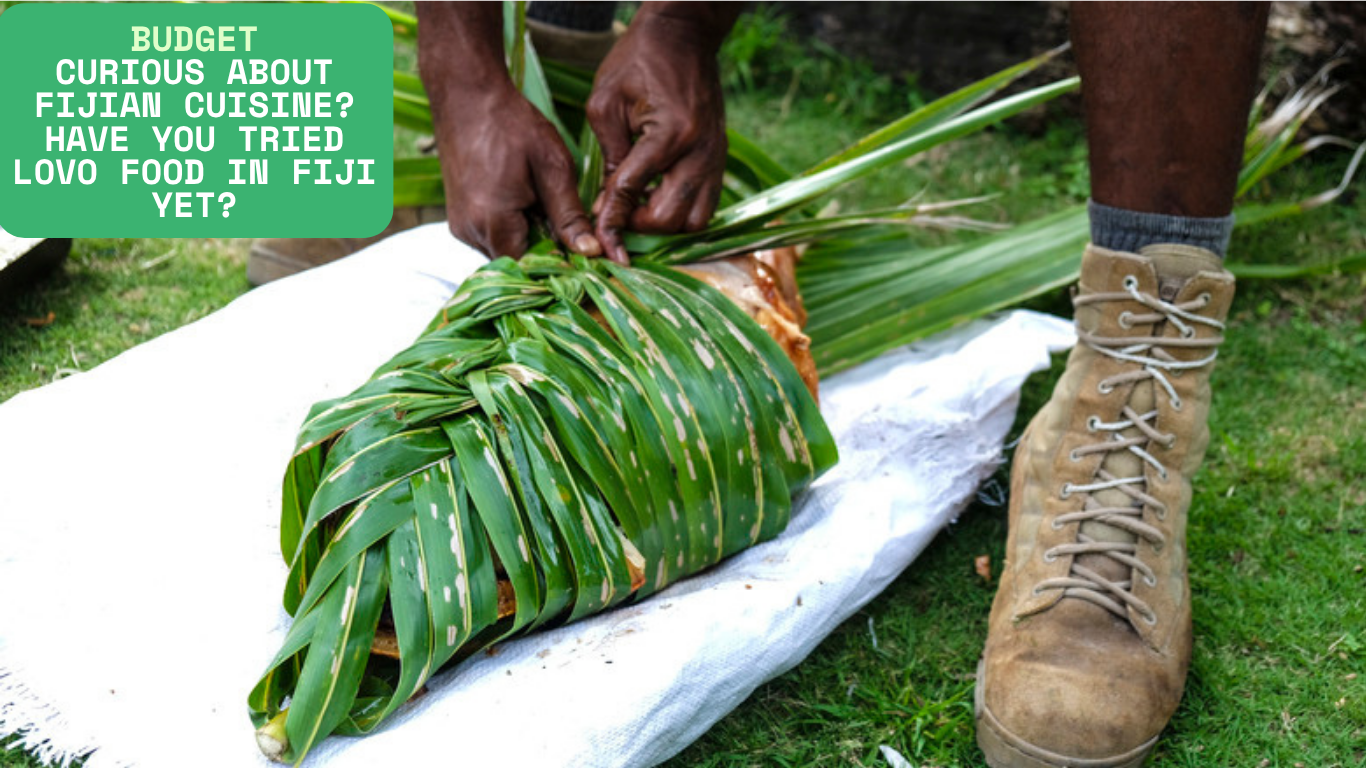
Curious About Fijian Cuisine? Have You Tried Lovo Food in Fiji Yet?
We all know that Fiji is famous for its dazzling islands, aquamarine water, and friendly people, but we are usually unaware of one element of the country that is, Fijian food! One may never think about it, especially if they have no intention of tasting it. In case you are a food-lover (what kind of person is that not to love food?), you simply should not miss the chance of having the mouthwatering Lovo Food in Fiji! It’s not just a treat for your mouth but also an unforgettable experience!What Exactly Is Lovo Food?
Essentially, Fijian Lovo is a native cooking style in which you cook food underground. Yep, underground! Food is cooked slowly in an earth oven (known locally as a “Lovo”).Here is how it works:
- A shallow pit is dug into the ground
- Large stones are heated using fire until they’re red-hot
- Marinated meats, root crops, and sometimes seafood are wrapped in banana leaves or foil
- These are placed over the hot stones, and then covered with more leaves and soil
- The food is left to cook for a time span of a few hours in the heat and steam
More Than a Meal — A Cultural Event
Lovo food in Fiji is not a casual meal because Lovo is made together, for occasions that are always special for some reason, such as:- Family gatherings
- Religious festivals
- Weddings
- Village meetings
What’s Usually in a Lovo Feast?
A few basic components are usually used in traditional Fijian Lovo cuisine, however the specifics differ depending on the community or home. For instance: You’ll usually see chicken or pork that’s been soaking in lemon juice, ginger, garlic, and some homemade spice mix. Then there’s the good old starchy stuff—taro and cassava are the go-to. They’re filling, simple, and soak up all the other flavours well. And you can’t skip palusami. It’s basically taro leaves filled with coconut cream, wrapped up, and baked until they’re all melty and delicious. It’s a crowd favourite for a reason. Also, Fish inside banana leaves, typically combined with lemon juice and spices, with sweet potatoes that are lightly blackened and roasted due to the earth oven. All are marinated in the earthy and smoky flavour of the Lovo and slow-cooked to utterly delicious perfection. Simple veggies may be transformed into mouthwatering delicacies for your palate.What Does Lovo Taste Like?
In the case you have not tasted underground food, then you are in for a surprise. The profile of the Lovo food in Fiji is unique, and it is difficult to recreate in an ordinary kitchen.- Meat becomes soft, falls off the bone after the heat of the stone.
- The banana leaves also give a very light herbal flavor.
- The fire gives a highly natural wood-fired flavor.
Where Can You Try Lovo Food in Fiji?
Although Lovo is not normally available in all restaurants (as it is time-consuming and requires an entire team in the preparation process), you can still get a taste of it during your holiday in several ways:- The cultural villages or the resorts that are targetable by the tourists could host the Lovo nights
- The local home-cooked Lovo food can be hosted at the local homestay
- The local communities celebrate festivals, holidays, or some other significant events, and they are the best times to give it a go.
- In some cases, the Lovo feast has been treated as a tourist attraction in the villages.
Why Lovo Food Should Be on Every Foodie’s List?
One of the ways that a place can be best associated with is food. Although you will find the greatest international cuisine all over the Fiji region, without any doubt, you cannot find anything better that will give your taste a feel of the soul of the Fiji region than Lovo food in Fiji.Here’s why it’s worth seeking out:
- It is conventional and original – You are having something prepared in the same fashion it had been cooked centuries ago
- It promotes domestic culture – Most of the Lovo dishes are cooked in a village or community-affiliated arrangement
- It is memorable – In flavor and the whole experience behind it
- It is shared – You will eat with the local people or other tourists, creating contact and friendship
-
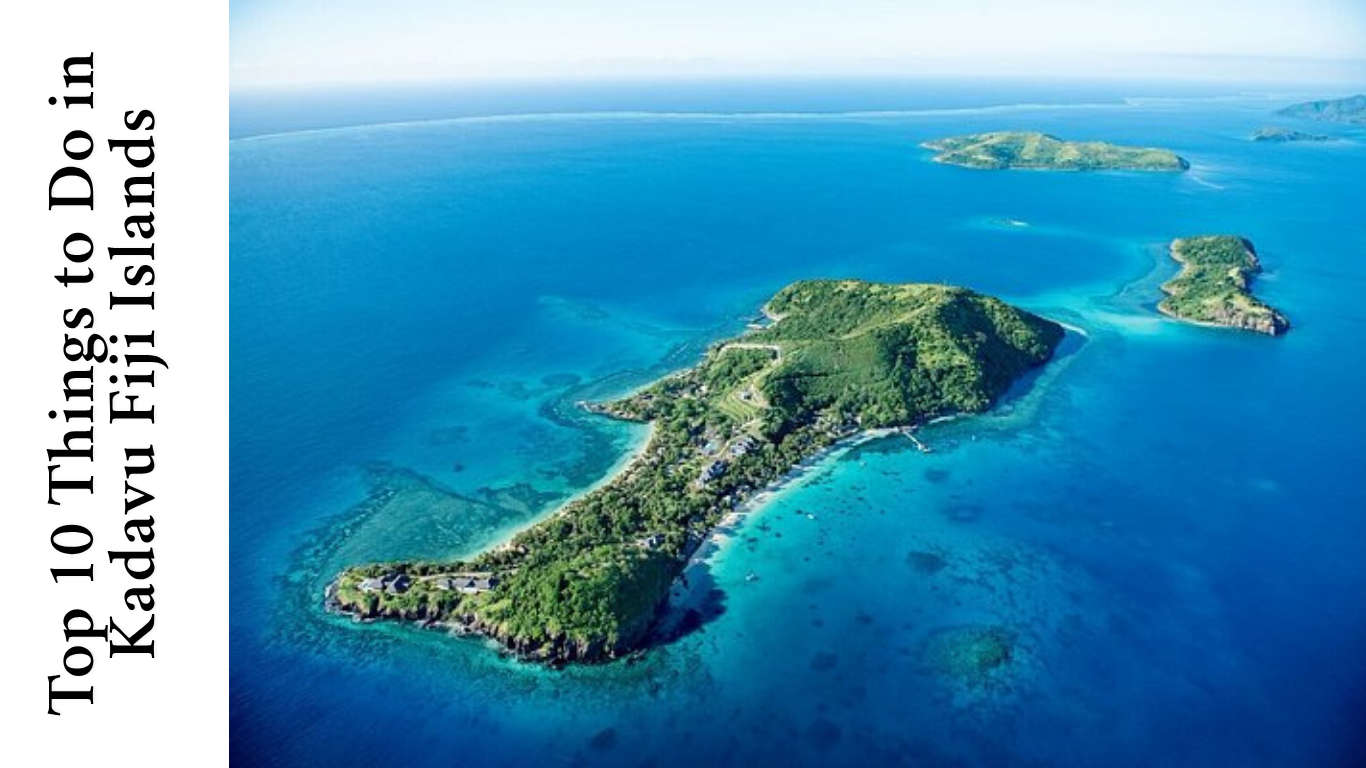
Top 10 Things to Do in Kadavu Fiji Islands
Kadavu Island is a beautiful and quiet place in Fiji. It has clear waters, green forests, and many fun things to do. These ten fantastic activities are available on Kadavu Island!1. Snorkelling and Diving at the Great Astrolabe Reef
The Great Astrolabe Reef in Kadavu Fiji Islands stands as the fourth-largest barrier reef in the Pacific due to its majestic underwater natural beauty. The largest barrier reef after the three bigger counterparts finds its place as the fourth largest worldwide and spans 100 kilometres along Kadavu’s coast. The reef stands out with pristinely clear ocean waters and attractive coral gardens as well as numerous marine species. People wonder what makes the Great Astrolabe Reef unique.- The coral reefs compared to others show exceptional health since their vibrant populations make them distinctive.
- Underwater exploration benefits from water clarity which generally extends beyond 30 meters.
Best Snorkeling and Diving Spots
- The Manta Reef presents an essential snorkelling location since manta rays swim right near the surface.
- Visitors often choose Naiqoro Passage as their primary dive destination because its deep underwater cliffs present both caves and abundant underwater animal species.
- Vesi Bay serves as an ideal location for snorkelers since it provides shallow coral gardens and numerous tropical fish species.
- The adventurous dive site Eagle Rock features reef sharks as well as barracudas and schools of big fish.
2. Explore Traditional Fijian Villages
Beyond their breathtaking coasts and wonderful underwater world, the Kadavu Fiji Islands maintain strong cultural heritage traditions. Visiting a traditional Fijian village is the best approach to experiencing authentic Fiji culture and essence.Life in a Fijian Village
When you come to a Kadavu village you would feel as if you have travelled to olden times. A peaceful lifestyle defines the Fijian way of life while wooden houses combined with palm thatching surrounding the village and village members show both dedication to community bonds and respect among themselves. People in the village preserve their practices by working in farming activities and fishing while sharing stories.3. Trekking Through Kadavu’s Rainforests and Waterfalls
Visiting the Waterfalls and Rainforests of Kadavu Trekking in the Kadavu Fiji Islands is more about the experience than the physical challenge. As you explore, you will: As you explore, you will:- See Unique Plants and Wildlife.
- Discover Hidden Waterfalls.
- Enjoy Stunning Views.
4. Kayaking and Paddleboarding Along the Coastline
The unique view of Kadavu becomes available through paddle sports activities including kayaking and paddleboarding.This activity is unique because:
- The serene water conditions of Kadavu Fiji Islands’ lagoons enable safe paddling.
- Kayaks allow you to visit secret beaches and caverns on underdeveloped islands.
- While paddling over the water, you will see vivid fish and coral heads, as well as turtles and lively dolphins.
- Quiet eco-friendly water sports like kayak paddling enable visitors to experience nature responsibly since they cause no damage to the environment.
5. Sportfishing in Kadavu’s Deep Waters
Any angler will consider the Kadavu Fiji Islands their ultimate fishing destination. Kadavu attracts fishing enthusiasts because its deep waters support abundant marine life and provide top-level big-game fishing in the Pacific region. Seasoned fishermen together with novices would find it impossible to forget the sensation of getting a big catch in these waters.What Makes Kadavu a Great Fishing Spot?
- Deep-sea fishing ranks internationally high at Kadavu Islandsbecause the expansive water area contains fish throughout the entire year.
- Enjoy large fish populations due to minimal fishing activity at unharmed fishing areas.
- The fishing grounds of Kadavu allow people to hook various species including marlin and tuna alongside mahi-mahi and wahoo as well as giant trevally and more.
- Kadavu Fiji Islands offers stunning maritime views that people can enjoy while they wait to hook their next catch.
6. Birdwatching and Eco-Tourism in Kadavu Fiji Islands
Kadavu Fiji Islands offer beach and coral reef attractions to their visitors together with rich birdwatching and natural exploration opportunities because of their picturesque rainforest. The pristine rainforests together with secluded trails and distinctive wildlife species make Kadavu rank among the leading eco-tourism locations in Fiji. Nature enthusiasts who desire to experience both rare bird species alongside beautiful natural terrain will find their ideal vacation here.Why choose Kadavu for Birdwatching?
Birdwatchers will find three major benefits when they visit Kadavu islands.- Kadavu Island features distinct bird species.
- The majority of Kadavu islands remains uninhabited due to its lack of human interventions.
- The island maintains explorational ease by providing organized tours and path-based routes which guide visitors toward optimal birdwatching areas.
7. Surfing and Bodyboarding on Kadavu’s Waves
Why Surf in Kadavu?
The surf breaks at Kadavu remain unpopulated because they stay mostly invisible to visitors because of other Fijian surfing destinations.- Crystal-Clear Waters – Surf over blue lagoons and coral reefs in one of the most beautiful places in the world.
- Surfers will find a broad selection of waves that suit both new surfers and seasoned enthusiasts.
- Kadavu offers a dream surf environment because the elevated temperature of its waters and stable wave patterns enable surfing throughout the year.
Bodyboarding in Kadavu
Bodyboarding provides novice surfers with a simple way to interact with ocean waves without facing the same level of difficulty as surfing. Kadavu features optimum bodyboarding environments throughout its coastal areas which welcomes guests of all ages. Newcomers to the sport will find it easy to start riding once they enter the warm waters near the gentle waves. Surfers should consider which month provides the ideal surfing experience in Kadavu.- From May to October there are dependable wave conditions which make this timeframe the optimal period for bodyboarding in Kadavu.
- The wave conditions from November to April pleasure those starting in surfing as well as bodyboarders.
8. Island Hopping and Beach Exploration
The unique set of beaches secret coves and spectacular sights exist on every island in Kadavu Fiji.Why Go Island Hopping in Kadavu?
- Natural Wilderness Remains Untouched on Numerous Islands throughout Kadavu Islandssince they have bypassed modern development.
- Quiet hidden beaches with their soft white sand and clear blue waters await visitors who want to relax in private areas.
- Many coral reefs along with marine life inhabit some of Fiji’s best snorkelling areas where swimming and snorkelling are easily accessible.
- You can explore authentic Fijian villages alongside island residents to feel their genuine island hospitality.
The Best Island Selections for Visiting Kadavu
- Ono Island – A peaceful and remote island with stunning beaches and excellent snorkelling spots. Visitors often come to the Great Astrolabe Reef which exists on the island Tadrai.
- Buliya Island – You can experience the most breathtaking beaches at Kadavu by visiting Buliya Island its calm and quiet charm.
- Vurolevu Island – displays its beauty through crystal blue waters along its soft sandy beaches which welcome visitors to unwind on its beaches.
- Dravuni Island – A small island paradise with a friendly local village, white sandy beaches, and great hiking trails.
Exploring Kadavu’s Best Beaches
- The tropical beach at Nagigia Island offers breathtaking palm tree sways and stretches out white sandy shores.
- On Kadavu’s, guests can find Vesi Beach which lies sheltered among dense vegetation near its clear ocean waters.
- Visit Matana Beach for snorkelling along with swimming as this beach provides excellent underwater views of fish and coral reefs near the shore.
9. Eco-Lodges and Resorts in Kadavu
These protected accommodations combine contemporary facilities with environmental protection.Why Choose an Eco-Lodge in Kadavu?
- Guest accommodations in these locations depend on solar power and implement rainwater storage as well as maintain sustainable growth with organic food production.
- The eco-lodges establish partnerships with local villages which generates employment as well as protects traditional Fijian heritage.
- Sustainable Luxury includes tasting organic meals and receiving spa treatments with oceanfront views combined with environmental sustainability efforts.
10. Experiencing the Local Cuisine of Kadavu
Kadavu Fiji Islands provides visitors with the opportunity to taste authentic Fijian cuisine that is fresh and traditional. Kitchen masterpieces in Kadavu are made from abundant seafood items and tropical fruits and root vegetables resulting in straightforward yet tasty meals.Kadavu Fiji Islands Offers Various Traditional Seafood-Based Meals That Make a Memorable Dining Experience
- Locals in Fiji prepare Lovo (Underground Oven Feast) with meat and fish along with vegetables inside banana leaves before cooking it underground. A unique experience because the combination of smoke with tenderness produces superior flavours.
- The Fijian dish Kokoda presents raw fish immersed in coconut milk and lime juice combined with fresh onion tomato and hot chillies. The combination of seafood and cream creates a cold and velvety maritime dish.
- Rourou (Taro Leaves in Coconut Milk) provides creamy richness through its preparation of cooked raw taro leaves mixed with fresh coconut milk ingredients. Spinach shares this vegetable’s texture but offers a gentle nutty flavor with its distinct taste.
- Ika Vakalolo (Fish in Coconut Cream) provides a straightforward preparation of fresh fish served in coconut cream alongside onions with root vegetables. A prolonged cooking process develops the full creamy taste and rich essence of the food.
- Stuffed Plantains named Vudi Vakasoso consist of ripe plantains stuffed with coconut sugar that results in a soft dessert after oven or steaming.