Author: FijiDream Admin
-
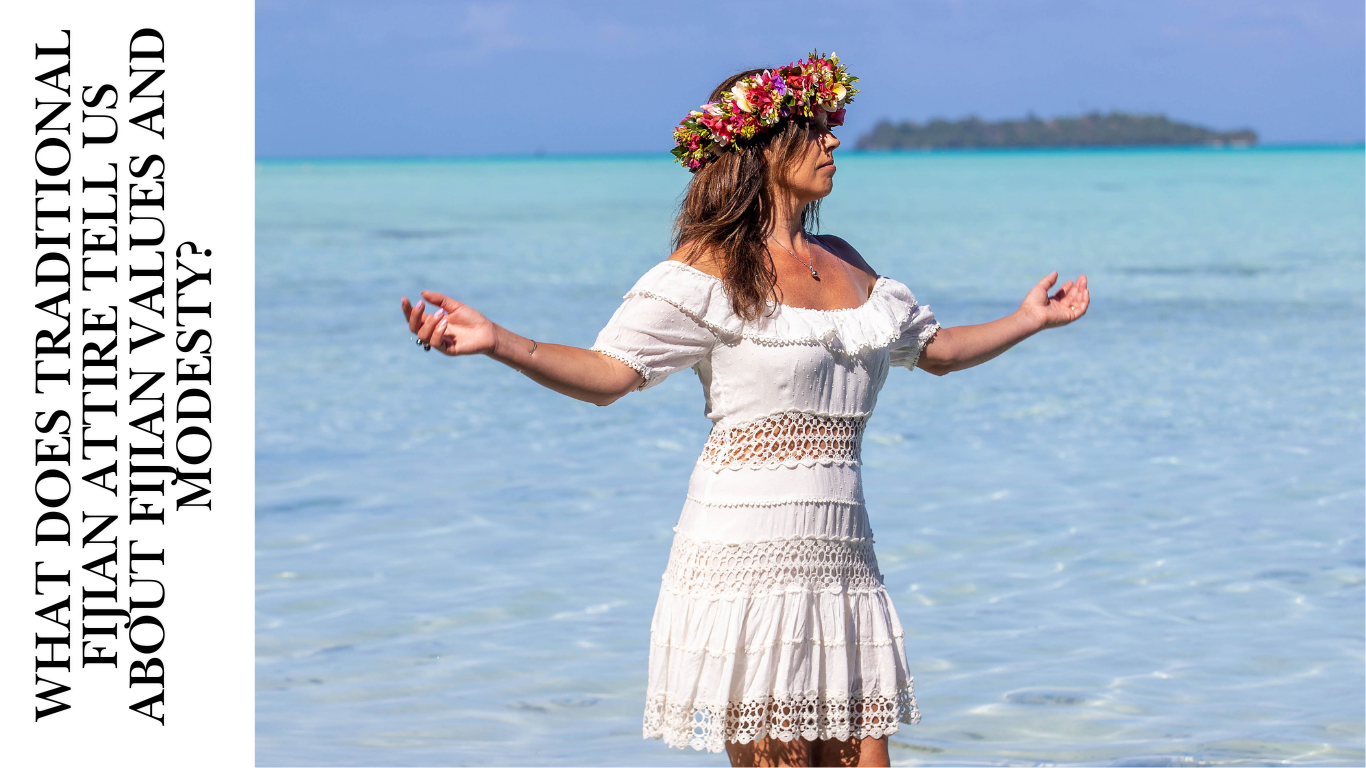
What does traditional Fijian Attire tell us about Fijian Values and Modesty?
Regarding Fijian customs, beliefs, time, and life, clothing symbolizes so much more than just clothes. Fijians use dance and clothing to express their identity, ancestry, and traditions. One way that individuals show their respect, decency, and communal cohesion is via their traditional Fijian attire. These garments, worn for rituals, significant events, or festivities, reflect the social culture of Fijian households. -
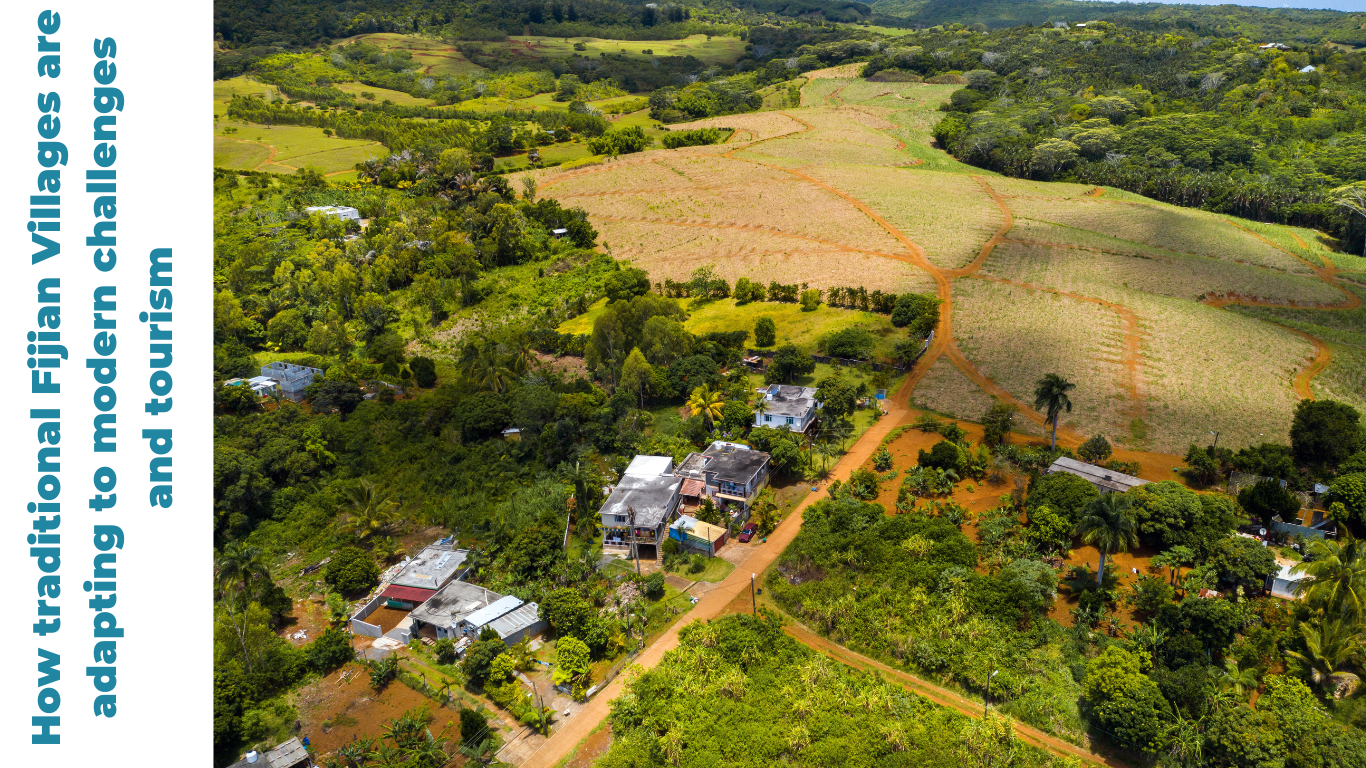
How traditional Fijian Villages are adapting to modern challenges and tourism
Traditional Fijian villages’ culture, traditions, and way of life have been handed down through the years, making them distinctive communities. The communities’ rich historical origins illustrate Fijians’ strong attachment to their motherland. Every village comprises people who live in intimate harmony with nature, honor long-standing traditions, and collaborate for the good of the community. Traditional Fijian villages have been around for decades, but their environment is fast changing. As modern influences like technology, tourism, and globalization begin to touch the shores of Fiji, these villages face new challenges. Many have to find ways to adapt without losing the values and practices that have kept their culture alive for generations. It is crucial to comprehend how traditional Fijian communities are adjusting to contemporary issues since it enables us to recognize the harmony between conserving culture and welcoming change. Examining these communities’ development in detail can teach us important lessons about sustainability, resilience, and the value of preserving deep cultural ties in a world that is changing quickly.Historical Context – The Roots of Traditional Fijian Villages
There are several centuries of history behind the Fijian village style. When the first Fijian settlers came from Southeast Asia and other Pacific islands, several communities were established. They seem to have their customs, dialects, and ways of living throughout time. To ensure the communities’ administration and sustainability, the villages were built using community endowment techniques.Turaga
Every traditional Fijian community has a well-functioning social structure headed by the “Turaga,” or chief. The Turaga’s duties include acting as representatives of the communities in question in their interactions with other communities and organizations and making choices that benefit the community. Apart from the chief, there were other positions including elders, warriors, and laborers who had specific duties to effectively support the village’s everyday operations.Bure
The Bure, also called the meeting house, served as a focal point for feasts and celebrations in some of the settlements that were positioned in the middle. The Bure was significant not just because it was a structure with flawless architectural solutions but also because it represented the strength of community and the unification of all people. Places for communal usage, yards and property parcels, and family dwellings were scattered across the Bure.The society’s customs and culture
Conventional residential zones in Fiji are structured in a pattern that restricts people from living in harmony with the land and the environment. Their sole activities were fishing in the nearby waters and the simple cultivation of food crops such as taro, cassava, and yam. These are the ways that the Fijians have learned to be respectful of their surroundings; they were not only survival actions.Living in Balance with Nature
For many generations, the Indigenous Fijian communities lived in harmony with the environment and built a sustainable community. The locals made prudent use of all available resources wherever possible. These people never overfished or ruined their surroundings, and they had a better understanding of the time and space of the land and water.Modern Challenges Facing Traditional Fijian Villages
Tourism
Tourism is the most significant change to the traditional Fijian village environment in the modern world. On the one hand, tourism has led to the emergence of new revenue-generating and activity-development options. Nowadays, a lot of communities can welcome visitors who want to experience the Fijian way of life, traditions, and natural beauty of the Fijian Islands.Tourism’s Impact on Traditional Fijian Villages
Many traditional Fijian communities or towns now rely heavily on tourism as a source of income. The nation boasts magnificent landscapes, unique cultures, and kind people. Fijians warmly welcome all tourists. As a result, they have begun to welcome visitors into their homes and have made their businesses more accessible to tourists. They now provide cultural workshops, dances, and rituals in their hamlet. These tourists generate monetary benefits for these communities. The majority of residents in the villages rely on tourism to support their families and improve their standard of living. Tourism creates job possibilities in businesses such as hospitality, transportation, and crafts, all of which contribute to economic growth. Young school leavers and women, for example, will be able to generate an income by producing handcrafted things or organizing cultural trail trips that they would not otherwise be able to access.Culture and Tourism
While tourism has created new possibilities, traditional Fijian communities’ perceptions of their culture have shifted. On this front, tourist rules have resulted in the preservation of customs established by early communities. Many visitors come to Fiji to enjoy the landscape as well as to learn about their culture. Fijians so maintain their culture, traditions, and arts by dancing, singing, and displaying their unique artifacts. Tourists, for example, can participate in a welcome dance celebration known as sevusevu or observe the creation of tapa textiles and ceramics. It has established a means for Fijians to be proud of their culture and share it with others. It also helps to ensure that the children of these cultural carriers continue to practice and promote such activities by giving them a place in the tourism realm.Challenges in managing community, tradition, and tourism
Although tourism provides benefits such as cultural preservation, it also presents obstacles. That is the core of culture: the razor-thin and volatile border between tourism and changing the face of culture for profit. It is possible that some communities learned to adapt their customs to meet the demands of tourists. For example, they may adapt some ethnic dance, chanting, or rituals to make them seem more fun or understandable to outsiders. This can occasionally result in commercialization when the original methods are somewhat altered to satisfy the tourism business. For example, some communities may have a weak version of their traditions that appear to be quite realistic, but they are not. Many people are concerned about preserving the traditional Fijian village in its original form.Sustainable Tourism – A Path Forward
With the increased emphasis on tourism, traditional Fijian communities must adapt to sustainable tourism. Sustainable tourism is developed from the concept of protecting the environment while maximizing the advantages of tourism to the community and cultural endeavors. Villages with eco-tourism activities can promote responsible tourism and deliver good accounts to both tourists and inhabitants. For example, certain Fijian communities collaborate with various firms that promote environmental protection by providing eco-tourism services. As a result, by encouraging a general respect for the environment and culture, losers in the tourist equation might mitigate its damage while enjoying the advantages. Sustainable tourism must also help to prevent over-tourism, which is a limiting factor that puts a burden on inhabitants’ resources and the availability of facilities in the community. Though it offers the benefits of stimulating the economy, being cost-effective in development, and conserving cultures, it also has drawbacks. Stakeholders cannot enable the tourist business to disregard cultures and traditions while also failing to comply with industry diktats. This business’s sustainable tourism can help traditional Fijian communities remain viable in today’s globe.Population Growth and Disappearing Abilities
The foundations of knowledge and practice may be lost as younger Fijians get increasingly involved in metropolitan areas, tourism, and leisure activities. In a more restricted sense, education was also oral; for instance, the elders of a Fijian community would impart their knowledge of essential cultural traditions, where to fish, and how to develop land. Unfortunately, such knowledge is lost in today’s society as individuals embrace increasingly civilized practices. Because there are more employment and educational options in cities, young people today want to reside there. Although it has some good effects, the traditional sciences that were important to the lives of the peasants for ages finally faded from people’s hearts and thoughts.Environmental and Climate Change Barriers
Native cultures in Fiji have long coexisted peacefully with the environment, but they are in grave danger due to the present climate shifts. Increased sea levels, more frequent storms, and altered weather patterns are just a few of the repercussions of global climate change that are evident in Fiji’s ecosystem. Because cyclones destroy crops, landslides harm populations living close to mountains, and floods and storms wash away homes and farms in coastal settlements, livelihoods are in jeopardy. The primary challenge facing Fiji’s traditional communities today is their transition to assimilation into modern economic structures. While some communities have made tourism their main source of income, others are still trying to figure out how to maintain their traditional ways while still meeting the demands of a new economy. For example, even though many communities now rely on agriculture to satisfy their requirements and provide a source of revenue, production from large-scale farming using sophisticated processes threatens them. The traditional Fijian community suffers several economic difficulties since it lacks resources and a market. They find it difficult to understand that their demands for progress—such as improved roads, healthcare, and education—may occasionally clash with the preservation of the cultural significance of customs. Additionally, they use it to interpret that when the economy changes, the villages are no longer able to be as self-sufficient as they once were.Adaptations for Challenges in Traditional Fijian Villages
Population Growth and Disappearing Abilities
-
Reviving Traditional Knowledge:
- Create structured programs where elders document and pass down their knowledge of traditional practices, such as fishing techniques, land development, and cultural customs, to younger generations.
- Utilize digital platforms and archives to preserve oral traditions and make them accessible for educational purposes in both rural and urban areas.
-
Integrating Traditional Knowledge in Education:
- Introduce community-based education systems that blend traditional skills with formal schooling. For example, young villagers could spend time learning traditional agriculture or crafts alongside conventional subjects.
- To keep younger generations linked to their past, work with neighborhood non-governmental organizations to integrate cultural heritage into school curricula.
-
The Promotion of Reverse Migration Improving Village Living:
- Make villages more attractive by fixing roads, improving houses, and adding things like clean water, electricity, and better schools.
- Create local jobs so people can work and live in their hometowns instead of moving to cities.
-
Involving Young Professionals:
- Encourage young people to help their communities by working on projects like eco-friendly tourism or farming that are good for the environment.
-
Encouraging Community Youth Leadership:
- Establish youth councils to involve younger generations in decision-making processes for village development, ensuring a balance between tradition and modernization.
Environmental and Climate Change Barriers
-
Climate-Resilient Infrastructure:
- Implement neighborhood activities to create climate-resistant housing, including elevated houses for flooding and reinforced buildings for cyclones.
-
Sustainable Farming and food security:
- Grow crops that can survive tough weather.
- Use farming methods like planting trees with crops (agroforestry) or natural farming (permaculture) to protect nature and ensure enough food for everyone.
-
Education and Disaster Preparation:
- To teach the villagers catastrophe response and recovery techniques, hold frequent seminars and exercises.
- Work together with the government and foreign relief agencies to create early warning systems and offer funding for post-natural catastrophe reconstruction.
-
Community-Based Environmental Stewardship:
- To lessen the effects of climate change, provide local communities the authority to spearhead conservation efforts including waste management programs, marine preservation, and reforestation.
- To obtain funds and technical support for sustainable development initiatives, and cultivate alliances with international organizations.
-
Relocation and Adaptation:
- For villages severely affected by rising sea levels, plan and execute organized relocations while preserving cultural and social ties. Build new settlements that integrate traditional architectural styles and community structures.
-
-

How a traditional Fijian Wedding reflect country’s right heritage
Weddings are deeply rooted in Fijian culture, honoring ancestors, the land, and the community. These celebrations emphasize the importance of familial and social connections in Fijian life. An authentic representation of Fijian culture, a traditional Fijian wedding entails much more than just two people joining forces. It represents the meeting point of the past and present and the peaceful coexistence of the themes of community, family, and tradition. In the Fijian tradition, there is nothing as significant as a wedding because it unites families, villages, and communities. It is important to understand that each part of the wedding includes rituals with meaning. A traditional Fijian wedding is not just an ordinary event but also grounds people to their roots.What Makes Traditional Fijian Wedding Unique?
There are significant distinctions between a traditional Fijian wedding and many other wedding traditions throughout the world. It is deeply embedded in Fijian culture, and the commemorating in which the occasion reflects the people’s strong links to their families, communities, and the environment.Community and Family Focused
A characteristic of the typical Fijian marriage ceremony is a high degree of emphasis on the role of many people, mainly the family members, who are involved in the ceremony. Different from wedding ceremonies where two individuals, particularly the bride and groom, or two families form the focal point, the Fijian wedding encompasses more than the couple or their families, more so their village or the larger Fijian community. Relatives of both groom and bride are involved starting from the music and dancing to helping in the actual ceremony. At the heart of the Fijian wedding is a spirit of togetherness, where the wedding is viewed as a communal event that strengthens social bonds and family ties, as is reflected by the whole community supporting the couple; one of the basic tenets of Fijian culture.The Role of Kava
Drinking Kava after the couple has exchanged their wedding vows is a traditional element of the Fijian wedding ceremony. Fijians regard kava as a sign of paying respect, coming together as one people, and welcoming peace. In the wedding rites, kava is offered to the bride’s relatives by the groom’s side. Preparing and drinking kava is the provisional union of two families and symbolizes the trust of two clans.The Wedding Attire
The groom wears a sulu (a traditional Fijian garment), while the bride dresses in tapa cloth. These outfits are frequently made by the couple’s families and symbolize their ties to the land and tradition.Connection to the Land
Outdoor wedding ceremonies are common in many of the conventional Fijian weddings. The choice of venue, often by the sea or within a village setting, reflects Fijians’ deep reverence for nature. The land and sea are not only practical resources but also sacred symbols of life, fertility, and prosperityRituals and Blessings
The ceremony is rich in blessings and prayers, with village elders offering spiritual protection to the couple. These blessings are considered vital for a prosperous marriage and are believed to honor both the ancestors and the spirits of the land.Reflection of Fiji’s Heritage in Wedding Rituals
For Fijians, a wedding is more than a compatibility of two individuals but is a symbol of Fiji’s unique heritage and way of life. Every aspect of the ceremony is symbolic representing a continuity of tradition and a beginning of hope for the future. From the entrenchment of elders in the ceremony to the use of motifs and icons in the ceremonial rite, Fijian weddings depict the life of the country. To the people of Fiji marriage is not just a joining of two people but joining two families and two communities. Like most Fijian customs, a Fijian wedding is typically an event that focuses on the central idea of togetherness — usually the union of two families. The elders and chiefs also participate in this event in a way that they provide blessings as well as direction. Fijian wedding traditions are a living reflection of the country’s rich heritage, blending ancient customs with modern practices. While contemporary weddings may incorporate Western elements, core traditions like kava ceremonies and family involvement remain centralThe Meaning of Traditional Ceremonies
It is a customary practice for Fijians that most of the practices in traditional Fijian wedding ceremonies have been handed down for generations. For example, actions like kava, the tying of the yaqona rope, and giving gifts are related to the rich foothold of Fijian tradition. These practices bring the couple to their forefathers and foremothers and the history of the people. Through these events, the couple is also empowering the next generations, for these rituals have to continue, people have to understand and respect them. The rituals are a great pride of cultures but they also provide a call that reflects the values of teachings of Fijian society for centuries.Nature and spirituality symbols
Geography plays an amazing role in the lives of the people in Fiji especially the natural physical factor embracing land and sea. Significantly many aspects of a traditional Fijian wedding embody this strong environmental relationship. For instance, the flowers, local tapa cloth, and mats used in the wedding celebrations represent the love of people with nature. Elements such as fire and kava are potent symbols in the wedding, representing the couple’s spiritual ties to their ancestors and the divine. Fire is seen as a purifier, while kava signifies peace and unity. More importantly, Fijian weddings have a strong spirit attached to them. Gifts from elders, or the importance of fire and kava all stress the ties between the newlyweds and gods. These elements reflect religious tradition inherent in the life of Fijians, their reverence towards the earth, ancestors, and God.Culture Identity Protection
The cultural diversity of Fijians is evident in the rituals observed, the type of functions performed, and even the bridal wear. Retaining cultural attire like the sulu, and the tapa cloth reflects the cultural work and the art of the Fijians. The Fijian wedding is not only an event but a demonstration of the Fijian culture with people’s joy and bonding between families. It is seen that customs, rituals, and participation of elderly people have depicted the cultural history of the country inherited from generations. Such weddings are not only for couples but for traditions which create such a unique and beautiful ceremony. Components borrowed from the outside have replaced specific aspects, however, the core of a traditional Fijian wedding is still apparent. These weddings remain an excellent symbol of Fijian values in the sense that the customs and traditions are upheld, although the weddings have been taken into the modern times. The core content of these ceremonies is the continuity of time, love, tradition, and people. -
Stunning beaches in Nanuya Levu Island Fiji
Nanuya Levu Island Fiji provides a tropical Fiji experience with all the amenities you seek on your vacation. Regardless of the type of vacation you enjoy, be it leisure, adventure, or just a breakaway, Nanuya Island is rich. Nanuya Levu Island is situated in the Yasawa Island group; the island is one of the best-kept secrets to provide eye-popping views and calmness. It allows people to distance themselves from the active and busy life of the modern world and be surrounded by the milieu of nature. It has many islands surrounded by beautiful trees, attractive sandy beaches, and magnificent colored coral rebound which is good for any tourist interested in the tropics.Why should Nanuya Island, Fiji not be missed?
It is one of the most popular attractions in Fiji for beach lovers, adventures, and people who love nature. Friendly people, amazingly beautiful snorkeling destinations, and beautiful landscapes have done a good job of branding the island. Whether you come with your partner, with your family along with children on holiday, or alone, there is something unique in store for you at Nanuya Island. Nanuya Levu Island has crystal clear water which is excellent for swimming, sunbathing, or just a tropical holiday on pristine beaches or in beautiful and exclusive resorts. It cannot just be the beaches – it has to be the passion in the culture, the beauty of the location, and the lively marine life islets that define this island.Clean Sand and Sandy Adjacent Seas
It should be mentioned that the beaches of Nanuya Island look incredible. The island has probably some of the most marvellous shorelines that one could ever wish to see coupled with clean clear water that begs you to swim in it. Nature lovers this is the place!Marine – Life Abundance and Snorkeling
This island in Fiji attracts lovers of the outside world especially those interested in snorkeling and diving in particular. The sea surrounding the island has magnificent coral and beautiful marine and animal life. From the new to the most inexperienced snorkelers, the area offers the opportunity to witness beautiful fish, turtles, and even the odd reef shark. I would love to call it an adventure that you wouldn’t want to afford to miss out on.Blue Lagoon Beach
If one thing comes to mind whenever talk about a beautiful and relaxing holiday is the Blue Lagoon Beach, Fiji. You might have never seen such beautiful deep blue water with such fine white sand and green trees all around, this beach looks like it is straight up from a dream. It is easily one of the most breathtaking and visited beaches on the island and for all the right reasons.Shining Crystal Clear Water and Silky Sand
Blue Lagoon Beach water is clear for swimming, snorkeling and sunbathing as well. The beach is surrounded by pristine soft white sand, which is convenient for walking or sunbathing close to the water line. The water is also bright blue and when compared with the greenery surrounding the region, produces a stunning view that every visitor will have to treasure.Snorkeling and Marine Life
Divers will get to know that snorkeling in Nanuya Levu is best at Blue Lagoon Beach. There are small fish and marine creatures within the waters and is very close to the shore you can sea turtles, tropical fish, and even rays. Snorkeling is fun for both inexperienced and experienced – there is no better place to snorkel than in those sheltered coves.Turtle Island Beach
If you are seeking a very quiet and private vacation, then Turtle Island Beach on the Nanuya Island of Fiji is the best place to visit. This is a quiet beach, quite distant from places where tourists are concentrated, which will be perfect for those people who wish to stay on the Fijian islands and enjoy the calm sea view. Turtle Island Beach looks like an A-level secret vacation spot on Nanuya Island. It is the shore of a rather secluded Gulf and therefore it is very calm and has a very relaxed atmosphere. Set amidst the greenery and massive rocks it is like you are in your heaven.Clearwater and soft sand
The water of Turtle Island Beach is absolutely clear where you can see the beautiful fish swimming in the sea. The waves are relatively calm, perfect for swimming, splashing around in the water or taking a dip on a sunny afternoon. This beautiful soft golden sand gently slopes toward the water’s edge which makes it perfect to lie down and enjoy even go for a nice stroll.A Place to Disconnect
Turtle Island Beach will allow you to fall off the radar for a while. The lack of crowd and noise is healthy, and you can feel the atmosphere. Whether you are looking at the scenery, listening to the sound of the rolling waves, or just relaxing under the palms this beach can melt anyone’s stress. It’s the best place to go and look for serenity in everyone’s hard daily activities.Sunset Beach – A Picture-Perfect Setting
If you are interested in a stunning view and beautiful sceneries, then Sunset Beach on Nanuya Levu Island Fiji should interest you. As the name suggests this is one of the most beautiful beach destinations in the world where guests are treated to some of the most amazing sunsets. When the day is over, Sunset Beach will turn into a picture-perfect golden hue. The sky has a variety of colours, which include peach, light and deep reds, pale pink, and purple painted on the canvas of the sky all this sits perfectly with the background of blue seas. Watching this sea is realizing one of nature’s greatest miracles.Ideal for Photography
The Sunset beach offers the best natural light and natural filter when taking photos, it forms an ideal backdrop for perfect shots during sunsets.Perfect for Evening Strolls
Probably, one of the most beautiful ways to spend time at Sunset Beach is to walk barefoot along the waterline as the sunset appears. Walking on sand is comfortable therefore making it fun and less tiring. It also becomes a great opportunity for you to enjoy the sights and especially the colors, there is a lot that one can enjoy like the waves of the ocean, the sky and so on. Such is an excellent opportunity to communicate with nature and relax after a long day. In a nutshell, Nanuya Levu Fiji Island is an untouched paradise, a place that has remained untouched and full of raw natural beauty and calmness, and rich with Fiji’s cultural history. It features beautiful beaches including the Blue Lagoon beach, the Turtle Island beach, and the sunset beach which makes your tropical vacation experience memorable. -
Top 3 Reasons to Visit Ovalau Island Fiji
If you’re fond of exploring history, scenic natural beauty, and culturally diverse sites then Ovalau Island Fiji should be your first choice. This gorgeous island can offer much more than sand and clear sea. This Island has all that every traveler who is into history or nature or anyone who just wants to take a break and feel the vibes of the local culture might be looking for. This little island is in the Lomaiviti Archipelago and is adorable, and the rich history and unspoiled landscapes are truly stunning. The first motivation for visiting Ovalau is its history. The main town on the island is called Levuka, which was the first capital of Fiji and now this site is on the UNESCO World Heritage list. This small town boasts of colonial architecture houses, old churches, and other places of archaeological significance in Fiji. Levuka town is a visual delight for those who love history.Ovalau, Fiji – A Beautiful and Historic Destination
It is a picturesque island in the Lomaiviti Archipelago that offers everyone a fantasy holiday with various activities. This island is well-known for its quiet environment, historical value, natural beauty, leisure and tranquillity, lush foliage, and diverse marine life. What makes it stand out is its historical background. It is different from other Fijian islands that have undergone commercialization; it offers a more tranquil and less commercialized experience compared to other tourist-heavy destinations in Fiji.A Blend of History and Nature
As soon as you get to Ovalau Island one thing that strikes you is how well a history of a place and the geographical environment complement each other. Levuka is the first capital of Fiji and a historic town rich with historical sites and buildings that are architectural jewels of the colonial period.How to Get There?
Ovalau, Fiji is reachable by boat or ferry from Viti Levu, the main island, especially from Suva, the capital. Ovalau is only a short boat trip for visitors arriving from Suva. You may explore the island’s historical landmarks, including the village of Levuka, or take in the serene, sandy beaches and beautiful scenery it has to offer. Once you’re on the island, traveling about is simple.Top 3 Reasons to Visit Ovalau Island Fiji
1. Historical Significance – Levuka: Fiji’s First Capital
On arrival at Ovalau, Fiji, there is a lot to explore especially the history of Fiji which began from Levuka, the first capital of Fiji. Levuka is not only a pretty town, it is the place that witnessed Fijian colonial history and the process of creation of a state.A UNESCO World Heritage Site
Levuka holds a UNESCO World Heritage site status as a recognition of the historical, and cultural heritage site of the entire world. The town boasts a stone colonial structure, small lateral roads, and wooden structure houses that were built at the end of the 19th century. Levuka still holds an ancient aura because each building has its history etched on it.Historical Public Structures in Levuka
-
The Old Colonial Buildings:
-
Queen’s Wharf:
-
The Levuka Heritage Trail:
2. Natural Beauty – Vibrant Marine Life and Coral Reefs
When it concerns natural sightseeing, Ovalau is without any doubt one of the most beautiful places to visit. Here, the marine ecosystem and the corals are among the most colorful and healthy with the island located close to crystal-clear water.Multitudes of species waiting for people to discover
The sea around this stunning Island is rich in marine life. While snorkeling or diving, you will be able to see a great number of fish, starting from the smaller tropical fish and up to the manta rays. It has gorgeous tropical fish, sea turtles, and even dolphins that make their homes on the different colored reefs. There is highly diverse wildlife in those waters, so a trip to those waters will attract anybody interested in nature.Breathtaking Coral Reefs
Great, healthy, and vibrant coral reefs are another natural feature found in Ovalau Island Fiji. Besides enhancing the aesthetic value of underwater scenery, these underwater gardens are of utmost importance to the stable existence of any marine ecosystem. There are usually many colors on the reefs and the corals are something like red, purple, and blue. You are likely to meet schools of fish moving in water around and amidst the corals all forming the ultimate perfect picture.Excellent for Snorkelling and Diving
There are many attractions to explore in the regions surrounding the Island that can be enjoyed by water. The island has so many beautiful areas which provide a clear view of the area as well as easy access to the reefs.- Vibrant Coral Gardens: There are beautiful coral gardens near Ovalau Island and they also have quite healthy coloured coral formations. The isolation shall be esteemed as snorkelers and divers will do their tours in a relatively calm area.
- Turtle Watching: Sea turtles are also easily visible. They swim in the water and anyone with the luck of seeing them will have one of the best experiences.
3. Cultural Immersion – Fijian Traditions and Local Life
Some of the most amazing things about Ovalau, Fiji are its tours and everybody can learn more about the Fijian culture. The people of Ovalau have remained culturally rooted and exploration of the island presents the tourist with a raw and authentic view of the Fijian culture.Traditional Life of Fiji
During your stay, you will be interacting with the friendly people and learning their way of life as well as hearing from them various stories as practiced in the region. Tourists will be offered to see real Fiji ceremonies; join Fijians and dance, and might get a chance to witness ancient Fiji rituals.Enjoy Fijian Cuisine
You will feed your soul by exploring the various dishes particular to the region you’re visiting. Fiji features delicious food, hot-spicy dishes, and generous meals. Visitors to Ovalau may enjoy traditional foods such as kokoda, a Fijian ceviche made with raw fish, lemon juice, and coconut milk, as well as cuisine served in a lovo, an underground oven used to slow-roast meat, fish, and vegetables. They may also eat freshly caught fish, which is picked daily from the island’s beautiful seas.Interact with the Locals
The people of Fiji are extremely friendly; and as much as you might have fun doing lots of activities, you are most likely to simply talk to the locals. These kinds of interactions involve learning about carving and songs, and even listening to some of the history of the island to get an insight into the Fijian culture. Ovalau Island Fiji is a wonderful place to visit. It has a mix of history, beautiful nature, and friendly people. From the historic town of Levuka to the colorful coral reefs and local culture, there’s something for everyone. Ovalau, Fiji is a great place to unwind, enjoy nature, or study history. You will have memories there that you will treasure for years to come. -
-
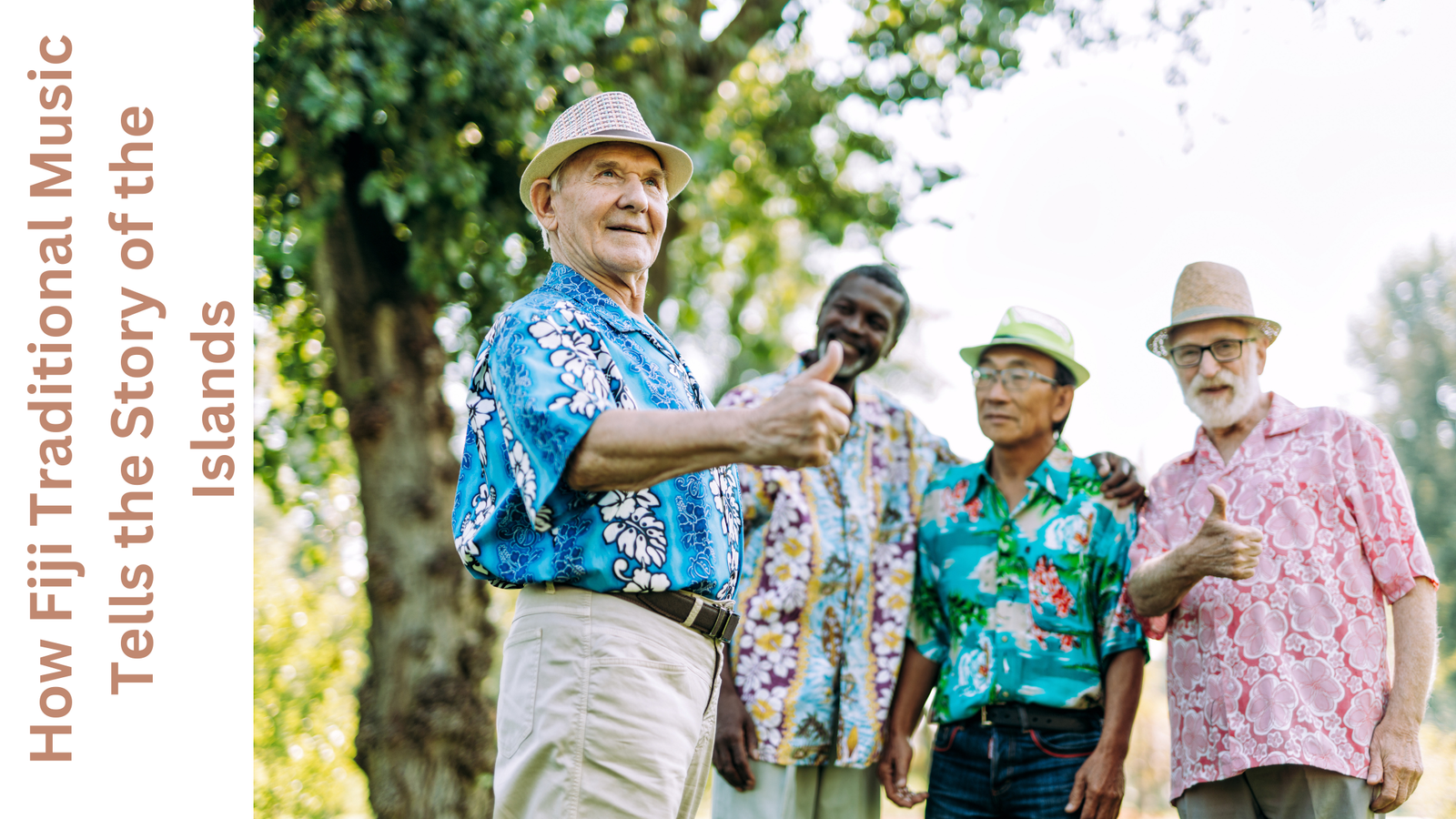
How Fiji Traditional Music Tells the Story of the Islands
The Fijian people rely on their traditional music for more than simply amusement; it is their lifeline. The shrill but calming voices of chanting or the thumping beat of drums are only two examples of how Fijian music narrates the history of the islands and its inhabitants. The Fijians convey the richness of their culture, recognize the present, and commemorate previous generations with these sounds. Through these sounds, the Fijians celebrate past generations, honor the present, and share the richness of their culture. The Fijians have always used music to recall past generations, celebrate the present, and share their culture with everyone. Every note and rhythm in Fiji traditional music holds significance. They express history, traditions, and values through songs, and the culture that makes Fijians unique has been nurtured through sound. This music is not just listened to—it is often experienced with joy by the people of the islands, as it carries the feelings, heritage, and soul of the land.Musical Literacy – Telling the Musical Story
While many cultures use written language to convey stories, music has traditionally been the main storytelling medium in Fiji. A vital part of celebrations, rituals, and daily life, Fijian music has been passed down through the ages. A vital component of Fijian culture, traditional music connects the past and present via everything from mythical themes of gods and heroes to actual tales of love and conflict.A Tool for Preserving History
Fiji traditional music is particularly special because it serves as a means of preserving history. Through songs, Fijians have expressed their hardships, achievements, and changing territorial landscapes. These songs bring back memories of important occasions like harvest celebrations, the days of conflict, and the coming of new tribes. Every song preserves Fiji’s culture and ensures that it is passed along to future generations.Fiji Traditional Music – A Living History
Traditional Fijian Music is particularly special because it serves as a means of preserving history. Through songs, Fijians have expressed their hardships, achievements, and changing territorial landscapes. These songs bring back memories of important occasions like harvest celebrations, the days of conflict, and the coming of new tribes. Every song preserves Fiji’s culture and ensures that it is passed along to future generations.Songs That Tell Stories
All of the music in this genre is a kind of narrative that captures the past of people’s lives, events, gods, and spirits. In this sense, traditional Fijian music serves as a teaching tool, conserving priceless and age-old information that may have been lost otherwise. From the formation of the islands to the bravery of the forefathers, these songs have preserved oral history over the years. More than just musicality, music in Fiji embodies both bodily rhythm and lyrics, each telling the story of history. For instance, many traditional Fijian songs recount the arrival of various tribes, the struggles they faced, and how they overcame those challenges. These songs remain powerful symbols and serve as a testament to Fiji’s cultural past, uniting people in pride and shared heritage.A Connection to Nature
Fijian music is deeply connected to the islands, drawing inspiration from the natural sounds around them. Fiji traditional music incorporates many aspects of nature, including the sound of crashing waves, rustling foliage, and bird sounds. These organic sounds are mimicked by instruments like the bamboo flute known as the “Katara” and the wooden drum known as the “Lali,” which produce music that appears to come straight from the ground. In addition to paying respect to its ancestors, the Fijian people tells the world about themselves via traditional music. The spirit of the islands is preserved and transmitted via this music, guaranteeing its survival for many years to come.Music and Storytelling – The Unique Structure of Fijian Songs
Fijians saw traditional music as a potent tool for message delivery, not merely a collection of songs. Numerous Fijian songs, which are firmly ingrained in the culture, relate stories, historical events, and personal experiences. These songs preserve the knowledge and legends of their people and teach important lessons that are frequently passed down from one generation to the next.The art of musical storytelling
The art of musical storytelling in Fiji is distinguished by the way it integrates melodies with narratives. Fijian songs are more than just music—they are stories that recount historical events, myths, and real-life experiences. Similar to how rap and hip hop often convey messages or morals through rhythm and lyrics, traditional Fijian music uses its melodies to tell stories. This form of musical narration is unique to Fiji and has been practised for generations, preserving the essence of the culture up to the present day.The Structure of Fijian Songs
The structure of traditional Fijian music is designed to guide the listener through the tale. These songs have a call-and-response structure, in which the chorus or group answers to a line sung by the principal singer. This back-and-forth interaction involves the audience in the storytelling process while also boosting the narrative flow. Fijian songs, in contrast to many Western musical genres, usually do not have backing singers; instead, the solo and chorus voices alternately emphasize significant parts of the story. Important plot points are highlighted and made easy for the audience to understand because to this framework. Traditional Fijian music uses a call-and-response framework to guide the listener through a story, with a lead vocalist singing a line and the chorus responding. This back-and-forth approach guarantees that the tale is well delivered and maintains listener interest. The accompanying dance flows in time with the music, increasing the narrative component. Fijian songs frequently use basic, repeating lyrics that are easy to memorize, akin to children’s songs. This repetition serves to implant the tale in the listeners’ brains, making the songs not only enjoyable to sing along to, but also unforgettable. Because of its simplicity and repetition, the song’s tale may be readily passed down from generation to generation. Fijian traditional music is more than just entertainment; it is a vital cultural identity that unites generations past, present, and future. The Fijian people’s tales, beliefs, and lessons are handed down via music, assuring the preservation of their cultural legacy. In an ever-changing world, the preservation of Fijian traditional music is even more important. Elders, community members, and especially young learners work together to preserve this cultural treasure alive, ensuring that Fijian music remains an important part of the country’s legacy for future generations. -

Challenges of Fiji Real Estate – What buyers need to know?
Fiji, a string of tropical islands is so much more than a dream holiday destination but also an appealing market for those looking to buy property in Fiji. But most of all it remains an appealing market for real estate buyers. Whether it’s an ocean-view house or a home on a secluded island, Fiji properties are sure to meet your needs. About Fiji real estate, the unique selling points include the natural beauty, the ability to offer a tropical lifestyle, and initializing its appeal towards the Fijian communities and other parts of the world. Nevertheless, whilst the market is full of opportunities it is also synonymous with risks. The Fiji real estate market has expanded over the years. People visit and invest in Fiji due to the natural beauty on offer. Some of these include the coastal land, the resort-like houses and the urban apartments. The real estate in Fiji usually attracts foreign buyers because it is relatively cheaper than other tropical locations. Moreover, it is very popular with tourists, so investing in rental or second homes there would be a good investment. Although the investment opportunity that Fiji Real Estate may seem like an investor’s dream, it has some challenges. Purchasers require a legal regime of ownership of land, rules and regulations that govern possessions by the government along with environmental legislation.Fiji’s Unique Land Ownership System
Can foreigners buy property in Fiji? This is one of the most frequent queries posed by prospective investors. Although the answer is yes, there are some limitations and constraints. Foreigners can only buy Freehold Land, and even then, they need to follow the government’s approval process Every investor in the Fiji real estate needs to understand one key factor of the Fijian economy and that is the ownership of land. Fiji has three main types of land ownership: iTaukei Land: Indigenous Fijians possess this land, which accounts for about 90% of Fiji’s total land. It cannot be sold, it can be hired for certain uses for instance for rental purposes. State Land: This is the land owned by the government and left for operational space to the people or personal agents for a specific duration for agricultural, commercial or residential use. Freehold Land: This is the only land type in Fiji that is available freehold to foreigners wishing to own a piece of the Pacific island nation. It is a small portion of the total area and is always considered prestigious and costs more to acquire.Government Policies Impacting Fiji Real Estate
The Fijian government has established and implemented the laws and regulations that regulate Fiji’s real estate industry. To all Fijian property enthusiasts, it is critical to understand how these rules govern property acquisition and ownership.Prohibition of utilization of foreign-acquired property
There is a ban on the acquisition of land by foreigners for example when purchasing a property foreign buyers can only own the building but not the land it sits on. Under current laws:- Foreigners running a business within the city or town, cannot own any land apart from Freehold Land.
- Foreigners’ acquisition of rural land is restricted to certain areas and frequently needs the government’s consent.
Leasing Regulations
Since nearly all land in Fiji is leased and not sold in freehold, the government pays a keen interest in lease terms. For example:- The maximum lease term is normally 99 years.
- Leases are subject to zoning ordinances which in simplest terms require the land to be used for its designated use such as agricultural, residential, or commercial use.
Taxes and Fees Applicable to Real Estate Business.
Any buyer who wants to invest in Fiji property must also take into account taxes and fees that the government imposes. These include:- Stamp Duty: A property transfer charge which is the amount dependent on the size of the property.
- Capital Gains Tax: Paid if one decides to sell a property at a profit.
- Annual Land Lease Fees: Especially when it’s a leasehold land, where the payment depends on the agreement made between the leaseholder, and the owner of the piece of land.
Environmental and Building Code
Planning control and strict measures should be put in place; the Fiji government frowns on unsustainable development. These laws must be observed in properties purchased as they regard the purchase and occupancy of property with special environmental status such as the coastal region. It can lead to fines or loss of property rights.Financing Challenges for Foreign Buyers
Many banks in Fiji have specific rules and requirements for foreign investors, which can make the process tricky.Limited Loan Options for Foreign Buyers
Foreign buyers often face difficulties when applying for property loans in Fiji. This is because:- Local banks prefer lending to Fijian citizens or permanent residents.
- Foreign buyers may need to prove they have enough income or assets in Fiji.
- Some banks may require a larger deposit, often up to 50% of the property price.
Currency Exchange and Its Impact
When buying Fiji real estate, foreign buyers deal with currency exchange. Exchange rates can fluctuate, which might:- Increase the overall cost of purchasing a property.
- Affect the repayment amount for loans in a foreign currency.
Strict Compliance with Foreign Investment Laws
Fiji has rules to control foreign investment in real estate. These laws may include:- Restrictions on the type of land foreigners can buy.
- Approval from the Fiji Trade and Investment Board (FTIB) for certain purchases.
Need for Upfront Payments
This includes:- A large deposit, sometimes up to half of the property value.
- Additional expenditures include legal fees, land registration, and taxes.
Navigating Banking Relationships
Foreign buyers may need to open a local bank account in Fiji. This can help with managing payments, such as:- Depositing funds for the purchase.
- Paying property-related taxes or utilities.
Mitigating Risks as a Buyer in Fiji Real Estate
Fiji can offer a stunning property-buying experience, but make sure to protect yourself from possible incidents. First of all, it is necessary to contact an experienced professional in the field of real estate law in Fiji. With them, you will find it easy to deal with the paperwork and avoid going against the law. Also, turning to the local agent who knows the area in and out is recommended. They can give information on the property’s physical state, market condition and societal norms. It is important to physically access the property to examine its location and accessibility as well as its physical environment; for instance floods. Although Fiji real estate offers a lot of potential, there are also hazards involved, so anybody considering investing in the sector should thoroughly research their options. Although investing in the stunning islands of Fiji carries certain risks, you may make a wise choice if you are aware of them and take steps to reduce the risk. Whether it’s contacting professionals, checking the legalities, or selecting the site, preparation always matters in making it a success. -

Top 3 Scenic Spots for Driving Around Fiji
Fiji is a beautiful island with stunning sandy beaches, lush tropical rainforests, and people with colorful ideas. Most travellers get around this mesmerizing island country by plane or boat, but driving a car in Fiji is a unique and exciting journey; You can do it at your own pace; it enables you to move around and see other places that you may not see if you are on a guided boat tours. Self-driving in Fiji means enabling freedom to tour the island without limitations on time and specific roads. It gives flexibility to stop wherever you want, or wherever your tiredness takes you, whether it be a beach, a village, or a viewpoint. Fiji is a place one can always easily enjoy. Every corner you turn on the road, there is something new to look at. It is one of the safest countries to drive in; the roads are beautiful, and the coastlines are of clean water and forests with meandering roads. The journey gets to be an art because you get to drive through beautiful towns, villages, and spectacular sceneries. Of course, buses and taxis are available; however, these vehicles may have time constraints and poor flexibility. Car rental allows you to visit some areas of Fiji that might not be on the local guide’s map.The Top 3 Scenic Spots
Scenic Drives Through Nadi – Gateway to Fiji’s Iconic Attractions
When driving around Fiji, the Coral Coast is one place you should not miss. Rated among the best coasts of Viti Levu island, this region offers plenty of opportunities to explore. This coast is home to some of the greatest beaches with crystal-clear water for swimming, snorkeling, and sunbathing, such as Sunset Beach and Maui Bay. Snorkeling and diving are fantastic activities because of the warm water and friendly ambiance, which make it a terrific place to watch tropical fish. A trip to the Sigatoka Sand Dunes National Park is essential for anybody interested in history and the natural world. The dunes stretch for over 6 km along the coastline and are not only a beautiful sight but also an archaeological site where you can see Fijian burial grounds that are over 2,000 years old. The Coral Coast also has many traditional Fijian villages where you can experience island customs. Some beaches in Denarau are perfect for swimming and sunbathing. Nadi, where Denarau is located, is also close to several of Fiji’s main attractions, making it a great base for driving tours. You can visit places like Sabeto Hot Springs for a natural bath, Fiji Cultural Villages to learn more about the culture, and Momi Bay, famous for its beautiful beaches and clear blue waters, ideal for snorkeling or simply enjoying the cool sea breeze. Nadi is a great place to drive around, as it connects you to many attractions while maintaining a warm, familiar feel.Taveuni – Fiji’s Garden Island
Taveuni is characterized by thick rainforests complemented by waterfalls and colorful botanical features. This is true whether you’re just flying over small places or meandering through lush and verdant foliage. The roads are circumscribed with dense vegetation, flowers, and vibrant greenery throughout the island. On your way to the park, you are likely to encounter tracks that will take you to the waterfalls, where you can bathe in immaculate water amidst tall trees. Visitors can enjoy breathtaking views of the island while on the way to the park, making it a highly recommended destination. Another amazing feature about Taveuni is its unique position at the 180th meridian. This line divides one day from the other, and it runs through the entire length of the island. While on a road trip around Fiji, you should consider visiting the International Date Line sign. While driving around Taveuni offers scenic views and access to coastal villages, excursions to the reef require water transport arranged through local operators or dive centers.The Joy of Exploring Remote Areas
One of the joys of driving in Fiji is coming across some of the deserted bays and isolated inlets. They lie in the sheltered coves or between rocky islets, and they are quiet and calm, which you won’t find many of on busy shores. There are so many beautiful, long-untouched bights all along the coast of Fiji, which can be encompassed by massive palms or soaring stones. These coves are ideal for people seeking to spend their spare time away from noisy and often overcrowded attractions. This way of traveling around Fiji provides certain independence to those who wish to enjoy the shoreline. A lack of crowds compared to the more well-frequented beaches will allow you to get used to enjoying nature. Visiting unknown beaches is undoubtedly one of the most attractive ways to learn about the intricacies of Fiji. To include such places where normal tourists do not venture, you simply drive around the Fiji islandsThe Benefits of Driving Around Fiji
-
Flexibility and Freedom
-
Access to Hidden Gems
-
Comfort and Convenience
-
Scenic Road Trips
-
Cost-Effective Travel
-
-
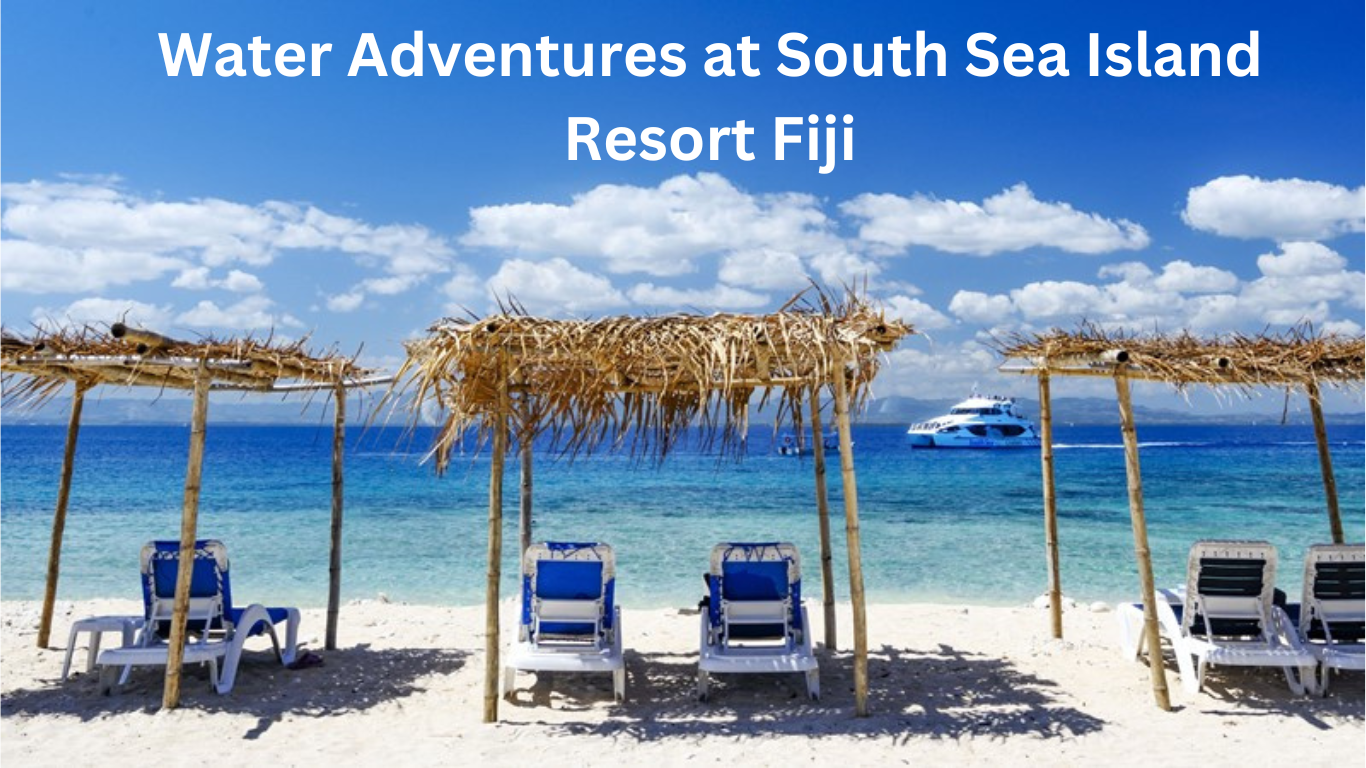
Water Adventures at South Sea Island Resort Fiji
South Marine Island is a stunning tropical island known for its unique water and marine activities. The resort is ideal for people who like water sports and is situated in the Mamanuca Islands of Fiji.Why Should You Choose South Sea Island Resort Fiji?
The environmental uniqueness gives the South Sea Island Resort a special taste of natural beauty. The weather is perfect, and the water is clear and turquoise; so for anybody who loves water, this is the best place. For those eager to swim with sea lions, ride a surfboard or sunbathe by the seaside; there cannot be a better place than South Sea Island Resort Fiji.Vibrant Marine Life of South Sea Island Resort
One of the more interesting things about the South Sea Island Resort is the unique marine life it offers. Around this island, there are various types of water creatures. Be it snorkeling, diving, or an island-hopping trip by boat, South Sea Island Resort is surrounded by marine life that makes the place truly enchanting. The resort boasts of the beautiful coral reefs that surround the place. These reefs are habitats to many species of fish thus offering a good ground for underwater activities. Some of the terrestrial species found in and around them include parrotfish clownfish, butterflyfish, etc.Sea Turtles Sighting and Other Fascinating Wildlife
A delight of snorkeling or diving at the South Sea Island Resort Fiji is getting face to face with sea turtles. Soothing water and light tours make exploring these places unforgettable for fans of nature trips. In addition to turtles, you can see rays, small sharks, and other beautiful sea creatures. As the area is protected, several marine creatures found in this region are high-spirited; making this a unique center of attraction to those visiting the island.Best Snorkeling Spots
The island has some of the best snorkeling sites of all Fijian islands. It allows snorkelers to dive and explore to their heart’s content. The waters are clear and calm and therefore there are varieties of sea animals which you will observe. If you want to see the best sites, guided tours are provided which means you will not have to wander around and lose sight of an interesting animal in this area.Glass-Bottom Boat Tour at South Sea Island Resort
This is an incredible tour and activity where you will not need to even get your feet wet; the Glass-Bottom Boat Tour at South Sea Island Resort. You get to have the feel of nature around the waters in a boat.Ideal for people who cannot swim
The Glass-Bottom Boat Tour is for all ages and any group traveler whether with friends family or a solo traveler who is looking to enjoy the water. But it is best for those who cannot swim because in this boat you can marvel at the beauty of the sea without even having to step into the water up to your ankles. It includes professional tours as local guides give information about the reef, fish, and marine life. They will like to show you the right places and, more importantly, guide you on how to distinguish some splendid animals you might not be able to notice yourself. It is interesting to learn about the various sea life around South Sea Island Resort. It allows you to sit in the boat and have a view of the beautiful Fijian marine life and at the same time transform it into something different by the use of the glass bottom as seen in the South Sea Island Resort.Semi-Submersible Boat Ride at South Sea Island Resort
Another incredibly cool way to see the underwater world is an exciting Semi-Submersible Boat Ride at South Sea Island Resort. This boat enables you to zoom into the wonderful aquatic world and view creatures without getting wet. The semi-submersible boat has a large transparent panel to give you a view of the aquatic life without having to swim. You will spend your journey watching various fishes, corals, and other marine life from a close while sailing over the waters. You will get lots of time to unwind and watch the aquatic scenery while seated. The ride is conducted by friendly and professional tour guides who give explanations concerning the South Sea Island Resort marine environment. They will indicate which sorts of fish, corals, and other sea beings you will encounter and you will know more about the sea.Kayaking – Paddle Through the Crystal Clear Waters at South Sea Island Resort Fiji
Kayaking makes you cruise through the clear, warm waters around South Sea Island Resort. It has become possible to hover along the coastal area and enjoy the beauty of measuring tropical growth and sandy beaches. Due to the warm and shallow water, it is easy to move around and can cover areas which inaccessible by boat but by folding kayaks. If you are alone you can rent a sea-riding single kayak that offers individual activity; if you are in a pair, using a double kayak is fun. In either case, you are going to have fun and relax while being driven around. Kayaking tour offered by South Sea Island Resort is good for all beginners and those people who already know about kayaking. So whether you are island hopping through the calm and serene bays, sniffing the fresh sea breeze or paddling right along the water’s edge there is no way that you can afford to miss kayaking on South Sea Island Resort Fiji. It is the most suitable means of getting closer to the untouched Fiji and at the same time, engaging in an exciting quiet exercise on the water. With colorful coral gardens and fun activities such as kayaking, glass bottom tours, and others; there are a lot of things to do. If you are here just to chill out or to party, the fact remains that the water and the setting are uniquely magnificent to make your trip a truly enjoyable one all the time. South Sea Island Resort in Fiji is a great place for any holiday. You can relax, have fun, and enjoy the beautiful nature around you. It’s a perfect spot to explore and make special memories that will last forever. -
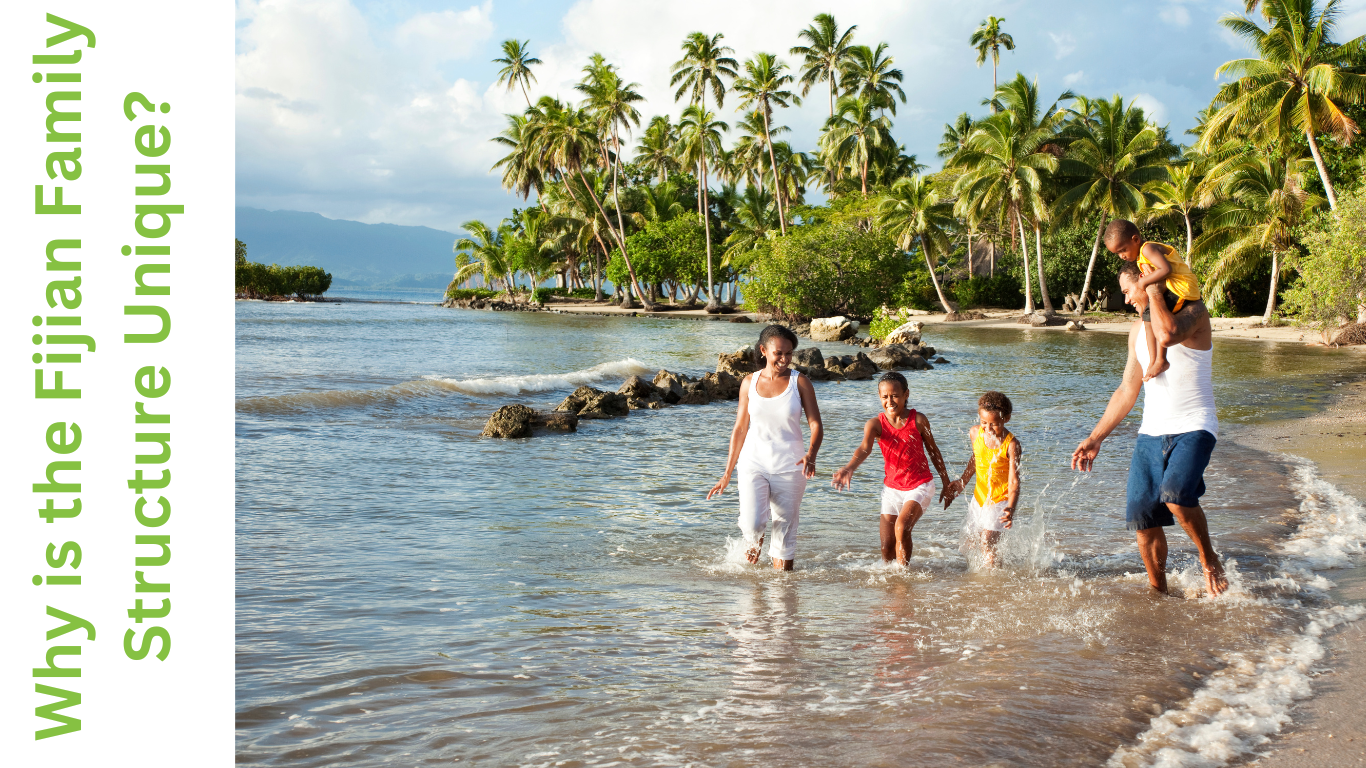
Why is the Fijian Family Structure Unique?
Fijian family structure is defined as a multiplex of relations, cultures, and beliefs about the rights and wrongs in a society. Fijian culture is specific to the island and has taken centuries of development. In Fiji, the family goes beyond a group of narrowly related people by blood. It covers households with grandparents, aunts, uncles, and cousins who are considered important family members. The relationships offer protection and thus give the individual a place they belong. Fiji has one of the most vigorous family values of all the cultures across the world. It defines the person and controls interactions and events in society. Family members assist each other in several ways, be it in celebrations or in difficult times of their lives.Historical Context
Ancient Fijian Society
The social structure of Fijians comprised of smaller units which can be translated as tribes or clans. Every tribe also has its own land and resource owner. This type of cohesive living made everyone and everything strong enough to survive and be productive. The family is very important to the Fiji people. Women particularly are valued for their age and normally whoever is older is the one to make decisions in the family. Values mentioned were respect and community and they described relations between families or how families should be.The Influence of Colonialism
Colonialism brought lots of changes within the region. Their arrival brought new concepts and ways of operation within their assemblies. The colonizers affected the aspects of land and family. Thus, families started to get differentiated, especially by the adoption of cash crop economies. Males headed a plantation while females were the ones to provide for the upkeep of the home and children. This division of labour was seen to affect how families operated.Modern Changes and Resilience
Fijian family organization has received changes in recent years as well. These factors have affected the place where families live and the way they live. Due to employment and studies, many youths migrate to cities changing the family structure. But support is still observed and valued in a similar way as before.Core Family Units
The structure of Fijian families is complex and varied, but the focal ones are the nuclear families. These units have significant utility and functionality in the lives of Fijians and are instrumental in molding the culture of Fiji. A core family can be a mother, a father and their children. But here it is necessary to note that ‘Family’ concerns not only this group. The Fijian family structure is a little broader because close relatives in the large family are also involved in raising the children.The importance of an extended family
Family members’ interdependence is a common feature in Fiji and many individuals have large families. This is a family structure with grandparents, aunts, uncles as well as cousins in a single family. It also allows the kind of closeness that offers emotional and/or financial support.Status of Core Family Units
There is a specifically assigned role and duty for each member of the core family unit. As has always been the role portrayed in most families, the father is primarily responsible for earning a living. They practice their professions outside the home in a bid to contribute to family income. While fathers are normally providers of the family income, mothers are normally expected to supervise the home and look after the children. However, there distinctions may exist. In many families of the present generation, both parents get engaged in a paid job or employment. They make some adjustments in sharing the chores relevant to the home and or children over which everyone gains more responsibility.Family Values and Support
The base of the Fijian family is built on positive ethics, principles, and values such as respect, love, and care. People gather during meals and other special occasions to celebrate events and other incidents.Extended Family Dynamics
The Role of Extended Families
Families can also be compared to a large support group. Living in one or even nearby is not strange in Fiji because there is a tradition where many generations live closely. The living arrangements enable parents or other family members to assist each other daily. The children are often taken care of by grandparents when parents go to work. Aunts and uncles provide education and teach life lessons. This sharing brings about the unity of families and acquires good relationships with all the members of the family.The importance of Love, care and Counselling
Fijian families are large, and they both give emotional support and impart wisdom to the family members. Family celebrations are often unique. It’s at this time that many people sit and listen to stories and anecdotes, respect cultural practices, and crack jokes.Financial Assistance and Simply Support
Many individuals in an extended family pull one another through hard times. There are cases when a family has to pay medical bills or needs someone to help them with carrying out their daily needs – these are the moments when relatives help out. Such cooperative help or security lets no one feel sad when things get rough. It also assists families to combine resources to achieve similar objectives which are likely to be purchasing a house or educating their children. Fiji’s culture is based in large part on extended families. Traditionally, families come together to celebrate various occasions by singing and dancing with lots of tasty food. Joyous occasions such as weddings, birthdays, and festivals are what pull everyone close and allow people to make and cherish memories.Living Arrangements and Housing
Living patterns are very important among Fijian families to determine family life. Families as social units provide for, and share duties.Traditional Housing
Bure is a native house for many Fijian families, where they live. These are round and small huts constructed with local materials including wood, bamboo, and palm leaf.Urban vs. Rural Housing
Housing structures can be different in different areas. Self-contained homes are found, in the rural setting, families dwelling in traditional bures or simple houses with adequate compound space. These homes are usually close neighbourhoods, and people living in these homes know each other very closely. That is, whereas the urban setting has 3-roomed houses, the urban has modern apartments or better houses.Impact of Modernization
It is so apparent that recent trends have affected the way some Fijian families dwell. Owning simple houses with greater privacy is becoming popular in many families as they mimic Western-style homes. Although this may be reassuring, it can also result in minimal contact with other members of the family as well as neighbours. Conflict between old and new ways of life remains an issue of interest for the Fijians who are finding it hard to determine how to live a modern life. The Fijian family structure is a rich blend of tradition, community, and shared values. It emphasizes the importance of both immediate and extended family members, fostering a strong support system that helps individuals thrive. As Fijian society continues to evolve, the core values of love, respect, and unity remain steadfast. The adaptability of the Fijian family structure allows it to embrace new ideas while honouring its rich heritage. This balance ensures that family ties remain strong, nurturing the next generation in a world that is constantly changing.