Author: FijiDream Admin
-

Renewable Energy in Fiji – Illuminating Policy Perspectives
Fiji is going to switch how the nation generates its power with a big change on the way. This island nation is shifting gears as far as energy is concerned – it no longer relies on oil and gas. It’s replaced with renewable energy in Fiji, which is more environmentally friendly. Will it be effective to employ such sources? This approach will assist to combat one of the most pressing issues of today – climate change. It means that Fiji has embraced renewable energy, which is crucial in the fight against carbon emissions. This results in reducing the emission of greenhouse gases and leading a healthy life without any dangers from polluted air. Fiji’s government has strong plans to support renewable energy in Fiji. These plans, commonly referred to as renewable energy policies, may be described as the playbook for changing the face of the energy fraternity for future generations. It pertains to policies and procedures to convert the country from old power resources to a new one which is more environmentally friendly. The policies relate to the following types of renewable energy, for instance: Solar energy, wind energy and water energy. -
Exploring Fiji’s Botanical Gardens: A Haven for Flower Enthusiasts
Fiji, a delightful island country in the South Pacific, is known for its typical staggering excellence, clear waters, and flawless sea shores. Nonetheless, one more part of Fiji is similarly enthralling but frequently neglected – its vegetation. The flowers of Fiji are different and exceptional, and investigating Fiji’s greenhouses is a must-do activity for any flower devotee.History of Flowers of Fiji:
Flowers of Fiji is a set of experiences established in its rich social legacy. The native Fijians, known as iTaukei, have a long practice involving flowers and different plants in their routines. For example, the hibiscus, the public flower of Fiji, is utilized in wreaths called “salusalu,” worn during conventional Fijian services. The appearance of Europeans in the nineteenth century brought another time of plant investigation to Fiji. Numerous botanists and horticulturists were drawn to Fiji’s warm environment and ripe soils, which gave an optimal climate for many intriguing plants. The Fiji Division of Farming was laid out in 1885, and it assumed a crucial part in acquainting new plant species with the islands.Types of Flowers of Fiji:
Flowers of Fiji are home to a different cluster of flowers, including both local and present species. Probably the most well-known flowers found in Fiji’s greenhouses include:Orchids: Orchids have a wide assortment in Fiji, including the fragrant Vanda Miss Joaquim and the beautiful Dendrobium. Orchids are number one among flower devotees, and Fiji’s orchids are especially valued for their excellence.
Frangipani: Frangipani, otherwise called plumeria, are a staple of Fijian nurseries. These fragrant flowers are many times utilized in customary Fijian services and are an image of friendliness.
Hibiscus: The hibiscus are the flowers of Fiji’s public flower and they are the number one among local people and guests the same. These brilliant and beautiful flowers are often utilized in lei-production and are a famous gift for exceptional events.
Bougainvillea: Bougainvillea, with its radiant pink, purple, and red sprouts, is a well-known fancy plant in Fiji. Making vivid lines and fences in gardens is frequently utilized.
Heliconia: The heliconia is a tropical flower tracked down in many gardens and scenes throughout Fiji. It has enormous, brilliantly shaded flowers that frequently look like bird noses or lobster hooks. Heliconia is, in many cases, utilized in decorative presentations or as cut flowers.
Anthurium: The anthurium is a famous fancy flower known for its heart-molded leaves and radiant red sprouts. It is much of the time utilized in plans or as a cut flower.
Ginger: The ginger plant is known for its enormous, pompous sprouts that arrive in various varieties, including red, yellow, and pink. The plant is frequently utilized for its therapeutic properties and in decorative presentations.
Water Lily: The water lily is a drifting oceanic plant seen in many of Fiji’s lakes and streams. It has vast, gaudy sprouts that are, in many cases, utilized in fancy showcases.
Poinsettia: The poinsettia is a well-known decorative plant in Fiji, especially during Christmas. It has radiant red or white flowers and is often utilized in wreaths or as a focal point.
Rose: Roses are filled in Fiji and are much of the time utilized in fancy presentations or as cut roses. They arrive in a scope of varieties, including red, pink, and white.
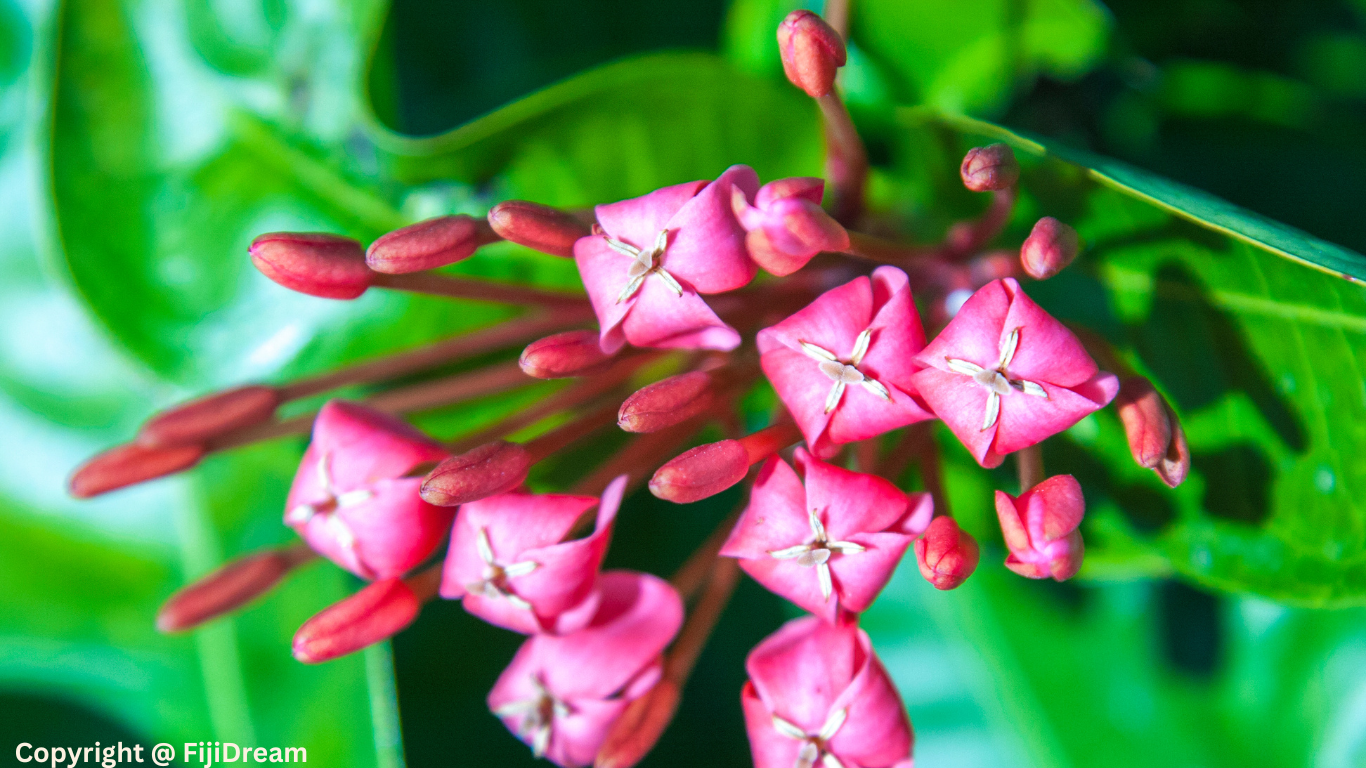
Ixora: Ixora is a famous fancy flower in Fiji that arrives in various varieties, including pink, orange, and red. It has little, thickly pressed sprouts that structure groups and are often utilized in courses of action.
Plumbago: Plumbago is a bush with fragile blue or white flowers that is regularly tracked down in Fiji’s nurseries and scenes. It is much of the time utilized as a ground cover or as a line plant.
Allamanda: Allamanda is a tropical plant that is known for its huge, trumpet-molded flowers. It arrives in a scope of varieties, including yellow and pink, and is much of the time utilized in elaborate showcases.
Gardenia: Gardenia is a fragrant flower that is much of the time utilized in scents and other magnificence items. It has enormous, white sprouts and is regularly filled in Fiji’s nurseries and scenes.
Jasmine: Jasmine is a fragrant flower that is normally tracked down in Fiji’s nurseries and scenes. It has little, sensitive flowers that are many times utilized in aromas and teas.
Adenium: Adenium is a delicious bush that is known for its strange, rounded flowers. It arrives in various varieties, including pink, red, and white, and is often utilized in elaborate showcases.
Bird of Heaven: Bird of heaven is a tropical flower usually tracked down in Fiji’s nurseries and scenes. It has huge, splendidly shaded sprouts that look like a bird in flight.
Carnation: Carnation is a well-known cut flower that is filled in flowers of Fiji. It arrives in various varieties, including pink, red, and white, and is often utilized in decorative layouts.
Lantana: Lantana is a bush with little, brilliant flowers frequently utilized as ground cover or a boundary plant. It arrives in a scope of varieties, including pink, orange, and yellow.
Snapdragon: Snapdragon is a well-known elaborate flowers that is normally tracked down in Fiji’s nurseries and scenes. It has splendidly shaded flowers of Fiji that look like a winged serpent’s mouth and is much of the time utilized in elaborate showcases.
Tiare: Tiare is a fragrant flower of Fiji that is often utilized in leis and other decorative designs in Fiji. It has huge, white flowers and is ordinarily filled with nurseries and scenes.
Bug Lily: Bug Lily is a bulbous lasting that produces sensitive, bug-like flowers that arrive in a scope of varieties, including pink, white, and red. It is many times utilized as a line plant or in compartments.
Passionflower: Passionflower is a plant with fascinating, mind-boggling sprouts that arrive in a scope of varieties, including purple, pink, and red. It is many times filled in Fiji’s nurseries and scenes.
Uses of Flowers of Fiji:
The flowers of Fiji have many purposes, both social and functional. For example, as referenced prior, hibiscus is utilized in conventional Fijian services. It is likewise utilized to create natural teas and beauty care products. Additionally, frangipani is utilized in scents, and the bark of the koka tree is utilized in developing conventional Fijian fabric.Benefits Flowers of Fiji:
Aside from their social and functional purposes, the flowers of Fiji enjoy various benefits. For example, they help to embellish the scene and establish an inviting climate. They likewise give environment and food to untamed life, including birds, honey bees, and butterflies. Also, flower development and offer can open financial doors to nearby networks. Numerous Fijians make money by developing and selling flowers in their own nurseries or nearby business sectors.Flowers of Fiji is a Tourists Attraction:
Flowers of Fiji are a well-known fascination for vacationers, particularly those keen on cultivation and planting. A large number of nurseries highlight a great many flowers, including both local and presented species. Guests can take directed visits, partake in studios, and buy plants and other nursery-related items. Notwithstanding the professional flowerbeds, Fiji’s many retreats and inns additionally highlight delightful gardens and scenes. A large number of these properties offer directed visits and studios on cultivating, as well as any open doors to buy flowers and plants. Travelers who visit Fiji during the yearly Hibiscus Celebration in August can encounter the lively social festival that encompasses the public flowers of Fiji. The celebration incorporates rivalries for the best hibiscus sprout, lei-production exhibitions, and other widespread developments. Investigating the flowers of Fiji is likewise an extraordinary way for travelers to find out about the nation’s vegetation and its significance to Fijian culture and economy. Large numbers of the nurseries offer informational materials and visits that make sense of the set of experiences and uses of various plants, as well as their job in Fijian traditions and customs.Conclusion:
The flowers of Fiji are delightful and have profound social importance and functional purposes. Investigating Fiji’s professional flowerbeds is a brilliant method for valuing the variety and lavishness of the nation’s vegetation. The flowers of Fiji are different and delightful, with a scope of varieties, shapes, and fragrances. From the well-known elaborate flowers, for example, frangipani and hibiscus, to the surprising sprouts of adenium and bird of heaven, Fiji’s vegetation is a pleasure to the faculties, from colorful tropical sprouts to sensitive orchids. Whether you are a flowers fan, a nursery worker, or just somebody who values regular magnificence, Fiji’s professional flowerbeds bring something to the table. Thus, plan a visit to these nurseries and experience the miracles of the flowers of Fiji for yourself. -
Music in Fiji – you’ll find it all here!
Welcome to the swinging groove that is Fiji, where the nation doesn’t only hum but also pulses with the rhythm. Via the fleet of its vast islands and people’s busy streets, the music in Fiji truly manifests the vivacity of Fijians making the songs of the country known.
Fiji music assimilates countries and provides many styles and traditions. Popular music of Fiji takes all forms of songs from different cultures from the people to show everyone about its multiculturalism and its energetic life. And as soon as you step in here, you’ll see at least in any location tropical music will be streaming. So, the repertoire is staggeringly broad and varied—from traditional Melanesian and Polynesian beats to Indian Fijian melodies and rhythms, from Tarana (Bollywood music), jazz, folk, reggae, hip-hop and rock – it’s all good! So too you will get your fill of popular music of today, which includes any current Spotify tunes and Billboard number ones. Fundamentally, life is one of the themes that Fijians love to celebrate, and music happens to be one of their great passions.
Here, you can either feel yourself drifting to the traditional Polynesian music, life before blending with the infectious dance rhythms of Bollywood or enjoy the diverse patterns and expression of music in Fiji.
Traditional Music in Fiji
Enter the ever-lasting music tradition of Fiji, wherein the sound reverberates the Polynesian heritage with its soulful rhythms. Fiji is located in Melanesia on the rugged borders of the Pacific Ocean, yet its music shows the diverse characteristics of Polynesia.
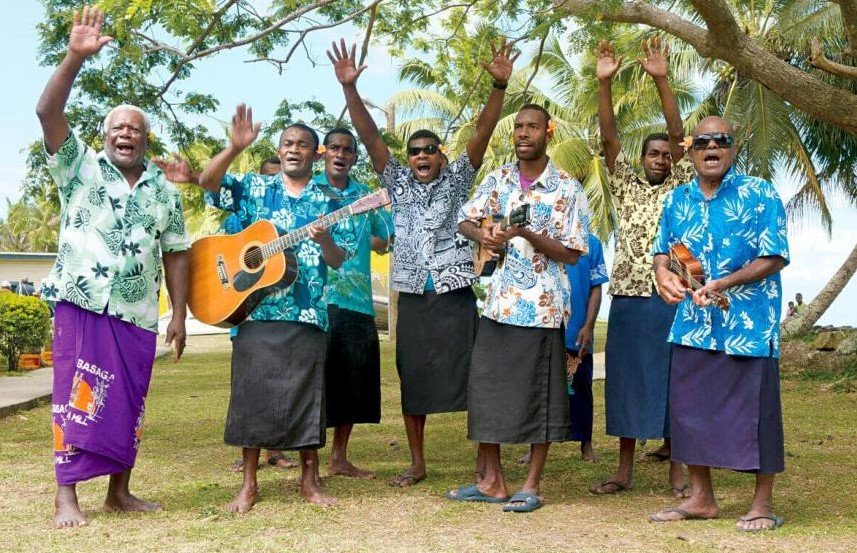
Listed below are the main types of songs you can be able to listen to in this genre. Polynesia is the geographical ribbon in which we find Fiji and her deep Polynesian traditional music. Imagine guitars, mandolins, and ukuleles in addition to Lali drums and different kinds of percussion. In each breath, harmony, and peace, you will remember the sounds of a dream – the beautiful, soulful voices. It is a traditionalist and a way of being both folk music and performing at nearly all crucial rituals such as weddings, funerals and births. There you’ll also find this kind of music in the Fiji churches, where people of the whole community gather to have a good time and praise God.
Visualize yourself enveloped by the soothing whisps of a guitar, the progressive sounds of a mandolin, and the tender melodies of a ukulele. These will all be perfectly combined by the striking sound of Lalis, making a perfect rhythmical beat. The amalgamation of instruments is thus like a symphony that elicits the emotion of the Fijian cultural heritage.
Fijian folk music, music that is the main beat of elders’ culture, is always used in important moments such as marriage, funerals, and giving birth. Its ever-sinking tunes unite people, making them always aware of their own specialness and that of their communities: in times of joy and moments of sorrow.
Whether the spiritual and meditative prayers are solemnly sung or the lively and joyful festive celebrations are exuberantly chanted within the chambers of a church or the pronunciation is heard throughout the expanse of open fields, traditional music in Fiji has always stood as the authentic representation of cultural identity and communal spirit.
Indian Music in Fiji
Try the refreshing ambience of Indian Fijian music, revelling in the varied hues of Fiji’s eclectic mix of citizenry. Indian music genres are widely popular in Fiji given the fact that approximately one-third of Fiji’s population is of Indian descent, it’s not a surprise to find music influences from India in the music scene of Fiji.
There is a large Indian Fijian populace with over thirty percent of their population being Indian Fijian. Bhajans is a commonly practised musical genre which agrees with the customary-based religious function in the Indian tradition. A person sings and thus the vocals take over. Meanwhile, some sing in either Hindi or Sanskrit. The singing sinks with catchy guitars and drumbeats. As audiences around the world keep in tune with Bollywood flicks, Fiji is no exception, with Bollywood music having now captured Fijians’ attention. This kind of music is heard everywhere: in bars, cafes, shops and not only there – at parties too.
It is apparent that among Bollywood songs, Bhajan enjoys a high rating and attracts locals and foreigners. The whole of Fiji being hooked by Bollywood movies, has the epidemic craziness of Bollywood rhythms and songs, which Fijians are heavily influenced by. Whether in a fast-paced restaurant, cafes with a comfortable vibe, shops with lots of life, or parties that are in a splendid place, with or without Bollywood music, Fiji brings the joy and vivacity of the music to the atmosphere.
Meke – Spiritual Music and Dance
Meke is the sacred music which portrays how Fijians act and what their culture is. The Meke miraculously complements native folk dances by merging catchy tunes and lively dances. The melody will leave you in a valley of delight and will make it hard for you to control the pace of your heartbeat.
Meke is this spiritual music that is part of folk dances. Indeed, it would be so beautifully embedded in your imagery when mention of Fijian music and ceremonies arises. Traditional Meke takes the form of sharing voices and of beating. The original version is highly regarded but some newer versions are reworked with contemporary festival dance tracks. Meke is a presentation with the men’s or women’s war dance. The male performers often dance fast and quickly, while the female dancers are finetuning their timing to measured, slow and strictly choreographed gestures.
Traditional and modern up-tempo dance beats were mostly incorporated into contemporary Meke that originally focused on the basics. so, it can express both the ancient art form with a fresh and dynamic flair. This dance has affected generations with the soothing lyrics, dynamic movements, and soulful chants that accompany such a dance performance, captivating audiences at festive celebrations, cultural gatherings, and ceremonial events.
Fusion Genres – Reggae and Jazz
The Reggae and Jazz Music of Fiji like all other communities absorb other cultures’ genres in the way the Fiji culture differs. The reggae of the laidback, easygoing Caribbean is perfectly suited for the same sun and mellow feelings of easy-going Fijian.
With a mixture of Reggae beats and calming vibes, it is a genre that easily synchronizes with the upbeat and sunny vibes of Fiji. Through its well-rounded grooves and dazzling rhythms, reggae music has established itself in the heart of Fijian music lovers, providing a serene space where the busy daily life does not linger and affect anyone’s mood.
Jazz with its impressive improvisational feats and mood-soothing melodies, gives one another fascination for the music in Fiji. Artists fuse traditional Fijian styles with jazz beats and different local artists like Voqa ni Delai Dokidoki and Daniel Rae Costello create an amazing concoction of musical styles that have a local flavour infused with jazz beats forming a unique and amazing sound.
Contemporary Fijian Pop Music in Fiji
Present-day Fijian Pop has a wide variety of music incorporated. The pop repertoire includes a mix of disco, rock, R&B, hip-hop and even reggae, sometimes with emergent lyrics and sound. Some of the hottest musicians of this time among others who have made a considerable mark in the industry are Laisa Vulakoro, Nuku Katudrau, Paulini Curuenavuli, Lagani Rabukawaqa, Karuna Gopalan, Rosiloa (Black Rose), Danny Costello, Michelle Rounds, Seru Serevi and Elena Baravilala.
Listen to a remarkable hybrid of musical genres in modern Fijian pop where musicians take their creativity to another level by experimenting with various rhythms and instruments to create fun songs. The music of Fijian pop dances to disco-infused beats, and the sweetness of R&B fills in the spaces too, bringing to the fold all music enthusiasts, there’s something for everyone.
In the Fijian pop star community, the names of Laisa Vulakoro, Paulini Curuenavuli, and Lagani Rabukawaqa are promising to create a powerful echo through the Fijian music maelstrom, enchanting crowds with voices that are distinct uproar sounds and motion. They find a way to embed national and traditional terms and Fijian melodies inside each of their songs with an aim to make them deeper and more genuine.
Although Fiji Tunes generally provides entertainment, it also serves the purpose quite well of connecting to the cultural heritage and again preserving the oft-forgotten rich Fijian heritage as well. It is by means of music that Fijian people express their identity, values, and tales, thereby the culture is inherited by them for long and it is the pride which lasts in future generations.
No matter whether you are walking on the beaches of the sandy shores of Fiji or moving in and out of the crowded streets of its cities, the contagious beats and melody of present-day Fijian pop will always be in the background, ensconcing your consciousness allowing you to create some memorable memories of your visit to the country.
-
Education in Fiji – innovative and available to all
Education in Fiji is taken seriously – primary school enrolment is compulsory and the majority of Fijians complete secondary school.
In fact, roughly 94% of Fiji students finish high school, which is an impressive number in any region of the world.
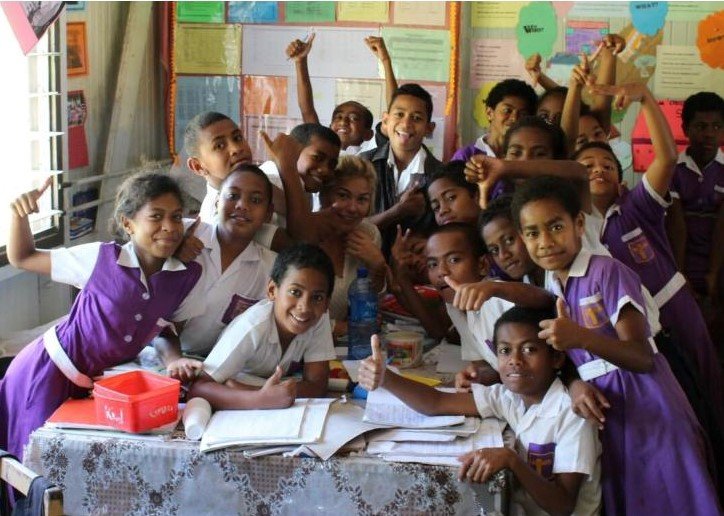
A major reason for this is that education in Fiji is free from ages 6 to 16. While most schools are government-funded, religious organizations also play their part in providing education opportunities for Fijian children and teenagers.
Like most Commonwealth countries, there is no junior high school in Fiji. After primary (or elementary) school is finished, Fijian students go on to high school. They can either do 3 years and leave to pursue a vocational goal or stay on for 2 more years and look towards tertiary education.
English is generally the teaching language, but students also learn Fijian, Hindi and other languages depending on the school.
As you would expect with such a racially diverse country, Fijian schools also represent the country’s multiculturalism. There are schools catering to various faiths, including Catholic, Muslim, Hindi and Chinese schools. Parents have the option of sending their children to private or public schools and big cities such as Suva have recently seen a surge in international schools.
As with many countries, the standard of education and facilities can vary. Urban schools tend to have better equipped and staffed schools, while rural schools can sometimes be lacking in resources. While private education is certainly available, the cost is considerable and the bulk of education in Fiji is through public institutions.
Despite this, the system works. Fijian students have a literacy rate of over 92% and more and more are focused on finishing high school to chase tertiary options.
All students do Math and English, with other subjects including Fijian, Hindu, woodworking, metal work, home economics, social studies, chemistry and physics.
Fijian students learn about the variety of cultures in their society and the history of their country. A strong focus is given to the natural world, with plenty of time spent understanding the unique ecosystem that surrounds them and how to preserve it.
And then there are the sports.
For a country that embraces the outdoors and healthy living, Fiji punches way above its weight in sports. It all begins in schools.
Fijian students enjoy a huge range of sports such as athletics, rugby union, rugby league, netball, hockey, cricket, soccer, swimming and basketball.
Every year up to 140 schools from across the country meet for a huge athletics carnival known as the Coca Cola Games. This is much-anticipated event and is a chance for up-and-coming athletes to make a name for themselves. Many students who perform well in these games go on to adult sporting careers in the big sports such as rugby union, rugby league, netball and hockey.
If students wish to complete high school and enter a university, their options are becoming better and better. Education in Fiji has seen tremendous growth in the number and quality of universities and vocational colleges.
The University of South Pacific is the most well-know tertiary institution in the South Pacific region. There are also several agricultural, technical and medical schools now offering Fijian students courses that are recognized internationally.
The key to the future of education in Fiji lies in investment from both local and overseas governments. Fiji already attracts students from other South Pacific nations and is fast becoming an educational center in its own right.
Finally, from all the team at FijiDream – Happy 2023!
We wish you a healthy and prosperous new year and thank you as always for your continued support.
-
Good Eating – Christmas food in Fiji
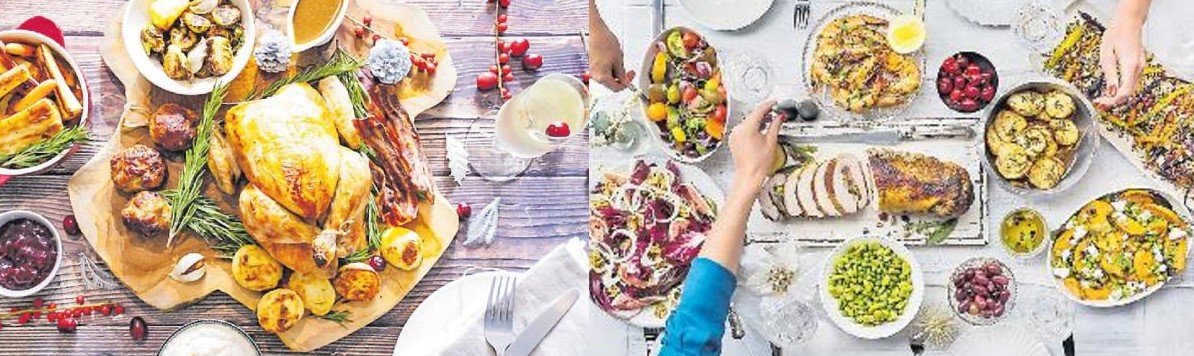
Fiji is best known for its fantastic people, the merrymaking and not to forget the yummy taste of Christmas food in Fiji. Christmas in this tropical haven is not only a symbolic day but brings family members and the community together through the fulfilment of love and the relish of dishes.
The Christmas festivities in Fiji are marked by the combination of Western styles with indigenous cultural touches, and the celebrations include people from different ethnic groups and religious faiths. And probably on the top of the list of things which are valued the most during this season of festivities would be the tantalizing variety of Christmas foods that form a part of the feasting going on everywhere.
The rich cuisine traditions of Fiji are reflected in its unique menus both old and new incorporating Fijian traditional foods and some diversity of the Indian, Chinese and European culinary dishes. Discovering new restaurants for Christmas food in Fiji is always a treat.
Traditional Christmas Food in Fiji
Lovo
Lovo is the most famous dish that people prepare during the Christmas in Fiji. It is a feast where you have cooked meat and vegetables using simple ingredients in the ground oven for hours that end up being tender, full of flavour, and something to look forward to by all.
Fresh Fish and Seafood
Seafood and fish in Fiji, being the major sources of coastal dishes, it’s no surprise that these take the lead in customs, especially during Christmas. They swim by salmon, snapper, tuna and all other kinds of seafood until they come onto family tables to add a salty flavour to the Christmas dinner.
The Christmas food in Fiji honours the multiculturalism that has always marked that country. Indian spices, Chinese wok, and European oven, all form a flavourful mix symbolising the diversity of the island community.
Cassava Chips and Dalo
It can never be Christmas without the cassava chips and the dalo in the Fijian Christmas feast. You shall have a chance to experience crispy fried root vegetables, a fascinating ingredient brought from old Fiji and onto the vegan Christmas menu.
Kokoda
Kokoda is another dish for Fijians, the marination is done with lime and coconut milk. This gives the dish a refreshing taste. The taste is quite gentle in flavour, and its sourness goes well with the festive meal.
Sweet Endings
Post a delicious supper, find yourself in a honey cake Fijian style with a hint of local spices like ginger and cinnamon. In addition to that, coconut cream and Fijian fruits placed in the aforementioned desserts provide a yummy and appropriate conclusion to the entire celebration.
Festive Drinks in Fiji
Fijian Rum
Christmas is not only about Christmas food in Fiji but it is also the season for rum to sip on with a glass, rum is used to enhance gatherings or parties surrounded by family and friends while complementing the delicious dishes with its rich, smooth taste.
Refreshing Beers
For individuals who are into cool beers, Fiji is a good destination since Fiji beers are also the common choice for beverages. Sharing an ice-cold beer with loved ones during Christmas parties is an enjoyable enrichment having more significance during the holiday season in the tropical climate.
Kava
Unlike alcohol, kava is a Fijian beverage that is free of alcohol but is known for its calming effects. The kava sharing not only unites people during the season but also helps them to have a feast and this ends up dreaming together happy evenings.
Cocktails
It is a sweet drink made of fruit and sparkles. From the brightest artisanal fruit blends to holiday classics with a piece of paradise, it is year-round festive and colourful with great flavours!
While your favourite kind of drink may either be rum, which provides the perfect warmth to your body or wine, which kind of stands for the taste of sophistication itself, or maybe beer, which always reminds you of something ice-cold and kava, which enhances your relaxation time, festive drinks in Fiji have this not uncommon ability to make sure that you will find a drink for you, no matter what it is you want to enjoy To all of you, let me say Cheers! to this Merry Christmas season that does not lack of good company and good flavors.
Christmas Food in Fiji Markets and More!
Over the Christmas mania, well-stocked markets inside Fiji will brighten up with the flower of colors and savoury smell that reflects the country’s mouthwatering recipes inherited from ages.
Festive Food Stalls
In the markets of Fiji during Christmas visitors can expect to indulge in an unforgettable culinary escapade; a place to discover various traditional menus and street foods creatively prepared by locals.
Lively Atmosphere
The magicalness at Christmas markets is elevated by the sense of anticipation and happiness, which people of all ages, kinships and belongings come together to relish the live music, and cultural demonstrations, which imitate a picture of joy that radiates from all corners.
Local Flavors and Specialties
Ranging from enticingly mouthwatering grilled seafood to fragrant curries and crispily done cassava chips, all through to the many types of sweet fruits that the area has in abundance, the Christmas markets of Fiji display rightly the various local special delicacies that should appeal to all manner of palates.
Handcrafted Gifts and Souvenirs
Christmas market has scrumptious delights, a range of artisanal products, and unique souvenirs are also featured in a market which fit perfectly as special gifts. When you visit Fiji, those souvenirs are for you to have as treasured memories.
Cultural Experiences
Christmas market offers a golden chance for you to dive into the culture of Fiji, interact with locals, observe traditional cooking techniques, and get to know folk stories that have become local heritage.
Festive Spirit of Giving
As nearly all of the vendors embrace the true essence of the Christmas market – the idea of giving – it is not rare to see them join social responsibility such as charity to the local community, sustainable practices and others that put together the interests of society.
Fusion of Traditional And Modern Approach
Although the conventional recipes represent traditional Fijian cuisine, the annual Christmas markets also exhibit fresh and the newest versions of popular dishes, which indicate the great potential of the changes in Fijian food culture.
Whatever you are up to, from being a fan of various delicacies to looking for a unique gift or just enjoying the ambience, Christmas food in Fiji markets and other things in Fiji promise you exceptional experiences that also acknowledge the importance of local culture, community and its holiday spirit.
-
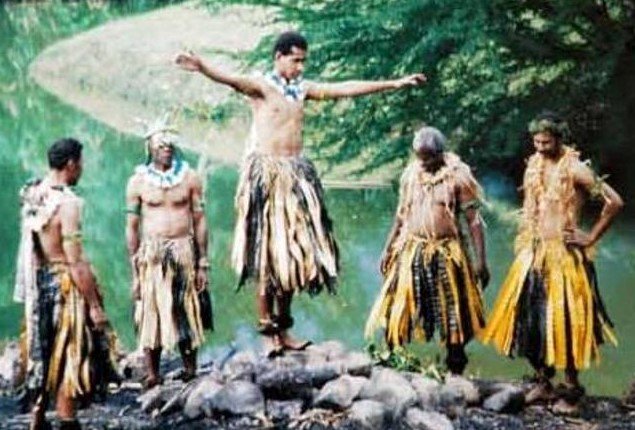
Some like it hot! Firewalking in Fiji
Firewallking in Fiji simply has to be seen to be believed. It’s a traditional and amazing ritual that should be near the top of your Things To Do in Fiji list.
Firewalking is what it sounds like. Walking in bare feet over white-hot stones. A firewalker can not only walk across the smoldering stones, but can do so completely unscathed.
No burns, no pain – nothing!
Really. Firewalking is the ultimate test of faith and a rite of passage for many young Fijian men. Firewalking in Fiji is typically performed by men. Both iTaukei – indigenous Fijians and Indian-Fijians practice firewalking.
Let’s take a look at how it all began.
People have been practicing firewalking in societies throughout the world for hundreds of years. Evidence of this amazing ritual dates all the way back to 1200 B.C. in India.
Legend has it that firewalking began in Fiji around 500 years ago. It all started in the small village Nakarovu on Beqa Island. Beqa (pronounced “ben-ga”) is just off the southern coast of Fiji’s main island Viti Levu. Plenty of people flock there for its world-class diving and fishing, but firewalking is what really makes Beqa famous.
The story goes that a young man Tuinaiviqalita was searching for an eel near a river in his village. He wanted to give the eel as a gift to a village elder.
However, instead of an eel, Tuinaiviqalita caught a small spirit god – called a veli. The veli begged Tuinaiviqalita to let him go and promised to give him a magical power if he did so. The spirit god said that he would give the young man the power to walk on fire.
Tuinaiviqalita was curious and agreed to the deal. The veli dug a pit and filled it with river stones. He then started a fire and before long the stones were white hot. The veli bounded across the fire and then urged Tuinaiviqalita to do the same.
He did so, and was astonished to find that not only was it painless, but he had no scars or burns. The spirit god had clearly delivered on his promise and the young man kept his word and set him free.
And so began the tradition of firewalking in Fiji. The powers are said to have flowed down along the bloodlines of Beqa’s Sawau tribe.
His descendants can be found in Beqa villages such as villages of Rookwa, Dakubeqa, Dakuni, Soliyaga and Naceva.
We can see this fascinating ancient ritual on Beqa Island as well as several other special locations around Fiji.
Preparing for the firewalk is serious business. First of all, the firewalkers mustn’t consume any form of coconuts. Ancient legend warns that they’ll suffer burns if they do. They also have to stay away from women, and must focus on their upcoming mission.
This all starts 10 days before the ritual. On the day of the firewalking, villagers prepare the fire pit. They dig a hole roughly 3 meters long and 1 meter deep.
Next they collect large river stones and place them in a pit. Finally, they cover the stones with firewood and set it alight. This all takes places some 8 hours prior to the walk, allowing the stones to reach maximum heat levels.
They prepare for the performance by dressing in traditional costumes. This includes a bunch of tree vines tied around their ankle to provide strength for the walk.
The rocks are covered with leaves and branches and the firewalkers are welcomed to the arena with singing and dancing.
One by one they calmly make their way across the rocks. No-one shows any sign of discomfort or pain. In fact, it’s quite the opposite. The firewalkers seem to gain an incredible feeling of strength throughout the experience.
When every member has finished their firewalk, they gather together at the pit and break into a song. Their ankle decorations are then thrown into the fire where they lie smoldering for several days. The firewalkers then eat these tree vines to complete the ceremony.
Not just anyone can perform the firewalk. Only the descendants of Tuinaiviqalita and members of the Sawau tribe are permitted to do so.
The Hindu firewalking is a ceremony of purification and gratitude that originates from South India. People would implore the goddess Kali for rain by demonstrating their faith through firewalking.
You can witness this spectacular display on Beqa Island, as well as several Coral Coast resorts on the main island of Viti Levu. You can also see firewalking at Fiji’s Hindu temples during the full moon season between May and September.
Be sure to leave some space in your schedule to enjoy firewalking in Fiji. It’s not just a spectacular feat to witness but is also an ideal way to intimately experience a unique part of Fijian culture and history.
Just don’t try it at home.
-
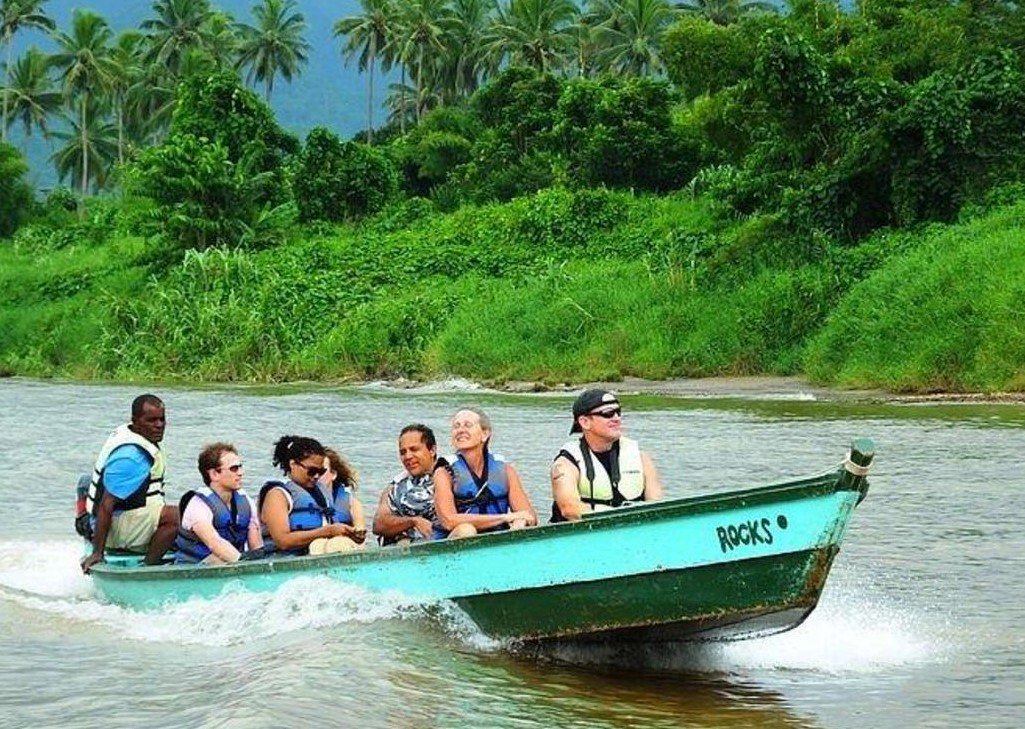
Fijian rivers – a great way to see the country
Bula! Obviously, the first thing on your mind when you head for Fiji is beach, beach and more beach.
And yes, beaches should definitely be in your plans.
However Fiji also boasts some truly majestic rivers that are seriously worth checking out.
Touring along Fijian rivers is not only great fun but gives you an up-close experience of the real Fiji.
You’ll see stunning rainforests, black volcanic rocks, unique flora and fauna, and then there are the waterfalls. Hundreds of them!
Best of all, there are so many ways to travel along Fijian rivers.
Inflatable rafts, traditional rafts, jet boats, canoes, kayaks and tubes are just some of the great options to get wet and take it all in.
So where to go?
The main island of Viti Levu has plenty of pristine rivers, with fun tours and expert local guides.
Navua River
This is one of the top picks of Fijian Rivers. The Navua kicks off near Pacific Harbour on the southern part of main island Viti Levu. The Upper Navua in particular is a special place in Fiji.
You’ll pass through lush rainforests and waterfalls, all surrounded by often towering walls of black volcanic rock.
This route will also take you through a protected wetland area known as the Upper Navua Conservation Area. This was set up by native landowners and the government.
It was established to protect the local eco-system and traditional cultures. The protected river canyons are well worth seeing.
There are several options for heading up the Navua. Canoes and kayaks are a great way to do it, or in big, safe inflatable rafts.
Rewa River
The Rewa is Fiji’s longest and widest river. It starts from Fiji’s highest peak at Mount Tomanivi in central Viti Levu and winds south towards Suva.
The Rewa River is an important river because it both drains a lot of excess water as well as providing crucial irrigation for farming along the way.
Rewa River Tours describe their eco-adventure as “a unique and breathtaking ride through the winding and amazing Rewa River”. Sounds good.
The tour starts near Suva and the hour or so trip takes you into the province of Rewa. Along the way you’ll go past traditional villages and subsistence farms.
The Rewa river is famous for its delicious fresh water clams and you can see local women and children diving in the river and catching clams.
Like many Fijian river tours, you get the chance to visit a village. You can learn about native root crops, vegetables, herbal medicines, and the famous kava plant.
Sigatoka River
Sigatoka is on the famous Fijian Coral Coast, on Viti Levu. From here, you can take part in a fantastic blend of river touring and eco-cultural insights.
Sigatoka jet boat river tours offer a thrilling means of heading along the river with stop offs in traditional Fijian villages.
From here you’ll get to experience life in real Fijian villagers. Mix and eat with the locals and take in a kava ceremony.
Your native guides will provide a rare glimpse into the life of a kaiviti – or “Fijian”.
So how to travel along the Fijian rivers? It’s entirely up to you. Rafting is definitely for the more adventurous, while canoeing allows you to go at your own pace and stop off wherever suits you.
For sheer thrills, jet boat river tours are hard to beat.
Tubing has become popular and is a great way to lazily take into the beautiful surroundings while possibly dozing off.
Fiji also has traditional raft tours, which focus on using not just hand-built rafts, but on educating guests on local eco-culture and traditional ways of life.
When you’re in Fiji, by all means hit the beach! But why not put a day or two aside to get really up close and personal with an incredible river tour?
A truly intimate experience.
-
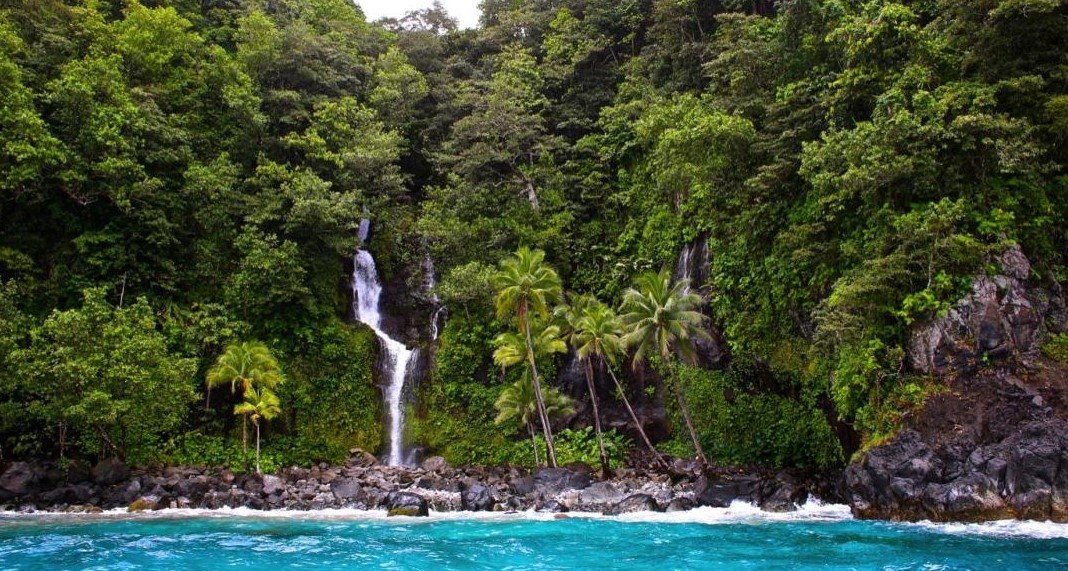
Hiking in Fiji – spoiled for choice!
Hiking in Fiji is a rare treat. You get to choose from lush rainforests, volcanic mountains, waterfalls and sweeping ocean views. Often, you’ll get them all.
For all ages and fitness levels! In fact, for some hikes you can even pack a swimming costume.
Fiji’s abundance of natural beauty means hikers can explore some of the more remote and scenic parts of the country in real detail.
You can opt for leisurely outings with the family, more strenuous half and full-day hikes or really aim high and go for multi-day adventures.
Of course, when hiking in Fiji you’ll get most bang for your buck with a local guide. They’ll not only know the best and safest routes, but can also give you some fascinating insights on your way around.
Mind you, going it alone or with friends is okay – just be sure to fully check your routes and let people know where you’re headed.
Here’s a taste of some of the outstanding options.
Lavena Coastal Walk
This classic walk is on the majestic Taveuni Island. You can see it all, on the Lavena Coastal Walk. You’ll see white and black sand beaches, wander through rainforests bursting with life and finish up at a waterfall to frolic around in.
Along the way, you’ll most likely bump into some villagers. Say “Bula”, share a smile but stick to the path.
The Lavena hike takes anywhere from 3-4 hours round trip. Taveuni is renowned for its waterfall hikes, and this is one of the more popular ones.
Mount Tomaniivi
Climbing the tallest mountain in a country is often high on travelers’ lists. Mount Fuji in Japan, Mount Cook in New Zealand and the list goes on.
Fiji’s Mount Tomaniivi is one of the more challenging hikes in Fiji but well worth the effort.
It’s based on the main island of Viti Levu and takes around 3 to 5 hours to reach the peak.
A good tip is to start early, so as to leave plenty of time to take in the incredible views before heading back. On a clear day you can see the picturesque Yasawa Islands and get a real sense of being on top of the world!
Sigatoka Sand Dunes Walk
Fiji’s first national park is host to one of its best hiking routes. If you’re hiking in Fiji and want to see some incredible wildlife, this is the one. Great for kids and all fitness levels.
The Sigatoka hike takes you through some protected areas that are home to 3,000 years old archaeological sites and rare birds.
Best of all, you can finish up right on the Coral Coast, ready to hit the surf for a reward.
Waya Island Walks
These hikes are on the beautiful Yasawa Islands. The great thing about the Waya Walks is that you can stroll along them, taking in the ocean vistas. The tracks are easily accessible and won’t be too challenging for hiking novices.
The hikes take you to the top of the island summits, where you can admire the stunning scenery of blue Pacific waters, scattered with islands.
This is a relaxing hike and very pleasant on the eyes.
Multi-day hikes
To really get your money’s worth, try a multi-day hike. Main island Viti Levu has a cross island hike that was designed by veteran guides.
This one takes four days and lets you get right into the heart of the real Fiji.
You’ll hike through rainforests, mountains and pass many a waterfall. Best of all, each night you get to stay in a local village and have a ball mingling with the locals.
Some elements of this famous hike feature in the TV series Eco Challenge Fiji: The World’s Toughest Race.
These are but a few of the magnificent options for hiking in Fiji.
Most of us think of water sports and lazing on the beach when we head to Fiji, but hiking is another excellent way to really get to know this truly unique part of the world.
-
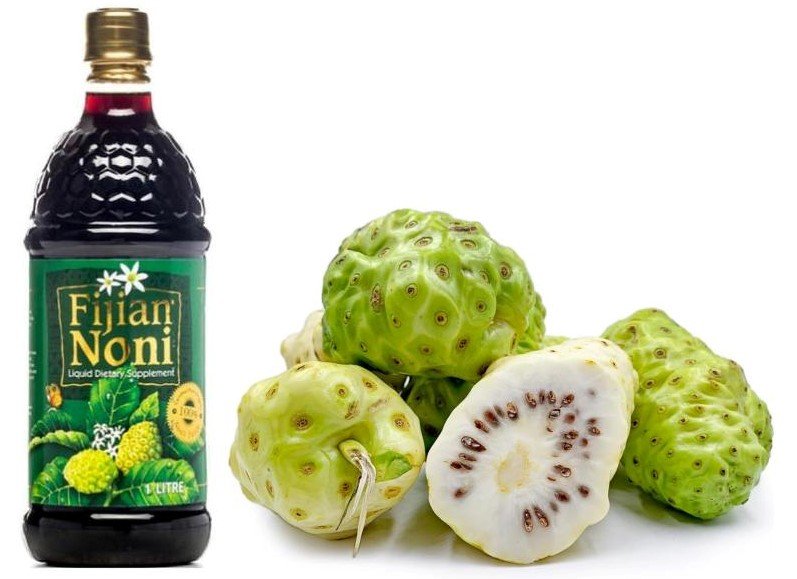
Want a healthy natural drink? Try Noni Juice
Noni juice (“NO-nee”) is a healthy natural drink that is packed of goodness. Polynesian societies have used Noni juice for over two thousand years because of its natural vitamins and antioxidants.
The noni fruit grows in most Polynesian countries. It’s one of the world’s healthiest and most organic drinks because most of the juice is 100% Noni – sometimes mixed with grape or blueberry supplements for taste.
The noni fruit is hand picked straight from the trees in the Fiji forests. They’re then washed and stored for months in air-tight containers before being bottled.
Noni juice is 100% natural and NOT reconstituted. As good as a natural healthy drink gets.
So, what are the benefits?
How much time do you have? In a word – plenty.
Fijians love noni juice as a treatment for a wide range of ailments. These include muscle ache, arthritis, constipation, infections and lethargy.
This incredibly healthy natural drink is also used as a preventative measure. If you drink noni juice regularly you can build up a strong immune system to fight off diseases and infection risks.
It’s also been shown to help reduce cholesterol and act as a highly effective liver cleanser.
Noni juice has a huge list of essential vitamins and minerals that come straight from the goodness of the earth.
For example, one serving of noni juice contains a whopping one third of our daily Vitamin C requirements.
That’s a great start but there’s plenty more. Noni also has lots of biotin – we need it to process amino acids which give us protein.
Noni is calcium-rich, which strengthens and protects our bones. There’s also loads of magnesium and potassium in noni which we need to fuel our muscles and help our cells to function.
And as if that wasn’t enough, noni juice is packed with antioxidants. These are precious compounds in our bodies that help fight off diseases and protect our immune systems.
The simplest and easier way to enjoy the benefits of noni juice is to drink around 500ml per day. Preferably about 30 minutes before eating and chilled or with ice for the best taste.
Fijian people are renowned for having a close affinity with Mother Nature and their two thousand year use of noni is a classic example of letting natural processes and products look after you.
Sounds good? It is.
-
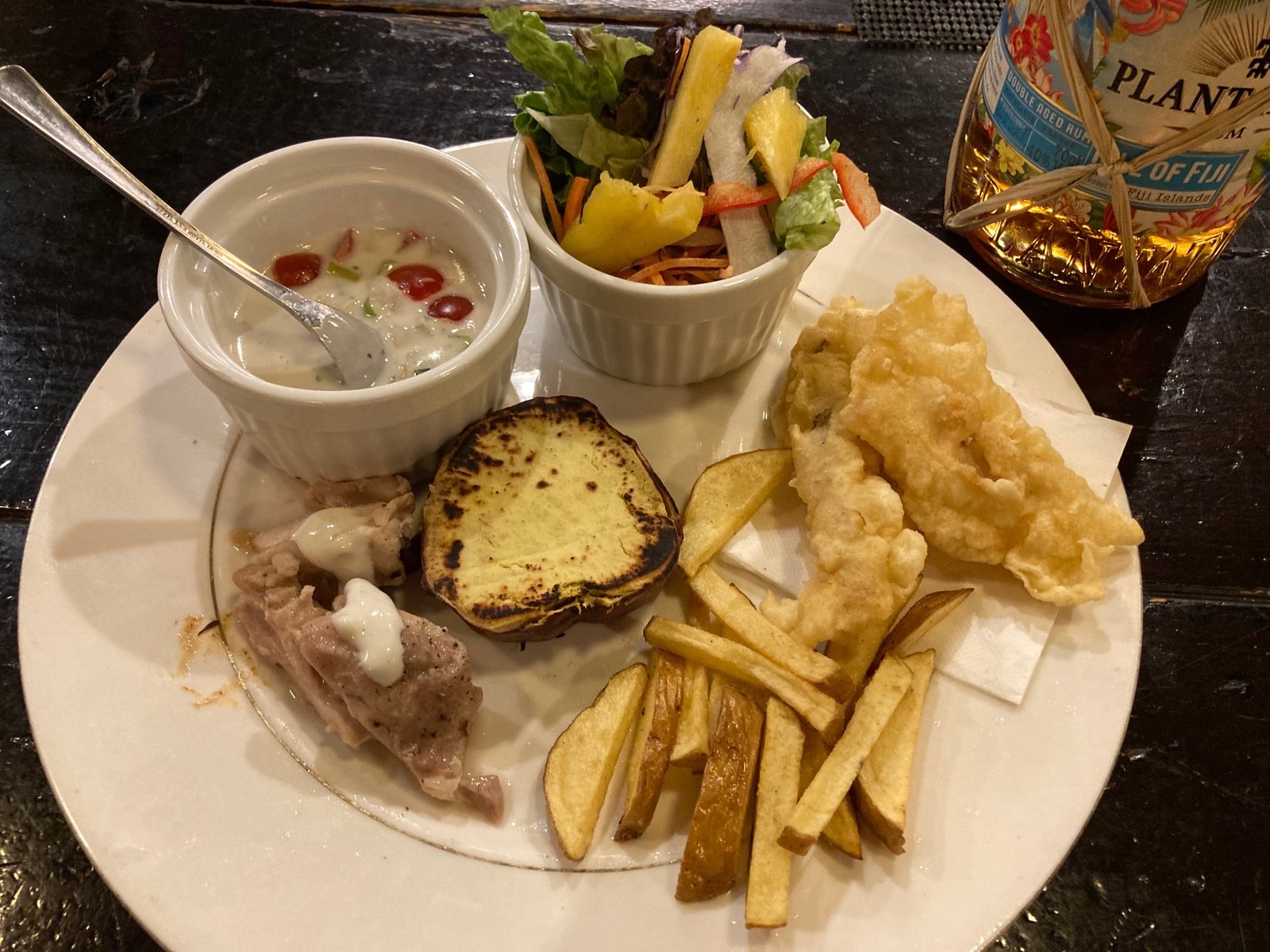
Traditional Fijian foods – The Fiji Plate!
Greetings to the wonderful world of traditional Fijian foods where every dish is an invitation into the country’s diversified culture and beautiful heritage. Fiji is not only about the rich tropical scenery and the lovely hospitality of its people. It fulfills its cultural function too as it reflects the soul of the thriving island nation.
Exploring Fijian Culinary Delights
Picture yourself on Fijian fine beaches with a panoramic view of the sea and the local scent of coconut, spices, and fresh seafood. In the Vedas of Traditional Fijian cuisine, the formula of their rich traditional Fijian foods is evident from their savouring unique combinations of flavors that have been passed down from generation to generation.
Healthy and Delicious
There are many natural ingredients from the sea as well as land in Fijian meals which include fish, vegetables, coconut, and fruits from the tropical trees. Thus, Fijian food is not just tasty but also very healthy. It’s not a typical food that only nourishes the body but a food that is healing to the soul.
Family and Community Dining
Being united is paramount for the Fiji people and getting together over good food is one of the activities that strengthens that unity. Spending a mealtime in the beautiful environment of Fiji, while surrounded by family and friends is their habit and it brings them together as a group. It’s their peak time for being around the dining table with loved ones to revel in giggling, narratives, and mouthwatering food.
When you devour local Fijian foods, you are not just having some of the ingredients mixed rather you are relishing the story of history, culture, and passion. All the different dishes are full of a specific symphony of spices, herbs and local flavours that make even one meal an exciting trip.

The Authentic Flavors of Traditional Fijian Foods
The Fiji Plate
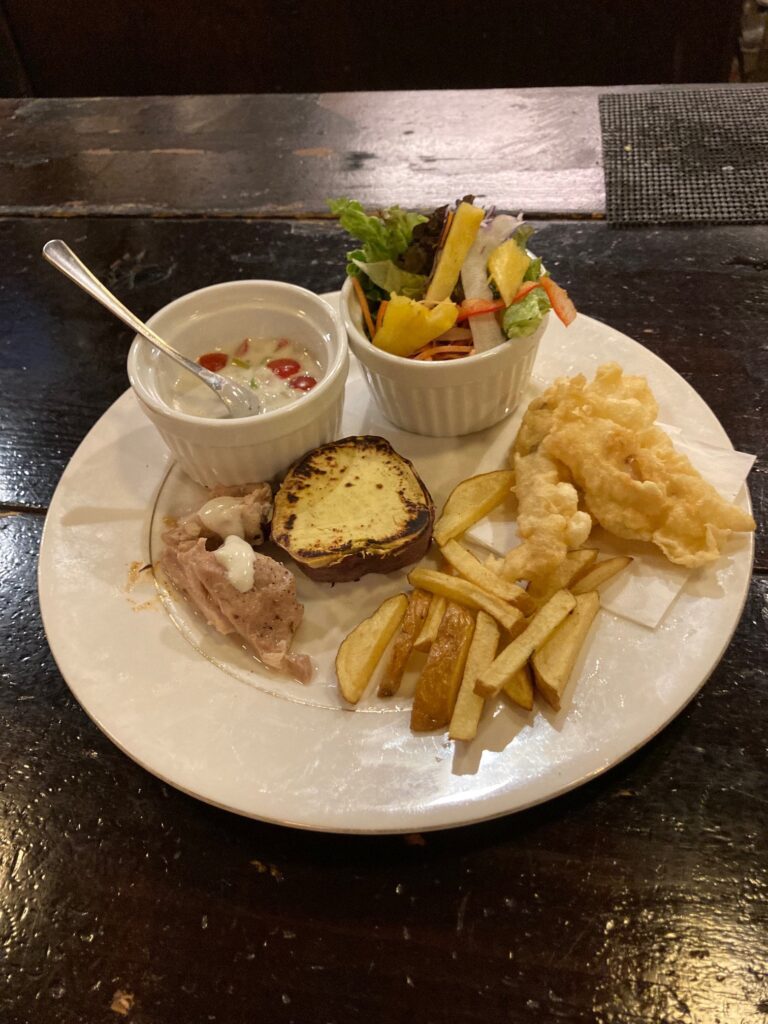
The most authentic way to taste Fiji cuisine could only be accomplished with their traditional Plate – vegetables, fish & chips, creamy soup, and lovely chicken dishes sum up this mouth-watering selection. All of them harmonize on the same platter! Every item on the Fiji Plate is a narrative describing the local recipes, the traditional approaches to cooking and the affinity we all have for healthy food.
The Fiji Plate is not a just meal but a culinary odyssey that is going to take you to the very core of Fiji. It is rather the highlight of traditional Fijian foods and the presentation of these local dishes with their enticing aroma; only local ingredients, procured fresh and healthy are used.
Picture a platter that is adorned with shades of different foods, all of them filled with taste and health. That’s the very theme of the Fiji Plate, which only plays the tune of taste that signifies the diversity and richness of Fijian gastronomic heritage.
Fresh and Wholesome Ingredients
The basic ingredients that the Plate is built on include indigenous fruits, vegetables and seafood. From sumptuous fishes to crisp vegetables and aromatic herbs, everything is selected so expertly to offer you a genuine touch of Fijian culinary culture.
The Star of the Plate – Local Fijian Fish and Chips
What is more fascinating about the Fijian Plate is Fijian fish and chips, It is so mouthwatering. Crispy outside, soft within, and served with sides of cassava chips, this dish will make the natives and visitors crave for having it repeatedly.
Coconut Risotto
The coconut risotto is the other beloved portion of the Fiji Plates. The local Fijian rice, flavoured with either herbs, spices, or a coconut milk sauce, serves as an example of coconut’s adaptability in Fijian cooking recipes.
Chicken Delight – Crispy and Yummy
There is no Fijian meal that does not have chicken, and among the many choices is the flavorful Fiji Plate, they provide two irresistible preparations – steamed and fried. Adding to the meal, Fijian sauce infused with coconut and a tiny amount of citrus, makes the grilled chicken dishes a great treat for your tongue.
Vegetarian-Friendly Options
However, for those who believe that being a vegetarian is quite tasty, the Fiji Plate is full of both vegetarian food and side dishes. Ranging from a variety of salads and vegetables, the most delectable sweet potato you could find is sure to be a treat for any food enthusiast.
Cassava – Natural Tastebud Charmer from Fiji
Cassava is a nutritious and versatile root crop whose preparation methods vary from family to family so it defines how it is the most loved food by Fijians. The chips for the fish are made from different Cassava varieties, which adds a unique flavour to the Fijian cuisine.
Cassava is indeed one of the most demanded products when prepared as crispy cassava chips which taste heavenly and can be enjoyed with almost anything. Moreover, these chips are not only tasty but also a healthier option that puts off traditional potato chips, which are the favourite snack for most Fijians. In Fijian cuisine, Cassava is sometimes cooked into a mashed into a paste or left chunky before it is fried.
There will be no bite without the heritage, culture, and hospitality of this nation. It’s much more than just a meal – it’s an eating experience that invites you to immerse into the culture and all the tasteful secrets of traditional Fijian foods through every mouthful.
Traditional Fijian Foods at Nameless Restaurants – Unique Dining Experience
The warm hospitality and cosy settings of the nameless restaurants offer people the opportunity to experience the journey of flavours and culture throughout all the meals.
The Menu
An exhaustive menu with a representation of Isle of Fiji delicacies including fruits and a mixture of different vegetables with spices to explain their diversity. You can find salty seafood meals fried fish and exotic ones in the pot.
Signature Dishes
Satisfy your craving for specialities that embody the soul of Fijian cuisine. Their dishes are a celebration of freshness, ranging from fish and chips that resonate with tradition to coconut-infused meals and the most critical vegetarian options. Each bite has a story behind it.
Fresh Ingredients
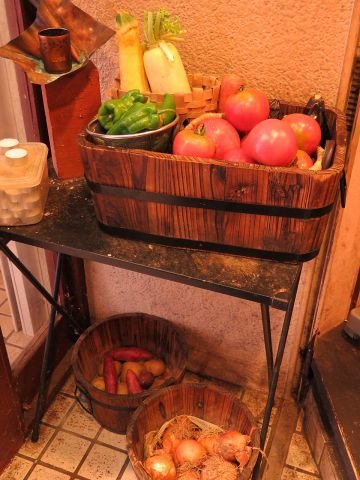
Nameless Restaurants believe in quality food and they think that health begins with the freshness of the ingredients and the food, so they take pride in sourcing ingredients from local producers and making sure each dish has the flavour and all the needed nutrients.
Expertly Crafted Meals
Among the skilled chefs at Nameless Restaurants, who are ever so passionate about their craft, they interweave enthusiasm and inventiveness in spurring indigenous Fijian dishes. Lunch or dinner is an outright culinary art at the same time it is a gastronomic delight.
Warm Hospitality
Live true-to-life Fijian hospitality where friendly staff graciously greet and entertain you with their kind hearts. The people-centred service adds a leisurely dimension to one’s eating out experience.
Cultural Immersion
Having meals at Nameless Restaurants doesn’t only have to do with the food but it is also a tour of Fiji’s appealing precious cultural background. Get to know their customs, narrations, and tastes that make Fijian food culture.
Special Events and Occasions
Nameless restaurants are ideal for personal events and occasions, with guests being able to revel in the scents and flavours of traditional Fijian foods amidst birthdays or any other special event day.
Visitors express a great deal of gratitude to their management, revealing their impressions of unexpectedly higher food quality, the warm atmosphere, and the personalized service.
A Flavorful Conclusion
Indulge in the renowned heritage Fijian foods with their magical flavours and discover a tasty adventure. It could be the appetizing blend of coconut in the cuisine or the use of native ingredients to give food an irresistible taste, traditional Fijian cuisine provides an irresistible experience to all food lovers.
Taste the real Fiji, by partaking with its rich heritage and cultural diversity, through native cuisines.