Author: FijiDream Admin
-

Discover the Unique Styles of Fashion in Fiji
Fashion in Fiji is dynamic and features both the traditional and the contemporary. This Pacific country with beautiful views is famous for its gentle people and diverse fashion industry tied to its cultural background. Be it the original garb that uses native fabric or the modern-day outfits that incorporate international fashion with Fijian fusion, Fijian fashion is in a league of its own. The fashion scene in Fiji encompasses more than mere wardrobe; it is an outpour of Fiji’s history, culture and inventiveness. Currently, Fijian designers are gaining popularity locally and internationally, making people note their creativity in designs and use of sustainable materials. -
Top reasons to visit and stay at Mana Island Fiji
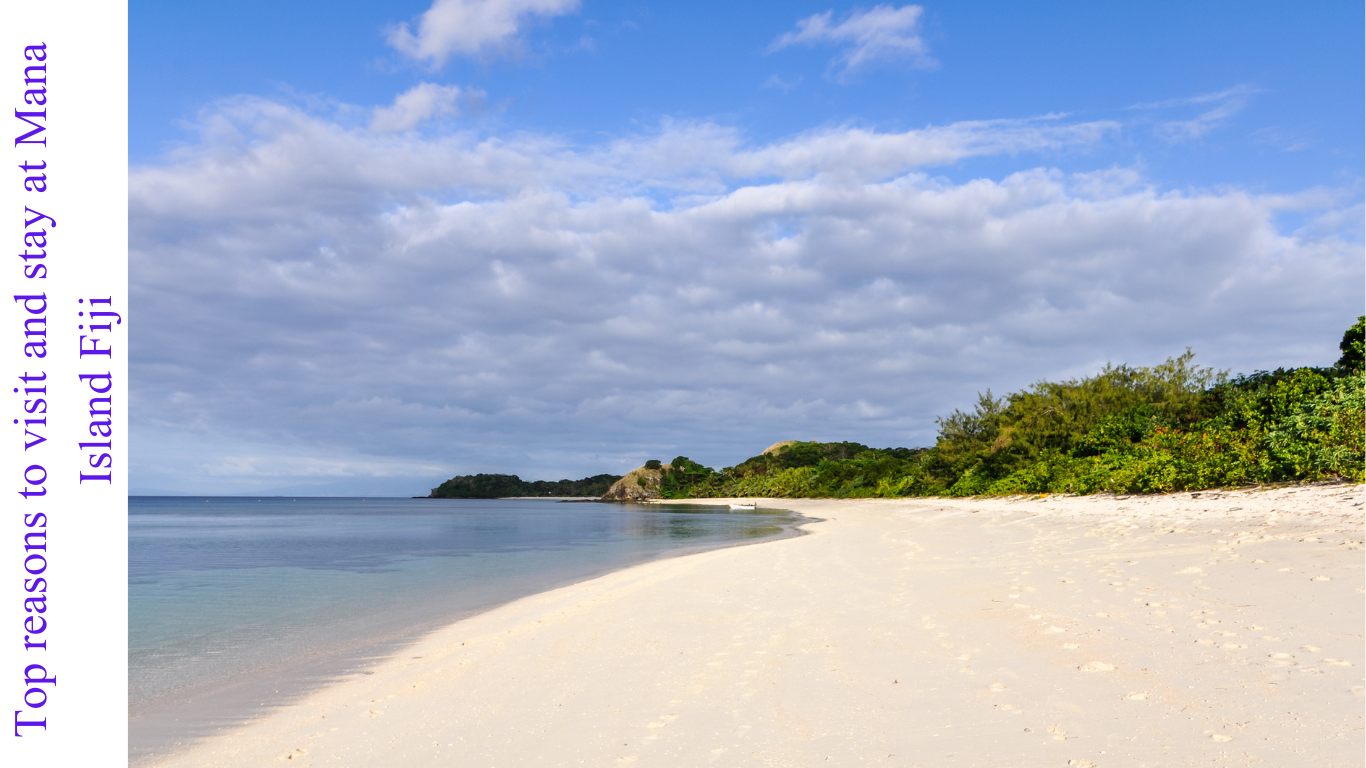
Mana Island Fiji is a tropical paradise, it has always drawn tourists worldwide due to the beauty of nature and friendly people who are always willing to help you.Discovering Mana Island Resort
On the strand of this beautiful paradise, you will find this legendary resort. This luxurious resort has all that one would need in a beautiful tropical paradise. It boasts exquisite architecture, extremely comfortable rooms, absolute basic services, and genuinely friendly staff who will do their best to please you: this is not just a hotel; it is a vacation by itself. If you are interested in lazily sunbathing on beautiful sandy shores snorkeling beautiful coral reefs or simply engulfing in exotic cuisine, the resort offers all these and much more.Mana Island Fiji – A Tropical Paradise
It is a type of location that will reincarnate strong sentiments of bliss. It is located on the Mamanuca Islands – a pearl in the South Pacific. The island features fine, soft white sand, a clear blue sea, and greenery mostly attributed to palm trees. Hence, it is an ideal place for anyone who wishes to leave the stress of daily life and be in paradise.Sun, Sea, Sand, and Crystal Clear Water
The observer would immediately specify that Mana Island has outstanding coastlines. This beach is Eco-friendly with fine powdery white sand that you can walk on barefoot; the water is crystal clear and warm which is great for swimming. Whether you’re sun tanning, fly fishing on the sand or playing volleyball, the beaches here are soothing unique hideouts from reality.Vibrant Marine Life
For those who like to take a bath in the sea, and listen to the ocean waves, Mana Island is a true paradise. As for the tropical fishes, those are found in the coral reefs surrounding the island. They have the activity of snorkelling and diving where tourists get an opportunity to see colourful fish, turtles, and even other water creatures. Apart from the beaches and the ocean, Mana Island hosts many other fun activities. One can go on a nature trail either through the rocky and hilly forests of the island, engage in other assorted activities such as kayaking or paddle boarding, or just take a stroll and be one with nature. Indeed one can find something to do and or experience in this tropical people’s heaven of a place.Resort Experience
It could be said that by opting for the Resort of Mana Island you can improve your stay at this heavenly island. It affords class and comfort and is situated in such a manner that it is a short distance from all the attractions on Mana Island Fiji. Accommodation is top quality and the time beginning from the arrival ensures the customers get the best services and beautiful scenery.The Allure of Mana Island Resort
It is not only a hotel but a destination where one can spend his/her time with joy. Standing on the beautiful Mana Island, this resort boasts of its serene environment as well as luxurious appearance. Think about it, waking up in the morning with a view of the sea and spending the day in bliss is what this resort offers.Luxurious Accommodations
It concerns tourists’ level of comfort and, therefore, the team ensures leisure at the Resort is comfortable. Accommodation facilities available at the resort include; beachfront villas, junior suites, garden bungalows, and many more. Every room is splendid and has comfortable facilities without intrusion to have an elegant look.Top-Notch Dining
The Resort has a knack for satisfying food lovers’ appetites. This resort has several restaurant and bar facilities where you can order dishes and drinks with creams and other ingredients sourced locally. Romantic dinner on the beach and lunch by the pool, those who get hungry will have no problem finding something to eat.Relaxation and Recreation
Mana Island Resort is not only about leisure, but it is also about having a good time. You will be able to spend your time sun tanning around the pool, having a massage, scuba diving or Canoeing, etc, making your stay in Mana Island Fiji a memorable one.Cultural Experiences
For the cultural experience, there is also much to do within the Resort. The hospitality packages are; that you could engage in traditional Fijian weddings, get to know the Fijian culture, and even watch a cultural dance.Exceptional Service
The staff is hospitable and focused and works round the clock to ensure clients’ needs are met throughout their stay. According to the country’s tradition, you will be welcomed sincerely and on a professional level from the time you enter the place until the time you exit.Practical Tips for Visitors
Best Time to Visit
One can attest to the fact that the best time to visit Mana Island Fiji is from May down to October of each year because this is the dry season. These are the best times as the temperatures are relatively high, and the weather condition most of the time is sunny making it ideal for water games as well as going around the island. It is advisable to travel during the wet season because it is not crowded like the dry season but it is cheaper in the low season from November to April.What to Pack
At Mana Island, you should pack light clothing preferably cotton as the weather is warm throughout the year. Don’t forget essentials like:- Swimwear
- Sun Protection
- Comfortable Footwear
- Bug Spray
- Light Jacket
Staying Connected
Mana Island Fiji is now a part of Fiji and is still a tropical island, so one may still need wireless internet. There is an internet connection for use in specific zones within the premises of Mana Island Resort where one may need to call a family or post vacation images. Still, signal strength may differ from one region to another within the island.Health and Safety
When planning for your trip to Fiji, it is advisable to consult your doctor and find out if there are any safety vaccines to take. It will also be wise to have travel insurance that gives your health and safety coverage. The resort has a first aid service, but it’s always recommended to take along your necessary prescriptions.Respect Local Customs
Fijian culture can be described as colourful and hospitable. Ensure that you respect the culture and ethical values of the people in the given nation. When travelling to villages, it is recommended to dress appropriately, and always seek permission from the subjects before snapping photos. Whether someone is interested in the quiet and abstract pleasures, or the person who looks for an active holiday, this island has that certain something. Mana Island Resort has all aspects of comfort and luxury, and all this amid natural surroundings. Whether this is snorkelling and discovering colourful reefs or discovering the native Fijian life, your vacation will not be soon forgotten. Well, grab your things and prepare yourself to feel the miraculous side of Mana Island Fiji at once! -
Exploring the 3 Major Rivers in Fiji – Sigatoka, Ba, and Rewa
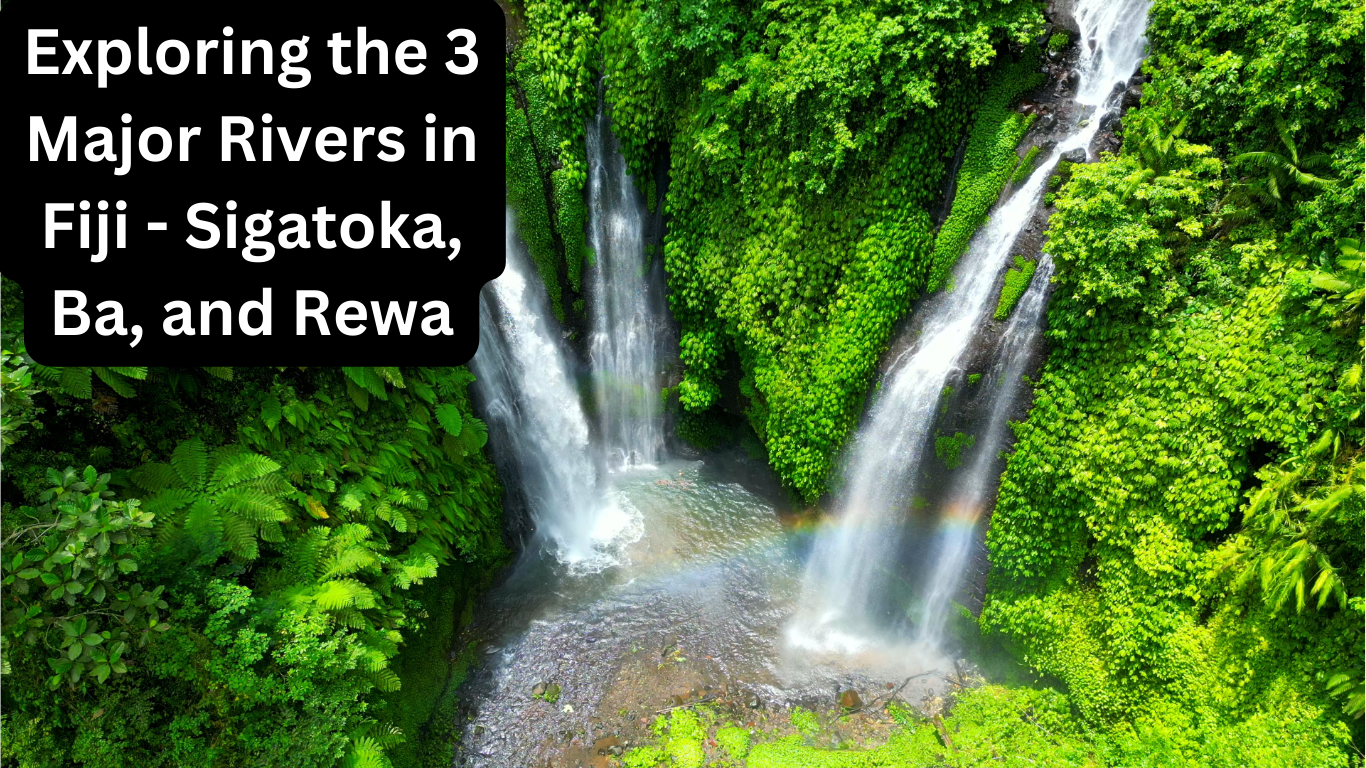
Everyone knows Fiji for the beach and the beautiful coral reef, but Fiji is home to rainforests, hills and rivers too. Sigatoka River, Ba River and Rewa River are the 3 major rivers in Fiji and all these rivers drain their waters through dramatically different terrains.Why These Rivers Matter
These 3 main rivers in Fiji play an important role in the environment and also the culture of the Fijians. They support agriculture by availing water, contributing to the conservation of various species of life forms, and can be used for lots of recreational purposes.Sigatoka River – Where Nature and History Converge
Among the 3 major rivers in Fiji, the Sigatoka River has the display of both nature’s beauty and cultural history.Scenic Landscapes
The Sigatoka River runs through most of the beautiful part of the largest Fijian island known as Viti Levu. What borders the path is constantly changing, but closer to the river there are tropical forests, hills, and pure water. Pristine forests, valleys, mountains and different vegetables make it an extraordinarily wonderful place for those who love nature.Rich Ecosystems
It also provides living space for several ecosystems. Birds and fish find favour with the mangrove forests bordering the rivers. The water here is clear and free from pollution, thus the river is a natural habitat for many freshwater fish and other water creatures; it is a living and healthy river.Cultural Significance
A huge succession of the Melanesian Fijian villages is typically found along the trails of the Sigatoka River. These have been long, established villages and to this present day, most of the indigenous people reside in them.The Kava Ceremony
The Kava ceremony is one of Fiji’s most widely practised cultural practices and it is also practised among the 3 major rivers in Fiji. This cultural practice involves the serving and the taking of kava; which is made from the root of the yaqona plant. The Kava ceremony is the traditional means of differentiating between friends and foes and is mostly conducted to entertain guests.Outdoor Activities on the Sigatoka River
River Cruises
These tours give people an effective way to take a look at the river and its surrounding environment. Professional tour guides are always informative and enlightening about the river’s history, people and animals living along the riverbank. While on the cruise you will witness beautiful and scenic features ranging from rainforests to hills, and villages.Kayaking and Canoeing
For lovers of more entertaining, it is possible to rent a kayak or a Canadian canoe and ride down the Sigatoka River. The actual rowing helps one be closer to the River’s fauna: it is entertaining and allows using the energy to be in harmony with the river.Hiking and Nature Trails
There are beautiful hiking and nature trails which run through the regions that surround the Sigatoka River. These trails provide one with a chance to traverse the various biomes evident along the river. There are options like exploring the tropical rainforests, getting through the savannah and grasslands or simply enjoying the views. Going for a guided nature trail is quite ideal when one wants to know more about the plants and animals that are within the region.Birdwatching
There are bright kingfishers, stately herons and various other local birds that can be observed. Many people consider birds as one of the most beautiful creatures, and the River with its great variety of areas of habitat is undoubtedly suitable for this subject to be viewed in its natural environment. It is recommended for bird watching before or after sunrise and before or after sunset since most bird species are most likely to be active at these times.The Ba River
Ba River is one of the 3 major rivers in Fiji that drain out into the largest island of Fiji, Viti Levu. Ba River is formed in the Viti Levu Highlands and flows to the western part where it drains into the Pacific Ocean. The river flows through large tracts of rainforests, farms and some petty villages along the distance.Scenic Beauty
The Ba River is also backed by highland terrific scenery. The ground mostly consists of shrubs, trees and large bushes which offer shelter to many of the species that are found in and around the river. The land features are characterized by hills, valleys, and water bodies such as lakes.Cultural Significance
Most of the original native Fijian communities can still be found dwelling near the Ba River. These communities depend on the river for everything ranging from fishing, farming among others and even taking a bath.Village Traditions
The local people of the villages that can be found on the banks of one of the 3 major rivers in Fiji – the Ba River still organize special occasions and fairs that are based on culture. Such events are also platforms that allow the visitor to get a glimpse of Fijian cultural performances such as music, dances, and even tales.Local Legends
Lots of stories as well as folklore are linked with the Ba River. These are local stories which are told in the villages several times by the elders and the storytellers within the different generations.Traditional Crafts
Handicraft Craftsmen are known to carry out their trades in the Ba River area. Some of the things that tourists can both observe and purchase are; baskets and mats, clay pottery, and carved wooden works.Outdoor Activities on the Ba River
Sunset Cruises
Overnight trips particularly the sunset cruises on the Ba River are out of this world.Natural Swimming Spots
There are some parts along the Ba River where you actually can swim and have fun with the water.Riverside Picnics
Go for a picnic, and spend the afternoon at the riverside taking a nap. Having a picnic over the sides of a river is a wonderful way of relaxing over the natural scenery that encompasses the Ba River. Spend some time in the evening having dinner with a background of the flowing river.Rewa River
Rewa River is classified among the 3 major rivers in Fiji with beautiful and cultural significance. Being one of the largest rivers in the Fiji Islands, the Rewa River can be described as rather picturesque.Cultural Significance
Source of Life
The Rewa River the river is not just a water channel; it is life. Drinking water, water for cooking, and irrigation water are taken from the river. These areas rely on the water input from the river for various needs, hence it is attributed to the villages’ sustenance.Cultural Ceremonies
The Rewa River also plays a vital role in the ceremonies that are held depending on the river’s flow. A lot of the Fijian customs are related to the river and this is why there are unique rituals that signify its importance. The ceremonies in these areas are mostly characterized by presentations and supplications to the river as well as activities that show respect for its presence in their lives.Handicrafts and Art
The people from the 3 major rivers in Fiji which includes the Rewa River valley are excellent artisans. Some of the local crafts you can shop for are; woven baskets and mats and wood carvings. These crafts are usually made out of materials collected from the shore of the river and thus may be unique to the river.Outdoor Activities on the Rewa River
Wildlife Spotting
Wildlife sighting is also very easily accomplished when it comes to river cruises. Take your binoculars and camera for bird watching and to capture the other wildlife like fish in Rewa River.Kayaking Adventures
One of the interesting and physically engaging ways of getting around on the Rewa River is kayaking. It is a good opportunity to be near nature and have a small workout at the same time.Explore the Riverbanks
Strolling around the beautiful Rewa River and its environs is enjoyable and presents an opportunity to trek. Walking trails along the river terminate take one through the rainforest and other scenic areas. I think it is perfect when it comes to the aspect of enjoying the outdoors besides being a form of exercise.Experience Local Culture
Freshwater tours at Rewa River provide an opportunity to see the true face of the local population. Go to native villages and get acquainted with the life and cultures of the inhabitants of the river. These tours are such a great way to give a cultural tourist a preview of what the river represents. Looking at the 3 major rivers in Fiji which include Sigatoka, Ba, and Rewa is like exploring Fiji’s veins. Whether you are interested in the historical background of Sigatoka River, interested in cultural aspects such as in Ba River, or if you are fascinated by the beauty and calmness of Rewa River, these rivers are worth visiting. -

Top 5 Best Hikes in Fiji – Explore Paradise on Foot
A country beyond the beaches famous for its best hikes and sandy beaches – Fiji. If you fancy going for hikes, well you can find the best hikes in Fiji which is a perfect way to discover nature they are considered to be some of the most beautiful hikes in the world.Why Hiking in Fiji?
The islands have characterized terrains with mountainous areas, forest areas, and areas with lively shorelines. Fiji offers a range of trails for trekkers ranging from professional to newbies. The plants around are rich, there is wildlife to see and the view is always different in every trip.Unique Natural Beauty
The island comprises tropical rainforests, wildlife, beautiful waterfalls and other natural resources. Each hike carries you deeper into the core of Fiji where you are introduced to the real flavour of the island.Connecting with Fijian Culture
Fiji proudly presents several fine treks, many of which also provide an opportunity to understand the native way of life. You can meet native Fijians on some trails telling and showing the real Fijian life or locals sharing some stories and their culture on the trails. This adds an extra cultural dimension to your hiking thus making it even more enticing.1# Hike – The Stunning Sigatoka Sand Dunes
The Sigatoka Sand Dunes are possibly one of the most fascinating hiking spots in Fiji. These dunes are situated on the South Western coastline of Fiji’s main island, Viti Levu; This hike is an adventure and beautiful stunning trip that makes this hike among the best hikes in Fiji.A Different and Beautiful Setting
The fact that makes Sigatoka Sand Dunes unique relates to the specific nature of their ground. These do not resemble the conventional tropical forests and mountain trails but rather are sandy tracts empowering a desert feature. As you move across the trail, it is noticeable how the environment alters with the light and the breeze with every single step.The Hiking Trail
This hike is not extremely strenuous and can be done by almost anyone; however, the sand makes the going a tad difficult occasionally. The path is signed and there are information signs all along pointing out features of the locality and its history. When walking, one gets to see wonderful sceneries of the surrounding environment. When the sky is calm with no clouds, one can be able to sight the shades of blue presented by the Sigatoka River as well as the marginal vegetation on the other side of the dunes. There are many interesting animals one can observe on the beach, for example, birds and lizards are frequently running across the sand. That is why this hike is rightfully considered one of the best hikes in Fiji.2# Hike – The Majestic Bouma National Heritage Park
The Bouma National Heritage Park is one of Fiji’s treasures and this park is located on the island of Taveuni. This place is a paradise with lots of tropical rainforests, waterfalls and a combination of many types of animals. It is an outstanding place for anyone who wants to visit one of the best hikes in Fiji.A Walk Through Paradise
The Bouma National Heritage Park has various opportunities for hiking and every one of them makes a stunning view to be seen there. Take the Lavena Coastal Walk Trail which is among the most used paths in the area. Sights from this trail include cliff edge, and stretching along the coastal line with thick forest and exciting waterfalls.Highlights of the Hike
- Waterfalls: Among the things that have attracted people to the Lavena Coastal Walk, waterfalls are one them. There are quite several waterfalls and some of these are Tavoro waterfalls which are lovely for a swim.
- Scenic Views: This kind of treasure is the view that hikers get of the Pacific Ocean and the chance to see dolphins and whales during some periods of the year.
- Flora and Fauna: While walking in the woods it is recommended to take notice of what kind of plants and animals there are. The park is amazing: the number of birds of different kinds and tropical vegetation in the given region is stunning.
Why it is said to be one of The Best Hikes in Fiji
The Bouma National Heritage Park stands out as the best hike in Fiji owing to the beautiful scenery, the corresponding geography, and the Fijian culture. Stilled by the waterfalls, the ocean view or the opportunity to interact with the traditional Fijian lifestyle.3# Hike – The Scenic Koroyanitu National Park
The Koroyanitu National Park situated in Fiji’s Western Division is a great treasure trove for hiking lovers. Being a park featuring most of the ecosystems in Fiji, this is among the best parks to go for hiking. Koroyanitu is one of the best hikes in Fiji where you have the natural scenery and some great adventurous area blending. Some of the interesting activities that one gets to enjoy when taking the Koroyanitu trail include;- Rainforest Adventure: Visitors of the Koroyanitu Trail would be surprised that as they hike, they are going through a tunnel-like forest shaded by very old trees making it seem like they are in the tropics. The rainforest is filled with many new plant types and various kinds of avian fauna.
- Waterfalls: It passes through several waterfalls which are very appealing to the eyes. These provide an excellent vantage point for a halt and a break as well as affording one a chance to take a shower. The water that tumbles down the rocks produces a serene atmosphere for your hike.
- Panoramic Views: At the top, there’s a vantage point where one can get to view the rest of the countryside of Fiji. On clear days, you can see the distant oceans hence making it worthwhile.
Why it is considered one of the Best Hikes in Fiji
Koroyanitu National Park is probably one of the best hiking places in Fiji because there is a perfect combination of nature views and cultural attractions. The versatility of the region and favourable climate in the form of abundant equatorial rainforests and waterfalls accompanied with the opportunity to discover indigenous cultures make it a memorable hiking territory.4# Hike – The Adventurous Nausori Highlands
It is one of the most challenging and yet most rewarding treks among the best hikes in Fiji available in the Nausori Highlands. This hike is in the central part of Viti Levu Island; hence, it is ideal for those who are up for the challenge besides beautiful scenery.The Nausori Highlands Trail
The Nausori Highlands Trail is characterized by stunning views and rugged pathways. The trail that you follow is typically for many hours, it meanders through some of the most untouched forests and goes up steep inclines and across some rough rocky knolls. Some of the attractions that take place on Nausori Highlands Trail are:- Spectacular Views: The trail provides one of the best central Fijian mountain ranges’ panoramic views.
- Adventure and Challenge: The tiring part of this trail can be attributed to the fact that it passes through the Nausori Highlands which has steep slopes and rugged terrain.
Why it is considered one of the Best Hikes in Fiji
Most people consider Nausori Highlands to be one of the best delusive sites in Fiji due to tough trekking, beautiful views, and narratives about the area. The conditions to overcome and the variety of the presented paths are rather inspiring for professional climbers and other fans of hiking. If you are a daredevil looking for a trail to follow or simply just a trekker who is in for viewing some of the most magnificent geographical features that Fiji has to offer, then it is requisite to include in your hiking trails the Nausori Highlands.5# Hike – The Unique Nacula Highland Trails
Among all the Fijian hikes, the Nacula Highland Trails are worth to be called charming and picturesque. These trails found in the Yasawa Archipelago, particularly on Nacula Island give a blend of greens and awesome views. The following are the highlights of Nacula Highland Trails: Breathtaking Views: The visitors observe some of the most beautiful sceneries on the island as they trek through the highlands. Getting from the hilly island, the traveller can observe other islands, the sea with seen bottom, and the stony shallow. Rich Biodiversity: The trails are through various terrains such as tropical forests and grasslands or meadows. This variety means the type of plants and animals you are likely to meet along the park are not the same.Why is it among one of the Best Hikes in Fiji?
The Nacula Highland Trails involve specific trail trekking that involves a combination of boot trails and cultural factors. These trails are designed for those who want to get closer to nature as well as for those who prefer more complicated trails for hiking. Everyone will be impressed with the calm beauty of Fiji and its unique culture. The Nacula Highland Trails with different terrains and stunning views should be on the list of the best hiking trails in the Fiji islands. The finest walks in the Pacific are found in Fiji, and each one has its own special charm and adventure. These routes will take you to some of the most picturesque and tranquil locations in this tropical paradise if you prepare properly and time your hike appropriately. -
Planning Your Dream Vacation in Yasawa Islands Fiji
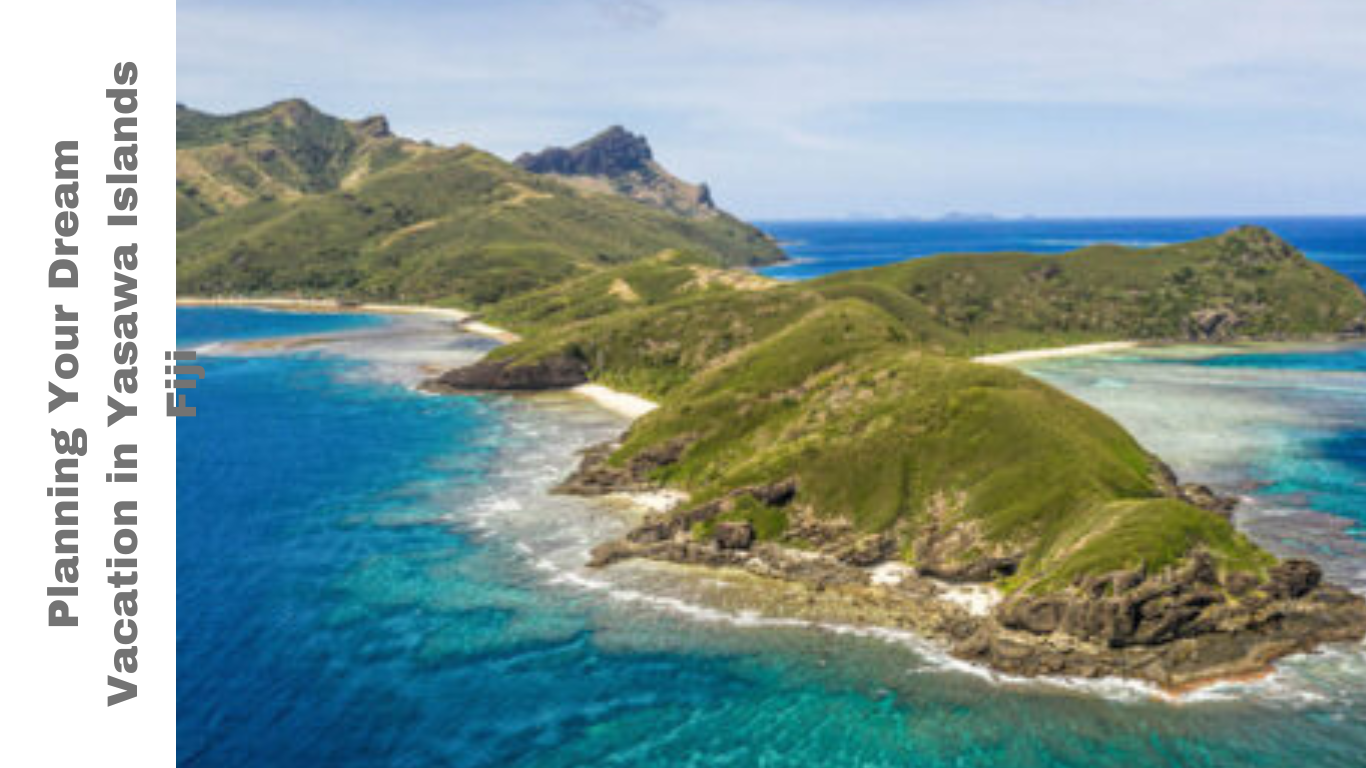
Picture an area where the water is so clear you can see the bottom and shores. A location where beautiful and vibrant greenery of the tropical deciduous forests obscure waterfalls and view towns – this is Yasawa Islands Fiji, perhaps one of the most fascinating adventurous, exciting and relaxing holiday destinations for tourists.Why Yasawa Islands Fiji?
With beautiful coral gardens home to many different marine creatures ranging from colourful tropical fish to immovable objects such as the great shipwrecks to traditional Fiji villages, one is guaranteed not to be disappointed.Perfect for Every Traveler
Depending on what your desired vacation style is; if it is sun-sea-sand, then this is the place for you; if it is an adventure in the wild then Yasawa Islands Fiji has it for you; or if you are interested in exploring the culture of Fijians, this island will not disappoint you. It has numerous and diversified Hotels starting from Hostels of low costs up to costly and comfortable Hotels which are actually beside the beach.Getting There
Transportation to the Yasawa Islands is a journey in itself. These beautiful islands are situated on the western side of Fiji and thus, there are various ways of getting to these islands, therefore, the way there is fun.Flying to Fiji
To get there, they can get to Fiji by air. The major international airport is the Nadi International Airport located on the Viti Levu island. Some of the popular international airlines that connect directly to Nadi are; the United States, Australia, New Zealand, and most parts of Asia.From Nadi to the Yasawa Island
Ferry Services
Traveling to the Yasawa group of Islands can be comfortably achieved through the Yasawa Flyer which is a high-speed catamaran. This ferry operates daily and leaves Port Denarau which is about a 15-minute drive from Nadi. The Yasawa Flyer is like a ferry; it has several stopping points, therefore one is free to go to the preferred island. View of the journey presents the sightseeing of the ocean and the islands around.Seaplanes
For a faster and more beautiful way to travel you can choose seaplane from Nadi directly to Yasawa Islands. Today several firms like Turtle Airways provide you with flights that can enable you to get a closer view of the beautiful islands and the clear blue waters. The flight can take up to approximately 30 minutes, and arrive directly at the island resort.Helicopter
There is nothing quite like travelling in a helicopter; it is because helicopter transfers can either pick up or drop you right at many of the island resorts, especially in the Yasawa Group of Islands. This option is also slightly more expensive but it will provide the guests with a chance to remember the occasion for quite a long time.Private Charters
For travellers who would like to be alone or would like a close place to travel, they should go for private boats for charter. This option gives you the flexibility to move around freely and perhaps take in more of the Yasawa group of Islands than at a set schedule.Accommodation Options
Finding the right accommodation in Yasawa Island Fiji seems easy since there are so many exceptional choices. Be it backpacker hostels or first-class resorts they have got everything for you there.Budget-Friendly Hostels
There are several hostels for travellers on a low cash Budget in the Yasawa group of Islands. They are friendly installations which are excellent for making contact with other people of the same interests.Barefoot Manta Island
Affordable and Fun: This is an environmentally friendly resort that provides dormitory and individual buyers which are Fijian type of house. What it is popular is its relaxed atmosphere and setting which is along the Manta Ray channel.Naqalia Lodge
This is an economical accommodation provided by a Fijian family for tourists coming to visit the place since it has a strategic location and they have attractive rooms with more views. What is more interesting, the place provides an opportunity to witness the life of the natives of Fiji in their daily setting.Mid-Range Resorts
If you are willing to spend slightly more and get a little more luxury, there are lots of middle-ranked hotels in the Yasawa Islands.Octopus Resort
Waya Island’s Octopus Resort has standard and superior rooms with a private bathroom and beachside huts. There is a wonderful restaurant and swimming pool and numerous offerings for the guests.Luxury Resorts
For luxury travellers planning to have their vacation in Fiji, several of the Yasawa Islands Fiji resorts are luxurious with the best services to offer.Yasawa Island Resort and Spa
This is best for couples going on their romantic or special holidays. They have ample accommodation in their private beachfront bures, a spa centre which qualifies as one of the finest and exclusive spas in the world, and exquisite cuisine.Paradise Cove Resort
This resort lies on Naukacuvu Island and has villas and suites on the island. The recreational amenities include several outdoor swimming pools, exquisite restaurants, water sports, etc.Top Attractions
The Yasawa Islands Fiji has numerous things to do and places to visit hence making the trip incredibly unique. There are beautiful beaches, feelings of being culturally immersed, and much more.The Blue Lagoon
Certainly, the Blue Lagoon is one of the most visited places and famous islands belonging to the Yasawa group of Islands. Crystal Clear Waters: It also has some of the best swimming and snorkeling waters as the water in the Blue Lagoon is very clear. Stunning Scenery: As beautiful beaches and the hilly regions embrace it, the Blue Lagoon is a darling place to be.Sawa-i-Lau Caves
There are a few of the natural limestone caves that are wonderful to visit. These caves are spiritually significant to the native populace and there are myths associated with them.Snorkeling and Diving
In the group of Yasawa Islands Fiji, there are some of the best snorkelling and diving sites. Colourful Coral Reefs: The vicinity around the island has many types of corals and fishes, sea turtles, and even reef sharks. Manta Rays: From May to October, one can swim with large manta rays around Drawaqa Island.Hiking and Trekking
For people who like adventurous moments, hiking within the Yasawa Islands is such a boost. Breathtaking Views: Many different paths are possible here; there are special trails that go up to the viewpoints where one can look at the islands and the sea. Hidden Waterfalls: Go on hikes in the tropical rainforests to find fresh waterfalls. The Yasawa Islands Fiji has beautiful sandy beaches, colourful corals and fish, and the Fijian culture for whoever wants to explore. The Yasawa group of Islands consists of crystal clear waters, a range of activities to do and friendly people hence making it an ideal destination for one to have in escaping the daily rat race. The Yasawa group of Islands are about snorkelling in clear lagoons or hiking in the tropical forest, not to mention delicious food that is worth trying. -
Embracing Nature with Sleeping Giant Zipline Fiji
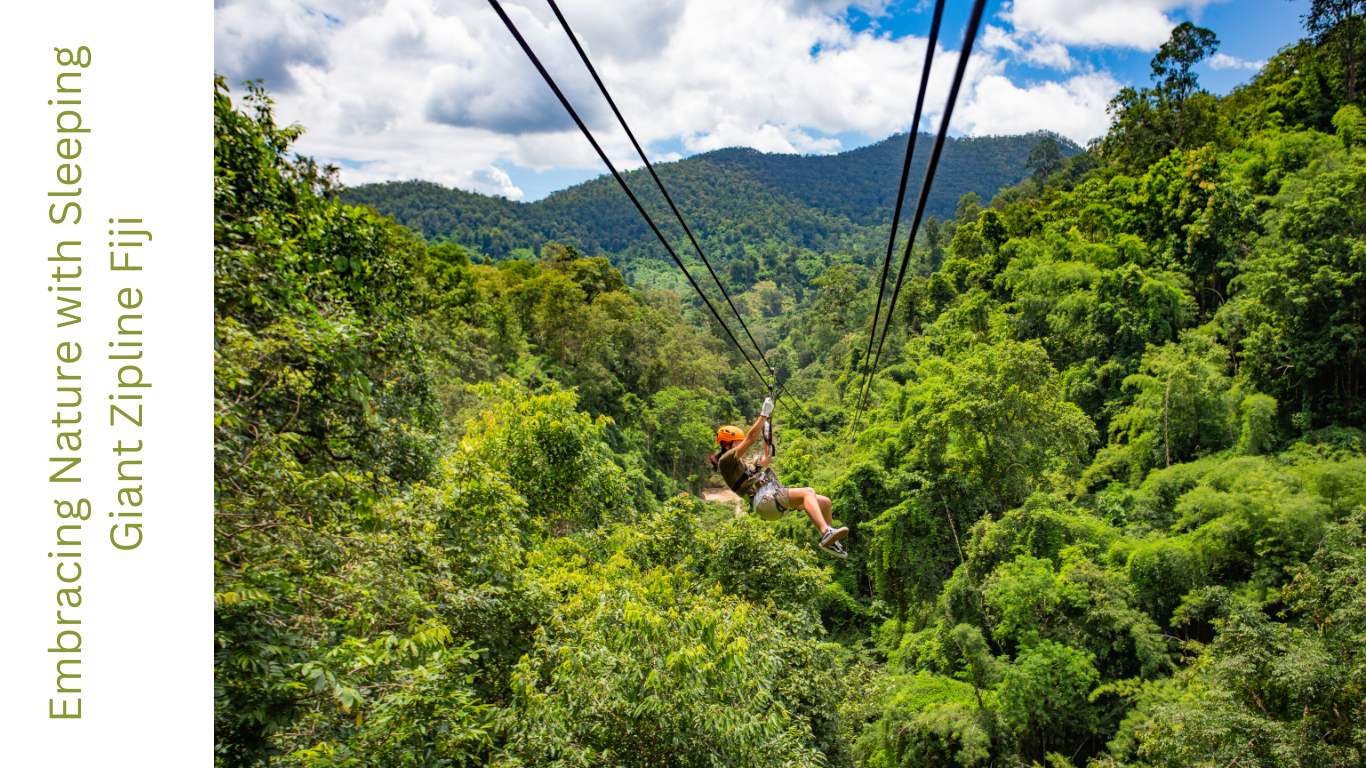
Situated amid the beauty of nature just a few kilometres away from Nadi is the Sleeping Giant Zipline Fiji; a thrilling zipline park that takes you through the entire Fiji forest. It has more to it as it explores the natural world while taking a zipline adventure. It is enjoyable to everyone; whether a frequent flyer or a starter in the ziplining. You will be surprised by the height of the trees, you will see amazing views of the mountains as you feel that you are flying in the sky.History of Sleeping Giant Zipline Fiji
The simplest and most primal idea behind this Giant Zipline Fiji is to encapsulate the adrenaline-fanatic adventure trip of a lifetime.The Sleep Giant and Inspiration
This zipline park was named after the nearby mountain which is famously known as Sleeping Giant Mountain. This mountain with a form of a man lying down has been existing for many years as a landmark for the local people. The managers of the zipline park wanted to provide the tourists with the possibility to observe this mountain and enjoy the zipline attraction at the same time.Building the Zipline
It took lots of work to bring to life the Sleeping Giant Zipline Fiji. It needed proper planning and a lot of effort. Civil engineers and builders coordinated to construct something that would first of all have safety and at the same time, provide thrill and fun and at least not harm the environment.Opening Day
It right away became quite popular when it was established. People especially the locals and visitors could not wait to participate in this new activity. The news spread far and wide, and thus in no time, people from different parts of the globe flocked to Fiji to enjoy the zipline across the trees.Growing Popularity
Over time, this zipline has received a lot of attention among tourists. In particular, it has added more ziplines and other related attractions that include the nature walk garden and tourism. Today, it is one of the most important sites that anyone can visit when in Fiji.Location and Accessibility
It is located at Sabeto Valley and spans the largest island of Fiji which is Fiti Levu.Getting There From Nadi
Nadi is among the significant urban structures in Fiji and is considered to be the largest tourist centre in the country. Staying in Nadi and interested in travelling to Sleeping Giant Zipline Fiji? Then you have good news, it is easy to get there. The park is very close to the compound and one can easily access it within twenty to thirty minutes’ drive. There are car rental services or a taxi can also be hired or one can join a group tour that is provided with transport.From Denarau Island
If you are planning to spend your holiday in Denarau Island then you are also in for luck. The distance between Denarau and the park with the zipline is approximately 45 minutes driving. Most of the resorts located in Denarau, provide shuttle services or else they can organize transportation to the park.Public Transportation
The last mode of transport for the less privileged with limited cash is to use public transport, that is, the buses. They take a little longer but are quite cheap.Accessibility for All
It is suitable for all ages and fitness levels of the traveller. It can be thrilling and can be a day out with the kids, this park is for anyone.What to Expect – The Zipline Experience
Sleeping Giant Zipline Fiji spot has several zipline cables. Each of them presents a different angle and a different degree of thrill. Some are relatively short and hence suitable for amateurs while others are very long and fast, ideal for those people that love the rush. They consider the safety of their clients as the number one value. The staff comprises professional guides who would make certain that all the equipment is in place and you are properly placed for the takeoff. Gears like harnesses and helmets used in zipline are well-checked to ensure they are in good condition to be used. All in all, you can relax and sleep safely knowing you have entrusted your safety with professional minds. Apart from the ziplining, it has other activities such as walking trails. These tracks run through the mass of the rainforest, making one get close to nature and other wildlife.Scenic Views and Natural Beauty
Majestic Peaks
The park gets its name from the popular mountain known as Sleeping Giant. This steep rock rises in a majestic way to form a backdrop for the adventure that you are holding or participating in. It is also said that the mountain has the look of an envelope-sleeping giant which makes it increasingly interesting.Lush Rainforest
There are huge trees, bright and beautiful flowers, and many other plants as well as grass in the rainforest. The sites in zipline tours are unique; each gives a different view, so you have a close-up view of the different flora.Exotic Fauna
Be on the lookout for animals and other fauna of the rainforest. There are different coloured birds, butterflies and other small creatures flying around. The appearance and the noises that these animals make also contribute to the fairy-tale feel.Sparkling Waterfalls
The park’s feature which adds to the fun of the Sleeping Giant Zipline Fiji includes a waterfall that flows through the park.Refreshing Swim
After the zipline, you could enjoy swimming in the cool water beneath the waterfall. It is an effective method for taking a close look at the most natural facets of life. With water so crystal clear, the water is almost tempting to swim in and is a visited area by many people.Adventure for All Ages
It has something for everyone and that includes children.Kid-Friendly Adventures
The zipline park guarantees that all measures of safety are put to avoid the risk of endangering the lives of young people in a bid to enjoy the ride of the zipline. Children learn something about the environment, while they have fun. Each of the guides provides some or other kind of information regarding the rainforest, the animals and the plants. This makes it fun as well as informative for children and thus presents the opportunity to understand and learn from nature.Thrilling for Teens
The adolescents who seek a thrill will find the sleeping giant Zipline Fiji as a perfect place to achieve their purpose. The longer and faster Zipline routes they have are sure to cause an adrenalin rush and make them enjoy each second of it.Suitable for Seniors
They have aimed this activity not only for the young. They can be taken by the old people, though they can still take the milder trails that are available. Some of the equipment offered is manufactured with the comfort of the elderly in mind and thus, safe to use.Packing Essentials for Sleeping Giant Zipline Fiji
When planning on going, it is necessary to do the right packing. ClothingComfortable and Weather-Appropriate
- Lightweight and Breathable Clothing: The weather in Fiji is warm therefore; one should wear light and airy apparel while in the country.
- Quick-Dry Fabrics: Choose moisture-wicking shirts and briefs, so that you can easily deal with the sweat and/or the sudden rain.
- Long Sleeves and Pants: For the zipline experience, it will be wise to have long sleeves and legs covered so that your skin does not come into contact with the harness or any rough surface.
Footwear
- Sturdy Shoes: For the zipline and any hiking wear comfortable shoes, which should have a closed toe and good grip.
- Sandals or Flip-Flops: For leisurely time at the chosen place of staying, it is better to wear a pair of rather comfortable sandals or flip-flops.
Adventure Gear
Therefore, some of the critical items to put on the zipline are as follows;- Gloves: Even though the zipline operators offer helmets and knee pads, it is always more comfortable to carry your gloves.
- Sunglasses and Hat: Sunglasses and a hat are the measures which help you to shade your eyes and head so, don’t forget to wear them.
Personal Items
- Sunscreen: The sun in Fiji can be sharp so it is recommended that you take high SPF lotion for your skin.
- Insect Repellent: Insects are there, especially in the evening, so it is recommended to bring some insect repellent.
- Water Bottle: It is essential to have a refillable water bottle to help one stay hydrated.
Electronics
- Camera or Smartphone: Always remember to carry along your camera or your smartphone for exquisite shots.
- Portable Charger: A portable charger makes sure that your devices are always charged, for use throughout the day.
Health and Safety
- First Aid Kit: Some general essentials include one or two spare changes of clothes, some band-aids, antiseptic wipes and medicines.
- Hand Sanitizer and Masks: For cleanliness, one should carry hand sanitisers and it is also advisable to have a few masks.
Extras
- Backpack: It includes a small backpack in which you can put just the things you need during the day.
- Snacks: Take some fruits or granola bars that will allow you to eat while making the crafts.
-
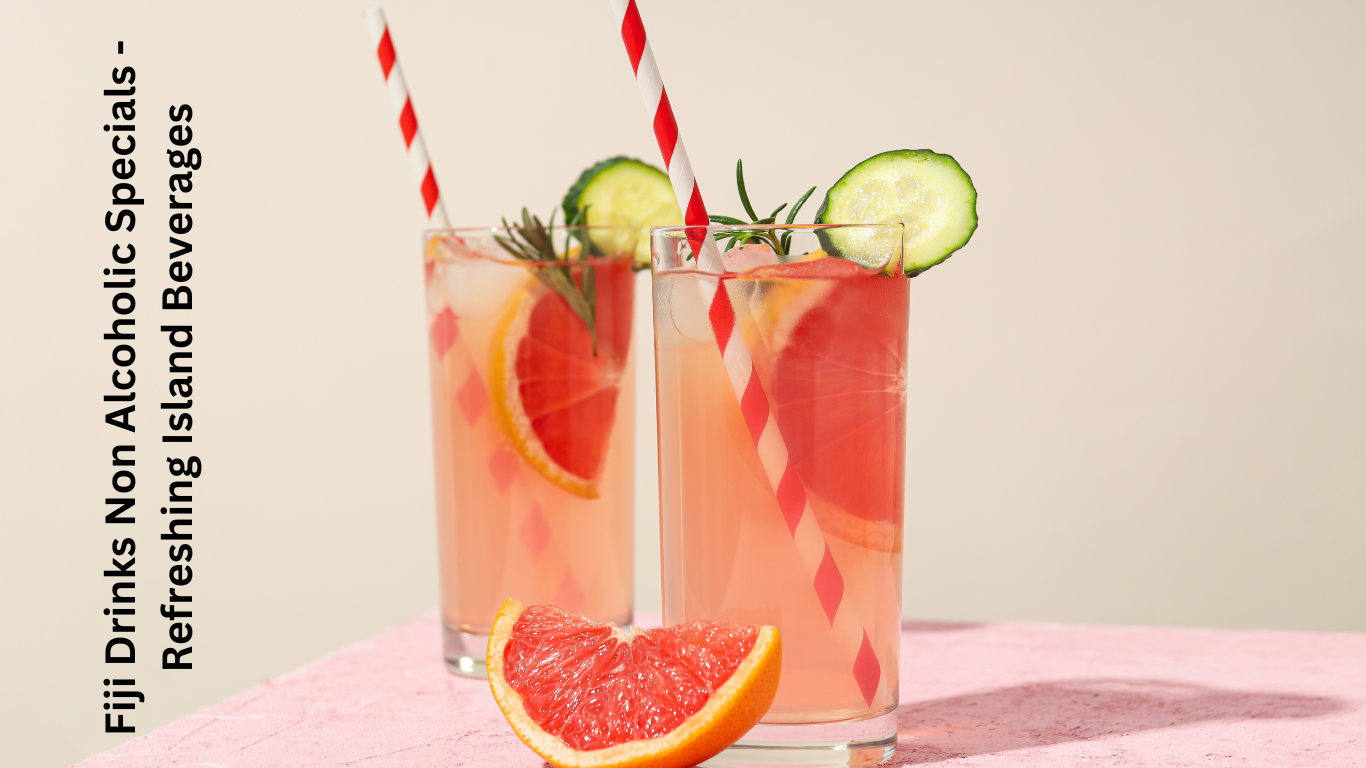
Fiji Drinks Non Alcoholic Specials – Refreshing Island Beverages
Do you know that there are many nice and good tasting Non-alcoholic beverages in Fiji? Let’s dive into the article to discover the fascinating possibility of Fiji drinks non alcoholic. Everybody should enjoy these drinks! Mingling with the Fijian people, you may find that they celebrate through the intake of non-alcoholic beverages. It is consumed by people of all ages and is mostly prepared using fresh goods within the region. These drinks are useful in maintaining body temperatures and ensuring you get enough water in the hot Tropical regions. The Reasons Why You Should Consider Drinking Non Alcoholic Fijian Drinks- Refreshing: Great for a hot summer day for sure.
- Healthy: Prepared as natural syrups that are obtained from fruits and herbs etc.
- Delicious: The flavours are rich with an interesting array of different tastes.
The Essence of Fiji Drinks Non Alcoholic
The most outstanding aspect of Fiji is that most of the non-alcoholic drinks are natural with a rich content of fresh fruits and other natural products. The tropical fruits that grow abundantly in the area include pineapples, coconuts and mangos among others that are freely available in the Fiji islands. These fruits are usually harvested directly from the trees and help in the preparation of tasty foods, especially drinks. These are quite healthy drinks since they are prepared using fresh fruits and this gives them a natural and fresh feeling. Fiji drinks Non Alcoholic are delicious and healthy to take, they will make you enjoy your feast. Be it fruits, alcoholic or non-alcoholic beverages prepared from different tropical fruits in Fiji, they are known to contain important ingredients such as vitamin C which can enhance a person’s immunity level.Cultural Significance
In Fiji, consumption of carbonated and non-alcoholic beverages can be much more than a simple intake of fluids. It seems to be a method to communicate with the culture of the location. Some of these beverages are consumed during key events in communities and among families, including weddings and other festive occasions.Variety of Flavors
Fiji non-alcoholic drinks have a variety of flavours. Below are some fruits that are most commonly used in drinks that are sweet, sour, creamy, or spicy. Pineapple: Tasty tangy fruit that is excellent for juice, a must-have. Coconut: Milky in texture; utilized as an essential component of most drinks. Mango: Sweet and delicious, enhancing any beverage with a hint of the tropics. Lemon: This fruit is both tangy and fresh; it makes for a great combination when one wants to add some zest.Traditional Fijian Non Alcoholic Beverages
The things that Fiji is mostly associated with are the wonderful gorgeous islands and native people and their traditions. An equally significant aspect which we can consider today as the hallmark of their culture is the type of traditional Fiji drinks non alcoholic.Kava
This drink is very special in Fiji, thus it is used mostly in local ceremonies and other social functions. In the preparation of kava, the root is dried and then pulverized to a fine powder. Its powdery form is then mixed with water and the drink is filtered to make it suitable for consumption. It has a really specific, rather earthen flavour.Fresh Coconut Water
Coconut water is one of the most commonly consumed non-alcoholic drinks in Fijian islands. It is derived from within the tender coconut in its natural state of clear liquid form.Lemon Leaf Tea
This is a hot drink of Fiji, it is made from the leaves of the lemon tree and it is known as lemon leaf tea. It has a citrusy taste and feels very soothing. At times, people add a little sugar or honey to it to make the tea a little less bitter. The beverage is also taken in the evening as an herb that acts as a way to calm one down.Mango Refreshment
Ripe mangoes are used to make the sweet juice, which tastes best served cold. Additionally, high in vitamins A and C, mango juice has fibre that helps with bowel motions. One can eat this fruit alone or mix it with other fruit juices or herbs.Juice of papaya
Made from fresh papayas, papaya juice tastes delicious and sweet. Together with other important digestive enzymes, it includes vitamins A and C. One can drink papaya juice straight or mixed with other fruits that are common in tropical regions.Fiji Drinks Non Alcoholic – Cocktails and Mocktails
Virgin Colada
Without the alcohol, Virgin Piña Colada is identical to the traditional “cocktail” beverage. Packed with ice, coconut cream, and pineapple juice, it’s an easy-to-make beverage ideal for hot summer days.Coconut Mojito
One of the tasty mocktails made with coconut and mint and with little alcohol.Blend of Tropical Fruits
One kind of punch appropriate for drinking on special occasions. To improve the taste, several fruit liquids are combined to make the drink.Mocktail of mango daiquiri
It’s a non alcoholic drink that tastes tantalisingly of lime and mango. It is a drink devoid of alcohol, made from the combination of the daiquiri.Pineapple and coconut fizz
Especially with the addition of vibrant and entertaining toppings, this specific recipe is another cool fruity beverage that will undoubtedly appeal to all! The taste of the two tropical fruits, pineapple and coconut, is combined with hydrogenated fizz in this non-alcoholic beverage.Watermelon Cooler
A refreshing beverage that mostly consists of fresh watermelon. Best enjoyed in summer. Fiji Drinks Non alcoholic – The idea behind mocktails and non-alcoholic cocktails is a terrific way to savour tasty and revitalising mixes. The former are well-known to be delicious and easily made by anyone in the convenience of their own house. Every occasion has a great no-alcohol drink, from Coconut and Pineapple Fizz in a flute to Virgin Piña Colada in a tall glass. Fiji has a wide range of nonalcoholic drinks that are equally enticing and refreshing. Fiji can be felt and tasted in every glass – is crafted from natural, local Fijian ingredients to offer the true representations of the Fijian environment. That means if you are a tourist who desires to taste the Fijian culture you can enjoy the tropical fruits of Fiji with their non-alcoholic drinks. -
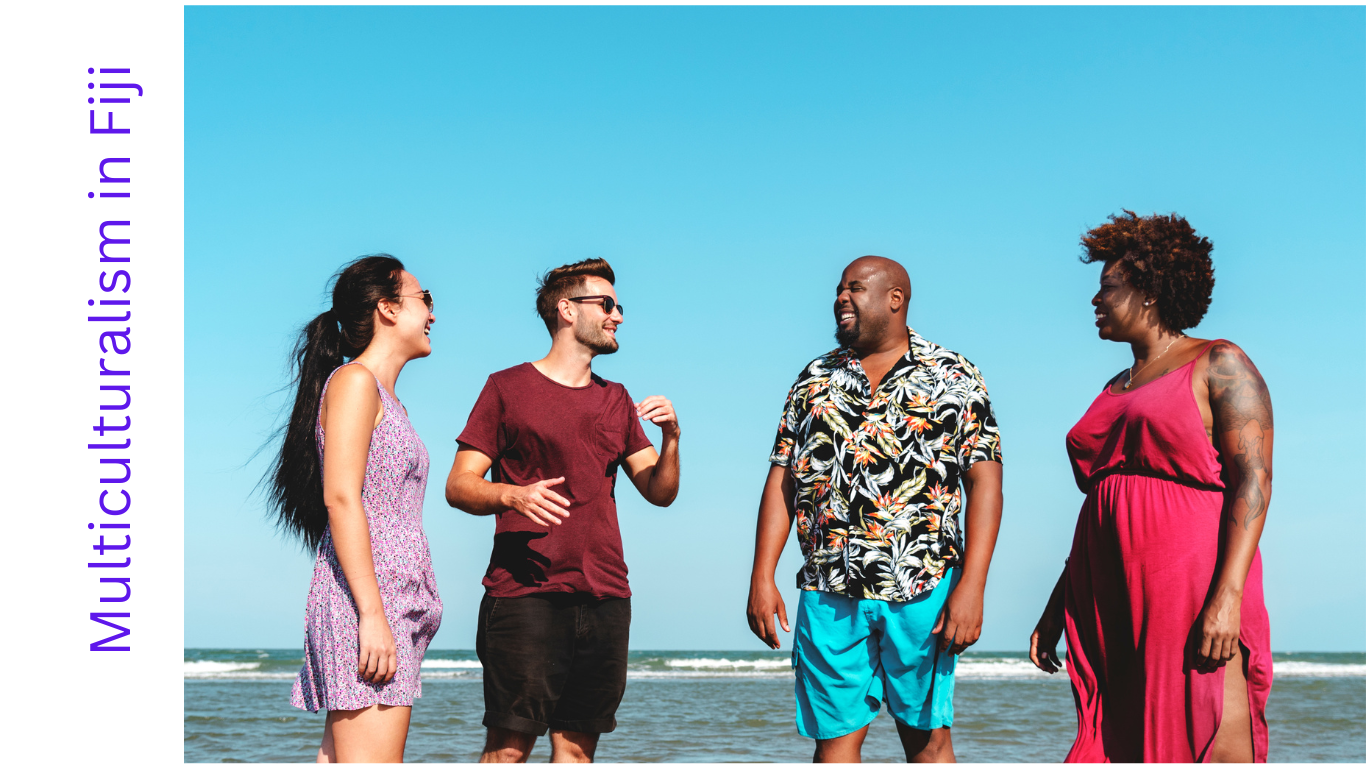
Multiculturalism in Fiji and Its Impact
In the South Pacific Ocean, there is a display of a beautiful blanket of cultures, a place where people with various traditions, backgrounds, and beliefs are whole. This stunning mix of homes with diverse backgrounds is the meaning of multiculturalism in Fiji.What is Multiculturalism?
Multiculturalism is much like a garden packed up with beautiful flowers of different colors. It means respecting and yes, celebrating the unique culture of different groups, together they form nations in this country, it’s their condition, heritage, language, food and beliefs. Think about a place where Fijians, Indians, Chinese, Europeans, Pacific Islanders, and other people of diverse cultural backgrounds come together, everyone cherishing their origin, traditions, and things unique to the others unknown. This is the true mix of Fiji. Fijians enjoy the advantages of multiculturalism more than most people. It is the building block for unity, peace and harmonious co-existence among members. It also adds variegation to the loom of the nation, making Fiji an incredibly distinctive and interesting country. When read alongside the negative attributes of multiculturalism, one can only notice that it offers also more benefits than it is a curse. Competing values and traditions can develop prejudices, but patience and empathy will get us through these pitfalls that can eventually unite multiple cultures. Even through these differences, you can easily notice the “oneness” or the “unity” of the Fijian multicultural society. People become one in a united crowd of festival-goers, community event attendees and people faced on an everyday basis: This mix equates to a spirit of multiculturalism that is impossible to define. Fiji lives with the value of multiculturalism, instead of just having the word. It is centred around valuing individuality, rejoicing in variation, and creating a network of collective empathy that joins people of all origins and backgrounds. The distinct identity and cultural heritage of Fiji doesn’t go down this road, but rather it is the constant heartbeat of a developing nation.Historical Background of Multiculturalism in Fiji
The multi-cultural journey of Fiji began in the early days when the indigenous Fijians set foot on the archipelago that is present. The pioneers of that period could practice their cultural practices that included unique languages, lifestyles, and beliefs. They lived in harmony with nature, utilizing these activities: fishing, farming, and gathering for food as the means of supporting the family. In the 18th century, European explorers explored the beaches of Fiji because of the beauty of the island and its resources. The most significant mark on Fiji’s multiculturalism was the 1874 by the British during their colonization. They carried along not only their governance structures but also how they lived their language and social orders. These years became a reason for the appearance of Christianity and the English language as the main features of the Fijian society. Yet, as part of British rule in the colonial era, indentured labourers from India migrated to Fiji as well. This amount of Indian labourers came from India with many of their preowned customs, languages, and beliefs which indeed expanded the cultural richness of Fiji. Indians, Chinese and Europeans were the main citizens paired up with the Fijians after settling in Fiji which was a cultural melting pot.Challenges and Resilience
Multiculturalism in Fiji was once not so liked but its people fought back. The historical events where Fiji represented and has come to grasp the importance of dialogue, understanding, and respect have seen the nation become a society in which all cultures are embraced and have thrived as one people. Now, Fiji has embraced diversity as the foundation upon which it has built its heritage. It’s visible throughout the daily routine, from streets’ various vernaculars to communal feasts which have turned into local cuisines. The heritage of Fijians provides the society with meaning and cherishes belief in unity, respect, and harmony.Ethnic Groups in Fiji
Indigenous Fijians (iTaukei)
The iTaukei, in simpler terms referring to the indigenous Fijians, are the real native people of Fiji inherently entrenched with cultural traditions. They are part of the country’s population’s significant role in the country’s past as well as the nation’s current and future identity.Indo-Fijians
In the British colonial days, Indo-Fijians’ ancestors were employed as Indian indentured labourers and as a result, they made up Fiji’s population. They have been keen and continue to persist with their Indian heritage, which includes languages, religions such as Hinduism and Islam, and cultural practices such as Diwali and Eid.Fijians of Mixed Heritage
A lot of Fijian people have a dual heritage. They are indigenous Fijians, Indo-Fijians (People who are descended from Indians), Europeans and other ancestors as well. The members of this group come from different cultures hence multiculturalism in Fiji – a fusion of different backgrounds but what ties them together is also the similarities that they share.The Pacific Islanders
In particular, Fiji has accepted Pacific Islanders from neighbouring countries thus making it a multicultural country. The same case goes for other smaller ethnic communities in the country such as the Chinese and Europeans including Rotumans who all add to the multiculturalism in Fiji.Cultural Exchange and Harmony
Withstanding contradictory features, however, major ethnic groups still peacefully cohabit, contributing languages, traditions, and customs to each other. The encounter between communities has been the main source of cultural reattachment as well as knowledge, resulting in a culture of union despite diversity. Whereas some issues that have a section of the stakeholders detached and other times pulling each other are common spats, the people of Fiji are largely united to the notion of togetherness and inclusivity. Initiatives that are geared towards the enhancement of cultural awareness and contact among ethnic groups in Fiji build the basis of cohesiveness in the nation. Multiculturalism in Fiji is welcomed through events, get to know me, dance, and anything else that permits mixing young and old in a common arena. One nation will be represented by the mixing of people originating from different backgrounds celebrating the diversity by dance, song, cuisine, and holidays.Inclusive Society
The Fijian culture taps into the inclusiveness of Fijian society whereby, everyone in terms of their ethnicity, is significantly incorporated which not only makes people feel valued but also accepted. The shared respect and sense of belonging inherent in cultural diversity are major factors in multicultural communities.Cultural Traditions in Multicultural Fiji
Indigenous Fijian Traditions
The indigenously Fijians are linked to the culture of iTaukei where old traditional practices are passed down through the generations. The traditions comprise ceremonies like yaqona as well as dances that illustrate historical events and legends.Indian Cultural Influences
Fijian culture as we know it today took shape with heavy Indian influence in terms of bright festivals such as Diwali (Festival of Lights) and Holi (Festival of Colors), traditional group dances like the Bhangra and Bharatanátyam, and tasty dishes incorporating curries, rotis as well as desserts including ladoos and gulab jamuns.Chinese Cultural Contributions
The Chinese community is a contributor to the rich taste of multiculturalism in Fiji highlighted through its festival which is called the Chinese New Year which includes a dragon dance, fireworks display and traditional food like dumplings and noodles. Chinese arts including calligraphy and martial arts also harvest some expressions in Fiji’s diverse cultural settings.European Heritage and Festivities
The European Fijian tradition which is very evident in things like Christmas, Easter, and Oktoberfest but still very much in colonial architecture, music, and cuisine that includes pastries, roasts, and wines proves this. This is a colourful mélange of traditions that keep Fiji’s cultural pot continually boiling.Pacific Islander Festivals
In addition to neighbouring islands, the Polynesian and Melanesian culture assimilates with the history of the Pacific islands, thus being evident in lively island fiestas, music, dances such as the hula and siva, and exquisite seafood, tropical fruits, and taro cuisine.Respect and Understanding
Cultural acceptance, tolerance and understanding for people of different calibres are the Fijian ways of life. People love and enjoy diversity and consider opportunities to become acquainted with and familiarized with many cultural heritage. We observed the threads of different traditions coming together and making the fabric of Fiji’s multiculturalism which is so colourful. Rather than being just about cohabitation, multiculturalism in Fiji is about collaborating and harmonizing, which involves the appreciation of every ethnic group’s contributions that bring everyone together, while simultaneously creating a sense of belonging among all. It is evident that in the context of cultural aspects where shared experiences, cultural exchanges, and mutual respect are the base, Fiji is no doubt, the world’s beacon of how diversity can be a force to be reckoned with. However, looking into the future of multiculturalism in Fiji, it can be termed that there are a lot of opportunities. That is the future where equity, recognition, and collaboration bring in the ways for people to live in peace, to enjoy the benefits of the economy and to make the world truly a global village. With Fiji’s progressive approach to multiculturalism, it provides for the construction of a foundation of unity and joint development, where diversity is celebrated, instead of just accepted. -
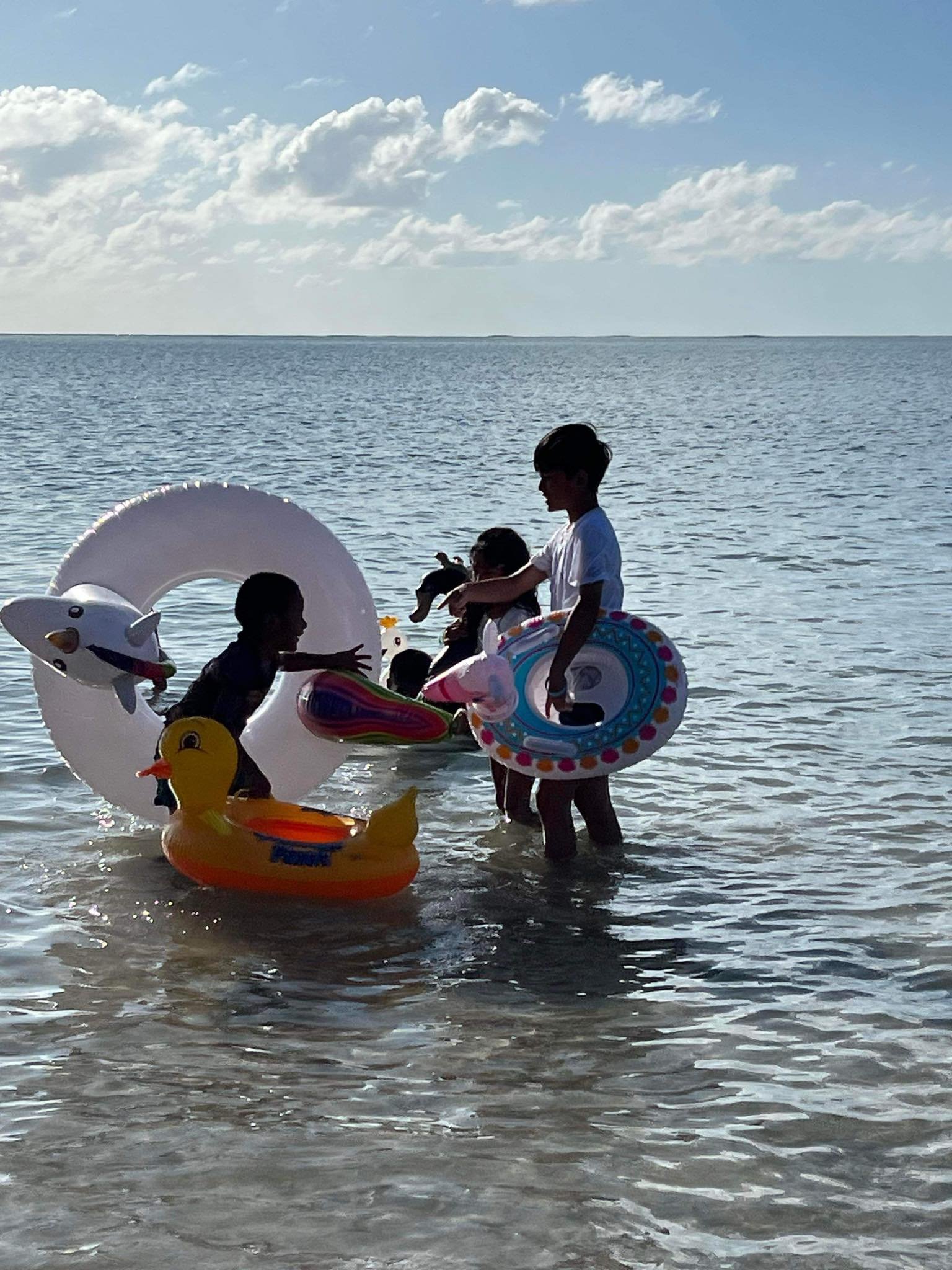
Why Volunteer with Vinaka Fiji
Vinaka Fiji is all about volunteerism in paradise – all in one place. Do you want to make the difference that is observed in the middle of nature where the sunrise and the sunset take one’s breath away? That’s precisely the avenue where interested Volunteer with Vinaka Fiji initiative takes in. Working with them as an international volunteer offers you the possibility of a selfless journey linked with your passion for travelling with social responsibility. By going on this journey, you are not only admiring the beautiful setting of Fiji, but you also get personally involved in significant activities that benefit the community. At our shelter, you will find a category which fits you perfectly and put all your opportunities in place for you to contribute something valuable.Why Choose Vinaka Fiji?
So, you may ask why you should Volunteer with Vinaka Fiji. Here are a few reasons: Expertise: They have been in the work for years and making experience for volunteers worthwhile. It has a dedicated team that knows how to make the experience meaningful. Impact: Right through your work with them, you will continuously be part of channelling sustainable development initiatives and making positive changes. Culture: Indulge in the fantastic Fijian culture and forge deep and long-lasting friendships with the locals. Adventure: Look forward to seeing the marvellous Yasawa Islands, featuring the crystal blue waters and heart-pounding greenery of the rainforests, during your volunteer period.How are they Different?
To begin with, at Vinaka Fiji, our projects are humanized with creativity and uniqueness that no other NGO has. They stand out for several reasons:Community-Centred Approach
“Vinaka Fiji” strives to work directly with communities, by listening to them, recognizing their culture and traditions and allowing them to decide what is most needed.Holistic Programs
The organization develops training programs in education to marine conservation and this is tuned according to individuals’ interests and skills.Safety and Support
For you, the traveller and volunteer, we assure you that safety and well-being are at the heart of the experience, all dealt with professionally by our experienced staff.Legacy of Impact
Experience the same commitment of a group of people who are not only volunteers but are equally as dedicated to the betterment of Fijians as you, today’s generation of volunteers.Vinaka Fiji’s Mission and Values
Their mission is simple yet powerful – the generation of renewable energy, reducing carbon footprint, and development of local businesses for sustainable long-term impact in the Yasawa Islands of Fiji. At their foundation, they count on using the volunteers’ enthusiasm to the highest level to unleash the full potential of this force to change local societies and address global environmental problems.Core Values
Sustainability
They are devoted to procedures and products that are driven by steps and practices which are sustainable in the long run and thus our work, with time, has a lasting positive effect.Community Collaboration
They maintain close dealings with the locals just like the locals and conservation of their culture, traditions, and information.Empowerment
Their vision is to inspire, catalyze, and co-learn with the volunteers and local communities that will lead to transformation and impact.Education
Schools are one thing they can do to create a change. They select programs which inform and give protection to the young ones.Environmental Stewardship
Guarding the natural charm of Fiji remains the single purpose of my mission. Their practices include initiatives aimed at the conservation and sustainable management of natural resources. Why their Mission MattersPositive Impact
Through their mission, education facilities for the youth have increased and with their efforts the marine ecosystem which we are all aware of is at risk, they have implemented programs to help preserve marine life.Empowering Communities
Through a close partnership with communities, we help them see themselves as being responsible to grow and design sustainable solutions in the long run.Global Connection
They put together people who express different points of view but feel the same to some extent, thus helping to promote international peace and cooperation.Inspiring Change
It is Vinaka Fiji’s mission not only to change Fiji but also the convictions and thinking of the people who are on their voluntary programs.Why Vinaka Fiji Stands Out in Volunteering
-
Authentic Community Connections
-
Tailored Volunteer Programs
-
Meaningful Impact
-
Cultural Immersion
-
Advice and Guiding Content
-
Sustainable Practices
-
Personal Growth Opportunities
-
-
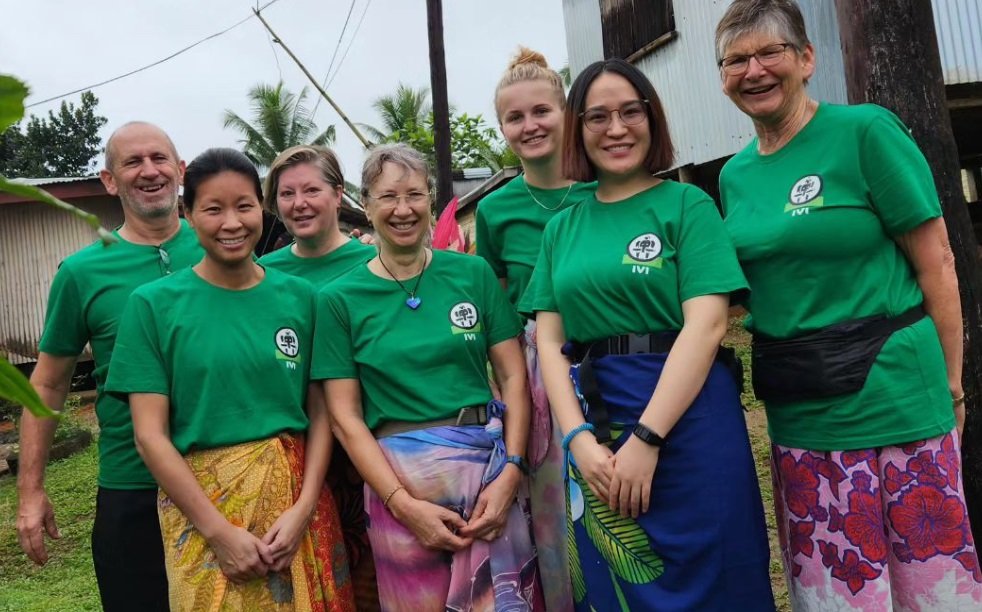
The Developmental Role of Volunteer International in Fiji
Immerse in Fiji and its caring spirit, where Volunteer International takes this key role. In this blogpost, we’ll look at Volunteer International in Fiji and share how such volunteer work will reshape communities and change lives positively. Volunteer International is not about waving a flag or shouting slogans; it’s about pulling together, spreading out smiles, and developing together. Each volunteer is privileged as every person brings with them a set of skills and life experiences necessary to provide the competence needed to pursue a future full of hope for Fiji. Volunteer International is present in Fiji delivering various projects starting from teaching English to assisting health projects thus covering many vital needs of the local population. Its not only infrastructure that is built but also expansion of environmental conservation initiatives and women and children empowerment at community levels, it is important to note that volunteers are playing a pivotal role in sustainable development.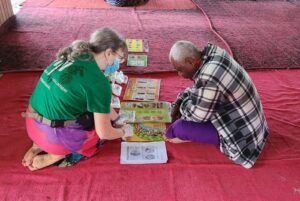 However, this is more than just about the work; it is also about the people and the relationships that are created along this path. Through volunteers, Fiji becomes a unique way of interacting with the rich culture, including not only learning from locals but also sharing personal experiences. It is a relationship of reciprocated understanding, mutual respect, and personal growth.
History and Background
Today in Fiji volunteering via Volunteer International has its origin in a dream of changing lives and empowering communities. Volunteer International in Fiji which was initiated as an entity with a heart driven to sustainably contribute to the economic growth of Fiji has now been a beacon of hope and support for the many. Through the years, Volunteer International has broadened and diversified, lengthening the communities they address, and the countries they operate Volunteer International in. As a small undertaking, this has now been elevated to a global phenomenon, and it does not matter where the volunteers have come from, they do have their special skills at their disposal. Volunteer International’s history can be defined by its dedication to the long-term solution of the environment and society. In contrast to acute utility measures, however, Voluntary International focuses on long-term projects that bring changes to a community for many years to come. This strategy has made the organization closer to both locals and volunteers.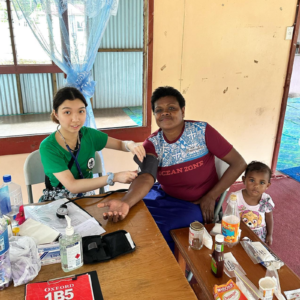 Volunteers International’s service has become more effective by linking with local groups and agencies of the government. Joining together the resources and expertise has greatly helped in broadcasting the impact of the programs.
From the construction of schools and clinics to the implementation of environmental conservation and entrepreneurship activities, Volunteer International’s programs address issues which both directly and indirectly are important for the development of communities.
However, Volunteer International’s story is not only about projects; it is about people – the willing volunteers, the local communities, and the staff who tirelessly commit their time and hard work. It is not just about the interactions and the bonds created between people and friends from wildly different backgrounds but goes deeper to show how best to communicate without breaking cultural barriers.
To be specific, Volunteer International has a history of love, commitment, and persistence. People will remember these values even after they leave Fiji and go on performing their duty elsewhere. The legacy and the origin of Volunteer International in Fiji represent a vivid exhibition of the power of volunteers and the success which the ethical forces have in their hands.
Volunteers International’s service has become more effective by linking with local groups and agencies of the government. Joining together the resources and expertise has greatly helped in broadcasting the impact of the programs.
From the construction of schools and clinics to the implementation of environmental conservation and entrepreneurship activities, Volunteer International’s programs address issues which both directly and indirectly are important for the development of communities.
However, Volunteer International’s story is not only about projects; it is about people – the willing volunteers, the local communities, and the staff who tirelessly commit their time and hard work. It is not just about the interactions and the bonds created between people and friends from wildly different backgrounds but goes deeper to show how best to communicate without breaking cultural barriers.
To be specific, Volunteer International has a history of love, commitment, and persistence. People will remember these values even after they leave Fiji and go on performing their duty elsewhere. The legacy and the origin of Volunteer International in Fiji represent a vivid exhibition of the power of volunteers and the success which the ethical forces have in their hands.
Volunteer Experience with Volunteer International in Fiji
Volunteer International in Fiji is indeed a phenomenal experience. It’s an opportunity for you to experience something that you have never tried before, visit new places, and be able to effect change in the lives of other people. Whether it’s concerned about education, health, the environment, or community organization, you will find what to participate in that you can make a difference through that project. Above all, volunteering in Fiji motivates you by the chance of creating interpersonal bonds with the locals. From the first step on the boat to your cashier checkout, you’ll be met with smiles, kindness, and ever-present hospitality. People of the community look forward to sharing their culture, traditions, as well as stories with volunteers to have an appreciation of their own culture and a return of the same, hence forming a mutually valuable exchange. Indeed, the volunteers return home with stories of cultural revelation which would have been unthinkable before. Sometimes they cannot even find the right words to describe what they’ve experienced. It is through both the work and the people you meet that you have great times and unforgettable memories.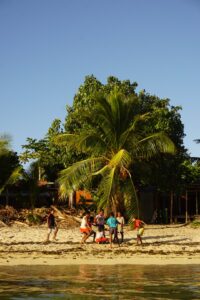 The role might involve touch to teach English to enthusiastic students, assisting in healthcare programs, or joining environmental volunteer activities, one way or the other, the tasks you complete will all result in a positive impact.
A team of staff from Volunteer International ensures that the participants have a pleasurable and thoughtful experience that is both safe and impactful. Whether it is through initiating, continuous, or one-off assistance projects, volunteers confidently apply their knowledge and time when they give their contribution to the community.
A lot of volunteers remember forever the cultural exchange and immersion experience during their service. Living alongside the locals helps one discover the views and values of the residents at different levels and to get acquainted with the community through various events increases the appreciation and knowledge about the country’s rich heritage. It’s a chance for people to take their horizons outside, get out of their comfort zone and try to be more tolerant.
The role might involve touch to teach English to enthusiastic students, assisting in healthcare programs, or joining environmental volunteer activities, one way or the other, the tasks you complete will all result in a positive impact.
A team of staff from Volunteer International ensures that the participants have a pleasurable and thoughtful experience that is both safe and impactful. Whether it is through initiating, continuous, or one-off assistance projects, volunteers confidently apply their knowledge and time when they give their contribution to the community.
A lot of volunteers remember forever the cultural exchange and immersion experience during their service. Living alongside the locals helps one discover the views and values of the residents at different levels and to get acquainted with the community through various events increases the appreciation and knowledge about the country’s rich heritage. It’s a chance for people to take their horizons outside, get out of their comfort zone and try to be more tolerant.
Challenges Faced by Volunteer International in Fiji
Yes, Volunteer International does everything possible to get positive outcomes but some issues always challenge the process of change. As for Volunteer International in Fiji, the deficit in resources faces a large percentage of people. These encompass funding, resource materials, and people power without which projects may not be configured correctly. Despite these challenges, Volunteer International does its best to make the most impact out of the scarce resources, forging ties with partners and adventures in fundraising. Another issue is the geographical diversity of Fiji which is influencing the efforts. Some areas are geographically restricted and isolated, and it can be difficult to respond to those facing an emergency in these places. International Volunteer Organization tries to tackle this challenge by involving organizations in local partnerships and by employing contemporary service-delivering and support approaches to reach not only forgettable areas but even areas that are usually left untouched. Cultural disparity and language difficulty will even add some more problems for volunteers and administrative staff. To be successful in global business, one needs to respect cultural norms, traditions and communication styles which are the keys to building trust and effective interaction. Volunteer International puts much emphasis on culture competency training and language support with the holistic approach of establishing fruitful relationships with the local population. Their security and well-being are major issues that are taken seriously from sending volunteers to Fiji by Volunteer International. Volunteer International lists safety rules, and risk examinations for every volunteer’s protection and to avoid dangers. Withstanding these challenges, Volunteer International will not be deterred by its mission of making good change for the better in Fiji. Forging ahead through tackling problems, providing innovative solutions and supporting strong partnerships, Volunteer International continues to be a force for transformation in the community and people’s lives spanning across the islands.