Author: FijiDream Admin

  • Inside the Fiji School System

    Inside the Fiji School System

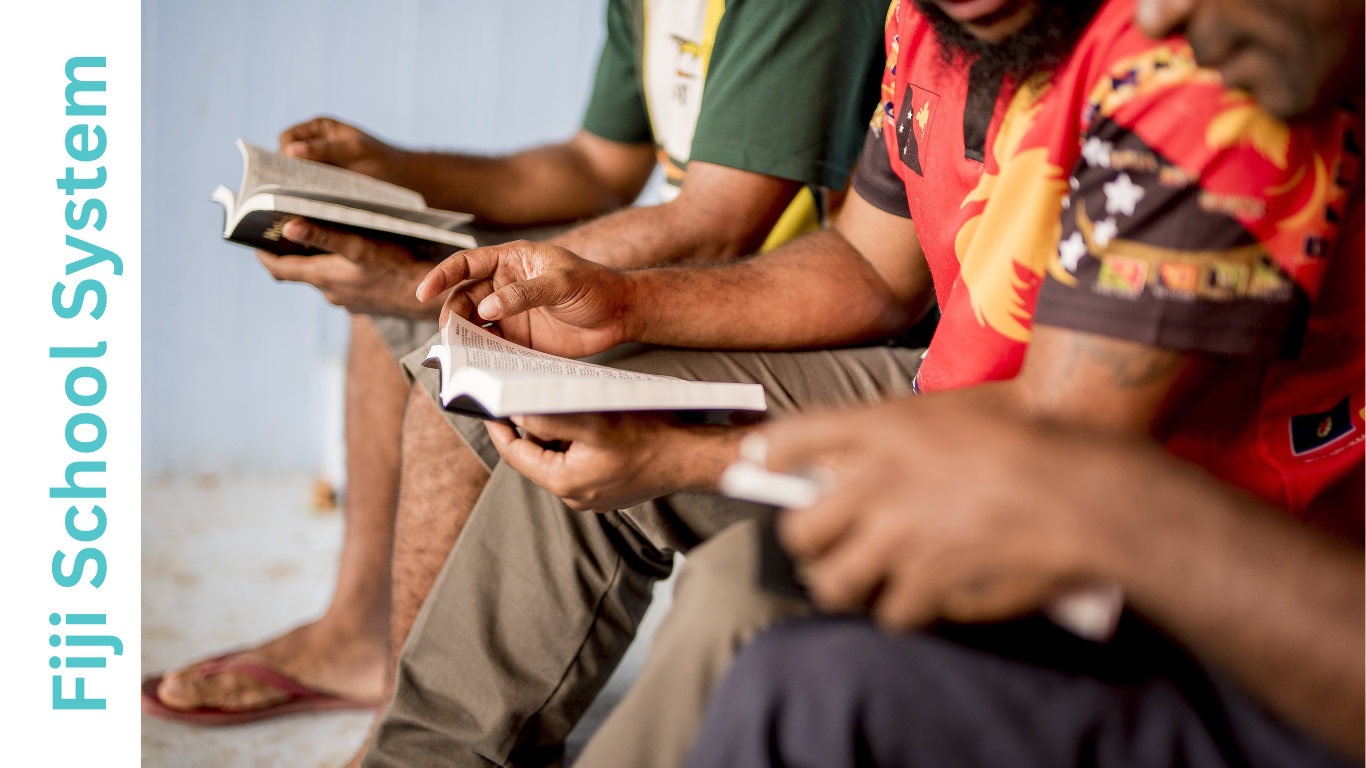
    Step into the inner world of learning in Fijian land. In this blog, we will get up close and personal with the intriguing Fiji School System and its various characteristics and the lives of students and teachers who are part of it. In Fiji, people don’t only study to learn facts and numbers, education is the way to dreams, chances and brighter things, The education system in Fiji indeed is a value-adding centre in transforming the young lives of Fijians, equipping them with the knowledge and competences to excel in life. Learning in Fiji – from the crowded classrooms of primary schools to the vibrant university campuses is a cultural, diverse and community-driven fabric with values and traditions intrinsic to the Fijian people. Throughout this exposition we will discuss the history of education in Fiji, unraveling the structure of the education system, and exploring the problems and success achieved by students and educators. We shall also emphasise the strategies the Fijian government has developed to ensure that education is not a preserve of the rich alone. Therefore, pull your backpack and let’s get moving on a reweaving experience in the Fiji School System. Whether you are a student, a parent or generally an inquirer on the educational system of Fiji, this discovery is unveiling and educational.

    Historical overview of education in Fiji

    To know the education system in Fiji today requires us to spare a glance at its historical sources. The education system of Fiji has a complex and dynamic background, marked by the colonial impact, local customs, as well as dreams of the island’s residents. Colonialism was introduced to Fiji in the late 19th century, during British rule when formal schooling was brought to the archipelago. This was the birth of a new era in education for the villages as schools started to sprout across the islands being built to serve Fijian kids. Nevertheless, access to education was restricted, therefore the children, especially the ones in rural and remote areas, were unable to go to school. Nevertheless, these problems did not stop education from gradually gaining a foothold in Fiji, with more schools opened to enthusiastic students. Fiji’s school system in the course of changing times reflected the ever-evolving orientation of the society and the changing aspirations of its people. In addition to traditional education, an effort was made to provide students with subjects such as mathematics, English and social studies which made the learning worthwhile. Although some progress has been made, Fiji school system has gone through several difficulties such as inequalities in access, limited resources, and cultural obstacles. Nevertheless, education was not low on their priority list as evidenced by the Fijian people’s resilience and determination to improve accessibility and quality. Education in Fiji is progressing today; it is constantly growing, driven by the determination to give every child the chance to study and develop his or her potential. It serves as a foundation of Fijian society, be it in schools in rural villages or universities in vibrant cities, offering individuals the confidence and knowledge needed to build our country.

    The structure of education

    The Fiji school system is arranged into different levels of learning, each with the distinct objectives of achieving the educational process of Fijians. To comprehend how the education system in Fiji operates, one must take into account the system architecture.

    Primary Education:

    • Primary education is the backbone of the Fiji educational system. It is obligatory to attend school, and children go through the first stage of education at the age of 6 and graduate at the age of 14.
    • In primary school, students are taught the main subjects of mathematics, English, social studies and science among others. They also engage in activities or subjects such as music, physical education, and fine arts.
    • The State makes primary education free and compulsory for all school-age children in Fiji.

    Secondary Education:

    • Secondary education is a continuation and advancement of what has been created at the primary level and sometimes leads to higher learning or entry into the job market.
    • The last four years of Secondary education in Fiji normally lasts through Grade 9 to Grade 12. Students learn subjects from all corners like mathematics, English and languages such as Fijian and Hindi, technical subjects and humanities.

    Tertiary Education:

    • The tertiary level of education takes place at universities and other institutions of higher learning in Fiji.
    • The main national public university in Fiji is the Fiji National University which provides programmes in fields such as medicine, business, agriculture, culture and technology.
    • Other tertiary institutions such as the University of the South Pacific and the University of Fiji are offered, each with its particular modes of study and specialization.

    Challenges in the Fiji School System

    The Fiji school system has seen tremendous progress in providing education to its children, but it still must tackle a few challenges that influence learning and educational access.

    Access to Education

    One of the major problems in the education system of Fiji is providing a decent chance for creating and maintaining equal access to education not only in remote areas but also in underprivileged areas. There are children who have difficulties getting to schools that are far away, or have little or no means of transport or resources in their areas, and this makes them go to school less often.

    Quality of Education

    Another hurdle in the way is ensuring uniformity in quality across schools in Fiji as well. Discrepancies in resources, the levels of teaching and learning movements can result in differences in the quality of education that students receive. Making sure that all students receive proper training from well-qualified teachers, have the latest curriculum, and have all the necessary facilities are key features to raise the level of education in Fiji.

    Language Diversity

    The multicultural and multiracial society in Fiji poses a challenge for language training as the students could be from various linguistic origins. The language instruction that is effective and tailored to cater to the linguistic diversity of students and promoting English, Fijian and Hindi is the key to in ensuring inclusive education. Dealing with these issues will take place with governmental agencies, teachers, communities and foreign partners. Through discovering and addressing the key contributing factors to these difficulties, Fiji will aim at establishing an education system that is more equal and inclusive as it offers all learners the ideal opportunity to make the most of their talents. In the end, the Fiji school system is very crucial in the process of moulding the nation since it provides education to its children. Even though challenges exist like ensuring equal access to education, sustaining the quality standards, and addressing language diversity, The Fiji education system is doing its best to provide every child with the chance of learning and growing. The government is leading the way with initiatives, community support, and collaboration with international partners to help Fiji keep rising through its education system. If the fundamental drivers of these problems are tackled and practical plans are put in place to address the challenges, the Fijian education system can move away from the current seemingly unfair model to one that benefits all, irrespective of background or circumstances. Through cooperation and education, Fiji can carve a niche for its people and have a positive impact on the overall progress of the country. The road to a robust and resilient education system in Fiji remains long, yet with hard work, passion, and partnership, success can be achieved.
  • Fiji Hiking Delights

    Fiji Hiking Delights

    Step into the marvellous world of Fiji hiking, a realm teeming with rainforests, pristine coastlines and soaring summits that invite travellers from all corners. Famous for its excellence in natural beauty, they have different variety of trails which include all sorts of experiences and levels of endurance. Imagine yourself walking on virginal beaches with turquoise waters flirting with your feet and sitting in soft sea breezes kissing your skin. Hiking along the coast of Fiji attractions and activities enables you to dip into quiet serenity at the seaside. Walk along its coastal paths, and hidden coves of bays and marvel at the majestic cliffs as you come across mysterious caves which must entail in them, exude dramatic sceneries on one side while noticing changing natural phenomena around. Whether you want to have a tranquil walk along the beach or an exhilarating trek on jagged cliffs, Fiji coastal trails provide for all preferences. Have a feeling of locals’ warmth and hospitality from the natives as you engage in conversations with them, and storytelling amongst other things will pave the way to long-lasting relationships.

    Top Reasons for Fiji Hiking

    1. Spectacular Scenery: Fiji homes some of the most scenic natural landscapes in the world. With rainforests to be seen in each direction of every turn, the natural majesty that you will see while hiking is lush green mountains filled with cascading waterfalls and beautiful clear waters facilitated by pristine beach shores as well towering mesa peaks.
    2. Rich Biodiversity: The hiking trails in Fiji create a good opportunity to see most of the flora and fauna together since they are numerous here. Look out for brightly coloured birds, strange plants and who knows, maybe even some rare wildlife species while hiking the wilderness of this island.
    3. Cultural Immersion: The importance of Fiji hiking is not only discovering outdoors but also an opportunity to interact with residents, immersed in one culture. Along the way, you will have a chance to meet people in villages which are remote but meticulously settled and ivy-clad with quaint homes, built centuries ago.
    4. Adventure and Exploration: No matter the terrain, whether it is scaling rugged mountains of forests or coast cliffs you will find no shortage of adventure and exploration hiking in Fiji. Find hidden treasures, find your way onto secret trails, and make memories that will last forever.
    5. Physical and Mental Wellness: Something reinvigorating in spending time in nature, and hiking is one of the biggest remedies to refuel your body heart and soul make a tour to Fiji. Let the stress fall upon you as with every breath of fresh air and warmth, shedding by its side will bring about peace to your mind in a reunion with one’s desired inner self that basks under nature.
    6. Sense of Accomplishment: There is something truly unique about finishing a rugged hike that you never regret. No matter if you climb to the top of a high mountain or walk for long miles as soon as you reach your goal it will make you feel strong and capable.
    7. Bonding with Friends and Family: Trekking in and around Fiji is not just a mode of connecting with nature, but also sharing any adventurous experience.
    8. Disconnect and Unplug: In the current struggle to keep up with modern times, it has become increasingly essential to find time and disconnect from technology only to re-establish a connection one has with nature. By hiking in Fiji one can get disconnected from the other end of the world while being positioned closer to Mother Nature.
    9. Sustainable Tourism: When you decide to Fiji Hiking, you foster a sustainable practice of tourism which helps preserve natural beauty and cultural roots for future generations. Just leave footprints; take memories, and bring a positive change upon our surroundings as well as the local populaces that may be impacted post presence.
    10. Simply Because It’s Fiji: Bottom line – the very fact that you find yourself hiking in Fiji should make you lace up those boots and take off on a trail. Fiji is a hot paradise owing touring nature, humane people, and sublime land; an adventurer can dream of travelling on different routes like airplanes or auto to reach.

    Best Hikes in Fiji – Coastal Trails

    1. Coral Coast Walk

    The Beaches of Fiji are a definite must if you want to enjoy marvelling at the beautiful coastline; especially, through Coral Coast Walk. This picturesque road scenically passes along the south coast of Viti Levu and provides a breathtaking panorama over the blue waters of the Pacific. On this journey, you will see charming villages, towering rain forests and white sand beaches making it a wonderful hike for natural beauty-loving travellers as well as adventurous types.
    1. Sigatoka Sand Dunes National Park

    Sigatoka Sand Dunes National Park is situated on the southwest coast of Viti Levu and has some topography scenery found in Fiji. Pathways along the coast loops through winding dunes, historical archaeological sites and amazing coastal views are in this park. As you walk through the wilderness, ensure that you look out for any native plants or animals which might include rare bird species as well as unique kinds of vegetation.
    1. Lavena Coastal Walk

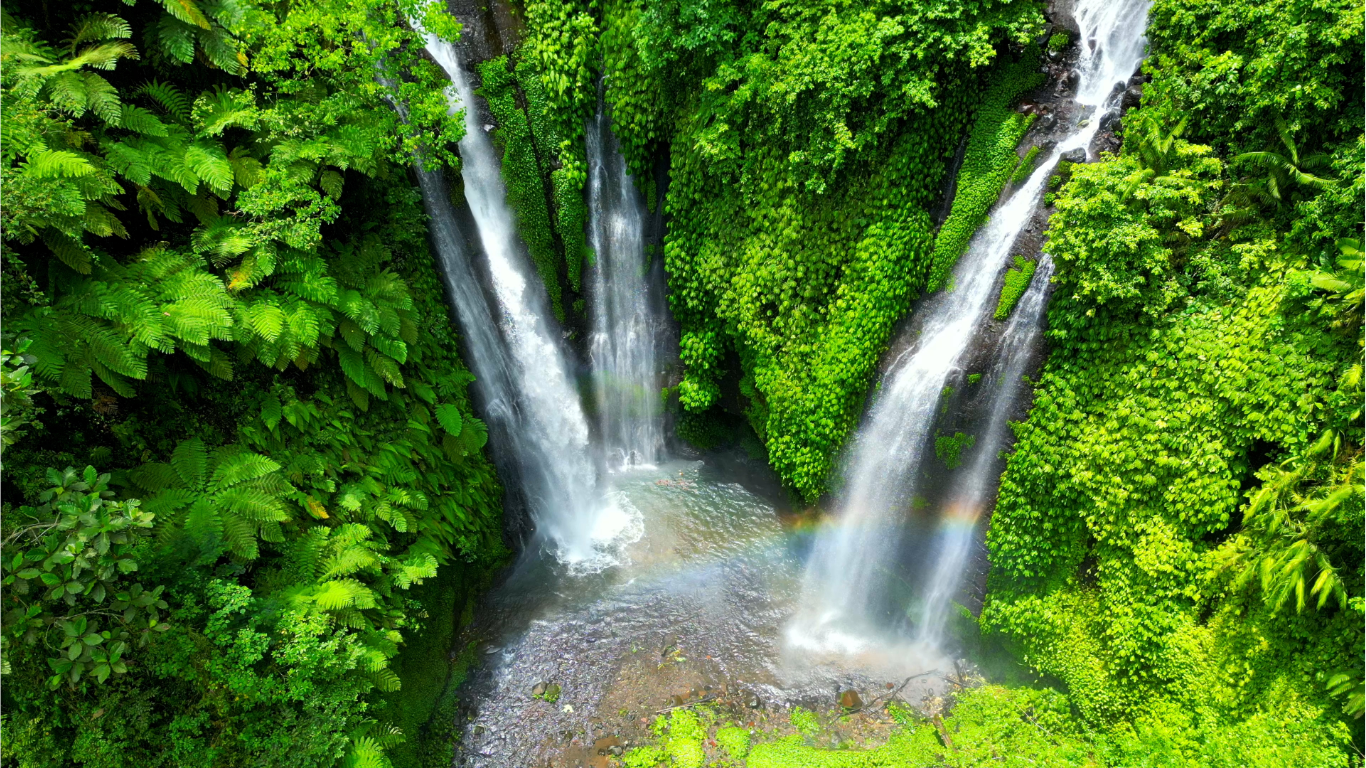
    Hikers interested in walking a trail and possibly spending the night should consider the Lavena Coastal Walk of Taveuni Island. It also includes a trail of such kind where you move through the lush rain forest and pass waterfalls in cascades, and coastal cliffs that are rugged among others. At the Wainibau Waterfall, cool off with a swim in its blue waters and look out for fascinating marine creatures as you stroll along the coastline.
    1. Bouma National Heritage Park

    Located on the island of Taveuni, Bouma National Heritage Park provides several levels of coastal Fiji hiking trails. Whether it is as straightforward an activity as a leisurely walk along the beach or a more adventurous hike through dense rainforests, everyone can find something to their liking. Don’t forget to enjoy a swim under the park’s famous Tavoro Waterfalls, swimmable in their natural pool below.
    1. Vuna Coastal Trail

    In comparison to this, for those interested in something a little more off the beaten track the Vuna Coastal Trail is situated on Kadavu Island and would be an ideal option. This isolated and mountainous path follows the perimeter of the island’s southern shoreline providing a magnificent view of the surrounding ocean as well as nearby isles. As you trek through this nature preserve, be on the lookout for indigenous wildlife as diverse and strange as singing brightly coloured birds or curious marine life.
    1. Yanuca Island Coastal Walk

    Yanuca Island is located on the outskirts of Viti Levu and its coastal track which offers beautiful scenic views throughout the ocean to nearby islands. This is a moderately easy hike through sandy beaches, shady forests and around rock outcrops which gives you many opportunities to enjoy the real natural beauty of Fiji’s coastline.
    1. Coastal Trail Mamanuca Islands

    For adventure seekers who would like to go for both hiking and island hopping, the Mamanuca Islands present numerous coastal trails. At Castaway Island, lying among the windswept rocky cliffs and at Malolo Island with its palm-lined beaches every hike comes as a stimulating marvel. It is advisable to pack enough water and sunscreen since the tropics can have intense heat.
    1. Natadola Beach reaches Sigatoka Sand Dunes Walk.

    This coastal walk is a special privilege to see two of Fiji’s biggest landmarks in one epic hike. The trail takes off from the very pure coastline of Natadola Beach and proceeds inside, following mangrove forests till it arrives at Sigatoka together with 50-meter-tall dunes. As you proceed, there are breathtaking views of the coastline and a wide variety of rich biomes teeming with life.
    1. Pacific Harbour Coastal Trail

    It is along the southeastern coast of Viti Levu, overlooking scenes from a beautiful coastal trail on the Pacific Ocean. The trail is mainly level and allows visitors to admire mangrove forests, and sandy beaches along with impressive cliffs; this walk offers plenty of chances to sight native wild animals as well as a chance to experience tranquillity on the Fiji coast.
    1. The Beqaa Island Coastal Walk

    If you are indeed in need of absolute isolation and a trip back to nature, then set sail for Beqa Island’s coastal trail. This rough and testing hike takes you through thick rainforest, along rocky shorelines, past hidden coves – a glimpse into Fiji’s wild edge. As you meander through this incredible untouched sanctuary, look out for migratory and common bird species as well as rare elusive lifelike animals. Finding the best hikes in Fiji is a one-of-a-kind adventure itself. From the jagged coasts to forested areas, each route provides an opportunity for one to be attuned to nature and enjoy what this island’s nirvana has to offer. The beauty of Fiji is that it has something for every level of the hiker whether experienced or new. The coastal trails offer breathtaking views of the turquoise waters and sandy beaches, whereas those inland feature dense forests fringed with falls cascading down. However, apart from the magnificent scenery that makes Fiji Hiking highly exhilarating, venturing to Fiji allows one to delve deep into its culture and history. Accompanying people will have an ease of knowing more about traditional villages, and old archaeological sites that were believed to be wonderful and kind residents who are ready to tell their stories in turn.
  • Experiencing Muslim Culture and Traditions in Fiji

    Experiencing Muslim Culture and Traditions in Fiji

    Welcome to fascinating Muslim culture and traditions in Fiji – a land beset by fusion cultures whose heritages interplay with landscapes that envelop pastoral scenery conserved just as ever-bubbling heroes who celebrate life since their mind says. When you begin this voyage, expect complex traditions that have been for centuries, engendering the essence of the Fijian Muslim community and presenting an element to the cultural patchwork designating a distinctive feature of these islands. Imagine yourself walking on the beaches of Fiji and the emerald water greets you with such a warm welcome that, as you part ways to head for your destination, the swaying palm trees tell stories of a land rich in history and culture. This is where this blaze of religious color, unity and perseverance seemed to burn among the community of flocks. The Fiji Muslim community is a melting pot of cultures, due to the culturally diverse backgrounds of its members who have found the need to coagulate around traditions that have meshed together. The culture of Fijian is rich from the descendants of Indian indentured labourers with shining ethnic origins to those who have roots originating from the indigenous view Republic of Fijian population. The diverse nature of the Fiji Muslim Community is not even the most distinguishing characteristic that describes it – instead, the warmth and accommodation permeating every aspect of life. The Fijian word bula has a leadership message beyond just the greeting of people. A spirit that mandates respect for all individuals and treats them with kindness irrespective of their religion, background or heritage Regardless if you’re a visitor or even a resident of the community, you can be sure that when stepping across Fiji’s border as well as on streets where people live there is nothing stopping individuals from offering warm welcomes along with idol smiles which are extending their hand to an embrace because they see themselves in you. Throughout your cultural journey into Muslim culture and traditions in Fiji you will observe an incredible harmonious Islamic inclines skillfully intermingled with the fabric of life in Fijian.

    The Welcoming Spirit of Fiji

    One step on the coasts of Fiji, and you will find yourself embraced by the warmth of A-Fijian society and a very contagious willingness to share ways they regard themselves’ – an approach that typically defines in its entirety Fiji island nation. Hospitality is not just a custom in Fiji but rather an embodiment of their way of life which is fundamentally rooted in the values and ideals attached to it. Fijians are so warm and welcoming. The first thing you feel in this country is that these people approach you with open arms, no make-believe or expected; genuinely curious to know where you come from, they display honesty. For the Muslim population of Fiji, however, this spirit is very alive. From the feeling of bustling activity of Suva markets to the subdued quietness of highland villages, Muslims who live in Fiji provide a welcome mate and charming hospitality that are typical of a true Fijian. Far from being exclusive, Fijian rampant social spirit will make even a traditional feast (lovo) feel like an invitation to become part of the community and enjoy its heritage and customs during Eid al-Fitr or other delightful occasions.

    Diversity within the Fiji Muslim Community

    The Fiji Muslim community is a microcosm of the multicultural fabric of the islands, and its diversity in culture and belief makes it one of the most fascinating aspects of this African stranger in Oceania. In this colourful society, there is a dynamic mixture of nations, languages and traditions that help shape Muslim Fijian’s distinct. Thus, what drives this diversity is a common faith in Islam that globally emancipates individuals from all sorts of backgrounds and subjects them to the discipline or authority of their religion. Despite having converted the majority of Muslims in Fiji are Indians who traced their roots from the Indian sub-continent, there are also indigenous people and ethnicities as new Fijians becoming Islamic and some Arabs, Pakistani and Malays descent. This diversity is not only evident based on the Fijian Muslin ethnicity but also their lifestyle, culture and practice. Fijian Muslims celebrate the season of religious festivals with colorful splendor both during Eid al-Fitr and Eid al-Adha; however, Ramadan is observed solemnly without any display of new attires nor the enthusiasm for food—the core customs and rituals that are specific to Muslims in this Pacific nation. Apart from diversity in religions, the Fiji Muslim community also includes all professions, social agents and political ideologies existing on the islands. Muslim Fijians are not passive people; they are active in every sphere of national life, be it agricultural production or running big business, medicine or politics: everywhere both male and female Fijian Muslims represent our nation. However, though the members of this community are quite dissimilar to one another, there is a definite feeling of camaraderie in representing Fiji Muslims, and therefore unity. Fijian Muslims bind themselves together for even the most basic things like prayers in mosques, supporting community initiatives, and joyous occasions such as births or marriages; they show real brotherhood and sisterhood that overrides cultural and ethnic differences.

    Muslim Culture and Traditions in Fiji

    The fundamental core of Muslim culture and Traditions in Fiji is the practice of Islam that controls and runs the lifestyle as well as rituals of every single individual believer on these islands. The resounding call to prayer from minarets fills the life of Fijian Muslims with meaning and commitment. It permeates through everything ranging from Friday sermons attempted at communal gatherings to every other moment of a Fijian Muslim’s ordinary life. Ramadan is considered to be one of the dearest traditions in the Fiji Muslim area which though quite a lengthy event is often rejoiced with great elation. During Ramadan, Muslims yearly abstain from anything that is against the observance of hunger and thirst from dawn to dusk during the month. So, they practice fasting for 30 days but also emphasize prayers, charity works and self-control making it a holistic approach to positive thinking towards the nature of mankind. Ramadan comes to an end at dusk when families and even friends unite in celebrating their breaking of fast with tremendous ‘iftar’ – festive feasts complete with local delicacies sharing love among kinships and societies. In Fiji, the festivities of these holidays are as big and vibrant as the importance that is attached to the conclusion of observance for Eid al-Fitr and Eid al-Adha by people. Celebrating these festive days, Muslims have a time for prayers, feasting and gift-giving as they remember the blessings of faith which enable Muslims to carry out the sacrifices of Prophet Ibrahim. Another aspect of the cultural practice for Muslims in Fiji is the culture of hospitability which entails open reception and treating guests with a lot of generosity. Be it sharing a meal with neighbours, helping those in need, or extending kindness toward strangers- It is so easy to wonder which softened the human spirit that in every interaction one can see caretaking values such as compassion and peace of Islam. In the end, Muslim culture and traditions in Fiji reveal an enthralling view through faith, community, and common roots. Fijian hospitality and the traditions conjured up by Islamic devotion within the rich community of Muslims. It becomes a great union as visitors and residents gather to eat their bread, laugh out loud, and pray freely; Muslim culture and traditions in Fiji glisten and bring the way towards understanding each other’s religions and beliefs, respecting one another for what they have. The glaring difference – the deep divisions that too often keep us apart in this world of differences – can be found in unity. In this community, we find our universal values and feel united as individuals and as a society by them.
  • Planning Your Fiji Vacation? Do Not Miss What to Eat in Fiji

    Planning Your Fiji Vacation? Do Not Miss What to Eat in Fiji

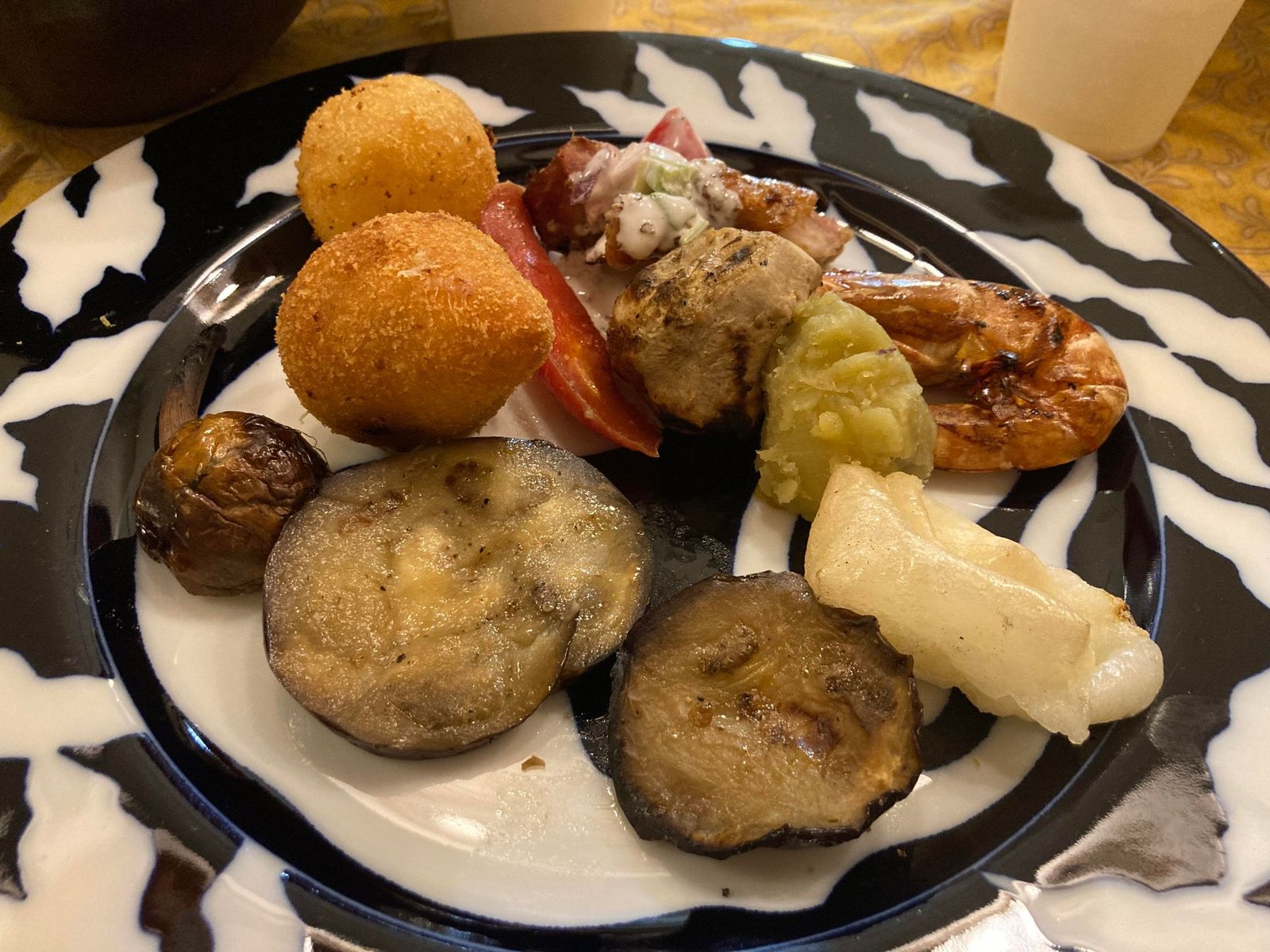
    With the question of what to eat in Fiji in mind? Prepare to have your taste buds dancing with delight, sampling the traditional eats of Kokoda, Lovo, Palusami, and other heartwarming meals that have been handed down throughout generations. Food here in Fiji is not an ordinary ingredient. It is rather a rejoinder of life, alliance, and inheritance. It is a culinary destination from different food markets showcasing fresh produce to get the red carpet treatment in the village restaurants where they still serve those original recipes with time-honoured quality. Fijian cuisine is embedded into the culture of Fiji deeply. Their dishes have been prevailed by generations of grandfathers, and grandchildren. It’s not just about the food (dealing with the food). We can say a lot of other stories behind each food that talk about the process of cooking, and how they enjoy the process of preparing our meals with our loved ones. Fiji’s extensive culinary history manifests the varied cultural factors, from indigenous Fijian foods to curries of Indian origin and sophisticated Pacific fusion delicacies. The meaning behind every food is the story of history, immigration, and the fusion that makes Fijian gastronomy harmonious and distinct from any other place.

    Essential Fijian Dishes – Must-Try Culinary Delights

    Kokoda

    Kokoda is a famous Fijian meal which reflects the freshness and tropical tastes of the aforementioned country. It has marinated raw fish, usually mahi-mahi or tuna, dipped in a mix of coconut milk substitutes and citrus juices, sometimes with a little chilli added for a little bit of a kick.

    Fish Suruwa

    Fish Suruwa is a creamy and palate-pleasing dish that shows off the taste of the ocean. The mildly sweet white fish is flavoured to perfection by its coconut milk broth holding spices, onions, and tomatoes together which then becomes the only dish you will need to satisfy your taste buds.

    Taro

    Taro being the staple Fijian food is multi-purpose and nutritious, and its taste is irresistible. The cooking methods vary from simple boiling or mashing options to complex preparation in a piece of stew or a curry.

    Topoi

    Topoi is a Fijian delicacy that consists of cassava which is shredded, coconut, and sugar that are mixed and then formed into dumplings with a mixture of coconut milk and curry. These pastries are usually torn in half and spread with butter, jam or a mug of tea. They are amazing appetizers as they offer those visiting islands, a taste of the morning life. So, if you ever wonder about what to eat in Fiji, then there are tons of must-try dishes that are waiting for you! What to Eat in Fiji  

    Culinary Techniques and Methods in Fijian Cuisine

    Lovo: The Art of Earth Oven Cooking

    One of the relatively well-remembered and widely celebrated cooking ways among Fijians is the Lovo method which is an earth oven cooking method.
    • Preparation: Some ingredients like meat marinated in various flavours, seafood and even vegetables are wrapped in banana leaves or foil.
    • Underground Oven: As the rocks heat up, they are placed in a pit oven. Due to the natural heat generated by the rocks, the floor of the oven reaches high temperatures. However, when the sun gradually sets, the rocks lose heat.
    • Layering: Pile up all the leaves (food), and some more underneath them. Thereafter, it covers the hot rocks.
    • Slow Cooking: Through this slow cooking, the melding of flavours becomes pronounced and even the toughest cuts of meat become perfect.
    • Communal Dining: Lovo feasts are usually communal henceforth the audience is not only fed but they also celebrate and share the ofness in the process.

    The Abode of Pleasures and Diversity: Coconut Cream

    Fiji’s traditional melt of Coconut cream seeps in as a major ingredient, helping give almost every dish its unique identity. Here’s how it’s traditionally made:
    • Extracting Coconut Milk: The freshly grated coconut flesh is mixed with warm water and taking turns squeezing out each slather of thick coconut milk.
    • Cream Separation: The coconut milk is simply allowed to settle, which causes the cream to naturally rise and thus offer this delicate texture to the drink.
    • Cooking with Coconut Cream: It is mostly used in Indian curries, present in desserts and seafood meals, which provides a fusion of tropical flavour to Fijian cuisine.

    Local Ingredients and Flavors in Fijian Cuisine

    Freshly Caught Seafood from Water

    Fiji has the bluest and clearest water with a sky-blue landscape laden with seafood. It is truly a paradise for seafood lovers if they wonder what to eat in Fiji, then here are some of the seafood delights you’ll find:
    • Mahi-Mahi: Typically the fish is served grilled or pan-fried, cooked to firmness without losing its flavour.
    • Lobster: The meat that is succulent and sugar-rich, ideal for grilling or mixing in creamy preparations.
    • Tuna: Their multifunctions and tastes make them even more appealing, to be used in sashimi, grilled steaks, or curry dishes.

    Tropical fruits combine sweetness with tongue-tingling flavour

    The Fijian environment encourages the thriving of a whole bunch of tropical fruits, making the dish succulent too. Some popular tropical fruits include:
    • Pineapple: Delicious and inviting, may be used as a salad dressing, a fruit salad, as a snack or as an ingredient of a dessert.
    • Papaya: Soft and almost sweet fruit, which is commonly eaten in a pure form or fruit salads.
    • Coconut: It is a main ingredient, the flesh and milk of the coconut is used in curries, desserts and beverages.

    Exotic Spices

    Food lover? And want to know what to eat in Fiji that might also be flavorful, well then, the cuisine of Fiji is undoubtedly famous for the incorporation of such spices as ginger, nutmeg, and coriander and also aromatic herbs that intensify the taste of dishes in Fiji. Here are some commonly used spices and herbs:
    • Turmeric: Bring the warm and dark colour as well as earthy aroma to curry and marinade.
    • Chili Peppers: Gives heat and a rich addictive taste to spicy recipes.
    • Coriander: Now fresh coriander leaves are commonly used for garnishing and to bring freshness to dishes.

    Root Vegetables and Starchy Staples

    Root vegetables and starch are regarded as nutrition-loaded foods that are vital for Fijian meals. They make food appealing and beautiful. Some key root vegetables include:
    • Taro: A close relative of sweet potato that serves many dishes such as stews, curries and as a side dish.
    • Cassava: Local people usually call it this way, mainly used in fried snacks, puddings, and casseroles.
    • Dalo (Taro Leaves): Traditional food such as Palusami is also prepared with grated taro leaves. They are very often used to decorate the dish and add taste to it.

    Dining Experiences in Fiji

    Local Markets

    Local markets will be simply marvellous wherever you are, as they will be full of fresh and colourful fruits, vegetables, seafood, and spices. The markets provide a multisensory pleasure, with their fanciful crowds and inviting scents and would let you know with their mesmerizing flavours as to exactly what to eat in Fiji!

    Village Eateries

    See restaurants perched in cavernous corners where local families operate and where cooks prepare original recipes. Their cooking is done with love. These restaurants provide their patrons with a peculiar refining experience of Fijian cuisine.

    Resort Restaurants

    Discover fine dining at high-end restaurants located in resorts that inspire panoramic views. These restaurants come up with the cultivation of Fijian tastes with their international methods of making delicious food.

    Fijian Food Culture and Heritage

    Fijian fare is a culinary tradition, having originated from the traditional, time-honoured teachings passed on to grandparents, parents and children for generations. Each dish tells a tale about family, town, creed and legends shared. Food is undeniably the centrepiece of Fiji, a celebration of events and rituals. Whether it’s a grand tradition called a feast or an ordinary meal which brings people together, the meaning of every bit has a cultural factor. Fiji is the store of various produce and fish off its fertile lands and clean waters that enrich its native ingredients. And you might never run out of options for what to eat in Fiji. Fijian cooking preserves sustainability and Harmony with nature. Local products are being hailed not only for their quality but also for the renewed interest in their provenance and location.

    Culinary Tourism in Fiji

    In the end, Fiji is not something you only go there to get your sun and your sand; it is for the food enthusiasts too. The island offers its visitors the choices of traditional cuisines, fusion cuisine, or dining experiences in which they can buy their meals from a food stall milling down between push carts surrounding the figure of a gigantic soup bowl serving one a commodity or experience of a lifetime worth remembering all through life. Thus, hit your plate with whatever you have and let’s widen our culinary horizons to explore what to eat in Fiji!
  • Port Denarau’s Top Attractions and Activities

    Port Denarau’s Top Attractions and Activities

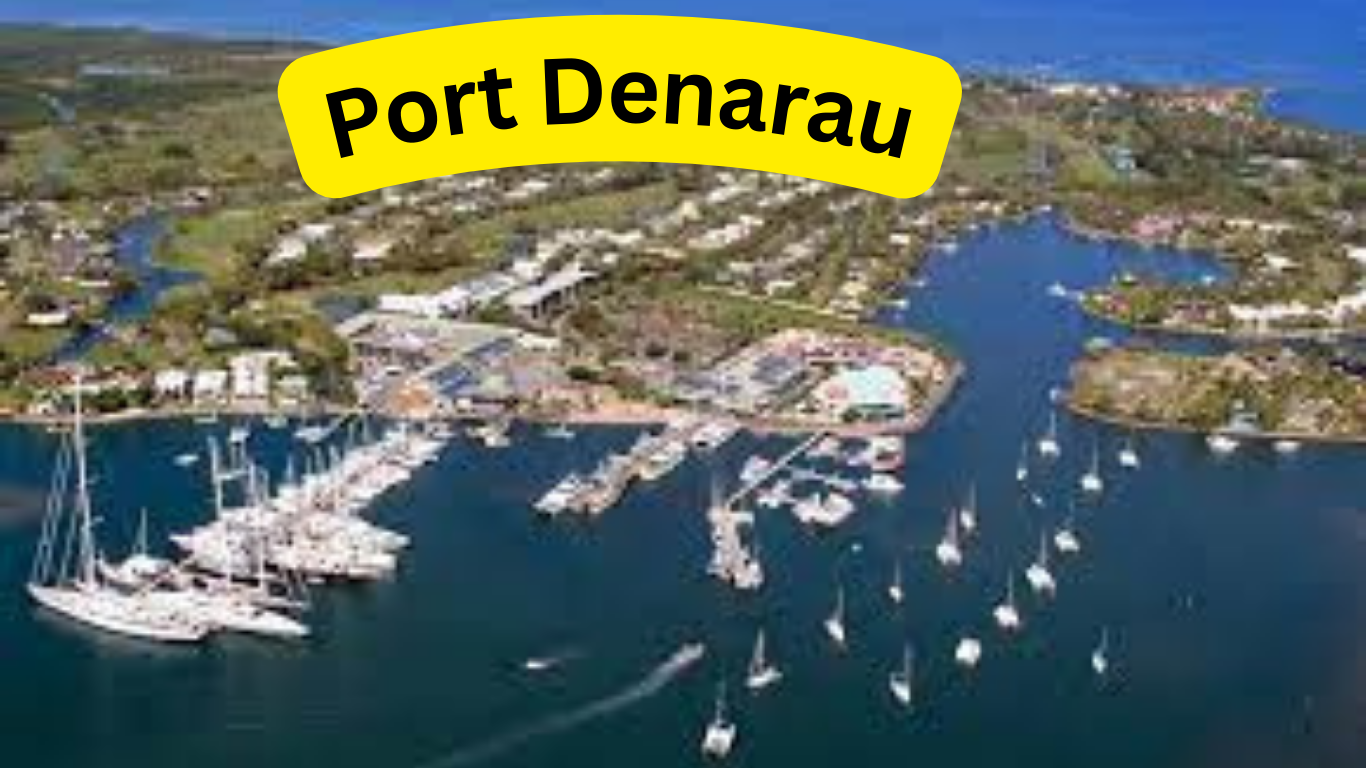
    Imagine a place where the Pacific Ocean conveys the secrets of bliss and tranquillity, and that is what Port Denarau is all about. Tucked away well west of Viti Levu, the cheese giant of the Fiji Islands, Denarau beckons all travellers, promising a trip of pure pleasure. This tropical paradise isn’t just a mix of cultures like Melanesian, Micronesian, Polynesian, Western, and Indian – it’s like a buffet of cultures as diverse as the embracing coral reefs that make up its shores. But hey, besides a rich mix of cultures, the real wonder of Denarau Port is its natural beauty. Close your eyes and imagine the Nausori Mountains, the waters of the Pacific Ocean putting on a crystal-clear display, and the lush rainforest splashing coral cays like confetti Port Denarau is not just a door; It’s an open invitation to get out there, relax and fill your backpack with memories.

    The Marina Adventure

    This is a place where boats rock in the excitement of the ocean – welcome to the beautiful Port Denrau Marina! It’s not just a place to park; Think of it as a floating enclosure. And just like protecting your car with a reliable “car safety” system, these boats have their own fancy ways of staying safe. If boats can talk, they might regale you with tales of adventurous escapes on the open sea. Now, let me tell you a little secret – marinas aren’t just for boats. There are many possibilities. You can explore the treasures of the sea, sample food with ocean views, or even just book an island hop. Imagine a warm marketplace with the gentle murmur of the waves. And here’s the kicker – the marina isn’t just during the day. When the sun shines at night and the stars steal the light, the harbor becomes a magical abode. Imagine walking along the water in a calm moment, surrounded by the soft glow of boat lights and Super Lighting. It’s like a scene lifted from your favorite movie.

    Island Adventures from Port Denarau

    Beaches with pristine white sand, water so clear you can see your luck unfold, and the excitement of a beckoning adventure on day trips to nearby islands. Treat this island cruise as part of a cruise. And just as you would ensure the safety of your car with a reliable “car safety” system, these island cruises come with their own safety net, ensuring that your trip is smooth like an island breeze. Also day trips to the beautiful Mamanuca or Yasawa Islands. There are sandy beaches that look straight out of your dreams, water in the most stunning shades of blue, snorkeling opportunities that are absolutely incredible and the journey is endless. How about visiting Big Bula Water Park? Located in the heart of the Denarau Archipelago, a vibrant aquatic wonderland that’s nearly impossible to miss. It’s like the ultimate playground where you can beat the heat, with all the big slides, rubber rods and obstacle courses designed to make your heart race with excitement. And here is a cultural gem – make sure you don’t miss the Fijian cultural nights in Denarau. A feast for the senses awaits with lively displays of traditional dance and local traditions. And if that’s not enough, Denarau Post hosts a free tribal dance festival with Fijian, Polynesian and fire dancers every evening, except Sunday. Now, for travelers who yearn for independent exploration, renting a car is your ticket to freedom. Cruise through charming small border towns, taking in local history and perhaps stumbling upon hidden gems along the way. It’s like a classic road trip but with an island twist. And for the golf enthusiasts in the crowd, Denarau Port is in your backyard. Resorts such as The Westin, Sheraton and Sofitel offer access to spectacular 18-hole championship golf courses. Imagine teeing off with the vast ocean as your background – a golfing paradise that’s hard to beat. So, whether you are drawn to the charm of the islands, the fascinating water parks, the richness of the local culture, or the thrill of spontaneous adventure, Port Denarau day trips offer a treat if you can get it all.

    The Thrill at Big Bula Waterpark

    Imagine somewhere where the sun shines a bit and the breeze is pleasant, almost as tangible as the water splashing around you is the vibe that awaits you at Big Bula Water Park. As you walk in you are greeted by slides of all shapes and sizes, each promising a thrilling ride from the top to the refreshing pool below It is like a playground where the golden rule is to swim and you’ve had an awesome time. From giant slides that induce exciting screams to obstacle courses that challenge your inner journey – there is something for everyone. Here’s a pro tip for little water enthusiasts – there’s a special section just for them. It’s like a little oasis where they can splash around and play safely. Big Bula Water Park, however, is more than pools; It’s the whole vibe. Imagine sipping a refreshing drink by the water and basking in the warm sun kiss. It’s not just an aquatic habitat; This is a hot retreat located in the heart of Denrau. And the joy doesn’t fade as the sun takes a break, and the stars say their light. Big Bula Water Park turns into a magical realm of fun at night.

    Cultural of Port Denarau

    Walking through the center of Denarau Port is like walking on a living canvas where every beat speaks of diversity and harmony.

    Fiji Cultural Night

    No visit to Denarau Port is complete without a night of Fijian culture. Imagine enjoying delicious local food, beautiful traditional dancing all night, and a fascinating display of Fijian traditions. Whether your resort hosts that traditional night or you venture to another Denarau resort, a treat awaits. Additionally, Denarau offers you a free one-hour tribal dance festival featuring Fijian, Polynesian and fire dancers every evening except the Sunday Traditional dance starts at 6:30pm, adding a rhythm to the island of the night.

    The pleasure of culinary delights

    Indulge in dishes made with native vegetables, spinach and taro leaves, cooked to perfection in the traditional earthen oven known as lovo. Don’t miss the experience of trying kokoda, a Fijian ceviche dish featuring raw tuna marinated in lime with coconut, served with coconut For the more adventurous souls, there’s kava – a traditional drink made from locally grown roots. Port Denarau is not just a beautiful place; It is a celebration of nature, adventure and culture. So, as you navigate through the protective arms of Denarau, which is like making sure your car is secured, remember that every experience contributes to the story you do.
  • Surfing in Fiji Vibes – Where to catch the perfect Wave

    Surfing in Fiji Vibes – Where to catch the perfect Wave

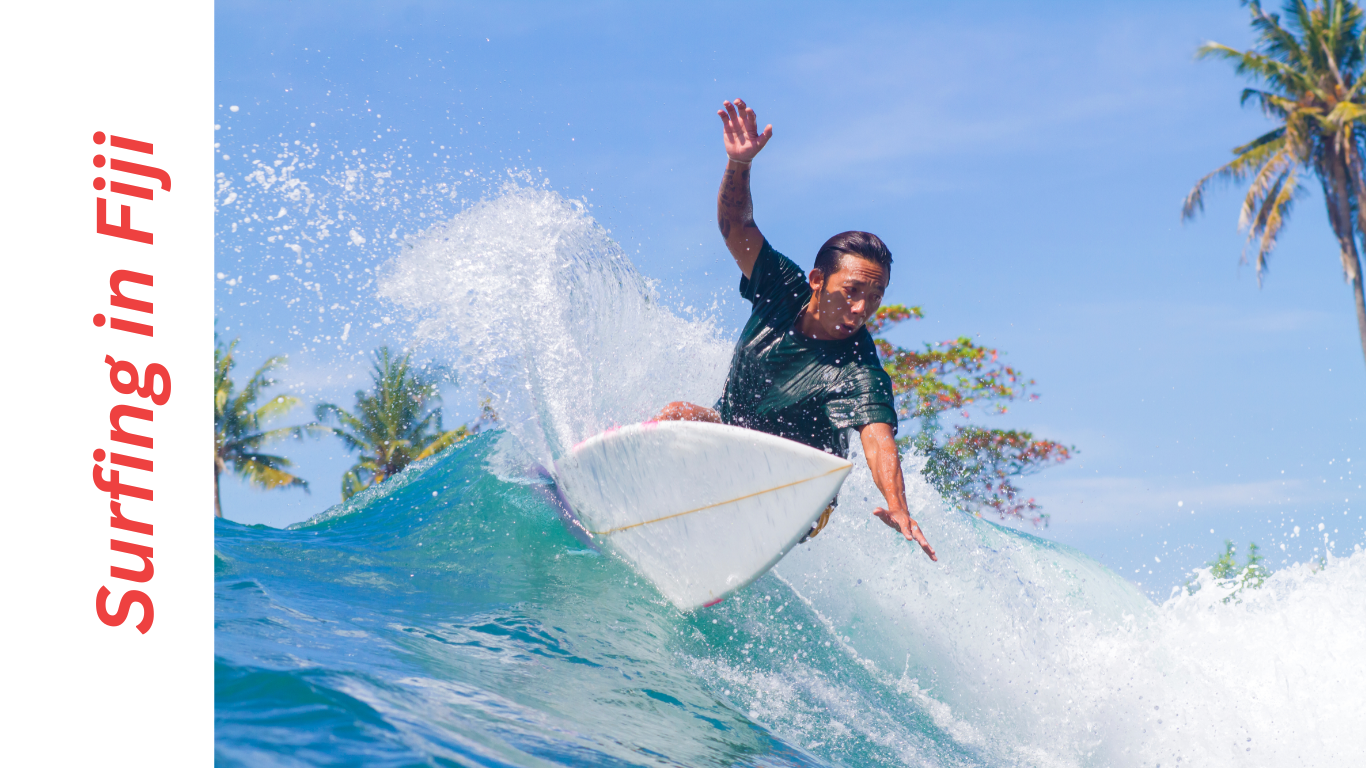
    Surfing in Fiji is more than just a water activity; it’s like meeting the fantastic beauty of nature in action. Fiji is a beautiful place where the blue waters of the South Pacific embrace the joy of the perfect wave – a surfing utopia like no other. Fiji vacation is famous around the world.

    Understanding Fiji’s Surf Seasons

    Before we dive into the heart of the Fijian waves, let’s understand the rhythm of the surf seasons. Winter Season (April to October): Brace yourself for consistent ground swells, reaching 8-10 feet, as low-pressure systems in the Southern Hemisphere create a surfer’s haven. The southeast trade winds usher you into an adrenaline-fueled world where the waves echo the spirit of adventure. Summer Season (November to March): While shorter duration swells characterize this season, the tropical conditions offer a unique charm. Glassy waters and light winds paint the perfect canvas for your surfing escapade, with the occasional Fiji diving adventure for those seeking underwater wonders. As you ride the waves, feel the rush of Fiji water beneath your board, creating an unparalleled connection between the ocean and your soul. This is not just surfing; it’s a communion with nature’s forces, where every wave is a testament to the untamed beauty of Fiji.

    Surfing in Fiji – Conditions and Essentials

    • Prepare to conquer the Fiji waves by ensuring you have the right equipment. On more significant days, bringing your shortboard and your usual ‘step-up’ or semi-gun is recommended. With Fijian waves breaking over coral reefs, you must be confident and competent in your surfing skills.
    • Explore surfing packages offered by Fiji’s many resorts. These facilities typically include surfing trips for guests and are available to all surfers. Imagine riding the perfect waves, feeling the Fijian waters ripple beneath your board, and having the opportunity to explore the underwater wonders with Fijian divers of the series—all wrapped up in distance swimming.
    • Fiji’s surf breaks, including Cloudbreak and Frigates, require specific surfing skills. For a safe and enjoyable experience, master break times, take in the energy of the waves and listen to the instructions given by experienced wave guides at resorts.

    Surfing in Fiji – Experiences at Namotu Island

    • Close to pristine resorts, Namotu Island is conveniently located, with easy access to Fiji’s top surf breaks. Whether the famous Cloudbreak, the exciting Wilkes Pass, or the spectacular Namotu Lefts, each wave offers unique opportunities for surfers of all skill levels and tastes.
    • Unlimited swimming fun: Unlike other resorts, Namotu Island offers complete paddle boarding. Spend as much or as little time in the water as you like. Does the sunscreen need a touch-up or a board switch? No worries—our boats get you to shore quickly and back to the waves effortlessly.
    • Guided by water experts: Resident wave guides, passionate about Fiji and its waves, accompany you on your water adventure. With years of experience and deep ties to the island, these guides ensure your safety and share valuable insights, new settings and a friendly presence during your time on the water.
    • Surfing options: Namotu Island spoils surfers with incredible waves on its doorstep. The endless options are left and right, fast and hollow, or the right wave for beginners.
    • Inclusive Surfing Packages: Take advantage of inclusive surfing packages that cater to all your wave-riding desires. Namotu Island goes beyond the norm, offering rafts, expert guidance and a welcoming atmosphere for guests to return to year after year.
    • Gallery of Unforgettable Moments: Take in the surfing vibes of Namotu Island with an exciting gallery of surfers recording waves, paddleboarding adventures, and simply enjoying the ocean.
    On Namotu Island, surfing in Fiji is more than just a sport; The main thrill of the water is adventure, with each wave carrying the essence of Fiji’s crystal clear waters and the promise of unparalleled swimming thrills.

    Top Surf Breaks in Fiji

    1. Cloudbreak: With its legendary status rivalling popular resorts like Pipeline and Teahupoo, Cloudbreak stands as a testament to the frequency of Fiji’s surfing prowess. Legends like Kelly Slater, and this resort offers fun in surfing. It blends effortlessly with the refreshing waters of Fiji.
    2. Frigates: For a world-class left winger who can compete with Cloudbreak in strength, size, and consistency, join the Frigates. Located about 20 kilometres from Matanivusi, it is a haven for surfers looking for long walls and big barrels. The gradual slope of the reef allows Frigates to handle swells of all sizes, providing a varied and fun surfing experience.
    3. J’s: Look for fast J’s waves, which stay between 2 and 6 feet. With the best experience of strong waves with northeast to west winds, J’s is an ideal playground for intermediate to advanced surfers.
    4. Fiji Pipe: This break comes alive in the summer, perfect for 2-6 feet swells. The offshore wind makes for a beautiful bottle ride, making it a must-visit for wave enthusiasts looking for a challenging yet rewarding experience. Watch the rush of surfing in Fiji behind stunning coral reefs, and occasionally stop for a Fiji swim to explore the wonders below.
  • Discovering Fiji Islands – Nature, Culture and Adventure

    Discovering Fiji Islands – Nature, Culture and Adventure

    Located in the heart of the South Pacific, the stunning Fiji Islands extend a warm invitation with their breathtaking beauty and genuine hospitality. This collection of 333 beautiful islands makes for a small but wonderful country naturally decorated with wonders and colors. Imagine pristine waters hugging a beach with sandy palm-fringed beaches—an escape that draws visitors to a unique paradise.

    Fiji Islands – A Natural Paradise

    Step into the embrace of nature as you set foot on the enchanting Islands of Fiji – a true testament to the wonders our planet holds. Imagine yourself in this unspoiled haven, where 333 islands cradle a pristine paradise. Crystal-clear waters caress palm-fringed, ivory beaches, painting a picture of tranquility that words can only attempt to capture. Corals are decorated with colors, weaving an underwater canvas that rivals any artist’s vivid imagination. Snorkelling in Fiji isn’t just an activity; It is an entry point into the kaleidoscopic world, where every moment opens a new chapter in the delights of the sea. But there is more to Fiji than just the underwater world. Deeper into the center of the islands, there ar lush landscapes, rolling hills and hidden waterfalls that await you to explore. Central Fiji is heaven for nature lovers, with hiking trails that offer spectacular views. Let the harmonious tunes of birdsong and the caress of tropical breezes accompany your exploration. The Fijian Islands transcend as a destination; They are a haven to the rhythm of nature, inviting you to immerse yourself in its rhythm.
    Diving into Fijian Culture: A Journey of Authentic Encounters

    Traditional Fijian Villages

    Feel the sound of Fiji’s heartbeat as you step into the traditional Fijian villages. Located in the heart of Fiji, these villages are more than just attractions; They are living legends, inviting you to immerse yourself in the living fabric of Fijian culture. Picture strolling through these authentic settlements, where every smile is genuine, and every interaction is a doorway to the daily rhythm of life. Interact with locals, share stories in the shade of ancient trees, and experience the warm hospitality that defines Fijian life. In these villages, truthfulness is not a game but a testimony to the way of life, the true spirit that defines Fijians.

    Cultural Activities and Rituals

    Meke and Kava Ceremonies
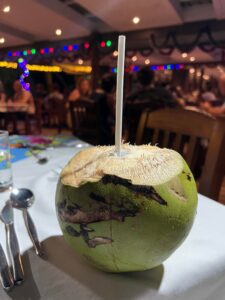
    Feel the rhythm of Fijian culture resonate through the energetic beats of the Meke and the serene gatherings of Kava ceremonies. The Meke, a lively performance intertwining dance and song, becomes a vibrant celebration of history and storytelling Let the beat of the drums guide you, sway to the rhythms of the dancers, and let the stories of the island unfold in a dramatic performance. Fijian hospitality is a cornerstone, and kava ceremonies provide more than a traditional experience. Join the circle, taste the traditional Kava, and be part of a shared moment beyond tradition. It’s not just about the drink; It is a social bridge that binds the heart, a true expression of friendship that defines the Fijian way of life.
    Local Village Tours
    Embark on an enriching journey beyond the well-trodden tourist paths with local village tours. These guided experiences reveal the essence of real Fijian life, taking you off the beaten track to get a closer look at the vibrant culture. Talk to locals, witness traditional crafts at work and be part of the daily rhythm of this welcoming community. It’s more than a journey; It’s a meeting with a culture built on community, respect, and just the joy of sharing. In these cultural dimensions, the Fiji Islands transform from geographical wonders to living, breathing testaments of traditions that define and shape the soul of its people.

    Discover the Heartbeat of Fiji: Engaging Adventures Await

    1. Fiji’s Azure Waters

    Submerge yourself in the azure embrace of Fiji’s pristine waters, where marine life awaits. Snorkeling is a magical adventure that reveals the realm beneath the waves. Coral reefs erupt in beautiful colors, giving nature’s underwater masterpieces a front seat. And set sail on the iconic yacht, Rere Ahi, translating to ‘Flying Fire’ in Maori. Whether it’s a castaway beach picnic or a serene sunset cruise, let the rhythmic waves guide you.
    1. Islands’ Treasure

    Beyond the sandy shores, Fiji’s heart reveals itself through lush landscapes and hidden trails. Lace up your hiking boots and hike the green trails that offer awesome views and hidden waterfalls. Feel the wind in your hair as you wind down the beautiful beaches of Fiji. Witness the playful dance moves of these sea companions, creating irresistible joy and connection with nature.
    1. Fijian Culture

    From coconut bowling to friendly tournaments, the activities reflect the sporting side of Fijian culture. Humour becomes a universal language, bringing locals and strangers together in a shared joy. Fijian cocunut Get to know about Fijian culture through Kava drinking ceremonies, where warmth and hospitality are poured into each cup. Deepen your connection with the people by joining them in the art of preparing local specialities. These activities are not just for entertainment; They are gateways to the very heartbeat of the Fiji Islands, where every trip is a brushstroke, and paint memories to stand the test of time.
    Choosing Your Time to Explore Fiji Islands

    Dreaming of the Fijian Islands? Picking the right time ensures your getaway is painted with the sunniest tones and gentle breezes.
    1. Embracing the Sunshine from May to October

    Dry Season Welcome: Between May and October, Fiji basks in its dry season glory. The islands offer plenty of sunshine, clear skies and mild temperatures providing a beautiful stay for beach and nature lovers.This mild climate invites you to enjoy without the scorching heat.
    1. November’s Lush Greenery

    Transition to the Wet Season: November ushers in the wet season, transforming the landscape into a lush, green spectacle. While brief drizzles might surprise you, they contribute to the vibrant flora. Nature Lover’s Delight: For those captivated by Fiji’s lush landscapes, November unfolds as the perfect opportunity to witness nature’s grand transformation.
    1. December to April – Embarking on Wet Season Adventures

    Tropical Showers: From December to April, embrace Fiji’s wet season, characterized by brief tropical showers. Too much rain cannot destroy spirits; Instead, it fosters a thriving ecosystem, increasing attractions. Vibrant Marine Life: Take a plunge into the warm waters during this season to witness the underwater world’s vibrant marine life. It is a fascinating canvas of colors, revealing the true beauty underneath.
    1. Festivities and Events to Spice Things Up

    Cultural Celebrations: For a deep dive into Fijian culture, plan your visit during the festive season. Immerse yourself in traditional Fijian celebrations and ceremonies, adding a local touch to your stay.
    1. Navigating Crowds and Budget Considerations

    Peak Season Pause: June to August marks the peak tourist season. If you crave a quieter experience with fewer crowds, consider exploring Fiji during the shoulder seasons. As you explore these stunning Island chain, the Fiji Islands will become not just a place on a map, but a collection of moments etched into your memory. Discover, experience and enjoy the unparalleled beauty that defines the islands of Fiji – a true tropical paradise.
  • Heroes Need Heroes – A Closer Look at Fiji NGOs  Landscape

    Heroes Need Heroes – A Closer Look at Fiji NGOs Landscape

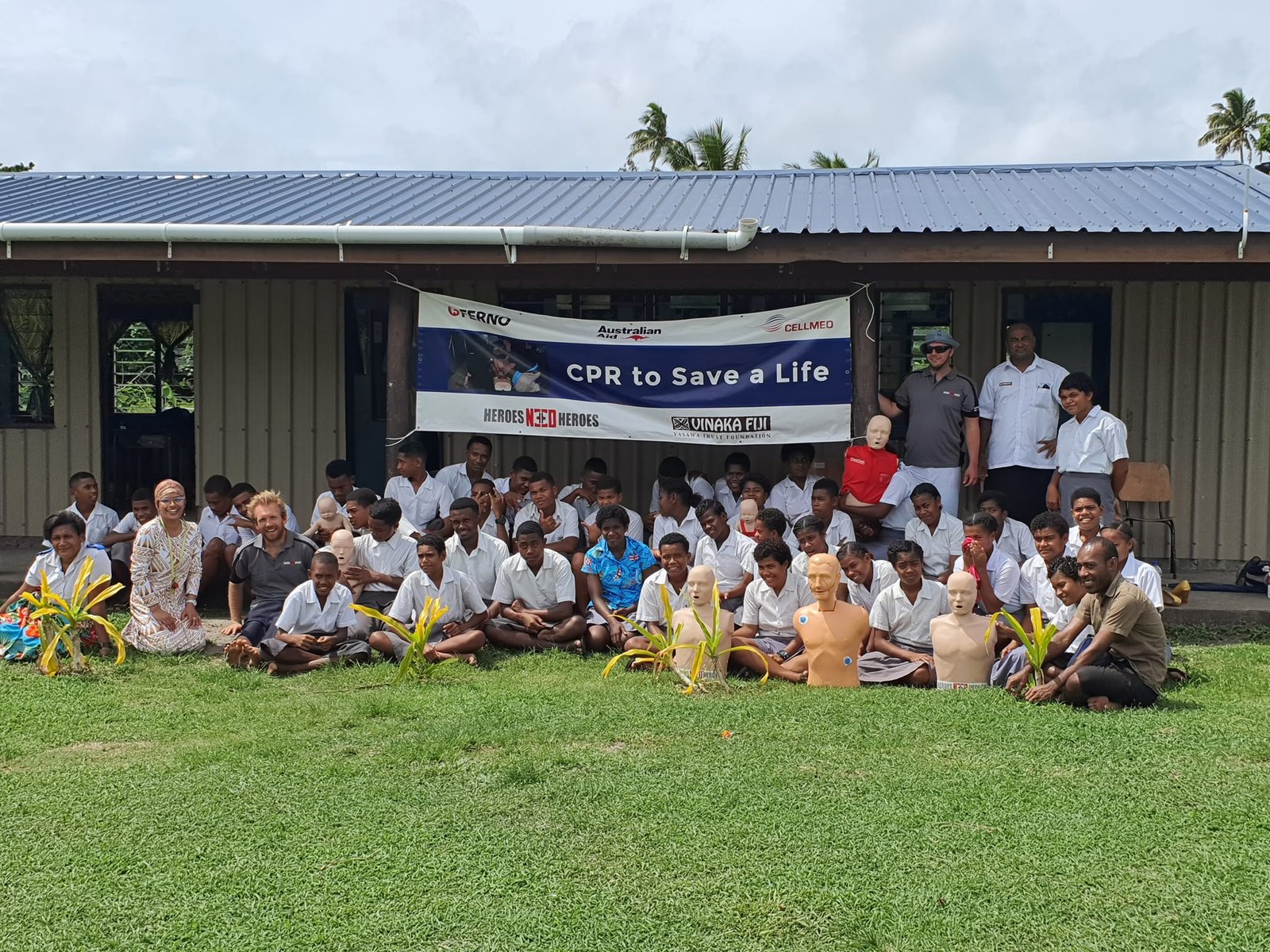
    Picture a landscape of 330 islands, where Fiji NGOs (that’s Non-Governmental Organizations) are the unsung heroes working towards positive change. This article is your invitation to join the dynamic world of Fijian NGOs and focus on the amazing work that they do. Located in the South Pacific, Fiji is more than just a turquoise water paradise; It is a place where NGOs demonstrate a sense of resilience and solidarity. Get ready to be inspired by tales of kindness that echo across the islands and reach into the hearts of those making a positive impact. Fiji NGOs The Story Behind Fiji NGOs When we talk about “Fijian NGOs” we are not just talking about organizations; We are talking about the collective power that is empowered by collective missionary work: to make a positive difference in the lives of Fijians and others. These NGOs, often unsung prominent figures in this narrative, have been quietly reshaping the social fabric for years. Motivated by a genuine promise to make a real impact, these organizations seamlessly weave through the very fabric of community welfare in the islands. Amidst this patchwork of goodwill, enter “HNH,” a pivotal player in Fiji’s NGO saga. It wasn’t born out of chance; it was born out of a collective yearning to serve and make a meaningful difference. As we uncover the background of Fijian NGOs, let’s appreciate the narrative of these organizations—the unsung heroes painting a brighter tomorrow for Fijians, one act of kindness at a time. HNH – A Crucial Player in Fiji’s NGO Tapestry In the intricate weave of Fiji’s NGO realm, “Heroes Need Heroes” (HNH) stands as a pivotal force, threading impact and hope throughout the islands with a distinct Australian touch. It wasn’t a coincidence; it was a conscious dedication that birthed HNH, epitomizing heroism by standing shoulder to shoulder with International Ambulance and Rescue Personnel in Southeast Asia. What it extends is more than support—it’s an unwavering lifeline. At the core of HNH’s mission is the commitment to be the silent force driving successful rescues, be it in the serene Fiji Highlands or the bustling towns. In the grand canvas of Fijian NGOs, HNH, with its Australian roots, doesn’t just talk about change—it actively contributes to it. As we unravel the background of HNH, let’s take a moment to acknowledge the unsung heroes, the architects of a brighter tomorrow for Fijians—one act of kindness at a time. Empowering Heroes: Unveiling HNH’s Impactful Initiatives In the vibrant canvas of Fiji’s philanthropy, (HNH) isn’t just a name; it’s a force weaving strokes of change that resonate across South East Asia.

    • Boosting Rescuer Confidence:At the heart of HNH’s initiative is a dedicated pledge to boost the confidence of International Ambulance and Rescue Personnel. Whether nestled in the serene Fiji Highlands or amidst the hustle of towns, the organization goes beyond just training—its mission is to transform ordinary individuals into extraordinary rescuers, ready to navigate emergencies with skill and poise.
    • A Lifeline of Equipment:Beyond education, HNH extends a lifeline through the donation of crucial medical equipment.
    • Reaching the Unreachable:No corner is too remote for HNH. Venturing into the beautiful Fiji Highlands, the organization provides life-saving first aid training, making an indelible mark on communities that are often overlooked.
    • Standing Strong in Cyclones’ Wake:When nature’s fury strikes, HNH stands strong. Swiftly responding to disasters like Cyclone Mal, the organization becomes a pillar of support in the face of destruction. It’s about being there during the storm, ensuring that the ground heroes have the backing required to weather the turbulence.
    Heroes Need Heroes Exploring the Impact of Heroes Need Heroes in Fiji Envision a tapestry woven with compassion, portraying Fiji NGOs as the unsung heroes sculpting a narrative of positive change across the islands. Taking center stage is the Australian-based Heroes Need Heroes(HNH) initiative—a living embodiment of genuine heroism. HNH’s mission seamlessly aligns with the courageous International Ambulance and Rescue Personnel in Southeast Asia. Beyond the conventional NGO role, it silently promises to support successful rescues, whether amidst the serene Fiji Highlands or the bustling towns. In the face of nature’s fury, HNH stands tall, swiftly responding to disasters like Cyclone Mal, emerging as a pillar of support amid destruction. Within Fiji’s close-knit communities, NGOs, spearheaded by HNH, play a pivotal role in enhancing healthcare services across the islands. The perpetual challenge of limited resources fails to dampen their spirits. In the dynamic landscape of policies and regulations, Fijian NGOs, under the leadership of HNH, showcase adaptability as a core strength. Navigating Challenges faced by Fiji NGOs In the midst of Fiji’s enchanting beauty, NGOs, HNH among them, tread a path strewn with challenges.

    1. The Resource Conundrum:Fiji NGOs, HNH not exempted, often wrestle with a scarcity of resources. Whether it’s budget constraints or a lack of skilled staff, these organizations face an uphill battle to deliver maximum impact with minimal tools.
    2. Navigating Fiji’s Diverse Terrain:The idyllic islands of Fiji bring their unique challenges, particularly in terms of geographical disparities. Remote areas, where the need is most acute, present logistical puzzles for NGOs like HNH. Developing effective distribution strategies requires ingenuity to navigate through a variety of issues.
    3. Nature’s Unpredictability:The unpredictable temperament of nature in Fiji adds another layer of challenge. Storms, hurricanes, and natural disasters can disrupt NGOs’ sustained efforts, shifting resources from long-term goals to immediate relief efforts For HNH, it’s a juggling act that balances preparedness with rapid response.
    4. Navigating the Policy Landscape:Fiji NGOs, including HNH, grapple with the ever-changing policy and regulation dynamics. Adapting to governance and compliance requirements is an ongoing challenge. Ensuring their policies align with evolving regulatory frameworks is a constant in their remarkable journey.
    As we wrap up our voyage into the world of Fiji’s NGOs including HNH, who proudly take the lead, we find ourselves immersed in a story of grit, tenacity, and unyielding dedication. Amidst the sunlit allure of the islands, these organizations, undeterred by challenges, stand as beacons of hope, casting a magical influence over Fijian society. NGOs The perpetual challenge of limited resources faced by NGOs in Fiji, HNH included, doesn’t dim their spirit. In the ever-shifting landscape of policies and regulations, Fiji NGOs and Heroes Need Heroes leading the charge, display adaptability as a core strength.

  • Capturing the Spirit of Christmas in Fiji Traditions

    Capturing the Spirit of Christmas in Fiji Traditions

    Christmas in Fiji is more than just a holiday; This is a time when rich traditions, heartfelt gatherings and sweet feasts come together. Influenced by missionaries in the 1700s, Fijian customs have produced a festive season filled with warmth and local spirit. Beyond the stunning scenery, Christmas in Fiji Traditions are known for its mix of vibrant decor and traditional costumes. Whether it’s handmade Christmas trees natural landscapes with twinkling lights or houses decorated in traditional ‘Masi’ costumes, the festive spirit is everywhere. Between sun-kissed beaches and Christmas carols, the holiday season in Fiji is all about harmony and love. Weeks before Christmas, families come together to decorate homes and neighbourhoods in preparation for the upcoming holiday. Now, let’s get to the heart of the festival – the Christmas feast Fiji’s culinary traditions shine through with meat, lobster, crab, shrimp and sides influenced by Hawaiian, Japanese, Chinese, Filipino and Polynesian cuisine the famous Lovo feast, with taro along with, fish, pork and kawa root drinks, steal the show. Imagine waking up on Christmas morning to the sight of kokoda, a Fijian dish made with raw fish. While families enjoy outdoor activities or attend church services, the excitement is high for a big Christmas party.

    Historical Context

    To truly appreciate Christmas in Fiji traditions, it is important to know its historical roots. Introduced by Christian missionaries in the 1700’s, the festival blends with Fijian tradition, making it a special holiday season. Christmas in Fiji is more than just a festive day; It is a cultural fabric woven with ancient influences. The idea of ​​Christmas was introduced by missionaries, and over time, Fijians have developed a holiday that incorporates their customs and reflects their faith and community. The decorations, the ‘masi’ costumes, the culinary delights – each piece has a story based on Fijian history. The mix of Hawaiian, Japanese, Chinese, Filipino and Polynesian influences at the Christmas food in Fiji reflects the diversity of cultures embraced during this special occasion.

    Christmas Day Traditions and Family Gatherings in Fiji

    As the sun rises on Christmas Day in Fiji, joy spreads across the islands. In Fijian homes, the day kicks off with excitement. Families gather for prayers, expressing thanks and remembering the true meaning of Christmas—the birth of Christ. A delightful Christmas tradition in Fiji is the exchange of new clothes. Families dress in their best outfits, symbolizing the celebration of new beginnings. On Christmas Day, the cooking tour continues, and Fijians enjoy a festive meal, making a special dish called lovo with lots of taro, fish, and pork. Throughout the day families will participate in everything from outdoor sports to traditional Samoan cricket to modern sports such as rugby and volleyball It is a time to have fun, laugh and make cherished memories with loved ones. In Fiji, Christmas is a time of togetherness. Families and communities truly come together in a spirit of joy. The festive air resounds with the warmth of laughter, shared food, and shared traditions. In the weeks leading up to Christmas, warm Fijian villages host community events with music in the air. It’s a time for relatives, both near and far, to come together, celebrate, and reconnect. There is a sense of togetherness as homes and villages are lit up with decorations and the smell of Christmas food in Fiji fills the air. The Christmas food in Fiji is the heart of Fijian holidays, has special meaning. The tables are filled with dishes that reflect the culinary influence that makes Fijian feasts truly unique. From the dishes Lovo cooks to the tempting Kokoda, each dish speaks of tradition, love and the joy of sharing.

    Christmas Eve Feast and Decorations

    As the sun sets over the Pacific on Christmas Eve in Fiji, the excitement for the big feast begins. The table is filled with tasty meats like lobster, crab, and prawns—a true celebration of diverse and abundant flavors. The multicultural influence of Hawaiian, Japanese, Chinese, Filipino, and Polynesian cuisines harmonize on this festive table. The air is filled with the delightful aroma of the lovo, the traditional Fijian earth oven. Taro, fish, and pork slowly cook to perfection, infusing the dishes with a smoky flavor. The ceremonial serving of kava, a traditional root drink, adds an extra touch to the celebrations. ​Imagine sitting down to this feast with loved ones, surrounded by family warmth and the tempting smells of Fijian delicacies. Christmas Eve in Fiji is not just a night of feasting; it’s a culinary journey that brings people together, creating memories that linger long after the last bite. The joy of Christmas in Fiji traditions extends beyond homes to streets, villages, and sandy beaches. The decorations create a magical world during this festival. Houses sparkle with twinkling lights, Christmas trees adorned with decorations, and walls draped in traditional Fijian costumes called ‘masi,’ depicting Nativity and Santa Claus. These decorations are not just for show; They reflect the joy and warmth of the Fijians. Whether twinkling Christmas lights in the countryside or beautiful displays in homes, each decoration speaks of unity, celebration and the hope of creating cherished memories As the sun sets over the Pacific Ocean, festive lights takes center stage, casting a magical glow over the gatherings and parties that defines Christmas in Fiji. So, that’s Christmas in Fiji Traditions! It’s not just a day; it’s a whole season of joy and togetherness. So, whether it’s the excitement of Christmas Eve, the joy of Christmas Day, or the weeks of festive community events, each moment is about creating memories and celebrating the unique blend of old traditions and new moments. In Fiji, Christmas is a time to cherish, full of laughter, shared meals, and the promise of more celebrations to come.
  • Transport in Fiji – Travel Threads

    Transport in Fiji – Travel Threads

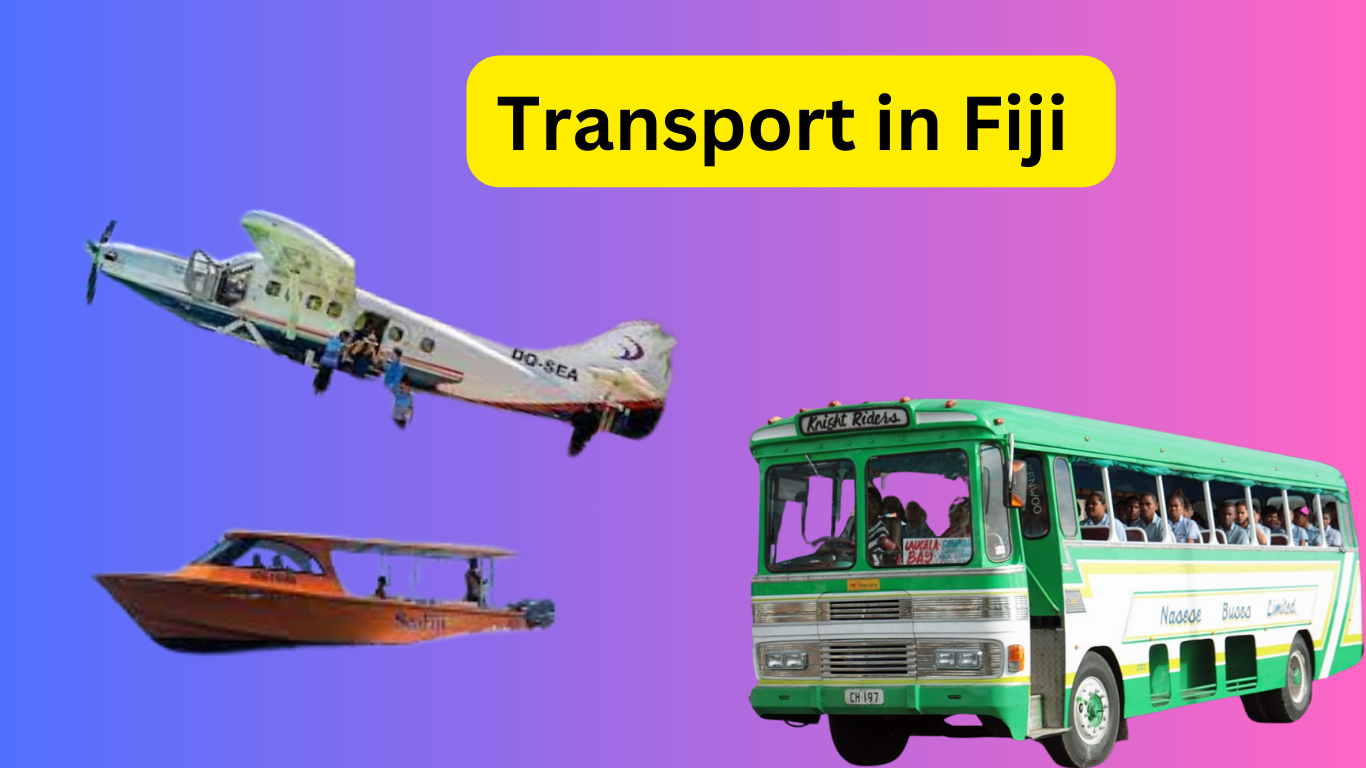
    In this tropical haven amidst kaleidoscopic Fijian cultural elements, the act of getting from one point to another is more than just a matter of making it to your destination – it’s a delightful soaking-up of the local colour, life, and warmth through the transport in Fiji systems available on the islands. The story woven on the roads that carry the cars and the buses, the boats linking the islands together like cords, and the planes bringing what the people call the breathtaking aerial view of the nation isn’t just the transport in Fiji. Outrigger canoes, bilibili rafts and bullock carts reveal Fiji’s cultural heritage with roots going back to its ancient days.

    Cost-Effective and Convenient Options

    Fiji transport like the public buses will provide you with inexpensive travel within the city, whereas the taxis will provide you with the convenience of dropping you at your desired location, and renting a car will give you the freedom to plan your route accordingly. Fiji provides safety and comfort of the traveller are of paramount importance in their transport system. Fiji gives a boost to transport, from the perfectly maintained roads to the reliably fast sea or air vessels, for all visitors. The pre-step for Fiji travelling contains the planning of your transport. Make a booking, opt for group packages, and find local hidden gems or good but cheap getaway options.

    Land Transport in Fiji

    Fiji travel on land is a dreamy trip that allows you to witness the natural charm of the coasts. In Fiji, be it the busy city streets or scenic highways, the land transport is a playground.

    Highways Connecting Islands

    The main roads in Fiji are the arteries linking the islands to the rest of the country providing a perfect avenue for travellers to experience the beautiful pieces that make up this archipelago. These roads provide tourists with scenic drives, showcasing Fiji’s diverse topography.

    Public Transport – On-demand riding operators like e-buses and taxis

    The tailor-made options for those who don’t require lengthy distances, like buses and taxis, are viable choices in Fiji’s smaller towns and cities. There are buses shining with lights and colours, traversing the roads putting the cheapest and most communal travel at your service. Taxis help you to feel comfortable and reach your destination safely despite the hassles associated with a personal vehicle. The public buses and shared taxis offer you economical travel options which allow you to super cool departures or tours without spending a fortune. Sort out your routes, get local recommendations and head out on a cheap road trip in Fiji. For those who want to have diversity during their travelling, the greatest option for them is renting a car in Fiji. This gives you the chance to go beyond typical cities, find private spots, and travel through impressive views that no one can see except you. Fill up with gas, roll the wheel, and jump off along countless unknown roads.

    Safety and Road Conditions

    Fijian emphasizes the quality of the road infrastructure, where highways are constantly well-maintained, and the signage is easy for visitors to follow.

    Water Transport in Fiji

    In Fiji water transport creates a whole new world where a boat is a gateway to a discovery, opening the door to the beauty of the South Pacific.

    Boats:

    Fiji boats are more than just means of transport; they are interlinking facilities carrying islands, communities, and cultures. People who go out on the water not in canoes but in yachts for instance, the stories they tell about their adventures lying ahead are a lot when compared to the easy life of the shore.

    Ferries:

    Ferry rides in Fiji like ocean expressways are faster and more pleasant to go between the big islands by water. Ferry services are as sought after as water transport vessels moving along the coastal Fiji Islands from Suva to Vanua Levu or the Mamanuca archipelago where they give explorers an almost exclusive view of coastal beauty.

    Cruises:

    Cruising along Fiji’s coastlines affords wide horizons as you take into account the amazing coral reefs, the perfectly white sandy beaches and the colourful diversity of marine life. Chill and relax on the deck, sunbathe, and take a dip in the turquoise waters or opt for the stunning underwater encounter.  One will surely have incredible lifetime memories from this expedition.

    Traditional Drua:

    Try the drua, a traditional Fijian Maritime Craft, for a ride of the sea heritage. These boats with two decks give an insight into the hows and whys of ancient Fijian voyages, and the importance of culture and tradition.

    Water Taxis:

    Water taxis of Fiji proceed with the speeds and convenience needed to get to the islands that are hard to reach and in the secluded resorts. Spend a nice relaxing time on a water taxi vessel, travelling through Fiji’s enchanting waters.

    Safety Measures and Regulations:

    Fiji puts water transport safety in the first place since it is developed and supervised by licensed operators, it possesses safety equipment, and rules are clear and guide passengers.

    Luxury Yachts:

    Avoiding crowds and choosing things high and special is also possible in Fiji via luxury yacht adventures. Sail in style, look for hidden bays and immerse yourself in an exclusive journey as you resort to the ideal island-hopping adventure in the luxury yacht you are on.

    Air Transport in Fiji

    Air travel in Fiji is characterized by the opportunity to see the islands from above, the landing of a Fiji flight usually offers amazing views.

    Domestic Flights:

    Domestic flights across the main islands in Fiji will help visitors and locals enjoy comfortable and easy travelling.

    Seaplane Adventures:

    Seaplanes might be this great source of energy for explorers who take this immense journey without any restriction of the spatial border on Fiji, thanks to its present diverse scenarios of the gorgeous region.

    Nadi International Airport:

    Nadi International Airport is the main access point of Fiji that is keen on extending a warm welcome to visitors from everywhere in the world with the natural hospitality offered by Fijian. Onwards from here, flights are being available in plenty where you can easily connect to onward journeys and are all set for Fiji Adventure.

    Safety and Reliability

    Fiji’s aviation sector aims to be safe and even reliable fully enhancing the serenity of passengers when flying. In the air of Fiji, people possess the licenses, modern aircraft, and protocols in the area of safety which are at the highest level.

    Island Perspectives from Above

    The outlook of an aerial view has a certain dimension that your Fiji journey would not be complete without your aerial tour.  You will be able to appreciate the wide variety of geographical targets and also the rich cultural background of Fiji. Suspend your rental will use either Sailplane or Paraglider.

    Traditional and Cultural Transport in Fiji

    Transport in Fiji is not only about getting to point B from point A but one through culture and tradition.

    Outrigger Canoes:

    Outrigger canoes, called Niuas in Fijian, are one-of-a-kind water crafts that were created and practised for over a thousand years by Fijians for fishing and the real purpose of vessel transportation. Being quite indestructible, these ships designed with firm planks of wood help us realize the maritime legacy of Fiji.

    Bilibili Rafts:

    These rafts with sennit rope, are crafted from bamboo, giving a chance to you to catch a glimpse of the past river cruises. Explore Fiji’s historical waterways on nearby traditional rafts and learn about the country’s river culture.  You can also try kayaking or rowboats, canoes for fishing and other adventures.

    Bullock Carts:

    The busy concrete roads of Fiji have the sounds of bullock carts, transporting people back to earlier times. These carts, the oxen-driven ones and the various other ones by which land travel was usually done give modern Fijians an idea of what traditional transportation in villages was all about. The Fiji transport is not merely to travel from one place to another but rather it’s a tour of the varied landscape of this marvellous part of the earth. Starting with the ground to water and air, each transport means will give you a sense of a specific type of trip and thus make your tour more enjoyable and not only because of the sights you see.