Category: Fijian Attractions
-
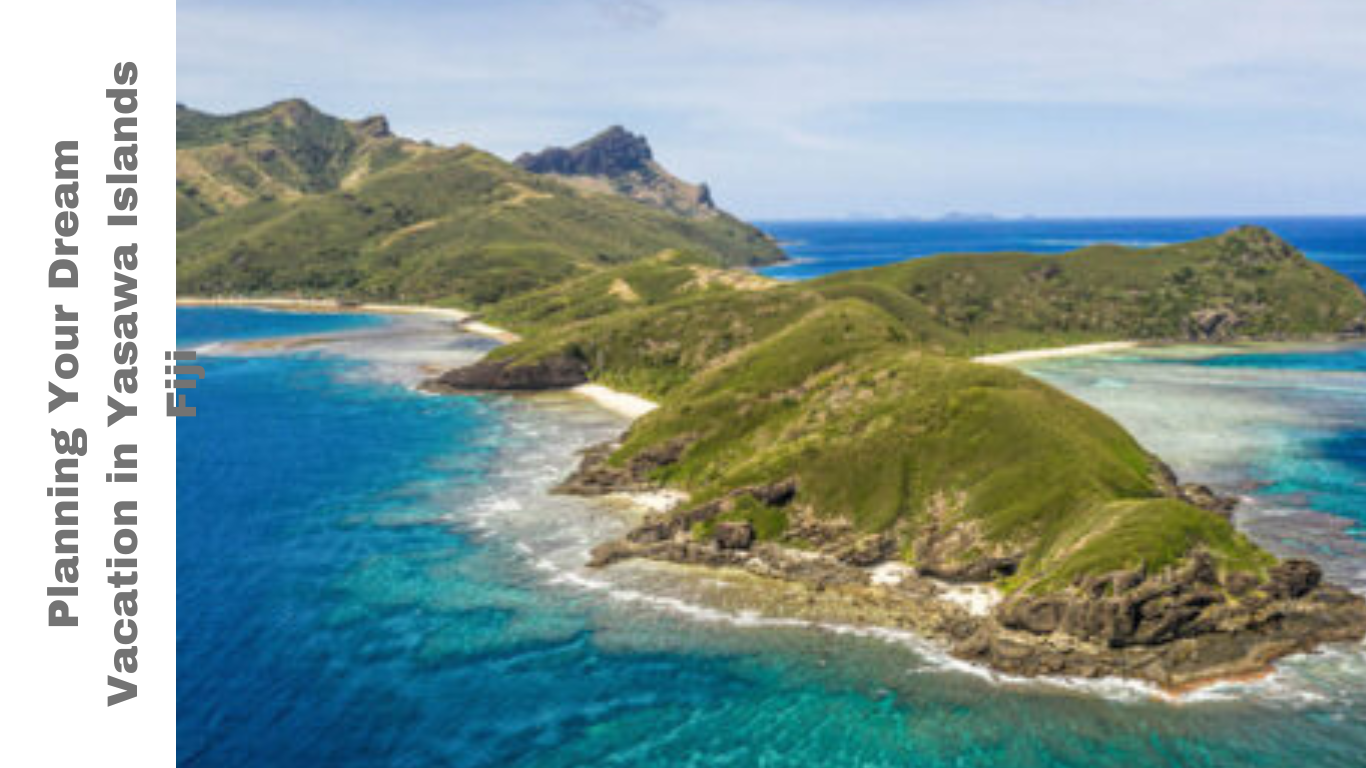
Planning Your Dream Vacation in Yasawa Islands Fiji
Picture an area where the water is so clear you can see the bottom and shores. A location where beautiful and vibrant greenery of the tropical deciduous forests obscure waterfalls and view towns – this is Yasawa Islands Fiji, perhaps one of the most fascinating adventurous, exciting and relaxing holiday destinations for tourists. -
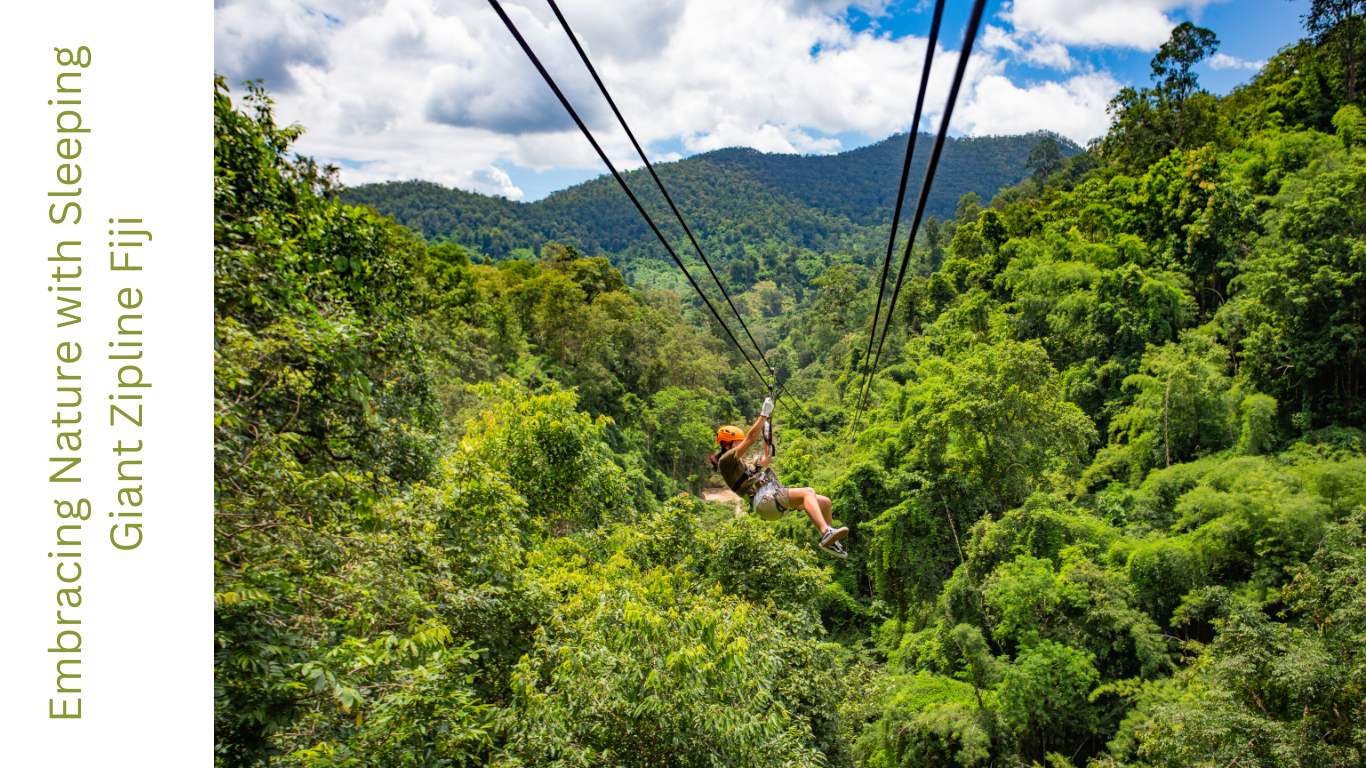
Embracing Nature with Sleeping Giant Zipline Fiji
Situated amid the beauty of nature just a few kilometres away from Nadi is the Sleeping Giant Zipline Fiji; a thrilling zipline park that takes you through the entire Fiji forest. It has more to it as it explores the natural world while taking a zipline adventure. It is enjoyable to everyone; whether a frequent flyer or a starter in the ziplining. You will be surprised by the height of the trees, you will see amazing views of the mountains as you feel that you are flying in the sky.History of Sleeping Giant Zipline Fiji
The simplest and most primal idea behind this Giant Zipline Fiji is to encapsulate the adrenaline-fanatic adventure trip of a lifetime.The Sleep Giant and Inspiration
This zipline park was named after the nearby mountain which is famously known as Sleeping Giant Mountain. This mountain with a form of a man lying down has been existing for many years as a landmark for the local people. The managers of the zipline park wanted to provide the tourists with the possibility to observe this mountain and enjoy the zipline attraction at the same time.Building the Zipline
It took lots of work to bring to life the Sleeping Giant Zipline Fiji. It needed proper planning and a lot of effort. Civil engineers and builders coordinated to construct something that would first of all have safety and at the same time, provide thrill and fun and at least not harm the environment.Opening Day
It right away became quite popular when it was established. People especially the locals and visitors could not wait to participate in this new activity. The news spread far and wide, and thus in no time, people from different parts of the globe flocked to Fiji to enjoy the zipline across the trees.Growing Popularity
Over time, this zipline has received a lot of attention among tourists. In particular, it has added more ziplines and other related attractions that include the nature walk garden and tourism. Today, it is one of the most important sites that anyone can visit when in Fiji.Location and Accessibility
It is located at Sabeto Valley and spans the largest island of Fiji which is Fiti Levu.Getting There From Nadi
Nadi is among the significant urban structures in Fiji and is considered to be the largest tourist centre in the country. Staying in Nadi and interested in travelling to Sleeping Giant Zipline Fiji? Then you have good news, it is easy to get there. The park is very close to the compound and one can easily access it within twenty to thirty minutes’ drive. There are car rental services or a taxi can also be hired or one can join a group tour that is provided with transport.From Denarau Island
If you are planning to spend your holiday in Denarau Island then you are also in for luck. The distance between Denarau and the park with the zipline is approximately 45 minutes driving. Most of the resorts located in Denarau, provide shuttle services or else they can organize transportation to the park.Public Transportation
The last mode of transport for the less privileged with limited cash is to use public transport, that is, the buses. They take a little longer but are quite cheap.Accessibility for All
It is suitable for all ages and fitness levels of the traveller. It can be thrilling and can be a day out with the kids, this park is for anyone.What to Expect – The Zipline Experience
Sleeping Giant Zipline Fiji spot has several zipline cables. Each of them presents a different angle and a different degree of thrill. Some are relatively short and hence suitable for amateurs while others are very long and fast, ideal for those people that love the rush. They consider the safety of their clients as the number one value. The staff comprises professional guides who would make certain that all the equipment is in place and you are properly placed for the takeoff. Gears like harnesses and helmets used in zipline are well-checked to ensure they are in good condition to be used. All in all, you can relax and sleep safely knowing you have entrusted your safety with professional minds. Apart from the ziplining, it has other activities such as walking trails. These tracks run through the mass of the rainforest, making one get close to nature and other wildlife.Scenic Views and Natural Beauty
Majestic Peaks
The park gets its name from the popular mountain known as Sleeping Giant. This steep rock rises in a majestic way to form a backdrop for the adventure that you are holding or participating in. It is also said that the mountain has the look of an envelope-sleeping giant which makes it increasingly interesting.Lush Rainforest
There are huge trees, bright and beautiful flowers, and many other plants as well as grass in the rainforest. The sites in zipline tours are unique; each gives a different view, so you have a close-up view of the different flora.Exotic Fauna
Be on the lookout for animals and other fauna of the rainforest. There are different coloured birds, butterflies and other small creatures flying around. The appearance and the noises that these animals make also contribute to the fairy-tale feel.Sparkling Waterfalls
The park’s feature which adds to the fun of the Sleeping Giant Zipline Fiji includes a waterfall that flows through the park.Refreshing Swim
After the zipline, you could enjoy swimming in the cool water beneath the waterfall. It is an effective method for taking a close look at the most natural facets of life. With water so crystal clear, the water is almost tempting to swim in and is a visited area by many people.Adventure for All Ages
It has something for everyone and that includes children.Kid-Friendly Adventures
The zipline park guarantees that all measures of safety are put to avoid the risk of endangering the lives of young people in a bid to enjoy the ride of the zipline. Children learn something about the environment, while they have fun. Each of the guides provides some or other kind of information regarding the rainforest, the animals and the plants. This makes it fun as well as informative for children and thus presents the opportunity to understand and learn from nature.Thrilling for Teens
The adolescents who seek a thrill will find the sleeping giant Zipline Fiji as a perfect place to achieve their purpose. The longer and faster Zipline routes they have are sure to cause an adrenalin rush and make them enjoy each second of it.Suitable for Seniors
They have aimed this activity not only for the young. They can be taken by the old people, though they can still take the milder trails that are available. Some of the equipment offered is manufactured with the comfort of the elderly in mind and thus, safe to use.Packing Essentials for Sleeping Giant Zipline Fiji
When planning on going, it is necessary to do the right packing. ClothingComfortable and Weather-Appropriate
- Lightweight and Breathable Clothing: The weather in Fiji is warm therefore; one should wear light and airy apparel while in the country.
- Quick-Dry Fabrics: Choose moisture-wicking shirts and briefs, so that you can easily deal with the sweat and/or the sudden rain.
- Long Sleeves and Pants: For the zipline experience, it will be wise to have long sleeves and legs covered so that your skin does not come into contact with the harness or any rough surface.
Footwear
- Sturdy Shoes: For the zipline and any hiking wear comfortable shoes, which should have a closed toe and good grip.
- Sandals or Flip-Flops: For leisurely time at the chosen place of staying, it is better to wear a pair of rather comfortable sandals or flip-flops.
Adventure Gear
Therefore, some of the critical items to put on the zipline are as follows;- Gloves: Even though the zipline operators offer helmets and knee pads, it is always more comfortable to carry your gloves.
- Sunglasses and Hat: Sunglasses and a hat are the measures which help you to shade your eyes and head so, don’t forget to wear them.
Personal Items
- Sunscreen: The sun in Fiji can be sharp so it is recommended that you take high SPF lotion for your skin.
- Insect Repellent: Insects are there, especially in the evening, so it is recommended to bring some insect repellent.
- Water Bottle: It is essential to have a refillable water bottle to help one stay hydrated.
Electronics
- Camera or Smartphone: Always remember to carry along your camera or your smartphone for exquisite shots.
- Portable Charger: A portable charger makes sure that your devices are always charged, for use throughout the day.
Health and Safety
- First Aid Kit: Some general essentials include one or two spare changes of clothes, some band-aids, antiseptic wipes and medicines.
- Hand Sanitizer and Masks: For cleanliness, one should carry hand sanitisers and it is also advisable to have a few masks.
Extras
- Backpack: It includes a small backpack in which you can put just the things you need during the day.
- Snacks: Take some fruits or granola bars that will allow you to eat while making the crafts.
-
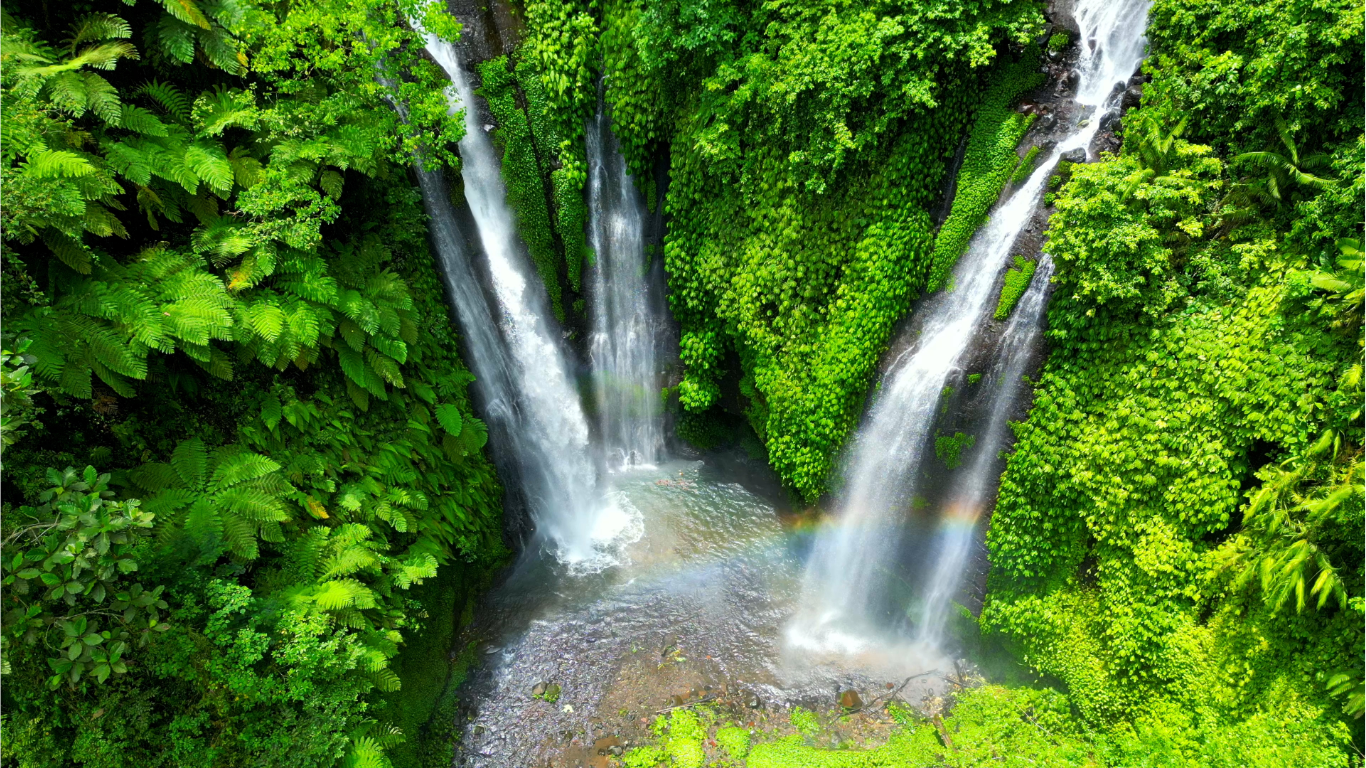
Fiji Hiking Delights
Step into the marvellous world of Fiji hiking, a realm teeming with rainforests, pristine coastlines and soaring summits that invite travellers from all corners. Famous for its excellence in natural beauty, they have different variety of trails which include all sorts of experiences and levels of endurance. Imagine yourself walking on virginal beaches with turquoise waters flirting with your feet and sitting in soft sea breezes kissing your skin. Hiking along the coast of Fiji attractions and activities enables you to dip into quiet serenity at the seaside. Walk along its coastal paths, and hidden coves of bays and marvel at the majestic cliffs as you come across mysterious caves which must entail in them, exude dramatic sceneries on one side while noticing changing natural phenomena around. Whether you want to have a tranquil walk along the beach or an exhilarating trek on jagged cliffs, Fiji coastal trails provide for all preferences. Have a feeling of locals’ warmth and hospitality from the natives as you engage in conversations with them, and storytelling amongst other things will pave the way to long-lasting relationships.Top Reasons for Fiji Hiking
- Spectacular Scenery: Fiji homes some of the most scenic natural landscapes in the world. With rainforests to be seen in each direction of every turn, the natural majesty that you will see while hiking is lush green mountains filled with cascading waterfalls and beautiful clear waters facilitated by pristine beach shores as well towering mesa peaks.
- Rich Biodiversity: The hiking trails in Fiji create a good opportunity to see most of the flora and fauna together since they are numerous here. Look out for brightly coloured birds, strange plants and who knows, maybe even some rare wildlife species while hiking the wilderness of this island.
- Cultural Immersion: The importance of Fiji hiking is not only discovering outdoors but also an opportunity to interact with residents, immersed in one culture. Along the way, you will have a chance to meet people in villages which are remote but meticulously settled and ivy-clad with quaint homes, built centuries ago.
- Adventure and Exploration: No matter the terrain, whether it is scaling rugged mountains of forests or coast cliffs you will find no shortage of adventure and exploration hiking in Fiji. Find hidden treasures, find your way onto secret trails, and make memories that will last forever.
- Physical and Mental Wellness: Something reinvigorating in spending time in nature, and hiking is one of the biggest remedies to refuel your body heart and soul make a tour to Fiji. Let the stress fall upon you as with every breath of fresh air and warmth, shedding by its side will bring about peace to your mind in a reunion with one’s desired inner self that basks under nature.
- Sense of Accomplishment: There is something truly unique about finishing a rugged hike that you never regret. No matter if you climb to the top of a high mountain or walk for long miles as soon as you reach your goal it will make you feel strong and capable.
- Bonding with Friends and Family: Trekking in and around Fiji is not just a mode of connecting with nature, but also sharing any adventurous experience.
- Disconnect and Unplug: In the current struggle to keep up with modern times, it has become increasingly essential to find time and disconnect from technology only to re-establish a connection one has with nature. By hiking in Fiji one can get disconnected from the other end of the world while being positioned closer to Mother Nature.
- Sustainable Tourism: When you decide to Fiji Hiking, you foster a sustainable practice of tourism which helps preserve natural beauty and cultural roots for future generations. Just leave footprints; take memories, and bring a positive change upon our surroundings as well as the local populaces that may be impacted post presence.
- Simply Because It’s Fiji: Bottom line – the very fact that you find yourself hiking in Fiji should make you lace up those boots and take off on a trail. Fiji is a hot paradise owing touring nature, humane people, and sublime land; an adventurer can dream of travelling on different routes like airplanes or auto to reach.
Best Hikes in Fiji – Coastal Trails
-
Coral Coast Walk
-
Sigatoka Sand Dunes National Park
-
Lavena Coastal Walk
-
Bouma National Heritage Park
-
Vuna Coastal Trail
-
Yanuca Island Coastal Walk
-
Coastal Trail Mamanuca Islands
-
Natadola Beach reaches Sigatoka Sand Dunes Walk.
-
Pacific Harbour Coastal Trail
-
The Beqaa Island Coastal Walk
-
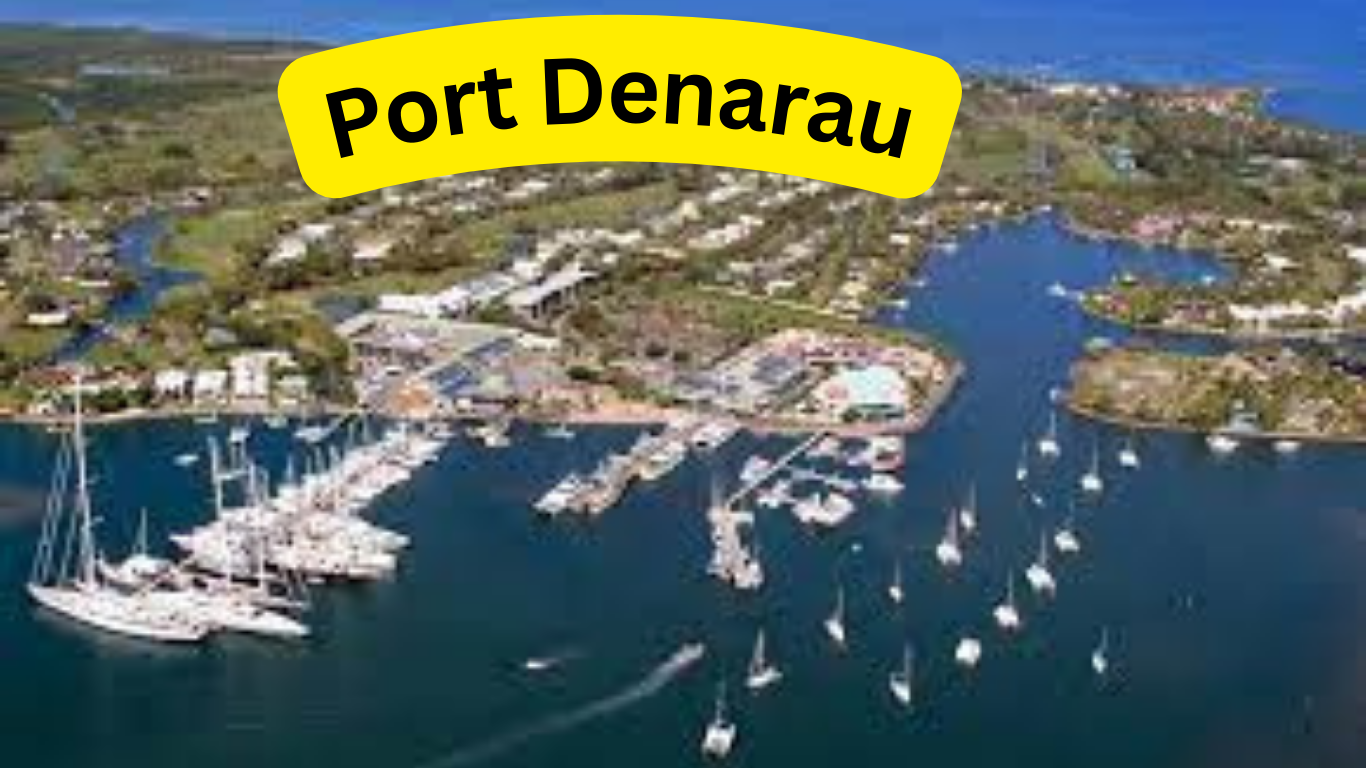
Port Denarau’s Top Attractions and Activities
Imagine a place where the Pacific Ocean conveys the secrets of bliss and tranquillity, and that is what Port Denarau is all about. Tucked away well west of Viti Levu, the cheese giant of the Fiji Islands, Denarau beckons all travellers, promising a trip of pure pleasure. This tropical paradise isn’t just a mix of cultures like Melanesian, Micronesian, Polynesian, Western, and Indian – it’s like a buffet of cultures as diverse as the embracing coral reefs that make up its shores. But hey, besides a rich mix of cultures, the real wonder of Denarau Port is its natural beauty. Close your eyes and imagine the Nausori Mountains, the waters of the Pacific Ocean putting on a crystal-clear display, and the lush rainforest splashing coral cays like confetti Port Denarau is not just a door; It’s an open invitation to get out there, relax and fill your backpack with memories.The Marina Adventure
This is a place where boats rock in the excitement of the ocean – welcome to the beautiful Port Denrau Marina! It’s not just a place to park; Think of it as a floating enclosure. And just like protecting your car with a reliable “car safety” system, these boats have their own fancy ways of staying safe. If boats can talk, they might regale you with tales of adventurous escapes on the open sea. Now, let me tell you a little secret – marinas aren’t just for boats. There are many possibilities. You can explore the treasures of the sea, sample food with ocean views, or even just book an island hop. Imagine a warm marketplace with the gentle murmur of the waves. And here’s the kicker – the marina isn’t just during the day. When the sun shines at night and the stars steal the light, the harbor becomes a magical abode. Imagine walking along the water in a calm moment, surrounded by the soft glow of boat lights and Super Lighting. It’s like a scene lifted from your favorite movie.Island Adventures from Port Denarau
Beaches with pristine white sand, water so clear you can see your luck unfold, and the excitement of a beckoning adventure on day trips to nearby islands. Treat this island cruise as part of a cruise. And just as you would ensure the safety of your car with a reliable “car safety” system, these island cruises come with their own safety net, ensuring that your trip is smooth like an island breeze. Also day trips to the beautiful Mamanuca or Yasawa Islands. There are sandy beaches that look straight out of your dreams, water in the most stunning shades of blue, snorkeling opportunities that are absolutely incredible and the journey is endless. How about visiting Big Bula Water Park? Located in the heart of the Denarau Archipelago, a vibrant aquatic wonderland that’s nearly impossible to miss. It’s like the ultimate playground where you can beat the heat, with all the big slides, rubber rods and obstacle courses designed to make your heart race with excitement. And here is a cultural gem – make sure you don’t miss the Fijian cultural nights in Denarau. A feast for the senses awaits with lively displays of traditional dance and local traditions. And if that’s not enough, Denarau Post hosts a free tribal dance festival with Fijian, Polynesian and fire dancers every evening, except Sunday. Now, for travelers who yearn for independent exploration, renting a car is your ticket to freedom. Cruise through charming small border towns, taking in local history and perhaps stumbling upon hidden gems along the way. It’s like a classic road trip but with an island twist. And for the golf enthusiasts in the crowd, Denarau Port is in your backyard. Resorts such as The Westin, Sheraton and Sofitel offer access to spectacular 18-hole championship golf courses. Imagine teeing off with the vast ocean as your background – a golfing paradise that’s hard to beat. So, whether you are drawn to the charm of the islands, the fascinating water parks, the richness of the local culture, or the thrill of spontaneous adventure, Port Denarau day trips offer a treat if you can get it all.The Thrill at Big Bula Waterpark
Imagine somewhere where the sun shines a bit and the breeze is pleasant, almost as tangible as the water splashing around you is the vibe that awaits you at Big Bula Water Park. As you walk in you are greeted by slides of all shapes and sizes, each promising a thrilling ride from the top to the refreshing pool below It is like a playground where the golden rule is to swim and you’ve had an awesome time. From giant slides that induce exciting screams to obstacle courses that challenge your inner journey – there is something for everyone. Here’s a pro tip for little water enthusiasts – there’s a special section just for them. It’s like a little oasis where they can splash around and play safely. Big Bula Water Park, however, is more than pools; It’s the whole vibe. Imagine sipping a refreshing drink by the water and basking in the warm sun kiss. It’s not just an aquatic habitat; This is a hot retreat located in the heart of Denrau. And the joy doesn’t fade as the sun takes a break, and the stars say their light. Big Bula Water Park turns into a magical realm of fun at night.Cultural of Port Denarau
Walking through the center of Denarau Port is like walking on a living canvas where every beat speaks of diversity and harmony.Fiji Cultural Night
No visit to Denarau Port is complete without a night of Fijian culture. Imagine enjoying delicious local food, beautiful traditional dancing all night, and a fascinating display of Fijian traditions. Whether your resort hosts that traditional night or you venture to another Denarau resort, a treat awaits. Additionally, Denarau offers you a free one-hour tribal dance festival featuring Fijian, Polynesian and fire dancers every evening except the Sunday Traditional dance starts at 6:30pm, adding a rhythm to the island of the night.The pleasure of culinary delights
Indulge in dishes made with native vegetables, spinach and taro leaves, cooked to perfection in the traditional earthen oven known as lovo. Don’t miss the experience of trying kokoda, a Fijian ceviche dish featuring raw tuna marinated in lime with coconut, served with coconut For the more adventurous souls, there’s kava – a traditional drink made from locally grown roots. Port Denarau is not just a beautiful place; It is a celebration of nature, adventure and culture. So, as you navigate through the protective arms of Denarau, which is like making sure your car is secured, remember that every experience contributes to the story you do. -
Discovering Fiji Islands – Nature, Culture and Adventure
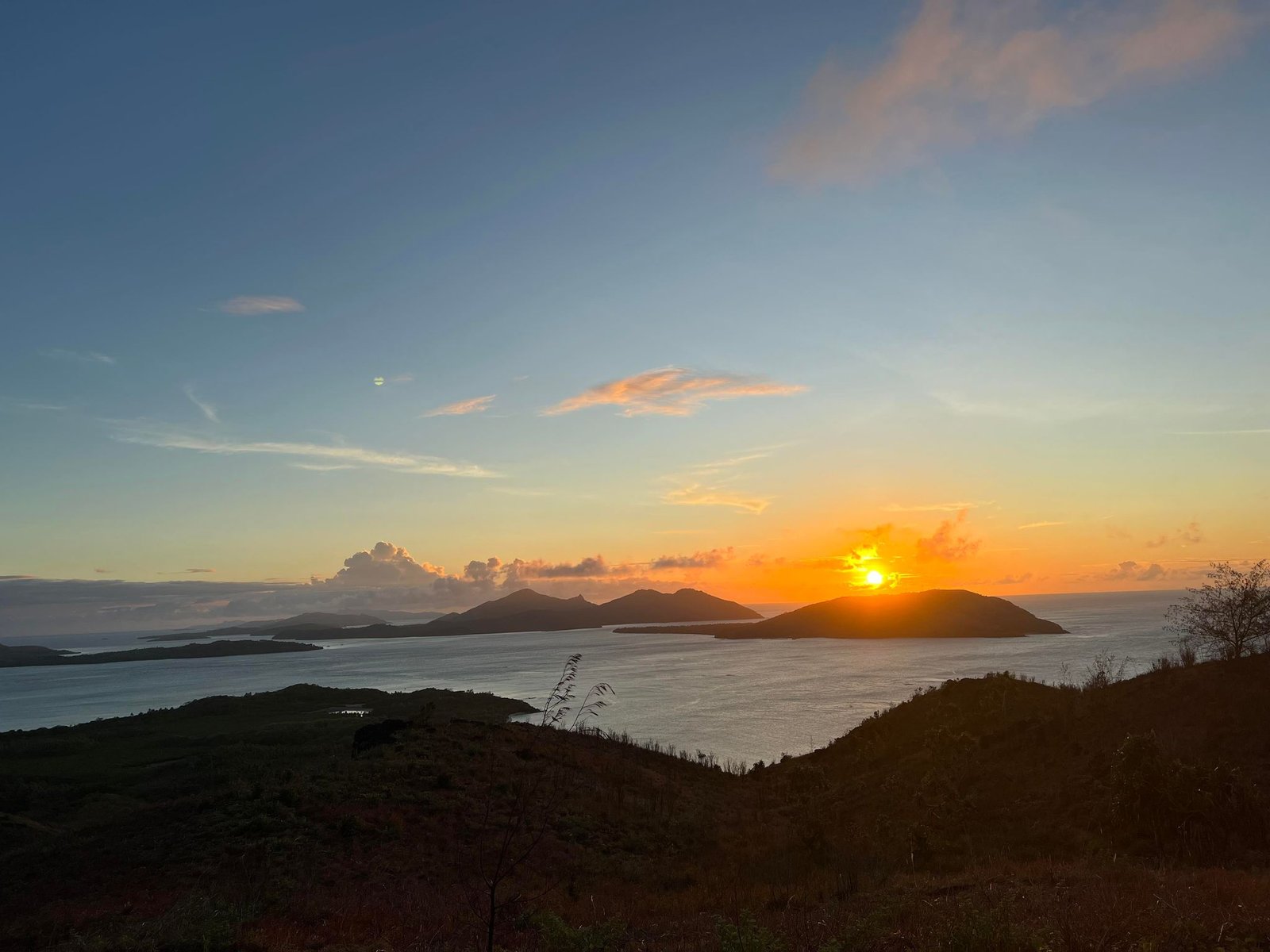
Located in the heart of the South Pacific, the stunning Fiji Islands extend a warm invitation with their breathtaking beauty and genuine hospitality. This collection of 333 beautiful islands makes for a small but wonderful country naturally decorated with wonders and colors. Imagine pristine waters hugging a beach with sandy palm-fringed beaches—an escape that draws visitors to a unique paradise.Fiji Islands – A Natural Paradise
Step into the embrace of nature as you set foot on the enchanting Islands of Fiji – a true testament to the wonders our planet holds. Imagine yourself in this unspoiled haven, where 333 islands cradle a pristine paradise. Crystal-clear waters caress palm-fringed, ivory beaches, painting a picture of tranquility that words can only attempt to capture.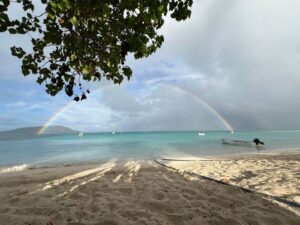 Corals are decorated with colors, weaving an underwater canvas that rivals any artist’s vivid imagination. Snorkelling in Fiji isn’t just an activity; It is an entry point into the kaleidoscopic world, where every moment opens a new chapter in the delights of the sea.
But there is more to Fiji than just the underwater world. Deeper into the center of the islands, there ar lush landscapes, rolling hills and hidden waterfalls that await you to explore. Central Fiji is heaven for nature lovers, with hiking trails that offer spectacular views.
Let the harmonious tunes of birdsong and the caress of tropical breezes accompany your exploration. The Fijian Islands transcend as a destination; They are a haven to the rhythm of nature, inviting you to immerse yourself in its rhythm.
Corals are decorated with colors, weaving an underwater canvas that rivals any artist’s vivid imagination. Snorkelling in Fiji isn’t just an activity; It is an entry point into the kaleidoscopic world, where every moment opens a new chapter in the delights of the sea.
But there is more to Fiji than just the underwater world. Deeper into the center of the islands, there ar lush landscapes, rolling hills and hidden waterfalls that await you to explore. Central Fiji is heaven for nature lovers, with hiking trails that offer spectacular views.
Let the harmonious tunes of birdsong and the caress of tropical breezes accompany your exploration. The Fijian Islands transcend as a destination; They are a haven to the rhythm of nature, inviting you to immerse yourself in its rhythm.
Diving into Fijian Culture: A Journey of Authentic Encounters
Traditional Fijian Villages
Feel the sound of Fiji’s heartbeat as you step into the traditional Fijian villages. Located in the heart of Fiji, these villages are more than just attractions; They are living legends, inviting you to immerse yourself in the living fabric of Fijian culture. Picture strolling through these authentic settlements, where every smile is genuine, and every interaction is a doorway to the daily rhythm of life. Interact with locals, share stories in the shade of ancient trees, and experience the warm hospitality that defines Fijian life. In these villages, truthfulness is not a game but a testimony to the way of life, the true spirit that defines Fijians.Cultural Activities and Rituals
Meke and Kava Ceremonies
Feel the rhythm of Fijian culture resonate through the energetic beats of the Meke and the serene gatherings of Kava ceremonies. The Meke, a lively performance intertwining dance and song, becomes a vibrant celebration of history and storytelling Let the beat of the drums guide you, sway to the rhythms of the dancers, and let the stories of the island unfold in a dramatic performance. Fijian hospitality is a cornerstone, and kava ceremonies provide more than a traditional experience. Join the circle, taste the traditional Kava, and be part of a shared moment beyond tradition. It’s not just about the drink; It is a social bridge that binds the heart, a true expression of friendship that defines the Fijian way of life.Local Village Tours
Embark on an enriching journey beyond the well-trodden tourist paths with local village tours. These guided experiences reveal the essence of real Fijian life, taking you off the beaten track to get a closer look at the vibrant culture. Talk to locals, witness traditional crafts at work and be part of the daily rhythm of this welcoming community. It’s more than a journey; It’s a meeting with a culture built on community, respect, and just the joy of sharing. In these cultural dimensions, the Fiji Islands transform from geographical wonders to living, breathing testaments of traditions that define and shape the soul of its people.Discover the Heartbeat of Fiji: Engaging Adventures Await
-
Fiji’s Azure Waters
-
Islands’ Treasure
-
Fijian Culture
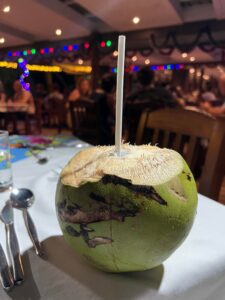 Get to know about Fijian culture through Kava drinking ceremonies, where warmth and hospitality are poured into each cup. Deepen your connection with the people by joining them in the art of preparing local specialities.
These activities are not just for entertainment; They are gateways to the very heartbeat of the Fiji Islands, where every trip is a brushstroke, and paint memories to stand the test of time.
Get to know about Fijian culture through Kava drinking ceremonies, where warmth and hospitality are poured into each cup. Deepen your connection with the people by joining them in the art of preparing local specialities.
These activities are not just for entertainment; They are gateways to the very heartbeat of the Fiji Islands, where every trip is a brushstroke, and paint memories to stand the test of time.
Choosing Your Time to Explore Fiji Islands
Dreaming of the Fijian Islands? Picking the right time ensures your getaway is painted with the sunniest tones and gentle breezes.-
Embracing the Sunshine from May to October
-
November’s Lush Greenery
-
December to April – Embarking on Wet Season Adventures
-
Festivities and Events to Spice Things Up
-
Navigating Crowds and Budget Considerations
-
-
Capturing the Spirit of Christmas in Fiji Traditions
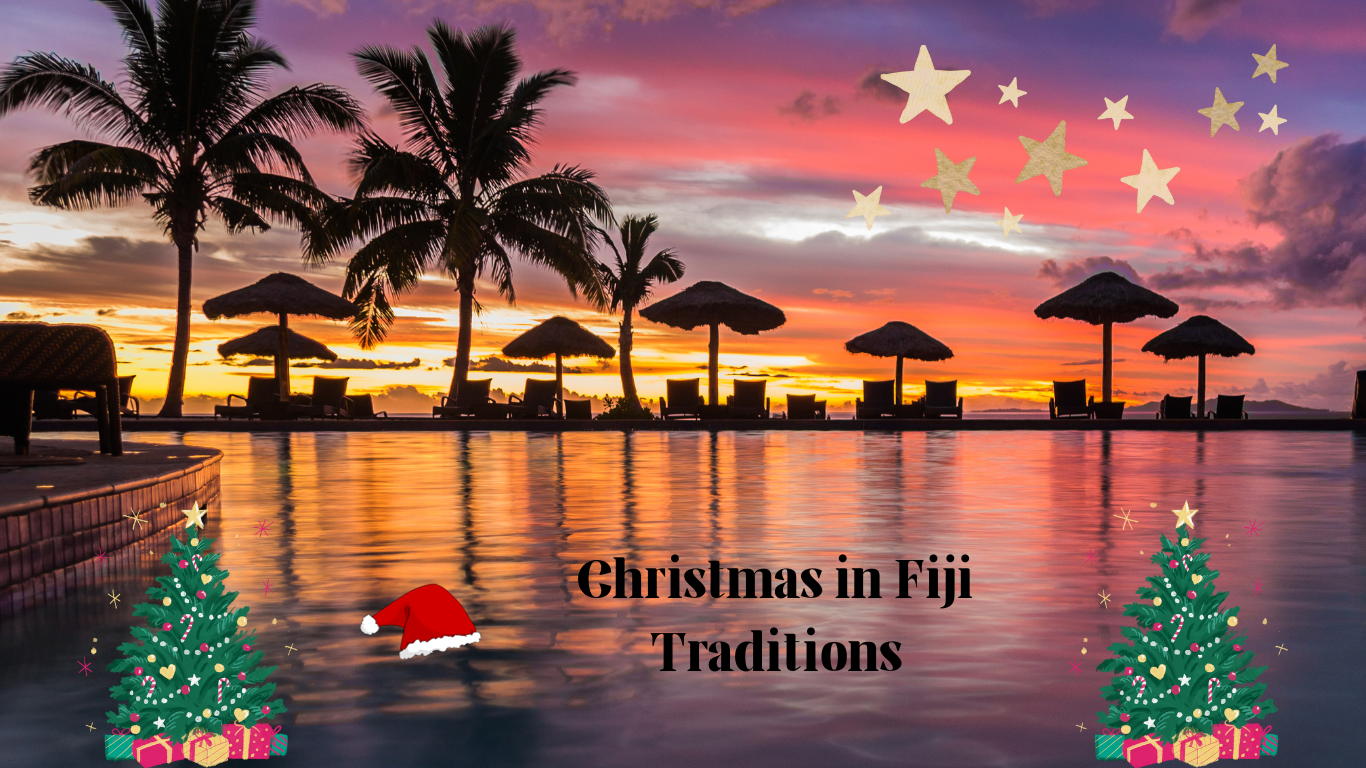
Christmas in Fiji is more than just a holiday; This is a time when rich traditions, heartfelt gatherings and sweet feasts come together. Influenced by missionaries in the 1700s, Fijian customs have produced a festive season filled with warmth and local spirit. Beyond the stunning scenery, Christmas in Fiji Traditions are known for its mix of vibrant decor and traditional costumes. Whether it’s handmade Christmas trees natural landscapes with twinkling lights or houses decorated in traditional ‘Masi’ costumes, the festive spirit is everywhere. Between sun-kissed beaches and Christmas carols, the holiday season in Fiji is all about harmony and love. Weeks before Christmas, families come together to decorate homes and neighbourhoods in preparation for the upcoming holiday. Now, let’s get to the heart of the festival – the Christmas feast Fiji’s culinary traditions shine through with meat, lobster, crab, shrimp and sides influenced by Hawaiian, Japanese, Chinese, Filipino and Polynesian cuisine the famous Lovo feast, with taro along with, fish, pork and kawa root drinks, steal the show. Imagine waking up on Christmas morning to the sight of kokoda, a Fijian dish made with raw fish. While families enjoy outdoor activities or attend church services, the excitement is high for a big Christmas party.Historical Context
To truly appreciate Christmas in Fiji traditions, it is important to know its historical roots. Introduced by Christian missionaries in the 1700’s, the festival blends with Fijian tradition, making it a special holiday season. Christmas in Fiji is more than just a festive day; It is a cultural fabric woven with ancient influences. The idea of Christmas was introduced by missionaries, and over time, Fijians have developed a holiday that incorporates their customs and reflects their faith and community. The decorations, the ‘masi’ costumes, the culinary delights – each piece has a story based on Fijian history. The mix of Hawaiian, Japanese, Chinese, Filipino and Polynesian influences at the Christmas food in Fiji reflects the diversity of cultures embraced during this special occasion.Christmas Day Traditions and Family Gatherings in Fiji
As the sun rises on Christmas Day in Fiji, joy spreads across the islands. In Fijian homes, the day kicks off with excitement. Families gather for prayers, expressing thanks and remembering the true meaning of Christmas—the birth of Christ. A delightful Christmas tradition in Fiji is the exchange of new clothes. Families dress in their best outfits, symbolizing the celebration of new beginnings. On Christmas Day, the cooking tour continues, and Fijians enjoy a festive meal, making a special dish called lovo with lots of taro, fish, and pork. Throughout the day families will participate in everything from outdoor sports to traditional Samoan cricket to modern sports such as rugby and volleyball It is a time to have fun, laugh and make cherished memories with loved ones. In Fiji, Christmas is a time of togetherness. Families and communities truly come together in a spirit of joy. The festive air resounds with the warmth of laughter, shared food, and shared traditions. In the weeks leading up to Christmas, warm Fijian villages host community events with music in the air. It’s a time for relatives, both near and far, to come together, celebrate, and reconnect. There is a sense of togetherness as homes and villages are lit up with decorations and the smell of Christmas food in Fiji fills the air. The Christmas food in Fiji is the heart of Fijian holidays, has special meaning. The tables are filled with dishes that reflect the culinary influence that makes Fijian feasts truly unique. From the dishes Lovo cooks to the tempting Kokoda, each dish speaks of tradition, love and the joy of sharing.Christmas Eve Feast and Decorations
As the sun sets over the Pacific on Christmas Eve in Fiji, the excitement for the big feast begins. The table is filled with tasty meats like lobster, crab, and prawns—a true celebration of diverse and abundant flavors. The multicultural influence of Hawaiian, Japanese, Chinese, Filipino, and Polynesian cuisines harmonize on this festive table. The air is filled with the delightful aroma of the lovo, the traditional Fijian earth oven. Taro, fish, and pork slowly cook to perfection, infusing the dishes with a smoky flavor. The ceremonial serving of kava, a traditional root drink, adds an extra touch to the celebrations. Imagine sitting down to this feast with loved ones, surrounded by family warmth and the tempting smells of Fijian delicacies. Christmas Eve in Fiji is not just a night of feasting; it’s a culinary journey that brings people together, creating memories that linger long after the last bite. The joy of Christmas in Fiji traditions extends beyond homes to streets, villages, and sandy beaches. The decorations create a magical world during this festival. Houses sparkle with twinkling lights, Christmas trees adorned with decorations, and walls draped in traditional Fijian costumes called ‘masi,’ depicting Nativity and Santa Claus. These decorations are not just for show; They reflect the joy and warmth of the Fijians. Whether twinkling Christmas lights in the countryside or beautiful displays in homes, each decoration speaks of unity, celebration and the hope of creating cherished memories As the sun sets over the Pacific Ocean, festive lights takes center stage, casting a magical glow over the gatherings and parties that defines Christmas in Fiji. So, that’s Christmas in Fiji Traditions! It’s not just a day; it’s a whole season of joy and togetherness. So, whether it’s the excitement of Christmas Eve, the joy of Christmas Day, or the weeks of festive community events, each moment is about creating memories and celebrating the unique blend of old traditions and new moments. In Fiji, Christmas is a time to cherish, full of laughter, shared meals, and the promise of more celebrations to come. -
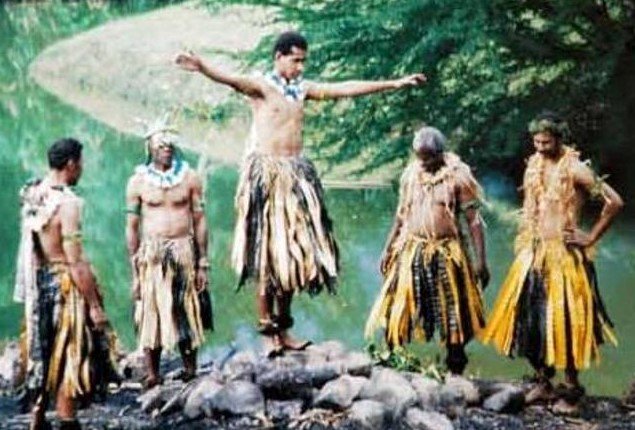
Some like it hot! Firewalking in Fiji
Firewallking in Fiji simply has to be seen to be believed. It’s a traditional and amazing ritual that should be near the top of your Things To Do in Fiji list.
Firewalking is what it sounds like. Walking in bare feet over white-hot stones. A firewalker can not only walk across the smoldering stones, but can do so completely unscathed.
No burns, no pain – nothing!
Really. Firewalking is the ultimate test of faith and a rite of passage for many young Fijian men. Firewalking in Fiji is typically performed by men. Both iTaukei – indigenous Fijians and Indian-Fijians practice firewalking.
Let’s take a look at how it all began.
People have been practicing firewalking in societies throughout the world for hundreds of years. Evidence of this amazing ritual dates all the way back to 1200 B.C. in India.
Legend has it that firewalking began in Fiji around 500 years ago. It all started in the small village Nakarovu on Beqa Island. Beqa (pronounced “ben-ga”) is just off the southern coast of Fiji’s main island Viti Levu. Plenty of people flock there for its world-class diving and fishing, but firewalking is what really makes Beqa famous.
The story goes that a young man Tuinaiviqalita was searching for an eel near a river in his village. He wanted to give the eel as a gift to a village elder.
However, instead of an eel, Tuinaiviqalita caught a small spirit god – called a veli. The veli begged Tuinaiviqalita to let him go and promised to give him a magical power if he did so. The spirit god said that he would give the young man the power to walk on fire.
Tuinaiviqalita was curious and agreed to the deal. The veli dug a pit and filled it with river stones. He then started a fire and before long the stones were white hot. The veli bounded across the fire and then urged Tuinaiviqalita to do the same.
He did so, and was astonished to find that not only was it painless, but he had no scars or burns. The spirit god had clearly delivered on his promise and the young man kept his word and set him free.
And so began the tradition of firewalking in Fiji. The powers are said to have flowed down along the bloodlines of Beqa’s Sawau tribe.
His descendants can be found in Beqa villages such as villages of Rookwa, Dakubeqa, Dakuni, Soliyaga and Naceva.
We can see this fascinating ancient ritual on Beqa Island as well as several other special locations around Fiji.
Preparing for the firewalk is serious business. First of all, the firewalkers mustn’t consume any form of coconuts. Ancient legend warns that they’ll suffer burns if they do. They also have to stay away from women, and must focus on their upcoming mission.
This all starts 10 days before the ritual. On the day of the firewalking, villagers prepare the fire pit. They dig a hole roughly 3 meters long and 1 meter deep.
Next they collect large river stones and place them in a pit. Finally, they cover the stones with firewood and set it alight. This all takes places some 8 hours prior to the walk, allowing the stones to reach maximum heat levels.
They prepare for the performance by dressing in traditional costumes. This includes a bunch of tree vines tied around their ankle to provide strength for the walk.
The rocks are covered with leaves and branches and the firewalkers are welcomed to the arena with singing and dancing.
One by one they calmly make their way across the rocks. No-one shows any sign of discomfort or pain. In fact, it’s quite the opposite. The firewalkers seem to gain an incredible feeling of strength throughout the experience.
When every member has finished their firewalk, they gather together at the pit and break into a song. Their ankle decorations are then thrown into the fire where they lie smoldering for several days. The firewalkers then eat these tree vines to complete the ceremony.
Not just anyone can perform the firewalk. Only the descendants of Tuinaiviqalita and members of the Sawau tribe are permitted to do so.
The Hindu firewalking is a ceremony of purification and gratitude that originates from South India. People would implore the goddess Kali for rain by demonstrating their faith through firewalking.
You can witness this spectacular display on Beqa Island, as well as several Coral Coast resorts on the main island of Viti Levu. You can also see firewalking at Fiji’s Hindu temples during the full moon season between May and September.
Be sure to leave some space in your schedule to enjoy firewalking in Fiji. It’s not just a spectacular feat to witness but is also an ideal way to intimately experience a unique part of Fijian culture and history.
Just don’t try it at home.
-
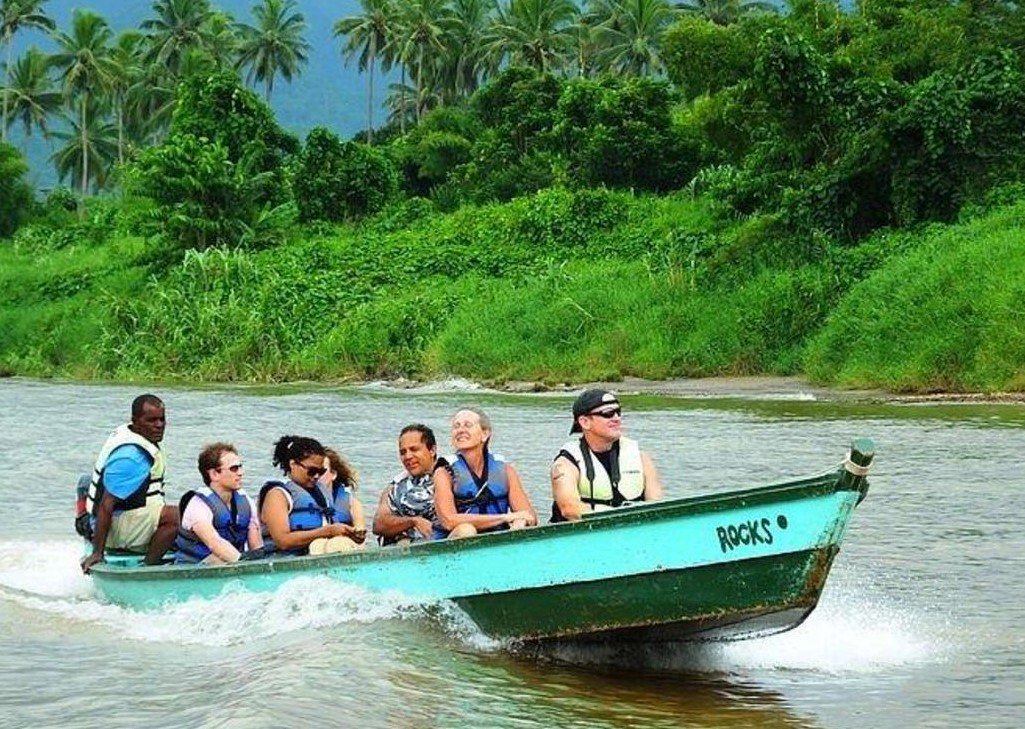
Fijian rivers – a great way to see the country
Bula! Obviously, the first thing on your mind when you head for Fiji is beach, beach and more beach.
And yes, beaches should definitely be in your plans.
However Fiji also boasts some truly majestic rivers that are seriously worth checking out.
Touring along Fijian rivers is not only great fun but gives you an up-close experience of the real Fiji.
You’ll see stunning rainforests, black volcanic rocks, unique flora and fauna, and then there are the waterfalls. Hundreds of them!
Best of all, there are so many ways to travel along Fijian rivers.
Inflatable rafts, traditional rafts, jet boats, canoes, kayaks and tubes are just some of the great options to get wet and take it all in.
So where to go?
The main island of Viti Levu has plenty of pristine rivers, with fun tours and expert local guides.
Navua River
This is one of the top picks of Fijian Rivers. The Navua kicks off near Pacific Harbour on the southern part of main island Viti Levu. The Upper Navua in particular is a special place in Fiji.
You’ll pass through lush rainforests and waterfalls, all surrounded by often towering walls of black volcanic rock.
This route will also take you through a protected wetland area known as the Upper Navua Conservation Area. This was set up by native landowners and the government.
It was established to protect the local eco-system and traditional cultures. The protected river canyons are well worth seeing.
There are several options for heading up the Navua. Canoes and kayaks are a great way to do it, or in big, safe inflatable rafts.
Rewa River
The Rewa is Fiji’s longest and widest river. It starts from Fiji’s highest peak at Mount Tomanivi in central Viti Levu and winds south towards Suva.
The Rewa River is an important river because it both drains a lot of excess water as well as providing crucial irrigation for farming along the way.
Rewa River Tours describe their eco-adventure as “a unique and breathtaking ride through the winding and amazing Rewa River”. Sounds good.
The tour starts near Suva and the hour or so trip takes you into the province of Rewa. Along the way you’ll go past traditional villages and subsistence farms.
The Rewa river is famous for its delicious fresh water clams and you can see local women and children diving in the river and catching clams.
Like many Fijian river tours, you get the chance to visit a village. You can learn about native root crops, vegetables, herbal medicines, and the famous kava plant.
Sigatoka River
Sigatoka is on the famous Fijian Coral Coast, on Viti Levu. From here, you can take part in a fantastic blend of river touring and eco-cultural insights.
Sigatoka jet boat river tours offer a thrilling means of heading along the river with stop offs in traditional Fijian villages.
From here you’ll get to experience life in real Fijian villagers. Mix and eat with the locals and take in a kava ceremony.
Your native guides will provide a rare glimpse into the life of a kaiviti – or “Fijian”.
So how to travel along the Fijian rivers? It’s entirely up to you. Rafting is definitely for the more adventurous, while canoeing allows you to go at your own pace and stop off wherever suits you.
For sheer thrills, jet boat river tours are hard to beat.
Tubing has become popular and is a great way to lazily take into the beautiful surroundings while possibly dozing off.
Fiji also has traditional raft tours, which focus on using not just hand-built rafts, but on educating guests on local eco-culture and traditional ways of life.
When you’re in Fiji, by all means hit the beach! But why not put a day or two aside to get really up close and personal with an incredible river tour?
A truly intimate experience.
-
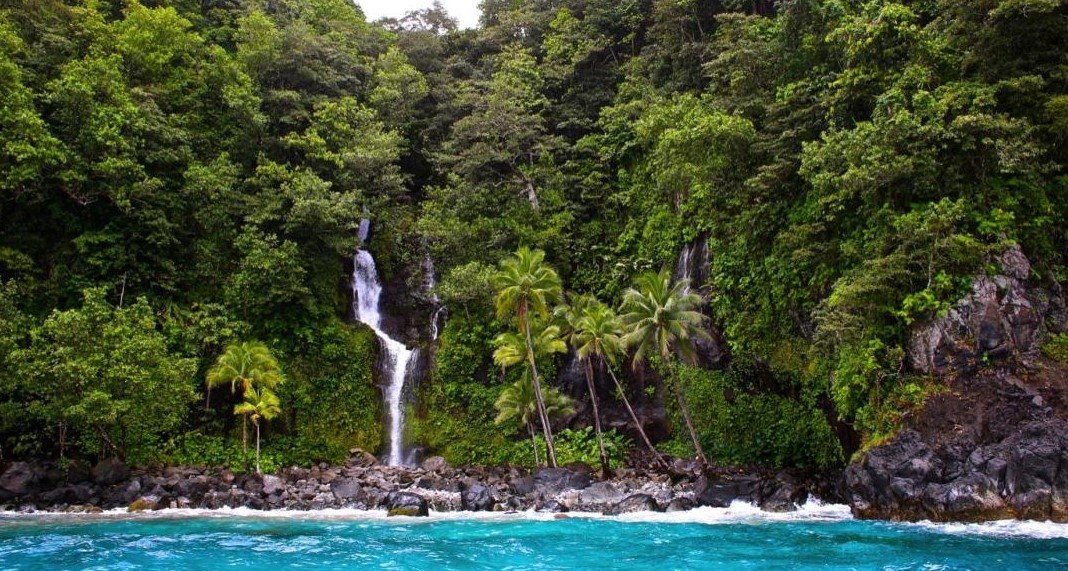
Hiking in Fiji – spoiled for choice!
Hiking in Fiji is a rare treat. You get to choose from lush rainforests, volcanic mountains, waterfalls and sweeping ocean views. Often, you’ll get them all.
For all ages and fitness levels! In fact, for some hikes you can even pack a swimming costume.
Fiji’s abundance of natural beauty means hikers can explore some of the more remote and scenic parts of the country in real detail.
You can opt for leisurely outings with the family, more strenuous half and full-day hikes or really aim high and go for multi-day adventures.
Of course, when hiking in Fiji you’ll get most bang for your buck with a local guide. They’ll not only know the best and safest routes, but can also give you some fascinating insights on your way around.
Mind you, going it alone or with friends is okay – just be sure to fully check your routes and let people know where you’re headed.
Here’s a taste of some of the outstanding options.
Lavena Coastal Walk
This classic walk is on the majestic Taveuni Island. You can see it all, on the Lavena Coastal Walk. You’ll see white and black sand beaches, wander through rainforests bursting with life and finish up at a waterfall to frolic around in.
Along the way, you’ll most likely bump into some villagers. Say “Bula”, share a smile but stick to the path.
The Lavena hike takes anywhere from 3-4 hours round trip. Taveuni is renowned for its waterfall hikes, and this is one of the more popular ones.
Mount Tomaniivi
Climbing the tallest mountain in a country is often high on travelers’ lists. Mount Fuji in Japan, Mount Cook in New Zealand and the list goes on.
Fiji’s Mount Tomaniivi is one of the more challenging hikes in Fiji but well worth the effort.
It’s based on the main island of Viti Levu and takes around 3 to 5 hours to reach the peak.
A good tip is to start early, so as to leave plenty of time to take in the incredible views before heading back. On a clear day you can see the picturesque Yasawa Islands and get a real sense of being on top of the world!
Sigatoka Sand Dunes Walk
Fiji’s first national park is host to one of its best hiking routes. If you’re hiking in Fiji and want to see some incredible wildlife, this is the one. Great for kids and all fitness levels.
The Sigatoka hike takes you through some protected areas that are home to 3,000 years old archaeological sites and rare birds.
Best of all, you can finish up right on the Coral Coast, ready to hit the surf for a reward.
Waya Island Walks
These hikes are on the beautiful Yasawa Islands. The great thing about the Waya Walks is that you can stroll along them, taking in the ocean vistas. The tracks are easily accessible and won’t be too challenging for hiking novices.
The hikes take you to the top of the island summits, where you can admire the stunning scenery of blue Pacific waters, scattered with islands.
This is a relaxing hike and very pleasant on the eyes.
Multi-day hikes
To really get your money’s worth, try a multi-day hike. Main island Viti Levu has a cross island hike that was designed by veteran guides.
This one takes four days and lets you get right into the heart of the real Fiji.
You’ll hike through rainforests, mountains and pass many a waterfall. Best of all, each night you get to stay in a local village and have a ball mingling with the locals.
Some elements of this famous hike feature in the TV series Eco Challenge Fiji: The World’s Toughest Race.
These are but a few of the magnificent options for hiking in Fiji.
Most of us think of water sports and lazing on the beach when we head to Fiji, but hiking is another excellent way to really get to know this truly unique part of the world.
-
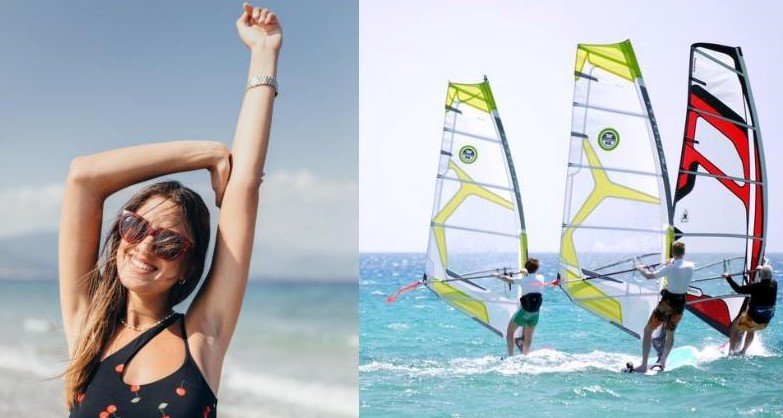
Windsurfing in Fiji – an awesome experience!
Windsurfing in Fiji? Why not! FijiDream has already covered plenty of great water sports to get into when you visit the tropical paradise and windsurfing is definitely something you might want to try.
It’s a thrilling feeling to be whizzing along across the water, wind in your face and completely at one with nature. Windsurfing is also great exercise and excellent for your balance and coordination. When you can time it for when the winds are up, it’s a real buzz. Best of all, you don’t need swells like you do with surfing.
There are some top reasons why windsurfing in Fiji is a great option:
- You can do it pretty much anywhere
- You don’t to bring anything – just hire a set and hit the water
- Windsurfing is a water sport for all levels. Whether it’s to give the kids some fun for a day or hitting the windy swells for a full on workout, windsurfing is well worth looking into.
And as with all other water sports such as surfing, diving and fishing, Fiji is good pretty much all year round. For windsurfers, around late April all the way through to early January is especially good because of the strong trade winds. Trade winds blow around the equator region from east to west. Fiji is located reasonably near the equator making it a popular go-to for windsurfers.
Only diehards would actually take their windsurfing gear on holiday. Most can rent great quality equipment from the huge range of windsurfing schools and shops.
The only question is – where to go? The short answer is pretty much wherever takes your fancy.
There are of course, some islands and beach areas that stand out so let’s take a peek!
Nananu-i-Ra Island
This probably the best known spot for windsurfing in Fiji. Located just north of the main island Viti Levu, Nananu-I Ra has plenty of shores for windsurfers of all levels.
When the trade winds are really kicking in, you can expect wind speeds of anywhere between 15 to 30 knots. That’s over 25km/h, which will have keen windsurfers drooling!
There are heaps of places to stay too which makes it ideal. From affordable beach houses to luxury villas and family resorts, Nananu-i-Ra Island basically has it all.
Sigatoka
Sigatoka is located on Fiji’s main island on the magnificent Coral Coast. It’s a great option for families holidaying in Viti Levu or for those just wanting to try some windsurfing while they’re in Fiji.
Sigatoka is about halfway down the Coral Coast which is only a few hours from the main airport at Nadi. There are plenty of places to stay, with all ranges of luxury. Sigatoka is a popular spot so has numerous windsurfing outlets to get your gear and some lessons if needed.
As for the windsurfing itself, Sigatoka has an awesome beach break without huge waves. You can get strong winds of up to 25 knots so it ticks all the boxes.
Turtle Island
Turtle Island is a little different in that it’s a private resort island in the magnificent Yasawa Islands. While you mightn’t go there specifically to windsurf, it’s definitely an activity you should consider if you go.
The island has 12 private beaches and beautiful calm waters that are ideal for zipping around on your board and sail. A great way to experience windsurfing in Fijji because of the low number of people.
One idea is to be dropped off somewhere by boat and glide around. Or you could simply start off at one beach and make your way around to the next.
Plantation Island
Also known as Malolo Lailai Island, this is part of the Mamanuca Islands. Plantation Island is especially good for beginners and intermediate windsurfers because of it’s gentle swell.
The bays are protected from big swells which allows for plenty of practice time out on the water.
Like the Yasawa Islands, the Mamanucas are not only stunningly beautiful but also ideal for windsurfing because of the gentle winds and generally low swells.
Resorts such as Plantation Island and Mana Island also provide windsurfing boards free of charge.
These are only a sample of top-notch places to zoom around the Fijian waters. It basically depends on where you want to go. Choose your location and it’s likely you can enjoy windsurfing there.
Start off gently gliding across the waters and before you go home you’ll be enthralling people with your wave jumps and turns!