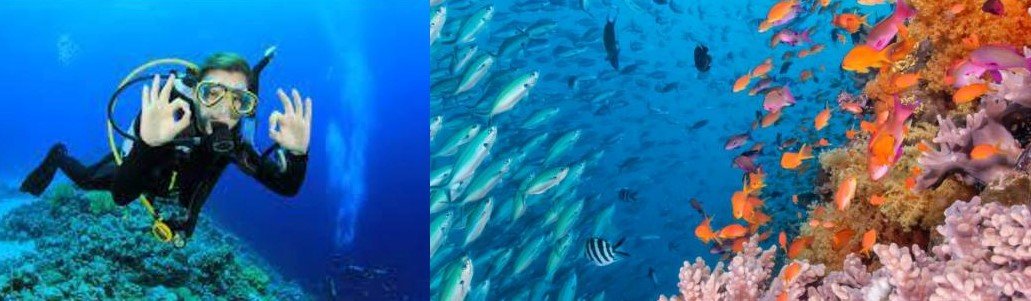
Diving in Fiji is a once in a lifetime experience. In fact, why stop at once? Many people come back time again to savor the spectacular diving on offer. With over 300 islands in majestic Pacific Ocean waters, Fiji is perfectly located for divers of all levels. Whether it’s casual snorkeling or serious scuba, there’s a plethora of places to choose from.
Fiji’s waters have over 1,200 fish species, 500 coral varieties and Fiji is renowned for having the worlds’ best soft corals.
In fact, underwater maestro Jacques Cousteau declared Fiji to be the “Soft Coral Capital of the World”. Diving enthusiasts around the world quickly acknowledge Fiji as the best place to experience shark diving (safely, of course!). You’ll be able to see hammerheads, white tip sharks, grey nurses and reef sharks.
There are seven species of sea turtles and you can see five of them if you’re diving in Fiji.
If you time your visit from between June and October you might even be lucky enough to spot some of the big guys – both humpback and sperm whales can be seen frolicking in the Pacific waters around this time of year.
Best of all, Fiji’s weather means you can enjoy diving in Fiji all year round. The wet season from around November to April generally means more rain but you’re bound to get great weather whenever you go.
So – where to go and what can you see?
Let’s look at some of the highly recommended diving spots.
Yasawa and Mamanuca Islands
Many people just want to sit on the beach and stare out at the water when they visit these stunning islands. However for the more adventurous travelers, diving is a must-do.
Located north of Fiji’s main island Viti Levu, the Yasawas and Mamanucas are blissfully free of crowds. At the very least you’ll see manta rays, a variety of sharks, tropical fish and sparkling coral reefs. For those who just want to have some snorkeling fun, these islands are an excellent source due to the low number of visitors.
Bligh Waters
The Bligh Waters are renowned for the huge array of coral and sea life you can discover. The waters separate the two main Fiji islands and attract divers from all over the world.
With an incredible 50 – yes 50 – diving sites, Bligh Waters caters to divers of all levels. Experienced divers can go further out and deeper down where the currents are stronger, but novices will have just as great an experience. From mantas, dolphins and pilot whales to unbelievably colorful reefs, Bligh Waters has it all.
Astrolabe Reef
The Great Astrolabe Reef is the fourth biggest in the world. 100kms of pristine blue waters with some spectacular soft coral lying beneath the surface. As for the marine life? Pretty much everything you’d hope to see from brilliantly colored fish to manta, sharks and turtles.
The best place to base yourself at for Astrolabe is Kadavu Island which is just south of Fiji’s main island Viti Levu. You can fly down from Nadi Airport.
For diving in Fiji, Astrolabe Reef is about as good as it gets. All levels of divers from rookies to veterans can find somewhere to experience the stunning beauty of this unique reef.
https://www.youtube.com/watch?v=iuv7hSslQgs&t=30s
Great White Wall (Taveuni)
Taveuni’s Great White Wall is renowned as a world class diving site. Its claim to fame is a huge wall of soft white coral that seems to glow underwater. It’s been likened to being on another planet.
The key to checking out the Great White Wall is timing your dive with the currents so the coral will be lit up. The expert Taveuni diving centers will take you out at the right time of day so you can get the best bang for your buck.
The Great White Wall also has plenty of hard coral, meaning there is plenty of sea life to marvel at as well.
As for where to stay, it’s just a matter of deciding on which luxury Fiji beach resort takes your fancy!
Fiji excels in hospitality and kids are always made to feel especially welcome. Not surprisingly there are some fantastic kids diving programs for youngsters to check out and get their first taste of diving thrills.
Courses such as Bubblemakers give kids the chance to learn the basics of scuba diving while having a ball. They learn about breathing techniques and how to use equipment in shallow pools. The staff are not only diving experts but know how to make it fun which means plenty of games to give a great first impression of diving in Fiji.
Of course, if you’re not ready for diving and just want to enjoy some snorkeling, pretty much anywhere is a safe bet in Fiji. Just off the main island is Beqa Island, which has a fantastic lagoon which is ideal for snorkeling. Just wade out into the crystal blue waters and away you go!
If you’ve never tried it there are plenty of professional dive schools throughout Fiji that can teach you the ropes.
For a truly unique experience, diving in Fiji is something you will never forget.
5
Lorem Ipsum is simply dummy text of the printing and typesetting industry. Lorem Ipsum has been the industry’s standard dummy text ever since the 1500s, when an unknown printer took a galley of type and scrambled it to make a type specimen book. It has survived not only five centuries, but also the leap into electronic typesetting, remaining essentially unchanged. It was popularised in the 1960s with the release of Letraset sheets containing Lorem Ipsum passages, and more recently with desktop publishing software like Aldus PageMaker including versions of Lorem Ipsum.
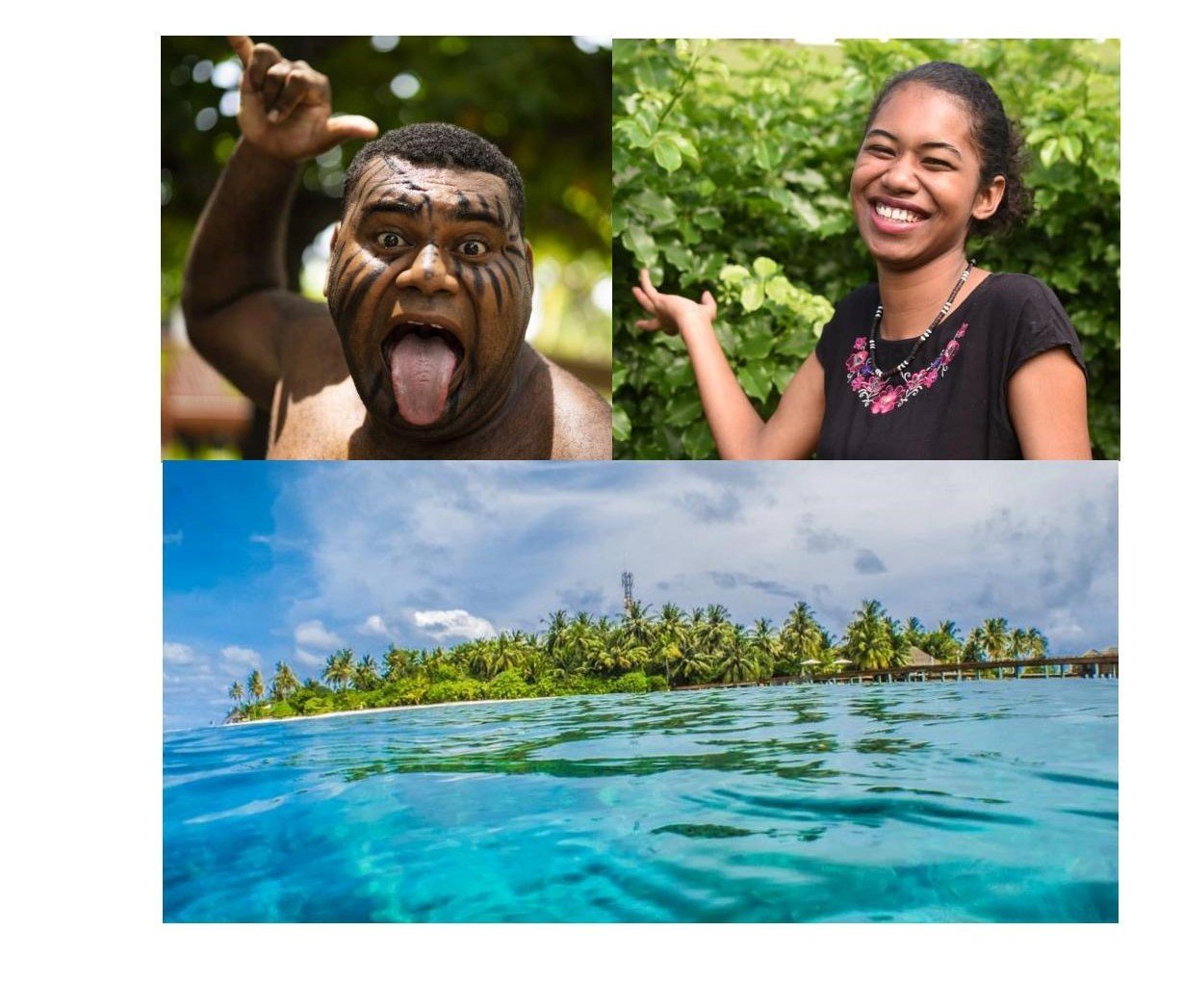
The Fijian Lifestyle is a vibrant and creative amalgamation of people, their culture, and their relationship with the environment in Fiji. Living in Fiji is not for the sole purpose of existence; it is living to the fullest. Fijian culture revolves around good fellowship and regard for nature in all its forms.
A Unique Way of Living
Fijians pride themselves in their family; everything in Fiji is centered on the family unit. Children are born and raised in love and care, and therefore, in solidarity, they come to understand their role in society. This close association with family influences the Fijian perception of life and its elements of happiness.
Nature’s Role in Daily Life
Fijians have also a great reverence for the natural world. All the islands are gifted with beautiful natural sceneries, clear water, and exotic animals. This natural beauty is very relevant to the routine lives and customs of these people. Fijians spend most of their time under direct sunlight by the beaches managing their natural resources.
The Fijian Lifestyle entails maintaining family and togetherness with others as well as appreciation of the natural environment. This style of life not only produces happiness in the people of Fiji but also makes Fijian culture more special.
Cultural Values and Appreciation of Life
Many aspects of life particularly in the area of relations are substantially influenced by the culture of the Fijian people.
Family – The Heart of Fijian Life
Family is everything in Fiji. In most homes, at least three generations, often grandparents, parents, children, and in some cases, cousins share the same house. Such closeness brings about good partnership or comradeship hence close campaigner support. Protection, unity, laughter, and love are the repository for the Fijian people. These moments are valued, as the stress on the relationship and strengthening connection are made during its duration.
Community Connection
Apart from family support another important aspect identified in Fijian culture is societal support. Often people are so close to neighbors that they treat each other like relatives; join everyone in rejoicing or mourning, and contribute to each others’ lives in many ways. Fijians are very friendly and welcoming; hence people can easily be accommodated. They are also very proud of their community and go around helping those around them.
Respect for Nature
Fijians have a rich culture they show respect for nature and they realize that society and nature are interrelated. The beauty incurred by them they perceive as a blessing and feel it is their responsibility to preserve it. Such appreciation is reflected through the ways most populations fish sustainably, as well as the ways they cultivate their food crops in the fields not damaging the soil and nature.
Living in the Moment
The Fijian culture also engulfs living in the present and enjoying the little things about life. This approach to life helps them to be joyful and grateful for everything.
Connection with Nature
Fijians are closely linked with nature. Nature is an integral part of the lives of Fijians. That is why they take care of the environment and consider it as the crucial factor in their healthy and happy life.
Respect for the Land and Sea
The Fijians also have a greater degree of reverence for land as well as sea. Fiji has a large proportion of the population, which depends on agriculture and fishing for food. This leads to the fact that they get used to value its resources. Though they cultivate crops like taro and cassava and also fish, they do not over-exploit the natural resources they possess.
Sustainable Practices
Sustainability is very important to the Fijian people. Fijians use approaches that can be described as conserver in nature. For example, they employ methods of farming that are free from using hazardous chemicals more often than other people do. In this way, they preserve their land to be healthy and productive.
Nature as a Teacher
Fijians are learners in nature as well. They are taught matters concerning the four seasons, weather, and animal behavior. This knowledge enables them to live with the environment in a balanced manner. For example, Fijians know when it is appropriate to cultivate crops relying on information on rainfall.
Celebrating Natural Beauty
Fijians pride themselves on their beautiful islands. Prominent attractions are beautiful beaches, tropical forests, and reefs that are depicted in their culture. Almost all the people’s celebrations such as festivals and traditional dances involve dancing either on the ground or around a tree, and generally involve the interaction of people with the ground, the sea, and the environment.
Community Dynamics and Support Systems
A Close-Knit Community
Fijian communities are usually small and compact and the group of people are known to be very close-knit. People are acquainted with each other, and most of them are on friendly terms with one another.
As for dependence on the members of this community, people are willing to rush and help when one of the members of the community is in a difficult situation, such as illness or penalties. This could entail sharing food doing the dishes or offering to listen whenever one feels lonely. Another is that it is the residents’ responsibility to help each other, especially in terms of financial stability.
This is so because during any event such as a wedding or festival, the people come together to organize events. Everyone participates such as in the preparation of food and drinks preparations, decoration, and preparation of music. This commoners’ engagement brings out the necessary social capital whereby people are proud to belong to a certain community.
Most of the communities in Fiji use resource and knowledge sharing as a common practice. For example, farmers may cooperate so that they can share ideas on how to grow crops or share equipment. This teamwork fosters skills and the development of good relationships among individuals. It also confirms that there is an equitable distribution of what everybody needs.
Celebrating Together
Any celebration forms an integral part of the Fijian standard community lifestyle. They create chances for people to gather, have a meal, listen to music and dance. Such functions enhance the bonds of the community and are memorable.
The Fijian culture is and can be described as being rich in its aspirations, norms, and relationship with land and neighbors. Fijians have great regard for their environment and their fellow men which makes the Fiji culture very rich.
Based on their culture, Fijians enable people to feel wanted and build a useful life. This extraordinary lifestyle exhibits family, nature, and togetherness as the main values when people can return to the basics of happiness.
Whether you want to be lying on the golden sand, your beloved companion by your side, refreshing glasses of water near you, or simply surrounded by the green forests, Fiji offers you an adventure that you will never forget. Lucky you! Now remember, there are quite a few things we need to delve into before we have fun. One of them is how to deal with financial affairs or Fiji money exchange when you travel.
Issuance of Fiji’s local currency could be the last thing to cross your mind in the process of planning your tropical getaway, yet it is central to a hassle-free and relaxed journey. To many travellers the fact that they must pack feels like a ‘downer’ and they focus more on the “high” of the upcoming trip. Meanwhile, not paying enough attention to your expenditure has negative consequences which you may not expect.
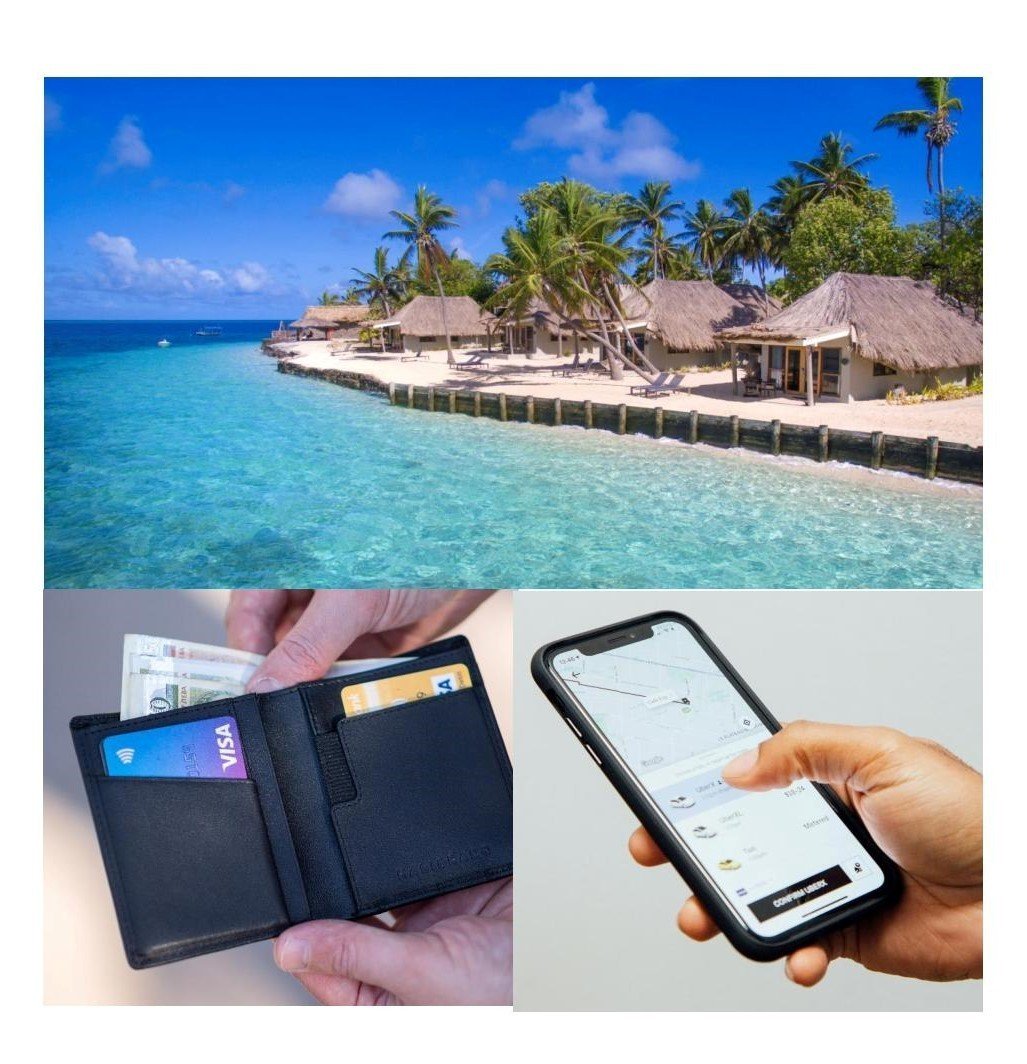
There are two major ways people finance their expenditures in Fiji; either by credit cards or with cash. The main advantage of credit cards over cash is their convenience as they rarely allow you to realize that the money is running out. However, they usually carry additional costs which amount to overusing them. On the other side, the process of holding quite a bit of money by hand moreover constitutes lots of risks and troubles, especially if you are stuck in an unfamiliar environment.
But fear not! There’s a solution that combines convenience, safety, and affordability: Vodafone is introducing its MPaisa cash transfer system. This new hassle-free platform helps people move their money into their account where it is then spent within Fiji. Via MPaisa service, digital payment becomes customary for little and without any excess associated fees that can be observed on credit cards.
Understanding Fiji Currency and Fiji money exchange
Before going to Fiji, you need to acquire yourself with the local currency to avoid turning your holiday into a quest for changing money in doing transactions. The Fijian dollar is the currency of Fiji. It is also often called FJD. It is the currency that is used for all kinds of everyday spending needs, including to the local markets to staying at restaurants and accommodation.
When you want to foreign exchange for the Fijian dollar there are a number of ways that you can do that. One of the most popular ways of practising is the exchange of currencies at banks and offices with the license to provide exchange services. Moreover, the majority of hotels and resorts could assist their guests with currency or money exchange services as well to make it easier for them.
But do remember that exchange rates apply in situations where currency exchange takes place because you are in a different country. To protect your money by getting the best value for the rates, it’s usually advisable to compare at different places before the final decision is made.
You can keep all your cards or use digital payment methods which Fiji nation highly encourages. Digital transactions are now the trend. Nowadays it is a business too which accepts credit card payments and travelers use credit card boxes absent of cash.
Besides engaging the services of a Bank for currency, visitors can also look into Vodafone’s MPAISA mobile phone-based completely alternative transfer system. It is a digital platform that can be used to deposit money to individual accounts using mobile devices and hence being the alternative to cash makes the life of the users more convenient.
Through a comprehensive knowledge of Fiji’s currency and Fiji money exchange, you may avoid the challenge of travel money exchange and thus have a more relaxed, enjoyable trip.
Vodafone’s MPaisa System and How MPaisa Works
Imagine having it all within your reach, literally like keeping your money right at your fingertips, without having to take cash or worrying about the currency exchange rates. That’s where Vodafone’s involvement makes sense given the revolutionary non-cash monetary system we have – namely, the MPaisa system, the way to go with your Fiji money exchange.
MPaisa is a digital wallet tailored by Vodafone for Fiji. It is like your e-wallet. It is a simple system that allows you only deposit money to MPaisa account using your Mpaisa application and spend the amount easily during your trip. And guess what? Also, the setting is not local only to the residents, as even tourists can also have a slice of it!
Here’s how it works: To start with, upon your arrival in Fiji go straight to the Vodafone outlet recommended there and purchase yourself some data and minutes for your phone’s local usage. These are the SIM cards that MPaisa have, making it extremely convenient to start. Second, the Vodafone MPaisa App is available to download from the app store, so you can get it as simply as getting your choice game for your handset.
Last but not least, transferring cash from your account to your MPaisa digital wallet is the most interesting. You can head over to the designated MPaisa Vodafone branded outlets, namely Valuefone, Chicken Express, Vodafone, Shop n Save, and New World. Find one near you and you will find a deposit machine. Take your money and put it there, and you will be ready to go in a wink!
But wait, there’s more! The use of MPaisa is extended further to enable the withdrawal of Fijian dollars from a bank’s local branch where the withdrawal can be done through the mobile device. If you are wondering where to get MPaisa, the answer is right there, as all the big banks in Fiji that are Westpac, ANZ and Bank of South Pacific offer the services securing the facility for you.
So, now let’s discuss the great advantage – saving money! MPaisa prompts you to forgo large sums of money that are laden with credit card transaction fees or ATM withdrawals. With MPaisa you can run shopping and tender the fees nonexistent same as you are increasing the value of money.
Hence, MPaisa service is the most preferred one in Fiji as it is widely accepted among the people even in rural and remote areas. Taking up MPaisa gradually in Fiji is a great way to minimize the travellers’ financial problems by enabling them to enjoy their stay without worries.
In summary, there is no doubt that we advocate Vodafone most for your Fiji money exchange business experience. It is so simple, just you have to download the app (if it is not already) and all you pay for is the internet, no extra charges. So why wait? Let your MPaisa be the change you make to experience the independence of digital money.
In Fiji it’s always time to celebrate and especially in December. New Year and Christmas in Fiji are huge events that last for days. Yes – days. And you thought you knew how to party.
Like most of the Southern Hemisphere, Christmas in Fiji means sunny skies. Beaches, seafood and bare feet.
Fiji’s iTaukei people celebrate Christmas and New Year for two weeks. This is how you do it!
In the villages you’ll see traditional singing and dancing. Friends and family gather around a tanoa bowl and enjoy kava with plenty of laughs, reminiscing and anecdotes.
https://www.youtube.com/watch?v=kgnD2BeKHpg
Around the world December means indulging and Christmas in Fiji is no exception.
Many households prepare a lovo – the feast to end all feasts. Lots of other traditional foods are enjoyed such as kokoda and vakalolo.
Kokoda is a delicious marinated seafood dish and vakalolo is a coconut dessert made with the cassava vegetable.
People party in their houses, in halls, parks and on the beach. Vaya Vaya Christmas trees are beautiful everywhere and nights are lit up with stunning modern LED technology.
Of course, many Fijians aren’t Christians, so they don’t have such a close connection with Christmas as others. However Fijian Muslims, Hindus and Buddhists all celebrate the festive season in their own way.
Families and communities come together to catch up, reflect and laugh. The food covers all cultures – Pacific, Indian and South-East Asian. All are mouth-wateringly good.
And for every Fijian, New Year’s Eve is a massive occasion.
You can join street parties in Nadi and Suva or hit the bars and pubs. Maybe jump on a boat to one of the endless resorts that all have something spectacular lined up.
https://www.youtube.com/watch?v=hZ4m43lasFA
Others are just happy to head straight for the beach and see in the new year from the shore.
In the cities you can truly get an appreciation of the rich diversity of cultures in Fiji. Bands, singing, dancing and fireworks all represent the vibrant multiculturalism of Fiji.
In traditional villages New Year celebrations last for at least a week. Clans come together to cook, eat, drink and be very, very merry.
Christmas in Fiji and New Year is also the chance to dress for the occasion.
An iTaukei custom is for men and women to wear a sulu. The sulu is a traditional garment worn on the lower body – not unlike a sarong.
December is a great time to get wet in Fiji. Many people show their excitement during the end of year celebrations by splashing each other with water.
It doesn’t stop there! The fun lovers also throw water at houses, cars and even buses to share the festive spirit.
Late December is a time for most of the world to sit back and reflect on the year passed. It’s a time to enjoy quality time with loved ones and laugh.
In Fiji it goes to the next level.
On behalf of everyone from the FijiDream team we wish you a very Merry Christmas and Happy Holiday season.
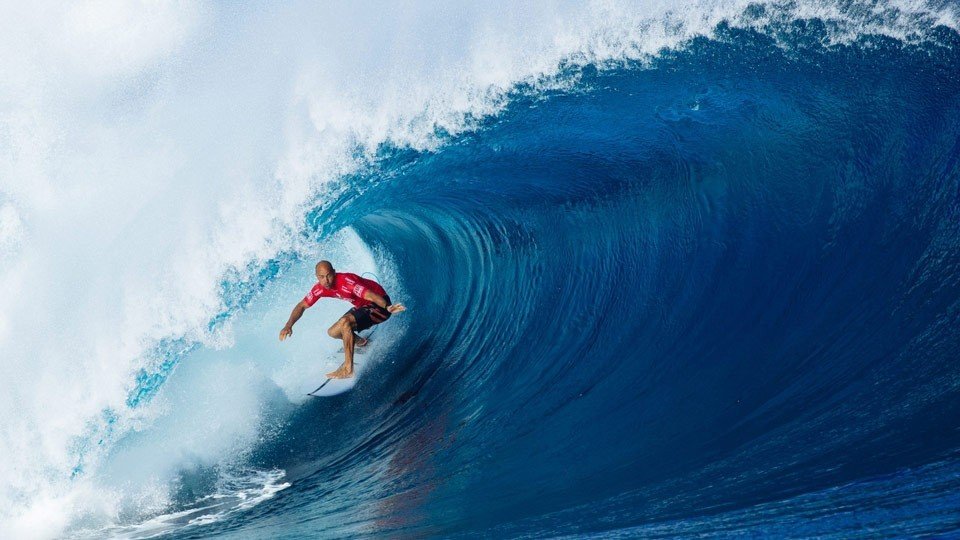
Surfing in Fiji is an unforgettable experience. Fiji is one of the world’s best surfing destinations and has waves for all levels.
There is a multitude of fantastic spots for all levels, all year round. Beginners can take advantage of some beautiful beach breaks while more experienced surfers will relish Fiji’s reef breaks.
When to go?
Well, anytime.
April to November is the Southern Hemisphere winter, which means bigger swells and less rain. By “winter”, we mean maximum temperatures of around 28°C.
When surfing in Fiji, pretty much all year round is good. Late November to March is summer in Fiji. This can sometimes bring flatter breaks which is perfect for beginners, but no matter when you go, great waves are waiting.
Where to go?
Whether you’re keen to take on the world famous Cloudbreak and Frigates or just want to get started, Fiji caters to all.
Best of all they’re super easy to get to. You can stay on the mainland or jump on a boat and quickly get to an island. It’s up to you!
Here are some of the best spots for surfing in Fiji.
Tavarua Island
Tavarua has it all. The world famous Cloudbreak and Restaurants breaks are here. Cloudbreak is a left break on the reef and is recommended for advanced surfers. On a big day Cloudbreak has been known to serve up 4 – 5 meter monster waves.
Restaurants is another left break spot with smaller waves on average but it’s still fast and best suited to at least intermediate surfers.
If you’re surfing in Fiji and are just starting out, no problem! Just inside Restaurants is a smaller break, nicknamed “Kiddieland”. You’ll find plenty of kids and adults learning their craft around here.
How to get there?
Tavarua is just off the coast near Nadi. From Nadi airport you simply jump on a bus to the boat launch. A boat will take you to the island. Simple!
Namotu Island
Namotu Island is located a little further out than Tavarua and has a wide range of choices.
The closest are Namotu Lefts and a right break Swimming Pool, so called because its pristine water resembles an aquatic pool.
Swimming Pool is a fun break, suitable for all levels. Namotu Lefts offers a slightly more challenging ride.
When you’ve conquered these you can just get a boat to the nearby breaks at Tavarua, such as Cloudbreak and Restaurants.
Desperations is also accessible from Namotu and offers both left and right breaks. Best of all, Desperations has great consistent waves, making it a go-to if other spots are too crowded or not happening.
How to get there?
Just like Tavarua, you get a bus from Nadi or Nadi Airport to the boat launch. From Namotu Island you can get a boat to any spot you like.
Coral Coast
If you feel like sticking to the mainland, the Coral Coast has plenty of beach break surfing. They’re mainly beach breaks, so they’re ideal for those just getting started.
You can make surfing tour out of it. Start off at Natadola and work your way down the coast, stopping off at Sigatoka and Mango Bay. You’ll find a wide variety of places to stay as well as some excellent surf schools.
Further down the Coral Coast at Waidroka Bay you can enjoy the best of both worlds. Kids and beginners can throw themselves into the beach breaks. More advanced surfers will quickly head out to the famous Frigates. Frigates is a left reef break with fast moving barrels and one of Fiji’s most popular big wave locations.
How to get there?
Why not drive? The Coral Coast links the two major cities Nadi and Suva so there are plenty of rental options.
If you feel like getting away from it all and want to try something a bit different then – hello Taveuni Island! Not only is it a majestic location but it has some phenomenal reef breaks at nearby Qamea Island.
You’ll find less crowds and more locals at Taveuni. If you really want to spoil yourself, book into the resort on Qamea for some luxury surfing.
How to get there?
Taveuni is located in North Fiji so you can fly from Nadi to Taveuni Airport in just over 2 hours. If you want to check out Qamea, it’s a short boat ride from Taveuni.
These are just some of the incredible spots we recommend when surfing in Fiji. Wherever you go, you’ll meet friendly locals, ride world-class waves and have a truly unique experience.
Fiji is a place where you will be delighted to see cultural diversity can be noticed everywhere! In this wonderland, people from different traditions, backgrounds and even languages come together to give birth to a harmonic and spectacular rich tapestry of traditions, languages and customs.
The elements of diversity in culture have made Fiji one of the world’s most attractive countries. Here you will see Fijians, Indian Fijians, Chinese, Europeans, and many more of a variety of people from different origins. The ethnic groups passed across to Fiji as a one-of-a-kind destination heritage and added up the vivid mosaic that defines the Fijian identity.
There is no denying the fact that despite the different festivals they celebrate, and their unique rituals, it is evident that Fiji is not only characterized by the spirit of unity in diversity but also oneness.
The experience here will make you see how Fijians learn to differentiate and still treasure their majestic humanity that is expressed through kindness, hospitality, and respect. It’s not merely about living together. It is the art of healthy living, and we all need to practice it.
Indigenous Fijian Population (iTaukei) – Guardians of Cultural Diversity
The indigenous Fijian community, also referred to as iTaukei, is a significant factor in the formulation of a uniquely diverse Fiji Culture. They are the trusted preserve of traditions shared through the generations, enjoining the preservation of cultures, languages and beliefs which help characterise Fiji’s identity.
The most interesting aspect about the iTaukei culture is that it has various groups or clans, but at the same time these groups all have a common factor or that they all share one thing which is their distinct culture.
They convey the diversity of Fiji through activities such as their customs, their art, and their storytelling, and redefine the scenery for everyone who visits them.
As you give in to the iTaukei culture, you’ll come across many traditions that vividly emulate the beautiful mosaic of Fiji’s cultural bazaar. From clan meals to merry dances, the rituals in iTaukei life vividly demonstrate how every bit of their multicultural nature is full of appreciation for the diversity and things that make us the same.
Indian Fijian Community
The Indian Fijians form the backbone of cultural diversity in Fiji as they bring in special herbs and spices which are the defining part of the culture that the Island country represents. Their presence in Fiji resides in the fact that many Indians had arrived during British rule, in the late 19th century.
It’s very important to point out that the Indian Fijian community is very diverse, with each group having different origins and heritages. In these groups, you will find a pattern of Hindus, Muslims, and Christians who adhere to their traditions and beliefs and give celebration to their cultures as well. Through the life of festivals, such as Holi and Eid, customary ceremonies and rituals experienced by Indians in Fiji, the country is surely enriched with the unique feel of Fiji’s culture.
Similarly, language is also an incredibly essential part of the Indian Fijian identity communicated. In addition to the home language of Fiji, most of the Indian community collectively speak Hindi propagating community membership and cultural heritage.
Beyond their multi-ethnic roots, the Indian Fijians remain a unified group that recognizes and appreciates cultural harmony and cultural heterogeneity. They are indicators of Fiji’s multicultural ethos by appreciating that much with respect for each culture and also among the various groups.
Other Ethnic Groups in Fiji
In addition to the two indigenous Fijian iTaukei and Indian communities, Fiji has other ethnic groups with each one of them adding to the multiculturism of the country. These units comprise the Chinese, European, Filipino, Polynesian and Australian backgrounds. With these all they present varieties of Fiji’s cultural diversity.
The Chinese community by bringing with them the front of their traditions and customs is the way we often look into different culinary specialties and cultural events. Their presence can be seen in different parts of Fijian life, such as in the intermingling of the cultures of the country. It is evidence of the fusion of these cultures within the island nation.
Somehow, the influence on Fiji’s culture is also contributed by Europeans, especially in art, music and architecture. They have united with each other as the best features of each have been added to the cultural heritage of Fiji, paving the way for a co-existence of diverse cultural characteristics.
The Filipino and Polynesian groups too are vital components of the multicultural tapestry in Fiji. They inject their customs, languages and practices into the existing practices. Such intermixing leads to the culture of social exchange and inter-learning, in which people from different backgrounds meet each other to celebrate and make known their culture.
Also, the existence of Australians in Fiji is another factor in cultural diversity in the country where Fijian and Australian cultures and flavours are mixed up, thus providing chances for cross-cultural experience.
Languages – A Reflection of Cultural Diversity
Fiji is a place where lots of languages gather to contribute to its cultural richness. Even though English is the official language, people representing different groups and communities can communicate in Fijian, Hindi, and Urdu, along with other languages.
Most of Indian Fijians are bilingual. It makes Fiji’s cultural landscape literally and figuratively more colourful as it adds the vibrant flavour of Indian culture to the country’s linguistic landscape. The Chinese community in Fiji means you are going to bring some Mandarin or other Chinese local dialects to the country which leads to a multicultural linguistic environment.
Apart from Fijian other languages you will find include the Filipino or languages of the Philippines, Polynesian languages, and some European languages like English, French, and German, by expatriates and visitors.
Contrary to the many differences that surface among the multitude of languages spoken in Fiji, Fijians overcome a common challenge, which ironically, is the linguistic barrier. This could involve mastering a few words in another language or just using gestures or just smiling and being kind to everybody no matter if they speak another language or not which is itself a universal language.
Cultural Heritage Preservation
Preserving the Fijian cultural heritage is no different from nurturing a priceless treasure chest that holds all the past tales, traditions and memories. It is a quest to protect the distinct identities of the different communities that all together enrich the nation’s rich cultural tapestry.
Cultural heritage is preserved and encouraged by numerous measures. Museums and cultural centres not only provide the artefacts, paintings and historical items that portray the stories of different ethnic communities such as iTaukei, Indian Fijians, Chinese and Europeans whose cultural diversities have shaped Fiji’s identity but also demonstrate their influences.
Oral tradition, provided through songs, dances and passing stories within a community from one generation to the next, allows the preservation of the true core of the tribe and the customs, as well as beliefs, have the opportunity to be handed down from one member of the community to another and remain alive and vibrant. The elders are like the pillars of culture, they provide the social memory with the exposition of the wealth of knowledge, the rituals and the traditions.
Cultural Festivals and Events
Fiji is the land where people from different cultures and nationalities dance and sing together and look blissfully at the celebration. These festivities connect people who are of different origins and allow the sharing of traditions, songs, dances and dishes, giving space for cultural diversity that is a vibrant mix.
Final Words
So, it can be stated that Fiji represents one of the most spectacular pieces of art ever created because the cultural mosaic is embroidered with pillars of history, tradition and unity. The people of Fiji, the iTaukei, Indian Fijians, Chinese, Europeans, and all the others give a variety of colours and fine patterns to decorate this amazing fabric.
Cultural diversity forms the basis of Fiji’s power. It is as if each part is just another unique ingredient to the dish. Every cultural group has its own “secret recipe” for this melting pot- a uniqueness that makes Fiji also a place for people to learn from each other and tell their stories.
In Fiji, culture is not just a subject of interest; it is more than that, it is a colourful mosaic of a diversity of people coming together in complete harmony.
Experience breath of the spectacular beauty of Fiji. To make your dream of unique sandy beaches beach reefs and endless adventure come true then of course the process of driving in Fiji is your way to achieve this dream. Envision yourself coasting along the bay with the refreshing sun on your skin and the coast offsetting the West Pacific’s perfect backdrop.
Fiji can be discovered through driving which brings us to a whole new spectacular scenic view but also cultural experiences. Set against the backdrop of a tropical island, what lies ahead is one indelible rainforest and cascades of water making travelling an adventure like no other.
Benefits of Driving in Fiji
Driving in Fiji promises a newfound feeling of independence and conquest, as you unfold this tropical playground on your terms and in your timeframe.
Flexibility: As such, when you are driving from one place to another in Fiji, you are free to choose from different streets, intersections, or places of interest to head to. It is saying goodbye to the race of tour buses or being stuck waiting for scheduled pickups – it is all about flexible choices now.
Scenic Routes: The roadside of the Fijian coast provides some of the most breathtaking routes for driving that you will never forget. Whether it is an ideal white beach, landscapes to percolate your essence or eyes corners that stir something deep inside; it all will be within arm’s reach.
Comfort and Convenience: No need to worry about the crowds, strangers, or the lack of comfort. You can enjoy the advantages of being alone in your vehicle with all the necessary amenities. Sit back, put on your sunhat, and relax while you cruise around Fiji’s roads with everything you need.
Time Efficiency: Having a car provides you with time, which can be beneficial considering the volume of areas to be covered and the extent of your travel plans. Enjoy the flexibility you’ll get from the car when you ride, there are no more delays in waiting for transportation schedules – you have your timeframe.
Overall, the trip of driving in Fiji completes your tour with the adventure and uniqueness of the experience of being in paradise.
Choosing a Car Rental Service
Here are some key factors to consider when selecting a car rental service:
Vehicle Options
Try to rent from a service which provides you with a choice of vehicles to fit your requirements. Be it a compact car for city driving or an SUV for off-road, having many vehicles at your disposal gives you a sense of assurance that whatever you want, there is something for you, isn’t there?
Quality and Condition
Make sure the cars are of good quality and condition; hire and inspect them. Select a particular firm that offers good-conditioned and trustworthy vehicles as it is an assurance that you travel at for safety and convenience.
Affordability
Choosing the service which will be the cheapest cause budget is also an important aspect. Make sure you look out for every other kind of fee or charge aside from the ticket cost that might pop up and drive your costs up.
Pickup and Drop-off Locations
Take advantage of designing pickup and drop-off places on your hires’ daily routes to make their job more comfortable. Preferably, the rental agency should have offices located near airports, hotels, and other main pick-up locations to save your travel time.
Customer Reviews
By reading reviews left by other customers and referrals, one can evaluate the well-being and dependability of the rental service provider. The positive personal log from the customers shows a good example of quality service.
Insurance and Coverage
Find out about the kind of insurance suppliers and the variety they can give you through the rental company. Confirm that you have read and understood the conditions of insurance, insurance refunds, and liability insurance.
24/7 Support
Aim to hire a rental service which gives all clients a chance to be assisted and remains available throughout their rental. Besides the qualitative advantage of an uninterrupted run, reliability can evoke calmness while you are driving in unknown surroundings.
Additional Services
Some car rental services provide extras such as GPS navigation or child seats, which may positively affect the ease and safety of your trip. These extras are worth your consideration only if they fit your needs and wants into the budget.
By thinking through these things, you will consequently be able to make a knowledgeable choice of rental service for the driving adventure that brings you driving in Fiji.
Attractions Along the Route
Here are some must-visit attractions you can discover while driving in Fiji:
Coral Coast: As you are cruising on the Coral Coast, you will be presented with amazing views of a white-sand beach, radiant waters, and lush tropical scenery. Take a break in the beachside resorts among the snorkelling spots and quaint fishing villages while on this gorgeous byway.
Sigatoka Sand Dunes: Besides taking the standard tour, deviate from the usual path and drop by Sigatoka Sand Dunes National Park, which is famous for its high dunes that you can hike to and learn about Fiji’s rich archaeological and historical heritage.
Kula Eco Park: With Sigatoka as its site, Kula Eco Park is one that nature lovers should visit. Explore the amazing flora and faucal population of the conservation sanctuary, which consists of many birds, reptiles, and tropical plants.
Tavuni Hill Fort: Both the traditional culture and the archaeological researchers could be interested in the Tavuni Hill Fort, which is just near Sigatoka. Visit the ruins of the settlement that was last occupied hundreds of years ago and find out more about Fiji’s tribal culture and local customs.
Natadola Beach: Natadola Beach, located near the area, is an option where one can relax and participate in aqua activities. This beach is a very beautiful and famous resort destination due to its 1.5 KM long good quality sand and clear waters. It is suitable for surfing and swimming.
Koroyanitu National Heritage Park: A journey to Koroyanitu National Heritage Park you really shouldn’t miss is a place for nature lovers and adventure seekers captured in a single phrase. Hike through thick forests and even in some of them you will discover waterfalls and discover all the beauty of Fiji’s nature by yourself.
Suva City: Upon your arrival in Suva, Fiji’s capital city, indulge in the bustling markets, culturally rich sites, and British colonial-era buildings before moving on to the next destination. Go to museums, art galleries, and parks just to experience city life which has many people in it.
You have just had a little bit of the indescribable fun that Fiji has to offer you when driving in Fiji.
Driving Tips for Fiji
Driving in Fiji could be perceived as a thrilling trek; however, it is necessary to remember a few pointers to have a secure and exciting one.
Here are some driving tips for navigating the roads in Fiji:
Stay Left: In Fiji, the vehicle drivers are on the left side of the road, just like in Australia and the UK. Please, always give way to other cyclists and drive on the left side of the road. Don’t forget to look out for the traffic coming towards you.
Road Conditions:Ensure that you have a prepared mind for changing road conditions. Conversely, major highways are usually well-maintained, but local roads in some rural areas may be rough or lined with gravel. Approach the terrain with caution and take proactive measures to prevent accidents such as potholes or uneven surfaces. These will require attentiveness, awareness, and appropriate driving skills.
Use of Roundabouts: This is the case with Fiji because instead of traffic lights, most of the intersections have roundabouts. Cautiousness should be used while entering roundabouts, traffic that already goes there should be yielded, and the traffic flow should be clockwise.
Avoid Night Driving: Although main roads are properly illuminated, travelling at night, especially in a sparsely populated area, is one of the situations you would want to avoid.
Emergency Contacts: Program emergency numbers around, such as local authorities and your rental car company in the phone contact list. For such situations as emergencies or breakdowns, you’ll have a contact list where you know exactly who to call to get help.
Plan Your Routes: Before your journey, mark out diversional paths and acquaint yourself with major landmarks or checkpoints just in case. They can also be good navigation aids just like maps in such cases when we don’t have internet on.
Local Cuisine and Dining Stops
The best thing about driving in Fiji is getting the chance to appreciate the local meals, dishes, and eateries within this journey.
Here are some delicious foods to try and places to dine while exploring Fiji by road.
Fresh Seafood: Fiji being an island surrounded by the ocean will guarantee you the freshest seafood on planet Earth. Many fish, prawns, and lobster restaurants are at the seaside. These are perfect for a seafood lover; going to such places will make you enjoy the taste of the sea.
Local Markets: Spare time to visit local supermarkets as your journey continues and find out which varieties of fruits like pineapples, papayas and bananas are fresh. You won’t have to miss your old snacks; find substitutes like cassava chips or coconut chips.
Roadside Eateries: Do you have a long drive and are looking for a quick bite? Then look for snack bars on the wayside where you can have snacks like roti parcels stuffed with curries or grilled meats.
Dining with a View: Make sure you find restaurants with amazing vistas of the nearby ocean or recreational facilities.
The car-cruised Fiji is not just a trip to the tour points; it’s indulging in the excitement of travel and bonding with the core centre of this captivating island nation. Then, fasten your seatbelt, begin the journey and see the true tourism as you stroll along the Fijian’s road full of splendours.
Want some Fiji facts? It’s always great to know as much as you can about where you’re travelling to.
Here’s all you need to know, from population, weather, language, money and what to do.
Where is Fiji?
If you’re looking for lush rainforests and stunning waterfalls surrounded by beautiful white beaches, then Fiji is for you.
Fiji is a country in the South Pacific Ocean made up of over 330 islands.
Yes, 330 – you have plenty to choose from!
Here are some interesting Fiji facts: The islands were initially formed by volcanic matter around 150 million years ago.
About 100 of the 330 islands are inhabited, with most people living on the main islands of Viti Levu and Vanua Levu.
The capital Suva is located in the southern part of Viti Levu.
Fiji’s location is approximately 4,600 km to the east of Australia and 2,500 km north of New Zealand.
What can I do?
In a word – plenty. You probably already have some idea of what you want to do, but here’s a (short) list of the many great phrasebook activities that await you.
Surfing
Snorkeling/Diving
Fishing
Kayaking
Sky Diving
Water Park
Island cruises
Relax!
How do I get there?
Fiji Airways fly directly from Japan to Fiji (Nadi Airport). Another option will be Qantas Air New Zealand. Nice!
Fiji’s time is just 3 hours ahead of Japan, which makes for hassle-free travelling between the two countries. No jet lag, so you always arrive fresh and ready to go.
Who lives in Fiji?
Fiji has a population of 905,000 people. About 57% are indigenous Fijians, with another 38% being Indian Fijians. Fiji is becoming more and more multicultural, with Chinese, Korean, Filipino, and Australians settling in Fiji and setting up businesses.
Fiji is an amiable and open country with people free to pursue their religion of choice, whether Christian, Hindu or Muslim.
Most people live in one of the three main cities – Suva, the capital, Nadi and Lautoka.
How’s the weather?
In a word – perfect. If you don’t like winter, you’ll LOVE Fiji.
The weather is consistently mild and sunny, with average temperatures between 25°c and 30°c all year round. The warmer months are from November to April, bringing the occasional storm. Checking the weather before booking can also help you to avoid rainy periods.
Fiji’s “Winter” is generally around July to August, but with the lowest temperatures being around 20°c, we’re sure you’ll be okay.
What language to speak?
Fijian, English and Hindi are all spoken in Fiji; however, English is the most widely spoken.
English is taught in Fijian schools and is the official business language.
Whether you’re on a shopping blitz, learning to surf or ordering another Kava – English is the ticket!
How much for how much?
Fiji’s currency is the Fijian dollar. 1 Fijian dollar is equal to about 54 Japanese yen.
Fijian dollars can be purchased before departure or at Nadi airport on arrival. Of course, credit cards are widely accepted in hotels, restaurants, shops and all prominent places of interest.
Fiji is also developing contactless payments with central banks like Australia’s ANZ. Visitors can use their bank cards to “tap and go”, saving the need for cash.
How much can you expect to pay? A delicious meal in a local seaside restaurant typically costs between $20 to $30 Fijian dollars – more than reasonable!
This makes Fiji a very affordable travel destination.
These are the most useful Fiji facts, and if you have any queries, please get in touch with us at Fiji Dream.