Category: Fijian Attractions

  • South Sea Island vs. Other Fiji Snorkelling Tours: What Makes It Special?

    South Sea Island vs. Other Fiji Snorkelling Tours: What Makes It Special?

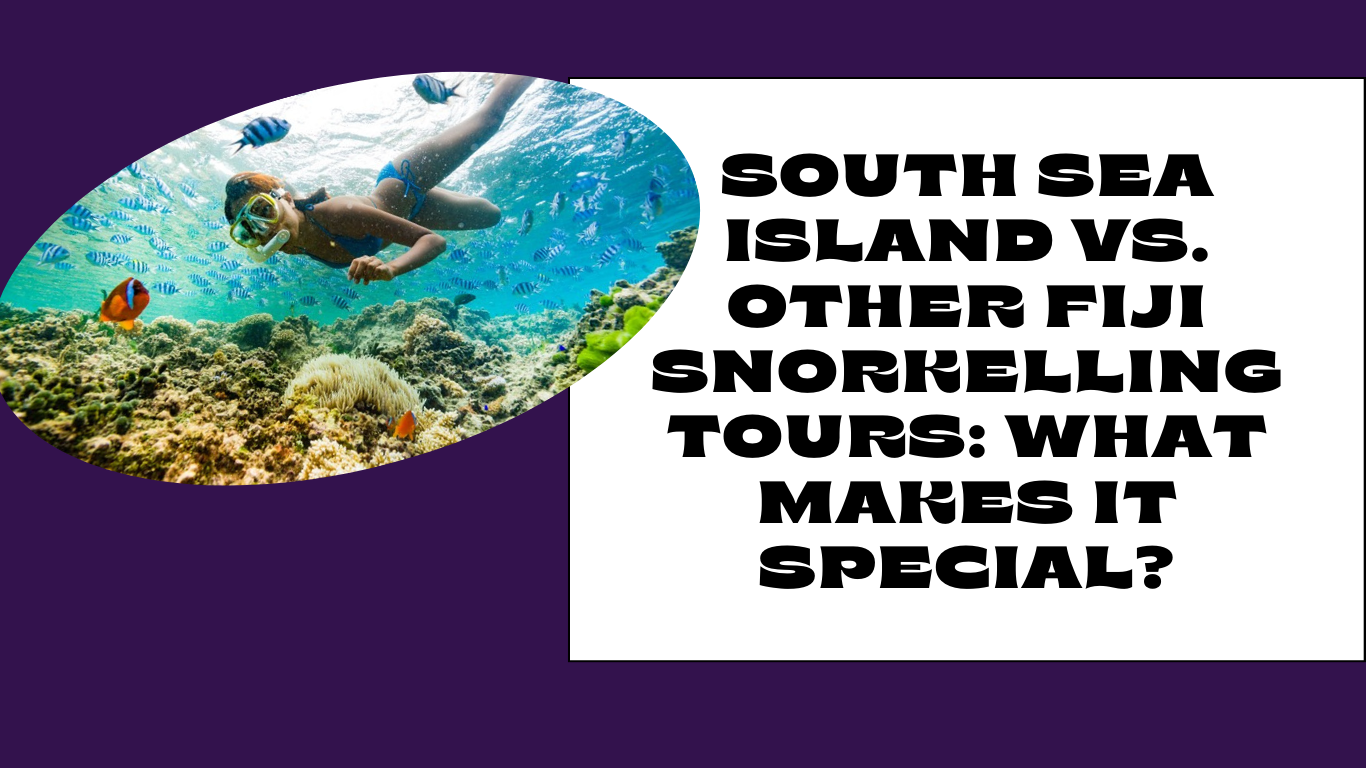
    It might be challenging to plan your snorkelling day in Fiji. How can you choose just one of the numerous fantastic trips that are offered? Brochures and websites overflow with promises of neon coral and fish that look like living rainbows. Right there in the mix, you’ll always see South Sea Island Fiji snorkelling offered. Although it is well-liked, what is the true narrative? Is it only the most practical option, or is it the correct one for you? Let’s go past the shiny pictures and cliched sales pitch. This is a straightforward, practical look at how a day at South Sea Island actually compares to other Fiji snorkelling tours. The objective is to assist you in determining which experience will bring you the day you’ve been secretly wishing for, not to proclaim a winner. To choose well, it helps to first understand what kinds of snorkelling trips Fiji offers. First, you’ve got the Island Day Trip. This is the classic model. These trips take you to a single island for the entire day. You get the full island experience. Many islands offer kayaks or beach games. It’s a proper day out, not just a quick snorkel stop. Then there’s the Reef Safari. These trips are all about the water. The boat is your base. It takes you to one or two renowned snorkel spots—places with names like “The Supermarket” or “Coral Gardens”—where you jump in and explore. The focus is intense, maximizing time floating above the reef. There’s little to no “beach time.” For resort guests, there’s often the House Reef option. Many resorts have coral right off their own beach. You grab gear from the dive shack and walk in. It’s the ultimate in convenience, but the quality of the snorkelling is a roll of the dice, entirely dependent on that resort’s specific coastline. Finally, for the daring, there are Remote Expeditions. Consider full-day or multi-day treks to remote Yasawa Islands or exclusive, seldom-seen reefs. The travel is lengthy, the views are beautiful, and the thrill of discovery is included.

    The Heart of the South Sea Island Fiji Snorkelling Experience

    So, where does the South Sea Island snorkelling experience fit in? South Sea Island is a top pick because it’s so convenient. The trip is simple. The boat from Denarau only takes about an hour. You are not signing up for a long journey. This makes it an excellent choice for families with active children or anybody who would prefer spend their vacation in the water rather than on the journey there. Once you arrive, that theme of ease continues. The snorkelling here isn’t done in deep, open channels. It happens in calm, shallow lagoons hugged by the island. Currents are minimal.

    The Journey vs. The Destination

    With South Sea Island, the journey is pleasant but brief. The island itself is a key part of the destination. On a Reef Safari, the boat ride can be longer and sometimes choppier, as you travel to specific offshore sites. The boat is a taxi, not a destination.

    Calm Lagoons vs. Open Ocean

    This is the biggest practical difference. The South Sea Island Fiji, snorkelling experience is defined by sheltered, calm water. It’s peaceful and secure.

    Marine Life: Reliable vs. Possible

    Around South Sea Island, you are guaranteed a fantastic show. Some outer reef sites visited by safari boats have a chance for bigger sightings—maybe a turtle gliding by, a graceful ray, or a small reef shark in the distance. It’s less guaranteed, but the potential is there.

    The Pace of the Day

    South Sea Island offers a blend. It’s snorkelling, beach time, and island leisure.

    Who Should Book This Trip? (And Who Should Keep Looking)

    This comparison paints a clear picture of who will have their best day ever on a South Sea Island Fiji Snorkelling tour.

    Say “yes” to South Sea Island if you:

    • Are new to snorkelling or feel uneasy in deep, open water.
    • Are you traveling with children of any age? The calm lagoon is a parent’s peace of mind.
    • Have just a single day for an excursion and want a complete, no-hassle package.
    • Want a taste of both worlds: fantastic snorkelling andthe classic “deserted island” fantasy of white sand and palm trees.
    • Enjoy a friendly, social atmosphere rather than seeking solitary silence.

    Look at other Fiji snorkelling tours if you:

    • Are a confident, experienced snorkeler who finds calm water a bit tame and seeks more dramatic seascapes.
    • Prioritize absolute tranquility and feel that crowds, however mild, detract from nature.
    • Are staying at a resort with phenomenal house reef access, and want something completely different.
    • Have a specific marine life “bucket list” item that requires a specialized trip to a specific location.

    What to Really Expect

    You’ll be provided with standard snorkel gear. It’s functional. If you’re particular about fit, consider bringing your own mask. A safety briefing is standard procedure—listen to it. Guides are present and helpful, especially during the group snorkel. The greatest safety feature, however, is the lagoon itself. Its calm nature is your best ally. When you weigh up the cost, think of it as an inclusive package. Your ticket buys the boat ride, the gear, a solid lunch, and access to all the island’s facilities. You won’t be pulling out your wallet every five minutes. Other trips might have a lower upfront cost, but add on meals or extra transport fees. You’re paying for smooth, simple enjoyment.

    The Final Word

    So, what’s the bottom line on South Sea Island Fiji snorkelling? It excels as the ultimate accessible, all-in-one Fijian day trip. South Sea Island is not a rugged adventure trip. It’s just a fun, simple way to see Fiji’s reefs on a lovely island day. It’s ideal if you want to unwind. Select a different trip if you prefer deeper water and stronger currents. That’s alright, various vacations are appropriate for different people. Choose what you enjoy. Do you want to float calmly or swim hard? For a calm, easy day, choose South Sea Island. It’s close, peaceful, and does exactly that.
  • Is It True Christmas Celebrations in Fiji Last All Month?

    Is It True Christmas Celebrations in Fiji Last All Month?

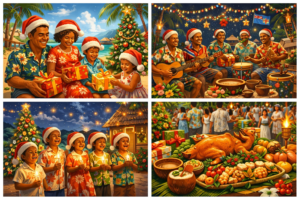
    In Fiji, Christmas starts far in advance of December 25. There are indications of the season everywhere by early December. Community choirs start practicing evening hymns. Families plan their journeys back to their home villages. A sense of quiet preparation fills the air. This early and obvious start raises a popular query among visitors: Do Christmas celebrations in Fiji extend all month? The way the vacation is incorporated into everyday life holds the key to the solution. Christmas Day is a significant occasion in and of itself. But there are many smaller, more significant customs in the weeks preceding it. There are food gatherings, church music, and community clean-ups. Each activity builds the festive spirit slowly. This makes the entire month feel connected to the holiday. For the Fijian community, Christmas is a season, not a single day. It is an extended time for family, faith, and community. The celebrations are not constant parties. Instead, they are a series of shared moments that create a lasting, warm atmosphere throughout December.

    Why Christmas Owns the Fijian Heart

    In a nation where church bells might compete with waves for the morning soundtrack, Christmas occupies sacred space—both spiritual and social. To understand the extended nature of the season, one must look at its cultural anchor. The celebration of Christmas in Fiji connects directly to a core cultural principle known as vanua. This principle describes the essential bond shared by a community, its ancestors, and the land they call home. Christmas is the time when this bond is most actively honored. A clear sign of this is the annual movement of people. In the weeks before Christmas, a significant migration occurs. Individuals who work in urban centers like Suva, or even in other countries, all journey back to their ancestral villages, known as koro. Buses and ferries become crowded not with tourists, but with families and their belongings returning home. This is far more than ordinary holiday travel. It is a collective homecoming. This movement of an entire population back to its roots is what begins to stretch the festive feeling across the month. The celebration starts not with a party, but with this fundamental return to community and place.

    The Slow Burn: How December Unfolds Differently Here

    In Fiji, the Christmas season has no set start date. The change happens through daily observations. A key early sign is the sound of evening choir practice. From early December, groups gather after dusk to rehearse. The sound of traditional hymns and harmonies becomes a regular feature in villages and towns. This music is one of the first clear signals that the festive period has begun. Then come the visual clues. Not the overwhelming commercial displays of Western countries, but subtle touches: bright fabric bundles carried home from markets for making kalavata (matching family outfits), homes receiving their annual scrub-down during solesolevaki (spring cleaning), and the slow accumulation of food gifts—baskets of mangoes, bunches of coconuts, root vegetables—piling up on verandas. Christmas food in Fiji!

    The Real Work (and Joy) Behind the Feast

    Here’s where the “month-long” feeling becomes tangible – The Christmas food in Fiji! The famous Christmas love (earth oven) feast doesn’t magically appear. Its preparation is a social calendar in itself. In the final week before Christmas Celebrations in Fiji, practical preparations for the feast begin. Communities start the work for the lovo, the traditional earth oven. Men gather to dig the cooking pit and collect the necessary stones and firewood. On Christmas Eve, household activity focuses on food preparation. Family members collaborate to marinade pork and poultry, wrap taro leaves into bundles known as palusami, and shred fresh coconut for cream (lolo). Generations frequently share this work. During this same period, scheduled community events also take place. Church groups practice their veisiko—visiting homes to sing carols, receiving small treats in return. Village youth might organize a fundraising concert. Schools hold their break-up parties. Together, these various Christmas in Fiji traditions establish a steady rhythm. This collective pace makes the holiday feel like a shared communal journey, rather than a single destination to be reached.

    Christmas Morning Without Frost

    The frantic gift-opening frenzy? Not here. The morning unfolds slowly, peacefully. What I remember most vividly is the walk to church. Entire families, dressed in their brilliantly coordinated kalavata, move through the streets and paths like flowing rivers of color. The Christmas Day church service is a central event focused on gratitude and community. The service features powerful group singing. Following the service, the main feast begins. This is a long, substantial supper that frequently lasts for many hours. The event is inclusive, usually welcoming unforeseen visitors, and food is plentiful and readily shared. The afternoon brings a contented quiet. Children play calmly with new toys, elderly relatives sleep, and people relax in the shade. It is similar to the pleasant, natural tiredness that follows a long-awaited climax.

    So, Back to Our Question…

    After all this, do Christmas celebrations in Fiji technically happen every single day of December? Not in the way a tourist might expect—there aren’t parades daily or non-stop parties. Therefore, the spirit, preparation, and community focus do indeed build and sustain throughout December. The festive feeling is integrated into daily life. This integration is visible in changed social greetings, the regular sound of choir practice, communal work projects, and the exchange of food gifts. These ongoing activities make the entire month carry a Christmastime atmosphere.

    What Travelers See in December

    Visitors to Fiji in December will notice a clear change. The Christmas season is long. It builds slowly over weeks. People are busy with preparations. They may talk about their plans. They occasionally ask visitors to participate. Take a small gift. Kava root is a good choice. Be ready to eat well. On December 25th, most local shops close. Families stay home. Resorts have parties, but the real feeling is in the villages. You can go to a church service. The singing is very powerful. Do not expect one big party. Instead, watch the small things. See the choir’s practice. Notice the food being made. Watch families work together. These small things fill the whole month with a Christmas feeling.

    The Final Answer

    Yes, is it true? The feeling of Christmas starts early and stays late. The whole month has a holiday spirit. This is what makes Christmas celebrations in Fiji last so long.
  • Our Top 10 Places to Stay in Suva: A Friendly Guide

    Our Top 10 Places to Stay in Suva: A Friendly Guide

    Here’s the issue with the classic Fiji postcard—it’s all coastline. It completely misses the heart, and Suva is exactly that. Think of the islands like a body; the resorts are the relaxed, suntanned limbs, but Suva? That’s the busy, beating heart. Fiji has beautiful beaches. But Suva is where Fiji really lives. This is the capital. It is busy, real, and full of life. Here, old colonial buildings stand beside busy markets. You can smell fish, fruit, and spices. In the morning, you might see government workers in suits. At lunch, you could eat the best roti of your life from a small shop. This is not a resort. This is Fiji’s everyday world. Your choice of hotels in Suva, Fiji, matters. Pick well, and you are in the middle of everything. Where you stay is the most important choice you will make here. Choose well, and you are right in the middle of everything. Your hotel becomes your anchor in the wonderful chaos. Get it wrong, and you’re just a spectator on the outskirts, probably wondering why you didn’t book that beach villa after all.

    Why You Might Actually Love Staying in Suva

    Honestly? You come to Suva for the real Fiji. Working in Fiji. Every everyday Fiji. This is it. This is where Fijians live. This is everyday life. Your day starts at the Fiji Museum. By lunch, you’re in the crowded market. For dinner, you choose from local curry houses or seafood grills. There’s no show for tourists here. This is simply how life is lived, and it’s the most genuine way to see the country.

    What Really Matters When You’re Picking a Hotel Here

    Let me share what I’ve learned from spending time in Suva – there are a few things that really make or break your stay: First, think about location in a practical way. The city center is wonderfully walkable, but it can get noisy. The harbor area feels more relaxed, but you’ll probably want to grab taxis more often. I once stayed near Thurston Gardens and loved having that green space nearby when the city buzz became too much. Who you’re traveling with really matters too. Don’t just look at the room rate. Consider what you’ll actually use. That fancy gym might look great online, but in Suva’s humidity, a reliable air conditioner and good Wi-Fi (if you need to work) are what you’ll really appreciate. And here’s my practical tip – look at transportation realistically. Some hotels look close on the map but involve walking up steep hills in tropical rain. Not fun with groceries or after a long day. Here is our honest take on the top hotels in Suva, Fiji, for different kinds of travelers.

    Top 10 Picks for Suva Stays

    These aren’t just names from a booking site – these are places I’ve either stayed at myself or have had recommended by people I trust who know Suva well.

    1. Grand Pacific Hotel

    Start with the famous one. The “GPH” feels like a step into history. It is the most expensive option. But for a special trip or if you appreciate history, it is worth it. You pay for the atmosphere and the story, not just the room.

    2. Novotel Suva Lami Bay

    This hotel is on Lami Bay, a short drive from downtown. Good for families because there is more space.

    3. Holiday Inn Suva

    This hotel is about reliability and location. The rooms are standard for a Holiday Inn. It is a practical choice for business or for travellers who do not want surprises.

    4. Quest Suva Serviced Apartments

    Quest Suva offers serviced apartments. They have a kitchen and a separate living area. This is useful for longer stays or for families. It provides more space and the option to cook meals.

    5. Tanoa Plaza Hotel

    A long-standing hotel popular with locals. The staff are friendly. It is good value for the price.

    6. Southern Cross Hotel

    It’s smaller than the chains and has this personal feel I really appreciate. A good choice for solo travelers or couples. It has more character than a standard corporate hotel.

    7. Peninsula International Hotel

    If you are in Suva for a conference or meetings, this hotel hosts many of them. The rooms are functional and comfortable. They are not luxurious, but sometimes practical is what you need. Good location for business purposes.

    8. Suva Motor Inn

    Looking for a budget room? The rooms are plain but clean. For the price, the location is very convenient. If you just need a proper bed and a shower while you are out exploring all day, this place does the job.

    9. Colo-i-Suva Rainforest Eco Lodge

    The rooms are like treehouses—simple but nice. Forget luxury. And seriously—bring bug spray.

    10. Raintree Lodge

    This lodge is a good eco-option near Nausori airport. You stay in a Fijian bure—a basic wooden hut that shows local life. It’s comfortable enough. The family who runs it is friendly, and the gardens are quiet and green. Good choice if you’re flying in late or out early from Nausori airport. This range shows the variety you can find when searching for hotels in Suva, Fiji.

    Matching Hotels to Real Travelers

    Let me make this practical for you: If you are here for work, stay downtown. Pick the Holiday Inn, Tanoa Plaza, or Peninsula Hotel. The traffic in Suva is bad. A hotel outside the city centre means long, slow drives to your meetings. Traveling with family: Space is king. Look at Quest Suva or Novotel. That extra room for kids to play or a kitchen to prepare snacks makes family travel so much easier. On a romantic trip: Splurge for the Grand Pacific if you can, or try the Southern Cross for its cozy charm. Both create that special atmosphere that makes a trip memorable. Watching your budget: The Suva Motor Inn is your best bet in the city. For a different kind of stay further from the centre, Raintree Lodge is excellent value.

    A Few Things Learned the Hard Way

    Let me save you some hassle with what I’ve figured out over multiple visits: Popular hotels in Suva, Fiji, can get booked up during government conferences. Book further ahead than you think you need to. Suva gets busy with government conferences and events that you won’t necessarily know about. Ask specifically about noise. Some hotels on busy streets have rooms at the back that are much quieter. It’s worth requesting. Don’t assume all taxis use meters. Agree on the fare before you get in. Better yet, ask your hotel what the going rate is to various places so you know you’re not being overcharged. If you’re sensitive to heat, the air conditioner is non-negotiable. Some budget places might offer “fan-cooled” rooms – these can be uncomfortable in Suva’s humidity.

    Wrapping It Up

    Here’s what I really want you to take away: Suva might surprise you in the best way. That’s not the Fiji from the holiday ads. It’s Fiji where real life happens. Your hotel isn’t just for sleeping. It’s your starting point for seeing the part of the islands that most tourists never find. Your hotel in Suva decides your trip. Tea at the Grand Pacific, breakfast at Quest, or the rainforest at Colo-i-Suva—it’s not just a bed. It’s your way to see the city. The right hotel here isn’t about the price. It’s the one that matches how you travel. Doing that bit of research to find your perfect match among the many hotels in Suva, Fiji is what lets you see the city—and the real Fiji—your own way.
  • Top 10 Common Birds in Fiji

    Top 10 Common Birds in Fiji

    When you get to Fiji, you see pretty quickly it’s not only about the beaches. There are birds everywhere. You don’t have to go birdwatching or anything — they just show up around you. You’ll spot some bright little birds in the gardens, and then there are the seabirds that just kind of drift along the coast. This list is just to help you figure out what’s what without overthinking it.

    An Island Stage for Winged Wonders

    So, why is Fiji such a hotspot for unique birds? It ultimately boils down to real estate. These islands are beautiful, remote sanctuaries floating in a wide blue ocean. The deep forest interiors give way to tangled mangroves, which kiss the famed sandy beaches. This variety of neighborhoods supports all kinds of residents. Many of the birds in Fiji have developed into unique species as a result of their prolonged separation. You are witnessing living gems that are unique on our planet. There’s a cultural layer, too. For locals, these aren’t just “birds”; they’re part of the soundscape of life. An elder might note that a certain call means rain is coming soon. This deep, intuitive connection to nature is something you can feel, a rhythm that you, as a visitor, get to step into.

    Birding Without Trying: The Easiest Safari You’ll Ever Have

    The absolute best part? You don’t have to try to see these common birds in Fiji. You will. Full stop. They are the confident locals who know they own the place. That cheeky bird eyeing your toast at the breakfast buffet? You’ll know him. The piercing call that becomes your 6 a.m. wake-up call? You’ll learn it. They’re in the resort flowerbeds, on the power lines along the coastal road, and singing from the roof of your bure. This is birdwatching for the rest of us. You only need to be willing to sometimes look up from your reading; no special equipment is needed. Are you prepared to get to know the characters?

    The Top 10 Common Birds in Fiji

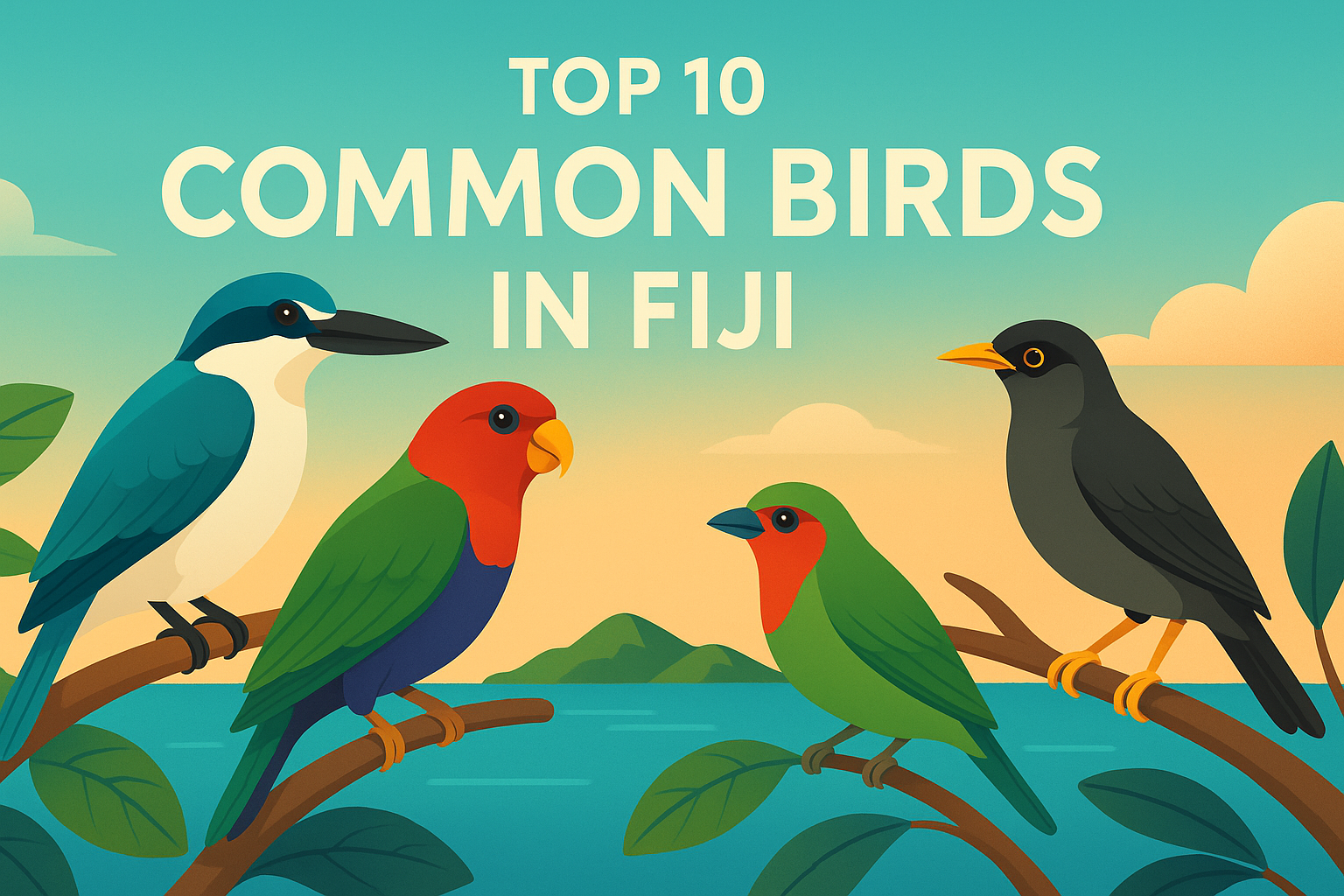
    1. The Fiji Parrotfinch: The Garden Gem

    This tiny man is so attractive. Imagine a little bird with a head dipped in crimson paint, and painted the brightest shade of green. They walk down garden walkways in happy, chatting groups, frequently at your feet, nibbling at seeds. It’s like witnessing live confetti emerge from the grass in a flock.

    2. The Orange Dove: The Forest Flame

    The first time you see one, it will always stick in my memory. It doesn’t appear real. The male is stunning, nearly bright orange, as though it had ingested a portion of the sun.

    3. The Wattled Honeyeater: The Town Crier

    You will 100% hear this bird first. It’s call is a loud, raspy, and persistent cha-klee-chak! that becomes the soundtrack to your trip. It’s a bold, charcoal-grey bird with a funny little black blob of skin (the wattles) behind its eye. They have no fear and will inspect your lunch with zero shame.

    4. The Red-Vent Bulbul: The Cheeky Newcomer

    Think of this as the common sparrow of Fiji, but with more flair. It’s sleek and brown with a cool black head and a secret splash of red under its tail (that’s the “vent”). Introduced long ago, they’ve taken over towns and gardens, and their noisy squabbles in fruit trees are a constant source of entertainment.

    5 The Fiji Woodswallow: The Sky Dancer

    Look up. On a clear day, you may witness these incredible birds flying and gliding with grace. They have a cute, tiny black mask over their eyes and a wonderful, dreamy blue-grey color. They enjoy forming a line on telephone wires, much way a choir pauses before performing their next aerial ballet.

    6. The Spotted Fantail: The Energetic Acrobat

    This bird is pure, joyful energy. It never, ever stops moving. You’ll see it in the forest, constantly flitting about, fanning its beautiful tail into a perfect semi-circle to scare up insects. It’s a tiny, spotted grey thing with a friendly white eyebrow, and it might just come check you out on a quiet trail.

    7. The White-Collared Kingfisher: The Blue Flash

    Don’t be confused if you see a stunningly blue kingfisher far from the water. This one enjoys mangroves and gardens. Its hue is an almost amazing electric turquoise, accented by a pristine white shirt front. What’s that booming, rattling cry coming from the trees? That’s probably him.

    8. The Lesser Frigatebird: The Sky Pirate

    And finally, look to the open ocean. Soaring high above is the magnificent frigatebird, a living pterodactyl. It’s a massive, black bird with long, bent wings and a forked tail. They can glide for hours without a single flap, masters of the wind. Seeing one circle your boat is a humbling reminder of the wildness of the Pacific.

    9. The Collared Lory

    This bird is the national bird of Fiji. It makes loud, sharp calls. You will often see it hanging upside down in flowering trees while it eats.

    10. The Pacific Kingfisher: The Patient Fisherman

    This bird often sits very still on fence posts or low branches. It has a blue-green back and a large head. It stays motionless while it watches for insects or lizards to eat. You will often see it near beaches, always watching and waiting.

    Your Simple Spotting Guide

    • Just Open Your Door: Your resort garden is a front-row seat. Lories, parrotfinches, and bulbuls are all regulars.
    • Listen in the Village: The Wattled Honeyeater’s call is the sound of village life.
    • Walk a Forest Trail: Even a short walk can reward you with the Spotted Fantail’s acrobatics or a glimpse of the legendary Orange Dove.
    • Gaze Seaward: Any boat trip or afternoon on a less-crowded beach will feature the soaring Frigatebirds.

    The Real Magic of Birds in Fiji

    The sight of a bright red lory or the distinct call of a honeyeater are the details you’ll remember later. These birds add life to the entire Fijian landscape. This guide should help you recognize them. Now you know what to look for. Next time a shadow moves nearby or you hear a strange call, just look up. It’s likely one of Fiji’s common birds going about its day.
  • Did You Spot These Common Flowers in Fiji?

    Did You Spot These Common Flowers in Fiji?

    That first moment in Fiji really gets you. The first thing you notice about Fiji isn’t only the heat on your skin. It is the fragrance. A sweet, tropical perfume from thousands of blooms hits you right away, a promise of the island’s beauty. This is your real welcome to the islands, the flowers in Fiji. And as you drive along, the view confirms it. You can’t miss the bursts of color—like that vivid pink flower spilling over a fence in a tangled, beautiful mess. A perfect red bloom smiling at you from a garden. A delicate white flower was scattered on the path. It’s pure magic. But after a day or two, you start to wonder. What are these beautiful blooms? You see them everywhere, yet they’re nameless beauties. Been admiring the flowers, but don’t know their names? This is for you. We’re not getting technical—just having a chat about Fiji’s most common blooms. Soon, you’ll be pointing them out like a local. Ready to learn who’s who?

    More Than Just Pretty Petals: Why Fiji is a Flower Lover’s Dream

    Fiji doesn’t just have flowers; it drowns you in them. And there’s a good reason for it. The islands are basically a perfect nursery for anything that wants to grow. Fiji’s climate is perfect for flowers. The sun shines most days, brief rains water everything, and the soil is fertile. Things don’t just grow slowly here—they burst out quickly and with amazing color. But what really brings the scene to life is how Fijian people wear and use these Fiji flowers. It’s part of the culture. You will often see a Fijian man with a bright red flower behind his ear as he serves your coffee. You might also receive a salusalu, a fresh flower garland, around your neck. This is a common welcome. These traditions show that flowers are part of daily life in Fiji. You’ll see them at festivals, used in simple hellos, and even brightening up ordinary days. This isn’t random beauty; it’s deliberate. Flowers are part of how Fijians live. It’s shared. Once you see that connection, every flower you pass feels like a little nod of welcome.

    The “Oh, I Saw That One!” Feeling

    The best part? You don’t have to be a botanist on a safari to enjoy this show. The most common flowers in Fiji are right there in the open, almost showing off. They line the walk from your resort room to the beach. They climb up the sign for a local shop. They’re the living confetti that makes a simple stroll feel like an event. These aren’t shy, hiding flowers. They’re the outgoing, colourful personalities of the island. So, let’s get to know them. Here are five you’re almost guaranteed to have seen.

    Meet the Island’s Floral Superstars – Some of the beautiful flowers in Fiji

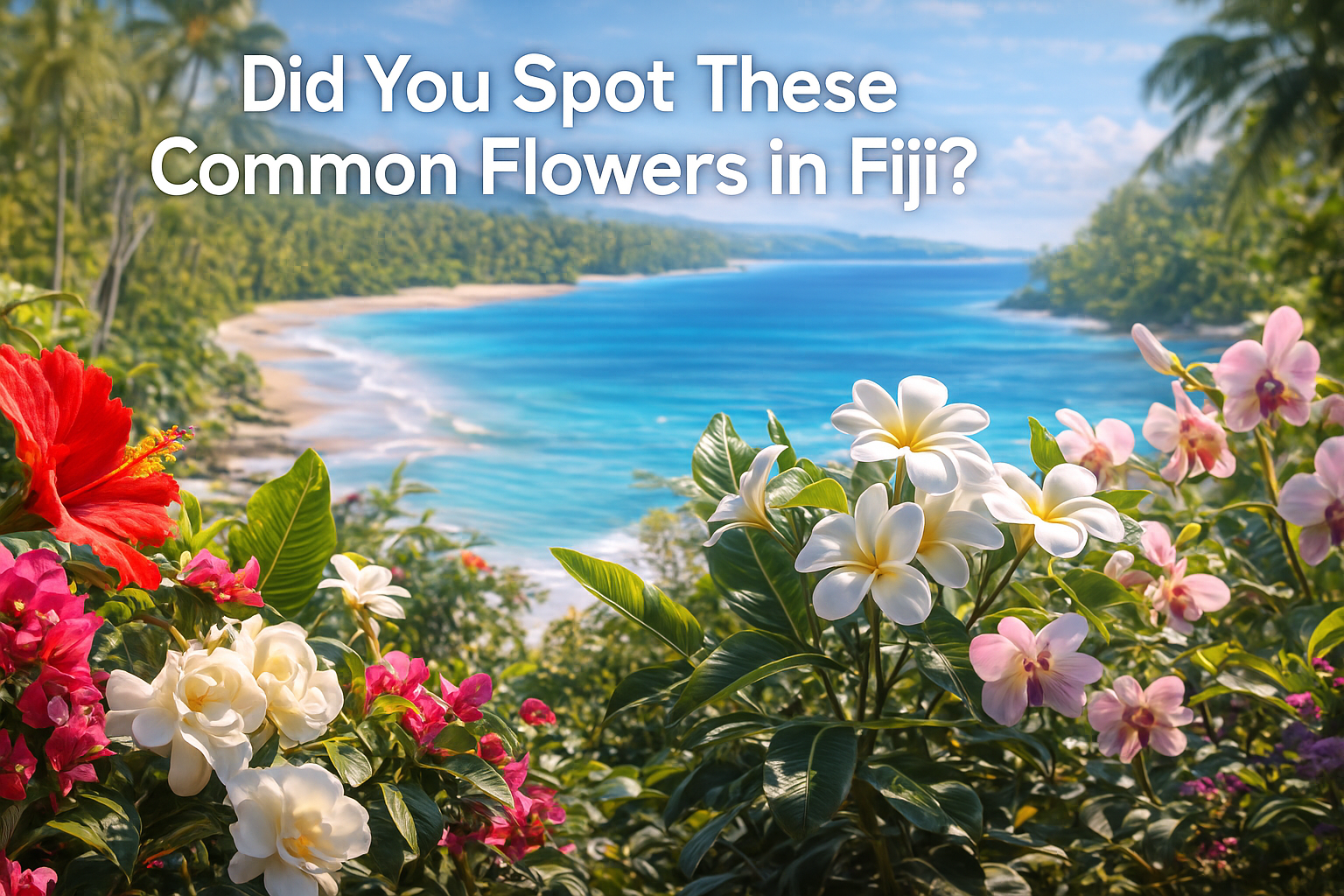
    1 The Hibiscus: The Show-Off

    The hibiscus blossom might be considered Fiji’s mascot. Hibiscus grows everywhere in Fiji. It produces enormous trumpet-shaped blooms with slender petals. A lengthy stamen frequently protrudes from the middle. The colors are bright—look for red, yellow, and pink blooms. Resorts use them as hedges, and they grow in village gardens too. It’s the classic Fijian flower that seems to say, “you’re on vacation.”

    2. The Frangipani: The Sweet Soul

    That sweet, heavy scent you notice in the evening air? That is a frangipani. The petals are soft and form a circle. The color is usually white with yellow in the middle. You’ll see the trees near pools and walkways. The fallen flowers often cover the ground like a natural carpet. This is the same flower used to make the welcome garlands. For me, that smell will always mean Fiji.

    3. Bougainvillea

    You will see bougainvillea all over Fiji. The plant is known for its bright pink and purple leaves. Many people mistake these for flowers. The real flower is the small white part in the center. It grows quickly over walls and fences. You will see it on most walks around the islands.

    4. The Torch Ginger: The Jungle Diva

    The torch ginger is hard to miss. You will usually find it in shady, green areas of resorts. When you see one, it feels like finding a special piece of the Fijian forest.

    5. The Orchid: The Elegant Whisper

    Orchids offer a more delicate beauty compared to Fiji’s brighter flowers. They may look fragile, but they are strong and grow well here. You can find local types in white and purple. They often grow on tree bark instead of in soil. Look for them in shady garden trees. Finding one feels like discovering a small, natural treasure.

    Your Personal Flower-Spotting Map

    So, where’s the best place to play “spot that flower”? Honestly, everywhere.
    • Your Resort: This is the easiest place. The gardens are basically a curated tour of the best Fiji flowers.
    • Walking Through a Village: This is where you see flowers in their true element, brightening up homes and community spaces.
    • On a Drive: Keep an eye on the roadside. Bougainvillea and hibiscus often line the roads, creating a colourful runway beside the ocean.
    • At the Market: Look for the ladies weaving frangipani into leis. It’s a flower in action!
    • A Gentle Hike: Venture just a little into the green, and you’ll find torch ginger and orchids living their best life in the dappled light.

    The Real Magic Isn’t Just in the Petals

    In the end, these flowers do more than just look pretty. They shape your memory of the place. That frangipani aroma in the air will always transport you back. These tropical flowers in Fiji are the confetti at your personal Fijian celebration, the welcoming party that never ends.

    A Final Thought

    The flowers in Fiji do more than just look pretty—they create the feeling of the islands. Their colors and scents turn a simple vacation into a real experience. So, keep your eyes open. The islands are showing off for you, and now you’re in on the secret. Happy flower spotting.
  • Districts and Towns within Ba Province Fiji

    Districts and Towns within Ba Province Fiji

    You want to see the real Fiji? Not just the postcards? Then you head to the west, to Ba Province, Fiji. It is dispersed over the Viti Levu shoreline, an untidy, stunning, and crucial region of the nation. It has everything—quiet villages clinging to the mountains, cities humming with trade and trucks, and sugar cane. So much sugar cane. What you notice first is the people. Ba’s soul is made up of humans. Ba is in the sight of a temple and a church sharing the same street. This combination evolved organically and is now the norm. And it gives the entire room a raw, honest vitality that you won’t find anywhere else.

    Sugar, Ships, and Slow Villages

    Let’s be honest, for ages, Ba’s lifeblood has been sugar. The landscape tells you that. It’s a sea of green cane stalks, right up against the rugged interior hills. But there’s a modern pulse here too. Nadi’s airport is the country’s front door, buzzing with tourists. Lautoka’s port is where Fiji sends its goods out into the world. It’s a province of industry. But drive twenty minutes inland, and you’re in another time entirely. Life slows down. Traditions hold strong. It’s this contrast that makes Ba Province so fascinating.

    Ba District: The Main Event

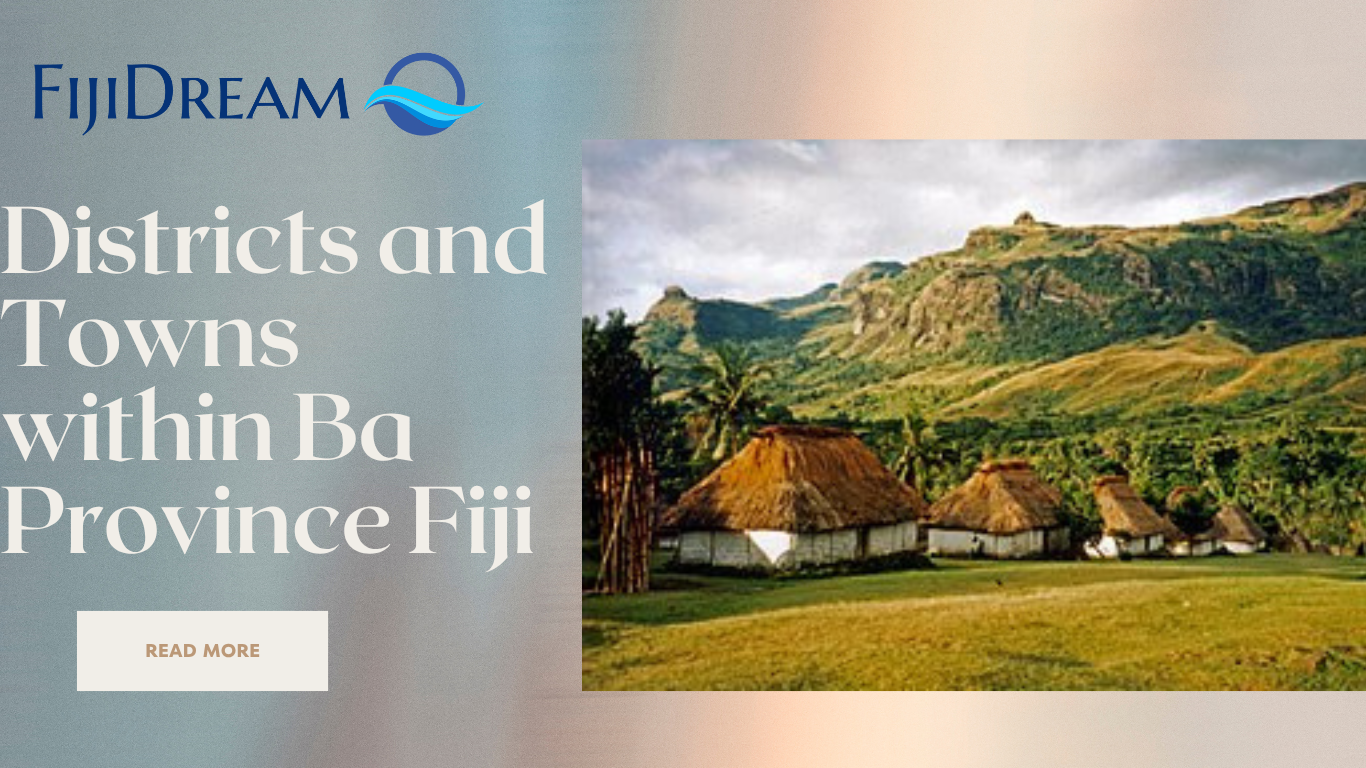
    Now, the district of Ba itself—this is the gritty, agricultural core. The main town, Ba Town, literally grew in the shadow of the Rarawai Sugar Mill. That mill is the town’s heartbeat. During the crushing season, the region vibrates. The roads are packed with tractors conveying cane, and the air smells sticky-sweet, indicating that money is being earned. You haven’t gone to Ba Province, Fiji unless you’ve explored its market. It’s complete pandemonium in the greatest way. Farmers from the valleys brought down their mounds of taro and bananas. The talk is incessant. And the people here are sports-mad. The local football team, the “Men in Black,” is a proper obsession. When they play at Govind Park, the whole town seems to shut down to watch. The passion is palpable. However, Navala Village is my favorite location—the one that truly remains with you. Each house is a classic bure with bamboo walls and a tall thatched roof. This group has consciously chosen to preserve its ancient buildings. It is their home, not a museum. You get a strong, almost humble feeling of connection to a Fiji that was and, fortunately, still is when you stand there.

    1. Lautoka District: The Sugar City’s Pulse

    They call it the “Sugar City,” the reason is that there is a massive mill in the heart of town. Compared to other towns in the province, Lautoka feels more planned. Vuda Point is located just up the road. Old-timers would tell you that this is where our forefathers originally landed their boats. That legacy lives on in adjacent Viseisei Village, where you can watch dance and weaving every day of the week. Need to get somewhere? Lautoka’s your spot. The port sends boats out to the islands, while the road links you to Nadi, Ba, and everywhere else that matters.

    2. Nadi District: Fiji’s Welcome Mat

    For nearly everyone, Nadi is where Fiji begins. The airport dumps you right into its busy heart. But Nadi has its own soul. The true town is beyond the main strip. It’s a town of cheap eats and fancy resorts, all buzzing with people on the move. And you’ll spot the Sri Siva Subramaniya Temple instantly. Its wild colors and huge size demand your attention. This temple demonstrates the strong Indo-Fijian origins that formed Nadi. Need a break? Go to Sabeto Valley. Get muddy, soak in the springs, then find peace in the Garden of the Sleeping Giant—a quiet world of flowers away from the crowds. And let’s be real—Nadi is your ticket out. It’s the gateway to Denarau Island, with its perfect resorts and the marina where boats leave for paradise every morning. Nadi doesn’t just let you into Fiji; it launches you into your entire holiday.

    3. Tavua District: Gold in the Hills

    Head north, and the land opens into Tavua’s quiet hills. This district runs on a different kind of wealth: gold. Gold is Tavua’s life. Since the 1930s, the Vatukoula mine has extracted riches from these hills. Here, families have gone underground for generations. The town is pure slow living. Grab a drink. Watch the day go by. The only rush is the sugarcane trucks on the King’s Road.  For adventure, you may hit Koroyanitu Park. It’s this raw, untouched beauty that captures the true spirit of Ba province Fiji—a place where adventure is never far from a quiet moment to simply take it all in.

    4. The Yasawa Islands: A World Apart

    The Yasawas are wild Fiji. Sharp volcanic hills rising straight from the deep ocean may be seen on a short boat trip from the main island. They are all seated in their own vivid blue lagoons. Every island feels different. Locations like Nacula and Nanuya Lailai have ideal beaches and tiny, welcoming resorts. Or visit the fabled Sawa-i-Lau caverns. The swim is cool, but the ancient legends of spirits and chiefs are unforgettable. Here, life follows the tide. Villages welcome you as a guest with heartfelt songs. Tourism is quiet and respectful, letting the islands hold onto their peaceful magic.

    Why You’ll Remember Ba Province, Fiji

    Ba Province is Fiji in one place. It’s the sound of two Fijis: the factory hum of a sugar mill and the quiet lap of a wave in the Yasawas. It’s the noise of Lautoka’s port against the deep quiet of a mountain village at dusk. Here, history isn’t in a museum. You see it in Navala’s thatched-roof homes, a choice to live as their ancestors did. And the future isn’t abstract—it’s in the students in Lautoka’s schools and new businesses in Nadi. You’ll carry Ba with you wherever you go, not just in pictures but in your heart and memories.
  • Have You Seen These Fiji Man-Made Attractions?

    Have You Seen These Fiji Man-Made Attractions?

    Think of Fiji for a second. You probably see the postcards — the leaning palms, the glassy water, the kind of green that almost doesn’t look real. And that’s true enough. But there’s also a side of Fiji most travelers miss — a quieter one, built not by waves or wind, but by people and their stories. These are the Fiji man-made attractions that show how the spirit of the islands runs deeper than the coastline. Wandering through them feels like flipping through Fiji’s memory — the old and the new sitting side by side. You’ll find sacred temples, sleepy villages, movie-famous islands, and even resorts that somehow balance luxury with tradition. And after a while, you start to see it: Fiji isn’t just beautiful, it’s expressive. It’s alive with art, belief, and craft. Among the most fascinating Fiji man-made attractions are the ones rooted in faith and tradition.

    The Spiritual Heart: Sri Siva Subramaniya Temple

    In the middle of Nadi, there’s this temple you just can’t ignore. The Sri Siva Subramaniya Temple. It’s tall, painted in every color you can imagine. They say it’s the biggest Hindu temple in the Southern Hemisphere — maybe so, but that’s not the first thing that grabs you. It’s the color. The detail. The way everything seems to tell a story. It’s built in the Dravidian style from South India, and you can spot that right away. The tall tower at the entrance, the bursts of paint, the carvings of gods and goddesses climbing up the walls — it’s all there. All the carvings were done by hand — real people, real tools, brought in from India just for this. Look closely and you can tell. Inside, it smells like incense. A bell rings somewhere. It’s peaceful, but not the kind of quiet you get in empty places — more like everything’s alive, just slow. And in that moment, you can feel how many cultures have built this country together.

    A Walk Through Time: The Fiji Museum

    To understand how creative Fijians have always been, you have to dig into their history — and the Fiji Museum in Suva is the perfect place to do that. In the shade of Thurston Gardens sits a quiet colonial building filled with stories from every corner of Fiji’s past. There are old tools and weapons inside, and even the rudder from the HMS Bounty — yeah, that famous ship from the 1789 mutiny. Still, the best part’s the handmade stuff: the carved war clubs, the fancy cannibal forks, and the drua canoes that once ruled the ocean. They don’t feel like museum objects. They feel like proof — that long before modern Fiji, creativity and skill were already a way of life. Walking through, it’s easy to see how that same spirit still runs through the islands today. Some Fiji man-made attractions tell their stories through architecture — old buildings that hold echoes of history right beside symbols of progress

    Old Charm and Modern Pride: The Grand Pacific Hotel and Parliament Complex

    Fiji’s got its history written in its buildings too. In Suva, the Grand Pacific Hotel and the Parliament Complex sit almost side by side — like two pages from completely different chapters. Locals call it the GPH. It opened way back in 1914, when people still showed up by steamship, not by plane. They’ve fixed it up over the years, sure, but the feeling hasn’t gone anywhere. You walk through and still catch the same old charm — white walls, long verandas, that quiet kind of grace that just feels real. Just a short walk away, the Parliament Complex represents a more modern Fiji. Its buildings are modeled after traditional Fijian structures, complete with a giant yavu (foundation stone). It feels grounded in tradition but built for the present — a beautiful symbol of how Fiji has moved from colonial rule to independence while keeping its roots close.

    The Magic of Monuriki and Castaway Island, Fiji

    Then there’s Monuriki — a tiny, empty island that suddenly got famous after Cast Away was filmed there back in 2000 with Tom Hanks. Though completely natural, it’s now forever tied to a man-made story — one about survival and solitude that captured millions. Today, visitors come to see the exact beach where the film was shot and the cave where the character Chuck Noland lived. The island itself remains untouched, wild, and stunning — its fame just adds another layer to its charm. There’s also Castaway Island Resort, over on another island in the Mamanuca group. It’s got all the comfort in the world, but somehow it keeps that simple, relaxed feel. The thatched bures, the open-air spots to eat — everything blends right into the island. It’s built by people, sure, but with a lot of heart for the land it sits on.

    Where Culture Lives: The Arts Village

    If you really want to see Fiji’s culture, not just read about it, go to the Arts Village in Pacific Harbor. It’s not a museum. It’s alive. Things are happening around you — noise, color, movement. People are weaving mats, carving tanoa bowls, and shaping pottery. You can walk right up, watch their hands, and maybe ask a question. Sometimes you’ll catch a meke — a dance where stories unfold through song and rhythm. It hits deep, raw, and emotional. But what really stays with you is how you don’t feel like a visitor at all. You feel included, even for a short while. The Arts Village shows how Fijian creativity isn’t something from the past — it’s still here, breathing and changing with every generation.

    More Than Just a Paradise

    Everyone knows about the beaches — and honestly, they live up to the hype. But that’s just one side of Fiji. What gives the islands their soul is the people, and what they’ve made over time. From the colorful carvings of the Sri Siva Subramaniya Temple to the quiet rooms of the Fiji Museum, from Suva’s old hotel verandas to the living crafts of the Arts Village, these man-made attractions capture the islands’ creative heartbeat. And for something truly cinematic, places like Castaway Island Fiji remind visitors that even film locations can become part of the islands’ cultural story. So if you ever visit, go past the resorts. Walk the towns. Step into a temple. Stop and watch someone working — maybe carving wood, maybe weaving a mat.
  • What Makes Castaway Island Fiji So Special for Families? A Parent’s Guide to Paradise

    What Makes Castaway Island Fiji So Special for Families? A Parent’s Guide to Paradise

    Family vacation planning is a detailed task. It involves comparing airfare, reviewing hotels, and assessing childcare options. The objective is a successful trip where children are active and parents are relaxed. Castaway Island Fiji is widely recognized for meeting these needs. This island has earned a strong reputation among families. Its appeal comes from a combination of factors that work in harmony. Visitors often describe a feeling of immediate relief upon arrival. The resort spans 174 acres and functions as a self-contained zone for exploration and fun.

    The Arrival: Where “Bula!” Becomes a Feeling

    The journey to Castaway is part of the magic. With every meter the boat puts between you and the mainland, your everyday stress melts into the ocean. And there it is: the perfect island cove, a line of swaying palms, and your welcoming party—not with paperwork, but with open arms and a joyful song. Your first “Bula!” is a genuine Fijian welcome. The staff’s warmth is immediate and personal, especially with children. They often kneel to place a flower in a child’s hair and learn their name. The check-in process is done casually on the beach with a welcome drink. This immediate, personal treatment makes it clear that you are valued as an individual, not just a reservation.

    The Lairo Kids’ Club: Where the Magic Really Happens

    Many resorts have a kids’ club. Castaway Island has the “Lairo Club,” and the difference is profound. This isn’t a service; it’s an experience that your children will genuinely beg to attend. Under the direction of a group of “Bula Buddies” who appear to have a limitless amount of patience and enthusiasm, the event is a well planned exploration of Fijian culture and pure, unadulterated fun. Forget video games and television. You’ll see the kids completely absorbed in different activities throughout the day. For one hour, they’re focused on weaving palm fronds into simple shapes. Later, you might hear the excitement of a hermit crab race starting. They naturally pick up Fijian words from the staff. And rather than regular face paint, they use natural dyes with patterns that actually mean something here. The genius of the Lairo Club is its flexibility. Scheduled sessions make planning easy. Parents get guaranteed alone time. Since you know the kids are safe and happy, you can truly relax. Read a book. Enjoy a long lunch—all worry-free.

    Designed for Family Connection (and Disconnection)

    Your ideal abode is a traditional Fijian bure. They are perfect for a pleasant, adventurous stay. For a youngster to nap or an adolescent to enjoy the sky at night, a comfortable daybed on the porch is ideal. And the best feature? You’re only steps from the beach. It’s so easy to go back and forth that your family can spend the whole day living in your swimsuits. For larger groups, the “Quarters Resort” is a great choice. This setup gives several families their own private bures while sharing a pool and common area. It’s ideal for those big, memorable evening barbecues where the laughter never seems to stop. Then there’s the pool. This isn’t just any pool. It’s free-form shape winds through the resort, acting as the social center of the island. Children like splashing in the shallow, protected areas. Parents appreciate the opportunity to cool off with a swim-up bar drink. It’s the type of location where parents unwind close by while children make new friends from all over the world.

    Adventures for the Whole Tribe: Beyond the Pool

    Of course, you could easily spend your whole stay right on the island. But for families wanting to explore, Castaway is the perfect launchpad for adventures in the Mamanuca Islands. The trips you take from here will become the stories your family tells for years.

    Snorkeling Right Off the Beach

    The water right off the beach is a protected marine park. The resort has free snorkel gear, so you can just decide to go. There’s nothing like holding your child’s hand while you both float over the coral for the first time.

    Day Trips to Remember

    Two popular boat trips are Cloud 9 and Modriki Island. Cloud 9 is a pizza bar on the water. Modriki is the island from the movie Cast Away. Both are fun, easy excursions that families enjoy.

    The Culinary Ease: No More “Picky Eater” Battles

    Dining with children on vacation can be stressful. Castaway Island eliminates this with a brilliant and flexible meal plan. The food has a wide variety of choices. There’s always simple food for kids, plus more interesting options for adults. They also use a “no wallet” system. You just sign for whatever you order. This makes it easy to get snacks and drinks anytime you want.

    The Unseen Ingredient: The Fijian Heart

    In the end, what makes Castaway Island, Fiji so special isn’t just the scenery. It’s the Fijian people. The staff quickly become more than just employees; they feel like friends. They learn your children’s names and their little preferences. You’ll see them sharing a high-five with your son or teaching your daughter a Fijian word. This creates a special feeling of safety. Parents feel secure letting their children have more independence. This authentic hospitality is the most memorable part of the trip. The farewell song is emotional precisely because the connection with the staff is so genuine.

    The Legacy You Take Home

    You don’t just leave Castaway Island Fiji, with photos. You leave with shared memories: your child’s snorkeling breakthrough, the fun of a hermit crab race, the taste of perfect mango. You leave remembering what it feels like to be completely present with your family. This is what makes the Castaway Island Fiji so special. It redefines luxury. Here, luxury means having uninterrupted time with your family. It means a genuine connection without distractions.
  • The history and significance of Kuata Island Fiji

    The history and significance of Kuata Island Fiji

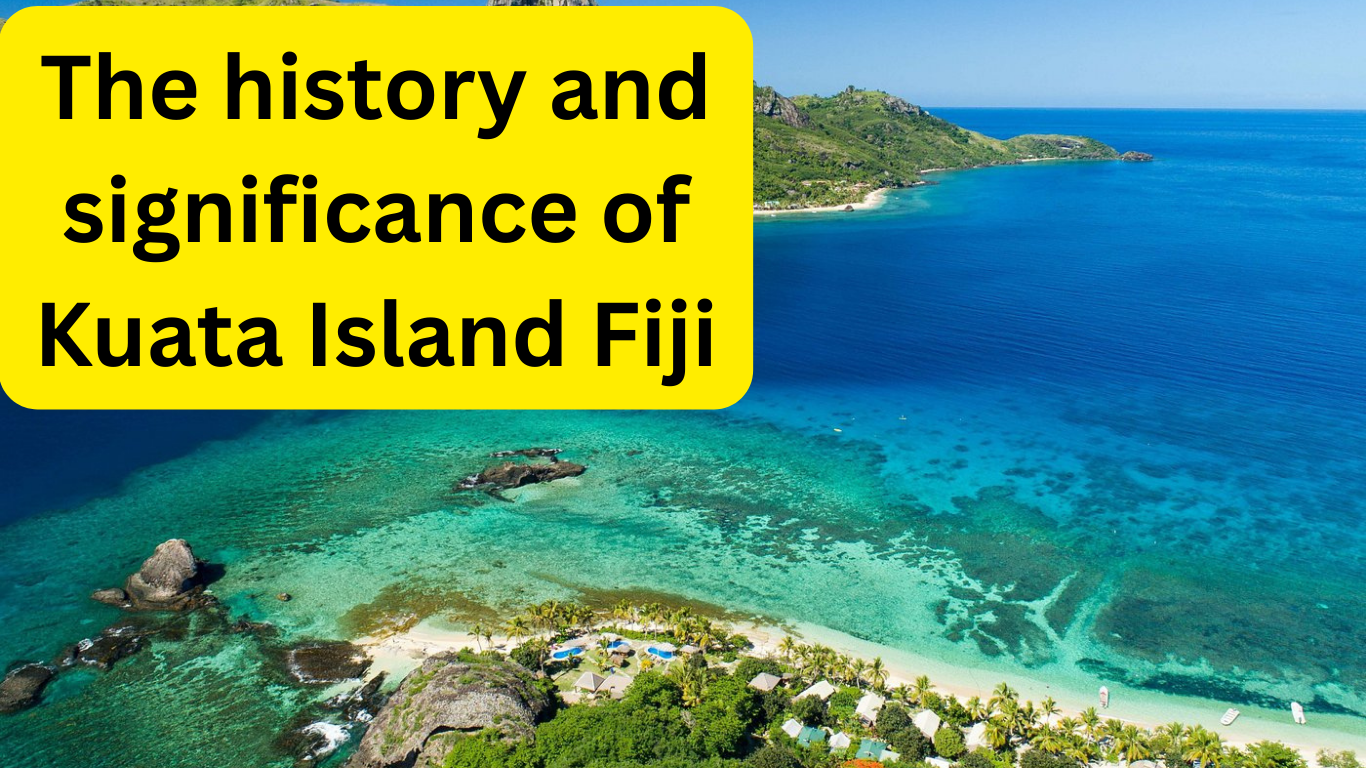
    Most people who’ve been to Kuata Island Fiji can’t stop talking about the sharks. And yeah, it’s true—the chance to get in the water with those incredible animals is a huge draw. The sunsets really are that good, too, the kind you feel you have to post about. But here’s the thing: many visitors only realize once they’re there that the adventure stuff is just the surface. The island’s true significance lies in something much older. There’s a history here that you can sense, a mix of local legend, stories from the colonial days, and a deep cultural roots system that was growing for centuries before tourism was ever a thought. This island doesn’t just have a history; it feels historical. Kuata’s story is closely tied to the Yasawa Islands surrounding it. In contrast to the larger Fijian islands, they are rougher, more untamed, and appear to have been roasted in the sun for a millennium. These islands were left alone for a very long period, with little population living by their own laws and doing as they pleased. It was no chance that Kuata Island, with its insane cliffs, was chosen as a resort. It was a natural fortress. It offered protection. Long before it was a destination for travellers, it was a stronghold for its people.

    The Legendary Foundations

    Before written records, there was oral tradition. Vosa (words) and sere (songs) are used to transmit Fiji’s history, and Kuata is based on a potent origin myth. The name “Yasawa” says it all. According to legend, lost Tongan warriors believed they’d discovered the afterlife when they first saw these islands. They weren’t just visiting—they thought they’d reached heaven itself. They named it “Yasawa”—heaven. It’s not hard to understand why. That sense of stumbling upon paradise never really leaves you here. The stories become a bit more gritty for Kuata in particular, as they are anchored in the ground. Local tales are about great navigators and fighters who were able to read the weather and seas, not about distant gods. When you stand on Kuata’s cliffs, you immediately get it. That high summit isn’t just for a great photo op. You can almost feel the presence of those ancient lookouts who once scanned the horizon for rival canoes or storm clouds, not ferry schedules. This isn’t just old folklore. It’s the real, foundational identity of the island, a kind of inherited memory that values strength, resilience, and a profound connection to the sea. The old stories are the original guidelines for living in that reality; they are more than just stories.

    The Colonial Interlude and a Shift in Fortune of Kuata Island Fiji

    The advent of European explorers permanently destroyed the peaceful seclusion of Kuata Island Fiji. Long-term contact with the Yasawas came later, although Captain Bligh of the HMS Bounty is renowned for being the first European to see them during his frantic open-boat expedition following the mutiny in 1789. The triple powers of missionaries, whalers, and sandalwood dealers arrived in the 19th century. The coveted sandalwood was largely found on Vanua Levu, but the Yasawa islands, including Kuata, became waypoints and sources of fresh water and food. This era introduced new materials, new religions, and, unfortunately, new conflicts and diseases to which the indigenous population had no immunity. Later, under British colonial rule, the Yasawas were largely left to their own devices. The colonial economy was focused on sugar plantations and infrastructure on the main islands. For Kuata, the outside world felt far away—and that distance protected them. Fiji maintained its traditional customs while modernizing. This was about preserving something authentic, not about falling behind. While everything else seemed to change, life here remained loyal to its own tale, unaltered.

    The Modern Era: From Obscurity to Adventure Capital

    Kuata’s big break came when tourists started looking beyond Fiji’s main resorts. For a long time, the Yasawas were just too hard to get to—until regular boat services started running in the 80s and 90s. Being one of the first islands visitors would reach, Kuata was perfectly positioned. Someone had the bright idea to open a no-frills resort that actually felt like Fiji, not some international hotel chain. Thus, Barefoot Kuata was born—basic, affordable, and real. But the real magic was in the water. Locals had always known about the sharks patrolling the reefs. Some smart soul realized visitors would actually pay to see them. So, they set up safe shark dives and snorkels—and suddenly Kuata wasn’t just another pretty island anymore. The island’s economy changed very immediately. Where people used to just depend on farming and fishing, tourism now generates revenue and jobs. Those sharks turned out to be worth more alive than anyone could have imagined—and gave everyone a reason to keep the marine environment healthy.

    Cultural Significance and the Spirit of Vanua

    Beyond economics and history, the deepest significance of Kuata Island Fiji lies in its cultural heart. This is the realm of vanua. Vanua is hard to put into words. It’s not something you study—it’s something you live. It’s the feeling that the land and the people are one. You don’t define it. You sense it. On Kuata, that feeling is unmistakable. When a stranger says “bula,” you get the impression that they have been anticipating your arrival. It may be heard in the melodies that recount tales older than memory and rise and fall like the waves. It’s in the flavor of lovo—slow-cooked cuisine that tastes of shared history and smoke. It has a flavor that you were unaware you had been lacking. Some places on the island hum with a kind of quiet. You don’t need a sign to know they matter. You just know. Quiet. Older. You get the sense you should tread lightly. And the sharks? People here don’t just protect them for the tourists. They respect them. The ocean isn’t something you take from—it’s something you belong to. That’s the thing about Kuata Island. You don’t just visit. You slip into its rhythm. And it changes you a little before you leave.

    Kuata’s Place in the Fiji of Tomorrow

    These days, Kuata means different things to different people. For locals, it’s jobs. For marine life, it’s protection. For travellers, it’s raw Fijian culture minus the postcards. The island found a way to support tourism without sacrificing its essence. That does not imply that it is simple. Problems like garbage, water usage, and pressure to modernize. increase with the number of people. But Kuata’s been through bigger changes. The same toughness that kept this place alive through isolation now helps it balance growth and roots. Plenty of islands offer snorkeling or hammocks. Kuata Island Fiji offers something else: a sense of place that doesn’t fade when you board the ferry home. It’s not perfect—it’s real. And that’s what stays with you.
  • Top 10 Cultural and Natural Tourist Attractions in Fiji Nadi

    Top 10 Cultural and Natural Tourist Attractions in Fiji Nadi

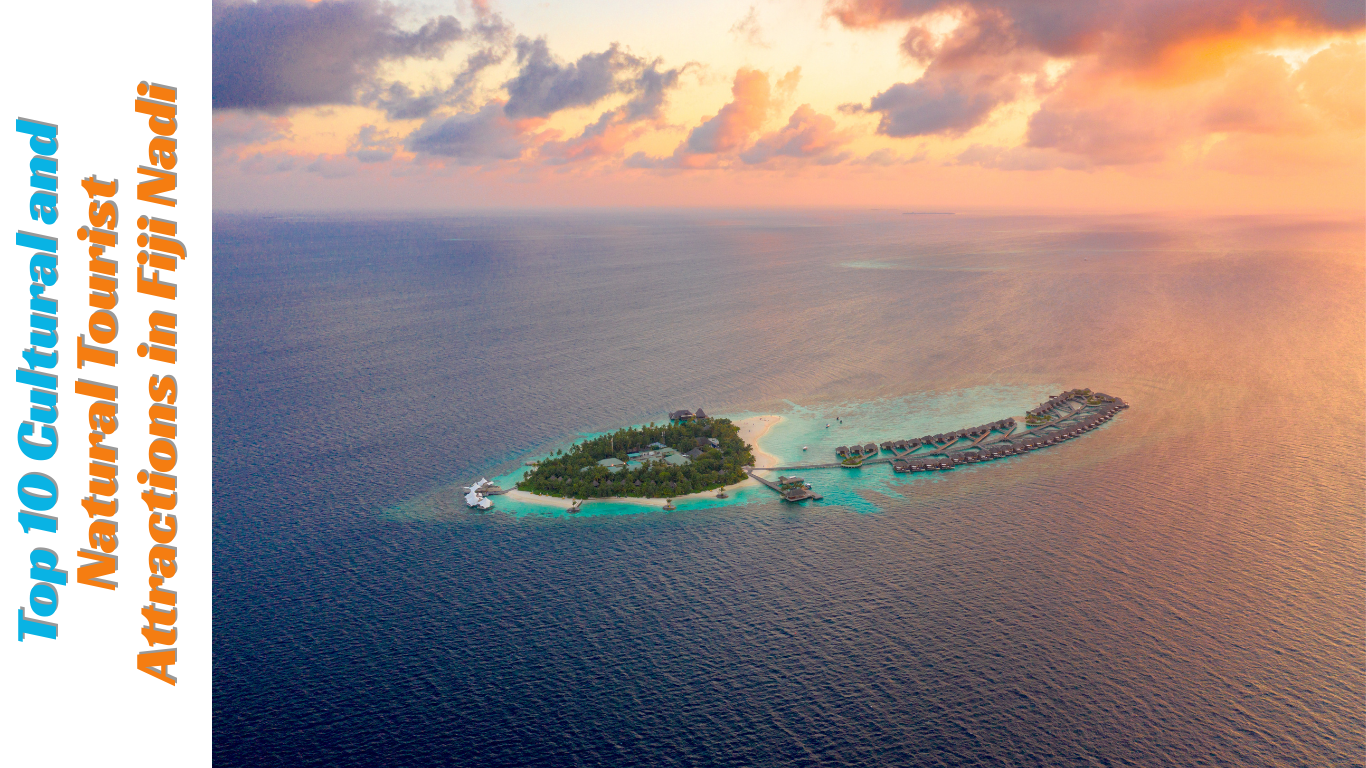
    If you’re like most people, your mental image is probably an airport, a hot road, and a bunch of taxis. A place you endure, not a place you explore. Right? Well, it’s time for a serious reset. Thinking of Nadi as just Fiji’s waiting room is the biggest travel mistake you can make. While many seek out the famous Fiji islands attractions, the heart of the country beats loudly right here. This town is the real Fiji. Here, culture is not kept behind glass. And nature is not something you see. This is where Fiji’s soul lives. It is raw, authentic, and absolutely alive. Do not believe the glossy brochures. This is the real list. The one that digs into what actually makes this place tick. Here’s the true lowdown on the top cultural and natural tourist attractions in Fiji Nadi.

    1. Sri Siva Subramaniya Swami Temple: Where Color Meets Devotion

    You haven’t really seen Nadi until you’ve laid eyes on this place. It’s all intertwined into tall buildings that are adorned with elaborate sculptures. It is essential to be the largest Hindu temple in the entire Southern Hemisphere. There is a subdued respect in the air.

    2. The Sabeto Mud Pots: Get Dirty, Feel Amazing

    Throw any idea of a pristine, white-walled spa right out the window. This is the opposite. This is about slathering yourself in warm, smooth, grey mud from head to toe and not caring one bit. You’ll bake in the sun until you’re a cracked, earthen statue, then rinse off first in a hot thermal spring and finally in a cool pool. The whole thing is hilariously social. You’ll be laughing with strangers, all equally ridiculous-looking. And the payoff? Skin so soft you won’t stop touching your own arms for days. It’s a rite of passage.

    3. Garden of the Sleeping Giant: A Whispering Jungle Walk

    The Garden of the Sleeping Giant, adjacent, is the ideal place to cool off after the mud. This place feels hidden, a secret garden tucked against the massive mountain that gives it its name. It started as actor Raymond Burr’s private orchid collection, and that curated, loved feeling remains. While the orchids are stunning, the real magic is the jungle walk. A wooden board winds through dense, cool rainforest, past a silent lily pond that looks like a painting.

    4. Viseisei Village: Walking on History

    Tours can sometimes feel staged, but a visit to Viseisei Village feels anything but. This is believed to be the very first settlement in all of Fiji. A sevusevu ceremony, in which kava root is offered to the village chief to ask for permission to enter, often kicks off the visit. It is a polite and humble process. You’ll be shown traditional crafts, invited inside houses, and given an authentic look at the vanua, or Fijian way of life. The fact that you are walking on live history serves as a potent reminder.

    5. Nadi Market: The Town’s Beating Heart

    Want to see the real, unfiltered Nadi? Visit the marketplace. This is where residents shop, not visitors. You can see how it’s a beautiful harmony of fragrance and vibrant colors. This isn’t a curated stop; it’s a living, breathing scene and a perfect example of the authentic Tourist Attractions in Fiji Nadi that many visitors miss. Go early, bring a camera, and try some new fruits.

    6. Wailoaloa Beach: Sunset with a Cold Drink

    Wailoaloa is a pleasant exception to the rule that world-class beaches are rarely found close to Nadi. This lengthy sandy length offers a lovely vista of the Mamanuca Islands silhouetted against the horizon. Let’s face it, though: you came here to see the sunset. As the day ends, the sky puts on a show that’s honestly ridiculous. The whole place glows orange and pink. Grab a cold Fiji Bitter from one of the casual beach bars, stick your feet in the sand, and watch. It’s the best free ticket in town.

    7. The Sleeping Giant Himself: More Than a View

    That mountain range isn’t just a backdrop. It’s an invitation. While serious hikes require a guide, even exploring the foothills of the Sabeto Range reveals a different side of Fiji. The landscape is rugged, green, and dramatic. You will get a feeling of the size and splendor of the main island as you pass little farms and listen to roosters crowing from obscure communities. It serves as a brief reminder that paradise is more than simply beaches.

    8. Port Denarau: Where Everyone is Going Somewhere

    Yeah, it’s a port. But it’s also a fascinating cultural snapshot. Port Denarau is where the dream of a tropical island vacation really begins for thousands. You can feel the exhilaration, the farewells, and the hellos. It’s entertaining enough to watch the enormous catamarans load up and sail away while drinking an expensive cup of coffee. It’s interesting to observe this contemporary, business-oriented aspect of Fijian travel.

    9. The Lovo Feast: A Taste of the Earth

    You have to try a lovo. It’s not a place, it’s an experience. It’s the Fijian version of a barbecue, but way cooler. In a hole in the ground, pork, fish, and chicken are wrapped in banana leaves, set on blazing hot rocks, and then buried for hours. The result? The most tender, smoky, flavorful meat you can imagine. Many hotels offer a lovo night, complete with traditional dancing. It’s a feast for the stomach and the soul.

    10. The Kava Ceremony: The Drink of Friendship

    Last, but certainly not least, is kava. This isn’t optional. That muddy-looking drink in a coconut shell is your key to everything. Made from the ground root of the pepper plant, it’s slightly numbing and incredibly earthy. But the taste isn’t the point. The ritual is. Fijians connect, unwind, and greet you with clapping, sharing of the bilo, and the conversational circle it generates. Declaring “yes” to kava is equivalent to embracing the whole Fijian experience. From earthy mud pools to sacred temples and heartfelt ceremonies, these are the experiences that form the core of the unique Tourist Attractions in Fiji Nadi. So, book that extra night. Give Nadi a real chance. The tourist attractions in Fiji, particularly in Nadi, are the story you’ll want to tell before you even reach the beach, offering a cultural depth that makes the beauty of all other Fiji island attractions even more meaningful.