Category: Fijian Food

  • Planning Your Fiji Vacation? Do Not Miss What to Eat in Fiji

    Planning Your Fiji Vacation? Do Not Miss What to Eat in Fiji

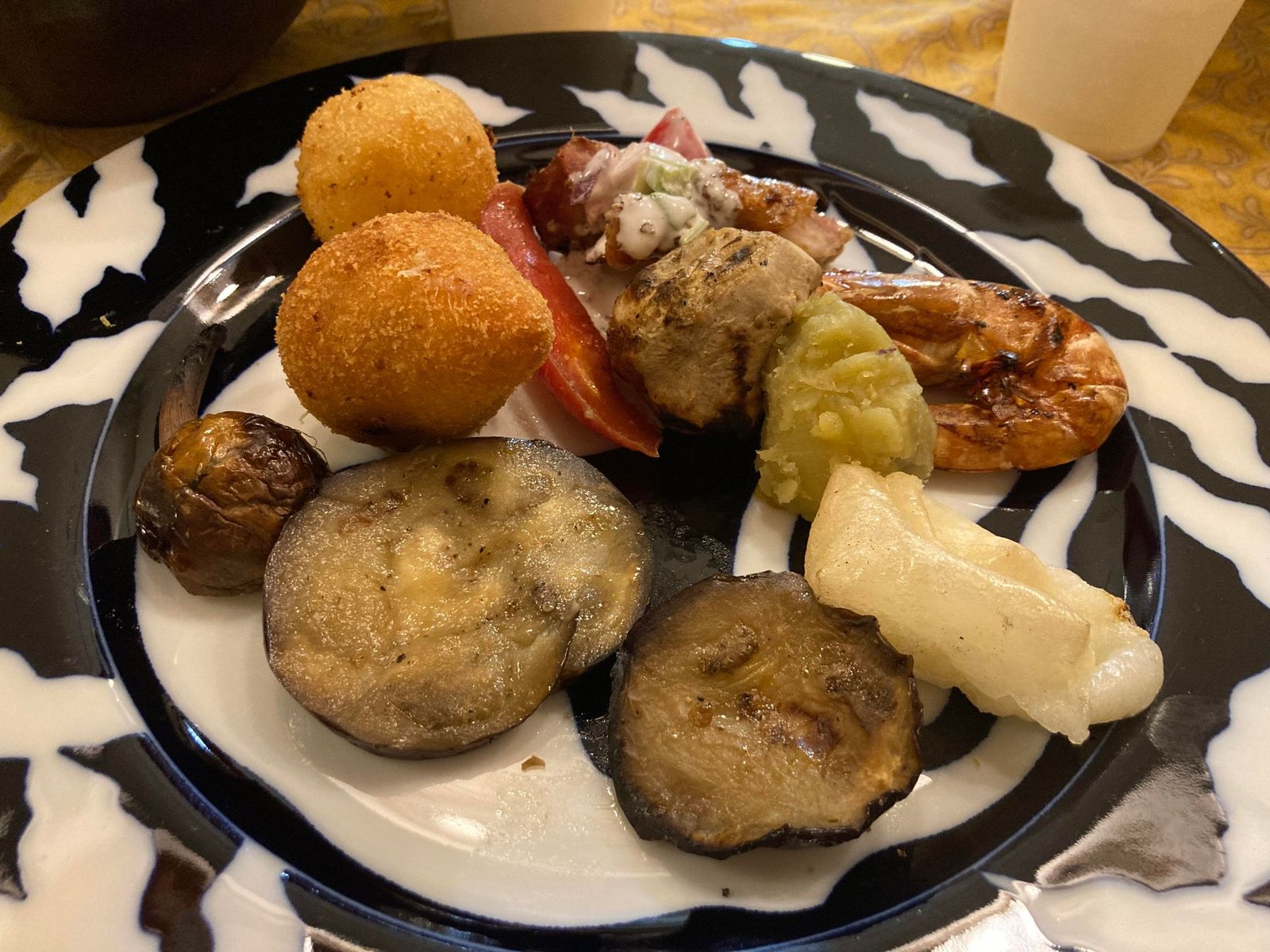
    With the question of what to eat in Fiji in mind? Prepare to have your taste buds dancing with delight, sampling the traditional eats of Kokoda, Lovo, Palusami, and other heartwarming meals that have been handed down throughout generations. Food here in Fiji is not an ordinary ingredient. It is rather a rejoinder of life, alliance, and inheritance. It is a culinary destination from different food markets showcasing fresh produce to get the red carpet treatment in the village restaurants where they still serve those original recipes with time-honoured quality. Fijian cuisine is embedded into the culture of Fiji deeply. Their dishes have been prevailed by generations of grandfathers, and grandchildren. It’s not just about the food (dealing with the food). We can say a lot of other stories behind each food that talk about the process of cooking, and how they enjoy the process of preparing our meals with our loved ones. Fiji’s extensive culinary history manifests the varied cultural factors, from indigenous Fijian foods to curries of Indian origin and sophisticated Pacific fusion delicacies. The meaning behind every food is the story of history, immigration, and the fusion that makes Fijian gastronomy harmonious and distinct from any other place.

    Essential Fijian Dishes – Must-Try Culinary Delights

    Kokoda

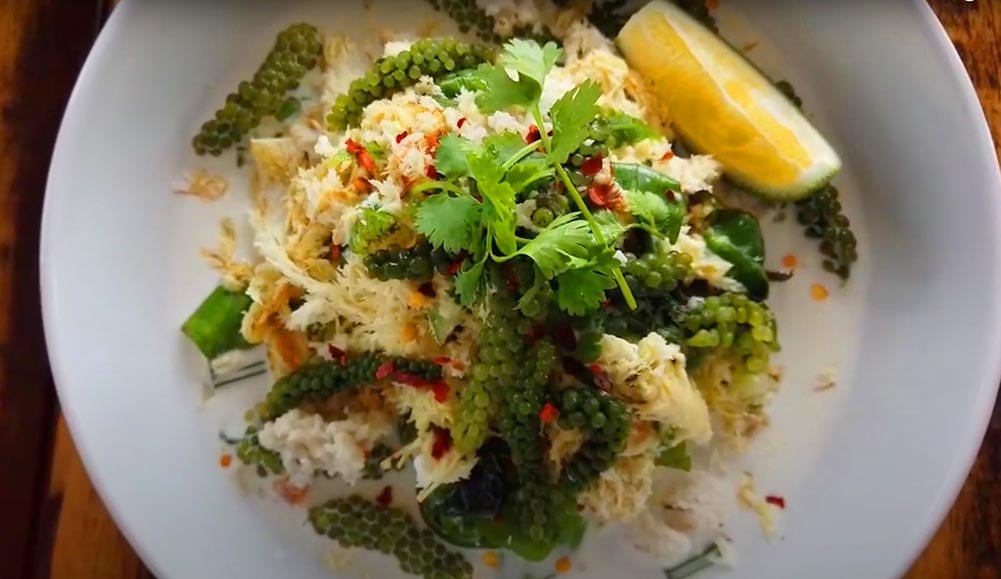
    Kokoda is a famous Fijian meal which reflects the freshness and tropical tastes of the aforementioned country. It has marinated raw fish, usually mahi-mahi or tuna, dipped in a mix of coconut milk substitutes and citrus juices, sometimes with a little chilli added for a little bit of a kick.

    Fish Suruwa

    Fish Suruwa is a creamy and palate-pleasing dish that shows off the taste of the ocean. The mildly sweet white fish is flavoured to perfection by its coconut milk broth holding spices, onions, and tomatoes together which then becomes the only dish you will need to satisfy your taste buds.

    Taro

    Taro being the staple Fijian food is multi-purpose and nutritious, and its taste is irresistible. The cooking methods vary from simple boiling or mashing options to complex preparation in a piece of stew or a curry.

    Topoi

    Topoi is a Fijian delicacy that consists of cassava which is shredded, coconut, and sugar that are mixed and then formed into dumplings with a mixture of coconut milk and curry. These pastries are usually torn in half and spread with butter, jam or a mug of tea. They are amazing appetizers as they offer those visiting islands, a taste of the morning life. So, if you ever wonder about what to eat in Fiji, then there are tons of must-try dishes that are waiting for you! What to Eat in Fiji  

    Culinary Techniques and Methods in Fijian Cuisine

    Lovo: The Art of Earth Oven Cooking

    One of the relatively well-remembered and widely celebrated cooking ways among Fijians is the Lovo method which is an earth oven cooking method.
    • Preparation: Some ingredients like meat marinated in various flavours, seafood and even vegetables are wrapped in banana leaves or foil.
    • Underground Oven: As the rocks heat up, they are placed in a pit oven. Due to the natural heat generated by the rocks, the floor of the oven reaches high temperatures. However, when the sun gradually sets, the rocks lose heat.
    • Layering: Pile up all the leaves (food), and some more underneath them. Thereafter, it covers the hot rocks.
    • Slow Cooking: Through this slow cooking, the melding of flavours becomes pronounced and even the toughest cuts of meat become perfect.
    • Communal Dining: Lovo feasts are usually communal henceforth the audience is not only fed but they also celebrate and share the ofness in the process.

    The Abode of Pleasures and Diversity: Coconut Cream

    Fiji’s traditional melt of Coconut cream seeps in as a major ingredient, helping give almost every dish its unique identity. Here’s how it’s traditionally made:
    • Extracting Coconut Milk: The freshly grated coconut flesh is mixed with warm water and taking turns squeezing out each slather of thick coconut milk.
    • Cream Separation: The coconut milk is simply allowed to settle, which causes the cream to naturally rise and thus offer this delicate texture to the drink.
    • Cooking with Coconut Cream: It is mostly used in Indian curries, present in desserts and seafood meals, which provides a fusion of tropical flavour to Fijian cuisine.

    Local Ingredients and Flavors in Fijian Cuisine

    Freshly Caught Seafood from Water

    Fiji has the bluest and clearest water with a sky-blue landscape laden with seafood. It is truly a paradise for seafood lovers if they wonder what to eat in Fiji, then here are some of the seafood delights you’ll find:
    • Mahi-Mahi: Typically the fish is served grilled or pan-fried, cooked to firmness without losing its flavour.
    • Lobster: The meat that is succulent and sugar-rich, ideal for grilling or mixing in creamy preparations.
    • Tuna: Their multifunctions and tastes make them even more appealing, to be used in sashimi, grilled steaks, or curry dishes.

    Tropical fruits combine sweetness with tongue-tingling flavour

    The Fijian environment encourages the thriving of a whole bunch of tropical fruits, making the dish succulent too. Some popular tropical fruits include:
    • Pineapple: Delicious and inviting, may be used as a salad dressing, a fruit salad, as a snack or as an ingredient of a dessert.
    • Papaya: Soft and almost sweet fruit, which is commonly eaten in a pure form or fruit salads.
    • Coconut: It is a main ingredient, the flesh and milk of the coconut is used in curries, desserts and beverages.

    Exotic Spices

    Food lover? And want to know what to eat in Fiji that might also be flavorful, well then, the cuisine of Fiji is undoubtedly famous for the incorporation of such spices as ginger, nutmeg, and coriander and also aromatic herbs that intensify the taste of dishes in Fiji. Here are some commonly used spices and herbs:
    • Turmeric: Bring the warm and dark colour as well as earthy aroma to curry and marinade.
    • Chili Peppers: Gives heat and a rich addictive taste to spicy recipes.
    • Coriander: Now fresh coriander leaves are commonly used for garnishing and to bring freshness to dishes.

    Root Vegetables and Starchy Staples

    Root vegetables and starch are regarded as nutrition-loaded foods that are vital for Fijian meals. They make food appealing and beautiful. Some key root vegetables include:
    • Taro: A close relative of sweet potato that serves many dishes such as stews, curries and as a side dish.
    • Cassava: Local people usually call it this way, mainly used in fried snacks, puddings, and casseroles.
    • Dalo (Taro Leaves): Traditional food such as Palusami is also prepared with grated taro leaves. They are very often used to decorate the dish and add taste to it.

    Dining Experiences in Fiji

    Local Markets

    Local markets will be simply marvellous wherever you are, as they will be full of fresh and colourful fruits, vegetables, seafood, and spices. The markets provide a multisensory pleasure, with their fanciful crowds and inviting scents and would let you know with their mesmerizing flavours as to exactly what to eat in Fiji!

    Village Eateries

    See restaurants perched in cavernous corners where local families operate and where cooks prepare original recipes. Their cooking is done with love. These restaurants provide their patrons with a peculiar refining experience of Fijian cuisine.

    Resort Restaurants

    Discover fine dining at high-end restaurants located in resorts that inspire panoramic views. These restaurants come up with the cultivation of Fijian tastes with their international methods of making delicious food.

    Fijian Food Culture and Heritage

    Fijian fare is a culinary tradition, having originated from the traditional, time-honoured teachings passed on to grandparents, parents and children for generations. Each dish tells a tale about family, town, creed and legends shared. Food is undeniably the centrepiece of Fiji, a celebration of events and rituals. Whether it’s a grand tradition called a feast or an ordinary meal which brings people together, the meaning of every bit has a cultural factor. Fiji is the store of various produce and fish off its fertile lands and clean waters that enrich its native ingredients. And you might never run out of options for what to eat in Fiji. Fijian cooking preserves sustainability and Harmony with nature. Local products are being hailed not only for their quality but also for the renewed interest in their provenance and location.

    Culinary Tourism in Fiji

    In the end, Fiji is not something you only go there to get your sun and your sand; it is for the food enthusiasts too. The island offers its visitors the choices of traditional cuisines, fusion cuisine, or dining experiences in which they can buy their meals from a food stall milling down between push carts surrounding the figure of a gigantic soup bowl serving one a commodity or experience of a lifetime worth remembering all through life. Thus, hit your plate with whatever you have and let’s widen our culinary horizons to explore what to eat in Fiji!
  • Good Eating – Christmas food in Fiji

    Good Eating – Christmas food in Fiji

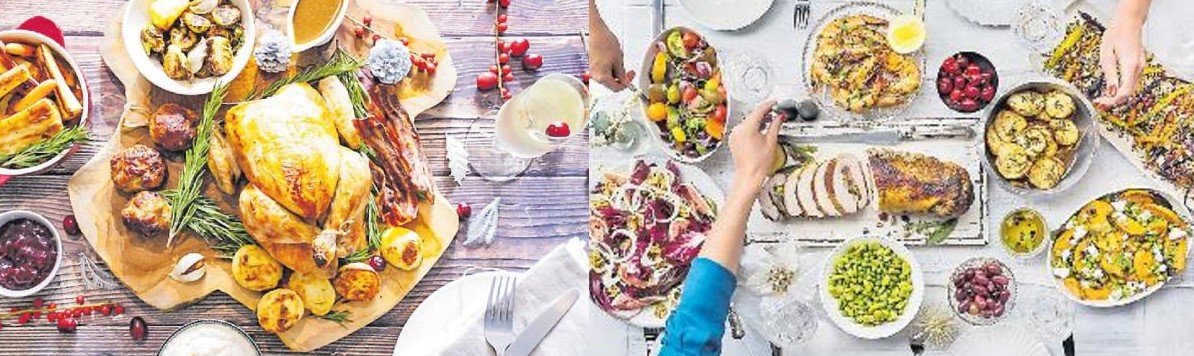
    Fiji is best known for its fantastic people, the merrymaking and not to forget the yummy taste of Christmas food in Fiji. Christmas in this tropical haven is not only a symbolic day but brings family members and the community together through the fulfilment of love and the relish of dishes.

    The Christmas festivities in Fiji are marked by the combination of Western styles with indigenous cultural touches, and the celebrations include people from different ethnic groups and religious faiths. And probably on the top of the list of things which are valued the most during this season of festivities would be the tantalizing variety of Christmas foods that form a part of the feasting going on everywhere.

    The rich cuisine traditions of Fiji are reflected in its unique menus both old and new incorporating Fijian traditional foods and some diversity of the Indian, Chinese and European culinary dishes. Discovering new restaurants for Christmas food in Fiji is always a treat.

    Traditional Christmas Food in Fiji

    Lovo

    Lovo is the most famous dish that people prepare during the Christmas in Fiji. It is a feast where you have cooked meat and vegetables using simple ingredients in the ground oven for hours that end up being tender, full of flavour, and something to look forward to by all.

    Fresh Fish and Seafood

    Seafood and fish in Fiji, being the major sources of coastal dishes, it’s no surprise that these take the lead in customs, especially during Christmas. They swim by salmon, snapper, tuna and all other kinds of seafood until they come onto family tables to add a salty flavour to the Christmas dinner.

    The Christmas food in Fiji honours the multiculturalism that has always marked that country. Indian spices, Chinese wok, and European oven, all form a flavourful mix symbolising the diversity of the island community.

    Cassava Chips and Dalo

    It can never be Christmas without the cassava chips and the dalo in the Fijian Christmas feast. You shall have a chance to experience crispy fried root vegetables, a fascinating ingredient brought from old Fiji and onto the vegan Christmas menu.

    Kokoda

    Kokoda is another dish for Fijians, the marination is done with lime and coconut milk. This gives the dish a refreshing taste. The taste is quite gentle in flavour, and its sourness goes well with the festive meal.

    Sweet Endings

    Post a delicious supper, find yourself in a honey cake Fijian style with a hint of local spices like ginger and cinnamon. In addition to that, coconut cream and Fijian fruits placed in the aforementioned desserts provide a yummy and appropriate conclusion to the entire celebration.

    Festive Drinks in Fiji

    Fijian Rum

    Christmas is not only about Christmas food in Fiji but it is also the season for rum to sip on with a glass, rum is used to enhance gatherings or parties surrounded by family and friends while complementing the delicious dishes with its rich, smooth taste.

    Refreshing Beers

    For individuals who are into cool beers, Fiji is a good destination since Fiji beers are also the common choice for beverages. Sharing an ice-cold beer with loved ones during Christmas parties is an enjoyable enrichment having more significance during the holiday season in the tropical climate.

    Kava

    Unlike alcohol, kava is a Fijian beverage that is free of alcohol but is known for its calming effects. The kava sharing not only unites people during the season but also helps them to have a feast and this ends up dreaming together happy evenings.

    Cocktails

    It is a sweet drink made of fruit and sparkles. From the brightest artisanal fruit blends to holiday classics with a piece of paradise, it is year-round festive and colourful with great flavours!

    While your favourite kind of drink may either be rum, which provides the perfect warmth to your body or wine, which kind of stands for the taste of sophistication itself, or maybe beer, which always reminds you of something ice-cold and kava, which enhances your relaxation time, festive drinks in Fiji have this not uncommon ability to make sure that you will find a drink for you, no matter what it is you want to enjoy To all of you, let me say Cheers! to this Merry Christmas season that does not lack of good company and good flavors.

    Christmas Food in Fiji Markets and More!

    Over the Christmas mania, well-stocked markets inside Fiji will brighten up with the flower of colors and savoury smell that reflects the country’s mouthwatering recipes inherited from ages.

    Festive Food Stalls

    In the markets of Fiji during Christmas visitors can expect to indulge in an unforgettable culinary escapade; a place to discover various traditional menus and street foods creatively prepared by locals.

    Lively Atmosphere

    The magicalness at Christmas markets is elevated by the sense of anticipation and happiness, which people of all ages, kinships and belongings come together to relish the live music, and cultural demonstrations, which imitate a picture of joy that radiates from all corners.

    Local Flavors and Specialties

    Ranging from enticingly mouthwatering grilled seafood to fragrant curries and crispily done cassava chips, all through to the many types of sweet fruits that the area has in abundance, the Christmas markets of Fiji display rightly the various local special delicacies that should appeal to all manner of palates.

    Handcrafted Gifts and Souvenirs

    Christmas market has scrumptious delights, a range of artisanal products, and unique souvenirs are also featured in a market which fit perfectly as special gifts. When you visit Fiji, those souvenirs are for you to have as treasured memories.

    Cultural Experiences

    Christmas market offers a golden chance for you to dive into the culture of Fiji, interact with locals, observe traditional cooking techniques, and get to know folk stories that have become local heritage.

    Festive Spirit of Giving

    As nearly all of the vendors embrace the true essence of the Christmas market – the idea of giving – it is not rare to see them join social responsibility such as charity to the local community, sustainable practices and others that put together the interests of society.

    Fusion of Traditional And Modern Approach

    Although the conventional recipes represent traditional Fijian cuisine, the annual Christmas markets also exhibit fresh and the newest versions of popular dishes, which indicate the great potential of the changes in Fijian food culture.

    Whatever you are up to, from being a fan of various delicacies to looking for a unique gift or just enjoying the ambience, Christmas food in Fiji markets and other things in Fiji promise you exceptional experiences that also acknowledge the importance of local culture, community and its holiday spirit.

  • Want a healthy natural drink? Try Noni Juice

    Want a healthy natural drink? Try Noni Juice

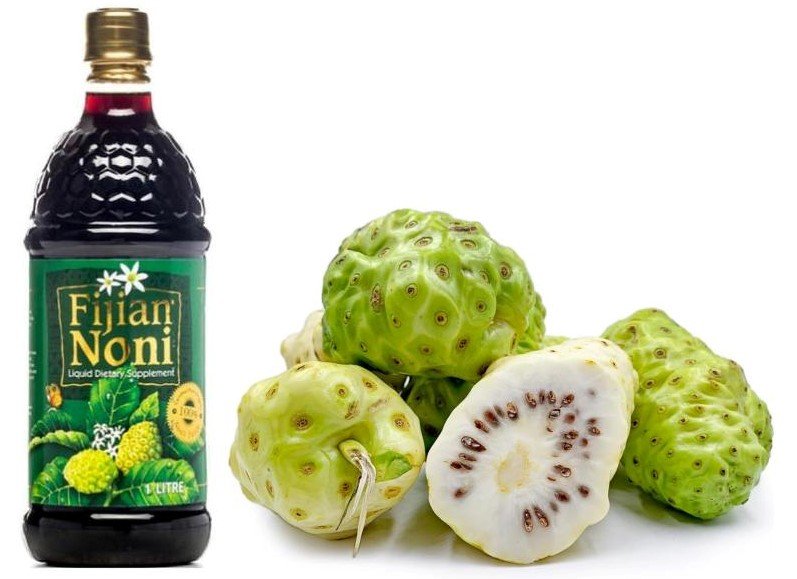
    Noni juice (“NO-nee”) is a healthy natural drink that is packed of goodness. Polynesian societies have used Noni juice for over two thousand years because of its natural vitamins and antioxidants.

    The noni fruit grows in most Polynesian countries. It’s one of the world’s healthiest and most organic drinks because most of the juice is 100% Noni – sometimes mixed with grape or blueberry supplements for taste.

    The noni fruit is hand picked straight from the trees in the Fiji forests. They’re then washed and stored for months in air-tight containers before being bottled.

    Noni juice is 100% natural and NOT reconstituted. As good as a natural healthy drink gets.

    So, what are the benefits?

    How much time do you have? In a word – plenty.

    https://www.youtube.com/watch?v=f79nAHELEAk

    Fijians love noni juice as a treatment for a wide range of ailments. These include muscle ache, arthritis, constipation, infections and lethargy.

    This incredibly healthy natural drink is also used as a preventative measure. If you drink noni juice regularly you can build up a strong immune system to fight off diseases and infection risks.

    It’s also been shown to help reduce cholesterol and act as a highly effective liver cleanser.

    Noni juice has a huge list of essential vitamins and minerals that come straight from the goodness of the earth.

    For example, one serving of noni juice contains a whopping one third of our daily Vitamin C requirements.

    That’s a great start but there’s plenty more. Noni also has lots of biotin – we need it to process amino acids which give us protein.

    Noni is calcium-rich, which strengthens and protects our bones. There’s also loads of magnesium and potassium in noni which we need to fuel our muscles and help our cells to function.

    And as if that wasn’t enough, noni juice is packed with antioxidants. These are precious compounds in our bodies that help fight off diseases and protect our immune systems.

    The simplest and easier way to enjoy the benefits of noni juice is to drink around 500ml per day. Preferably about 30 minutes before eating and chilled or with ice for the best taste.

    https://www.youtube.com/watch?v=oKXoANN5SMU

    Fijian people are renowned for having a close affinity with Mother Nature and their two thousand year use of noni is a classic example of letting natural processes and products look after you.

    Sounds good? It is.

  • Traditional Fijian foods – The Fiji Plate!

    Traditional Fijian foods – The Fiji Plate!

    Greetings to the wonderful world of traditional Fijian foods where every dish is an invitation into the country’s diversified culture and beautiful heritage. Fiji is not only about the rich tropical scenery and the lovely hospitality of its people. It fulfills its cultural function too as it reflects the soul of the thriving island nation.

    Exploring Fijian Culinary Delights

    Picture yourself on Fijian fine beaches with a panoramic view of the sea and the local scent of coconut, spices, and fresh seafood. In the Vedas of Traditional Fijian cuisine, the formula of their rich traditional Fijian foods is evident from their savouring unique combinations of flavors that have been passed down from generation to generation.

    Healthy and Delicious

    There are many natural ingredients from the sea as well as land in Fijian meals which include fish, vegetables, coconut, and fruits from the tropical trees. Thus, Fijian food is not just tasty but also very healthy. It’s not a typical food that only nourishes the body but a food that is healing to the soul.

    Family and Community Dining

    Being united is paramount for the Fiji people and getting together over good food is one of the activities that strengthens that unity. Spending a mealtime in the beautiful environment of Fiji, while surrounded by family and friends is their habit and it brings them together as a group. It’s their peak time for being around the dining table with loved ones to revel in giggling, narratives, and mouthwatering food.

    When you devour local Fijian foods, you are not just having some of the ingredients mixed rather you are relishing the story of history, culture, and passion. All the different dishes are full of a specific symphony of spices, herbs and local flavours that make even one meal an exciting trip.

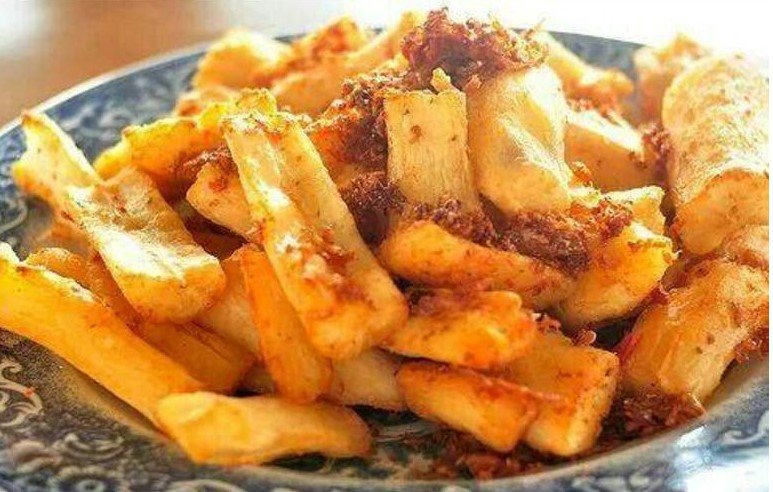
    Crispy, healthy cassava chips

    The Authentic Flavors of Traditional Fijian Foods

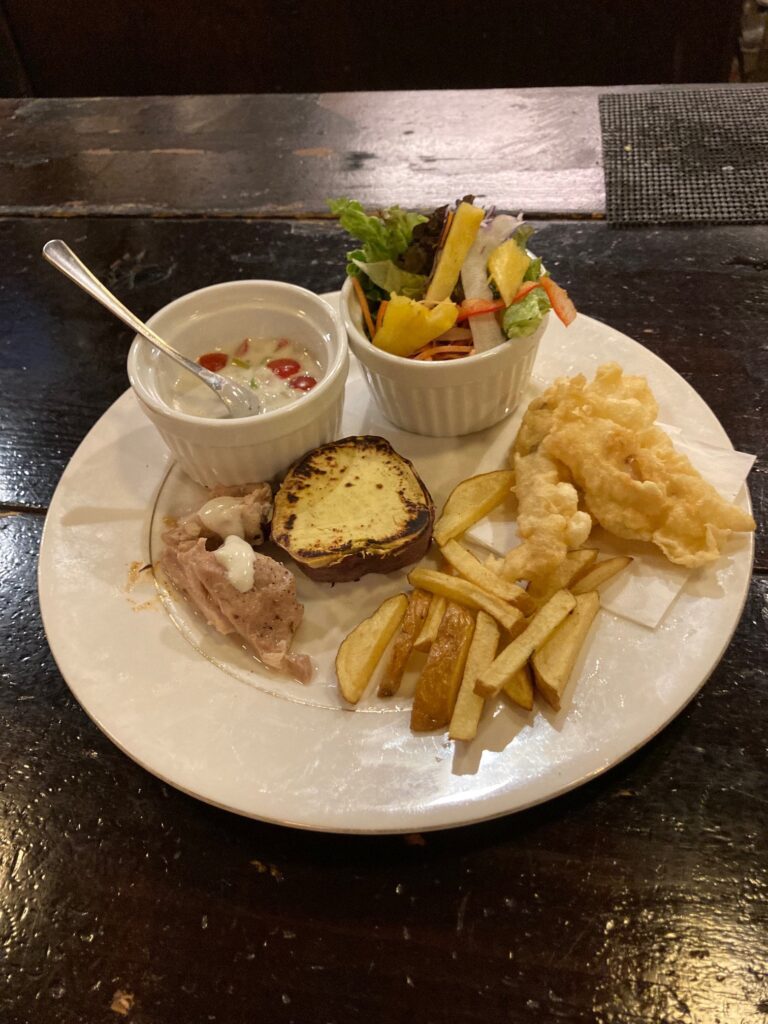
    The Fiji Plate

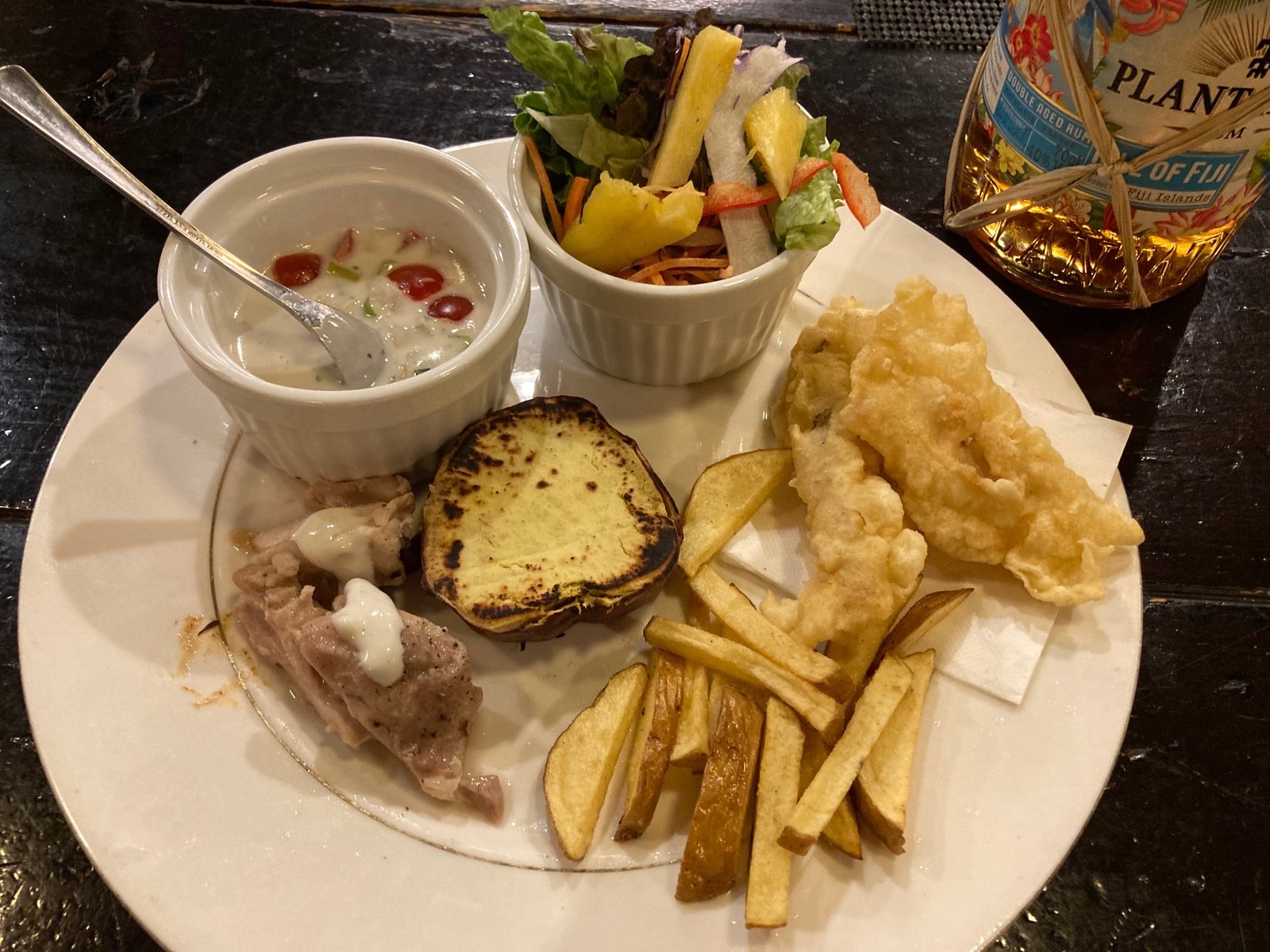
    The most authentic way to taste Fiji cuisine could only be accomplished with their traditional Plate – vegetables, fish & chips, creamy soup, and lovely chicken dishes sum up this mouth-watering selection. All of them harmonize on the same platter! Every item on the Fiji Plate is a narrative describing the local recipes, the traditional approaches to cooking and the affinity we all have for healthy food.


    The Fiji Plate is not a just meal but a culinary odyssey that is going to take you to the very core of Fiji. It is rather the highlight of traditional Fijian foods and the presentation of these local dishes with their enticing aroma; only local ingredients, procured fresh and healthy are used.

    Picture a platter that is adorned with shades of different foods, all of them filled with taste and health. That’s the very theme of the Fiji Plate, which only plays the tune of taste that signifies the diversity and richness of Fijian gastronomic heritage.

    Fresh and Wholesome Ingredients

    The basic ingredients that the Plate is built on include indigenous fruits, vegetables and seafood. From sumptuous fishes to crisp vegetables and aromatic herbs, everything is selected so expertly to offer you a genuine touch of Fijian culinary culture.

    The Star of the Plate – Local Fijian Fish and Chips

    What is more fascinating about the Fijian Plate is Fijian fish and chips, It is so mouthwatering. Crispy outside, soft within, and served with sides of cassava chips, this dish will make the natives and visitors crave for having it repeatedly.

    Coconut Risotto

    The coconut risotto is the other beloved portion of the Fiji Plates. The local Fijian rice, flavoured with either herbs, spices, or a coconut milk sauce, serves as an example of coconut’s adaptability in Fijian cooking recipes.

    Chicken Delight – Crispy and Yummy

    There is no Fijian meal that does not have chicken, and among the many choices is the flavorful Fiji Plate, they provide two irresistible preparations – steamed and fried. Adding to the meal, Fijian sauce infused with coconut and a tiny amount of citrus, makes the grilled chicken dishes a great treat for your tongue.

    Vegetarian-Friendly Options

    However, for those who believe that being a vegetarian is quite tasty, the Fiji Plate is full of both vegetarian food and side dishes. Ranging from a variety of salads and vegetables, the most delectable sweet potato you could find is sure to be a treat for any food enthusiast.


    Presenting...the Fiji Plate!

    Cassava – Natural Tastebud Charmer from Fiji

    Cassava is a nutritious and versatile root crop whose preparation methods vary from family to family so it defines how it is the most loved food by Fijians. The chips for the fish are made from different Cassava varieties, which adds a unique flavour to the Fijian cuisine.

    Cassava is indeed one of the most demanded products when prepared as crispy cassava chips which taste heavenly and can be enjoyed with almost anything. Moreover, these chips are not only tasty but also a healthier option that puts off traditional potato chips, which are the favourite snack for most Fijians. In Fijian cuisine, Cassava is sometimes cooked into a mashed into a paste or left chunky before it is fried.

    There will be no bite without the heritage, culture, and hospitality of this nation. It’s much more than just a meal – it’s an eating experience that invites you to immerse into the culture and all the tasteful secrets of traditional Fijian foods through every mouthful.

    Traditional Fijian Foods at Nameless Restaurants – Unique Dining Experience

    The warm hospitality and cosy settings of the nameless restaurants offer people the opportunity to experience the journey of flavours and culture throughout all the meals.

    The Menu

    An exhaustive menu with a representation of Isle of Fiji delicacies including fruits and a mixture of different vegetables with spices to explain their diversity. You can find salty seafood meals fried fish and exotic ones in the pot.

    Signature Dishes

    Satisfy your craving for specialities that embody the soul of Fijian cuisine. Their dishes are a celebration of freshness, ranging from fish and chips that resonate with tradition to coconut-infused meals and the most critical vegetarian options. Each bite has a story behind it.

    Fresh Ingredients

    Nameless Restaurants believe in quality food and they think that health begins with the freshness of the ingredients and the food, so they take pride in sourcing ingredients from local producers and making sure each dish has the flavour and all the needed nutrients.


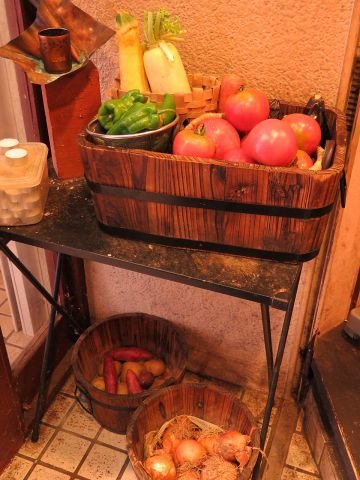
    Nagaoka's Nameless restaurant uses the freshest home-grown vegetables

    Expertly Crafted Meals

    Among the skilled chefs at Nameless Restaurants, who are ever so passionate about their craft, they interweave enthusiasm and inventiveness in spurring indigenous Fijian dishes. Lunch or dinner is an outright culinary art at the same time it is a gastronomic delight.

    Warm Hospitality

    Live true-to-life Fijian hospitality where friendly staff graciously greet and entertain you with their kind hearts. The people-centred service adds a leisurely dimension to one’s eating out experience.

    Cultural Immersion

    Having meals at Nameless Restaurants doesn’t only have to do with the food but it is also a tour of Fiji’s appealing precious cultural background. Get to know their customs, narrations, and tastes that make Fijian food culture.

    Special Events and Occasions

    Nameless restaurants are ideal for personal events and occasions, with guests being able to revel in the scents and flavours of traditional Fijian foods amidst birthdays or any other special event day.

    Visitors express a great deal of gratitude to their management, revealing their impressions of unexpectedly higher food quality, the warm atmosphere, and the personalized service.

    A Flavorful Conclusion

    Indulge in the renowned heritage Fijian foods with their magical flavours and discover a tasty adventure. It could be the appetizing blend of coconut in the cuisine or the use of native ingredients to give food an irresistible taste, traditional Fijian cuisine provides an irresistible experience to all food lovers.

    Taste the real Fiji, by partaking with its rich heritage and cultural diversity, through native cuisines.

  • Fiji bread – so many choices!

    Fiji bread – so many choices!

    Fiji bread comes in all kinds of styles and tastes. Fiji’s multicultural society provides plenty of variety and some delicious options when it comes to wolfing down some yummy carbs.

    We’ll look at some interesting wheat alternatives being used in Fiji but first of all, here are some of the local treats.

    Roti

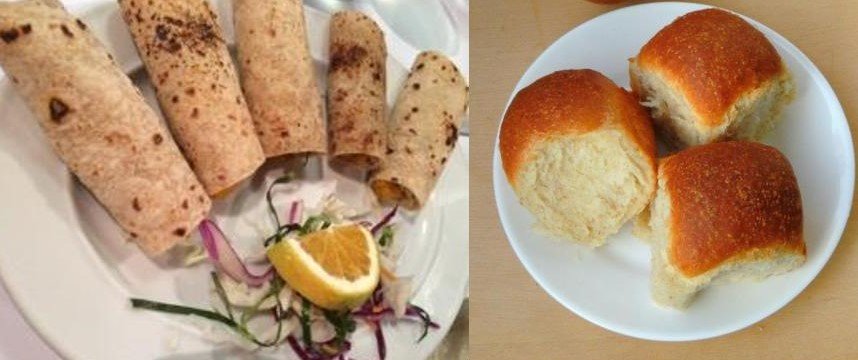
    Roti is a widely popular Fiji bread. Its Indian origins means it’s an excellent accompaniment to curries and spicy stews. Roti is basically a flat bread made from flour, oil, butter and water. The goal is to make a soft roti that can also act as a wrap.

    Roti’s base is plain flour, with wholemeal flour being the healthier option. Coconut oil is often added as a substitute for butter. You can fill a roti with curry, vegetables, spicy chicken – whatever takes your fancy!

    Lolo Rolls

    Did someone say, “coconut milk”? Hello, Lolo rolls. Deliciously soft with all the goodness of fresh Fijian coconut milk, Lolo buns are a big hit with all Fijians.

    If you want to make a good impression, think Lolo.

    Lolo buns are distinctive for two reasons. First of all they’re usually boiled or steamed instead of being baked. This adds to their soft texture. Secondly they’re made with coconut milk or cream which really gives them a creamy, tropical taste sensation!

    Fiji Long Loaf

    Fiji Long Loaf bread is a food that many Fijians grew up with. It’s made with the very basics – flour, butter, yeast and water but is delicious and fills plenty of stomachs. Kids can share a Long Loaf or adults with big stomachs can devour one all on their own – preferably with lashings of Fiji’s famous Rewa butter.

    Very affordable and satisfies hunger pains. Best of all is the smell of a freshly-baked Long Loaf!

    Babakau Fried Bread

    Babakau is a deep-fried Fiji bread. It’s often served up at breakfast at any time of year. Babakau is carefully kneaded into small shapes and then dipped into oil to create a light and fluffy treat. Fijians love to eat Babakau with generous portions of cream, butter, jam or whatever suits!

    Cassava bread

    Cassava is one of Fiji’s most popular traditional foods. It’s a nutritious root vegetable commonly eaten throughout the Pacific islands. It’s an excellent source of energy and one of the healthiest carbohydrates going around. Cassava cake has long been a staple dish in Fiji and now the vegetable is being used along with smaller portions of wheat to make seriously tasty Fiji bread.

    Cassava breads and cakes are traditionally baked. They can be eaten with just about anything and have almost no additives or preservatives. Er…yes please.

    With the volatile situation in Europe, world grain supplies have been seriously stretched. Fiji however, is well placed to deal with such difficulties.

    Neighbouring Australia is one of the world’s key producers of wheat. Fiji has long had established trade agreements with Australia to ensure access to quality grain will continue to be guaranteed.

    Fiji is also looking at alternatives to wheat to produce Fiji bread.

    For example, Fiji farms grow highly nutritious vegetables such as cassava, yams, sweet potatoes and dalo which can all be converted into flour.

    Indian Fijians can continue to keep making delicious loti bread by substituting portions of wheat with cassava. The idea is to use vegetables along with flour to preserve those all-important flour supplies.

    Most Fijian families eat some kind of flour-based food at least once a day. Whether it’s in the form of breakfast rolls or chicken wraps, bread is a massively popular meal option.

    Initiatives such as introducing cassava flour not only help to substitute wheat imports, but also keep Fijian stomachs happily full.

  • The Most Delicious Fijian Drinks: A Taste of Paradise

    The Most Delicious Fijian Drinks: A Taste of Paradise

    It’s another beautiful sunny day. You’ve just enjoyed a few hours of water fun. Maybe you’ve just been lazing on the beach and doing very little. Either way – you’ve earned yourself a drink. Or more.

    What a place to be thirsty! Fijian drinks hit the spot. Unique. Delicious. Refreshing.

    Here are some of Fiji’s best thirst quenchers.

    Fiji Water

    Let’s kick things off with the simplest and purest of Fijian drinks – water. It’s not just any water. Brands such as Fiji Water is artesian water. This means rainfall flows into underground chambers which are surrounded by volcanic rock. This allows natural goodness such as minerals and electrolytes to mix in with the water.

    Result? You’ll rehydrate quicker, feel more energetic and your skin will look better.

    Bang for your buck!


    Kava

    Kava is a traditional drink made from the roots of the kava or yagona plant. It’s non-alcoholic but will give you a nice and relaxed buzz.

    You make kava by grinding the plant roots into powder and then mixing it with water. Fijian people have been enjoying kava for thousands of years.


    Drinking Fijian kava

    A kava-making ceremony is an important ritual in Fiji. People do it to welcome visitors and to maintain close bonds and friendships.

    Mark this down as a “must-see” and “must-drink” when you visit Fiji.


    Rum

    Rum is fast becoming one of the most popular Fijian drinks. Fiji has a strong history of sugar cane production, so it makes sense to make rum too.

    In 2021 the Rum Co. of Fiji swooped up several international awards for spirits. North American experts declared Fiji to be “the new home of rum”.

    Fiji produces excellent white and dark rum. The warm climate and volcanic soil are perfect for harvesting and preserving rum crops.


    Fiji + rum = good times

    How to drink it? It’s up to you. On crushed ice, with fruit juice or cola.

    Better yet, order a cocktail. A Fijian Passion is a good start. Fresh passionfruit with pineapple juice, crushed ice and dark rum.

    Sip…ahh…delicious.


    Coconut Vodka

    Savor the taste of paradise with this specialty. It’s made from all natural ingredients. Hand-picked coconuts mixed in with Fijian vodka.

    Each bottle comes with authentic fresh coconuts. Just give it a shake and start pouring.

    Coconut vodka is great over ice or mixed with your choice of fruit juices.

    Definitely one of the more unique Fijian drinks.


    Cocktails and Mocktails

    Fiji is the perfect place to sample a fantastic range of fruit juices. With or without alcohol!

    Mango, guava, pineapple, passionfruit, coconut and watermelon juices are all ready for gulping down.

    How about a Mango Smoothie? Fresh mango and lemon juice with honey, yoghurt and ice. Drink it as a mocktail or cocktail. Add some rum or coconut vodka for some extra zing.

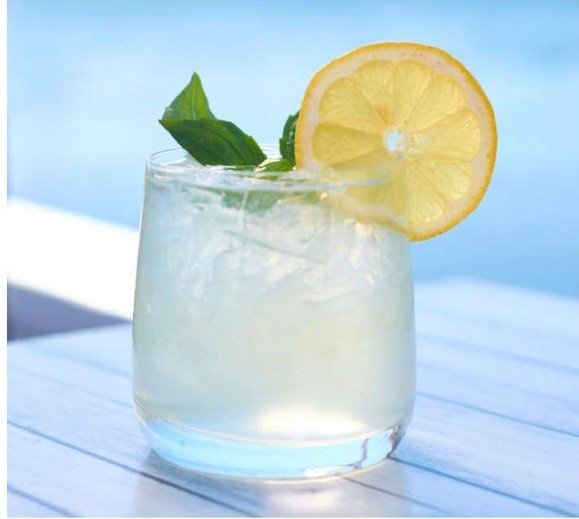
    Spice up the traditional gin and tonic by adding some watermelon juice and mint.

    These tick all the boxes – healthy, thirst-quenching and plenty of fun.


    Tea and Coffee

    Masala chai is a soothing Indian-style spicy tea. You can enjoy the rich goodness at any time of day. With breakfast, mid-morning or after dinner.

    Masala tea is made with ginger, cloves and cream milk, so it’s full of nutritious detoxicants. It’s especially good after a night of cocktail indulgence!

    Bula Coffee is another of the many Fijian drinks making a huge impression. The beans are organically grown in the Fijian highlands. The Bula team pick the beans by hand and then roast them in the basking sun.

    https://www.youtube.com/watch?v=OwKzsY2Jfys

    Treat yourself to a local delight – traditional dry-roasted style or chocolate coffee flavor.


    Beer and Wine

    Fiji is on the doorstep of some of the world’s most outstanding red and white wines. You can easily find delicious New Zealand and Australian wines anywhere you go.

    White wines go great with seafood. Perhaps some of the NZ’s finest Sauvignon Blancs.

    Red wines are excellent with meat dishes so some Aussie Shiraz or Cabernet Merlot are your go-to’s here.

    Affordable and very, very drinkable.

    Fiji also has a great selection of its very own chilled beers. There are your standard beers for any occasion, like Fiji Bitter. Fiji also has a thriving craft beer industry with brands such as the Mokusiga range of lagers and bitters. “Mokusiga” is Fijian slang for killing time. There aren’t many better ways to kill time by lounging around and sipping on a few cold ones.


    These are just a taste of the excellent variety of Fijian drinks. They’ll keep you fully hydrated and fully fueled when you visit. Enjoy them with some fantastic Fijian food or on their own.

    Cheers!

  • Fiji’s Popular Food: Eat, Drink and be Merry

    Fiji’s Popular Food: Eat, Drink and be Merry

    Fiji is a delightful tropical paradise, where the wondrous mixture of vegetation and spices speak through your tongue and make the traditional and other foods Fiji’s Popular Food. So, Fiji is not only a beautiful country with the best beaches and a beautiful underwater world, but it is also a mixture of cultures in the food scene.

    Discovering Delicious Diversity

    Picture yourself enjoying prepared seafood dishes such as Kokoda, whereby mixing crushed chillies and lime juice, you have a fish dish. Likewise, the sweet and salty taste of kai moa, slowly cooked in a traditional oven or taste the earthy flavor of Lovo for another amazing experience.

    A Fusion of Flavors

    Taste the different flavored Indian curries, the well-known Chinese vegetable mix or the international food from Korean, Japanese or Australian cuisines. Apart from the mainstream or non-vegetarian diets, there is a bounty of vegan and vegetarian options that will also be an ideal choice for vegan or vegetarian travellers.

    Food for Every Mood

    Regardless of whether you are in search of a traditional Fijian curry, light and diet Rourou soup, or fast-food chains from across the world, you will surely be curious about Fiji’s amazing culinary offerings. Otherwise, street food is always on the menu as it’s one of Fiji’s popular food option. Not to mention, for saving the best taste of cuisine, the local markets are there, and this finds its way straight into the kitchen as well.

    In Fiji, food isn’t just a way of sustaining one’s life; it’s like a cultural and communal celebration.

    Influence of Indian Cuisine on Fiji’s Popular Food

    Fiji’s cuisine which is highly accepted has a strong cultural syntax, and the most significant influence has come from Indians’ cooking. Let’s dip into the dynamic of how Indian flavours have evolved making Fiji’s food culture the overall character.

    Among a host of Indian settler’s valuables such as flora and fauna, cooking techniques and methods, Fijians didn’t only acquire these but also emerged as a sensation spices trade. The incorporation of spices such as cumin, coriander, turmeric and garam masala in the traditional Fijian cuisine was a gateway to new dimensions and enhanced it in richness and complexity.

    Curries – A Flavorful Affair

    Along the way, on the island of Fiji, curries became very typical meals. Recipes like chicken curry, vegetable curry and fish curry were quite loved. Such dishes integrate Indian spices and locally grown vegetables, and thus you have a combination that will tantalize the taste buds of the locals and tourists.

    Tandoori Delights

    The marinated meats and the vivacious colours of the food became part of Fiji’s cuisine. The preparation of tandoori chicken, which is prepared in a clay oven, became the ideal dish that gave a new taste since it offered a smoky flavour that had never been experienced before and it was an enticing food experience for people.

    Roti and Dhal – Comforting Food

    Roti (a kind of flatbread) and dhal (lentil curry) became familiar foods, connotations left from the time of the settlers to the present day. Such meals are straightforward but still tasty and this makes the person eating feel filled and happy.

    Sweet Treats – Indian Desserts

    The widely known Indian sweets including gulab jamun (fried dumplings in syrup) and jalebi (fried sweet spirals) are considered in Fiji’s popular food. These sweets are often eaten and shared during religious days and other similar occasions.

    Fusion Dishes – Blending Cultures

    The era of fusion dishes took center stage creating examples of how Indian and Fijian elements can harmonise harmoniously. Instances include Indo-Fijian curries being made with local goods and also fusing the best of two worlds in kitchens.

    A Cultural Exchange

    Indian food’s resonance with the main Fijian food is not only about taste but it is the cultural exchange that people from different origins appreciate. They still receive these insignificant changes thus constituting not only the rich past but also a unique cuisine in Fiji.

    Chinese Culinary Influence on Fiji’s Popular Food

    Find out how Chinese kitchen techniques shaped the Fijian food scenario and how the delightful oriental spices and ingredients have meshed with those of Fiji to create a fusion that is loved by both the locals and tourists.

    They were Chinese settlers who introduced quite a diverse range of cooking styles, and also taught how to use techniques like stir fry and steaming. Local ingredients such as tomaso, taro and coconut added variety in texture and taste to the main plain stands which were popular in traditional Fiji food.

    Stir-Fries – Vibrant and Flavorful

    Stir-fried became one of the most preferred methods for dishes since various veggies, chicken and other ingredients were cooked using high heat. Fijian stir-fries are prepared with mixes of native plants with Chinese sauces and spices flavours.

    Noodle Delights

    Fiji hasn’t only spent a large amount of money on Chinese rice but also on Chinese noodles which may be found in many dishes such as chicken noodle soup. So they no doubt played their important roles. Providing contrast with some dishes, egg noodles and rice noodles contribute due to their unique flavour and texture, and wheat noodles, with their unique flavour and texture, help to round out the strictures.

    Dim Sum – Bite-Sized Pleasures

    Dim sum, small packets of steamed or fried variety like wrappings, buns, and rolls became a hot cake in Fiji. These are often also served as snacks in bars, at parties, or as people gather around a dinner table with their friends and relatives.

    Customized meals created a new fashion way to mix Chinese characteristics and Fiji style. There are examples of these like the Chinese-fried rice with local seafood or vegetables that reflects the population in Fiji as well as their eating culture.

    Local Adaptations

    Chinese culinary culture also sparked the creation of some new Fiji dishes containing elements of Chinese cooking traditions plus local spices and flavours. Such adjustments indicate how Fijian food culture easily adapts its elements to the constantly changing patterns.

    Cultural Exchange Through Food

    The imprint of Chinese cuisine on Fiji’s popular food extends traditionally beyond the simple enjoyment of the region’s best cuisine, rather, it represents a cultural exchange that enriches both traditions. In a world of wok-tossed dishes and dim sum, the Chinese zest has been magnificently ingrained into Fijian gastronomy.

    International Cuisine in Fiji’s Popular Food Scene

    Asian Delights

    Fiji becomes your next basis to experience the culinary tastes of Asia. In Fiji, you can indulge in a variety of restaurants that are famous for their Korean BBQ, and Japanese sushi, as well as other delicacies from different parts of Asia that will satisfy your preferences.

    Western Comfort Foods

    Indulge in a similar Western food like pizza, hamburgers or fried chicken, available at many Western fast-food restaurants in Fiji as a substitute for home-made food.

    Vegetarian and Vegan Options

    Fiji has several vegetarian and vegan cuisines and national food dishes, and among them, Indian cuisines, fresh fruits and vegetables are healthy and vegetarian/vegan options to eat.

    Halal Dining Experiences

    Visit the island of Fiji also while enjoying halal food offers with some restaurants, supermarkets, and take-outs that have secured the halal certification to ensure a halal dish that suits both dietary and cultural needs.

    Fresh and Flavorful Salads

    Savour the freshness of your salads, prepared with locally sourced ingredients, which makes it a healthy choice and adds to the flavour.

    Global Fast Food Chains

    Bon appétit comes with global fast food chains from Fiji. It’s all about saving time and enjoying different flavours brought by fast food chains for travellers as well as local people who are constantly driven by the spirit of being quick.

    Food Festivals and Events

    Get involved in food festivals and events designed to highlight interesting dishes of Fiji. International chefs display their culinary skills and share a lot about their different cuisines with a group of enthusiasts.

    Food is the representation of the cultural exchange of Fiji, which tries to make communities more connected and adds knowledge to the world about the many aspects of food.

    After having this stroll through some amazing samples of food in Fiji it becomes very obvious the lovely varieties of ingredients, influences, and local cuisines that make up this island’s gastronomic culture. Fijian cuisine is a culmination of history and intercultural relationships that traces the roots back to native dishes and now includes global flavours that represent Fiji’s multicultural way of life. It is a food lover’s heaven where ‘ minority’ tastes are celebrated and brought to the table as everyone shares a piece of each other.

    Exploring Fijian delicacies isn’t just a matter of having a filling meal; on the contrary, it’s an exciting journey that passes through multiple senses. May it be devouring the indigenous seafood treats or discovering the freshness of Indian spices or gobbling up some quick bites from one of the global fast-food franchises, every new culinary theme in Fiji bashes a story of continuity, creativity, and togetherness.