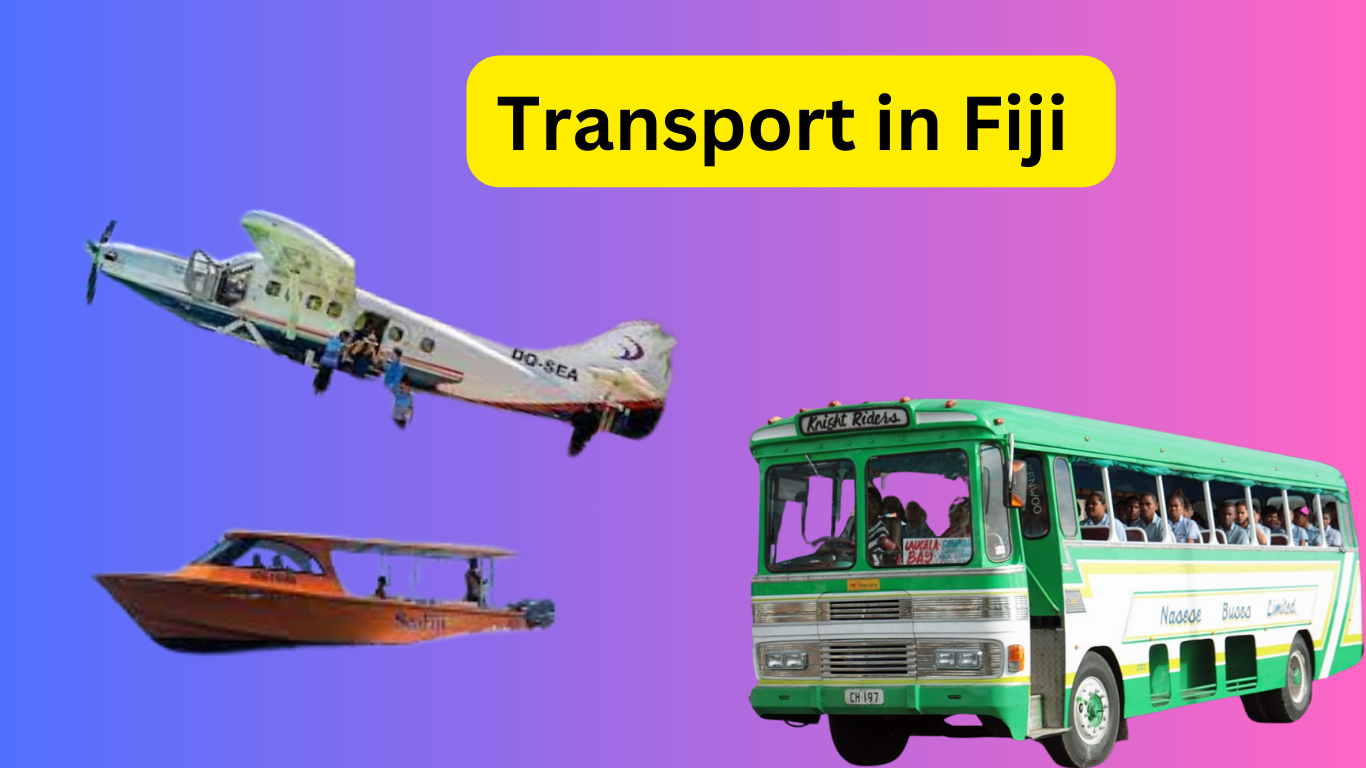
Category: Transport in Fiji

  • Japan to Fiji in 2026. What are the Fiji visa requirements 2026?

    Japan to Fiji in 2026. What are the Fiji visa requirements 2026?

    A person sees a photo of blue water. Then another photo of a beach with no crowds. Then a resort with a pool looking out at the ocean. Next thing, that person is searching for flights from Tokyo to Nadi. Then reality hits. What about a visa? Good news. Fiji does not make this hard for people coming from Japan. No long forms. No embassy visits. Just show up with the right stuff. Anyway, here is what someone actually needs to know about the Fiji visa requirements 2026. No legal language.

    Do Japanese Travelers Need a Visa?

    No. Japanese passport holders? No visa needed for tourism. Japan and Fiji have a deal. No visa needed for short trips. Book a flight. Pack a bag. The immigration officer stamps the passport right after getting off the plane in Nadi. Done. How long can someone stay? Up to four months. That is 120 days. A lot of countries only give 30 or 90 days. Fiji gives four months. Plenty of time for a week at the beach or a longer island-hopping trip. But no visa does mean no rules. A few things still need to be handled before landing.

    Before leaving for the airport

    Fiji immigration asks for a couple of things. Not a long list. Nothing crazy. Just get these ready before leaving Japan. Passport. This one seems obvious. But here is the catch. Passport validity. Fiji wants six months after departure. Four months left? That does not work. Renew. Otherwise, the airline could say no at check-in. Ticket out of Fiji. Need proof of leaving. A return ticket to Japan works. A ticket to Australia or New Zealand works too. Just have something that shows the person does not plan to stay forever. A printed copy or a screenshot on a phone is fine. Place to stay. Does not need to book every single night. But the first few nights should be booked. A hotel confirmation. A resort reservation. Even a friend’s address in Fiji. Something that shows a plan. Money. Fiji wants to know whether visitors can pay for their stay. No specific dollar amount. Just be able to show a credit card, a bank statement on a phone, or some cash. Most tourists never get asked for this. But if asked and nothing shows up, that is a problem. That is it. No application. No waiting. Just those four things.

    Landing at Nadi Airport

    Here is what actually happens after the plane lands. The flight from Japan gets into Nadi International Airport. Passengers grab their bags and follow everyone else toward immigration. Before reaching the counter, each person fills out a small arrival card. Where do the cards come from? Flight attendants hand them out. Or grab one from a table in the arrival hall. Asks for name, passport number, flight details, and where staying. A pen in the carry-on bag helps. Borrowing a pen at the airport takes extra time. Then the line. Foreign passport holders wait for their turn. Step up to the counter. Hand over the passport, the arrival card, and maybe the return ticket if asked. The officer might ask a couple of questions. How long staying? Where staying? Here for tourism? Answer honestly. Short answers work fine. Most people clear this in two or three minutes. Passport gets stamped. Then baggage claim. Then customs. Fiji customs does not want fresh food, plants, or certain medications. If unsure about something, just declare it. No point taking risks. Then walk outside. Warm air. The vacation starts.

    Any Changes Coming in Fiji Visa requirements 2026?

    Honest answer. The Fiji visa requirements 2026 will probably look the same as now. These agreements do not change often. Fiji wants tourists. Japan is a key partner. But governments change rules sometimes. Without much warning. So before booking a 2026 trip, here are two quick checks. The official Fiji immigration website. Look at it about two or three months before leaving. Second, check for any leftover COVID rules. Most of those are gone. But confirming takes five minutes. For planning purposes, assume visa-free entry stays. But double-check a few weeks before the flight.

    Mistakes That Actually Happen

    The same mistakes keep happening. These are the usual ones. Not checking passport expiration. Someone books a trip six months away. Never looks at their passport. Finds out one week before departure that the passport expires in three months. Trip canceled. Check the passport before booking anything. No return ticket. Immigration officers ask for this regularly. Show up with a one-way ticket and no proof of leaving. That can mean denied entry. Always have an onward ticket. Assuming rules never change. A friend went to Fiji in 2023 with no issues. That does not mean 2026 rules are the same. Rules shift. Check each time. Staying too long. Four months is a lot. But staying even one day longer can bring fines or worse. Put a reminder on your phone about the departure date. No proof of money. Most people never get asked. But if an officer asks and nothing can be shown, that creates a problem. A screenshot of a bank balance or a visible credit card usually works.

    Short Questions and Answers

    How long can Japanese citizens stay without a visa?

    Up to four months for tourism.

    Can someone stay longer than four months?

    There is an extension process. Apply at the Fiji Immigration Department in Suva. Approval not guaranteed. Apply before the four months run out.

    What about just passing through the airport?

    The rule is to stay in the transit area and leave within 24 hours. No visa needed. Leave the airport, and normal entry rules apply.

    What if someone lives in Japan but holds a different passport?

    Some citizens need a visa. India or China, for example. Others, like the US, UK, Canada, Australia, and most of Europe, get visa-free entry.

    Do children need their own documents?

    Yes. Every person needs a valid passport. Even babies. No extra visa for children with Japanese passports.

    A Few Last Things

    Traveling from Japan to Fiji is as easy as international trips get. No complicated forms. No waiting for approval. A valid passport. A return ticket. A place to stay. That covers almost everything. The Fiji visa requirements 2026 will almost certainly stay simple for Japanese passport holders. But check official sources a month before the flight. Then book that resort. Fiji waits. The beaches stay blue. The only thing left is buying the ticket.
  • Flight Companies in Fiji for Every Type of Traveler

    Flight Companies in Fiji for Every Type of Traveler

    Planning a Fiji trip means choosing from many airlines. The biggest secret about a Fiji trip? Logistics. You’ll find endless photos of perfect beaches. What’s harder to find is a clear answer on how to actually move between 300 islands. That’s the real first puzzle to solve. Here’s the good news: Fiji has it figured out. Over the years, we have hopped between islands enough times to get a real feel for the different flight companies in Fiji. Fiji’s aviation sector caters to all passengers. Passengers vary from luxury seekers to backpackers. Everyone gets a seat. This guide isn’t here to bore you with airline corporate talk. It’s based on trips taken, mistakes made, and a genuine desire to help you skip the headache. The goal is simple: get you matched with the right flight so you can stop staring at confusing booking websites and go back to staring at pictures of those perfect beaches.

    Okay, Real Talk: Why You Can’t Just Take a Boat Everywhere

    Fiji’s terrain determines its travel possibilities. International flights arrive primarily on Viti Levu. Reaching the many other islands requires specific planning. Yeah, ferries exist. But here’s the honest truth from someone who’s been on them: that “scenic” boat ride to the Yasawas can be a multi-hour, sometimes queasy-making voyage. And if you’re thinking of getting to somewhere truly off the path by sea? Forget it; that’s a full-day expedition. For pretty much anyone who wants to see more than one spot and isn’t on a six-month sailing trip, flying isn’t a luxury—it’s the only thing that makes sense. Stop thinking of it as just a transfer. It’s your access pass. It’s what turns a single-resort holiday into a proper Fijian adventure. Landing in Nadi introduces travelers to Fiji’s domestic flight network. This system connects the main island to outer destinations.

    The Main Players: From Big Birds to Island Hoppers

    Fiji’s air network is like a well-organized relay team. One set of airlines brings you to the country, and another, very different set takes over from there.

    Your Gateway to Paradise: Fiji Airways & Friends

    For most people, the journey starts with Fiji Airways. Fiji Airways serves as the national carrier, offering the first cultural welcome to visitors. The airline operates modern aircraft on routes from key international hubs. Its service is distinguished by an authentic Fijian atmosphere. This authenticity is present in the crew’s welcoming service, the selection of local music, and regionally inspired food and drink options. Consequently, the Fijian holiday experience effectively starts onboard the aircraft.

    Domestic Flights in Fiji

    Following an international arrival at Nadi (NAN), passengers proceed to a separate domestic terminal for onward island connections. This terminal serves as the base for Fiji’s network of smaller aircraft. The main operator is Fiji Link. They fly smaller ATR planes. Destinations include Taveuni, Savusavu, and Labasa. They also serve many smaller outer islands. The booking process is direct. A significant advantage is that passengers on a through-ticket from an international Fiji Airways flight can typically have their luggage checked directly to their final domestic destination. Then you have the smaller, specialist Fiji Airlines. Flight Companies in Fiji, like Northern Air and Pacific Island Air, operate even smaller planes and helicopters. These aren’t always about scheduled routes; they’re for custom jobs.

    Matching an Airline to Your Travel Personality

    We’ve found the best Fiji trip happens when your flight choice aligns with why you’re traveling. Here’s my take, based on many chats with fellow travelers over kava bowls.
    • The Budget-Conscious Explorer: Your focus is on stretching every dollar. For the international leg, be a date-flexible ninja and compare all options—Fiji Airways, Virgin Australia, etc. Domestically, lock in Fiji Link tickets the moment your big flight is booked; prices only go up. Embrace the no-frills, functional nature of the turboprop.
    • The Luxury Seeker or Honeymooner: You’re here for a seamless, special experience. Start by treating yourselves to Fiji Airways’ Tabua Class. For the ultimate “wow” transfer, splurge on a private charter from Nadi straight to your resort’s dock. Yes, it’s expensive, but as one couple told me, “Flying over 50 islands in a private plane with champagne was our honeymoon’s highlight.” For less remote resorts, Fiji Link’s scheduled service is perfectly comfortable and efficient.
    • The Adventure Traveler: You’re heading for the hikes, dives, and remote villages. Fiji Link is your essential tool to reach adventure hubs. Pack light and respect the strict baggage weights—these small planes are finely balanced.
    • Families with Kids: You need simplicity and reduced stress. The Fiji Airways/Fiji Link combo is a winner for coordinated connections and baggage handling. Book those middle seats between parents and kids early. For short transfers from Denarau to island resorts, the larger ATR planes offer more space and stability than the tiniest charters, which can feel bumpy for little ones.
    • The Business Traveler: Efficiency and reliability are everything. Fiji Airways’ business class and lounge access in Nadi make working on the go easy. Within Fiji, Fiji Link’s published schedule is your most professional and dependable bet for inter-island meetings.

    Hard-Earned, Practical Tips for Flying with Flight Companies in Fiji

    1. Domestic Flights Sell Out. We are serious. If you know your dates, book your domestic flights in Fiji immediately after your international ticket. In peak season, popular routes to places like Taveuni are full weeks in advance.
    2. The 15-Kg Rule is Gospel. On small planes, weight limits aren’t suggestions—they’re physics. Weigh your bag at home. If you’re over, you’ll pay a steep fee at the tiny check-in counter, and there’s no arguing. I now pack a soft, collapsible duffel inside my suitcase for souvenir overflow on the way home.
    3. Always, Always Buffer Your Time. The day after you land abroad, schedule your first domestic flight. Long immigration waits, jet lag, and delays are real.
    4. Morning Flights are Gold. Weather in the tropics often builds in the afternoon. Morning flights are far less likely to be delayed by rain or wind. An early start also means you get to your final destination with a whole afternoon of holiday left.
    5. Embrace “Fiji Time.”Schedules can be… fluid. Don’t plan too much, bring a nice book, and simply go with the flow.

    Wrapping It Up

    Looking at all the flight companies in Fiji might seem overwhelming at first, but it’s actually a sign of a great travel infrastructure. You have choices. Want the full cultural immersion from the get-go? Fiji Airways has you covered. Need to efficiently hop between three islands in a week? Fiji Link’s schedule is your bible. Going for a blow-the-budget, unforgettable entrance? A private charter flight will provide lifelong experiences. That flight over the patchwork of islands and reefs is ultimately more than simply a commute. It’s the beginning of your Fijian narrative, and with a little preparation, it can be very amazing. Go on, you’re ready to reach your paradise, which is waiting for you.
  • Transport in Fiji – Travel Threads

    Transport in Fiji – Travel Threads

    In this tropical haven amidst kaleidoscopic Fijian cultural elements, the act of getting from one point to another is more than just a matter of making it to your destination – it’s a delightful soaking-up of the local colour, life, and warmth through the transport in Fiji systems available on the islands. The story woven on the roads that carry the cars and the buses, the boats linking the islands together like cords, and the planes bringing what the people call the breathtaking aerial view of the nation isn’t just the transport in Fiji. Outrigger canoes, bilibili rafts and bullock carts reveal Fiji’s cultural heritage with roots going back to its ancient days.

    Cost-Effective and Convenient Options

    Fiji transport like the public buses will provide you with inexpensive travel within the city, whereas the taxis will provide you with the convenience of dropping you at your desired location, and renting a car will give you the freedom to plan your route accordingly. Fiji provides safety and comfort of the traveller are of paramount importance in their transport system. Fiji gives a boost to transport, from the perfectly maintained roads to the reliably fast sea or air vessels, for all visitors. The pre-step for Fiji travelling contains the planning of your transport. Make a booking, opt for group packages, and find local hidden gems or good but cheap getaway options.

    Land Transport in Fiji

    Fiji travel on land is a dreamy trip that allows you to witness the natural charm of the coasts. In Fiji, be it the busy city streets or scenic highways, the land transport is a playground.

    Highways Connecting Islands

    The main roads in Fiji are the arteries linking the islands to the rest of the country providing a perfect avenue for travellers to experience the beautiful pieces that make up this archipelago. These roads provide tourists with scenic drives, showcasing Fiji’s diverse topography.

    Public Transport – On-demand riding operators like e-buses and taxis

    The tailor-made options for those who don’t require lengthy distances, like buses and taxis, are viable choices in Fiji’s smaller towns and cities. There are buses shining with lights and colours, traversing the roads putting the cheapest and most communal travel at your service. Taxis help you to feel comfortable and reach your destination safely despite the hassles associated with a personal vehicle. The public buses and shared taxis offer you economical travel options which allow you to super cool departures or tours without spending a fortune. Sort out your routes, get local recommendations and head out on a cheap road trip in Fiji. For those who want to have diversity during their travelling, the greatest option for them is renting a car in Fiji. This gives you the chance to go beyond typical cities, find private spots, and travel through impressive views that no one can see except you. Fill up with gas, roll the wheel, and jump off along countless unknown roads.

    Safety and Road Conditions

    Fijian emphasizes the quality of the road infrastructure, where highways are constantly well-maintained, and the signage is easy for visitors to follow.

    Water Transport in Fiji

    In Fiji water transport creates a whole new world where a boat is a gateway to a discovery, opening the door to the beauty of the South Pacific.

    Boats:

    Fiji boats are more than just means of transport; they are interlinking facilities carrying islands, communities, and cultures. People who go out on the water not in canoes but in yachts for instance, the stories they tell about their adventures lying ahead are a lot when compared to the easy life of the shore.

    Ferries:

    Ferry rides in Fiji like ocean expressways are faster and more pleasant to go between the big islands by water. Ferry services are as sought after as water transport vessels moving along the coastal Fiji Islands from Suva to Vanua Levu or the Mamanuca archipelago where they give explorers an almost exclusive view of coastal beauty.

    Cruises:

    Cruising along Fiji’s coastlines affords wide horizons as you take into account the amazing coral reefs, the perfectly white sandy beaches and the colourful diversity of marine life. Chill and relax on the deck, sunbathe, and take a dip in the turquoise waters or opt for the stunning underwater encounter.  One will surely have incredible lifetime memories from this expedition.

    Traditional Drua:

    Try the drua, a traditional Fijian Maritime Craft, for a ride of the sea heritage. These boats with two decks give an insight into the hows and whys of ancient Fijian voyages, and the importance of culture and tradition.

    Water Taxis:

    Water taxis of Fiji proceed with the speeds and convenience needed to get to the islands that are hard to reach and in the secluded resorts. Spend a nice relaxing time on a water taxi vessel, travelling through Fiji’s enchanting waters.

    Safety Measures and Regulations:

    Fiji puts water transport safety in the first place since it is developed and supervised by licensed operators, it possesses safety equipment, and rules are clear and guide passengers.

    Luxury Yachts:

    Avoiding crowds and choosing things high and special is also possible in Fiji via luxury yacht adventures. Sail in style, look for hidden bays and immerse yourself in an exclusive journey as you resort to the ideal island-hopping adventure in the luxury yacht you are on.

    Air Transport in Fiji

    Air travel in Fiji is characterized by the opportunity to see the islands from above, the landing of a Fiji flight usually offers amazing views.

    Domestic Flights:

    Domestic flights across the main islands in Fiji will help visitors and locals enjoy comfortable and easy travelling.

    Seaplane Adventures:

    Seaplanes might be this great source of energy for explorers who take this immense journey without any restriction of the spatial border on Fiji, thanks to its present diverse scenarios of the gorgeous region.

    Nadi International Airport:

    Nadi International Airport is the main access point of Fiji that is keen on extending a warm welcome to visitors from everywhere in the world with the natural hospitality offered by Fijian. Onwards from here, flights are being available in plenty where you can easily connect to onward journeys and are all set for Fiji Adventure.

    Safety and Reliability

    Fiji’s aviation sector aims to be safe and even reliable fully enhancing the serenity of passengers when flying. In the air of Fiji, people possess the licenses, modern aircraft, and protocols in the area of safety which are at the highest level.

    Island Perspectives from Above

    The outlook of an aerial view has a certain dimension that your Fiji journey would not be complete without your aerial tour.  You will be able to appreciate the wide variety of geographical targets and also the rich cultural background of Fiji. Suspend your rental will use either Sailplane or Paraglider.

    Traditional and Cultural Transport in Fiji

    Transport in Fiji is not only about getting to point B from point A but one through culture and tradition.

    Outrigger Canoes:

    Outrigger canoes, called Niuas in Fijian, are one-of-a-kind water crafts that were created and practised for over a thousand years by Fijians for fishing and the real purpose of vessel transportation. Being quite indestructible, these ships designed with firm planks of wood help us realize the maritime legacy of Fiji.

    Bilibili Rafts:

    These rafts with sennit rope, are crafted from bamboo, giving a chance to you to catch a glimpse of the past river cruises. Explore Fiji’s historical waterways on nearby traditional rafts and learn about the country’s river culture.  You can also try kayaking or rowboats, canoes for fishing and other adventures.

    Bullock Carts:

    The busy concrete roads of Fiji have the sounds of bullock carts, transporting people back to earlier times. These carts, the oxen-driven ones and the various other ones by which land travel was usually done give modern Fijians an idea of what traditional transportation in villages was all about. The Fiji transport is not merely to travel from one place to another but rather it’s a tour of the varied landscape of this marvellous part of the earth. Starting with the ground to water and air, each transport means will give you a sense of a specific type of trip and thus make your tour more enjoyable and not only because of the sights you see.