Category: Things to Do in Fiji
-

Hidden Beaches in Fiji You Won’t Find in Guidebooks
Everyone knows Fiji from postcards. Huts on stilts. Pools that stretch into the horizon. Drinks served at sunset. That Fiji is real. You can go there. But there is another Fiji too. It shows up less in photographs. Beaches where you might be the only person. The guidebooks tend to write about the same dozen or so. Here are some of the others. -
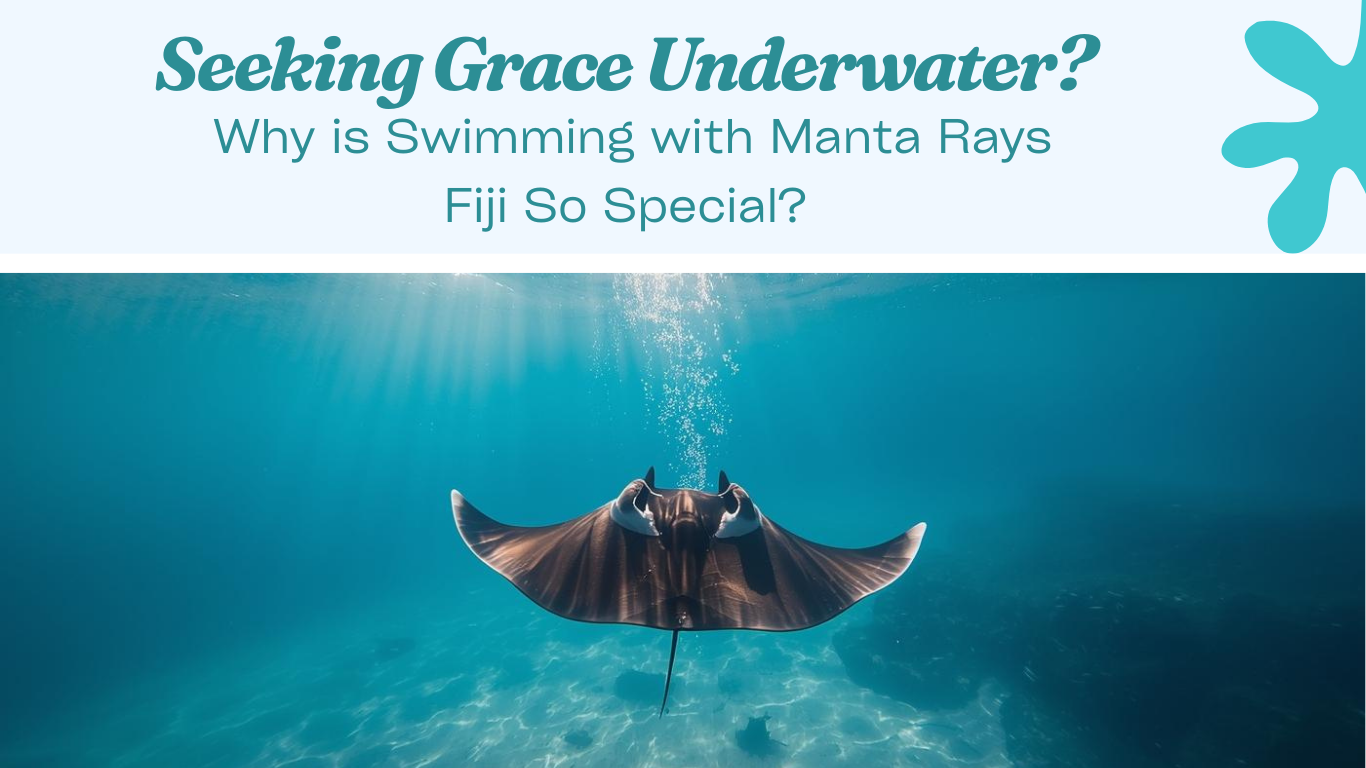
Seeking Grace Underwater? Why is Swimming with Manta Rays Fiji So Special?
We need to talk about the mantas themselves. You can look at pictures of manta rays all day. But until you’re in the water with one, you don’t get it. It’s not their size. It’s their grace. They don’t swim. They glide. No rush, no splash. Just a quiet, powerful kind of peace moving through the water. That’s the core of any swimming with manta rays Fiji adventure—it’s calm, not chaotic. They’re gentle by design, these giants. Their entire existence revolves around sifting microscopic plankton from the water with specialized gill plates. You are neither food nor threat. You are simply… there. And sometimes, they seem mildly interested in that fact. That’s the best part. Their calm makes this possible for almost anyone. This isn’t a chase. It’s not some predator-prey drama. It’s a shared moment of quiet, and all you have to do is float there. It’s a quiet coexistence.Why Fiji? It’s All About the Current Kitchen
So, why Fiji? Simple: geography and respect. The Yasawa Islands funnel ocean currents into narrow channels. This concentrates plankton into a thick, all-you-can-eat soup. For manta rays, it’s a reliable buffet. They show up like clockwork, especially from May to October. This isn’t a show—it’s their daily commute, creating the perfect setting for swimming with manta rays Fiji. But the real secret is Fijian stewardship. Local villages enforce tabu, or protected zones, where fishing is forbidden. The tabu zones aren’t for show. They’re a promise to protect the vanua—a pledge made generations ago. When you swim here, you’re a guest in their home. Your guide isn’t just a guide. They’re a keeper of that promise. Their knowledge runs deep, and their respect for the rays runs deeper. You’re not just seeing nature here. You’re seeing a pact—one that’s been honored for generations.What a Morning with the Mantas Really Feels Like
Forget the brochure. Let me tell you how a morning of swimming with manta rays Fiji actually unfolds. It starts early, with a boat ride across water so blue it looks edited. The Fijian crew is chatting, pointing out islands. The vibe is excited but calm. Then, the engine drops to a purr. The spotter up front is pointing. “There, by the reef edge. Two of them.” Your heart does a little flip. The guide gathers everyone for a briefing that’s less about rules and more about philosophy. “Move slowly. Let them come to you. No touching—it hurts their skin. Just float and enjoy.” It’s about being a good guest. Then you’re in the water. The warmth is immediate. You’ll fumble with your mask—everyone does. You slowly get your breathing under control. Then you look down. For a heartbeat, it’s just blue. Endless, empty blue. Then, movement. A shadow peels away from the deep blue. It becomes a shape. And my god—it’s bigger than you ever pictured. It’s coming up from the depths, wings rippling. It passes within a few meters, completely ignoring you, focused on the invisible plankton trail. You can see the unique pattern of spots on its white belly—its fingerprint. You might see it open its giant, cavernous mouth to feed, or perform a graceful barrel roll. The weirdest part? The quiet. Aside from your own Darth Vader breathing through the snorkel, it’s silent. People don’t yell or splash. They watch. You might exchange wide-eyed glances with a stranger, sharing a wordless “Can you believe this?!” It’s a shared, almost reverent moment. Time does something strange. It stretches out, then snaps back. You’ll get chilled and not even notice. Your mask is foggy and you barely notice. All that exists is the ray and the blue.Tackling the Nervous Questions Head-On
The big one: are they dangerous?
Honestly? No. They’re gentle giants—literally built to eat the tiniest food in the sea. They have no stingers, no teeth for biting. The only thing you might hurt is the snorkeler next to you if you kick out in excitement.Do I need to be Michael Phelps?
Not even close. You need to be comfortable floating in deep water. That’s really all it takes. They’ll pass you a pool noodle or a life jacket. You’re just lying there on the surface, peering down.What if I panic?
Tell your guide. They’ve seen it all. They’ll help you back to the boat or the trailing line. There’s zero shame in it. This is about enjoyment, not endurance. The mantas here are used to polite company. They don’t panic. No drama. Just quiet coexistence.The One Rule That Matters Most
This isn’t a petting zoo. The single most important thing you can do is practice passive observation. We have this innate desire to connect by touch, but for mantas, our touch damages the protective mucus coating on their skin, leaving them vulnerable to infection. The ethical experience of swimming with manta rays Fiji is built on “look, don’t touch.” Don’t chase them. Don’t dive down on them. Let them control the proximity. Here’s the raw truth: that’s the only way it keeps working. If we spook them, they leave. By doing nothing—by just watching—you’re not just following a rule. You’re keeping the magic alive for you, and for whoever floats here next.
Choose an operator that vocalizes these principles. The best ones are often smaller, connected to conservation projects, and fiercely protective “of their” rays.
By doing nothing—by just watching—you’re not just following a rule. You’re keeping the magic alive for you, and for whoever floats here next.
Choose an operator that vocalizes these principles. The best ones are often smaller, connected to conservation projects, and fiercely protective “of their” rays.
So, should you go?
Listen—if you need jet-skis and constant excitement, book a different tour. This one has quiet stretches. You might float for twenty minutes before you see a thing. That’s the real draw of swimming with manta rays Fiji. That second—when a ray banks and passes beneath you, close enough to see the water move over its skin, but still completely free—that’s the whole point. It doesn’t feel like something you booked. It feels like a gift. But if your idea of a perfect morning is calm water, a slow heartbeat, and the chance to swim with manta rays fiji as they move through their world without noticing you… Then yeah. You should go.The Afterglow
You’ll climb back on the boat buzzing. Someone will finally break the quiet with a “Wow!” and then everyone is talking at once, comparing what they saw, pointing out unique markings. You’ll sit in the sun, salt tightening on your skin, with a quiet, settled kind of gladness you can’t force. You’ll remember the specific pattern of spots on the belly of the ray that circled you three times. You’ll remember the silence. That’s what you’re actually signing up for. You’re not buying a guaranteed photo op. You’re buying a chance to float in blue silence and have a wild, winged ghost choose to share its space with you. It’s a gift. And it’s worth every penny. -

Is Seventh Heaven Fiji the Perfect Honeymoon Destination?
A honeymoon comes with its own kind of planning. There’s no group to manage, no long list of preferences to balance — just the two of you and what feels right. The focus shifts to just the two of you and what makes the trip feel special. And if you’ve ever googled honeymoon spots in Fiji, you already know the usual results. Every search shows the usual stuff — calm beaches, bright water, and luxury places. Pretty, sure, but it eventually feels like you’re looking at the same picture on repeat. A distinct alternative eventually surfaces in these searches. This image departs from the standard. It is not a shoreline or a traditional villa. Instead, it depicts a sleek, contemporary platform, isolated and adrift upon the open sea. This is Seventh Heaven Fiji. The place is featured frequently on travel blogs and social media. It looks exceptional. But its unique design prompts a practical question: is a day spent on a floating platform a suitable cornerstone for a honeymoon, or is it simply an impressive day trip? This is a reasonable doubt. Reviews from recent visitors and details from travel providers offer substantial insight. The key is to separate the compelling imagery from the actual experience. Determining whether Seventh Heaven delivers a complete romantic getaway or serves as a supplemental activity is essential for making the right choice.First Things First: What Even Is This Place?
I had the same question. It’s not a hotel. You don’t check in and stay the night (at least, not on the platform itself). Think of Seventh Heaven Fiji less as a place you sleep, and more as an experience you step into. From your resort in the Mamanuca Islands, you take a short boat ride. As the boat gets closer, you see a simple two-level spot floating on the water. There’s nothing over the top about it. It’s just somewhere to chill for the day. Swim if you want, sit on the nets, eat, or do nothing at all. It’s a simple, peaceful hangout floating on the water. For a honeymoon, this concept is either genius or a bit confusing. The genius part? It offers absolute focus. No land in sight means no temptation to “go explore.” It’s just you, your person, the sun, and the sea. The confusing part? You need to pair it with a resort stay on a nearby island. It’s not your entire trip; it’s the spectacular cherry on top.The Honeymoon Magic: Why Couples Are Obsessed
Let’s talk about why this place tugs at the heartstrings of so many newlyweds. It’s not just the ‘Gram.- The “It’s Just Us” Feeling. This is the big one. In a regular resort, you’re sharing the beach with families, other couples, and activity groups. At Seventh Heaven Fiji, the crowd is limited, and the entire world is water. That view—360 degrees of open ocean—does something psychological. It shrinks your world down to just the two of you. Every conversation feels more intimate. Every quiet moment feels more profound. It makes you slow down and actually enjoy the moment — something you can’t get sitting on a crowded beach.
- Effortless Romance (You Can’t Screw It Up). Some places try too hard. Heart-shaped baths and rose petals can seem a bit much. But the romance here comes naturally. It’s in the way the afternoon sun makes the water glow. It’s in the thrill of jumping off the platform into the deep blue. It’s in deciding to leave your phones behind and just enjoy the moment. You don’t schedule the sunset — it just happens. Watching it with a drink in hand makes a Fiji honeymoon feel genuine, not staged.
- Playful & Chill Vibes Only. Your mood on a honeymoon can flip fast. One moment you’re up for adventure, the next you just want to rest. This place gets that. Feeling active? Grab paddleboards and race each other (or, more likely, laugh as one of you falls in). Snorkel right off the deck. Feeling lazy? The daybeds are calling. The staff are brilliant at reading the room—attentive but never intrusive. You can craft the perfect day together, moment by moment.
Beyond Lounging: Actually Doing Stuff Together
A common worry is, “Won’t we get bored on a platform?” From what I’ve gathered, not really. The activities are simple but perfectly curated for couples.- The Snorkeling is Shockingly Good. You don’t need a boat trip. Just jump off the platform. The reefs are alive with fish. Swim hand-in-hand, point out the bright ones—it’s a small adventure you enjoy together.
- Paddleboarding for the ‘Gram (and for Fun).The water’s calm most of the time, making it easy for anyone. It’s fun, relaxing, and you get an awesome view of the platform while swimming.
- The Main Event: Lounging. I’m calling this an activity because you’ll do it artfully. Rotating from pool to sunbed to overwater net, discussing important topics like “what should we order next?” This is the core memory you’re making.
Planning Your Day
Here’s the practical stuff to make it easy:- Getting There: Most people book through their resort or a tour. The speedboat from islands like Malolo or Mana takes about 15–45 minutes. It’s quick, fun, and already feels like the trip is starting.
- Best Time: Go in the dry season, May to October.
- Budget: This isn’t cheap — it’s a premium experience.
Who Might It Not Be For? Let’s Keep It 100.
Seventh Heaven Fiji isn’t a universal fit, and that’s okay! It might not be your vibe if:- You want a single, all-inclusive resort where everything is in one place. This requires a bit more logistics.
- You truly despise other people. While not crowded, it’s a social space. If you want 24/7 utter isolation, a private island villa is a better bet.
- Your budget is very tight. This is a splurge.
The Final Take: Is It Your Perfect Honeymoon?
Perfect honeymoon destination? Seventh Heaven certainly can be, but only if your version of perfect involves stunning views, total privacy, and a beautifully simple day. It’s less of a full resort and more of a brilliant, immersive event—the kind of standout memory that becomes the centerpiece of your entire Fiji honeymoon. However, as a singular day defined by a profound sense of escape and shared wonder, few alternatives compare. The romance is inherent in the environment—a sunset viewed from the edge of the ocean, the quiet companionship with no land in sight. This defines a genuine romantic getaway in Fiji. It is not a universal choice. However, for couples whose priorities align with its offering—luxurious focus over extensive activity—Seventh Heaven Fiji has the potential to surpass standard expectations and redefine a key moment of the marital journey. For many, that outcome is the ultimate goal. -

How to Experience Like a Local During Summers in Fiji
You’ve seen the Fiji from the brochures. Outstanding beaches, great resorts. Although it’s stunning, let’s face it: it could be anyplace in the globe. You are probably looking for the real Fiji that exists. It’s the smell of rain on hot earth and the taste of a mango so juicy you have to eat it on the grass. It is ultimately the sound of a village coming together. The greatest time to locate it in Fiji is during summers in Fiji. The islands are loud with life. The heat is heavy, the fruit is ripe, and people live outside. This isn’t about fancy tours. It’s about simple things. Eating what locals eat. Going where they go. Slowing down to their pace. If you’re ready to see Fiji, here’s how to start.So, What’s the Deal with Summers in Fiji Anyway?
The summers in Fiji hit different. It’s not a harsh, baking heat. It’s a thick, green, living warmth that comes from the jungle and the sea. And those famous downpours? It’s just part of the day. The guy next to you might just smile and say, “Typical afternoon.” And he’s right. You learn pretty quickly to just enjoy the cool break. The sun comes back out, the whole place steams for a bit, and the air feels clean and new. It’s why everything is so impossibly green. This is the season of “too much.” Too many mangoes on the trees. Too many fish in the nets. And honestly, too much fun to be had indoors. This abundance makes everyone more communal. Doors are open, cooking takes place outside, and the beach becomes everyone’s garden. This vibe—this giving, cheerful, and a little crazy energy—makes a Fiji summer the ideal time to come if you want to experience the real thing.Where the Heck Do I Even Go?
Skip the planned tours if you want to see the real Fiji during the summer season. Just use your senses. Follow the noise and the smells. Start with a local market. Not the hotel gift shop, but a proper one like Suva Market. Get there early. Grandmothers in vibrant robes labor quickly, sifting stacks of taro and cassava. The air smells like soil and spices. Here’s what you do: find a fruit vendor. Point to a pineapple. Let her choose one for you, then watch her chop it right there. Eat it standing up, letting the juice get everywhere. That’s a real Fijian breakfast. Next, find the “local” beach. Every resort has its perfect, groomed coastline. But the real party is often happening just a little further down. Be brave! Just ask a taxi driver where his family spends their Sunday. He’ll probably point you to a beach where local families gather. You’ll find kids playing rugby with a worn-out ball, someone’s uncle grilling fresh fish on a small barbecue, and Fijian music playing from a speaker. It’s not quiet or perfect like the resort beach. It’s louder, a bit messy, and completely real. Pull up a patch of sand and just soak it in.Let’s Talk About Food. Seriously, Let’s.
If you truly want to experience Fiji as a native, you must eat like one. And summers in Fiji are an excellent time of the season for your taste senses.- Fruit is a Game-Changer. You haven’t tried fruit until you’ve eaten it here. We’re talking mangoes that trickle down your arm due to their ideal ripeness. And don’t be put off by the green spiky things – that’s soursop. Cut it open to find creamy white flesh that tastes like heaven.
- You Have to Try Kokoda. Make sure you order the Kokoda. It’s fresh raw fish that gets firm from sitting in lime juice, then they mix in creamy coconut milk, onions, and a little chili. It is simultaneously chilly, rich, and crisp. After a day in the sun, it’s the most wonderful cuisine available. You’ll eventually crave it.
- Find a Lovo. Just Do It. Look for a place doing a lovo. It’s where they cook food in a dirt oven underground. The meat gets so soft it falls apart, and everything tastes like smoke and banana leaves. Eat it with your hands. That’s how you know it’s real Fijian food.
How to Act in Fiji: A Few Simple Rules
This part matters. Getting it right shows respect. Getting it wrong marks you as just another tourist. The most important custom is the Sevusevu. You can’t just stroll into a village if you want to visit (which you really should). Keep in mind that you are at someone’s house. A gift of sevusevu, or kava root, is the appropriate means to gain in. You present it to the village chief. This tradition shows respect and asks for permission to visit. You’ll then likely be invited to a kava ceremony. No need to stress about the ceremony. When they pass you the coconut cup, just follow along. Clap once before you take it. Drink it all in one go—yes, the whole thing. It does taste earthy, but you’ll manage. After you drink, clap three more times and say “Bula!” with a smile. That’s it. This simple act shows your respect and helps you connect with the community. Oh, and clothing! In villages, modesty is key. Guys, gals—everyone should cover their knees and shoulders. A sulu (a sarong) is your best friend. You can buy them everywhere for a few dollars. It’s a simple sign of respect that goes a very, very long way.So, What Does a Local Actually Do For Fun during the summers in Fiji?
Forget your packed schedule for a minute. Let me tell you what Fijians are actually doing this weekend while you’re rushing between tourist spots.- The All-Day Beach Picnic. This isn’t a “lie on a towel for an hour” situation. You’ll see whole families set up camp for the day. They bring everything – massive coolers, fold-up tables, beat-up footballs. Kids are everywhere, splashing in the water. Someone’s always grilling nearby. The food just gets passed around. People chat for hours. Nobody even looks at the time. Do this. Go to a supermarket, grab some snacks, and just post up on a local beach for the day. You’ll see what I mean.
- Get Sweaty at a Rugby Match. You need to see a local rugby game. Here, rugby is like a religion. Ask around to find where a village team is playing. These guys play hard. Really hard. And the crowd? They live for this. Before long, you’ll be on your feet yelling with everyone else. It just happens.
- Go Chasing Waterfalls. Want a waterfall without the crowds? The good ones aren’t on the main maps. You will require a local guide. You may anticipate mud, roots, and the sound of water leading you on this unpaved trek. You’ll see why the trip was worthwhile once you arrive.
- Hop on a “Local Boat.”Try taking a local ferry instead of a tourist boat. It’s slower and louder, but you’ll be traveling with islanders heading home, taking goods to market, or visiting family. You’ll see the real Fiji on these boats.
A Few Parting Shots of Advice for visiting during the summers in Fiji
- Water is Life. Chug it. Drink water constantly. Always have a bottle with you.
- The Sun is No Joke. Seriously, wear a hat. And sunscreen.
- Embrace “Fiji Time.”Your schedule will go out the window. Things start when they start. Let it go. It’s incredibly liberating.
Your Turn to Explore.
Look, stepping outside the resort can feel a little intimidating. This is the real Fiji. Not the perfect resorts, but the messy, happy moments with real people. Sharing a kava bowl. That’s how you really experience this place. Don’t worry about seeing everything. Worry about feeling something. Vinaka! -
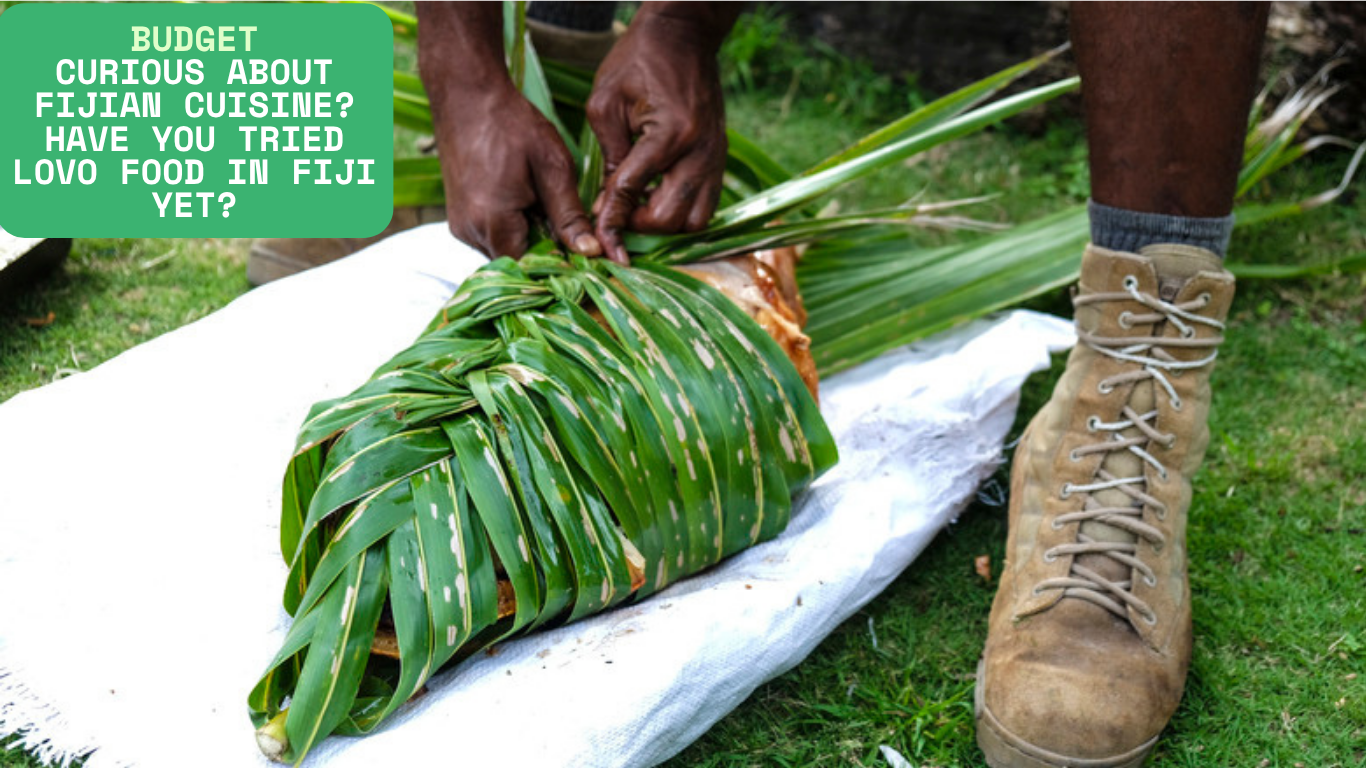
Curious About Fijian Cuisine? Have You Tried Lovo Food in Fiji Yet?
We all know that Fiji is famous for its dazzling islands, aquamarine water, and friendly people, but we are usually unaware of one element of the country that is, Fijian food! One may never think about it, especially if they have no intention of tasting it. In case you are a food-lover (what kind of person is that not to love food?), you simply should not miss the chance of having the mouthwatering Lovo Food in Fiji! It’s not just a treat for your mouth but also an unforgettable experience!What Exactly Is Lovo Food?
Essentially, Fijian Lovo is a native cooking style in which you cook food underground. Yep, underground! Food is cooked slowly in an earth oven (known locally as a “Lovo”).Here is how it works:
- A shallow pit is dug into the ground
- Large stones are heated using fire until they’re red-hot
- Marinated meats, root crops, and sometimes seafood are wrapped in banana leaves or foil
- These are placed over the hot stones, and then covered with more leaves and soil
- The food is left to cook for a time span of a few hours in the heat and steam
More Than a Meal — A Cultural Event
Lovo food in Fiji is not a casual meal because Lovo is made together, for occasions that are always special for some reason, such as:- Family gatherings
- Religious festivals
- Weddings
- Village meetings
What’s Usually in a Lovo Feast?
A few basic components are usually used in traditional Fijian Lovo cuisine, however the specifics differ depending on the community or home. For instance: You’ll usually see chicken or pork that’s been soaking in lemon juice, ginger, garlic, and some homemade spice mix. Then there’s the good old starchy stuff—taro and cassava are the go-to. They’re filling, simple, and soak up all the other flavours well. And you can’t skip palusami. It’s basically taro leaves filled with coconut cream, wrapped up, and baked until they’re all melty and delicious. It’s a crowd favourite for a reason. Also, Fish inside banana leaves, typically combined with lemon juice and spices, with sweet potatoes that are lightly blackened and roasted due to the earth oven. All are marinated in the earthy and smoky flavour of the Lovo and slow-cooked to utterly delicious perfection. Simple veggies may be transformed into mouthwatering delicacies for your palate.What Does Lovo Taste Like?
In the case you have not tasted underground food, then you are in for a surprise. The profile of the Lovo food in Fiji is unique, and it is difficult to recreate in an ordinary kitchen.- Meat becomes soft, falls off the bone after the heat of the stone.
- The banana leaves also give a very light herbal flavor.
- The fire gives a highly natural wood-fired flavor.
Where Can You Try Lovo Food in Fiji?
Although Lovo is not normally available in all restaurants (as it is time-consuming and requires an entire team in the preparation process), you can still get a taste of it during your holiday in several ways:- The cultural villages or the resorts that are targetable by the tourists could host the Lovo nights
- The local home-cooked Lovo food can be hosted at the local homestay
- The local communities celebrate festivals, holidays, or some other significant events, and they are the best times to give it a go.
- In some cases, the Lovo feast has been treated as a tourist attraction in the villages.
Why Lovo Food Should Be on Every Foodie’s List?
One of the ways that a place can be best associated with is food. Although you will find the greatest international cuisine all over the Fiji region, without any doubt, you cannot find anything better that will give your taste a feel of the soul of the Fiji region than Lovo food in Fiji.Here’s why it’s worth seeking out:
- It is conventional and original – You are having something prepared in the same fashion it had been cooked centuries ago
- It promotes domestic culture – Most of the Lovo dishes are cooked in a village or community-affiliated arrangement
- It is memorable – In flavor and the whole experience behind it
- It is shared – You will eat with the local people or other tourists, creating contact and friendship
-
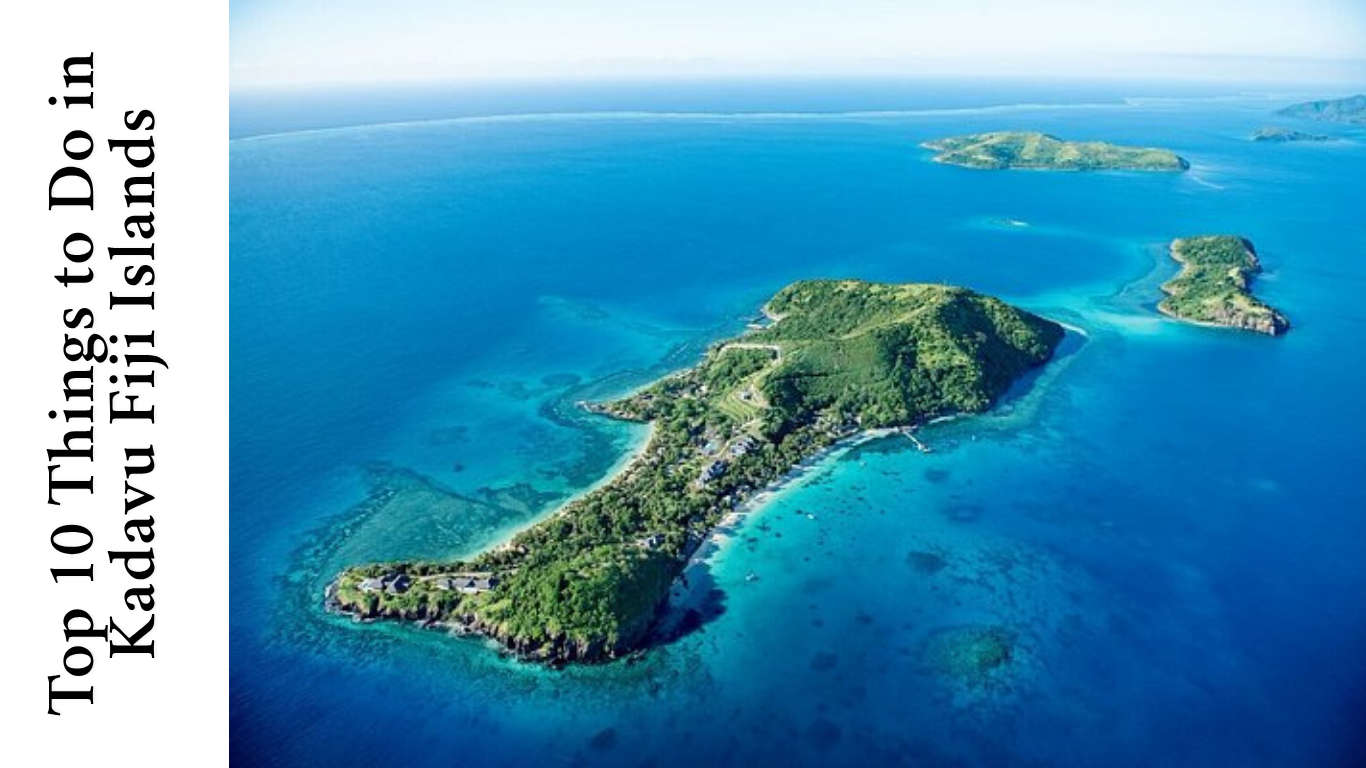
Top 10 Things to Do in Kadavu Fiji Islands
Kadavu Island is a beautiful and quiet place in Fiji. It has clear waters, green forests, and many fun things to do. These ten fantastic activities are available on Kadavu Island!1. Snorkelling and Diving at the Great Astrolabe Reef
The Great Astrolabe Reef in Kadavu Fiji Islands stands as the fourth-largest barrier reef in the Pacific due to its majestic underwater natural beauty. The largest barrier reef after the three bigger counterparts finds its place as the fourth largest worldwide and spans 100 kilometres along Kadavu’s coast. The reef stands out with pristinely clear ocean waters and attractive coral gardens as well as numerous marine species. People wonder what makes the Great Astrolabe Reef unique.- The coral reefs compared to others show exceptional health since their vibrant populations make them distinctive.
- Underwater exploration benefits from water clarity which generally extends beyond 30 meters.
Best Snorkeling and Diving Spots
- The Manta Reef presents an essential snorkelling location since manta rays swim right near the surface.
- Visitors often choose Naiqoro Passage as their primary dive destination because its deep underwater cliffs present both caves and abundant underwater animal species.
- Vesi Bay serves as an ideal location for snorkelers since it provides shallow coral gardens and numerous tropical fish species.
- The adventurous dive site Eagle Rock features reef sharks as well as barracudas and schools of big fish.
2. Explore Traditional Fijian Villages
Beyond their breathtaking coasts and wonderful underwater world, the Kadavu Fiji Islands maintain strong cultural heritage traditions. Visiting a traditional Fijian village is the best approach to experiencing authentic Fiji culture and essence.Life in a Fijian Village
When you come to a Kadavu village you would feel as if you have travelled to olden times. A peaceful lifestyle defines the Fijian way of life while wooden houses combined with palm thatching surrounding the village and village members show both dedication to community bonds and respect among themselves. People in the village preserve their practices by working in farming activities and fishing while sharing stories.3. Trekking Through Kadavu’s Rainforests and Waterfalls
Visiting the Waterfalls and Rainforests of Kadavu Trekking in the Kadavu Fiji Islands is more about the experience than the physical challenge. As you explore, you will: As you explore, you will:- See Unique Plants and Wildlife.
- Discover Hidden Waterfalls.
- Enjoy Stunning Views.
4. Kayaking and Paddleboarding Along the Coastline
The unique view of Kadavu becomes available through paddle sports activities including kayaking and paddleboarding.This activity is unique because:
- The serene water conditions of Kadavu Fiji Islands’ lagoons enable safe paddling.
- Kayaks allow you to visit secret beaches and caverns on underdeveloped islands.
- While paddling over the water, you will see vivid fish and coral heads, as well as turtles and lively dolphins.
- Quiet eco-friendly water sports like kayak paddling enable visitors to experience nature responsibly since they cause no damage to the environment.
5. Sportfishing in Kadavu’s Deep Waters
Any angler will consider the Kadavu Fiji Islands their ultimate fishing destination. Kadavu attracts fishing enthusiasts because its deep waters support abundant marine life and provide top-level big-game fishing in the Pacific region. Seasoned fishermen together with novices would find it impossible to forget the sensation of getting a big catch in these waters.What Makes Kadavu a Great Fishing Spot?
- Deep-sea fishing ranks internationally high at Kadavu Islandsbecause the expansive water area contains fish throughout the entire year.
- Enjoy large fish populations due to minimal fishing activity at unharmed fishing areas.
- The fishing grounds of Kadavu allow people to hook various species including marlin and tuna alongside mahi-mahi and wahoo as well as giant trevally and more.
- Kadavu Fiji Islands offers stunning maritime views that people can enjoy while they wait to hook their next catch.
6. Birdwatching and Eco-Tourism in Kadavu Fiji Islands
Kadavu Fiji Islands offer beach and coral reef attractions to their visitors together with rich birdwatching and natural exploration opportunities because of their picturesque rainforest. The pristine rainforests together with secluded trails and distinctive wildlife species make Kadavu rank among the leading eco-tourism locations in Fiji. Nature enthusiasts who desire to experience both rare bird species alongside beautiful natural terrain will find their ideal vacation here.Why choose Kadavu for Birdwatching?
Birdwatchers will find three major benefits when they visit Kadavu islands.- Kadavu Island features distinct bird species.
- The majority of Kadavu islands remains uninhabited due to its lack of human interventions.
- The island maintains explorational ease by providing organized tours and path-based routes which guide visitors toward optimal birdwatching areas.
7. Surfing and Bodyboarding on Kadavu’s Waves
Why Surf in Kadavu?
The surf breaks at Kadavu remain unpopulated because they stay mostly invisible to visitors because of other Fijian surfing destinations.- Crystal-Clear Waters – Surf over blue lagoons and coral reefs in one of the most beautiful places in the world.
- Surfers will find a broad selection of waves that suit both new surfers and seasoned enthusiasts.
- Kadavu offers a dream surf environment because the elevated temperature of its waters and stable wave patterns enable surfing throughout the year.
Bodyboarding in Kadavu
Bodyboarding provides novice surfers with a simple way to interact with ocean waves without facing the same level of difficulty as surfing. Kadavu features optimum bodyboarding environments throughout its coastal areas which welcomes guests of all ages. Newcomers to the sport will find it easy to start riding once they enter the warm waters near the gentle waves. Surfers should consider which month provides the ideal surfing experience in Kadavu.- From May to October there are dependable wave conditions which make this timeframe the optimal period for bodyboarding in Kadavu.
- The wave conditions from November to April pleasure those starting in surfing as well as bodyboarders.
8. Island Hopping and Beach Exploration
The unique set of beaches secret coves and spectacular sights exist on every island in Kadavu Fiji.Why Go Island Hopping in Kadavu?
- Natural Wilderness Remains Untouched on Numerous Islands throughout Kadavu Islandssince they have bypassed modern development.
- Quiet hidden beaches with their soft white sand and clear blue waters await visitors who want to relax in private areas.
- Many coral reefs along with marine life inhabit some of Fiji’s best snorkelling areas where swimming and snorkelling are easily accessible.
- You can explore authentic Fijian villages alongside island residents to feel their genuine island hospitality.
The Best Island Selections for Visiting Kadavu
- Ono Island – A peaceful and remote island with stunning beaches and excellent snorkelling spots. Visitors often come to the Great Astrolabe Reef which exists on the island Tadrai.
- Buliya Island – You can experience the most breathtaking beaches at Kadavu by visiting Buliya Island its calm and quiet charm.
- Vurolevu Island – displays its beauty through crystal blue waters along its soft sandy beaches which welcome visitors to unwind on its beaches.
- Dravuni Island – A small island paradise with a friendly local village, white sandy beaches, and great hiking trails.
Exploring Kadavu’s Best Beaches
- The tropical beach at Nagigia Island offers breathtaking palm tree sways and stretches out white sandy shores.
- On Kadavu’s, guests can find Vesi Beach which lies sheltered among dense vegetation near its clear ocean waters.
- Visit Matana Beach for snorkelling along with swimming as this beach provides excellent underwater views of fish and coral reefs near the shore.
9. Eco-Lodges and Resorts in Kadavu
These protected accommodations combine contemporary facilities with environmental protection.Why Choose an Eco-Lodge in Kadavu?
- Guest accommodations in these locations depend on solar power and implement rainwater storage as well as maintain sustainable growth with organic food production.
- The eco-lodges establish partnerships with local villages which generates employment as well as protects traditional Fijian heritage.
- Sustainable Luxury includes tasting organic meals and receiving spa treatments with oceanfront views combined with environmental sustainability efforts.
10. Experiencing the Local Cuisine of Kadavu
Kadavu Fiji Islands provides visitors with the opportunity to taste authentic Fijian cuisine that is fresh and traditional. Kitchen masterpieces in Kadavu are made from abundant seafood items and tropical fruits and root vegetables resulting in straightforward yet tasty meals.Kadavu Fiji Islands Offers Various Traditional Seafood-Based Meals That Make a Memorable Dining Experience
- Locals in Fiji prepare Lovo (Underground Oven Feast) with meat and fish along with vegetables inside banana leaves before cooking it underground. A unique experience because the combination of smoke with tenderness produces superior flavours.
- The Fijian dish Kokoda presents raw fish immersed in coconut milk and lime juice combined with fresh onion tomato and hot chillies. The combination of seafood and cream creates a cold and velvety maritime dish.
- Rourou (Taro Leaves in Coconut Milk) provides creamy richness through its preparation of cooked raw taro leaves mixed with fresh coconut milk ingredients. Spinach shares this vegetable’s texture but offers a gentle nutty flavor with its distinct taste.
- Ika Vakalolo (Fish in Coconut Cream) provides a straightforward preparation of fresh fish served in coconut cream alongside onions with root vegetables. A prolonged cooking process develops the full creamy taste and rich essence of the food.
- Stuffed Plantains named Vudi Vakasoso consist of ripe plantains stuffed with coconut sugar that results in a soft dessert after oven or steaming.
-
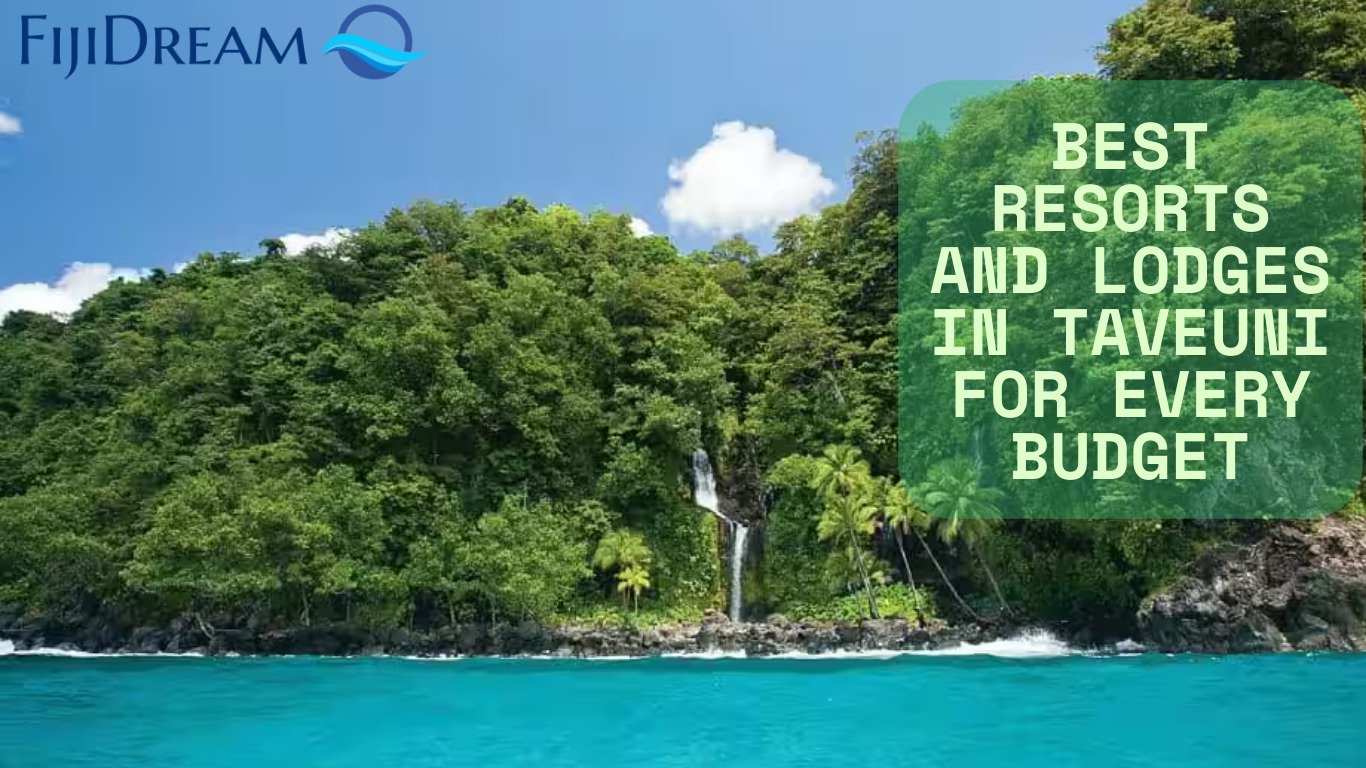
Best Resorts and Lodges in Taveuni for every budget
Taveuni Island, Fiji, is known for its stunning beaches, lush green lands, and dive spots. Before your vacation, you should look at the hotels and resorts to better understand what they offer. In this article, we will go through some of the options.1. Luxury Resorts – For a Five-Star Experience
Taveuni Island is home to luxury resorts that offer personalized comfort, exceptional service, and villas with infinity pools, spas, and excellent dining options.Best for:
- Those seeking romantic vacations among honeymooners and couples wanting to visit Taveuni, for their perfect experience.
- People who seek first-class, all-inclusive escapes.
What to Expect:
- Private villas or beachfront bungalows.
- Gourmet meals and world-class hospitality.
Best Luxury Resorts in Taveuni
-
Taveuni Island Fiji Resort & Spa – The Ultimate Romantic Getaway
Why will you love it here?
- The resort prepares mouthwatering food from fresh local produce.
- The resort provides visitors access to spa care services in addition to snorkelling and waterfall tours.
-
Raiwasa Private Resort – Luxury with a Personal Touch
Why will you love it here?
- Complete privacy with only one villa available.
- Five-star service with personalized dining.
- The oceanfront infinity pool belongs exclusively to resort guests.
-
Taveuni Palms Resort – Five-star luxury in its exclusive accommodation
Why will you love it here?
- Private villas with personal staff and a private beach.
- Amazing dining with farm-to-table meals.
- The resort offers guests opportunities to dive underwater and fish in addition to booking island tours.
-
Paradise Taveuni – A Heaven for Divers and Nature Lovers
Why will you love it here?
- Stunning oceanfront location.
- PADI-certified dive centre for world-class diving.
- Beautiful bures (bungalows) with Fijian-style decor.
2. Mid-Range Resorts – Perfect for Comfort and Value
Best for:
Travelers seeking comfort will find reasonable comfort at these accommodations, suited for small groups and couples.What to Expect:
- The accommodations feature lodging spaces that provide ocean and garden scenery from their windows.
- On-site restaurants serving fresh Fijian and international cuisine.
- They may or may not offer guided tours and snorkelling and hiking activities.
Top Mid-Range Resorts & Hotels in Taveuni
-
Aroha Taveuni – A Hidden Gem by the Beach
Why will you love it here?
- Comfortable and affordable beachfront bungalows.
- The hotel provides exceptional snorkelling opportunities outside your bungalow door.
- You will find welcoming hosts who treat you as their extended relatives at this location.
-
Maravu Taveuni Lodge
Why will you love it here?
- A mix of private and shared dorms for all budgets.
- Guests can easily walk to hiking paths as well as waterfalls and sandy shores.
- Guests can enjoy their time by kayaking, followed by horseback riding, before participating in island tours.
-
Coconut Grove Beachfront Cottages – A Cozy Island Escape
Why will you love it here?
- Private beach cottages with magnificent ocean views.
- Delicious dishes created at home using local, fresh ingredients.
- In addition to excellent swimming places, this location offers great conditions for snorkelling and beach leisure.
-
Taveuni Dive Resort – A Paradise for Divers
Why will you love it here?
- Divers will appreciate that this resort’s position sets it directly in proximity to the most renowned diving destinations in Fiji.
- Comfortable and spacious buildings with modern amenities.
3. The budget lodges and guesthouses – Affordable Accommodation
The basic yet warm accommodations are primarily operated by residents who provide sincere hospitality to their visitors.Best for:
- People who plan their trips through budget constraints yet seek genuine Fijian cultural encounters.
- Tourists who choose cost-effective stays on Taveuni Island.
What to Expect:
- Basic but clean rooms, often with shared bathrooms.
- The hosts offer assistance in visiting the island while providing friendly service.
- Low food prices and the environment create a relaxed social setting.
Budget-Friendly Lodges & Guesthouses in Taveuni
In search of reasonably priced lodging on Fiji’s Taveuni Island? We got you!-
Taveuni Backpackers Lodge
Why will you love it here?
- Affordable dorm and private room options.
- Social atmosphere—great for meeting fellow travellers.
- The property has excellent proximity to different features, including beaches, waterfalls, and hiking trails.
-
Maravu Taveuni Lodge
Why You will love it here?
- Affordable dorms and private bathrooms.
- The establishment rests close to natural areas in addition to tourist spots.
- Many travelers enjoy beach activities at this location which include horseback riding together with snorkeling tours.
-
Garden Island Resort
Why You will love it here?
- Affordable accommodations for divers.
- Close to the world-famous Rainbow Reef.
- The accommodation rooms provide spectacular ocean views as their main feature.
-
Vale Ni Tadra Homestay
Why You will love it here?
- Authentic Fijian hospitality in a homestay setting.
- They prepare nourishing homemade dishes that use fresh ingredients sourced from the nearby community.
- This establishment provides affordable comfort together with peaceful surroundings.
Perfect for:
This accommodation suits those who wish to experience Fijian culture combined with homelike lodging. Travellers who want to encounter unmatched landscapes alongside abundant marine life and exceptional memories will find Taveuni Island Fiji to be their ultimate destination. Each visitor seeking different travel experiences can find their ideal accommodation on the remarkable island. Book your hotel while you pack your things for the “Garden Island.” -
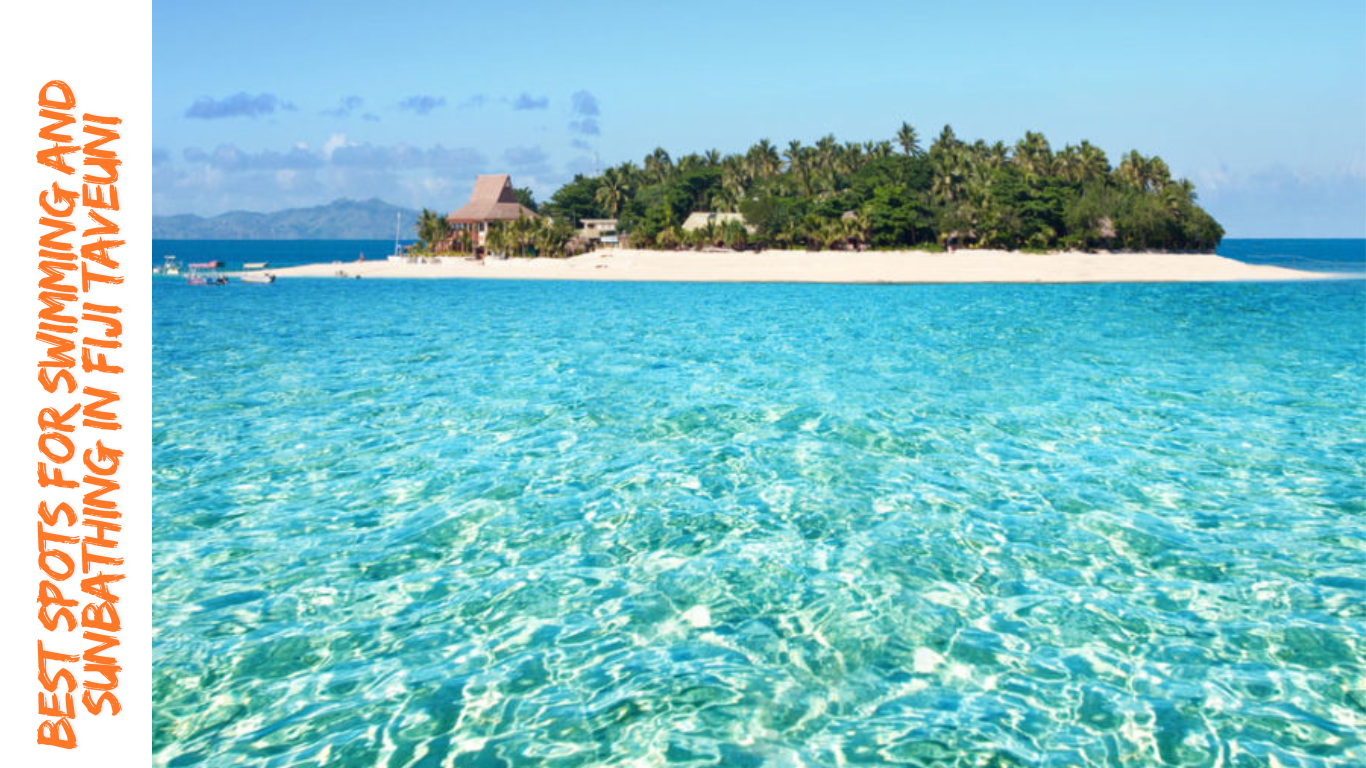
Best Spots for Swimming and Sunbathing in Fiji Taveuni
Nature enthusiasts find Fiji Taveuni a genuine paradise due to its nickname, “Garden Island of Fiji.” South Pacific visitors can discover this island’s best swimming and sunbathing locations, where clear water, soft beaches, and rainforest landscapes create a delightful tropical experience. Visitors seeking quiet remote locations will find Taveuni an ideal choice due to its untouched peaceful character. The island provides a complete beach experience, including hidden waterfall swimming, bright blue lagoon snorkeling, and relaxing sunbathing under its tropical sun.Why Choose Fiji Taveuni for Swimming and Sunbathing?
Taveuni stands out as an ideal destination for beach enthusiasts due to numerous attractive points that include:- Beautiful Beaches – White and black sand beaches with stunning views
- Warm Tropical Waters – Perfect for swimming all year round
- Swimmers seeking privacy will find peace in this secluded location because fewer tourists are present.
- Waterfalls and Natural Pools – A unique mix of beach and rainforest adventures
A Mix of Adventure and Relaxation
Visitors to this Island discover more than laid-back ocean time since this island delivers both exhilaration as well as serenity. When you stay at Taveuni the first activity should be swimming at Lavena Beach followed by hiking to Tavoro Waterfalls before snorkeling at Waitabu Marine Park. For relaxation purposes, the island offers peaceful beaches which welcome visitors to sunbathe while listening to the waves.Lavena Village Beach – A Hidden Paradise in Fiji Taveuni
People consider Lavena Village Beach to be among the serene beaches of Taveuni. The eastern coast of the island showcases this secluded beach destination because it contains smooth white sand along with brilliant clear waters and spectacular scenery. Besides the popular Fiji beaches Lavena Village Beach provides visitors with both Fijian authenticity and peaceful solitude.Why Visit Lavena Village Beach?
Travelers will discover that Lavena Beach offers the ideal beach experience for vacationers.- Sunbathing – Enjoy the warm Fijian sun on the soft sand
- The safe swimming condition at Lavena Village Beach comes from its clear calm waters.
- Nature Walks – Explore the nearby rainforest trails
- Kayaking – Paddle along the beautiful coastline
- Photography – Capture the stunning mix of ocean, sand, and jungle
The Lavena Coastal Walk Is An Additional Exciting Experience
Visitors should consider the Lavena Coastal Walk as one of the main highlights available at Lavena Village Beach. Tourists can begin the Lavena Coastal Walk at the beach where they will discover tropical forest ecosystems combined with black sand beaches and scenic coastal scenery along their path. The Wainibau Waterfall serves as the top highlight of the path because visitors can enjoy swimming in an enchanting jungle waterfall pool.Matei – Fiji Taveuni’s Best Beachfront Escape
Matei provides visitors with peaceful surroundings together with beautiful vistas and transparent ocean waters. Located at the northern island terminus Matei wins fame through its beautiful shorelines and elegant palm trees with mind-blowing ocean vistas. The location serves as an excellent destination for swimming and tanning while experiencing the calm island way of life.Why Matei is Special
Tourism has not spoiled Matei the way it affects other popular vacation destinations. The location offers visitors the chance to experience natural beauty without encountering numerous crowds. Miriame’s tranquil surroundings, magnificent sunset views, and welcoming residents draw numerous visitors to stay in the area.Best Beaches in Matei for Swimming and Sunbathing
Matei Beach – A Classic Tropical Getaway
Matei Beach stands as the principal beach area of Taveuni. People enjoy Matei Beach because it offers golden sand together with warm ocean waters that provide gentle waves. Relaxing under coconut palm trees allows you to enjoy the gentle ocean breeze as the soothing wave noises surround you.Why visit?
- Safe and shallow waters for swimming
- People enjoy relaxing on this beach since it provides both excellent sunbathing conditions and soft sandy surfaces.
- Easy access to local restaurants and resorts
Secret Cove Beach – A Hidden Gem
You can reach Secret Cove Beach easily by walking from Matei where this beach presents itself as a tiny private oceanfront destination. A peaceful hidden area exists among rocky cliffs that are bordered by lush green spots for enjoyment.Why visit?
- The beach offers fewer people so it makes a great selection when you want a peaceful beach day.
- Beautiful place for a romantic beach walk
Nakia Beach – Snorkeling and Swimming Paradise
Tourists who desire beach activities beyond tanning should visit Nakia Beach. Clear waters at this beach provide an excellent setting for swimming alongside snorkeling because vibrant fish can be seen in the calm water.Why visit?
- Crystal-clear water with vibrant marine life
- Soft sand and plenty of sunshine
- Visitors can use Nakia Beach as a perfect spot for snorkeling and swimming.
Vurevure Beach – A Secluded Sunbather’s Dream
Visitors who seek an untouched beach destination should travel to Vurevure Beach within Fiji Taveuni. Situated on the eastern side of the island the beach exists as a secret destination that escapes the crowded tourist areas. The beach presents gentle sand along with translucent waters complimented by a peaceful environment suitable for enjoying sunlight or swimming and relaxation. Visitors find Vurevure Beach vacant because it has escaped the attention given to famous beaches.Why Visit Vurevure Beach?
- Travelers who seek a peaceful interlude will find Vurevure Beach to be their perfect place.
- The smooth sandy beach joins up with warm ocean water to create the perfect spot for sunbathing while swimming in these inviting waters.
- A location among abundant green foliage enhances the natural attractiveness here.
- The lack of crowds makes it possible for you to occupy almost the entire space when compared to bustling beaches.
Bouma National Heritage Park
People who enjoy nature combined with waterfalls and adventure must see Bouma National Heritage Park when visiting Taveuni Island. This national park spans more than 150 square kilometres with its multiple rainforest areas alongside and diverse wildlife population and gorgeous waterfalls to explore. Through its protected status, Bouma National Heritage Park holds the status of an endangered natural heritage of Taveuni. Since its protection in 1990 Bouma National Heritage Park functions as a sanctuary for rare island species while delivering extraordinary travel experiences to visitors.Why Visit Bouma National Heritage Park?
- Three recognized waterfalls present incredible swimming pools for visitors to enjoy.
- The dense forest provides shelter for rare tropical flowers and giant trees in addition to its rare bird population.
- Nature enthusiasts will appreciate the thrilling hiking paths at this destination.
- Natural pools at the park become ideal swimming areas after completing your hike.
-
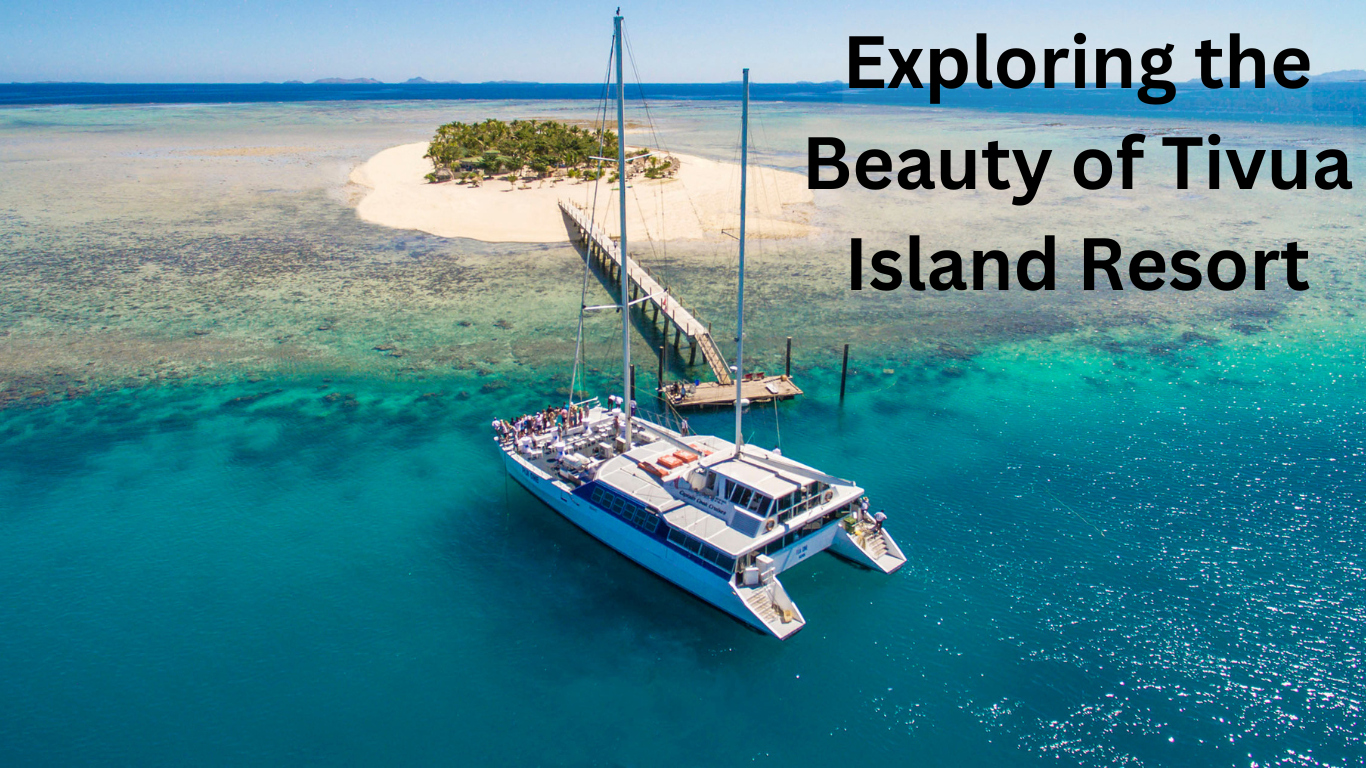
Exploring the Beauty of Tivua Island Resort
Tivua Island Resort is a wonderful island resort within Fiji’s famous Mamanuca Islands chain; it impresses travelers with its unique charms – gorgeous nature and cultural heritage. It is a partly developed island with numerous luxury services and comforts coupled with the untouched wonders of Fiji for tourists who want to have the ideal island experience vacation. Tivua Island attractions include sandy shores, turquoise waters, tropical forests, and other related features that make it suitable for any individual interested in going out to nature.A peaceful Island gateway
Privacy and Tranquility
Located a little off shore it’s like a world unto itself, giving the guests a good sense of privacy and tranquility. Unlike other crowded island resorts, Tivua Island offers an environment through which tourists can enjoy the beauty of Fiji without the hustle and bustle. From simple relaxation on a sandy shore to snorkel diving among the colourful corals; this island is equipped with all types of entertainment for each traveler whether an adrenaline junkie or just a beach lover. With Fijian hospitality and amazing views in every corner of the resort, this is a place well worth visiting at any time of the year.Colourful Coral Reefs
Another feature that makes Tivua Island so special is the coral reefs around the island which presents what seems to be the best of Fiji’s underwater environment. There are beautiful coral reefs around areas of the island that are full of life and motion in the waters. Apart from visibility, the area provides snorkelling trips accompanied by personnel from the resort as trainers to provide safe and interesting tours for all the guests.Snorkelling Fun
For a first-time snorkeler as well as the regular snorkelling enthusiast, this trip around Tivua Island is a thrilling affair whereby tourists swim with different types of fish, and colourful corals among other sea creatures including sea turtles and small reef sharks – if lucky! The water around the island is very clear enabling people to see the beauty of this particular environment at its best. This area is also within a protected marine park which means that Tivua’s reefs are closely managed with the purpose of conservation as well as recreation. This commitment to sustainability helps guests experience Fiji’s aquatic wildlife without any negative impact on the environment. Tivua Island reefs are wonderful not only for experiencing an incredible dive trip but also prove that this resort pays attention to the idea of natural conservation for future generations.Relaxing Beaches and Activities
Sands for Relaxation
At Tivua Island Resort, you can not only enjoy coral reefs but also the soft white sandy beaches, perfect for relaxation and fun. Most of the island’s beaches are relatively untouched; therefore, guests are generally able to stroll along the generously spacious coastline undisturbed. It is quite simply large portions of sand that one could happily spend hours lying, reading or just watching the peace of the place.Adventure Activities for Active Travellers
For those who seek something more active, Tivua Island has something to offer for those too like exploring the coastline and with paddleboards or kayaks, one can view the island from the water. While walking around the beach, guests can see seashells, crabs and other small sea inhabitants and hence it is an ideal place for those who love nature. Out in the waters, the ocean’s tide is as warm as its colour turquoise, its waves calm and gentle enough to allow one to laze on the beach. Whether one is sitting to view the sun setting down the horizon line with deep sand beneath one’s feet, then Tivua Island’s beaches are all about capturing the quintessential island paradise.Eco-Friendly Practices
A step further from relaxation, Tivua Island stresses the need for proper environmental conservation measures to capture the spirits of eco-tourism hence making the island a greater selling point. Like most islands in the Fiji marine protected area, Tivua Island is well preserved with growing coral reefs and prosperous waters. To reduce the pressure that the existing infrastructure of the resort puts on the environment, the owners of the place establish and maintain appropriate impact policies to have a minimal effect on the state of the environment on the island. Such things consist of proper waste disposal, water conservation, and utilisation of recyclable products in the entire resort. That way, Tivua Island becomes an example for the entire world about how to sustain the natural resources of the island and let tourists have a perfect view and a good time at the same time. It also has the facility of educational tours and nature walks meaning that an individual who wants to have more detailed knowledge about the ecosystem of that place and the measures that are being taken for the conservation of such an environment will be in a position to gain extra information. These sustainable practices not only have long-term practice and management of the island but also add value to the guests and result in the overall satisfaction of the guests staying at Tivua Island Resort.Fijian Culture and Traditions
In addition to what people would consider a vacation, this resort aims to give the visitors some insights into the life of Fijian people. Some of the cultural activities at the resort include the performance of the kava ceremony – a ceremony commonly carried out by the Fijian people where the natives of Fiji offer a traditional Fijian drink from the root of the kava plant. This is a traditional ceremony of Fijians to make the guests feel more attached to the traditions of Fiji. Additionally, guests are entertained with cultural Fijian music and dances, and even a storytelling performance, all of which highlights Fiji’s cultural diversity.Connecting visitors with Fijian Heritage
The people of Tivua Island are friendly and passionate about offering the guests the true taste of Fijian culture instead of just creating a lavish tourist site. This way visitors get an idea of the Fijian people’s values, history, and traditions. Tivua Island offers its visitors an opportunity to escape and spend time in the natural environment of Fiji. For anyone visiting Fiji, Tivua Island offers just the right balance of natural beauty, and geography as well as cultural and environmental conservation. Tivua Island is not just accommodation; it is the chance to be in Fiji without the feeling of the Islands being overcrowded, though you are sharing with many other guests. Be it fun with friends or family members Tivua Island Resort brings out the best of what many would consider heaven. What more can one desire of an island which offers all that is natural beauty and a lot of cultural wealth? -
Exploring Fiji’s Botanical Gardens: A Haven for Flower Enthusiasts
Fiji, a delightful island country in the South Pacific, is known for its typical staggering excellence, clear waters, and flawless sea shores. Nonetheless, one more part of Fiji is similarly enthralling but frequently neglected – its vegetation. The flowers of Fiji are different and exceptional, and investigating Fiji’s greenhouses is a must-do activity for any flower devotee.History of Flowers of Fiji:
Flowers of Fiji is a set of experiences established in its rich social legacy. The native Fijians, known as iTaukei, have a long practice involving flowers and different plants in their routines. For example, the hibiscus, the public flower of Fiji, is utilized in wreaths called “salusalu,” worn during conventional Fijian services. The appearance of Europeans in the nineteenth century brought another time of plant investigation to Fiji. Numerous botanists and horticulturists were drawn to Fiji’s warm environment and ripe soils, which gave an optimal climate for many intriguing plants. The Fiji Division of Farming was laid out in 1885, and it assumed a crucial part in acquainting new plant species with the islands.Types of Flowers of Fiji:
Flowers of Fiji are home to a different cluster of flowers, including both local and present species. Probably the most well-known flowers found in Fiji’s greenhouses include:Orchids: Orchids have a wide assortment in Fiji, including the fragrant Vanda Miss Joaquim and the beautiful Dendrobium. Orchids are number one among flower devotees, and Fiji’s orchids are especially valued for their excellence.
Frangipani: Frangipani, otherwise called plumeria, are a staple of Fijian nurseries. These fragrant flowers are many times utilized in customary Fijian services and are an image of friendliness.
Hibiscus: The hibiscus are the flowers of Fiji’s public flower and they are the number one among local people and guests the same. These brilliant and beautiful flowers are often utilized in lei-production and are a famous gift for exceptional events.
Bougainvillea: Bougainvillea, with its radiant pink, purple, and red sprouts, is a well-known fancy plant in Fiji. Making vivid lines and fences in gardens is frequently utilized.
Heliconia: The heliconia is a tropical flower tracked down in many gardens and scenes throughout Fiji. It has enormous, brilliantly shaded flowers that frequently look like bird noses or lobster hooks. Heliconia is, in many cases, utilized in decorative presentations or as cut flowers.
Anthurium: The anthurium is a famous fancy flower known for its heart-molded leaves and radiant red sprouts. It is much of the time utilized in plans or as a cut flower.
Ginger: The ginger plant is known for its enormous, pompous sprouts that arrive in various varieties, including red, yellow, and pink. The plant is frequently utilized for its therapeutic properties and in decorative presentations.
Water Lily: The water lily is a drifting oceanic plant seen in many of Fiji’s lakes and streams. It has vast, gaudy sprouts that are, in many cases, utilized in fancy showcases.
Poinsettia: The poinsettia is a well-known decorative plant in Fiji, especially during Christmas. It has radiant red or white flowers and is often utilized in wreaths or as a focal point.
Rose: Roses are filled in Fiji and are much of the time utilized in fancy presentations or as cut roses. They arrive in a scope of varieties, including red, pink, and white.
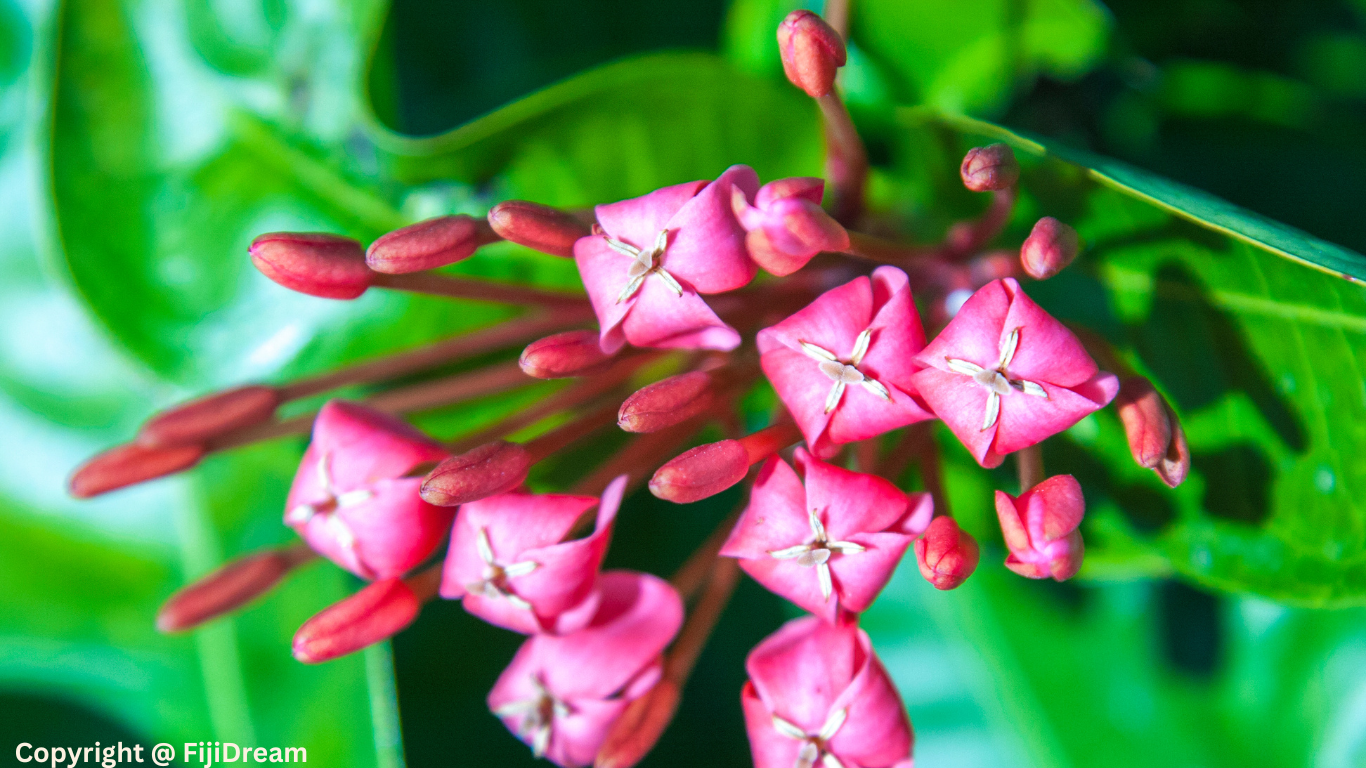
Ixora: Ixora is a famous fancy flower in Fiji that arrives in various varieties, including pink, orange, and red. It has little, thickly pressed sprouts that structure groups and are often utilized in courses of action.
Plumbago: Plumbago is a bush with fragile blue or white flowers that is regularly tracked down in Fiji’s nurseries and scenes. It is much of the time utilized as a ground cover or as a line plant.
Allamanda: Allamanda is a tropical plant that is known for its huge, trumpet-molded flowers. It arrives in a scope of varieties, including yellow and pink, and is much of the time utilized in elaborate showcases.
Gardenia: Gardenia is a fragrant flower that is much of the time utilized in scents and other magnificence items. It has enormous, white sprouts and is regularly filled in Fiji’s nurseries and scenes.
Jasmine: Jasmine is a fragrant flower that is normally tracked down in Fiji’s nurseries and scenes. It has little, sensitive flowers that are many times utilized in aromas and teas.
Adenium: Adenium is a delicious bush that is known for its strange, rounded flowers. It arrives in various varieties, including pink, red, and white, and is often utilized in elaborate showcases.
Bird of Heaven: Bird of heaven is a tropical flower usually tracked down in Fiji’s nurseries and scenes. It has huge, splendidly shaded sprouts that look like a bird in flight.
Carnation: Carnation is a well-known cut flower that is filled in flowers of Fiji. It arrives in various varieties, including pink, red, and white, and is often utilized in decorative layouts.
Lantana: Lantana is a bush with little, brilliant flowers frequently utilized as ground cover or a boundary plant. It arrives in a scope of varieties, including pink, orange, and yellow.
Snapdragon: Snapdragon is a well-known elaborate flowers that is normally tracked down in Fiji’s nurseries and scenes. It has splendidly shaded flowers of Fiji that look like a winged serpent’s mouth and is much of the time utilized in elaborate showcases.
Tiare: Tiare is a fragrant flower of Fiji that is often utilized in leis and other decorative designs in Fiji. It has huge, white flowers and is ordinarily filled with nurseries and scenes.
Bug Lily: Bug Lily is a bulbous lasting that produces sensitive, bug-like flowers that arrive in a scope of varieties, including pink, white, and red. It is many times utilized as a line plant or in compartments.
Passionflower: Passionflower is a plant with fascinating, mind-boggling sprouts that arrive in a scope of varieties, including purple, pink, and red. It is many times filled in Fiji’s nurseries and scenes.
Uses of Flowers of Fiji:
The flowers of Fiji have many purposes, both social and functional. For example, as referenced prior, hibiscus is utilized in conventional Fijian services. It is likewise utilized to create natural teas and beauty care products. Additionally, frangipani is utilized in scents, and the bark of the koka tree is utilized in developing conventional Fijian fabric.Benefits Flowers of Fiji:
Aside from their social and functional purposes, the flowers of Fiji enjoy various benefits. For example, they help to embellish the scene and establish an inviting climate. They likewise give environment and food to untamed life, including birds, honey bees, and butterflies. Also, flower development and offer can open financial doors to nearby networks. Numerous Fijians make money by developing and selling flowers in their own nurseries or nearby business sectors.Flowers of Fiji is a Tourists Attraction:
Flowers of Fiji are a well-known fascination for vacationers, particularly those keen on cultivation and planting. A large number of nurseries highlight a great many flowers, including both local and presented species. Guests can take directed visits, partake in studios, and buy plants and other nursery-related items. Notwithstanding the professional flowerbeds, Fiji’s many retreats and inns additionally highlight delightful gardens and scenes. A large number of these properties offer directed visits and studios on cultivating, as well as any open doors to buy flowers and plants. Travelers who visit Fiji during the yearly Hibiscus Celebration in August can encounter the lively social festival that encompasses the public flowers of Fiji. The celebration incorporates rivalries for the best hibiscus sprout, lei-production exhibitions, and other widespread developments. Investigating the flowers of Fiji is likewise an extraordinary way for travelers to find out about the nation’s vegetation and its significance to Fijian culture and economy. Large numbers of the nurseries offer informational materials and visits that make sense of the set of experiences and uses of various plants, as well as their job in Fijian traditions and customs.Conclusion:
The flowers of Fiji are delightful and have profound social importance and functional purposes. Investigating Fiji’s professional flowerbeds is a brilliant method for valuing the variety and lavishness of the nation’s vegetation. The flowers of Fiji are different and delightful, with a scope of varieties, shapes, and fragrances. From the well-known elaborate flowers, for example, frangipani and hibiscus, to the surprising sprouts of adenium and bird of heaven, Fiji’s vegetation is a pleasure to the faculties, from colorful tropical sprouts to sensitive orchids. Whether you are a flowers fan, a nursery worker, or just somebody who values regular magnificence, Fiji’s professional flowerbeds bring something to the table. Thus, plan a visit to these nurseries and experience the miracles of the flowers of Fiji for yourself.