Category: Real Estate

  • Looking for houses to buy in Fiji? Here are 6 things to know first

    Looking for houses to buy in Fiji? Here are 6 things to know first

    The water is transparent. The weather is warm year-round. The people here are friendly. For anyone considering houses to buy in Fiji, it’s simple to understand why someone might like to call that place home. However, purchasing real estate abroad differs from purchasing domestically. There are differences in the rules. The costs are not the same. The process takes time and requires attention to detail. Some overseas buyers learn this after they’ve already started. Before looking at properties or making plans, it helps to understand what’s actually involved. This article covers the key things to know when looking to buy house in Fiji. No sales pitch. No fluff. Just the practical information needed to make an informed decision.

    1. Can Foreigners buy property in Fiji, and What Foreigners Can Actually Buy

    Yes, they can. And Fiji isn’t like buying in Florida or Spain. The government has clear rules about what non-citizens can purchase, and they’re not trying to hide them. Generally speaking, you can purchase residential Fiji real estate, but only in certain neighborhoods that are reserved for foreign ownership. Consider the Coral Coast, Pacific Harbor, Denarau, and some of the projects around Suva and Nadi. The part that confuses people is that foreigners are usually required to construct on undeveloped land within two years of purchasing it. No sitting on it for a decade while values go up. The government wants development, not speculation. And “residential property” often refers to apartments, townhouses, or homes inside permitted developments. Standalone freehold homes outside these zones? Different story entirely. I remember talking to a couple from Sydney who’d fallen in love with a beachfront property near Rakiraki. Gorgeous spot. Turned out it wasn’t in a designated area, and they couldn’t buy it as foreigners. They were gutted, but better to learn that before signing anything, right? Understanding how foreign ownership in Fiji actually works saves you from falling for properties that simply aren’t available to you. This knowledge becomes essential when you start researching houses to buy in Fiji and narrow down your options.

    2. The Paperwork Is Real—Don’t Skip It

    Here’s where some overseas buyers get into trouble. Fiji has a proper legal system for property transactions. It works well when you follow it. You need three things without exception:
    • A local solicitor who specializes in property. Not your cousin’s friend who practices family law. Someone who handles property transactions daily and knows the pitfalls.
    • Exchange Control approval from the Reserve Bank of Fiji. This is mandatory for foreign buyers. Your solicitor applies for it, and it confirms your funds are legitimate and the purchase meets foreign investment rules. It takes time—factor that in.
    • A proper title search. There was someone who transferred money directly to a seller based on a handshake and a nice conversation. The seller turned out not to have a clear title. The buyer lost everything. Devastating, and completely avoidable with basic legal checks.
    Fiji property laws exist to protect everyone involved. Working with them, not around them, is how smart buyers operate.

    3. The Price Tag Is Just the Start

    When you buy property in Fiji, several additional costs appear along the way. Anyone looking at houses to buy in Fiji should budget for these expenses from the start. Budgeting for them upfront saves stress later. Stamp duty is the big one. It’s a government tax on property transfers, calculated as a percentage of the purchase price. Depending on the value, you’re looking at somewhere between three and five percent. On a $400,000 property, that’s $12,000–$20,000. Legal fees typically run one to two percent. Your solicitor should give you a clear quote early on. Registration fees for transferring the title are smaller, but still need to be paid. Then there’s the ongoing stuff:
    • Council rates (property taxes)
    • Body corporate fees if you’re in a complex
    • Insurance—absolutely necessary in cyclone territory
    • Maintenance, which runs higher in tropical climates than you might expect
    A friend bought a beautiful place near Sigatoka. Beautiful. What nobody mentioned was that the access road washed out every heavy rain, and maintaining it fell to the property owners, not the council. That surprise cost him thousands over the first few years. When calculating property investment in Fiji, add at least ten percent to your initial budget for acquisition costs. If the numbers still work after that, you’re in a good place.

    4. Location Isn’t Just About Views

    Fiji looks small on a map, but the differences between locations are huge. Different parts of Fiji offer different living experiences. Nadi sits near the international airport and has most services travelers need, though it feels more developed than other areas. Suva serves as the capital with urban amenities, government offices, and international schools for families. Denarau runs as a planned resort town with security, golf courses, and groomed gardens, but the prices are greater here. The Coral Coast spans along the southern coastline, complete with beaches and developed tourism infrastructure. Properties range from luxury to simple, but you’re further from major services. Pacific Harbour attracts the adventure crowd with nearby diving and rivers. Developing rapidly but still quieter. Beyond these, think practically:
    • Flood zones exist. Fiji gets rain, and low areas flood.
    • Cyclones happen. Building standards matter enormously.
    • Road access varies. That dream property might be an hour from the nearest town on a road that turns to mud in wet season.
    • Internet reliability differs wildly. If you work online, check this personally.

    5. Money Moves Differently Here

    Unless you’re paying cash from a suitcase (please don’t), financing your Fiji purchase requires planning. Local mortgages for foreigners exist, but look different from what you might expect. Banks typically want:
    • Bigger deposits—often 30–50 percent
    • Solid income proof
    • Credit history documentation
    • Reserve Bank approval
    Interest rates run higher than in places like Australia or the US. Loan terms may be shorter. Many buyers finance through banks in their home country or pay cash. If you’re transferring money internationally, currency exchange rates matter enormously. A small shift can add or subtract thousands from your purchase price. Use a currency specialist rather than standard bank transfers. They often give better rates and help with timing. Also critical: all funds must come through formal banking channels. Cash transactions are illegal and will kill your purchase dead.

    6. Think About the End at the Beginning

    This sounds morbid, but the smartest property buyers think about selling before they buy. Resale restrictions apply. As a foreigner, you generally can’t sell to another foreigner within the first few years without approvals. Your buyers are mostly Fijian citizens or foreigners who’ve done the approval process themselves—a smaller pool than open markets. Market liquidity is lower than in major cities. Fiji property doesn’t sell overnight. If you need quick cash, you might need to discount significantly. Rental yields vary. Tourism areas can generate good short-term rental income, but that requires management and carries seasonal ups and downs. Long-term rentals yield less but offer stability. Tropical maintenance never stops.

    So, Is It Worth It?

    If you are looking for houses to buy in Fiji as a place to disappear on long weekends, or eventually retire, or just know exists waiting for them, Fiji makes perfect sense. Other people are strictly looking at numbers. They want to know what the return will be, how fast values go up, and when they can cash out. For them, Fiji probably isn’t the right fit. Prices here don’t typically explode overnight. They tend to move at a steadier pace. You’ll likely protect your money. You might even make some. But this is not the place to get rich quickly. Buyers who fall somewhere in the center are typically the most satisfied. They run the numbers carefully. They make sure the deal makes sense financially. But they also genuinely want to be here. That combination tends to work out well.
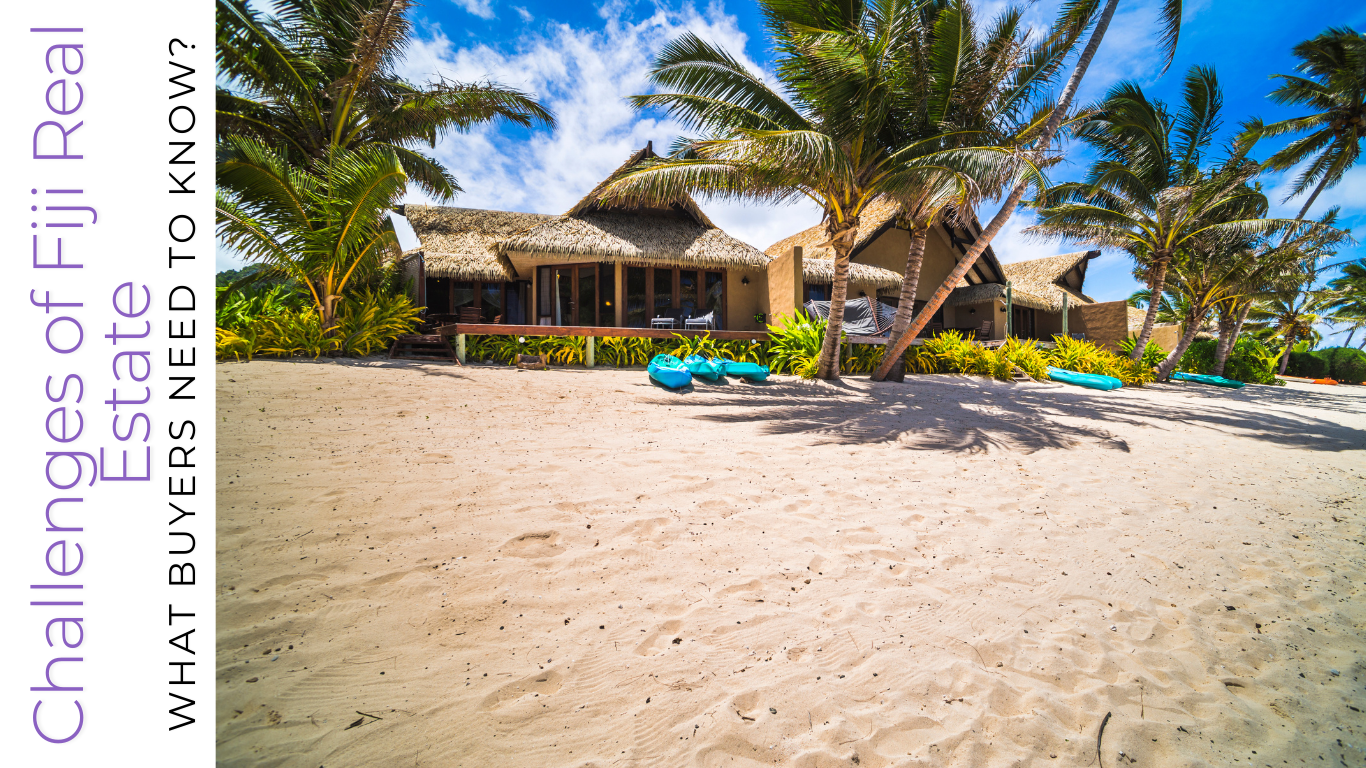
  • Challenges of Fiji Real Estate – What buyers need to know?

    Challenges of Fiji Real Estate – What buyers need to know?

    Fiji, a string of tropical islands is so much more than a dream holiday destination but also an appealing market for those looking to buy property in Fiji. But most of all it remains an appealing market for real estate buyers. Whether it’s an ocean-view house or a home on a secluded island, Fiji properties are sure to meet your needs. About Fiji real estate, the unique selling points include the natural beauty, the ability to offer a tropical lifestyle, and initializing its appeal towards the Fijian communities and other parts of the world. Nevertheless, whilst the market is full of opportunities it is also synonymous with risks. The Fiji real estate market has expanded over the years. People visit and invest in Fiji due to the natural beauty on offer. Some of these include the coastal land, the resort-like houses and the urban apartments. The real estate in Fiji usually attracts foreign buyers because it is relatively cheaper than other tropical locations. Moreover, it is very popular with tourists, so investing in rental or second homes there would be a good investment. Although the investment opportunity that Fiji Real Estate may seem like an investor’s dream, it has some challenges. Purchasers require a legal regime of ownership of land, rules and regulations that govern possessions by the government along with environmental legislation.

    Fiji’s Unique Land Ownership System

    Can foreigners buy property in Fiji? This is one of the most frequent queries posed by prospective investors. Although the answer is yes, there are some limitations and constraints. Foreigners can only buy Freehold Land, and even then, they need to follow the government’s approval process Every investor in the Fiji real estate needs to understand one key factor of the Fijian economy and that is the ownership of land. Fiji has three main types of land ownership: iTaukei Land: Indigenous Fijians possess this land, which accounts for about 90% of Fiji’s total land.  It cannot be sold, it can be hired for certain uses for instance for rental purposes. State Land: This is the land owned by the government and left for operational space to the people or personal agents for a specific duration for agricultural, commercial or residential use. Freehold Land: This is the only land type in Fiji that is available freehold to foreigners wishing to own a piece of the Pacific island nation. It is a small portion of the total area and is always considered prestigious and costs more to acquire.

    Government Policies Impacting Fiji Real Estate

    The Fijian government has established and implemented the laws and regulations that regulate Fiji’s real estate industry. To all Fijian property enthusiasts, it is critical to understand how these rules govern property acquisition and ownership.

    Prohibition of utilization of foreign-acquired property

    There is a ban on the acquisition of land by foreigners for example when purchasing a property foreign buyers can only own the building but not the land it sits on. Under current laws:
    • Foreigners running a business within the city or town, cannot own any land apart from Freehold Land.
    • Foreigners’ acquisition of rural land is restricted to certain areas and frequently needs the government’s consent.
    These restrictions were part of the measures aimed at protecting the rights to land in Australia together with preventing excessive construction of structures within cities.

    Leasing Regulations

    Since nearly all land in Fiji is leased and not sold in freehold, the government pays a keen interest in lease terms. For example:
    • The maximum lease term is normally 99 years.
    • Leases are subject to zoning ordinances which in simplest terms require the land to be used for its designated use such as agricultural, residential, or commercial use.
    The government make the necessary rules regarding lease agreements, while buyers should consult legal advisors to make sure their Lease Agreements comply.

    Taxes and Fees Applicable to Real Estate Business.

    Any buyer who wants to invest in Fiji property must also take into account taxes and fees that the government imposes. These include:
    • Stamp Duty: A property transfer charge which is the amount dependent on the size of the property.
    • Capital Gains Tax: Paid if one decides to sell a property at a profit.
    • Annual Land Lease Fees: Especially when it’s a leasehold land, where the payment depends on the agreement made between the leaseholder, and the owner of the piece of land.
    These costs are very important to be aware of when developing a budget for your real estate investments.

    Environmental and Building Code

    Planning control and strict measures should be put in place; the Fiji government frowns on unsustainable development. These laws must be observed in properties purchased as they regard the purchase and occupancy of property with special environmental status such as the coastal region. It can lead to fines or loss of property rights.

    Financing Challenges for Foreign Buyers

    Many banks in Fiji have specific rules and requirements for foreign investors, which can make the process tricky.

    Limited Loan Options for Foreign Buyers

    Foreign buyers often face difficulties when applying for property loans in Fiji. This is because:
    • Local banks prefer lending to Fijian citizens or permanent residents.
    • Foreign buyers may need to prove they have enough income or assets in Fiji.
    • Some banks may require a larger deposit, often up to 50% of the property price.
    If buyers cannot secure a loan locally, they may need to explore financing options in their home country.

    Currency Exchange and Its Impact

    When buying Fiji real estate, foreign buyers deal with currency exchange. Exchange rates can fluctuate, which might:
    • Increase the overall cost of purchasing a property.
    • Affect the repayment amount for loans in a foreign currency.

    Strict Compliance with Foreign Investment Laws

    Fiji has rules to control foreign investment in real estate. These laws may include:
    • Restrictions on the type of land foreigners can buy.
    • Approval from the Fiji Trade and Investment Board (FTIB) for certain purchases.

    Need for Upfront Payments

    This includes:
    • A large deposit, sometimes up to half of the property value.
    • Additional expenditures include legal fees, land registration, and taxes.
    Foreign purchasers must have their finances in order before beginning the acquisition process. Navigating Banking Relationships

    Navigating Banking Relationships

    Foreign buyers may need to open a local bank account in Fiji. This can help with managing payments, such as:
    • Depositing funds for the purchase.
    • Paying property-related taxes or utilities.

    Mitigating Risks as a Buyer in Fiji Real Estate

    Fiji can offer a stunning property-buying experience, but make sure to protect yourself from possible incidents. First of all, it is necessary to contact an experienced professional in the field of real estate law in Fiji. With them, you will find it easy to deal with the paperwork and avoid going against the law. Also, turning to the local agent who knows the area in and out is recommended. They can give information on the property’s physical state, market condition and societal norms. It is important to physically access the property to examine its location and accessibility as well as its physical environment; for instance floods. Although Fiji real estate offers a lot of potential, there are also hazards involved, so anybody considering investing in the sector should thoroughly research their options. Although investing in the stunning islands of Fiji carries certain risks, you may make a wise choice if you are aware of them and take steps to reduce the risk. Whether it’s contacting professionals, checking the legalities, or selecting the site, preparation always matters in making it a success.
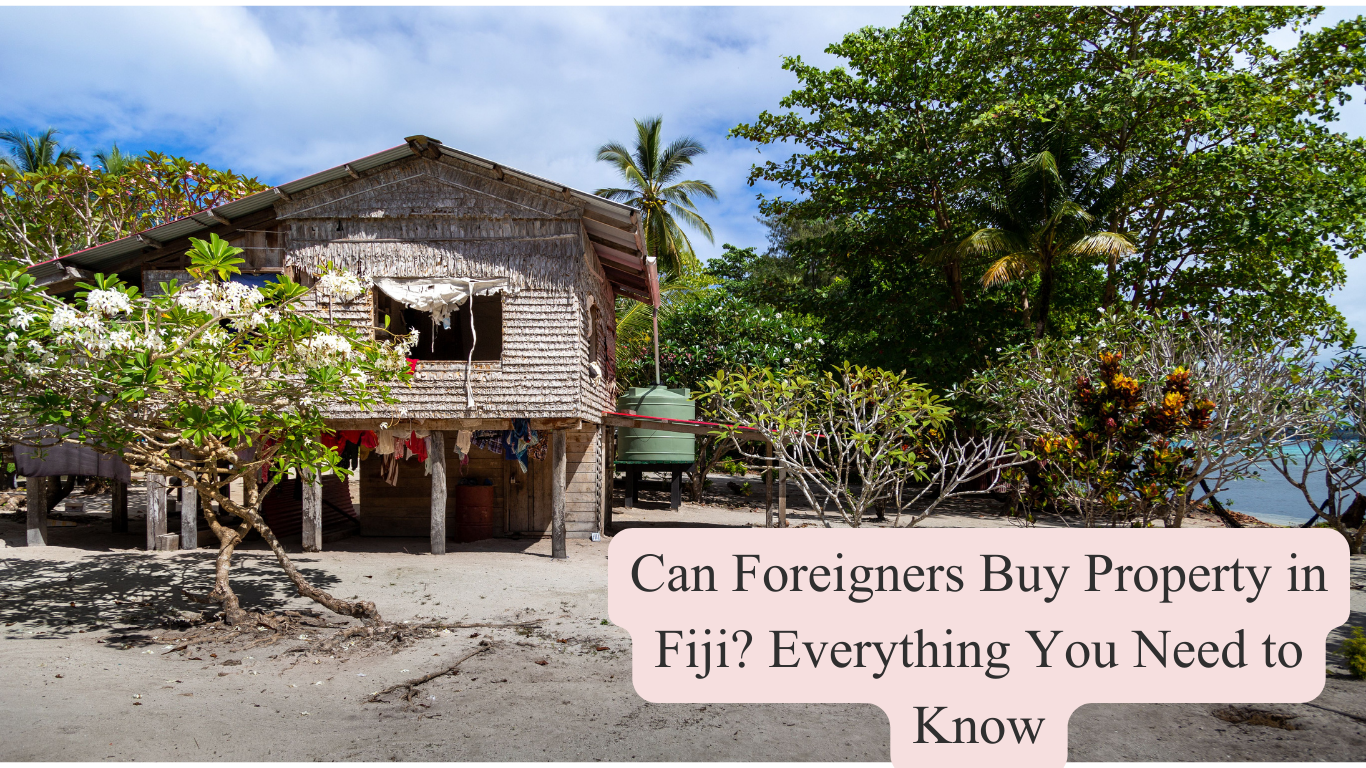
  • Can Foreigners Buy Property in Fiji? Everything You Need to Know

    Can Foreigners Buy Property in Fiji? Everything You Need to Know

    Are you among the people who have ever thought of possessing a slice of heaven? Fiji which has beautiful sandy beaches, lagoons, an ideal climate, and lovely people, is a spectacular destination that allures many. But the question is: can foreigners buy property in Fiji? Well, yes, they can. Fiji is indeed a popular place for investing in Real estate property; however, there are some things that one should know before investing in Fiji.

    Why Fiji?

    People know Fiji for its scenic views, its colour, and relaxed culture. Fiji receives many tourists on holidays and they fancy living in such a beautiful country. If you want a vacation home, for retirement or investment purposes, Fiji is a good place to look for property.

    Laws Affecting Properties

    Each country operates differently when it comes to property ownership and Acquisition legislation and policies. There is nothing wrong with that, but to make a good and safe investment one has to know these laws. Fiji is not an exception and that’s why, if you would like to invest in a piece of property there or sell land, it would be useful to have an understanding of the traps that may be hidden in property laws.

    Overview of Fiji’s Real Estate Market

    Market Trends

    It could be said that real estate in Fiji has shown increased growth in recent years and the question – can foreigners buy property in Fiji is becoming more than “Yes!”, it is becoming rather easy. As days go by, more and more people are beginning to find the charms and advantages of having houses on this warm island. An increase in vacation homes, investment, and retirement homes has created high demand thus elevating the value of some properties. Nonetheless, there are many affordable opportunities in Fiji still when compared with some of the other tropical islands.

    Popular Locations

    Several areas in Fiji may be considered preferable for foreign property purchasers. Here are a few: Nadi:Nadi is the largest town with the largest international airport where there are many tourist attractions and acts as a starting point to other Fijian islands. It provides housing to both, individuals and companies’ offices. Suva: The commerce point and culture of the city is rich and famous. It is perfect if only the bustle interests you. Denarau Island: A resort enclave of premium apartments and condominiums, golf courses, and a marina. It is stylish and suitable for those who desire to lead a comfortable lifestyle. The Coral Coast: It’s well known for its beautiful sand beaches and laid-back ambience. Ideally suited for homes that are rented seasonally or for holidays and environmentally sheltered homes. Savusavu: It has also been labelled as the “Hidden Paradise,” and holds some great beautiful locations which are not very crowded and could surely pave the way for many developments.

    Types of Properties Available

    Freehold Land: Such type of land is scarce, but highly demanded due to the full ownership that comes with it. One can purchase the freehold land and sell it also with no prohibition. Leasehold Land: Fiji has the majority of its land as leasehold implying that it is leased from the native Fijian landowners or the government. Continuing with the legal factors, lease terms refer to periods of 30 to 99 years, although leases can technically be renewed.

    Property Prices

    Fiji property costs can be fluctuating depending on the location of the property. Accommodation in Fiji particularly luxury villas and beachfront homes on Denarau Island or Coral Coast can be very costly. Properties in less developed areas and or smaller islands may be cheaper. In general, there are houses for everyone regardless of the buyer’s ability to pay hence making Fiji a good destination for many buyers.

    Investment Potential

    Indeed, investing in real estate could be wise. Its tourism sector is also expanding possibly offering opportunities for rental yields the best. So to answer the question, Can Foreigners Buy Property in Fiji? – it’s not only possible but it can be beneficial too as Fiji’s property market is also versatile, lovely, and evolving.

    Legal Framework for Foreign Property Ownership

    When answering the question which can be asked as ‘Can foreigners buy property in Fiji?’ there is a need to focus on legal aspects to some extent. Fiji has certain policies in the purchase which have to be adhered by the buyers from other countries. There are different classifications of land in Fiji and the land is classified into three main types: Freehold Land: The best option for foreign buyers. Freehold land is the type of land that can be purchased and sold without any limitations. After its acquisition, it completely belongs to you, and such is the case with buying courses. Leasehold Land: This kind of land is acquired from the native owners or from the government. Lease periods average from thirty to ninety-nine years. This category of land is seen as dominant in Fiji. Native Land: Belongs to the indigenous Fijian people and therefore cannot be sold.

    How can Foreigners buy property in Fiji? Understanding Foreign Property Ownership

    Yes, foreigners can buy property in Fiji but there are conditions to it.

    Restrictions for Foreign Buyers

    While foreigners can buy property in Fiji, there are some restrictions to be aware of: Size Restrictions: The freehold land that foreigners can own includes the ones that are under one Acre in area and do not require approval for purchase. With large plots, you will require clearance from the Ministry of Lands. Location Restrictions: Some regions are not available to foreign buyers sometimes the coastal and island regions are reserved for indigenous owners of land.

    Legal Requirements

    To buy property in Fiji, foreign buyers must follow specific legal requirements: Investment Registration: Anyone seeking to invest in Fiji must first of all, formally report the investment to the Fiji Trade and Investment Board – FTIB. This step is important for claiming your rights before the legal instance within the occasion if a disagreement arises. Legal Assistance: When in the territory of some country it is wiser to seek assistance from a local lawyer to deal with the legal issues. They can help with gathering information, making contracts, and checking all legal compliance fulfilment.

    Advantages of Investing in a Property in Fiji

    Owning property in Fiji comes with many benefits:
    • Tropical Paradise: Make a living in a very attractive environment that has features such as beautiful beaches, and favourable weather.
    • Investment Opportunity: As tourism is on the rise in Fiji so is property ownership a good investment. One can let out their property for a little extra cash to the tourist for instance.
    So can foreigners buy property in Fiji, the answer is obvious but the whole process of registration is governed by distinct norms and procedures; however, it is possible to go through the process without interference if a person possesses adequate knowledge and turns to an experienced lawyer for aid. Purchasing Fijian real estate property is an amazing chance for foreigners to have a great experience of the territory’s climate, people and traditions. It is vital to plan this particular investment comprehensively and on top of the legal systems of the country. If you wish to invest in the property and live in Fiji, there is nothing you cannot achieve if you have enough information concerning the process and service of lawyers and real estate agents.

  • Buy Property in Fiji – Affordable Paradise!

    Buy Property in Fiji – Affordable Paradise!

    Do you have a feeling of owning a little corner of the earth that can be considered close to nature? Pretend your alarm pops up with a delightful morning of the sea sound and palm trees slowly moving with the breezes. Buy property in Fiji as it can be your turning point if you look at this feeling as a reality.

    A strip of tropical island called Fiji located in the South Pacific Ocean is quite an inexpensive place to buy property in Fiji. One thing Fiji has that is not common in a lot of other places is that you can choose from a place of holiday home, investment property, or retirement home.

    Fiji is adored by many visitors and is a great investment opportunity because it allows residents from outside the country to buy land and houses. However, there are some sorts of limitations also, but non-residents can buy freehold lands. On the other side, native people are also provided with a good number of choices.

    Whether you’re searching for a property in Pacific Harbour or in Savusavu, in Rakiraki or even on Taveuni Island, Fiji has a wide selection of sites to match different tastes. Fiji is a place to go if it is all about adult sports as well as numerous water motels and tranquil lagoons or just about a nice place to go and enjoy the warm sunrise of the sea.

    Benefits to Buy Property in Fiji

    Considering being an owner of real estate in Fiji, here are some fantastic benefits you can enjoy:

    1. Affordable Paradise: Fiji provides a wide range of a property that suits almost everyone; therefore, one can easily own a piece of land in a tropical paradise at an accessible price.
    2. Remote Work Opportunity: Fiji has been emerging as a global virtual workplace hub because of an increase in remote employment. Picture yourself being productive from a paradise in a tropical place that has breathtaking views.
    3. Diverse Locations: Whether you are after a freckled sunspot on the beach with a palm tree silhouette or a secluded spot with vibes of nature, Fiji has diverse locations to meet everyone’s choice.
    4. Openness to Non-Residents: Fijian law permits even non-residents to lease land and properties thus giving financial interests from outside the country to invest in this extraordinary island country.
    5. Peaceful Environment: Fiji’s tranquil setting, the hospitality nature of its people, and low crime rate provide comfort to the residents of the place, thereby making the living there very peaceful.
    6. Legal Process: The legal procedure to buy property in Fiji country for non-residents is a very easy process. There are instructions, especially for the resident and non-resident people, that can make the process of transaction easy.
    7. Financial Options: In Fiji, buyers have access to finance dealings provided by the banks for property purchases, so, it becomes easier for them to invest in their homes.
    8. Potential for Investment: Unquestionably, investing in Real Estate in Fiji is an awesome decision, especially in areas that are tourism-oriented like Pacific Harbor, Savusavu, and Taveuni Island.
    9. Quality of Life: First, owning property in Fiji enables you to live in luxury and possess the best natural scenery and relaxed island vibes.
    10. Community and Culture: Fiji is a special place to put your roots down; the amazing cultural diversity along with the pleasurable lifestyle is the reason why you feel at home instantaneously.

    Generally, when people say, ‘buying property in Fiji’, they mean that you are letting yourself into a magnificent realm of possibilities for people and families that want to be owners of a piece of paradise.

    Types of Properties in Fiji

    To buy a property in Fiji, one has different kinds of choices for a property like in housing or commercial property.

    Here’s a look at some common types:

    • Beachfront Villas: These rooms are ultra-luxurious ones that are literally on the beach, and with such proximity to the ocean, no words can describe how breathtaking they actually are.
    • Resort-style Homes: In Fiji, you can find resort-style properties for sale and have easy access to the trappings such as pools, spas, and restaurants.
    • Island Retreats: If you want a getaway from all the noise and want to settle down in a place surrounded by nature, retirement properties designed to look like islands in Fiji offer sanctuaries from it all.
    • Urban Apartments: Modern apartments that can adorn your day-to-day life in urban areas like Suva and Nadi provide city living at the same time with amenities designed for your convenience.
    • Rural Homes: If peace is what you are looking for rural farmland in Fiji’s countryside that provides wide properties with spectacular views might be the answer.
    • Investment Properties: Fiji has lots of real estate purposes that are appropriate for investment purposes like renting homes or commercial properties in the hands of tourists.
    • Freehold Land: Non-residents in Fiji can also purchase land on a freehold basis. Such an arrangement will thus allow them the freedom to plan and build their dream home, as per their liking.
    • Strata Title Properties: This is a property example of apartments where you own a unit in a building that has more separate units, desired by those who look for an easy lifestyle.

    Each property type in Fiji has its own merits, so if you would like to live there, you should review these merits to be sure that you select the best type of property for you.

    Be it the seaside outlook or the peace of a private country residence you are looking for, to buy property in Fiji, Fiji has real options to appeal to every taste.

    Popular Locations for Buying Property in Fiji

    Here are some of the top spots to consider:

    Denarau Island

    Two main factors point to Denarau Island as the best location for property buyers. Firstly, the rising luxurious hotels and white fine sandy beaches are renowned in this place. It provides such a wide range of facilities, be it a villa or a flat, with blue azure pools and sea access.

    Pacific Harbour

    Investors who are looking for an adrenaline rush as well as a mellow moment should consider looking into Pacific Harbour. What you’ll get here, aside from access to rainforests, lagoons, and fun parks, are close surrounding sites perfect for adventurous people.

    Savusavu

    Sitting on the northern part of the main island, Savusavu a tourism potential area-is becoming one of the most visited places. It is amazing because it offers tropical waterfalls, pristine beaches, as well as islands that hardly are far away, making it a good investment.

    Rakiraki

    Along with the other northern charms, Rakiraki is a secluded one as it has very good deals of beaches and a very relaxing ambience. It has both a quiet and natural garden inside and it is suitable for people who are looking for peace.

    Taveuni Island

    If you are looking for a real ‘once in a lifetime’ experience, then purchase property on Taveuni Island which is also called ‘the Garden of Fiji.’ This island has a lot of amazing flora and wildlife. The place is also comparatively peaceful.

    These places are the best representatives of different types of the Fijian property market because they are suitable for different clients and have particular investment strategies. If you are after a new residence for a luxurious lifestyle, some adrenaline rush, or a beautiful quiet place to live in the capital of Fiji, we have something for everyone.

    Understanding the Cost of Properties in Fiji

    Likely, one of the first things you will think about as you consider your investment in real estate or to buy property in Fiji is the cost you will have to pay.

    Contrary to other countries it can be quite costly to have a property Fiji is comparatively cheaper. The collection of houses offered here is diverse enough to satisfy a wide range of financial possibilities, involving inexpensive houses as well as mansion complexes.

    The various reasons that determine the cost of properties in Fiji include:

    1. The location has an influential part in the prices with the beach properties being more valued than the in-land properties.
    2. Size, availability of amenities, and the quality of the landlord overall are the factors that largely impact the price.

    Fiji can be cheap but can also be as expensive as FJD$1,000,000. It all depends on your budget, also the prices can vary because of the different reasons mentioned earlier.

    Next to property price, consumers should take into account those costs which include legal fees, stamp duty and the taxes on properties building, among others. This will entail different cost concerns thus this should be included in your budget.

    The Reserve Bank of Fiji guarantees not more than a given amount for a housing loan, thus making housing affordable to buyers. A lot of commercial banks are into helping their clients with cross-border funds transfers and opening afresh notes.

    When knowing the cost structures of the land in Fiji you shall be able to take decisive and astute decisions by which you can find a property that suits your demands and your pocket.