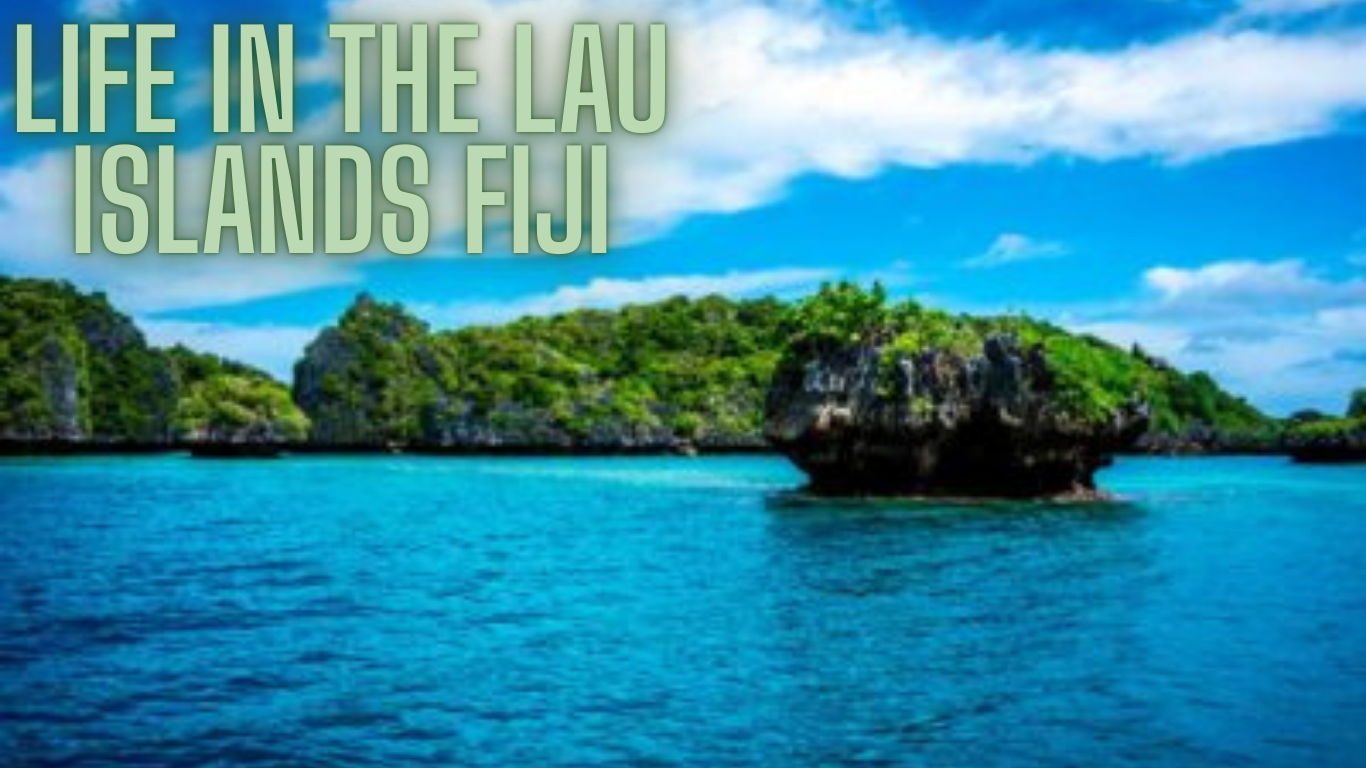
Do you know the Lau Islands Fiji? Don’t worry if you don’t, as the vast majority of people who visit Fiji never go that far. These islands are sedately located right at the edge of the map, far away from the hectic resorts, and that is what makes them so captivating.
Imagine women stitching mats in the shadow of breadfruit trees, and evenings where the entire village gathers at the meeting just to chat and laugh. Here, life operates on their schedule, no haste, no traffic, no constant notifications.
If you have ever wanted to know what it is like to enter a dimension where time never really seems to pass and each day is like being in a tale of fiction, then the Lau Islands, Fiji, may be the perfect example of what you are looking for.
Where Are the Lau Islands Fiji, and Why So Few Go There?
Suppose if Fiji were a large party, the
Lau Islands would be the secretive bunch sitting on the balcony — still in the scene, but not in the crowds. They are perched on the extreme eastern tip of Fiji, scattered across the Pacific like someone threw in some green jewels into the ocean.
The majority of tourists arriving in Fiji land at Nadi and visit the resorts, possibly making a stop in the Yasawas or Mamanucas, and consider it a journey. The Lau Islands, Fiji? They are another case. One normally has to use a small aeroplane or a long boat ride to reach them.
The reason relatively few tourists ever visit the place is that there are no large cruise liners, no garish hotels, no rows of souvenir shops. Unaffected villages, lagoons, and a
Fijian lifestyle that has not been commercialised for holidaymakers await instead.
Everyday Life in the Lau Islands, Fiji
The Lau Islands Fiji, do not operate on schedules of alarm clocks or traffic lights; instead, they follow the ocean and the sun. By the time the sun is out, fishermen are already in their boats, pulling in that day’s catch.
People in the city check their phones even before brushing their teeth, but in the Lau Islands, this is not the case. It is not all about completing a to-do list; it is about doing whatever the day allows. If it’s a nice day to fish, they fish. If rain clouds roll in, perhaps it is time to make mats, repair the boat, or gather with neighbours for stories.
The best times are in the evenings, of course. People in Lau don’t just sit still in their rooms doomscrolling. Rather, they go out, sit in circles telling tales, and giggles can be heard drifting across the lagoon. It is the kind of rhythm that makes you think, “Ah, this is what community is like.”
Kava and Everyday Traditions
One more tradition that brings everyone together is Kava. It is not a
strong drink but more like a calming tea made from a root, but how it is shared is what matters. Men and women can talk, laugh, pass a coconut shell around, sit in a circle, or occasionally sit silently.
Life there is rich and satisfying because of some everyday customs, such as making mats out of pandanus leaves, singing together at church, or donning tapa cloth for special occasions.
Culture Blended Between Fiji and Tonga
One of the most interesting things about the Lau Islands Fiji, is that they sit between two worlds — Fiji and Tonga — and you can feel both influences in everyday life. You will notice it in their language, where Fijian words are mixed with Tongan terms. You will see it in ceremonies, where people may wear Tongan-style mats around their waist, or in homes that have slightly different shapes compared to the other parts of Fiji. Even the food carries hints of Tonga, naturally woven into island cooking.
What’s cool is that this blend isn’t forced. It isn’t “half this, half that.” It’s simply the way life has naturally combined both influences over time.
Nature Is Part of Everyday Life in the Lau Islands Fiji
In the Lau Islands, Fiji, nature isn’t something you go out to see — it’s the stage where daily life happens. The reef isn’t just pretty scenery for snorkeling trips; it’s the supermarket.
Think about the city, where we check Google Maps for traffic before leaving home. In Lau, people check the tide. When the sea is calm, it’s a green light to fish, travel, or visit another island. If the waves are rough, plans can wait. It’s a rhythm that makes sense — almost like letting the world guide the day instead of your calendar app.
This closeness to nature also shapes how people live together. Children learn to swim before they can properly run, families gather under breadfruit trees for meals, and sunsets become a natural time to pause and watch the sky shift from gold to pink. Life feels simple, yet rich, when nature is part of everyday.
And then there’s the sense of community. In cities, neighbors might live side by side for years without speaking. At Lau, when you are a first-timer, you are likely to be given a plate of food even before you have unpacked.
It’s hard to explain, but once you experience it, you get it: the Lau Islands, Fiji, remind you that life can be lived slower, warmer, and far more connected.
Visiting — or even just learning about — the Lau Islands, Fiji, shows that life doesn’t always need to run on fast mode. Out there, the sea determines the days, food is shared, and the community is a part of everything. A down-to-earth beat.
You do not have to jump on the next plane to get a taste of that spirit. Perhaps, it is a few minutes to go out without the phone or a meal to share with someone, or simply going with the flow of the day without excessive planning. The Lau Islands, Fiji, show us that life can be full without being busy — and honestly, that’s a lesson worth carrying with us anywhere.
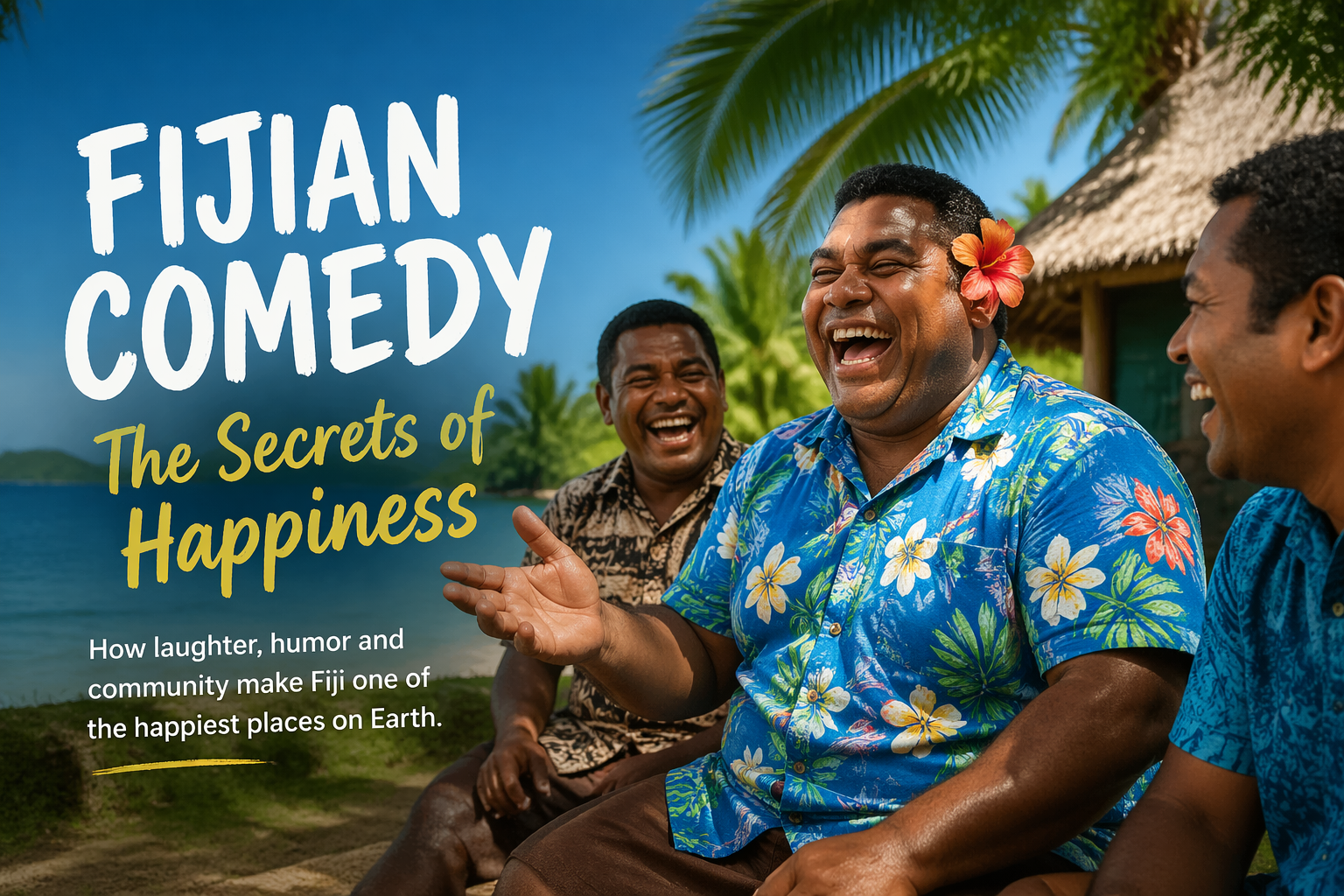
 But the island lifestyle in places like Fiji offers a different rhythm. Not because the internet doesn’t exist or because people are somehow purer. That’s not it. It’s because the culture still values the pause. The slow unraveling of a story. The laughter that isn’t rushed.
What we might have forgotten is that happiness doesn’t always need a reason. Doesn’t need to be earned. Doesn’t need something big to happen first. Just shows up in a joke that’s barely even funny, shared with people you hardly know. That’s allowed.
But the island lifestyle in places like Fiji offers a different rhythm. Not because the internet doesn’t exist or because people are somehow purer. That’s not it. It’s because the culture still values the pause. The slow unraveling of a story. The laughter that isn’t rushed.
What we might have forgotten is that happiness doesn’t always need a reason. Doesn’t need to be earned. Doesn’t need something big to happen first. Just shows up in a joke that’s barely even funny, shared with people you hardly know. That’s allowed.