Category: Fijian Community

  • Island Festivals in Fiji 2026: Which Ones Should You Not Miss?

    Island Festivals in Fiji 2026: Which Ones Should You Not Miss?

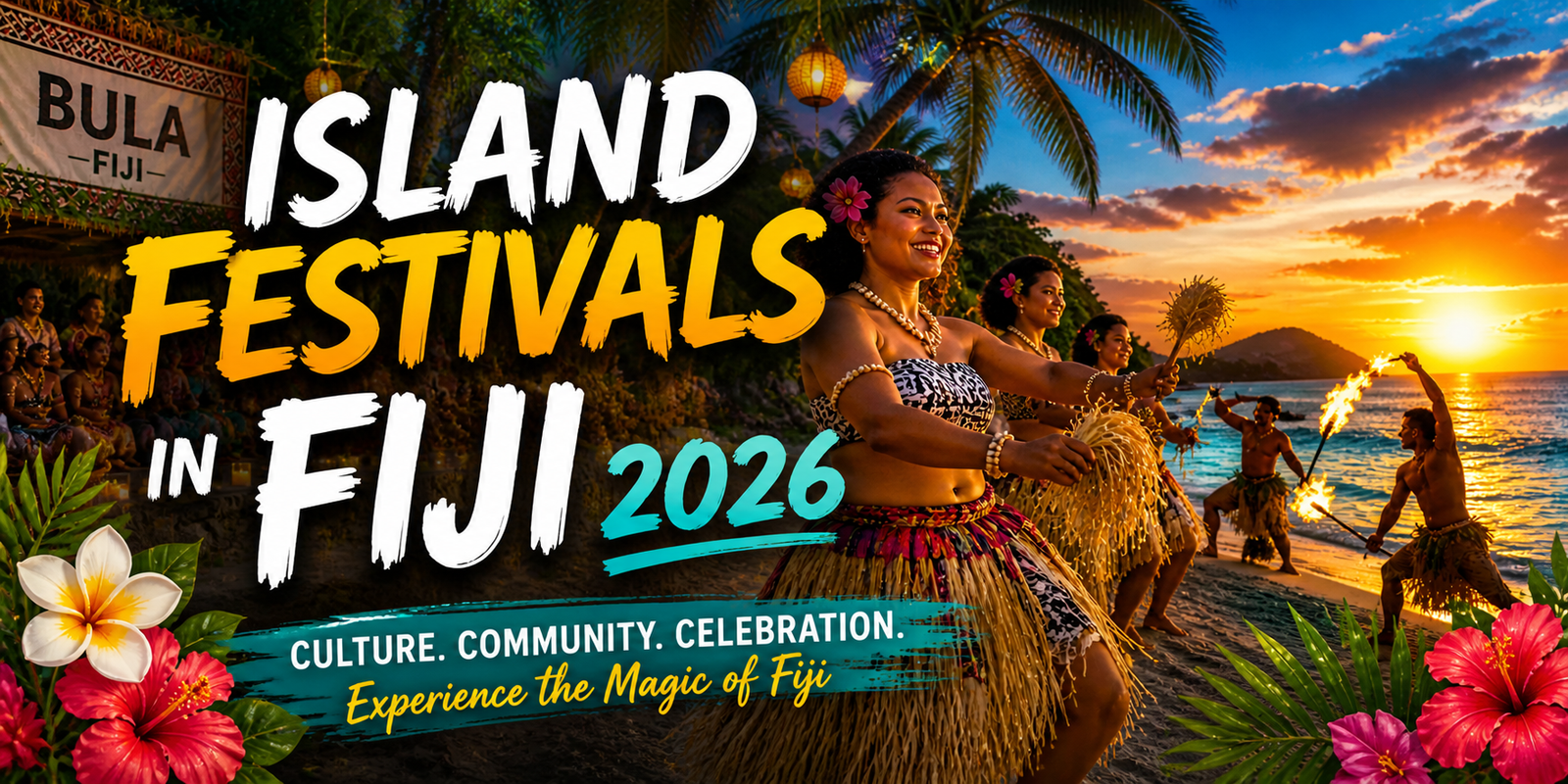
    So maybe you’re already mapping out a 2026 trip. Snorkeling spots. Resort sunsets. All fine. But timing your visit around one of the island festivals in Fiji 2026 could change your trip entirely. Not because festivals are more important than lagoons. But because they show you a side of Fiji that doesn’t appear on postcards. So let me walk you through a few celebrations worth knowing about. Not as a checklist. More like someone describing meals they’ve eaten or evenings they still remember.

    Hibiscus Festival – Suva’s Heartbeat

    The Hibiscus Festival is in Suva. Usually around August. You go for one thing and somehow end up staying for six hours. Or the whole day. Locals will tell you it’s the biggest party around. But that word “party” kind of misses the point. Let me try explaining. You’ve got carnival rides right next to food stalls selling Kokoda. Families everywhere. Teenagers laughing too loudly. Grandparents just sitting on benches, watching. It’s festive, sure. But there’s something else underneath that. The Hibiscus Queen competition draws real community attention. Schools prepare for months. You’ll hear choir performances that stop conversations mid-sentence. What makes this festival special isn’t just its size. It’s how unguarded everyone feels. Strangers offer you cassava chips. Kids run past with cotton candy faces. Forget being a tourist. It just feels like you showed up somewhere good at exactly the right time. If you’re someone who likes energy but not chaos, this one works. August is dry season, too, so the weather cooperates.

    Bula Festival – Nadi’s Welcoming Spirit

    The Bula Festival runs in Nadi, usually in July. And if Suva’s festival feels like a city letting loose, this one feels like a town opening its front door. The name comes from the word you’ll hear a hundred times a day in FijiBula. It means life, health, hello. You’ll figure out real fast why that word matters here. Parades. Music. And yeah, a ton of food. But the real highlight? The friendliness. Vendors remember your face if you come back twice. Someone will explain the difference between the lovo cooking methods whether you ask or not. The Bula Festival started decades ago to celebrate sugarcane season, but today it’s more about togetherness. You won’t find polished performances for tourists here. You’ll find local school bands, church group dances, and a general sense that everyone belongs. Smaller than Suva but not dead. Good balance. And July is cooler — you’ll want that after a few hours of outdoor markets.

    South Indian Fire Walking Festival – Something Different

    Not all festivals in Fiji look like parades and music. Some look like faith. Fire Walking Festival. October or November usually. At that temple in Nadi — Sri Siva Subramaniya. Tamil tradition. People spend weeks getting ready. Praying. Fasting. Not something you just show up for. On the day itself, they walk barefoot across hot coals. And here’s the thing—you don’t have to understand the theology to feel the weight of it. The atmosphere is intense but quiet. No cheering. No announcements. Just drumming, incense, and people watching with held breath. When someone walks across and comes out unharmed, the crowd exhales together. For visitors, this festival asks more of you than others. Not made for entertainment. But go quiet. No flash photos. Just watch. You’ll remember it. This is why travel matters — not the beaches, stuff like this. Not for the spectacle. For the glimpse into what people hold sacred.

    Fiji Day. October 10th.

    National holiday. Mark’s independence back in 1970. What’s different about this one? It’s not like you go to one spot for this. It’s just happening all over. Come October 10th, things pop up. Cities have stuff. Villages too. Even little resorts will throw something together. Flag-raising first thing in the morning. Speeches from community leaders. And by afternoon, it turns into a kind of relaxed, potluck-style gathering. Music. Lovo feasts. Volleyball matches that start friendly and somehow get competitive. What I love about Fiji Day is how unpolished it feels. Nobody’s performing for a camera. People just… celebrate on their own terms. You might be invited to a village event if you’re staying nearby. Or honestly? Just grab a bench. Watch families fly kites and pass around takeout containers. Not a bad way to spend an afternoon. And October’s lovely anyway if you can move your dates around. Less rain. And it’s quieter after the summer holiday rush. Adding Fiji Day just gives the trip a quiet anchor.

    Local Island Festivals – The Ones Without Websites

    This is where things get interesting. Because the best island festivals in Fiji 2026 might not be listed anywhere. On smaller islands like Beqa, Ovalau, or Taveuni, villages hold their own celebrations. Sometimes it’s for a church anniversary. Sometimes a chief’s birthday. Sometimes it’s just because the taro harvest went well. These aren’t advertised. Met a traveler once. She ended up at a beach dance on Koro Island. Her homestay host mentioned a “small get-together” that afternoon. Casual like. It turned into singing under the stars. Fish wrapped in leaves. She still calls it one of her best travel memories ever. That’s the thing about the island festivals in Fiji 2026. The big ones are wonderful. But the small, accidental ones? Those stay with you longest.

    What Makes Festivals in Fiji Feel Different

    I’ve been to festivals in other places where everything feels scheduled. There’s a map. A wristband. A sense that fun has been optimized. Fiji doesn’t work that way. Here, a festival might start an hour late because someone’s grandmother wanted to say a prayer first. The band might take a break that lasts forty minutes. The food stall you wanted might close early because they ran out, and the owner shrugs with a smile and says, “Next time.” This isn’t inefficiency. Its presence. And visitors are welcomed genuinely. Not as wallets. As witnesses. As new faces who might clap along even if they don’t know the words.

    Finding Your Festival

    Love noise and crowds and energy? Hibiscus in August. Bula in July. Want chill but still something special? Fiji Day. October 10th. You don’t even have to change your trip much. Just be aware of the date and see what happens locally. If you’re drawn to spiritual experiences and don’t mind adjusting your plans around lunar calendars, the Fire Walking Festival is extraordinary. But check the exact dates closer to 2026. They shift. And if you have flexibility—the best kind of travel privilege—plan for two weeks and leave three days open. Stay on a smaller island. Ask locals if anything is coming up. That openness is how you stumble into magic.

    Just a few practical things.

    Exact dates for 2026 events? You probably won’t see those until late 2025. Hibiscus and Bula tend to be consistent. But the religious festivals? Moon phases. So they shift. Non-refundable flights for one parade? You know the risk. Also, dress respectfully. At temples or village ceremonies, covering the shoulders and knees is a good rule. At the big street parties, no one minds shorts and sandals. But when in doubt, look around and follow what locals do. And bring small change. Festival stalls often don’t have card machines. Cash is still king. You could visit Fiji and never attend a single festival. You could swim, eat well, watch sunsets, and leave happy. That’s a good trip. But the trips that stay with you usually involve other people. A stranger teaching you a dance step. A grandmother handing you a mango off her own plate. A moment where you stop thinking about your itinerary and just exist in someone else’s celebration. That’s what island festivals in Fiji 2026 offer. Not just dates on a calendar. Just a chance to be welcomed. Briefly. Honestly. Into a place that knows how to bring people together. Sometimes it’s not the views you remember. It’s the shared moments. And those don’t fade like tan lines.
  • How traditional Fijian Villages are adapting to modern challenges and tourism

    How traditional Fijian Villages are adapting to modern challenges and tourism

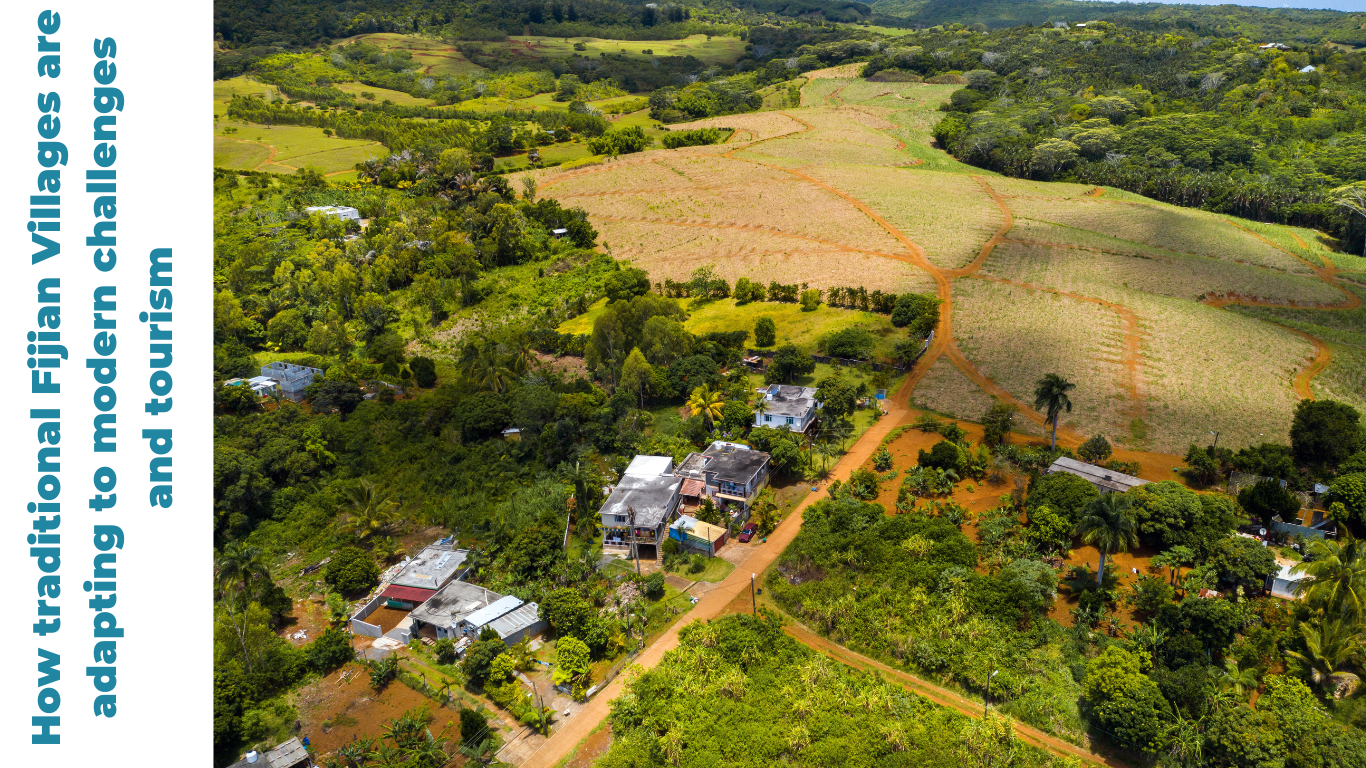
    Traditional Fijian villages’ culture, traditions, and way of life have been handed down through the years, making them distinctive communities. The communities’ rich historical origins illustrate Fijians’ strong attachment to their motherland. Every village comprises people who live in intimate harmony with nature, honor long-standing traditions, and collaborate for the good of the community. Traditional Fijian villages have been around for decades, but their environment is fast changing. As modern influences like technology, tourism, and globalization begin to touch the shores of Fiji, these villages face new challenges. Many have to find ways to adapt without losing the values and practices that have kept their culture alive for generations. It is crucial to comprehend how traditional Fijian communities are adjusting to contemporary issues since it enables us to recognize the harmony between conserving culture and welcoming change. Examining these communities’ development in detail can teach us important lessons about sustainability, resilience, and the value of preserving deep cultural ties in a world that is changing quickly.

    Historical Context – The Roots of Traditional Fijian Villages

    There are several centuries of history behind the Fijian village style. When the first Fijian settlers came from Southeast Asia and other Pacific islands, several communities were established. They seem to have their customs, dialects, and ways of living throughout time. To ensure the communities’ administration and sustainability, the villages were built using community endowment techniques.

    Turaga

    Every traditional Fijian community has a well-functioning social structure headed by the “Turaga,” or chief. The Turaga’s duties include acting as representatives of the communities in question in their interactions with other communities and organizations and making choices that benefit the community. Apart from the chief, there were other positions including elders, warriors, and laborers who had specific duties to effectively support the village’s everyday operations.

    Bure

    The Bure, also called the meeting house, served as a focal point for feasts and celebrations in some of the settlements that were positioned in the middle. The Bure was significant not just because it was a structure with flawless architectural solutions but also because it represented the strength of community and the unification of all people. Places for communal usage, yards and property parcels, and family dwellings were scattered across the Bure.

    The society’s customs and culture

    Conventional residential zones in Fiji are structured in a pattern that restricts people from living in harmony with the land and the environment. Their sole activities were fishing in the nearby waters and the simple cultivation of food crops such as taro, cassava, and yam. These are the ways that the Fijians have learned to be respectful of their surroundings; they were not only survival actions.

    Living in Balance with Nature

    For many generations, the Indigenous Fijian communities lived in harmony with the environment and built a sustainable community. The locals made prudent use of all available resources wherever possible. These people never overfished or ruined their surroundings, and they had a better understanding of the time and space of the land and water.

    Modern Challenges Facing Traditional Fijian Villages

    Tourism

    Tourism is the most significant change to the traditional Fijian village environment in the modern world. On the one hand, tourism has led to the emergence of new revenue-generating and activity-development options. Nowadays, a lot of communities can welcome visitors who want to experience the Fijian way of life, traditions, and natural beauty of the Fijian Islands.

    Tourism’s Impact on Traditional Fijian Villages

    Many traditional Fijian communities or towns now rely heavily on tourism as a source of income. The nation boasts magnificent landscapes, unique cultures, and kind people. Fijians warmly welcome all tourists. As a result, they have begun to welcome visitors into their homes and have made their businesses more accessible to tourists. They now provide cultural workshops, dances, and rituals in their hamlet. These tourists generate monetary benefits for these communities. The majority of residents in the villages rely on tourism to support their families and improve their standard of living. Tourism creates job possibilities in businesses such as hospitality, transportation, and crafts, all of which contribute to economic growth. Young school leavers and women, for example, will be able to generate an income by producing handcrafted things or organizing cultural trail trips that they would not otherwise be able to access.

    Culture and Tourism

    While tourism has created new possibilities, traditional Fijian communities’ perceptions of their culture have shifted. On this front, tourist rules have resulted in the preservation of customs established by early communities. Many visitors come to Fiji to enjoy the landscape as well as to learn about their culture. Fijians so maintain their culture, traditions, and arts by dancing, singing, and displaying their unique artifacts. Tourists, for example, can participate in a welcome dance celebration known as sevusevu or observe the creation of tapa textiles and ceramics. It has established a means for Fijians to be proud of their culture and share it with others. It also helps to ensure that the children of these cultural carriers continue to practice and promote such activities by giving them a place in the tourism realm.

    Challenges in managing community, tradition, and tourism

    Although tourism provides benefits such as cultural preservation, it also presents obstacles. That is the core of culture: the razor-thin and volatile border between tourism and changing the face of culture for profit. It is possible that some communities learned to adapt their customs to meet the demands of tourists. For example, they may adapt some ethnic dance, chanting, or rituals to make them seem more fun or understandable to outsiders. This can occasionally result in commercialization when the original methods are somewhat altered to satisfy the tourism business. For example, some communities may have a weak version of their traditions that appear to be quite realistic, but they are not. Many people are concerned about preserving the traditional Fijian village in its original form.

    Sustainable Tourism – A Path Forward

    With the increased emphasis on tourism, traditional Fijian communities must adapt to sustainable tourism. Sustainable tourism is developed from the concept of protecting the environment while maximizing the advantages of tourism to the community and cultural endeavors. Villages with eco-tourism activities can promote responsible tourism and deliver good accounts to both tourists and inhabitants. For example, certain Fijian communities collaborate with various firms that promote environmental protection by providing eco-tourism services. As a result, by encouraging a general respect for the environment and culture, losers in the tourist equation might mitigate its damage while enjoying the advantages. Sustainable tourism must also help to prevent over-tourism, which is a limiting factor that puts a burden on inhabitants’ resources and the availability of facilities in the community. Though it offers the benefits of stimulating the economy, being cost-effective in development, and conserving cultures, it also has drawbacks. Stakeholders cannot enable the tourist business to disregard cultures and traditions while also failing to comply with industry diktats. This business’s sustainable tourism can help traditional Fijian communities remain viable in today’s globe.

    Population Growth and Disappearing Abilities

    The foundations of knowledge and practice may be lost as younger Fijians get increasingly involved in metropolitan areas, tourism, and leisure activities. In a more restricted sense, education was also oral; for instance, the elders of a Fijian community would impart their knowledge of essential cultural traditions, where to fish, and how to develop land. Unfortunately, such knowledge is lost in today’s society as individuals embrace increasingly civilized practices. Because there are more employment and educational options in cities, young people today want to reside there. Although it has some good effects, the traditional sciences that were important to the lives of the peasants for ages finally faded from people’s hearts and thoughts.

    Environmental and Climate Change Barriers

    Native cultures in Fiji have long coexisted peacefully with the environment, but they are in grave danger due to the present climate shifts. Increased sea levels, more frequent storms, and altered weather patterns are just a few of the repercussions of global climate change that are evident in Fiji’s ecosystem. Because cyclones destroy crops, landslides harm populations living close to mountains, and floods and storms wash away homes and farms in coastal settlements, livelihoods are in jeopardy. The primary challenge facing Fiji’s traditional communities today is their transition to assimilation into modern economic structures. While some communities have made tourism their main source of income, others are still trying to figure out how to maintain their traditional ways while still meeting the demands of a new economy. For example, even though many communities now rely on agriculture to satisfy their requirements and provide a source of revenue, production from large-scale farming using sophisticated processes threatens them. The traditional Fijian community suffers several economic difficulties since it lacks resources and a market. They find it difficult to understand that their demands for progress—such as improved roads, healthcare, and education—may occasionally clash with the preservation of the cultural significance of customs. Additionally, they use it to interpret that when the economy changes, the villages are no longer able to be as self-sufficient as they once were.

    Adaptations for Challenges in Traditional Fijian Villages

    Population Growth and Disappearing Abilities

    1. Reviving Traditional Knowledge:

    • Create structured programs where elders document and pass down their knowledge of traditional practices, such as fishing techniques, land development, and cultural customs, to younger generations.
    • Utilize digital platforms and archives to preserve oral traditions and make them accessible for educational purposes in both rural and urban areas.
    1. Integrating Traditional Knowledge in Education:

    • Introduce community-based education systems that blend traditional skills with formal schooling. For example, young villagers could spend time learning traditional agriculture or crafts alongside conventional subjects.
    • To keep younger generations linked to their past, work with neighborhood non-governmental organizations to integrate cultural heritage into school curricula.
    1. The Promotion of Reverse Migration Improving Village Living:

    • Make villages more attractive by fixing roads, improving houses, and adding things like clean water, electricity, and better schools.
    • Create local jobs so people can work and live in their hometowns instead of moving to cities.
    1. Involving Young Professionals:

    • Encourage young people to help their communities by working on projects like eco-friendly tourism or farming that are good for the environment.
    1. Encouraging Community Youth Leadership:

    • Establish youth councils to involve younger generations in decision-making processes for village development, ensuring a balance between tradition and modernization.

    Environmental and Climate Change Barriers

    1. Climate-Resilient Infrastructure:

    • Implement neighborhood activities to create climate-resistant housing, including elevated houses for flooding and reinforced buildings for cyclones.
    1. Sustainable Farming and food security:

    • Grow crops that can survive tough weather.
    • Use farming methods like planting trees with crops (agroforestry) or natural farming (permaculture) to protect nature and ensure enough food for everyone.
    1. Education and Disaster Preparation:

    • To teach the villagers catastrophe response and recovery techniques, hold frequent seminars and exercises.
    • Work together with the government and foreign relief agencies to create early warning systems and offer funding for post-natural catastrophe reconstruction.
    1. Community-Based Environmental Stewardship:

    • To lessen the effects of climate change, provide local communities the authority to spearhead conservation efforts including waste management programs, marine preservation, and reforestation.
    • To obtain funds and technical support for sustainable development initiatives, and cultivate alliances with international organizations.
    1. Relocation and Adaptation:

    • For villages severely affected by rising sea levels, plan and execute organized relocations while preserving cultural and social ties. Build new settlements that integrate traditional architectural styles and community structures.
    By addressing these challenges through adaptive measures, traditional Fijian villages can retain their cultural heritage while navigating the pressures of modernity and environmental change. Modern Fiji is home to ethnic Fiji communities that are attempting to live more innovatively via the use of their old cultural values. These communities ensure that future generations will have healthy cultural values by practicing sustainable tourism, diversifying their economic resources, and preserving their cultural traditions. Traditional Fijian villages will survive only if they maintain their equilibrium. In this manner, they can keep their culture exciting and new while still promoting it. Their narrative enlightens the globe on what should be done to maintain a society’s cultural endowment as the world becomes more interconnected.
  • Experiencing Muslim Culture and Traditions in Fiji

    Experiencing Muslim Culture and Traditions in Fiji

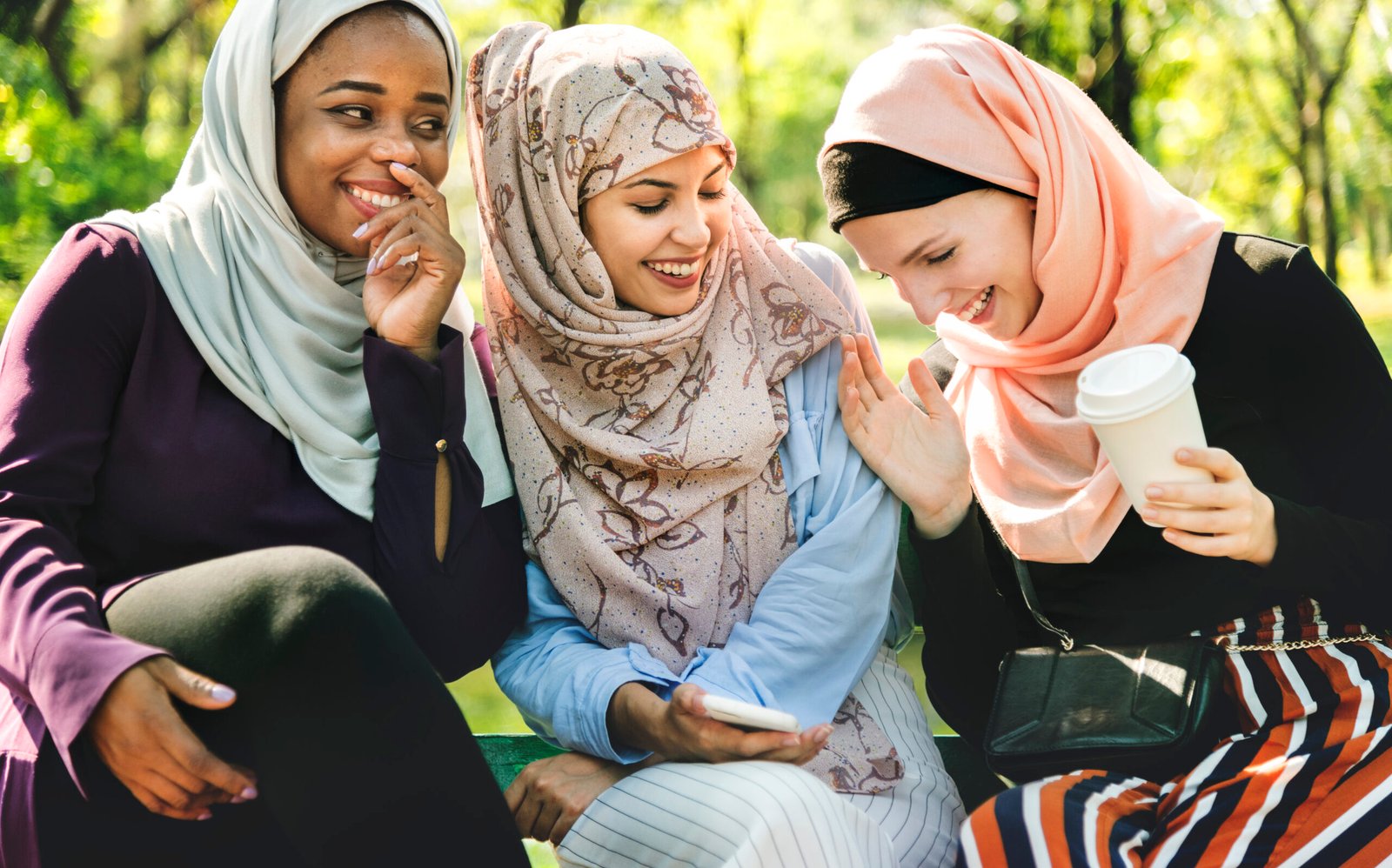
    Welcome to fascinating Muslim culture and traditions in Fiji – a land beset by fusion cultures whose heritages interplay with landscapes that envelop pastoral scenery conserved just as ever-bubbling heroes who celebrate life since their mind says. When you begin this voyage, expect complex traditions that have been for centuries, engendering the essence of the Fijian Muslim community and presenting an element to the cultural patchwork designating a distinctive feature of these islands. Imagine yourself walking on the beaches of Fiji and the emerald water greets you with such a warm welcome that, as you part ways to head for your destination, the swaying palm trees tell stories of a land rich in history and culture. This is where this blaze of religious color, unity and perseverance seemed to burn among the community of flocks. The Fiji Muslim community is a melting pot of cultures, due to the culturally diverse backgrounds of its members who have found the need to coagulate around traditions that have meshed together. The culture of Fijian is rich from the descendants of Indian indentured labourers with shining ethnic origins to those who have roots originating from the indigenous view Republic of Fijian population. The diverse nature of the Fiji Muslim Community is not even the most distinguishing characteristic that describes it – instead, the warmth and accommodation permeating every aspect of life. The Fijian word bula has a leadership message beyond just the greeting of people. A spirit that mandates respect for all individuals and treats them with kindness irrespective of their religion, background or heritage Regardless if you’re a visitor or even a resident of the community, you can be sure that when stepping across Fiji’s border as well as on streets where people live there is nothing stopping individuals from offering warm welcomes along with idol smiles which are extending their hand to an embrace because they see themselves in you. Throughout your cultural journey into Muslim culture and traditions in Fiji you will observe an incredible harmonious Islamic inclines skillfully intermingled with the fabric of life in Fijian.

    The Welcoming Spirit of Fiji

    One step on the coasts of Fiji, and you will find yourself embraced by the warmth of A-Fijian society and a very contagious willingness to share ways they regard themselves’ – an approach that typically defines in its entirety Fiji island nation. Hospitality is not just a custom in Fiji but rather an embodiment of their way of life which is fundamentally rooted in the values and ideals attached to it. Fijians are so warm and welcoming. The first thing you feel in this country is that these people approach you with open arms, no make-believe or expected; genuinely curious to know where you come from, they display honesty. For the Muslim population of Fiji, however, this spirit is very alive. From the feeling of bustling activity of Suva markets to the subdued quietness of highland villages, Muslims who live in Fiji provide a welcome mate and charming hospitality that are typical of a true Fijian. Far from being exclusive, Fijian rampant social spirit will make even a traditional feast (lovo) feel like an invitation to become part of the community and enjoy its heritage and customs during Eid al-Fitr or other delightful occasions.

    Diversity within the Fiji Muslim Community

    The Fiji Muslim community is a microcosm of the multicultural fabric of the islands, and its diversity in culture and belief makes it one of the most fascinating aspects of this African stranger in Oceania. In this colourful society, there is a dynamic mixture of nations, languages and traditions that help shape Muslim Fijian’s distinct. Thus, what drives this diversity is a common faith in Islam that globally emancipates individuals from all sorts of backgrounds and subjects them to the discipline or authority of their religion. Despite having converted the majority of Muslims in Fiji are Indians who traced their roots from the Indian sub-continent, there are also indigenous people and ethnicities as new Fijians becoming Islamic and some Arabs, Pakistani and Malays descent. This diversity is not only evident based on the Fijian Muslin ethnicity but also their lifestyle, culture and practice. Fijian Muslims celebrate the season of religious festivals with colorful splendor both during Eid al-Fitr and Eid al-Adha; however, Ramadan is observed solemnly without any display of new attires nor the enthusiasm for food—the core customs and rituals that are specific to Muslims in this Pacific nation. Apart from diversity in religions, the Fiji Muslim community also includes all professions, social agents and political ideologies existing on the islands. Muslim Fijians are not passive people; they are active in every sphere of national life, be it agricultural production or running big business, medicine or politics: everywhere both male and female Fijian Muslims represent our nation. However, though the members of this community are quite dissimilar to one another, there is a definite feeling of camaraderie in representing Fiji Muslims, and therefore unity. Fijian Muslims bind themselves together for even the most basic things like prayers in mosques, supporting community initiatives, and joyous occasions such as births or marriages; they show real brotherhood and sisterhood that overrides cultural and ethnic differences.

    Muslim Culture and Traditions in Fiji

    The fundamental core of Muslim culture and Traditions in Fiji is the practice of Islam that controls and runs the lifestyle as well as rituals of every single individual believer on these islands. The resounding call to prayer from minarets fills the life of Fijian Muslims with meaning and commitment. It permeates through everything ranging from Friday sermons attempted at communal gatherings to every other moment of a Fijian Muslim’s ordinary life. Ramadan is considered to be one of the dearest traditions in the Fiji Muslim area which though quite a lengthy event is often rejoiced with great elation. During Ramadan, Muslims yearly abstain from anything that is against the observance of hunger and thirst from dawn to dusk during the month. So, they practice fasting for 30 days but also emphasize prayers, charity works and self-control making it a holistic approach to positive thinking towards the nature of mankind. Ramadan comes to an end at dusk when families and even friends unite in celebrating their breaking of fast with tremendous ‘iftar’ – festive feasts complete with local delicacies sharing love among kinships and societies. In Fiji, the festivities of these holidays are as big and vibrant as the importance that is attached to the conclusion of observance for Eid al-Fitr and Eid al-Adha by people. Celebrating these festive days, Muslims have a time for prayers, feasting and gift-giving as they remember the blessings of faith which enable Muslims to carry out the sacrifices of Prophet Ibrahim. Another aspect of the cultural practice for Muslims in Fiji is the culture of hospitability which entails open reception and treating guests with a lot of generosity. Be it sharing a meal with neighbours, helping those in need, or extending kindness toward strangers- It is so easy to wonder which softened the human spirit that in every interaction one can see caretaking values such as compassion and peace of Islam. In the end, Muslim culture and traditions in Fiji reveal an enthralling view through faith, community, and common roots. Fijian hospitality and the traditions conjured up by Islamic devotion within the rich community of Muslims. It becomes a great union as visitors and residents gather to eat their bread, laugh out loud, and pray freely; Muslim culture and traditions in Fiji glisten and bring the way towards understanding each other’s religions and beliefs, respecting one another for what they have. The glaring difference – the deep divisions that too often keep us apart in this world of differences – can be found in unity. In this community, we find our universal values and feel united as individuals and as a society by them.