Category: Fiji Vacation
-
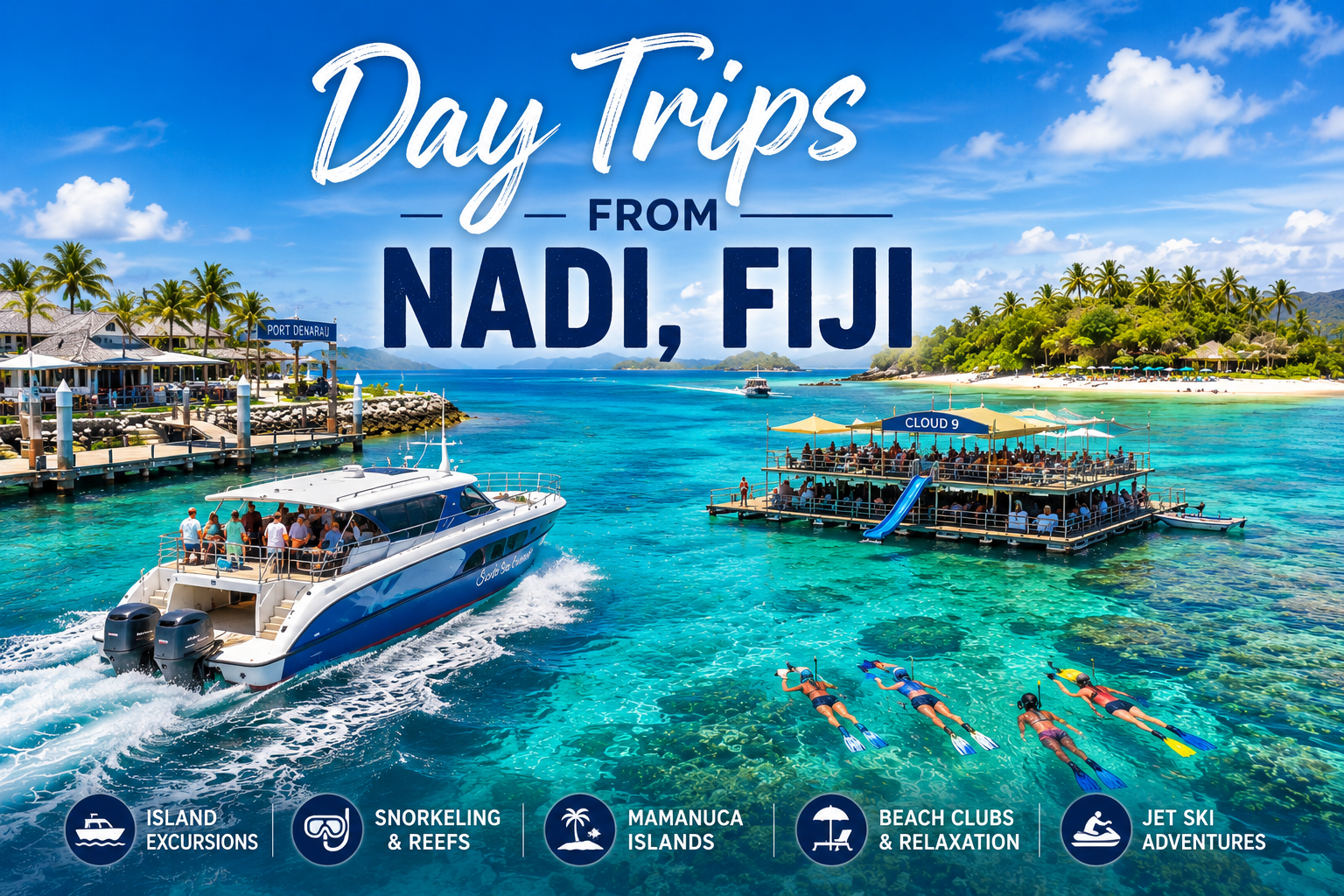
Best Day Trips from Nadi Fiji
Though Fiji’s main gateway, Nadi, is really little more than a launchpad (but it deserves 1 or 2 nights). A half-day away by boat, car or short flight are some of the South Pacific’s more spectacular scenery, culture and marine life. These are the best day trips from Nadi, Fiji, based on what they really deliver. -
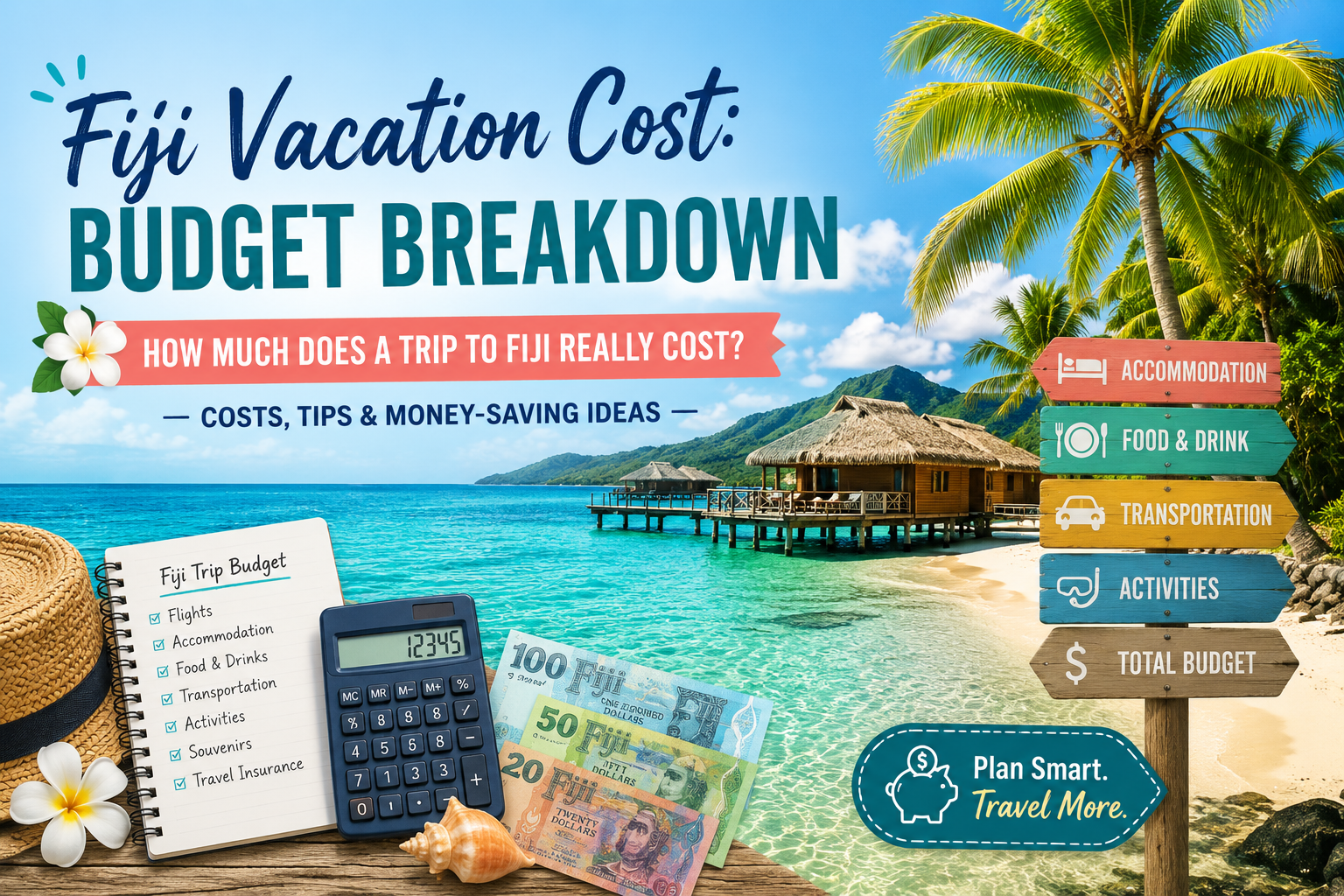
How Much Does a Fiji Vacation Cost? (Budget Breakdown)
Thinking of a trip to Fiji and not sure how much to expect to spend? You’re not alone. Fiji is known as a haven for luxury holidays, but it can be done on a tight budget or with a private island. This article gives you a breakdown of the actual cost of a vacation to Fiji in all the major expense categories so you don’t find yourself surprised during your trip.Quick Summary: Total Fiji Vacation Cost by Travel Style
This table provides a summary of vacation costs across the different travel styles in Fiji.
These are approximate figures. The cost you will actually pay is influenced by your travelling route, the number of travellers and how you make your final decision on site.Travel Style 1 Week (Per Person, Excl. Flights) With Flights (Approx.) Budget $800 – $1,500 $1,500 – $2,500 Mid-Range $1,500 – $3,000 $2,500 – $4,500 Luxury $5,000+ $8,000+ Flights to Fiji
The cost of your Fiji vacation is likely to be mostly flights. Fares typically start at $500 per person and go up to $1,500 based on your departure city, season and booking lead time.- From the US West Coast (LA, SF): $700 – $1,200
- From Australia/New Zealand: $400 – $800
- From Europe or the UK: $1,000 – $1,800
Accommodation is quite expensive in Fiji.
Accommodation is more varied in Fiji than in most parts of the Pacific.
The average cost of a mid-range hotel’s standard double room is about $218.00 per night for two people. Holiday homes typically offer a lower per-person rate for groups of four or more than resorts and a kitchen will save you from most of the restaurant bills.Visit costs by night, USD Price Per Night Backpacker hostel / dorm $20 – $40 Budget guesthouse / bure $50 – $100 Mid-range resort (3–4 star) $150 – $300 Luxury resort (5 star) $400 – $1,000+ Private island resort $1,000 – $5,000+ Food and drinks prices
Budget travellers make the best strides when it comes to food.- Humayun’s Restaurant: $10 – $15 per meal
- Mid-range restaurant: $15 – $25 per meal
- Resort restaurant: $30 – $60+ per meal
Transportation Within Fiji
Fiji has low-cost transport options available, and it can be economically traveled if you plan ahead.- Local bus: $1 – $3 per trip
- Taxi: $10 – $30 depending on distance
- Airport shuttle (Nadi to Coral Coast): $15 – $30
- Ferry: $30 – $80 per leg (purchase a Bula Pass if making more than one leg; it will pay for itself quickly)
- Domestic flights: $80 – $200 each way
Activities and Experiences
The activities are hugely different in price, and this is one area where your holiday can be easily costly.- Snorkeling/diving day trip: $50 – $150
- Shark dive (Pacific Harbour): $150 – $250
- Scenic helicopter flight: $300 – $500
- Village visit / cultural tour: $30 – $80
- Cloud 9 floating bar day trip: $100 – $200
Travel Insurance
Don’t skip it. Without coverage, the cost of medical evacuation from an outer island to Suva or to your home country can be tens of thousands of dollars. The average cost of a week’s worth of regular coverage in Fiji is $50 – $200, depending on the provider. Take this into account in your initial budgeting.Sample Daily Budgets
Category Budget Mid-Range Luxury Accommodation $30 $150 $500+ Food $20 $50 $100+ Transport $5 $15 $30+ Activities $10 $40 $100+ Total/Day ~$65 ~$255 $730+ Here are some tips to help you cut the cost of your Fiji vacation.
- Buy during travel season (April-May or October-November) to get the best weather-to-price ratio
- Make bookings 3-6 months in advance, and set up price alerts.
- Avoid eating at resort restaurants—go to local curry houses.
- Purchase the Bula Pass when travelling multiple ferries in the Yasawas or Mamanucas.
- Travel as a group and share a holiday home — costs can be greatly reduced!
FAQs: Fiji Vacation Cost
How much does a 1-week Fiji vacation cost per person? Fiji per person (excl. flights): $1,429 – $2,500; including Accommodation, food & transport. From the USA, budget $2500 – $4500 for a mid-range. Is Fiji an expensive destination? Compared to other Pacific islands, Fiji is medium-priced. Not as cheap as the Maldives, but also not as pricey as elsewhere in Southeast Asia!!! Budget travellers need about $65/day; mid-range travellers need to budget for $200 – 300/day. When is the cheapest time to visit Fiji? The offseason (December–March) provides the lowest prices—accommodations are up to 30–50% off their busy season rates and flights to/from the US regularly find sub-$900 fares. If you want good weather without peak pricing, the best value is shoulder season (April–May, October–November). How much cash do I really need for Fiji for 2 weeks? For budget travel, you will need to budget $800 – $1,500 (budget flights) for two weeks of money. This means budget $3,000 – $6,000 for the same period if you are a mid-range traveler. Would $2,000 be enough for a Fiji holiday? Yes — a 7–10 day trip is absolutely doable for about $2,000 USD as a budget to mid-range traveller, especially if you’re arriving from Australia or New Zealand, where airfare is usually cheaper. When you factor in flights, that could help US travelers add a little bit more to their budget. How to save big on a Fiji vacation? Travel and budget tips—eat local, take public bus on Viti Levu, only book accommodation when the school holiday windfall (July–September) is finished and—with a group—a holiday home trumps resort every time. With these 4 decisions alone, you could reduce your entire cost of vacationing to Fiji by 30 -40%. -
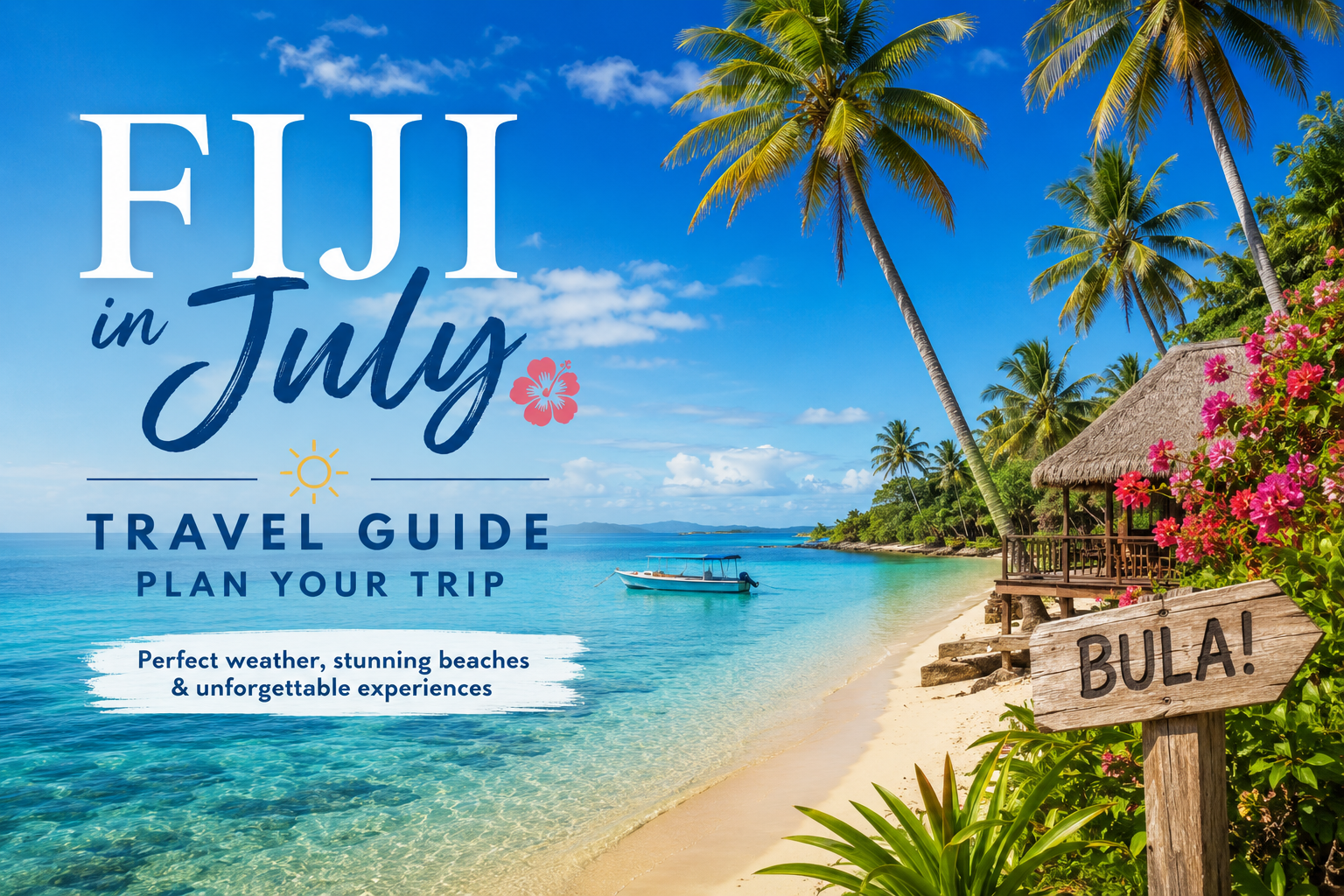
Fiji in July Travel Guide: Everything You Need to Plan Your Trip
Are you going to Fiji and asking yourself whether July is a good time of year to visit? Direct answer: It is among the best of the lot. Our Fiji in July travel guide is your go-to resource for planning everything from weather and packing to which islands and what activities, so you can plan your trip with confidence.July is One of the Best Times to Travel to Fiji
July is the height of Fiji’s travel season for good reason because it falls in the dry season (May to October). Summer means warm but not super hot weather, reduced humidity compared to the wet season, and the islands are at their most gorgeous. Expect daytime temperatures in the region of 26°C (79°F) and cooler evenings around 20°C — great for days at the beach as well as exploring. The Data is Current until October (2023). Sea temperature is approximately 26°C, making it an ideal one for diving and snorkeling. Rainfall is limited to about 4-8 days in the month, while most showers are brief. The catch: July is the busiest month of all, especially for travelers from Australia and New Zealand (it’s when their school holidays are). This means you can expect more expensive hotel rooms and busier resorts! Book well in advance.What to Do in Fiji in July
Here are the outdoor activities for which July tends to host dry, clear conditions:- Snorkelling and Diving — The dry season has the most visibility underwater. Scattered east and 20-30 km out from the main islands, the Mamanuca and Yasawa island chains are home to some of the best accessible coral reefs you will find in all of the South Pacific.
- Island Hopping — Certainly, with the sea in good temper and a dependable ferry and seaplane network, July offers the perfect option to visit a few islands at least. Have a think about pairing the (easily reached from Nadi) Mamanuca Islands with neighbouring more remote Yasawa Islands to get a mix of bustling resorts and more serene escapes.
- Wildlife spotting — July is the peak of humpback whale migration through Fijian waters. Another sighting that is also common around this time is the manta ray.
- Trekking and Cultural Adventure — Cooler climate provides for extra pleasant hiking than the wet season. Viti Levu houses lush trails in the highlands, and visiting a local village — and participating in Sunday church service — is sure to be one of your fondest experiences when visiting Fiji.
- Water Sports — The icing on the cake for water aficionados is that surfing, kayaking and paddleboarding conditions are absolutely wonderful throughout the islands in July.
Best Islands to Visit in July
- MAMANUCA ISLANDS — The closest group to Nadi and ideal for first-time visitors Cloud 9 floating bar is one of the most famous attractions.
- Yasawa Islands – A volcanic island chain in the north, renowned for low traffic shores, snorkeling, and real social encounters.
- Viti Levu — most arrivals arrive via Fiji’s main island. Aside from the airport hub of Nadi, there are interior rainforests, waterfalls and the capital Suva for those wanting a bigger city hit.
- Taveuni — The Garden Island, Taveuni is a hiking and diving haven alongside the Rainbow Reef
What to Pack for Fiji in July
July qualifies as dry, but the rays are still strong. It is high UV level so sun protection should always be a must.- Lightweight clothing (shorts, t-shirts, sundresses)
- High-SPF sunscreen and UV-protection sunglasses
- A layer under cooler evenings or so for air-conditioned spaces
- An ultra-compact rain jacket for when you get misted by a brief shower.
- Reef-safe sunscreen (vital to protect Fiji coral)
- Swimwear, water shoes, and snorkel masks (or plan to rent on-island)
What You Need To Know For Your July Trip to Fiji
Book early. Fiji’s busiest travel month is July. Flights — especially from Australia and New Zealand- are booked quickly, and the best-priced premium resort accommodation completely disappears early. Budget for peak prices. The highest accommodation prices are in July. However, if you are flexible, late June or early August may deliver the same weather with fewer crowds. Respect local customs. Respect and community are big aspects of Fijian culture. Dress appropriately when visiting villages, politely accept a kava ceremony invitation and ask permission before shooting locals. Currency. The currency used in Fiji is the Fijian Dollar (FJD). Typically, resorts accept credit cards — but remember to take cash with you on the smaller islands and at local markets. Getting around. The airport you would most likely use to get into Fiji is Nadi International Airport. Connecting flights to the outer islands mainly occur via ferry, domestic flights or seaplanes. During peak season, pre-book transfersFrequently Asked Questions
July – What’s the weather like in Fiji?
Yes — July is regarded as one of the best months. Positioned during the dry season, so you can expect warm conditions with low humidity and little rain along with great clear water perfect for snorkeling and diving.How hot is Fiji in July?
The daytime averages are around 26C (79F), while night-time temperatures will cool down to roughly 20C. It’s warmer and cozier without the searing, humid weather of the wet season.Is July peak season in Fiji?
Yes. July also aligns with school holidays in Australia and New Zealand, making it the most travel-heavy period. Resorts and attractions are busier, and prices are higher than in previous years. Early booking is essential.What do I need to pack for Fiji in July?
I would pack very light clothes, high SPF factor sunscreen, something covering light for nights and air-conditioning, compact rain jacket because it rains every now and then but not the whole day. Reef-safe sunscreen is strongly recommended.Do I need a visa to visit Fiji?
You are also an area in the world that is popular as a vacation destination, for example, Fiji. Visa-Free Entry Citizens of many countries, including Japan, Australia, the US and the UK, can enter Fiji visa-free for four months. Always review entry requirements prior to travellingWhich Islands To Visit In July?
The Mamanuca and Yasawa Islands are the most popular and July is said to be the best month to visit, as the conditions are also very good. If you prefer it quieter, Taveuni is amazing for diving and hiking. This Fiji travel guide for the month of July is just a general overview, as every trip to Fiji is unique. If you are planning a luxury resort honeymoon or an island-hopping rice foil application in beautiful July, it has the perfect infrastructure and climate for your unforgettable summer. Plan your dream vacation at FijiDream. -
Fiji Surfing Season Guide: Month-by-Month Breakdown of Swells and Surf Spots
Make yourself understand the Two Seasons
Fiji is one of those trips that can be broken into two separate surf windows:- Winter (April – October), the South Hemisphere low-pressure systems churn out consistent southwest groundswells from the Tasman Sea. This is the time of year when Fiji’s most renowned breaks — the Cloudbreak, Restaurants, Frigates line-up — go off with swells 4–10 feet and larger, hitting the coast on a regular basis. At most of the reef passes worldwide, surface trade winds blow side-to-offshore to keep conditions clean. They are considered the prime time for surfers in their Mid-Intermediate to Advanced phase.
- Summer (Nov — March): The swells reduce down to a more manageable 2–5 feet, winds die off, and mornings are very often glassy. Crowds thin out significantly. The proverbial “off-season” is a more enjoyable time for beginners and those looking for less intense sessions without battling some gnarly lineup.
Month-by-Month Breakdown
- January – February: At the height of summer, out in the water, it was warm, humid, and quieter. Look for smaller, cleaner sets perfect for learning or cruising. Focussing on the North Pacific groundswells which overlap well here, Taveuni and the Coral Coast actually do pretty well with this combo too, picking up most groundswell energy despite the lighter northerly winds. Cyclone threat is real, but it should not be exaggerated, because cyclones rarely ever(2) hit. According to this Fiji Surfing Season Guide, summer can still deliver fun and consistent waves for surfers chasing relaxed sessions and tropical conditions.
- March-April is the transition window and arguably Fiji’s most underrated surf season. Incoming swells begin to stack as the Southern Hemisphere moves into winter. In the shoulder season, breaks are not busy yet, but conditions have improved. The best time to visit is widely regarded as April — the swell is consistent, the weather remains pleasant, and you won’t be battling for position at Cloudbreak.
- June – July: National surf season starts. Building swells out of the south-west start showing up. That was the infamous Big Monday day from Snapshot, and is 6–10 foot faces so Cloudbreak gets set on proper fire. This is where Fiji cemented its status as a world-class surf destination. The Mamanuca Islands are ground zero: Cloudbreak, Restaurants, and the Namotu Lefts are all firing. It is best for experienced surfers to focus on this window.
- July – August, Fiji is in its prime surf season. Waves are at their largest and most consistent. Offshore winds are holding on the key breaks from trade. It is also the peak — expect a fight for the lineup at hot spots. This is the tradeoff you make, then, if you want Cloudbreak to perform at its highest level. For those who are intermediate surfers, Restaurants and Namotu Lefts also remain great options when the swell is a little more moderate.
- September – OctoberI think the sweet spot of the entire calendar. Solid swells are easing off their wintry high points. Crowds drop noticeably. The weather warms back up. September and October are perfect for both experienced and intermediate surfers, with awesome waves yet less intense than peak season. You could argue that for ease of finding quality surf with space around it, there’s no better time to come.
- November – December. The onset of summer and the great south-west swell diminish. The Coral Coast enters into its ideal window as lighter northerly winds groom these breaks to glassy perfection. The Form: Frigates, J’s, and Shifties all find relevance. Sample translation: Fewer tourists = fewer people on the line everywhere. This time of year offers uncrowded waves if not pure size.
Most Important Surf Spots And When They’re Best
- Cloudbreak (Mamanuca Islands) A world famous left-hand reef break located about two kilometres off the island of Tavarua. Copes with swells from 1 foot to well over a decade old. Works best April — October when the southwest swells and southeast trades come into alignment. Only for the most experienced surfers when it is big — breaks boards and gives you a break.
- EAT (WAVES) Restaurants – Mamanuca Islands (Left) A long, peelable left in front of Tavarua. Regarded by many as the best wave in Fiji of pure shape perfection. The best boat in peak season, and a much better bet than Cloudbreak for all levels of surfer.
- Namotu Lefts (Mamanuca Islands) Fun at 3–6 ft More forgiving than its neighboring, the left-breaking wave offers high lines. Great for confident intermediates and a safe bet when the larger breaks are too much.
- Frigates Pass (Coral Coast) A left to rival Cloudbreak for size and consistency. Farther out to sea in the southeast trade winds during the zenith of summer, winter in spring, and northerlies grooming the break. 35) Hebe Reef. Add to trip36) SUMRocky reef boat trip — no more than 45 minutes from Coral Coast resorts; worth the effort for uncrowded lineup.
Practical Notes for Your Trip
- The month does not matter; it’s the skill level that counts. Fiji’s reef breaks aren’t forgiving at any size. The safer bet if you’re not very advanced yet or new: summer season, Coral Coast.
- Mornings are best. Before midday, winds are lightest at most of Fiji’s breaks.
- Reef cuts are common. But immediately, get these tackled with iodine or hydrogen peroxide. If left untreated, they quickly progress in the tropics
- Travel insurance is non-negotiable. Check that your policy covers water sports and surfing in particular.
- Boat access is often required. The majority of Fiji’s top breaks are found offshore. Consider on whether to include boat charter costs, or schedule your trip with a resort surfing package that includes transfers.
-

Honeymooners: Find the Best Vacation Spots in Fiji
You’re not the first couple to get stuck trying to find the best vacation spots in Fiji for a honeymoon. You open a website, see that impossible blue water, and think: “Yes, that’s it.” Then you click. Suddenly, you’re drowning in resorts. Overwater bungalows. Private islands. Eco-retreats. “All-inclusive luxury.” It’s enough to make you close the laptop and just go back to staring at your wedding photos. The issue is not too little information. It’s too much of it, all saying the same perfect thing. So let’s try something different. Let’s forget about finding the “#1 Best Honeymoon in Fiji.” That place doesn’t exist. What does exist is your specific version of a perfect start. Maybe that’s a cold drink and a pool that disappears into the ocean. Maybe it’s a kayak, a map, and a beach with no one else on it. Fiji has both. Your job is to figure out which one you are. Below, let’s break down each island area —who it’s for and what it’s really like. But first, answer this: Are you looking for total relaxation or a trip with more activities? Most couples lean one way. That feeling is your biggest clue for where to go. This is the only question that matters. The islands are just the backdrop. If you want EASY: You want to get off the plane and feel like you’ve arrived. Short transfer. A stunning resort where everything is handled. Amazing food, an incredible pool, and a spa. Your biggest decision is whether to snorkel before lunch or after. You want the picture-perfect, no-surprises Fiji on the magazine cover. That’s a real and wonderful thing to want. That’s a real and wonderful way to plan a vacation in Fiji. If you check the adventure box, you’re okay with some hassle along the way. A long, uncomfortable ride doesn’t bother you if you end up on a beach all by yourselves. You’d trade a floating bar for a hidden waterfall pool. Your perfect day might involve a hike, a village visit, or getting a little lost. You want the feeling of Fiji, not just the postcard. Most couples are a mix. But one side usually wins. Be honest about which one it is.The Fiji Breakdown: No Fluff, Just Facts
Here’s what the different parts of Fiji are actually good for.The Mamanuca Islands: For “Easy”
This is the Fiji you see in TV ads. It’s close to the main airport (a quick boat ride). The water is ridiculously blue, the sand is white, and the resorts are pros. They’ve been doing honeymoons for decades. The catch is that it can feel a bit like “Fiji World.” You’ll see other honeymooners. It’s not the place for raw, untouched solitude, but it remains one of the best vacation spots in Fiji for first-timers who want iconic luxury.The Yasawa Islands: For “Adventure”
Getting here means a longer boat ride. The view changes: tall green cliffs and long, empty beaches. The resorts are smaller and quieter, built right into the landscape. There are fewer people. The vibe is “rustic luxury”—think amazing views but maybe an open-air bathroom. The stars at night will ruin you for anywhere else.- Good for: Privacy seekers, couples who love nature, people who don’t need a chocolate on their pillow but do need to feel like they’re the only people on Earth.
- The catch: It’s remote. Choices for food and activities are what your resort offers. Getting there takes time and effort.
The Coral Coast: For “A Bit of Both”
On the main island’s big stretch of coastline, you get great resorts with a major bonus: you can actually see Fiji. You can easily see local culture here. Visit a market, watch a firewalking ceremony, or tour a village. It is convenient to do. You still have a large resort with big pools and restaurants, but real Fiji is right outside. This area is good for couples who are curious. It is good for people who like food. It is good for anyone who wants to relax but also see something real.- The catch: The beaches are nice, but they’re not the tiny, perfect coves of the outer islands. The ocean view might have a fishing boat in it. It’s more “real life” alongside your resort bubble.
Taveuni (“The Garden Island”): For “Serious Nature People”
This is for a specific couple. This area is for active couples. You will want both hiking shoes and snorkel gear. Taveuni is very green and wet. It is famous for its diving, waterfalls, and birds. The hotels here are built for nature.- The catch: It’s wetter. It’s remote. It’s not a “lie on a white-sand beach all day” kind of place (though it has those too). This is a destination for doing things.
Making It Real: Tips From People Who’ve Done It
- The “Must-Do” That’s Actually Worth It: Book a private sunset sail. Just do it. Splurge. A small catamaran, just you two, a captain, and some snacks. Swimming in the quiet late-afternoon sea and then watching the sky catch fire is the single best memory you can buy. Group cruises are fine; private is magic.
- The Dinner You’ll Remember: Tell your resort you want a private dinner.
- Do One Activity Together: It breaks up the sunbathing and gives you a shared story, and adds a unique layer to your Fiji vacation. A cooking class (you’ll learn to make kokoda, a local ceviche). A guided snorkel trip. A visit to a village.
Important Stuff
- Island-Hopping: Sounds romantic. Island-hopping is complicated. With less than ten days, stay in one place. Moving between islands wastes a whole day.
- Money: Fiji is not cheap, especially on remote islands. A bag of chips costs $12 because it came on a boat. Strongly consider a meal plan at your resort. The upfront cost hurts, but it stops the constant bill shock and lets you actually relax and enjoy one of the best vacation spots in Fiji.
- What to Pack: Pack light and smart. You need:
- Reef-safe sunscreen(normal sunscreen kills the coral).
- A good hat.
- Swimsuits(you’ll live in them).
- A rash guardfor sun protection while snorkeling.
- That’s it for shoes.
- A light sweaterfor breezy evenings.
- A waterproof bagfor your phone on boats. Leave the fancy clothes and high heels at home. The dress code is “barefoot classy.”
Your Next Step
Stop scrolling. Have one conversation. Over coffee, ask each other: “What does our best day there look like, from morning to night?” Listen to the answer. Then, match it to the places above. That’s it. That’s your honeymoon. Book it. Go. Be done with the planning and start the celebrating. Your own perfect version of the best vacation spots in Fiji is waiting—not in a brochure, but in that simple, honest conversation you just had. -
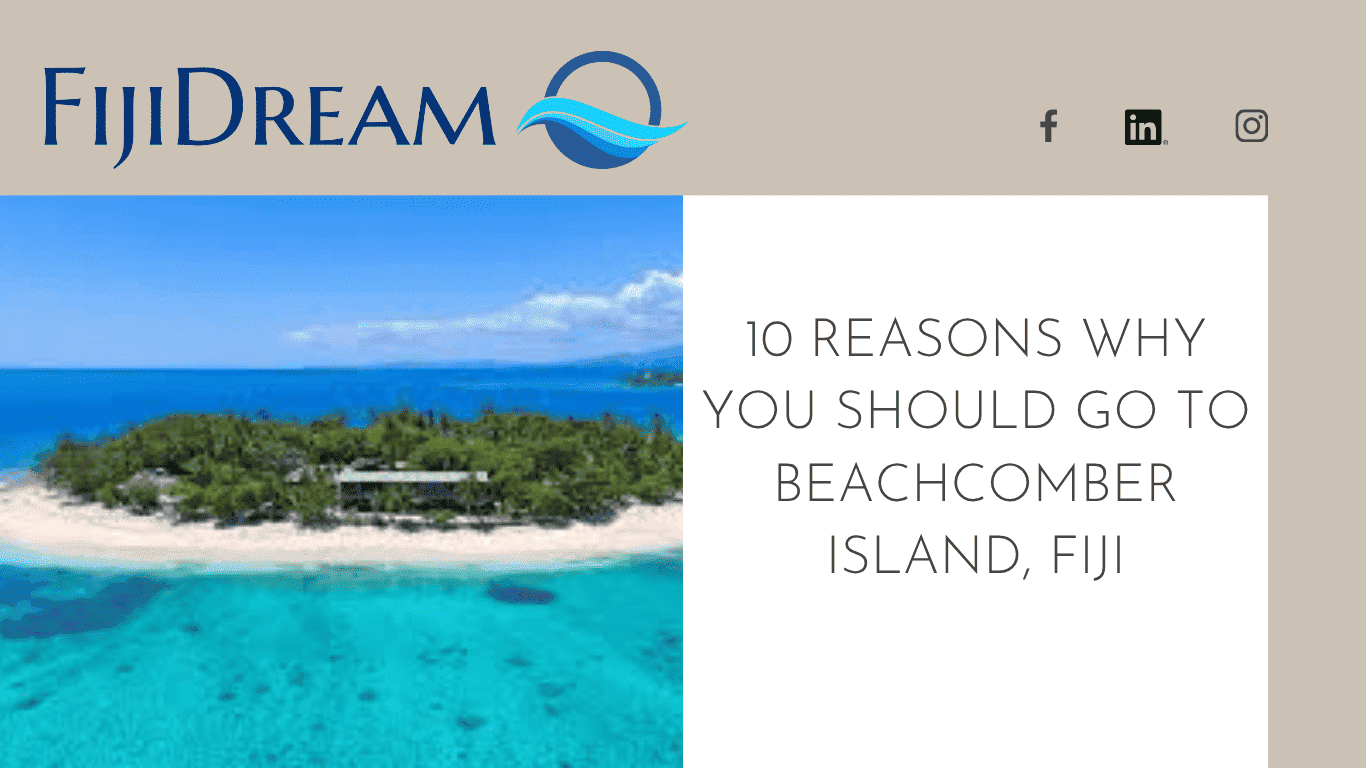
10 Reasons Why You Should Go to Beachcomber Island, Fiji
When people think of Fiji, two pictures usually come up. One is a quiet resort where everything feels still and untouched. The other is an island buzzing with music, laughter, and stories shared over the sound of waves. If that second picture feels more like home, Beachcomber Island is it. Many hear the “party island” label and imagine loud music, crowds, and chaos. But Beachcomber is not like that. It’s a small island in the Mamanucas with palm trees that appears to be both lively and calm. It’s the kind of place where visitors are enticed to come even before they leave! Convinced? Let me count the ways this place will steal your heart.1. The “Wow” Moment of Arrival
No picture really gets it right. The island comes into view, small and bright against the blue, with palm trees scattered along the sand. There’s a quiet feeling about it before you even arrive.2. Snorkeling So Easy It Feels Like Cheating
You know how sometimes snorkeling feels like a whole production? Not here. At Beachcomber Island, the reef basically starts at your beach towel. Beachcomber’s reef is so accessible it feels like cheating. Forget the formalities. You just float there, looking down at everything. There are parrotfish scraping at the coral. There are starfish that are such a bright blue that it seems wrong. And trumpetfish will swim so close to you that it feels like they want to be friends.3. The “Bula Spirit” is Real (and Contagious)
You’ll hear “Bula” everywhere here. It’s never just a word. It’s always with a real smile. The staff aren’t just doing a job. They make you feel like you’re visiting their family. Here, the staff remembers more than your room number. They remember your favorite drink, your smile, and the way you start your morning. It’s those quiet details that linger long after the tan fades.4. How Day Turns to Night
Evenings start with the light softening and turning golden. Then the sky turns pink and orange. That’s when the music at the bar changes. As night falls, the island changes rhythm. Music drifts across the beach, and soon everyone’s barefoot in the sand, dancing and laughing together. It isn’t a big party — just easy, genuine fun. And if you want quiet, the stars are never far away.5. Your Wallet Will Thank You
Let’s talk numbers. Fiji can be eye-wateringly expensive, but Beachcomber Island is the glorious exception. As a budget-conscious traveler, I found it incredibly manageable. You can opt for a dorm bed if you’re watching your pennies or splurge on a private room without breaking the bank. With so many free activities—snorkeling, volleyball, or just lounging magnificently—your days can be packed without ever opening your wallet.6. It’s the Ultimate Social Hub
Traveling solo? You won’t be for long. The layout of the island forces camaraderie in the best way possible. People connect easily here — over a game, a meal, or the kind of sunset that gets everyone watching quietly for a while.7. A Ready-Made Community
Days on Beachcomber Island Fiji have their own easy rhythm. Travelers come and go, but somehow everyone ends up together before the day is done. Meals, music, and adventures easily turn strangers into friends.8. Adventure Comes Easy
For anyone chasing a bit of thrill, the activities desk keeps things simple. Things unfold easily here. Someone finishes breakfast, then decides to try parasailing or a ride across the lagoon. The water hums with activity, and the laughter drifting back to shore says it all. That’s part of Beachcomber’s charm: adventure feels spontaneous, not scheduled.9. The Easiest Trip from Nadi
Reaching Beachcomber couldn’t be easier. From Nadi, a quick ride and a half hour by boat delivers you to turquoise shallows and open skies. The journey itself feels like the first chapter of the escape — slow, bright, and full of promise.10. A Gateway to the Mamanucas
Anchored in the Mamanucas, Beachcomber is the perfect springboard to nearby treasures like Modriki Island — all the seclusion you want by day, with the warmth of Beachcomber waiting by sunset.What Stays With You
Long after the trip ends, Beachcomber stays with you — in a familiar scent, a sound, a taste. It’s the calm between moments, the lightness that travel sometimes gives and rarely lets you keep.Leaving Beachcomber Island Fiji
Leaving Beachcomber feels slower than arriving. When the boat leaves the island, things go quiet for a while. The sound of the engine takes over, and the people who were talking a moment ago just watch the water. The island gets smaller until it’s a thin line behind you. Maybe it’s the people who make it so special. The staff who remember how you take your coffee. The travelers who start strangers and end up watching the sunset together, saying things they’d never say back home. The quiet moments between all that noise — sitting by the water, thinking about nothing in particular. When you finally reach the mainland, life feels faster again. Notifications, noise, and the next plan waiting. But a part of you stays behind on that tiny stretch of sand, where time slows down and everything feels enough. The sound of waves that feels like silence. The faces you only knew for a few days, but somehow remember years later. Beachcomber Island gives you those pieces without asking for much in return. It’s the kind of place that doesn’t just fill your camera roll — it slows your heart down long enough to make you listen. -
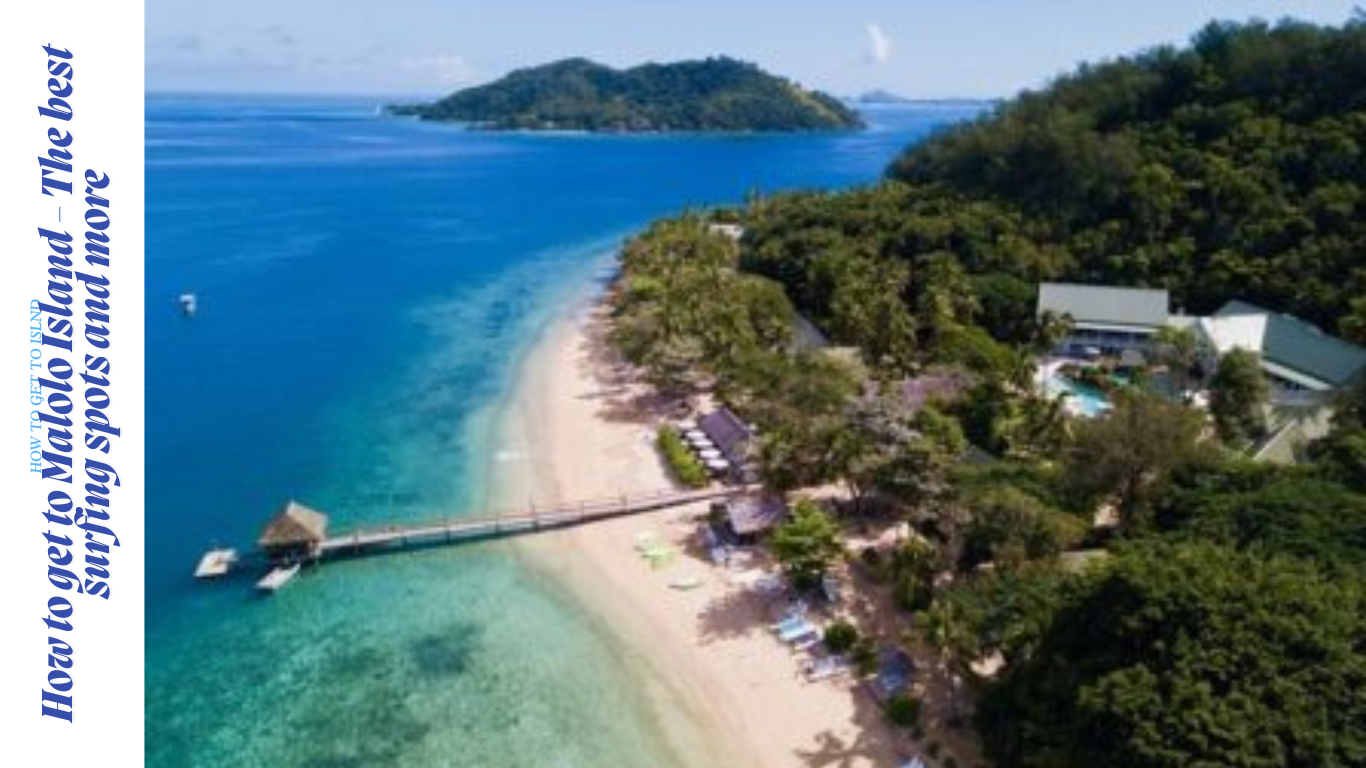
How to get to Malolo Island Fiji – The best surfing spots and more
At Malolo Island, the ocean reflects sunlight, beach surfers lay their boards on the waves, and palm trees move gently with the balmy wind. Malolo Island Fiji is a remarkable island in the South Pacific region. Malolo Island showcases its notable features of stunning white coastlines, marine diversity, and translucent blue waters.Where is Malolo Island Fiji?
Malolo Island is part of the Mamanuca Islands, a stunning archipelago in the South Pacific. The location of this tropical island rests in the South Pacific waters near the western part of Viti Levu which serves as Fiji’s main island. The distance from Mainland to Malolo Island amounts to approximately 25 kilometers. Tourists based in Nadi will find Malolo Island at a 25-kilometer (15-mile) distance west of their location.Surrounded by Natural Beauty
The tropical island stands out because of its beautiful beaches and crystal-clear waters together with its verdant landscape. People from around the world choose Malolo Island as their snorkeling and diving destination because of its prominent coral reefs and to surf in its warm ocean waters. The Mamanuca Islands comprise 20 volcanic islands where Malolo Island stands as one. Visitors enjoy the Mamanuca Islands because they have sandy beaches with bright blue water combined with luxurious accommodations. The Mamanuca Islands have become famous for attracting production crews because their natural beauty is stunning enough to appear in popular media.A Peaceful Escape
Tourists seeking privacy can go to the Malolo Islands Fiji since it is quiet and less crowded than the populated mainland tourist regions. With its enchanting atmosphere, Malolo Island is perfect for both relaxation and adventure.Why Visit Malolo Island Fiji?
Any visitor can discover paradise at Malolo Island because it offers endless possibilities for adventure and relaxation. The island offers all beach activities, from surfing to snorkeling, while providing perfect spaces for anyone who wishes to simply enjoy the beach. The special qualities of Malolo Island Fiji include:- Surfers have an opportunity to catch world-renowned waves at Cloudbreak and Wilkes Passage both located near the island.
- The waters possess such perfect clarity that makes snorkeling and diving to observe coral reefs directly from their natural habitat possible.
- The place allows visitors to choose from upscale resorts and private bungalows located directly on the beachfront.
- Rich Fijian Culture – Experience traditional Fijian hospitality, food, and music.
How to Get to Malolo Island Fiji?
To reach Malolo Island, you’ll first fly into Nadi International Airport in Fiji. Nadi provides visitors seamless access to domestic flights from Australia as well as New Zealand together with the United States and various international cities. After you arrive at the airport, you need to proceed to the marina to complete your journey to Malolo Island. Travelers can choose from several boat options to get from Nadi Airport to Malolo Island.-
Ferry – The Budget-Friendly Option
-
Journeying to Malolo Island on a private boat
-
Seaplane – The Fastest and Most Scenic Way
Surfing Spots on Malolo Island Fiji – What to Expect
-
Cloudbreak – A Surfer’s Paradise
What to Expect:
- Fast and heavy left-hand reef break
- Waves range from 2 to 20 feet
- Best for experienced surfers
- Works best during the dry season (May–October)
-
Wilkes Passage – Perfect for All Levels
What to Expect:
- Right-hand reef break with smooth waves
- Good for intermediate surfers
- Works well on a rising tide
-
Swimming Pools
What to Expect:
- Right-hand break with smaller waves
- Ideal for beginners
- Clear and warm water
The best time to Surf at Malolo Island Fiji
The surfing period at Malolo Island Fiji starts in May and extends through October during the dry season. The waves during the wet season from November to April exist but their patterns remain unreliable. Guests of Malolo Island Fiji can find a combination of adventure with relaxation and the stunning visuals of nature. Everyone who visits Malolo Island Fiji can find the perfect experience because the island offers surfing and exploration of marine creatures together with the tropical sun enjoyment. The island exceeds standard travel expectations because it welcomes visitors with hospitality. -
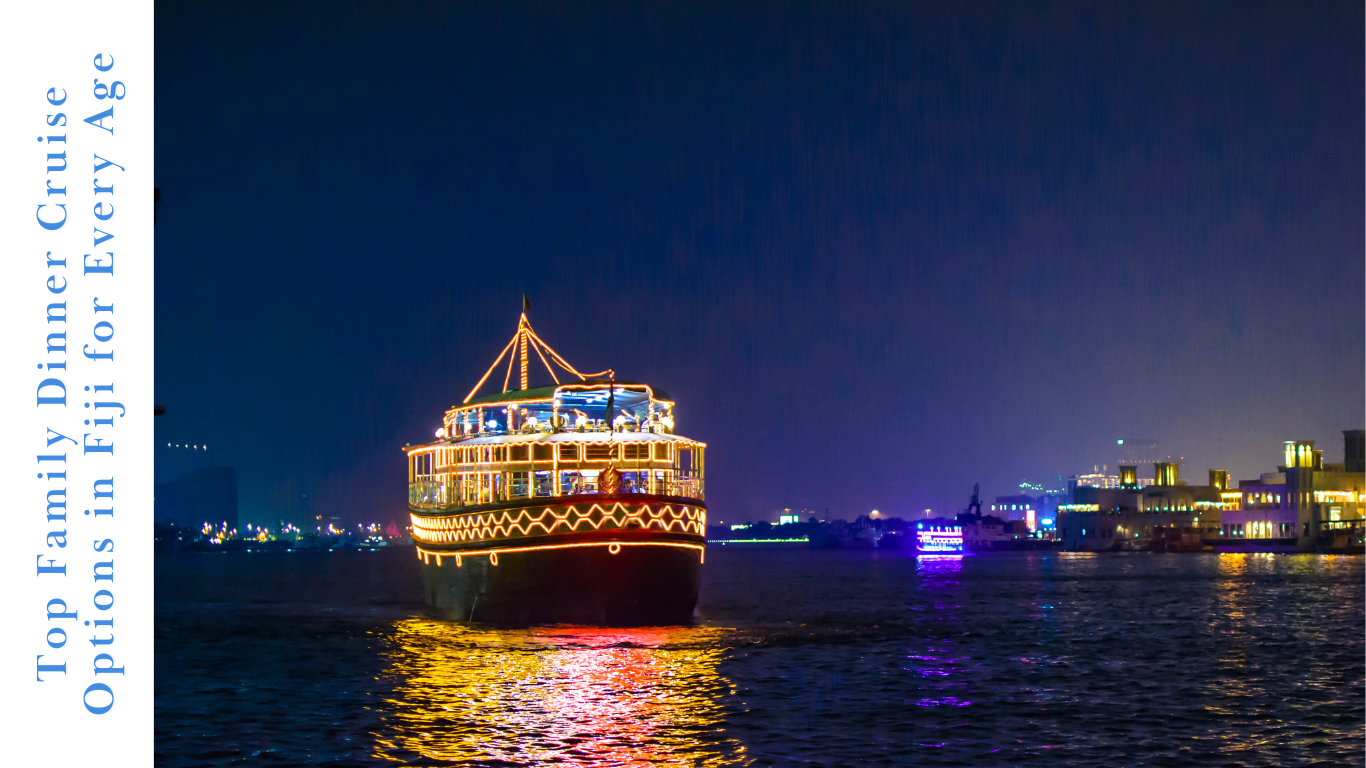
Top Family Dinner Cruise Options in Fiji for Every Age
Fiji is the perfect destination for family vacations, providing its visitors with unforgettable experiences. Its crystal-clear waters beside lush islands are complemented by a vibrant culture that welcomes various enjoyable activities for all family members. The best way families can experience Fijian beauty and enjoy themselves is through dinner cruise adventures.What is a Dinner Cruise in Fiji?
The dinner cruise in Fiji combines evening boat tours with a gourmet dinner. The cruise boats travel Fiji’s coastline to show passengers ocean panoramas, island views, and breathtaking sundown perspectives. A dinner cruise in Fiji provides the perfect setting to unwind while experiencing traditional Fijian food alongside family members. Fiji dinner cruise services specifically meet families’ preferences because they serve people of different age groups. Travelers who have children, teenagers, or older family members will find suitable options. Parents alongside children can find peace in this relaxed setting before being entertained by Fijian musicians and dancers performing onboard. Family members can pick from numerous dinner cruise Fiji options that fulfill their specific preferences.Vuda Marina Sunset Dinner Cruise – Perfect for All Ages
The Vuda Marina Sunset Dinner Cruise provides families with an ideal opportunity to experience a magical dinner cruise through Fiji.-
Breathtaking Sunset Views
-
A Relaxing, Family-Friendly Atmosphere
-
Delicious Dining Experience
-
Fun for the Whole Family
Mamanuca Islands Dinner Cruise for Teenagers and Older Kids
-
Stunning Views of the Mamanuca Islands
-
Exciting and Interactive Experience
-
Delicious Dining
Tivua Island Dinner Cruise
-
A Private Island Adventure
-
Fun Activities for Children
-
Family-Friendly Dining
-
A Memorable Family Experience
Why Choose a Dinner Cruise in Fiji for the Whole Family?
The dinner cruise Fiji service creates an exclusive adventure which suits family groups who want memorable shared times with each other.-
Stunning Views for Everyone
-
Family-Friendly Atmosphere
-
Delicious Dining for All Ages
-
-
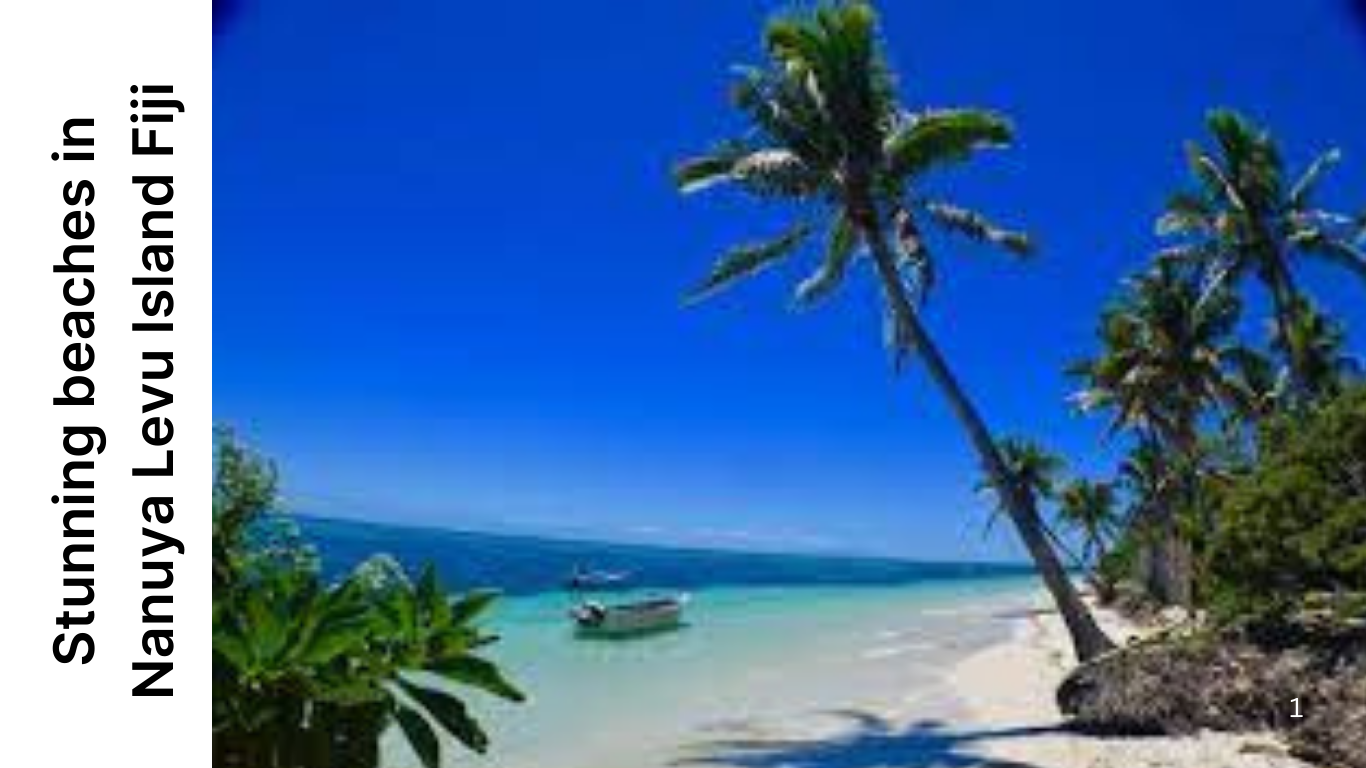
Stunning beaches in Nanuya Levu Island Fiji
Nanuya Levu Island Fiji provides a tropical Fiji experience with all the amenities you seek on your vacation. Regardless of the type of vacation you enjoy, be it leisure, adventure, or just a breakaway, Nanuya Island is rich. Nanuya Levu Island is situated in the Yasawa Island group; the island is one of the best-kept secrets to provide eye-popping views and calmness. It allows people to distance themselves from the active and busy life of the modern world and be surrounded by the milieu of nature. It has many islands surrounded by beautiful trees, attractive sandy beaches, and magnificent colored coral rebound which is good for any tourist interested in the tropics.Why should Nanuya Island, Fiji not be missed?
It is one of the most popular attractions in Fiji for beach lovers, adventures, and people who love nature. Friendly people, amazingly beautiful snorkeling destinations, and beautiful landscapes have done a good job of branding the island. Whether you come with your partner, with your family along with children on holiday, or alone, there is something unique in store for you at Nanuya Island. Nanuya Levu Island has crystal clear water which is excellent for swimming, sunbathing, or just a tropical holiday on pristine beaches or in beautiful and exclusive resorts. It cannot just be the beaches – it has to be the passion in the culture, the beauty of the location, and the lively marine life islets that define this island.Clean Sand and Sandy Adjacent Seas
It should be mentioned that the beaches of Nanuya Island look incredible. The island has probably some of the most marvellous shorelines that one could ever wish to see coupled with clean clear water that begs you to swim in it. Nature lovers this is the place!Marine – Life Abundance and Snorkeling
This island in Fiji attracts lovers of the outside world especially those interested in snorkeling and diving in particular. The sea surrounding the island has magnificent coral and beautiful marine and animal life. From the new to the most inexperienced snorkelers, the area offers the opportunity to witness beautiful fish, turtles, and even the odd reef shark. I would love to call it an adventure that you wouldn’t want to afford to miss out on.Blue Lagoon Beach
If one thing comes to mind whenever talk about a beautiful and relaxing holiday is the Blue Lagoon Beach, Fiji. You might have never seen such beautiful deep blue water with such fine white sand and green trees all around, this beach looks like it is straight up from a dream. It is easily one of the most breathtaking and visited beaches on the island and for all the right reasons.Shining Crystal Clear Water and Silky Sand
Blue Lagoon Beach water is clear for swimming, snorkeling and sunbathing as well. The beach is surrounded by pristine soft white sand, which is convenient for walking or sunbathing close to the water line. The water is also bright blue and when compared with the greenery surrounding the region, produces a stunning view that every visitor will have to treasure.Snorkeling and Marine Life
Divers will get to know that snorkeling in Nanuya Levu is best at Blue Lagoon Beach. There are small fish and marine creatures within the waters and is very close to the shore you can sea turtles, tropical fish, and even rays. Snorkeling is fun for both inexperienced and experienced – there is no better place to snorkel than in those sheltered coves.Turtle Island Beach
If you are seeking a very quiet and private vacation, then Turtle Island Beach on the Nanuya Island of Fiji is the best place to visit. This is a quiet beach, quite distant from places where tourists are concentrated, which will be perfect for those people who wish to stay on the Fijian islands and enjoy the calm sea view. Turtle Island Beach looks like an A-level secret vacation spot on Nanuya Island. It is the shore of a rather secluded Gulf and therefore it is very calm and has a very relaxed atmosphere. Set amidst the greenery and massive rocks it is like you are in your heaven.Clearwater and soft sand
The water of Turtle Island Beach is absolutely clear where you can see the beautiful fish swimming in the sea. The waves are relatively calm, perfect for swimming, splashing around in the water or taking a dip on a sunny afternoon. This beautiful soft golden sand gently slopes toward the water’s edge which makes it perfect to lie down and enjoy even go for a nice stroll.A Place to Disconnect
Turtle Island Beach will allow you to fall off the radar for a while. The lack of crowd and noise is healthy, and you can feel the atmosphere. Whether you are looking at the scenery, listening to the sound of the rolling waves, or just relaxing under the palms this beach can melt anyone’s stress. It’s the best place to go and look for serenity in everyone’s hard daily activities.Sunset Beach – A Picture-Perfect Setting
If you are interested in a stunning view and beautiful sceneries, then Sunset Beach on Nanuya Levu Island Fiji should interest you. As the name suggests this is one of the most beautiful beach destinations in the world where guests are treated to some of the most amazing sunsets. When the day is over, Sunset Beach will turn into a picture-perfect golden hue. The sky has a variety of colours, which include peach, light and deep reds, pale pink, and purple painted on the canvas of the sky all this sits perfectly with the background of blue seas. Watching this sea is realizing one of nature’s greatest miracles.Ideal for Photography
The Sunset beach offers the best natural light and natural filter when taking photos, it forms an ideal backdrop for perfect shots during sunsets.Perfect for Evening Strolls
Probably, one of the most beautiful ways to spend time at Sunset Beach is to walk barefoot along the waterline as the sunset appears. Walking on sand is comfortable therefore making it fun and less tiring. It also becomes a great opportunity for you to enjoy the sights and especially the colors, there is a lot that one can enjoy like the waves of the ocean, the sky and so on. Such is an excellent opportunity to communicate with nature and relax after a long day. In a nutshell, Nanuya Levu Fiji Island is an untouched paradise, a place that has remained untouched and full of raw natural beauty and calmness, and rich with Fiji’s cultural history. It features beautiful beaches including the Blue Lagoon beach, the Turtle Island beach, and the sunset beach which makes your tropical vacation experience memorable. -
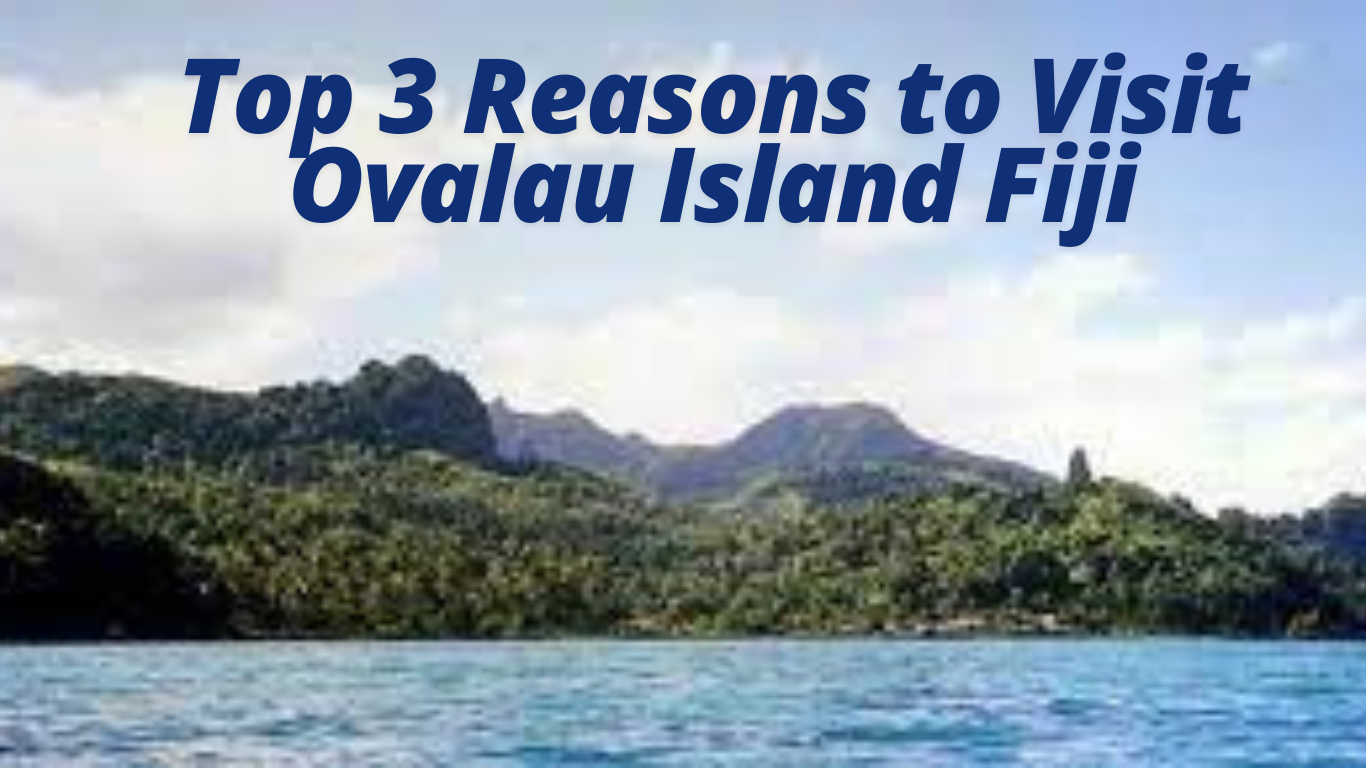
Top 3 Reasons to Visit Ovalau Island Fiji
If you’re fond of exploring history, scenic natural beauty, and culturally diverse sites then Ovalau Island Fiji should be your first choice. This gorgeous island can offer much more than sand and clear sea. This Island has all that every traveler who is into history or nature or anyone who just wants to take a break and feel the vibes of the local culture might be looking for. This little island is in the Lomaiviti Archipelago and is adorable, and the rich history and unspoiled landscapes are truly stunning. The first motivation for visiting Ovalau is its history. The main town on the island is called Levuka, which was the first capital of Fiji and now this site is on the UNESCO World Heritage list. This small town boasts of colonial architecture houses, old churches, and other places of archaeological significance in Fiji. Levuka town is a visual delight for those who love history.Ovalau, Fiji – A Beautiful and Historic Destination
It is a picturesque island in the Lomaiviti Archipelago that offers everyone a fantasy holiday with various activities. This island is well-known for its quiet environment, historical value, natural beauty, leisure and tranquillity, lush foliage, and diverse marine life. What makes it stand out is its historical background. It is different from other Fijian islands that have undergone commercialization; it offers a more tranquil and less commercialized experience compared to other tourist-heavy destinations in Fiji.A Blend of History and Nature
As soon as you get to Ovalau Island one thing that strikes you is how well a history of a place and the geographical environment complement each other. Levuka is the first capital of Fiji and a historic town rich with historical sites and buildings that are architectural jewels of the colonial period.How to Get There?
Ovalau, Fiji is reachable by boat or ferry from Viti Levu, the main island, especially from Suva, the capital. Ovalau is only a short boat trip for visitors arriving from Suva. You may explore the island’s historical landmarks, including the village of Levuka, or take in the serene, sandy beaches and beautiful scenery it has to offer. Once you’re on the island, traveling about is simple.Top 3 Reasons to Visit Ovalau Island Fiji
1. Historical Significance – Levuka: Fiji’s First Capital
On arrival at Ovalau, Fiji, there is a lot to explore especially the history of Fiji which began from Levuka, the first capital of Fiji. Levuka is not only a pretty town, it is the place that witnessed Fijian colonial history and the process of creation of a state.A UNESCO World Heritage Site
Levuka holds a UNESCO World Heritage site status as a recognition of the historical, and cultural heritage site of the entire world. The town boasts a stone colonial structure, small lateral roads, and wooden structure houses that were built at the end of the 19th century. Levuka still holds an ancient aura because each building has its history etched on it.Historical Public Structures in Levuka
-
The Old Colonial Buildings:
-
Queen’s Wharf:
-
The Levuka Heritage Trail:
2. Natural Beauty – Vibrant Marine Life and Coral Reefs
When it concerns natural sightseeing, Ovalau is without any doubt one of the most beautiful places to visit. Here, the marine ecosystem and the corals are among the most colorful and healthy with the island located close to crystal-clear water.Multitudes of species waiting for people to discover
The sea around this stunning Island is rich in marine life. While snorkeling or diving, you will be able to see a great number of fish, starting from the smaller tropical fish and up to the manta rays. It has gorgeous tropical fish, sea turtles, and even dolphins that make their homes on the different colored reefs. There is highly diverse wildlife in those waters, so a trip to those waters will attract anybody interested in nature.Breathtaking Coral Reefs
Great, healthy, and vibrant coral reefs are another natural feature found in Ovalau Island Fiji. Besides enhancing the aesthetic value of underwater scenery, these underwater gardens are of utmost importance to the stable existence of any marine ecosystem. There are usually many colors on the reefs and the corals are something like red, purple, and blue. You are likely to meet schools of fish moving in water around and amidst the corals all forming the ultimate perfect picture.Excellent for Snorkelling and Diving
There are many attractions to explore in the regions surrounding the Island that can be enjoyed by water. The island has so many beautiful areas which provide a clear view of the area as well as easy access to the reefs.- Vibrant Coral Gardens: There are beautiful coral gardens near Ovalau Island and they also have quite healthy coloured coral formations. The isolation shall be esteemed as snorkelers and divers will do their tours in a relatively calm area.
- Turtle Watching: Sea turtles are also easily visible. They swim in the water and anyone with the luck of seeing them will have one of the best experiences.
3. Cultural Immersion – Fijian Traditions and Local Life
Some of the most amazing things about Ovalau, Fiji are its tours and everybody can learn more about the Fijian culture. The people of Ovalau have remained culturally rooted and exploration of the island presents the tourist with a raw and authentic view of the Fijian culture.Traditional Life of Fiji
During your stay, you will be interacting with the friendly people and learning their way of life as well as hearing from them various stories as practiced in the region. Tourists will be offered to see real Fiji ceremonies; join Fijians and dance, and might get a chance to witness ancient Fiji rituals.Enjoy Fijian Cuisine
You will feed your soul by exploring the various dishes particular to the region you’re visiting. Fiji features delicious food, hot-spicy dishes, and generous meals. Visitors to Ovalau may enjoy traditional foods such as kokoda, a Fijian ceviche made with raw fish, lemon juice, and coconut milk, as well as cuisine served in a lovo, an underground oven used to slow-roast meat, fish, and vegetables. They may also eat freshly caught fish, which is picked daily from the island’s beautiful seas.Interact with the Locals
The people of Fiji are extremely friendly; and as much as you might have fun doing lots of activities, you are most likely to simply talk to the locals. These kinds of interactions involve learning about carving and songs, and even listening to some of the history of the island to get an insight into the Fijian culture. Ovalau Island Fiji is a wonderful place to visit. It has a mix of history, beautiful nature, and friendly people. From the historic town of Levuka to the colorful coral reefs and local culture, there’s something for everyone. Ovalau, Fiji is a great place to unwind, enjoy nature, or study history. You will have memories there that you will treasure for years to come. -