Category: Fiji NGOs
-
Women’s Rights and Empowerment through NGOs in Fiji
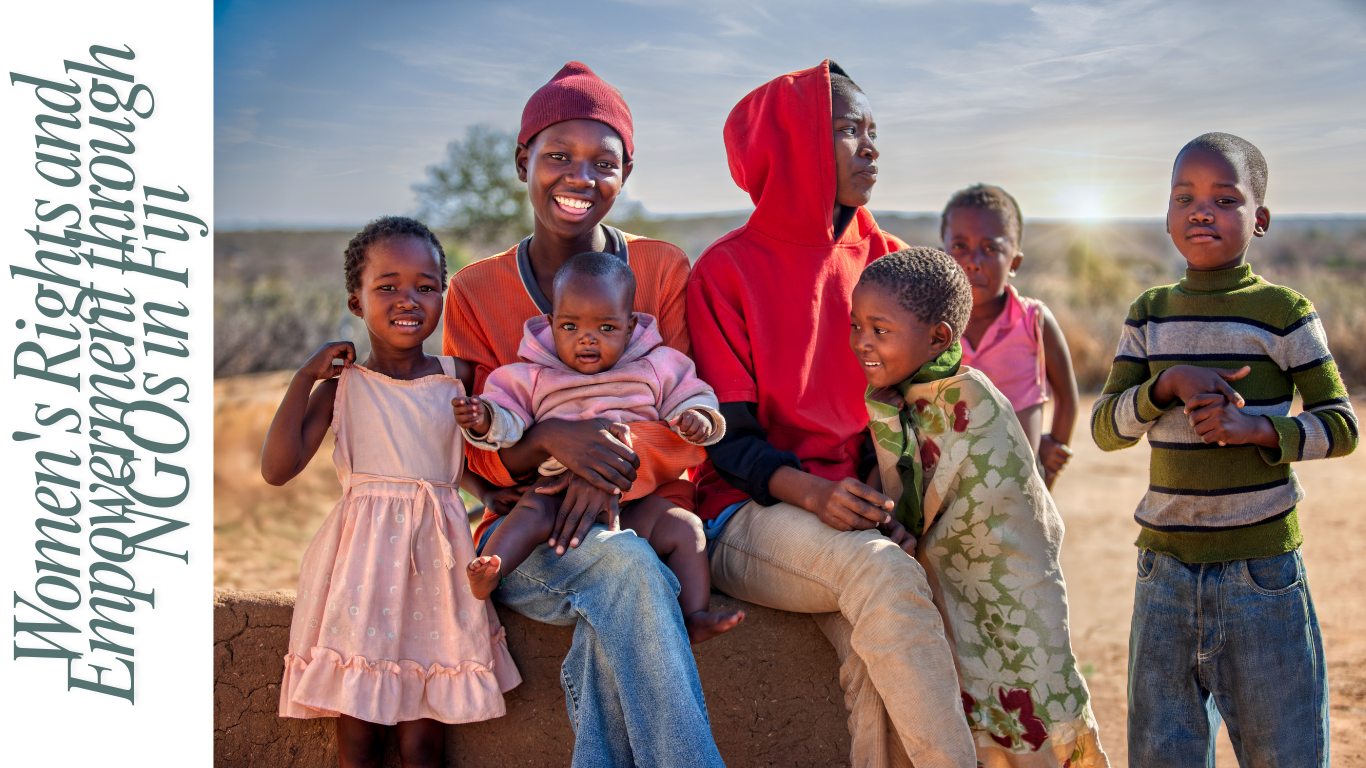
Let’s discuss actual change. The kind that is quiet, uncompromising, and transformative—not the kind that is trumpeted with loudspeakers and flowery speeches. The kind that happens in small training centers, in neighborhood community centers, and in private conversations while sipping kava. This is the change being woven into the fabric of Fiji, stitch by careful stitch, by a collection of organizations utterly devoted to a single idea: unlocking the potential of women. For a very long time, some of Fiji’s toughest problems lived in the shadows. Things like domestic violence and the struggle for economic independence were often treated as private family business. They were whispered about but rarely confronted out in the open. This silence created isolation and left generations of women without a clear path to safety or self-sufficiency. The weight of that silence was heavy. But something shifted. From the bottom up, rather than the top down, a movement started to take shape. Local NGOs in Fiji are driving this movement and are radically altering the discourse. -
How the Fijian Government and NGOs are Protecting Monuriki Island’s Ecosystem
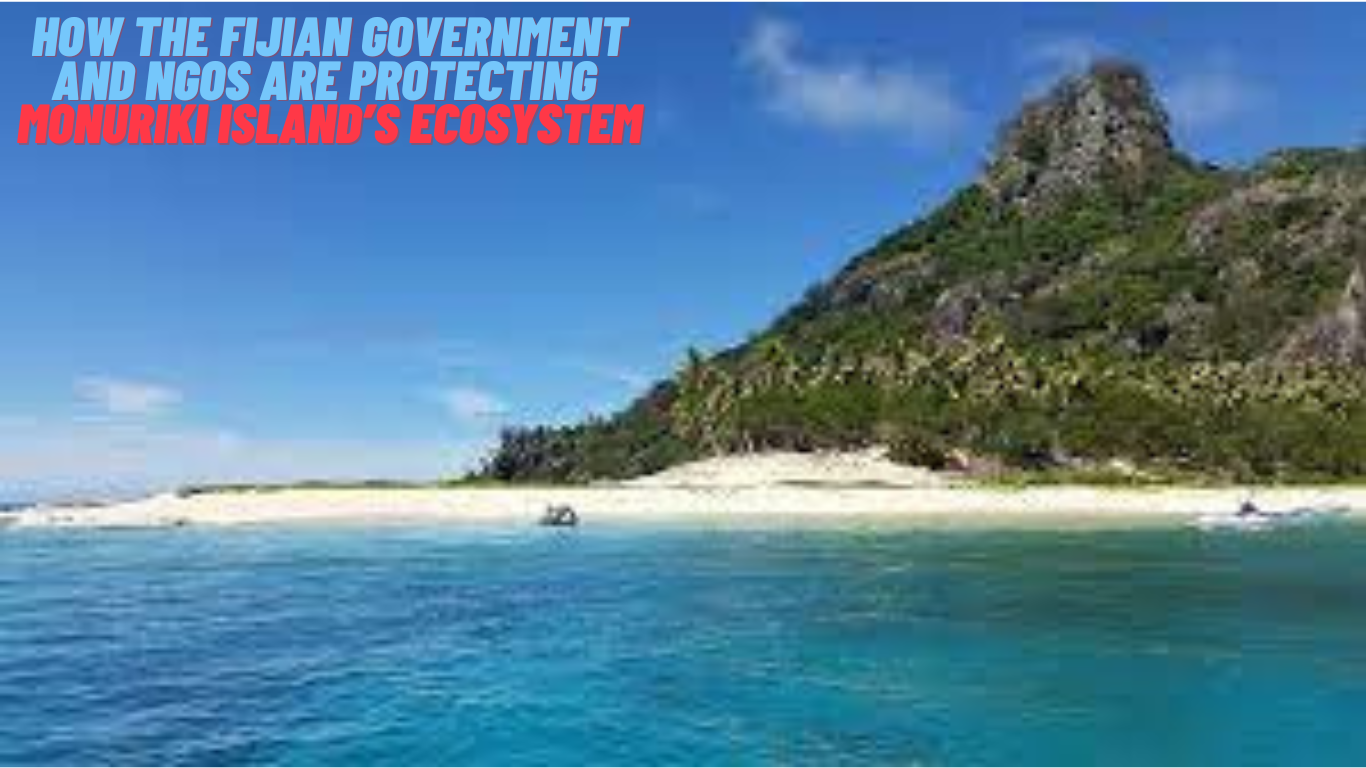
Monuriki Island Fiji is widely recognized as one of Fiji’s most beautiful offshore locations, and its biodiversity is certainly distinctive. Located in the Mamanuca Islands, this small, deserted island is home to a variety of regionally distinctive fauna and plants. It is a dream earthly abode since it offers a natural transition of land and water and is undoubtedly one of the best spots to visit and conserve. However, the beauty of Monuriki Island does not end with the scenic beaches. Many unique species reside there, including the critically endangered Fijian crested iguana. This species and other island endemics remain well-suited to life on Monuriki because large-scale human interference is minimal. Nevertheless, this habitat faces pressure from invasive species, climate change, and environmental challenges, among other threats.The Role of Safeguarding the Biodiversity of Monuriki Island Fiji
The Fijian government and several NGOs are rallying to safeguard the ecological system in Monuriki, Fiji. Their efforts are crucial to ensuring the island preserves its balance of nature while minimizing negative impacts from human activity. Monuriki serves as a powerful example of how nature when responsibly managed and supported through targeted interventions, can recover and thrive.The Fijian Government’s Role in Protecting Monuriki Island Fiji
The Fijian government has put laws like the Environmental Management Act (EMA) into place to stop environmental deterioration. This law mandates thorough environmental impact evaluations for any action that can harm ecosystems. This implies that operations that might endanger Monuriki Island’s distinctive wildlife are closely examined. Another key regulation is the Protected Areas Legislation, through which the government designates specific regions, like Monuriki, as protected areas. Development of operations that could harm the island’s biophysical systems is prohibited under this law. Under this framework, the government safeguards Monuriki’s unique fauna and plants, including highly endangered species such as the Fijian crested iguana.Partnership with NGOs – Strengthening Conservation Efforts
Non-governmental groups are active in the protection of Monuriki, Fiji. Many of their tasks are often limited to wildlife protection, environmental stewardship, and public awareness. These organizations work in collaboration with the government to provide the knowledge essential for the island’s sensitive surroundings. They also teach locals and visitors how to enjoy Monuriki while conserving its biodiversity. This might include instructing tour participants on how to handle the environment so that they do not pollute, hunt, or fish, so destroying it.Sustainable Non-Profit Organization Success on Monuriki Island Fiji
Fiji’s Island of Monuriki is a successful example of NGO-led initiatives to restore natural vegetation. Some NGOs have attempted to restrict the spread of damaging plant species that impede the establishment of native vegetation. They can supplant the indigenous vegetation by claiming more area and nutrients from which native animals obtain food and shelter. These projects address the issue of iguana habitat protection, population monitoring, and captive breeding before reintroducing captive-bred Hatchlings to the wild environment. The Fijian crested iguana has grown as a result of these groups’ efforts to ensure the survival of the reptile species.Invasive Species Management
Invasive species continue to pose one of the most serious dangers to the ecosystems of Monuriki, Fiji.The Problem of Invasive Species
Exotic species are problematic because they are not native to the islands and develop extremely quickly, outcompeting local plant and animal species. For example, non-indigenous species may fight for resources with indigenous plants, completely dominating the island’s vegetative cover. This has a knock-on impact on wildlife, who rely heavily on these plants for food and breeding sites. Thus, Monuriki, like most others, is very vulnerable to invasive species issues. Given that isolated ecosystems dominate islands, invading species represent a greater hazard to the areas than to the mainland. That is why managing such animals is critical to preserving their biodiversity, which encompasses all of the habitats typical of a tiny island.Fiji’s Invasive Species Management Strategy
Fiji has a defined approach for addressing invasive species on Monuriki Island. Their strategy focuses on three critical areas: identification, removal, and haltage. Identification: The first step in IAS management is to determine which of them are the most harmful. Nature Fiji works with locals to monitor plant and animal populations on the island to detect invasive or dangerous species. Removal: Following the finding of an invasive species, the management strategy is to remove it. Some of Nature Fiji’s teams assisted in the actual removal of these species from the island. By cutting undesired plants or gently collecting and transferring animals that are not native to the island, we can prevent this species from spreading further. Prevention: However, stopping future invasions is just as important as getting rid of the current invader. The goal of Nature of Fiji is to raise awareness among Fijians and visitors about the risks associated with bringing in or releasing alien animals into Fiji’s environment. This included scouting the island for fresh dangers and acting quickly to neutralize them. The battle against invasive species is never-ending, but Fiji has achieved great strides in this direction. The prospect of new invasive species invading will always exist as long as Monuriki continues to draw tourists and serves as a hub for local trade. The Fijian government continues to work with Nature of Fiji and other NGOs to monitor the situation and ensure that Monuriki Island Fiji is protected for future generations. The Island of Monuriki Fiji is a good example of how to implement efficient and successful conservation efforts in the world’s most difficult regions. The island is shielded from several dangers that may jeopardize its biodiversity thanks to the efforts of the Fijian government, various non-governmental organizations, and the Fijian people. These actions, when combined with the authority of the law, appropriate management and elimination of invasive species, and the actual application of sustainable tourism, demonstrate how the multisectoral approach can transform the world and put nature in a more favorable light. Since conservation is an empirical process, ongoing research and resident participation ensure that Monuriki Island’s animal environment is healthy. Monuriki Island’s residents have worked hard to preserve its beauty, and if they put in the same amount of effort, other ecosystems should show signs of a similarly promising future. -
Why Volunteer with Vinaka Fiji
Vinaka Fiji is all about volunteerism in paradise – all in one place. Do you want to make the difference that is observed in the middle of nature where the sunrise and the sunset take one’s breath away? That’s precisely the avenue where interested Volunteer with Vinaka Fiji initiative takes in. Working with them as an international volunteer offers you the possibility of a selfless journey linked with your passion for travelling with social responsibility. By going on this journey, you are not only admiring the beautiful setting of Fiji, but you also get personally involved in significant activities that benefit the community. At our shelter, you will find a category which fits you perfectly and put all your opportunities in place for you to contribute something valuable.Why Choose Vinaka Fiji?
So, you may ask why you should Volunteer with Vinaka Fiji. Here are a few reasons: Expertise: They have been in the work for years and making experience for volunteers worthwhile. It has a dedicated team that knows how to make the experience meaningful. Impact: Right through your work with them, you will continuously be part of channelling sustainable development initiatives and making positive changes. Culture: Indulge in the fantastic Fijian culture and forge deep and long-lasting friendships with the locals. Adventure: Look forward to seeing the marvellous Yasawa Islands, featuring the crystal blue waters and heart-pounding greenery of the rainforests, during your volunteer period.How are they Different?
To begin with, at Vinaka Fiji, our projects are humanized with creativity and uniqueness that no other NGO has. They stand out for several reasons:Community-Centred Approach
“Vinaka Fiji” strives to work directly with communities, by listening to them, recognizing their culture and traditions and allowing them to decide what is most needed.Holistic Programs
The organization develops training programs in education to marine conservation and this is tuned according to individuals’ interests and skills.Safety and Support
For you, the traveller and volunteer, we assure you that safety and well-being are at the heart of the experience, all dealt with professionally by our experienced staff.Legacy of Impact
Experience the same commitment of a group of people who are not only volunteers but are equally as dedicated to the betterment of Fijians as you, today’s generation of volunteers.Vinaka Fiji’s Mission and Values
Their mission is simple yet powerful – the generation of renewable energy, reducing carbon footprint, and development of local businesses for sustainable long-term impact in the Yasawa Islands of Fiji. At their foundation, they count on using the volunteers’ enthusiasm to the highest level to unleash the full potential of this force to change local societies and address global environmental problems.Core Values
Sustainability
They are devoted to procedures and products that are driven by steps and practices which are sustainable in the long run and thus our work, with time, has a lasting positive effect.Community Collaboration
They maintain close dealings with the locals just like the locals and conservation of their culture, traditions, and information.Empowerment
Their vision is to inspire, catalyze, and co-learn with the volunteers and local communities that will lead to transformation and impact.Education
Schools are one thing they can do to create a change. They select programs which inform and give protection to the young ones.Environmental Stewardship
Guarding the natural charm of Fiji remains the single purpose of my mission. Their practices include initiatives aimed at the conservation and sustainable management of natural resources. Why their Mission MattersPositive Impact
Through their mission, education facilities for the youth have increased and with their efforts the marine ecosystem which we are all aware of is at risk, they have implemented programs to help preserve marine life.Empowering Communities
Through a close partnership with communities, we help them see themselves as being responsible to grow and design sustainable solutions in the long run.Global Connection
They put together people who express different points of view but feel the same to some extent, thus helping to promote international peace and cooperation.Inspiring Change
It is Vinaka Fiji’s mission not only to change Fiji but also the convictions and thinking of the people who are on their voluntary programs.Why Vinaka Fiji Stands Out in Volunteering
-
Authentic Community Connections
-
Tailored Volunteer Programs
-
Meaningful Impact
-
Cultural Immersion
-
Advice and Guiding Content
-
Sustainable Practices
-
Personal Growth Opportunities
-
-
The Developmental Role of Volunteer International in Fiji
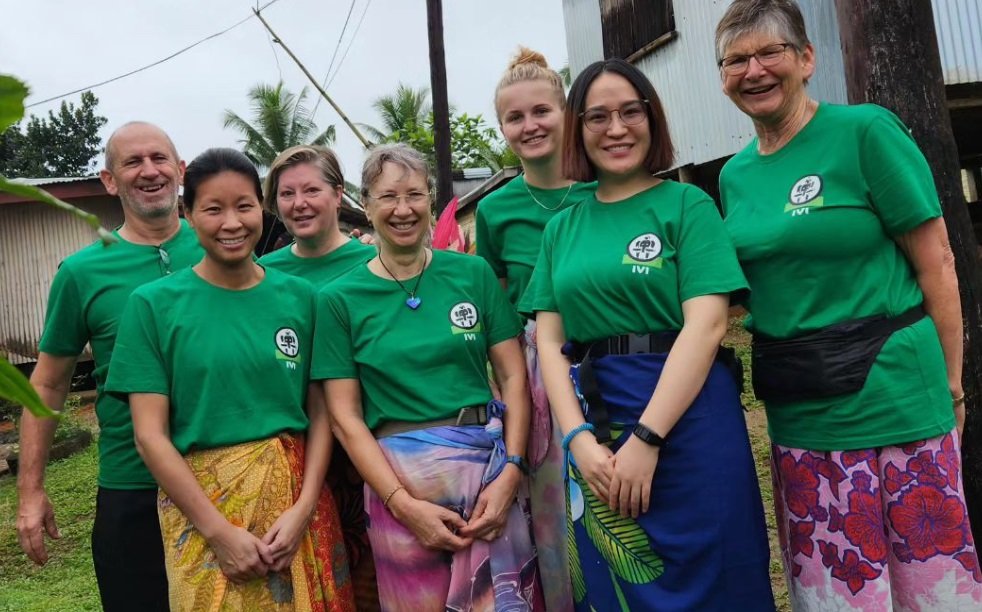
Immerse in Fiji and its caring spirit, where Volunteer International takes this key role. In this blogpost, we’ll look at Volunteer International in Fiji and share how such volunteer work will reshape communities and change lives positively. Volunteer International is not about waving a flag or shouting slogans; it’s about pulling together, spreading out smiles, and developing together. Each volunteer is privileged as every person brings with them a set of skills and life experiences necessary to provide the competence needed to pursue a future full of hope for Fiji. Volunteer International is present in Fiji delivering various projects starting from teaching English to assisting health projects thus covering many vital needs of the local population. Its not only infrastructure that is built but also expansion of environmental conservation initiatives and women and children empowerment at community levels, it is important to note that volunteers are playing a pivotal role in sustainable development.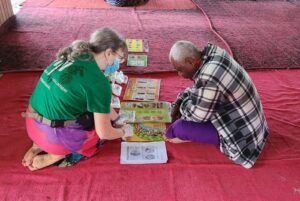 However, this is more than just about the work; it is also about the people and the relationships that are created along this path. Through volunteers, Fiji becomes a unique way of interacting with the rich culture, including not only learning from locals but also sharing personal experiences. It is a relationship of reciprocated understanding, mutual respect, and personal growth.
History and Background
Today in Fiji volunteering via Volunteer International has its origin in a dream of changing lives and empowering communities. Volunteer International in Fiji which was initiated as an entity with a heart driven to sustainably contribute to the economic growth of Fiji has now been a beacon of hope and support for the many. Through the years, Volunteer International has broadened and diversified, lengthening the communities they address, and the countries they operate Volunteer International in. As a small undertaking, this has now been elevated to a global phenomenon, and it does not matter where the volunteers have come from, they do have their special skills at their disposal. Volunteer International’s history can be defined by its dedication to the long-term solution of the environment and society. In contrast to acute utility measures, however, Voluntary International focuses on long-term projects that bring changes to a community for many years to come. This strategy has made the organization closer to both locals and volunteers.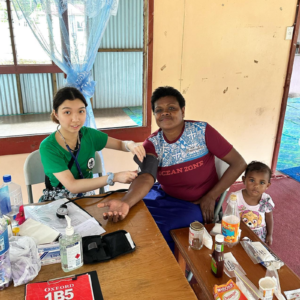 Volunteers International’s service has become more effective by linking with local groups and agencies of the government. Joining together the resources and expertise has greatly helped in broadcasting the impact of the programs.
From the construction of schools and clinics to the implementation of environmental conservation and entrepreneurship activities, Volunteer International’s programs address issues which both directly and indirectly are important for the development of communities.
However, Volunteer International’s story is not only about projects; it is about people – the willing volunteers, the local communities, and the staff who tirelessly commit their time and hard work. It is not just about the interactions and the bonds created between people and friends from wildly different backgrounds but goes deeper to show how best to communicate without breaking cultural barriers.
To be specific, Volunteer International has a history of love, commitment, and persistence. People will remember these values even after they leave Fiji and go on performing their duty elsewhere. The legacy and the origin of Volunteer International in Fiji represent a vivid exhibition of the power of volunteers and the success which the ethical forces have in their hands.
Volunteers International’s service has become more effective by linking with local groups and agencies of the government. Joining together the resources and expertise has greatly helped in broadcasting the impact of the programs.
From the construction of schools and clinics to the implementation of environmental conservation and entrepreneurship activities, Volunteer International’s programs address issues which both directly and indirectly are important for the development of communities.
However, Volunteer International’s story is not only about projects; it is about people – the willing volunteers, the local communities, and the staff who tirelessly commit their time and hard work. It is not just about the interactions and the bonds created between people and friends from wildly different backgrounds but goes deeper to show how best to communicate without breaking cultural barriers.
To be specific, Volunteer International has a history of love, commitment, and persistence. People will remember these values even after they leave Fiji and go on performing their duty elsewhere. The legacy and the origin of Volunteer International in Fiji represent a vivid exhibition of the power of volunteers and the success which the ethical forces have in their hands.
Volunteer Experience with Volunteer International in Fiji
Volunteer International in Fiji is indeed a phenomenal experience. It’s an opportunity for you to experience something that you have never tried before, visit new places, and be able to effect change in the lives of other people. Whether it’s concerned about education, health, the environment, or community organization, you will find what to participate in that you can make a difference through that project. Above all, volunteering in Fiji motivates you by the chance of creating interpersonal bonds with the locals. From the first step on the boat to your cashier checkout, you’ll be met with smiles, kindness, and ever-present hospitality. People of the community look forward to sharing their culture, traditions, as well as stories with volunteers to have an appreciation of their own culture and a return of the same, hence forming a mutually valuable exchange. Indeed, the volunteers return home with stories of cultural revelation which would have been unthinkable before. Sometimes they cannot even find the right words to describe what they’ve experienced. It is through both the work and the people you meet that you have great times and unforgettable memories.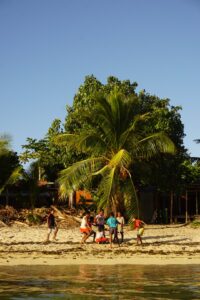 The role might involve touch to teach English to enthusiastic students, assisting in healthcare programs, or joining environmental volunteer activities, one way or the other, the tasks you complete will all result in a positive impact.
A team of staff from Volunteer International ensures that the participants have a pleasurable and thoughtful experience that is both safe and impactful. Whether it is through initiating, continuous, or one-off assistance projects, volunteers confidently apply their knowledge and time when they give their contribution to the community.
A lot of volunteers remember forever the cultural exchange and immersion experience during their service. Living alongside the locals helps one discover the views and values of the residents at different levels and to get acquainted with the community through various events increases the appreciation and knowledge about the country’s rich heritage. It’s a chance for people to take their horizons outside, get out of their comfort zone and try to be more tolerant.
The role might involve touch to teach English to enthusiastic students, assisting in healthcare programs, or joining environmental volunteer activities, one way or the other, the tasks you complete will all result in a positive impact.
A team of staff from Volunteer International ensures that the participants have a pleasurable and thoughtful experience that is both safe and impactful. Whether it is through initiating, continuous, or one-off assistance projects, volunteers confidently apply their knowledge and time when they give their contribution to the community.
A lot of volunteers remember forever the cultural exchange and immersion experience during their service. Living alongside the locals helps one discover the views and values of the residents at different levels and to get acquainted with the community through various events increases the appreciation and knowledge about the country’s rich heritage. It’s a chance for people to take their horizons outside, get out of their comfort zone and try to be more tolerant.
Challenges Faced by Volunteer International in Fiji
Yes, Volunteer International does everything possible to get positive outcomes but some issues always challenge the process of change. As for Volunteer International in Fiji, the deficit in resources faces a large percentage of people. These encompass funding, resource materials, and people power without which projects may not be configured correctly. Despite these challenges, Volunteer International does its best to make the most impact out of the scarce resources, forging ties with partners and adventures in fundraising. Another issue is the geographical diversity of Fiji which is influencing the efforts. Some areas are geographically restricted and isolated, and it can be difficult to respond to those facing an emergency in these places. International Volunteer Organization tries to tackle this challenge by involving organizations in local partnerships and by employing contemporary service-delivering and support approaches to reach not only forgettable areas but even areas that are usually left untouched. Cultural disparity and language difficulty will even add some more problems for volunteers and administrative staff. To be successful in global business, one needs to respect cultural norms, traditions and communication styles which are the keys to building trust and effective interaction. Volunteer International puts much emphasis on culture competency training and language support with the holistic approach of establishing fruitful relationships with the local population. Their security and well-being are major issues that are taken seriously from sending volunteers to Fiji by Volunteer International. Volunteer International lists safety rules, and risk examinations for every volunteer’s protection and to avoid dangers. Withstanding these challenges, Volunteer International will not be deterred by its mission of making good change for the better in Fiji. Forging ahead through tackling problems, providing innovative solutions and supporting strong partnerships, Volunteer International continues to be a force for transformation in the community and people’s lives spanning across the islands. -
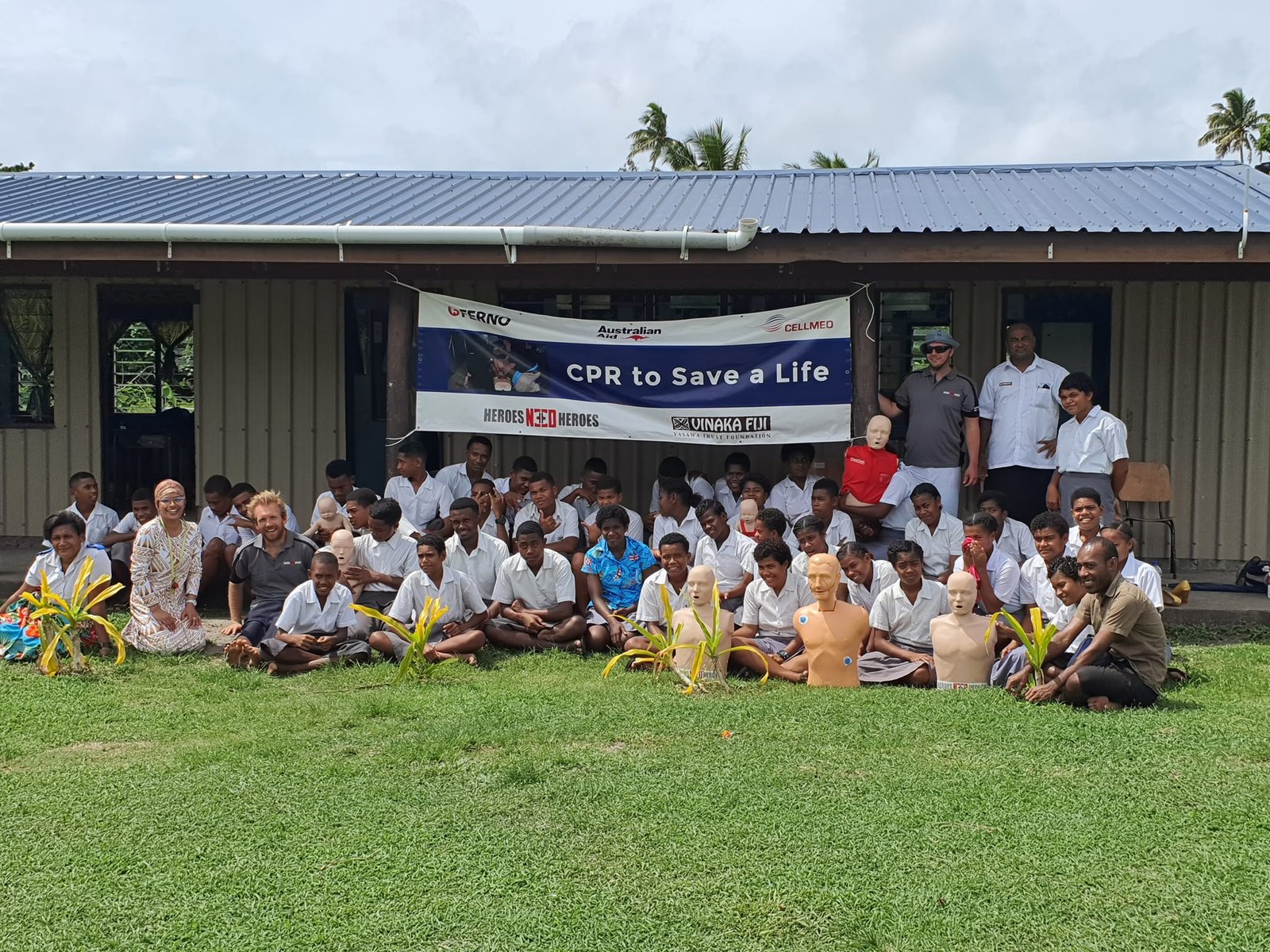
Heroes Need Heroes – A Closer Look at Fiji NGOs Landscape
Picture a landscape of 330 islands, where Fiji NGOs (that’s Non-Governmental Organizations) are the unsung heroes working towards positive change. This article is your invitation to join the dynamic world of Fijian NGOs and focus on the amazing work that they do. Located in the South Pacific, Fiji is more than just a turquoise water paradise; It is a place where NGOs demonstrate a sense of resilience and solidarity. Get ready to be inspired by tales of kindness that echo across the islands and reach into the hearts of those making a positive impact.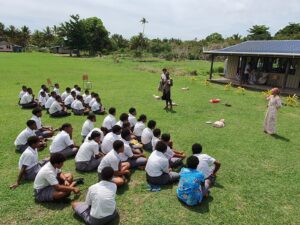 The Story Behind Fiji NGOs
When we talk about “Fijian NGOs” we are not just talking about organizations; We are talking about the collective power that is empowered by collective missionary work: to make a positive difference in the lives of Fijians and others.
These NGOs, often unsung prominent figures in this narrative, have been quietly reshaping the social fabric for years. Motivated by a genuine promise to make a real impact, these organizations seamlessly weave through the very fabric of community welfare in the islands.
Amidst this patchwork of goodwill, enter “HNH,” a pivotal player in Fiji’s NGO saga. It wasn’t born out of chance; it was born out of a collective yearning to serve and make a meaningful difference.
As we uncover the background of Fijian NGOs, let’s appreciate the narrative of these organizations—the unsung heroes painting a brighter tomorrow for Fijians, one act of kindness at a time.
HNH – A Crucial Player in Fiji’s NGO Tapestry
In the intricate weave of Fiji’s NGO realm, “Heroes Need Heroes” (HNH) stands as a pivotal force, threading impact and hope throughout the islands with a distinct Australian touch. It wasn’t a coincidence; it was a conscious dedication that birthed HNH, epitomizing heroism by standing shoulder to shoulder with International Ambulance and Rescue Personnel in Southeast Asia. What it extends is more than support—it’s an unwavering lifeline.
At the core of HNH’s mission is the commitment to be the silent force driving successful rescues, be it in the serene Fiji Highlands or the bustling towns.
In the grand canvas of Fijian NGOs, HNH, with its Australian roots, doesn’t just talk about change—it actively contributes to it. As we unravel the background of HNH, let’s take a moment to acknowledge the unsung heroes, the architects of a brighter tomorrow for Fijians—one act of kindness at a time.
Empowering Heroes: Unveiling HNH’s Impactful Initiatives
In the vibrant canvas of Fiji’s philanthropy, (HNH) isn’t just a name; it’s a force weaving strokes of change that resonate across South East Asia.
The Story Behind Fiji NGOs
When we talk about “Fijian NGOs” we are not just talking about organizations; We are talking about the collective power that is empowered by collective missionary work: to make a positive difference in the lives of Fijians and others.
These NGOs, often unsung prominent figures in this narrative, have been quietly reshaping the social fabric for years. Motivated by a genuine promise to make a real impact, these organizations seamlessly weave through the very fabric of community welfare in the islands.
Amidst this patchwork of goodwill, enter “HNH,” a pivotal player in Fiji’s NGO saga. It wasn’t born out of chance; it was born out of a collective yearning to serve and make a meaningful difference.
As we uncover the background of Fijian NGOs, let’s appreciate the narrative of these organizations—the unsung heroes painting a brighter tomorrow for Fijians, one act of kindness at a time.
HNH – A Crucial Player in Fiji’s NGO Tapestry
In the intricate weave of Fiji’s NGO realm, “Heroes Need Heroes” (HNH) stands as a pivotal force, threading impact and hope throughout the islands with a distinct Australian touch. It wasn’t a coincidence; it was a conscious dedication that birthed HNH, epitomizing heroism by standing shoulder to shoulder with International Ambulance and Rescue Personnel in Southeast Asia. What it extends is more than support—it’s an unwavering lifeline.
At the core of HNH’s mission is the commitment to be the silent force driving successful rescues, be it in the serene Fiji Highlands or the bustling towns.
In the grand canvas of Fijian NGOs, HNH, with its Australian roots, doesn’t just talk about change—it actively contributes to it. As we unravel the background of HNH, let’s take a moment to acknowledge the unsung heroes, the architects of a brighter tomorrow for Fijians—one act of kindness at a time.
Empowering Heroes: Unveiling HNH’s Impactful Initiatives
In the vibrant canvas of Fiji’s philanthropy, (HNH) isn’t just a name; it’s a force weaving strokes of change that resonate across South East Asia.
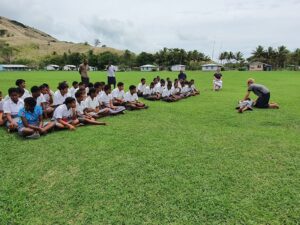
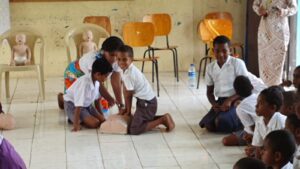
- Boosting Rescuer Confidence:At the heart of HNH’s initiative is a dedicated pledge to boost the confidence of International Ambulance and Rescue Personnel. Whether nestled in the serene Fiji Highlands or amidst the hustle of towns, the organization goes beyond just training—its mission is to transform ordinary individuals into extraordinary rescuers, ready to navigate emergencies with skill and poise.
- A Lifeline of Equipment:Beyond education, HNH extends a lifeline through the donation of crucial medical equipment.
- Reaching the Unreachable:No corner is too remote for HNH. Venturing into the beautiful Fiji Highlands, the organization provides life-saving first aid training, making an indelible mark on communities that are often overlooked.
- Standing Strong in Cyclones’ Wake:When nature’s fury strikes, HNH stands strong. Swiftly responding to disasters like Cyclone Mal, the organization becomes a pillar of support in the face of destruction. It’s about being there during the storm, ensuring that the ground heroes have the backing required to weather the turbulence.
 Exploring the Impact of Heroes Need Heroes in Fiji
Envision a tapestry woven with compassion, portraying Fiji NGOs as the unsung heroes sculpting a narrative of positive change across the islands. Taking center stage is the Australian-based Heroes Need Heroes(HNH) initiative—a living embodiment of genuine heroism.
HNH’s mission seamlessly aligns with the courageous International Ambulance and Rescue Personnel in Southeast Asia. Beyond the conventional NGO role, it silently promises to support successful rescues, whether amidst the serene Fiji Highlands or the bustling towns.
In the face of nature’s fury, HNH stands tall, swiftly responding to disasters like Cyclone Mal, emerging as a pillar of support amid destruction.
Within Fiji’s close-knit communities, NGOs, spearheaded by HNH, play a pivotal role in enhancing healthcare services across the islands.
The perpetual challenge of limited resources fails to dampen their spirits. In the dynamic landscape of policies and regulations, Fijian NGOs, under the leadership of HNH, showcase adaptability as a core strength.
Navigating Challenges faced by Fiji NGOs
In the midst of Fiji’s enchanting beauty, NGOs, HNH among them, tread a path strewn with challenges.
Exploring the Impact of Heroes Need Heroes in Fiji
Envision a tapestry woven with compassion, portraying Fiji NGOs as the unsung heroes sculpting a narrative of positive change across the islands. Taking center stage is the Australian-based Heroes Need Heroes(HNH) initiative—a living embodiment of genuine heroism.
HNH’s mission seamlessly aligns with the courageous International Ambulance and Rescue Personnel in Southeast Asia. Beyond the conventional NGO role, it silently promises to support successful rescues, whether amidst the serene Fiji Highlands or the bustling towns.
In the face of nature’s fury, HNH stands tall, swiftly responding to disasters like Cyclone Mal, emerging as a pillar of support amid destruction.
Within Fiji’s close-knit communities, NGOs, spearheaded by HNH, play a pivotal role in enhancing healthcare services across the islands.
The perpetual challenge of limited resources fails to dampen their spirits. In the dynamic landscape of policies and regulations, Fijian NGOs, under the leadership of HNH, showcase adaptability as a core strength.
Navigating Challenges faced by Fiji NGOs
In the midst of Fiji’s enchanting beauty, NGOs, HNH among them, tread a path strewn with challenges.
- The Resource Conundrum:Fiji NGOs, HNH not exempted, often wrestle with a scarcity of resources. Whether it’s budget constraints or a lack of skilled staff, these organizations face an uphill battle to deliver maximum impact with minimal tools.
- Navigating Fiji’s Diverse Terrain:The idyllic islands of Fiji bring their unique challenges, particularly in terms of geographical disparities. Remote areas, where the need is most acute, present logistical puzzles for NGOs like HNH. Developing effective distribution strategies requires ingenuity to navigate through a variety of issues.
- Nature’s Unpredictability:The unpredictable temperament of nature in Fiji adds another layer of challenge. Storms, hurricanes, and natural disasters can disrupt NGOs’ sustained efforts, shifting resources from long-term goals to immediate relief efforts For HNH, it’s a juggling act that balances preparedness with rapid response.
- Navigating the Policy Landscape:Fiji NGOs, including HNH, grapple with the ever-changing policy and regulation dynamics. Adapting to governance and compliance requirements is an ongoing challenge. Ensuring their policies align with evolving regulatory frameworks is a constant in their remarkable journey.
 The perpetual challenge of limited resources faced by NGOs in Fiji, HNH included, doesn’t dim their spirit. In the ever-shifting landscape of policies and regulations, Fiji NGOs and Heroes Need Heroes leading the charge, display adaptability as a core strength.