You know, when you dream of Fiji, what do you see? I’ll bet it’s white sand beaches and blue water. You’re probably not picturing power lines and generators. But here’s the thing—someone has to keep the lights on in paradise.
That electricity is what makes modern Fiji possible. It powers the neighborhood health clinic, keeps your hotel room cool, and enables children to complete their homework after dark. The story of energy resources in Fiji is fundamentally shaped by this challenge: it is extremely difficult to provide power to everyone in a country with so many islands, and this difficulty impacts everything from tourism to healthcare.
Hydropower: Fiji’s Energy Workhorse
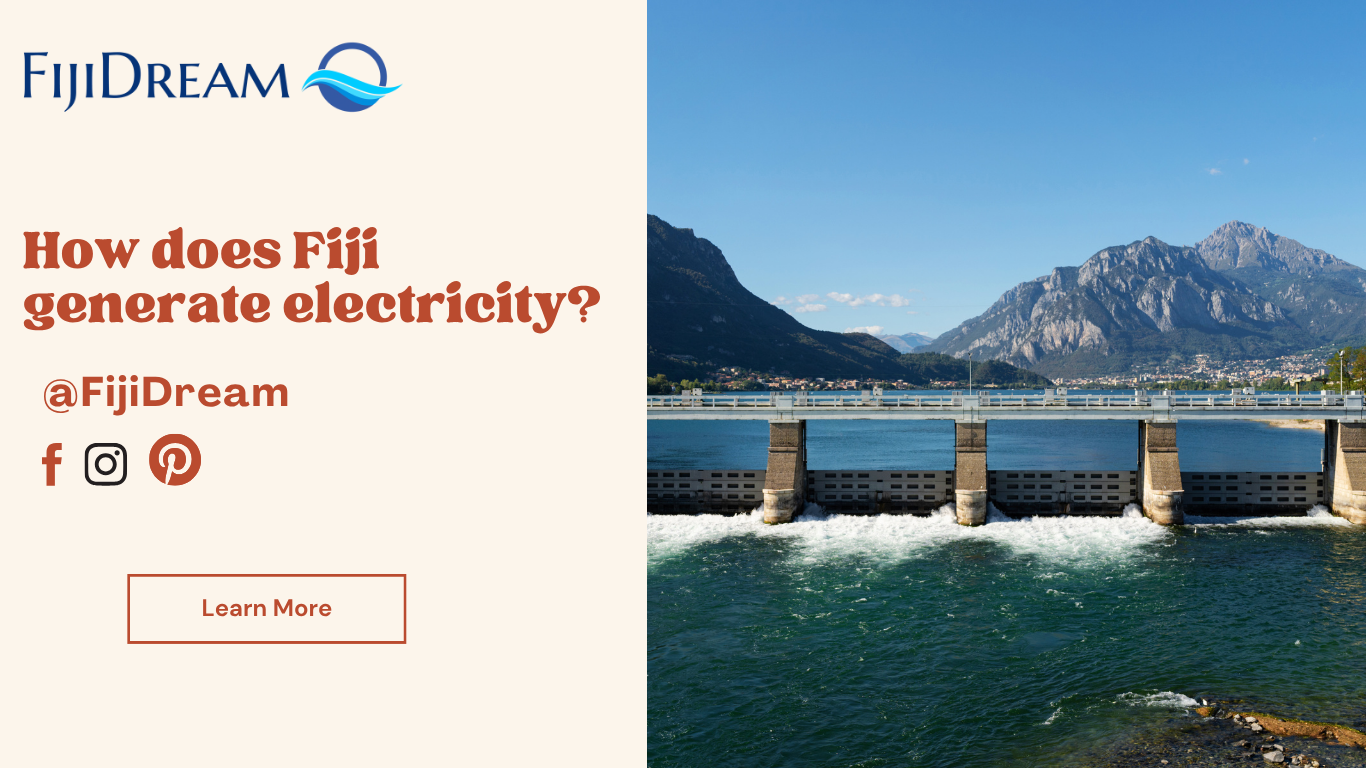
The biggest slice of Fiji’s electricity pie comes from water. It’s funny how geography decides your fate sometimes. Take Fiji’s hilly landscape and all that heavy rainfall—it was almost inevitable that Fiji would turn to hydropower. And that’s precisely what happened—it’s now their primary renewable energy source.
The Monasavu Dam is in the middle of it all, hidden away in the mountains. It was built in the 1980s, and it’s been absolutely central to powering the country since.
The beauty of the idea is that it is simple. Power is produced by releasing water from the reservoir, which turns a few turbines. Moreover, more than half of Fiji’s power is produced by this one dam when the rains fall as they should. That’s not a little victory; for an island nation like Fiji, it’s a major benefit for the environment. It’s no wonder that hydropower has become the cornerstone of energy resources in Fiji.
Of course, water is a blessing and a curse. When drought hits, reservoir levels drop and output falls. That’s when Fiji leans on its backup options — and those backups often involve imported fuel.
The Diesel Dilemma: A Necessary Evil
Let’s be honest, diesel gets a bad rap for good reason. It’s expensive to import, it’s dirty, and on paper, it seems like the last thing you’d want. But in the islands, the story is different. For many smaller, remote communities, a diesel generator isn’t just an option; it’s like a lifeline.
Stringing a power line from the main island is a financial fantasy. So, that loud, smelly generator? It’s what powers the clinic, the school, and the homes. Even on the main grid, when the rains don’t come and the hydro dams run low, diesel is what keeps the lights on.
The downside hits right in the wallet. Fiji spends a fortune every year just to import the fuel, not to mention the headache of getting barrels across stormy seas. Everyone wants to phase it out, and you can see why. But the reality is, until we have something better that can reach every island, diesel is a frustrating part of life we can’t just wish away.
So, the story of energy resources in Fiji has long been a tale of two giants: water and diesel.
New Energy on the Block
Alongside the big hydro dams and the dependable diesel, newer players are slowly making their mark.
Solar: This one’s a no-brainer. Fiji has sunshine in abundance. You’re starting to see panels on village rooftops, powering schools, and even some resorts use them as a badge of honor to attract tourists who care about the environment.
Biomass: Fiji’s got a long history with sugarcane. The remaining stalks are now burnt to generate electricity rather than being wasted. It’s a clever strategy to increase the value of the farms we now own.
Wind: There’s a small wind farm down near Sigatoka, which is a great experiment. The wind can be a bit fickle here, so it’s not the most reliable source yet, but it’s proof we’re looking at every possibility.
None of these is running the whole country yet, but they’re growing. Together, they represent the promising new frontier of renewable energy in Fiji. And their real value is in chipping away at our need for imported diesel while helping us live up to our image as a nation that protects its environment.
The Challenges of Powering an Island Nation
Keeping the lights on across Fiji’s many islands is a challenge shaped by the sea itself. The country isn’t one piece of land but a collection of separate communities, each needing its own power source. Stringing cables underwater to connect everyone is a financial non-starter. This scattered geography is the first and biggest hurdle.
Then comes the delicate dance of supply. Fiji mostly uses hydropower. But when rain is scarce, the country turns to diesel. This creates a tricky dependency. Fiji’s electricity costs become tied to global fuel prices, meaning events in far-off markets can send bills soaring locally.
Nature itself is another constant test. The threat of cyclones hangs over everything. These are not only storms; they are dreadfully frequent occurrences of catastrophe. The electricity grid might be destroyed by a direct strike, which would flatten transmission lines, break solar arrays, and choke hydro intakes with debris. As repairs are made over difficult terrain, the lengthy and difficult restoration process can leave remote towns without energy for weeks at a time.
The future of energy resources in Fiji is incredibly ambitious: 100% renewable by 2030. With all these issues, that goal takes some serious nerve. You can’t just pick one fix. The only way it works is by trying a bit of everything all at once: shipping solar panels to the islands stuck on diesel, patching up the old Monasavu dam, figuring out how to burn cane trash for power, and getting companies to chip in their own cash.
Let’s be clear, though: money isn’t the main issue here. It is a survival tactic. And the crazy thing is, while everyone else is just talking, a tiny place like Fiji is actually doing it.
And critically, this isn’t a path being walked alone. Fortunately, the World Bank and Asian Development Bank contribute vital financial and technical support, and close allies like Australia and New Zealand also chip in with consistent, direct help.
And with this, a tiny country like Fiji can actually lead the pack on switching to renewables, with the label of using renewable energy in Fiji.
So, where is Fiji right now? The honest answer is… in the middle of it. Hydropower still provides the majority of our electricity. The diesel generators take over when that is insufficient. Also, you see that wind and solar energy are always increasing.
Fiji is dedicated to proving that size does not matter when it comes to a sustainable energy future. It is challenging, really. A single cyclone may ruin everything. But the goal is crystal clear: get off diesel, for good.
For Fijians, this isn’t just some government project. It’s about breathing easier with cleaner air. It’s about the lights staying on after a storm.
So next time Fiji comes to mind, sure, picture the beaches. But also picture a solar panel on a school roof. Picture a community working together. Electricity means more to Fiji than simply turning on lights. It’s about creating a solid and safe future for their children. The evolution of energy resources in Fiji is about more than megawatts. Simply said, it’s about hope.
Fiji is going to switch how the nation generates its power with a big change on the way. This island nation is shifting gears as far as energy is concerned – it no longer relies on oil and gas. It’s replaced with renewable energy in Fiji, which is more environmentally friendly.
Will it be effective to employ such sources? This approach will assist to combat one of the most pressing issues of today – climate change. It means that Fiji has embraced renewable energy, which is crucial in the fight against carbon emissions. This results in reducing the emission of greenhouse gases and leading a healthy life without any dangers from polluted air.
Fiji’s government has strong plans to support renewable energy in Fiji. These plans, commonly referred to as renewable energy policies, may be described as the playbook for changing the face of the energy fraternity for future generations. It pertains to policies and procedures to convert the country from old power resources to a new one which is more environmentally friendly. The policies relate to the following types of renewable energy, for instance: Solar energy, wind energy and water energy.
Current Renewable Energy Policies and Initiatives
The current governing system has laid down good measures to ensure a shift towards clean energy sources.
Key policies for renewable energy in Fiji:
Incentives for Solar Energy: The Government gives financial inducements to companies and residents who invest in solar power installations. This contributes to increasing the possibility of switching from other sources of energy.
Renewable Energy Targets: Fiji has formulated policies on the generation of energy from renewable resources in relative proportion to targets that need to be achieved. The country’s vision and aspiration is to derive the major power requirement from renewable energy by 2030.
Support for Wind and Water Power: Solar power is not the only source of power that Fiji is developing and exploring, they are also developing wind and water power. These sources are beneficial towards the preparation of a blended ‘basket of renewable energy’.
Solar Energy Fiji
Solar Farms: The big solar farms are under construction on the islands. They harness the sunlight to produce electric power that can be used in thousands of homes in the country.
Community Solar Projects: There are also communal solar-related projects which are aimed at making it easier for neighbourhoods to access solar power. Thus, clean energy becomes available to all without having to invest thousands of dollars in PV systems.
Educational Programs: Fiji is also investing in education in a bid to ensure that people are informed on the gains in taking to solar energy.
Obstacles and Possibilities
Renewable energy in Fiji is not without its troubles since converting to green power entails certain difficulties. Challenges such as operating within a restricted cash limitation and the desire for advanced technology also hinder Fiji. By attending to these issues, Fiji can transform, setting an example for the entire world to follow and achieve cleaner power sources.
Types of Utilized Renewable Energy in Fiji
Solar Energy
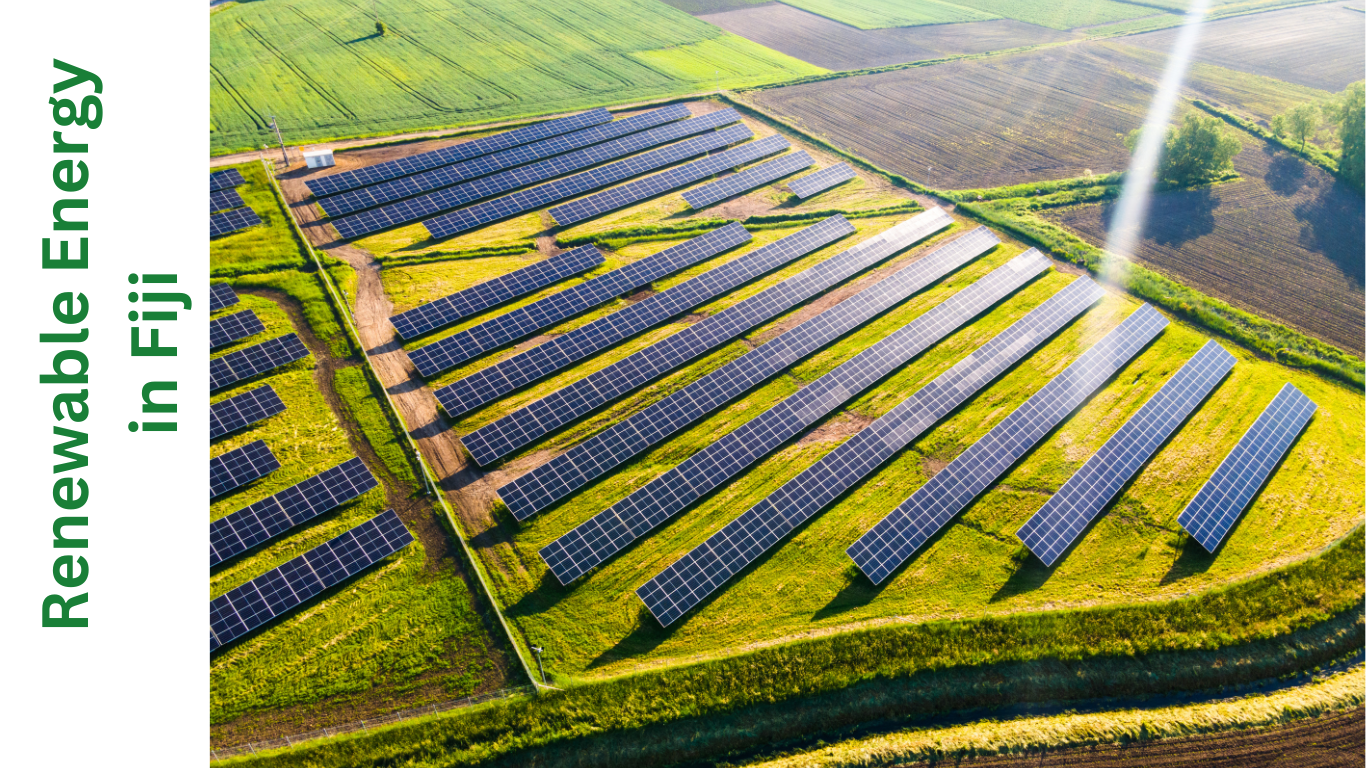
Among all the renewable energy sources that can be utilized in Fiji, there is one that stands out as the most prominent, – solar energy. Due to this, there is great potential in using the power of the sun and this makes Fiji the right place.
Here are some key points about solar energy in Fiji:
Solar Panels Everywhere
There are big tracts of land referred to as solar farms, where they install several solar panels. These farms generate as much electricity that can make many homes and business premises operational. The government tries to compensate for the costs of generating solar energy to make it cheaper. This makes it possible to achieve a higher level of green energy uptake and, at the same time, contribute to optimal consumer expenditure.
Wind Energy
Wind power plants have large structures that consist of long blades known as wind turbines in regions with strong wind. The wind makes the blades rotate and generate electricity. It is clean energy because apart from being always available through the wind, it also does not hinder the natural processes of the world.
Biomass Energy
It is deployed to ensure waste is well-managed and, at the same time generate clean energy for society. It recycles waste products into electricity.
Tidal Energy
Like windmills, tidal mills are also erected on the sea bed; at the bottom of the river or sea. This power comes from the movement of the tides, which spin the turbines to produce electrical power.
Implementation Challenges and Strategies
Below are the major issues and how Fiji is trying to address them, the following are among the major issues:
Finding Optimal Locations
Challenge: The suitability of renewable energy installation for every place is not guaranteed. For instance, solar energy in Fiji requires areas with maximum heat and light exposure and wind turbines which require locations with a steady and strong wind flow.
Strategy: New technologies are also coming in handy to find the most suitable areas for the installation of solar panels, wind turbines, etc. This way, Fiji guarantees that it utilizes suitable places that will make the renewable energy systems yield the maximum results.
Technical Challenges
Challenge: Installation and custody of renewable energy systems involves technical know-how and technology of higher order. Sometimes the systems themselves can pose problems about their effectiveness or the durability of the products involved.
Strategy: The government of Fiji has developed training approaches for enhanced human capital resources capacity to manage RE technologies. Besides, working with foreign partners and direct investment brings the newest technologies and standards to local companies.
Igniting equality between Old and New Energy Initiative
Challenge: The knowledge and various challenges about moving from conventional energy such as diesel generators to green sources of energy are diverse. But most importantly, making the transition between the old and the new models possible will require good balance.
Strategy: Currently renewable energy in Fiji sources are gradually being incorporated as supplicants to existing systems. This approach is useful when transitioning, and it also accustoms the world to a stable power supply. For instance, the incorporation of solar energy such as Fiji’s Solar PV Project is being integrated with energy systems while other forms of energy continue to produce electricity concurrently.
Weather-Related Issues
Challenge: One major limitation is that some types of energy such as solar and wind power are dependent on the weather conditions. Synchronized Energy Production when cloudy days affect solar energy while calm days affect wind energy.
Strategy: Fiji is quite eager to invest in solutions for energy storage, especially when the amount of energy created is higher than necessary during sunny or windy weeks. These stored reserves can then be used when production is low, they can be a very effective means of providing for the minimum and constant demand.
Community Engagement
Challenge: Practically convincing everyone that it is time to shift to renewable energy sources presents challenges.
Strategy: The priority preventive strategy that Fiji is taking into consideration is the education of the community. These are informative campaigns that are usually targeted at making the public understand the importance of renewable energy and how the processes occur. This is because, through the participation of the various communities in the decision-making within Fiji, everybody feels like they are part of the change that is being made.
Future Prospects and Innovation
Expanding Solar Energy
Growth of Solar Energy Fiji: Fiji is endowed with ample sunlight, which is a key aspect of enhancing solar power. Future projects are to extend the installation of solar panels on more residential premises, commercials, and other facilities. This will in turn greatly decrease the utilization of fossil fuels at a time when many African countries are trying to implement renewable energy in Fiji projects.
Innovative Solar Technologies: Solar panel power is becoming progressively affordable due to improved solar technology which increases the efficiency of the solar panels. These Fijian authorities should consider implementing these new technologies that could improve energy production in Fiji. For instance, there are intentions to adopt bifacial solar panels, where the panels can harness solar energy both on the front and backside.
Exploring the Opportunities in Wind and Water Energy
Wind Energy Potential: Fiji’s windy areas need wind turbines because the wind can be utilized naturally for electricity production. Successive projects will harness this potential and come up with wind farming projects to produce electricity without polluting the environment. These wind farms will be additional to the installed solar generating stations thus providing a constant power supply other than at dawn.
Hydropower Projects: Hydropower prospects are also aligned with Fiji’s river and stream systems. There exists an option to build small-scale hydroelectric plants that can provide electricity to the isolated territories. This also serves the purpose of electrification for more people while also making sure it is done sustainably.
Innovative Energy Storage Solutions
Battery Storage: One of the key areas for future development is energy storage. Battery technology is continuing to improve, which can consequently store solar and wind power.
Smart Grids: The smart grid is another exciting innovation that is expected to be realized soon. A smart grid tends to have technology to ensure that energy distribution is effective. They can bring the supply and demand of power in harmony, cut unnecessary energy costs, and assimilate a variety of RE sources.
In the progressively developing Fiji that utilises its resources to enhance natural resources and adopt innovative technologies, the vision becomes real and helps the country turn toward greener and more reliable energy sources. Independent Generation of Renewable Energy in Fiji is therefore not just an achievement but the key to a better and sustainable energy future for all Fijians.